
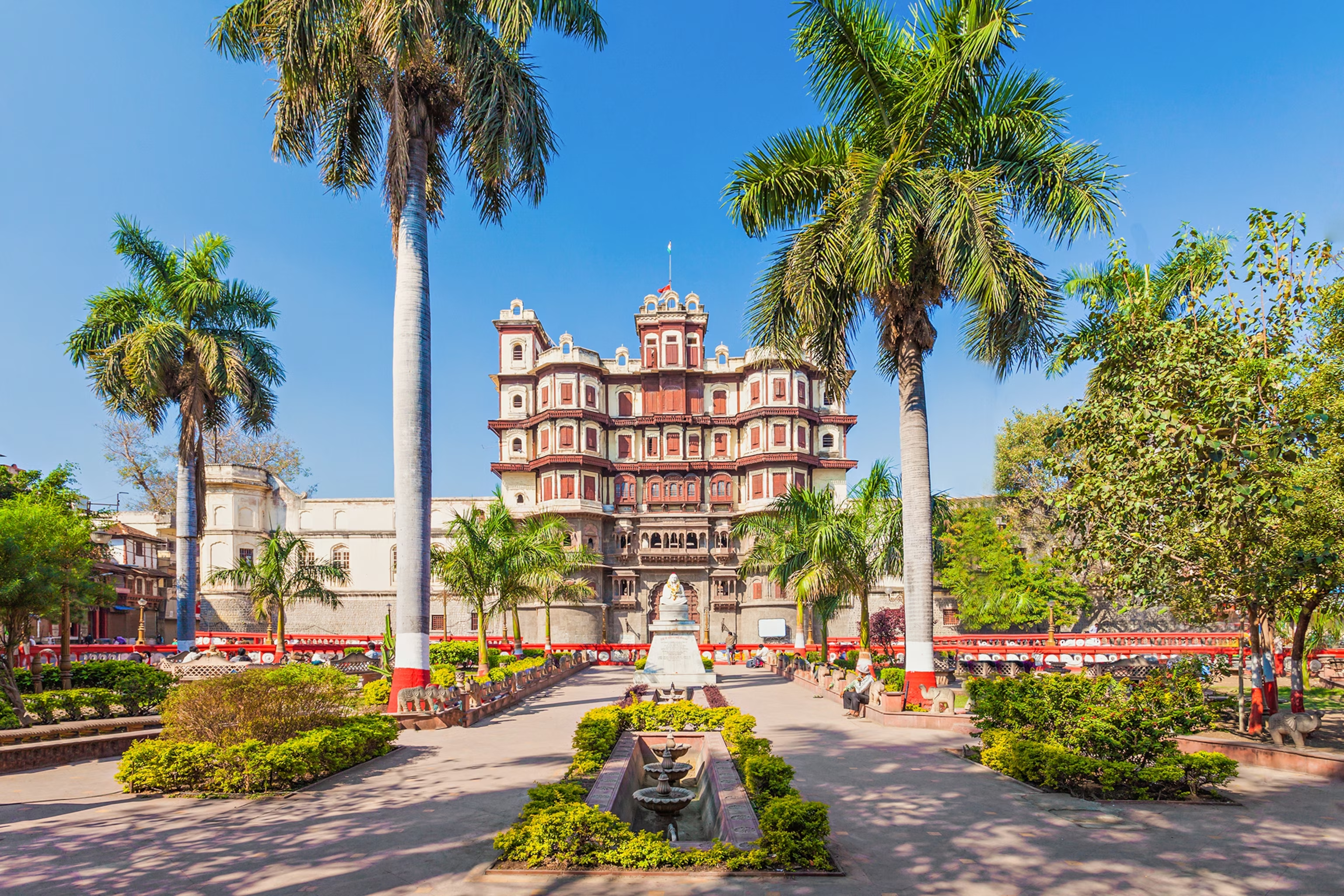
Street Food in Indore: The Food Capital of India's Hidden Gems

Neha Kapoor
February 18, 2026
Discover Indore's legendary street food scene - from the iconic poha-jalebi breakfast to the magical Sarafa Bazaar night market. Explore Indore's famous food streets, must-try dishes like sev usal, and why it's called India's street food capital.
Indore, the largest city in Madhya Pradesh, has earned a well-deserved reputation as India's street food capital. While cities like Mumbai, Delhi, and Kolkata often dominate food conversations, Indore has quietly cultivated one of the most vibrant and diverse street food cultures in the country. What makes Indore's food scene special is not just the variety but the passion with which food is prepared and consumed here. From the iconic poha-jalebi breakfast to the legendary street food hubs of Chhappan Dukaan and Sarafa Bazaar, Indore offers a culinary journey that every food lover must experience.
The city's food culture reflects its cosmopolitan nature—a blend of Marathi, Gujarati, Rajasthani, and North Indian influences, all coming together to create something uniquely Indori. What sets Indore apart is its dedicated food streets where entire neighborhoods transform into food courts after sunset. The locals take their food seriously, and their love for culinary traditions has preserved recipes and preparation methods that have been passed down through generations.
The Legendary Poha-Jalebi Combination
No discussion about Indore's street food is complete without mentioning its iconic breakfast combination—poha served with hot, crispy jalebis. This unlikely pairing might seem strange to outsiders, but for Indoris, it's the perfect start to the day. The light, fluffy poha (flattened rice) tempered with mustard seeds, turmeric, curry leaves, and peanuts provides the savory balance to the sweet, syrup-soaked jalebi.
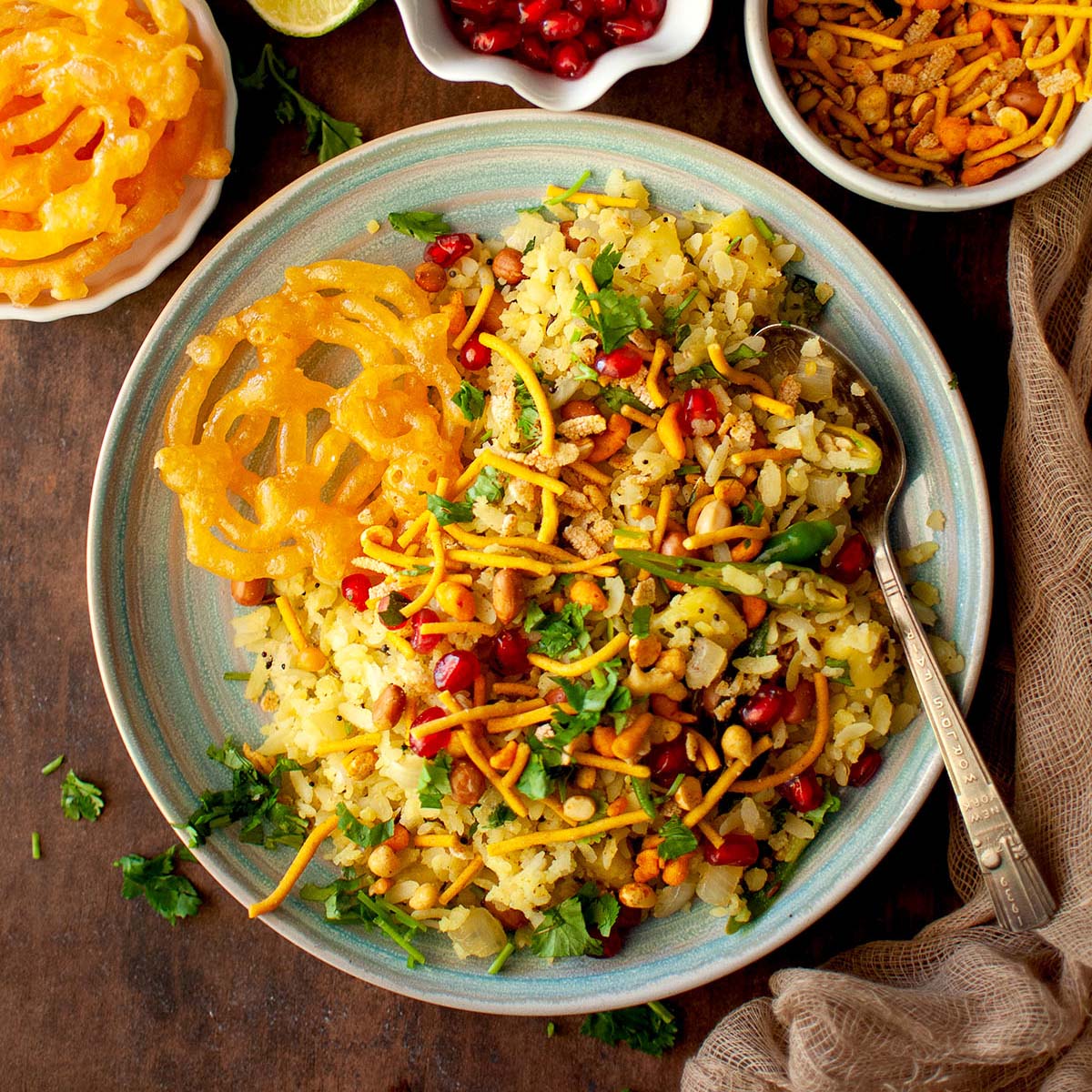
The best places to try this iconic breakfast are in the older areas of the city, where vendors have been perfecting their recipes for decades. What makes Indore's poha special is the use of locally sourced Indori poha, which is thinner and more delicate than varieties found elsewhere. It's typically served with a generous garnish of sev (crispy gram flour noodles), pomegranate seeds, and fresh coriander. The jalebi, made fresh throughout the morning, is crispy on the outside and soft inside, with just the right amount of sweetness.
Popular breakfast spots include Vijay Chaat House in the Sarafa area and various small vendors near Rajwada Palace. A typical breakfast costs between ₹30-60, making it an affordable and delicious way to start your day. The best time to enjoy poha-jalebi is early morning (7-10 AM) when it's freshest.
Chhappan Dukaan: 56 Shops of Culinary Delight
Chhappan Dukaan (56 Shops) is Indore's most famous food street, and for good reason. Located in the New Palasia area, this street food destination lives up to its name—literally featuring 56 different food stalls and vendors offering an incredible variety of snacks and beverages. What started decades ago as a small collection of vendors has evolved into a food destination that attracts food lovers from across India.
The beauty of Chhappan Dukaan is its variety. You'll find everything from traditional Indori snacks to modern fusion creations. Must-try items here include various types of chaat, kachori, samosa, dahi vada, and indigenous Indori specialties. The street comes alive in the evening, with families, friends, and couples gathering to enjoy their favorite snacks.
Signature dishes at Chhappan Dukaan include the famous Indori sev usal (spicy curry with gram flour noodles), daal bafla churma (lentil dumplings with wheat rolls), and numerous varieties of chaat. The street is also famous for its beverages—from traditional masala chai to innovative shakes and coolers. What makes eating here special is the atmosphere—it's vibrant, crowded, and filled with the aroma of freshly prepared food.
Sarafa Bazaar: The Night Food Market
If Chhappan Dukaan is impressive, Sarafa Bazaar is magical. What makes this market unique is its dual personality—by day, it's a bustling jewelry market where people shop for gold and silver. But as the sun sets and jewelry shops close down, the street transforms into one of India's most unique night food markets.
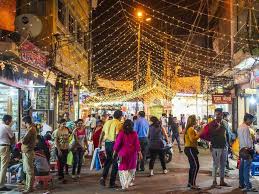
Walking through Sarafa Bazaar at night is a sensory experience like no other. The clinking of jewelry is replaced by the sizzle of hot pans, the aroma of ghee and spices fills the air, and hundreds of food stalls serve customers until well past midnight. What's remarkable is that this transformation happens daily—the same streets where people bought jewelry during the day become a food lover's paradise at night.
Sarafa Bazaar is famous for its indigenous Indori street food, but it also serves excellent North Indian cuisine. Must-try items include bhutte ka kees (grated corn cooked with milk and spices), garadu (spiced yam), and various types of chaat. The market is also famous for its sweet shops serving traditional Indian desserts hot and fresh.
The best time to visit Sarafa Bazaar is between 8 PM and 1 AM. The atmosphere is electric—families with children, groups of friends, couples, and solo diners all come together to enjoy the food. It's safe, crowded, and utterly delightful. Prices are reasonable, with most items costing between ₹50-150.
Iconic Indori Street Food Dishes
Sev Usal: The Spicy Indori Specialty
Sev Usal is perhaps the most iconic Indori street food dish. This spicy curry made from white peas (vatana) is served with generous amounts of sev (crispy gram flour noodles), topped with onions, coriander, and sometimes pomegranate seeds. What sets Indori sev usal apart is the special tarri (spicy gravy) that's served on the side—this thin, incredibly spicy gravy is meant to be poured over the usal according to your spice tolerance.
The dish originated in Indore and has become so popular that it's now synonymous with the city's food culture. The best sev usal can be found at Chhappan Dukaan and Sarafa Bazaar, with each vendor claiming their own unique recipe. The key to great sev usal lies in the balance—the white peas should be soft but not mushy, the sev should be fresh and crispy, and the tarri should be spicy enough to make you sweat but flavorful enough to keep you coming back for more.
Bhutte Ka Kees: Indore's Corn Specialty
Bhutte ka kees is a unique Indori dish that you won't easily find elsewhere. It's made from grated corn kernels cooked with milk, spices, and sometimes coconut. The result is a creamy, slightly sweet, and mildly spicy dish that's unlike any other corn preparation you've tried.
What makes bhutte ka kees special is the texture—the grated corn creates a dish that's slightly grainy but creamy, with the natural sweetness of corn balancing the spices. It's typically garnished with grated coconut and fresh coriander. This dish is particularly popular during winter when fresh corn is in season, but it's available year-round in Indore.
Garadu: The Monsoon Favorite
Garadu, or spiced yam, is another Indori specialty that's particularly popular during the monsoon season. Cubes of yam are deep-fried until crispy on the outside and soft inside, then tossed with spices, especially chaat masala and black salt. The result is a snack that's crunchy, spicy, and utterly addictive.
What's interesting about garadu is its seasonal nature—it's most beloved during rainy days when the warmth of the fried yam and the heat from the spices provide comfort. The best garadu is found at Sarafa Bazaar, where vendors fry it fresh throughout the night.
Daal Bafla Churma
While daal bafla is more commonly associated with Rajasthan, Indore has made this dish its own. Bafla are wheat dough balls boiled and then baked (similar to baati but boiled first), served with daal (lentil curry) and churma (sweetened crushed wheat). The Indori version is slightly different from the Rajasthani one—the bafla are softer, and the daal has a distinct flavor profile.
This dish represents the culinary influence of Rajasthan on Madhya Pradesh's cuisine. It's hearty, filling, and perfect for cold weather. In Indore, you'll find excellent daal bafla at both street stalls and restaurants, with each claiming their own unique preparation method.
Sweet Specialties of Indore
Shahi Gulab Jamun and Rabdi
Indore's sweet shops are legendary, and no meal here is complete without dessert. The shahi gulab jamun—large, soft dumplings soaked in saffron-scented sugar syrup—is a must-try. What makes Indore's gulab jamun special is the size and the use of high-quality milk and saffron. These are typically served hot, often with a side of thick, creamy rabdi.
Sarafa Bazaar is famous for its sweet shops, with vendors making fresh gulab jamun throughout the night. The aroma of frying sweets and simmering sugar syrup fills the air, making it impossible to walk past without stopping. Other popular sweets include malpua (sweet pancakes), jalebi, and various types of barfi.
Indori Namkeen: The Savory Tradition
While not a sweet dish per se, Indore's namkeen (savory snacks) tradition deserves mention. The city is famous for its various types of namkeen, made from gram flour, rice flakes, nuts, and spices. Popular varieties include ratlami sev (extra spicy sev from nearby Ratlam), ujjaini sev, and mix namkeen.
What makes Indori namkeen special is the quality and variety. Local shops like Agarwal Namkeen have become household names, supplying namkeen across India. These snacks are perfect with tea and make excellent souvenirs to take home.
Beverages and Drinks
Masala Chai
Like much of North India, Indore runs on masala chai. The city has numerous chai stalls, each with their loyal following. What makes Indore's chai special is the strength—it's typically stronger and more milky than chai in other parts of India, with a generous amount of cardamom and sometimes ginger.
The best chai in Indore is found at small roadside stalls, often run by families who have been making chai for generations. A cup typically costs between ₹10-20, making it an affordable indulgence.
Lassi and Shakes
Indore has a thriving culture of lassi (yogurt-based drink) and various shakes. You'll find numerous stalls serving thick, creamy lassi flavored with saffron, cardamom, or fruits. Modern variations include chocolate shakes, Oreo shakes, and various fusion creations. These are particularly popular at Chhappan Dukaan, where beverage stalls compete to create the most innovative drinks.
Food Locations Beyond the Famous Streets
56 Dukaan vs Chhappan Dukaan
While Chhappan Dukaan gets most of the attention, there's also another food street called 56 Dukaan (different from Chhappan Dukaan despite the similar name). Located in different parts of the city, both offer excellent street food but have slightly different vibes. 56 Dukaan is slightly more upscale and less crowded than Chhappan Dukaan, making it a good alternative if you want a more relaxed eating experience.
Yeshwant Road and Other Local Markets
Beyond the famous food streets, Indore has numerous local markets with excellent street food. Yeshwant Road, near the railway station, has numerous stalls serving quick bites for travelers. Other areas like Vijay Nagar, Bhawarkuan, and Rajwada have their own local food specialties.
Exploring these local markets can be rewarding—you'll often find smaller vendors with decades of history serving dishes that have been passed down through generations. The food is authentic, affordable, and often better than what you'll find in more touristy areas.
Best Time for Street Food in Indore
Indore's street food culture is largely nocturnal. While breakfast places (especially those serving poha-jalebi) are busy early in the morning, most food streets come alive after sunset. Chhappan Dukaan starts getting busy around 6 PM and remains crowded until 11 PM or later.
Sarafa Bazaar is unique—it starts around 8 PM and goes on until 2-3 AM. This late-night food culture is deeply ingrained in Indore's lifestyle. Weekends are particularly busy, with families coming out for dinner and socializing.
The monsoon season (July-September) is a special time for street food in Indore. There's something magical about eating hot garadu and drinking chai while it rains. The winter months (November-February) are also excellent, with hot snacks providing comfort in the cool weather.
Hygiene and Safety Tips
While Indore's street food is generally safe, it's always good to take precautions. Look for stalls that are busy—high turnover means fresh food. Check if the food is being cooked fresh in front of you. Hot, freshly cooked food is generally safer than items that have been sitting out.
Pay attention to the water source—stalls that use filtered or bottled water are generally safer. Carry hand sanitizer and use it before eating. If you have a sensitive stomach, start with milder dishes like poha before trying spicier items like sev usal with tarri.
Indore is generally cleaner than many Indian cities, and food vendors here take pride in their hygiene standards. However, it's always better to be cautious, especially if you're visiting from abroad.
Price Guide for Indore Street Food
One of the best things about Indore's street food is its affordability. Most items cost between ₹30-100, making it accessible to everyone. Breakfast items like poha-jalebi typically cost ₹30-60. Chaat items range from ₹50-100. More elaborate dishes like daal bafla cost around ₹100-150.
Sweets and desserts range from ₹30-80 per piece. Beverages like chai cost ₹10-20, while lassi and shakes cost ₹50-100. The value for money is excellent—portions are generous, and the quality is consistently high.
Planning Your Food Tour of Indore
The best way to experience Indore's street food is to plan your day around meals. Start with poha-jalebi for breakfast in the old city near Rajwada. Spend the day exploring Indore's attractions like Gandhi Hall and Annapurna Temple. In the evening, head to Chhappan Dukaan for dinner and snacks. Late at night, make your way to Sarafa Bazaar for the unique night market experience.
If you're short on time, prioritize Sarafa Bazaar—it's the most unique food experience in Indore and showcases the city's food culture at its best. Budget foodies can easily spend 2-3 days just eating their way through Indore's streets.
Conclusion
Indore's street food scene is a testament to the city's love affair with food. It's not just about sustenance—it's about community, tradition, and the joy of eating good food. The city has managed to preserve its culinary heritage while embracing new influences, creating a food culture that's both rooted in tradition and excitingly modern.
What makes Indore special is the passion—vendors here take pride in their food, recipes are guarded secrets, and customers are fiercely loyal to their favorite spots. Whether you're a serious foodie or someone who simply enjoys a good meal, Indore's street food will leave you with memories (and flavors) that last a lifetime.
So the next time you're planning a food tour of India, don't just stick to the usual suspects. Include Indore in your itinerary, and discover why this city is slowly gaining recognition as one of India's best street food destinations. From the legendary poha-jalebi to the magical Sarafa Bazaar, Indore has culinary surprises that will delight and amaze you.
If you're extending this trip, Gandhi Hall Indore is worth adding to your plan. Many travelers also pair this with Annapurna Temple Indore for a fuller itinerary. It's worth reading up on Treasure Island Mall Indore before you finalize your plans. For a more complete plan, check out our guide to White Church Indore.
Location
Frequently Asked Questions
Q1.What is the most famous street food in Indore?
Q2.What is special about Sarafa Bazaar in Indore?
Q3.What is Chhappan Dukaan in Indore?
Q4.What is sev usal in Indore?
Q5.What is the best time to explore street food in Indore?
Q6.What is bhutte ka kees?
Q7.Is Indore street food safe to eat?
Q8.How much does street food cost in Indore?
Q9.What are the must-try dishes in Indore?
Q10.Why is Indore called the street food capital of India?
Recommended For You
Famous Food in Kerala: 15 Must-Try Dishes
Discover the famous food of Kerala. From Appam & Stew to Karimeen Pollichathu and Sadhya. A culinary journey through God's Own Country with 15 must-try dishes.
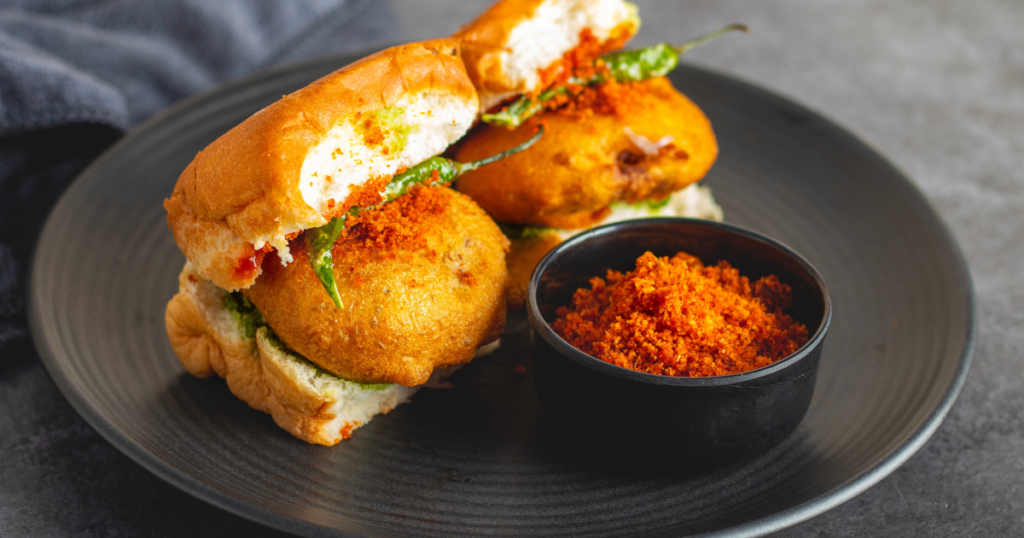
Best Street Food in Mumbai: Top 25 Must-Try Dishes & Locations
Discover the best street food in Mumbai - from iconic vada pav and buttery pav bhaji to spicy misal pav and delicious chaat. Explore 25+ must-try dishes, famous food locations, hygiene tips, and price guides in this comprehensive Mumbai street food guide.
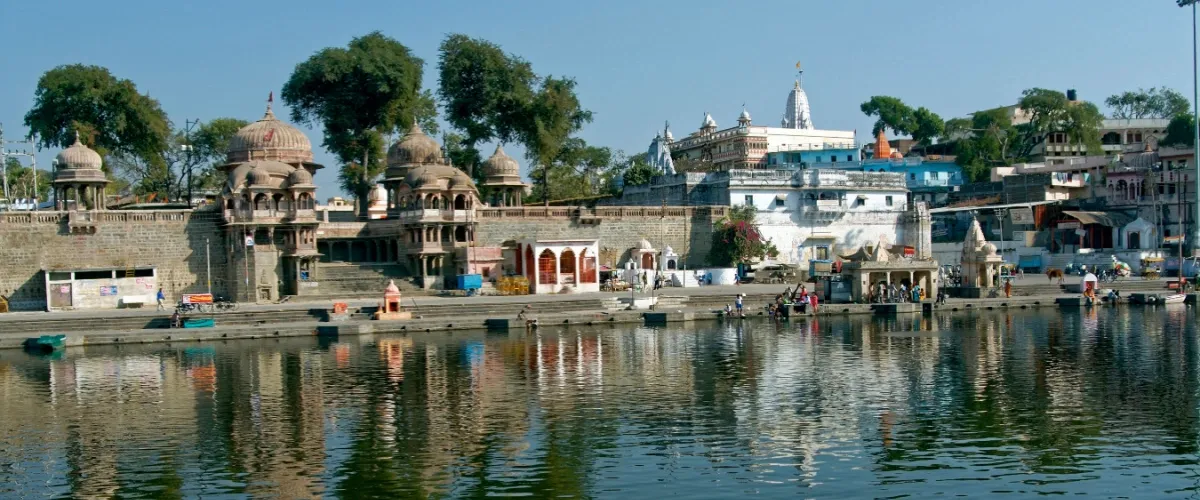
Best Places to Visit in Ujjain: Mahakal Temple & Attractions
Explore the best places to visit in Ujjain - from the sacred Mahakaleshwar Jyotirlinga to the spiritual Ram Ghat. Discover ancient temples, sacred ghats, and the rich cultural heritage of one of India's seven sacred cities.
Never Miss an Adventure
Get the latest trekking guides, travel tips, and exclusive offers delivered straight to your inbox.
