
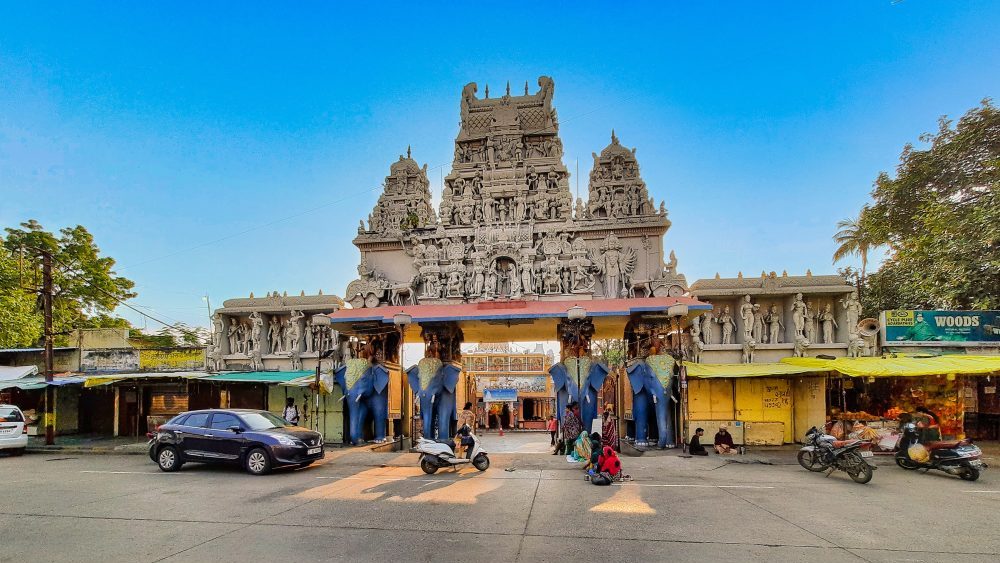
Annapurna Temple Indore: Complete Guide to Goddess of Nourishment

Rahul Garg
January 26, 2026
Discover Annapurna Temple Indore, sacred abode of Goddess of nourishment. Explore its Annadan tradition, architecture, aarti timings, festivals & visitor facilities in this spiritual guide.
The Sacred Abode of Goddess Annapurna in Indore
Nestled in the heart of Indore, the Annapurna Temple stands as one of the most revered Hindu temples in central India. Dedicated to Goddess Annapurna, the divine embodiment of nourishment and food, this sacred shrine draws thousands of devotees who seek blessings for prosperity, abundance, and spiritual fulfillment. The temple's magnificent architecture and profound religious significance make it a must-visit destination for spiritual seekers exploring Madhya Pradesh's rich cultural heritage.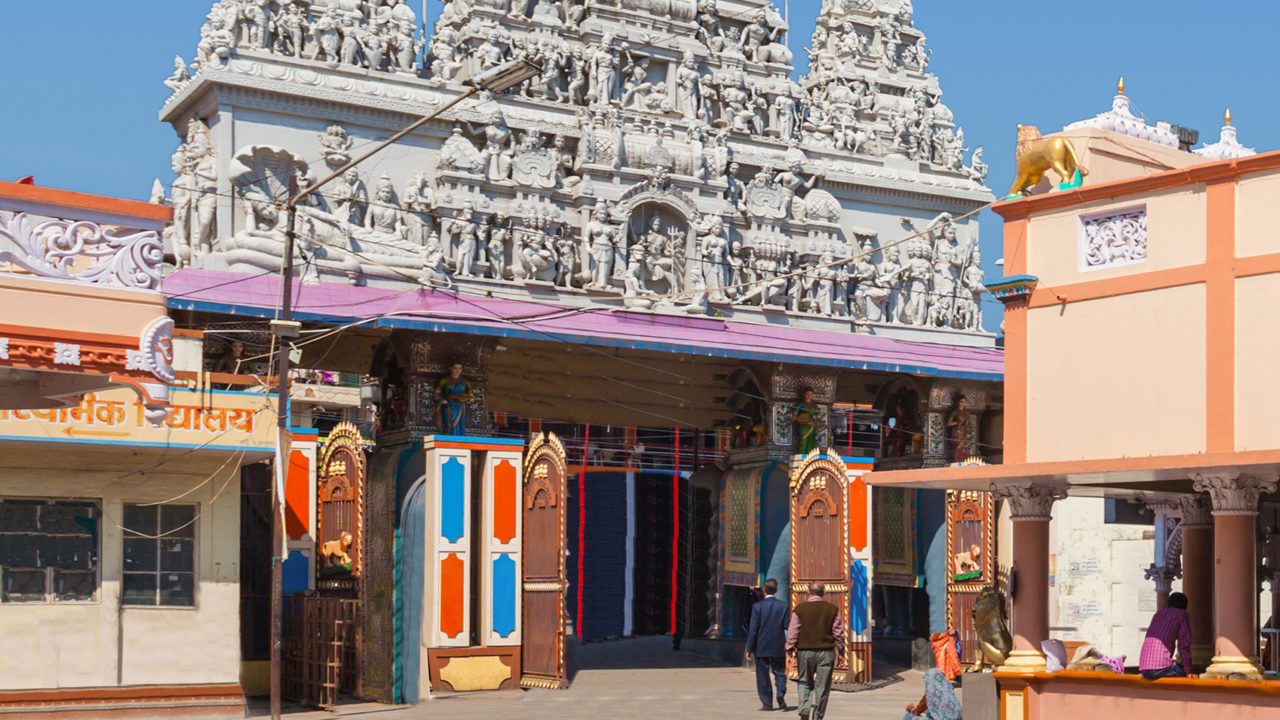
What sets this temple apart is its unique connection to the tradition of Annadan (food donation) - a practice deeply rooted in the belief that no one should ever go hungry. The temple not only serves as a place of worship but also as a center for community service, embodying the Hindu philosophy of 'Annadan Mahadan' (giving food is the greatest charity). As you approach this sacred space, you'll be greeted by the aroma of incense, the sound of devotional bells, and an atmosphere thick with devotion that has permeated these grounds for generations.
The temple complex houses not just the main shrine of Goddess Annapurna but also sanctuaries for other deities including Lord Shiva, Lord Hanuman, and Lord Ganesha. This spiritual ecosystem creates a complete pilgrimage experience where devotees can offer prayers to multiple deities in one sacred visit. The temple's prominence in Indore's religious landscape is such that it's often considered one of the most important Annapurna temples in India, second only to the famous Annapurna Temple in Varanasi.
Religious Significance of Goddess Annapurna
The Divine Mother of Nourishment
Goddess Annapurna holds a special place in Hindu mythology as the manifestation of Goddess Parvati who ensures that all living beings receive nourishment. The name 'Annapurna' is derived from Sanskrit - 'Anna' meaning food or grains, and 'Purna' meaning complete or full. She is revered as the Goddess of Food and Nourishment, embodying the belief that food is the ultimate sustenance of life and that providing food to others is the highest form of charity.According to Hindu scriptures, Goddess Annapurna taught the world that spiritual hunger cannot be satisfied without addressing physical hunger first. This profound philosophy underpins the temple's operations and the various Annadan programs conducted here. Devotees believe that worshiping Goddess Annapurna ensures never-ending food supply in their homes and removes poverty and scarcity from their lives.
| Aspect | Significance |
|---|---|
| Divine Form | Manifestation of Goddess Parvati as provider of nourishment |
| Primary Blessing | Abundance of food, prosperity, and freedom from hunger |
| Sacred Philosophy | Annadan Mahadan - food donation is the greatest charity |
| Associated Deity | Lord Shiva (who begged for food from Annapurna) |
| Worship Benefit | Removes poverty, ensures continuous food supply |
The Legend of Lord Shiva and Goddess Annapurna
The most famous legend associated with Goddess Annapurna involves Lord Shiva himself. According to mythology, Lord Shiva once declared that everything in the material world was illusory (Maya), including food. To teach him the importance of food and nourishment, Goddess Parvati disappeared from the world, causing all food to vanish. Soon, the earth was plagued by famine, and all living beings began to suffer from hunger.
Realizing the gravity of his statement, Lord Shiva went to Goddess Parvati and begged for food. It was then that Goddess Annapurna appeared, holding a cooking pot and ladle, and established herself as the Goddess of Food and Nourishment. She taught Lord Shiva and the world that spiritual pursuits cannot sustain life without physical nourishment. This divine play (lila) is why many images and idols of Goddess Annapurna depict her with a cooking pot (patra) and ladle (svadha), symbolizing her role as the divine provider.
At the Annapurna Temple in Indore, this legend comes alive through various rituals and the continuous distribution of prasad (blessed food) to devotees. The temple's Annadan tradition is a direct manifestation of this divine story - here, food is not just sustenance but a sacred offering that carries the blessings of the Goddess herself.
Temple Architecture and Design
Traditional Hindu Temple Architecture
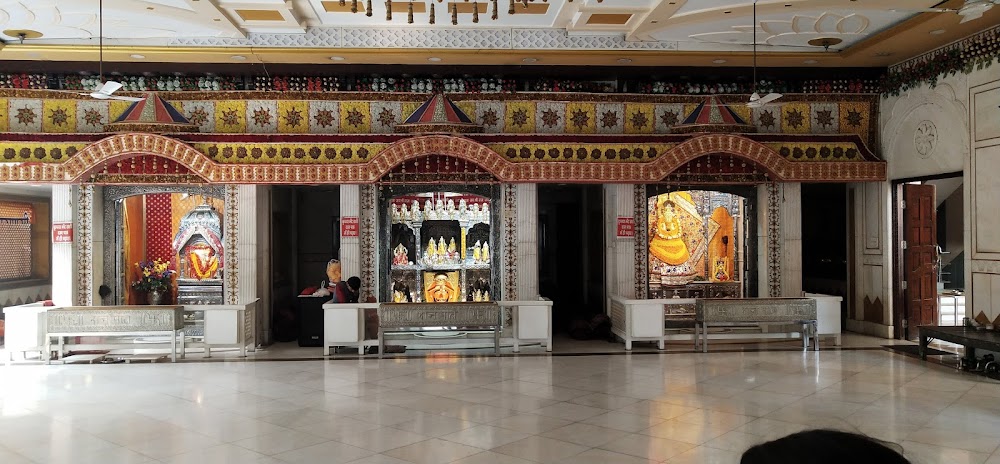
The Annapurna Temple in Indore showcases beautiful traditional Hindu temple architecture that reflects both spiritual symbolism and artistic excellence. The temple complex is built on an elevated platform, signifying that it's a space above the mundane world - a place where the divine and human realms intersect. The main sanctum (garbhagriha) houses the sacred idol of Goddess Annapurna, crafted with meticulous attention to traditional iconographic specifications.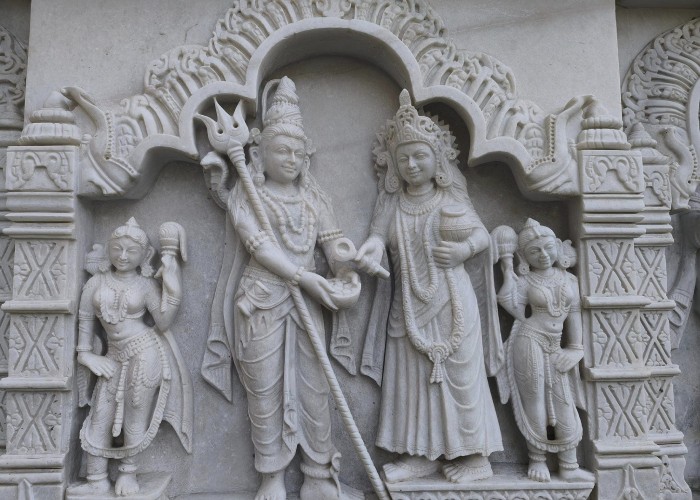
The temple's shikhara (spire) rises majestically above the sanctum, adorned with intricate carvings and sculptural representations of various deities and mythological scenes. The architecture follows the Nagara style of temple architecture, prominent in northern India, characterized by its curvilinear tower and emphasis on vertical elevation. The temple walls feature beautifully carved pillars and sculptural panels that depict scenes from Hindu mythology, particularly stories related to Goddess Annapurna and Lord Shiva.
The Temple Complex Layout
The temple complex is thoughtfully designed to facilitate a complete pilgrimage experience. As you enter through the main gateway, you'll notice the gradual progression from the outer world to the inner sanctum - a symbolic journey from the external to the internal, from the material to the spiritual. The complex includes a Sabha Mandap (assembly hall) where devotees gather for prayers and discourses, and a circumambulation path (pradakshina path) around the main shrine.
| Architectural Element | Description |
|---|---|
| Main Shikhara | Towering spire in Nagara style with intricate carvings |
| Garbhagriha | Inner sanctum housing the main deity idol |
| Sabha Mandap | Assembly hall for gatherings and prayers |
| Pradakshina Path | Circumambulation path for ritual walking around shrine |
| Secondary Shrines | Separate sanctums for Shiva, Hanuman, Ganesha |
Secondary shrines within the complex are dedicated to Lord Shiva (in his form as Annapurneshwar), Lord Hanuman, and Lord Ganesha. The presence of these deities creates a balanced spiritual ecosystem where devotees can offer prayers to multiple gods. The temple also features a sacred space for the continuous sacred fire (akhand jyot) that burns perpetually, symbolizing the eternal presence of the divine.
Artistic Elements and Iconography
The temple's artistic elements deserve special mention. The idol of Goddess Annapurna is depicted standing on a lotus pedestal, holding a golden pot filled with rice and grains in one hand and a ladle in the other. This iconography directly references the mythological story where she feeds Lord Shiva and the world. The idol's face is crafted to radiate compassion and maternal warmth, reinforcing the Goddess's role as the divine mother who nourishes all creation.
The temple walls feature beautifully carved images of the ashtadikpalas (guardians of the eight directions) and various forms of the Divine Mother. The ceiling of the assembly hall is often painted with traditional motifs depicting cosmic themes and divine scenes. These artistic elements are not merely decorative but serve an important pedagogical function - they educate devotees about Hindu mythology and philosophy through visual storytelling.
Prasad and Annadan Traditions
The Sacred Tradition of Annadan
The most distinctive feature of the Annapurna Temple in Indore is its unwavering commitment to Annadan - the donation of food to all who visit. This tradition operates on the principle that no devotee should ever leave the temple hungry, and that serving food to the hungry is equivalent to serving the divine herself. The temple's kitchen operates throughout the day, preparing simple yet nourishing meals that are first offered to the deity and then distributed as prasad to devotees.
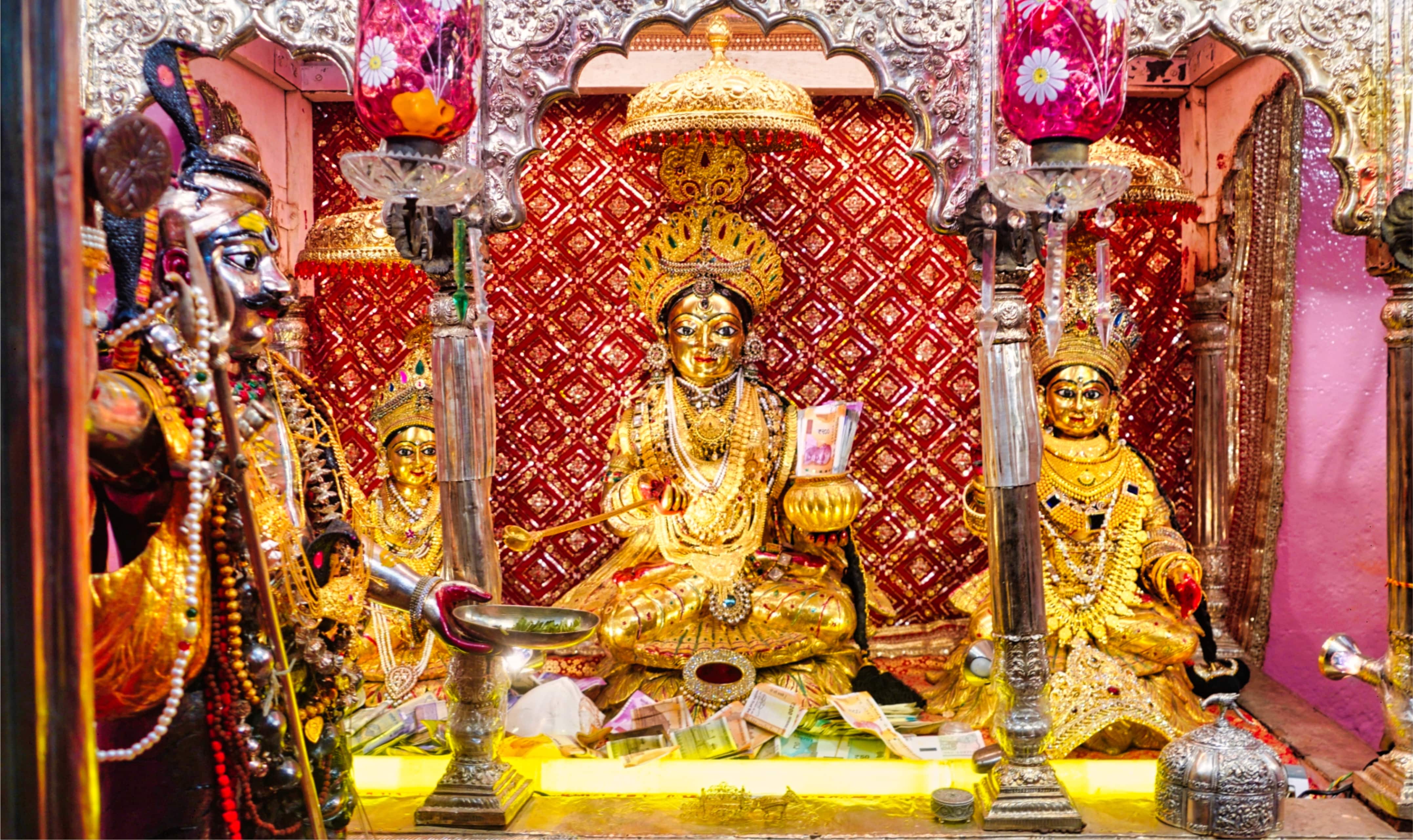
The Annadan tradition here is not merely charitable but deeply spiritual. The food is prepared with devotion, following traditional recipes and strict hygiene protocols. Devotees believe that consuming this prasad brings not just physical nourishment but spiritual blessings as well. Many visitors to the temple specifically come to partake in this prasad, carrying it back home for family members who couldn't visit.
Types of Prasad Offered
The temple offers different types of prasad throughout the day. The morning prasad typically includes halwa (sweet semolina preparation) and dry fruits, while the afternoon and evening prasad consists of a full meal including rice, dal (lentils), vegetables, and roti (flatbread). On special occasions and festivals, the prasad menu expands to include special sweets and delicacies prepared as offerings to the Goddess.
| Time | Prasad Type |
|---|---|
| Morning (6 AM - 9 AM) | Halwa, dry fruits, tea |
| Afternoon (12 PM - 3 PM) | Full meal: Rice, dal, vegetables, roti |
| Evening (6 PM - 9 PM) | Light meal, sweets, tea |
| Festival Days | Special sweets, bhandara prasad |
Volunteer Opportunities for Seva
One of the most beautiful aspects of the Annapurna Temple's Annadan tradition is the opportunity for devotees to participate in seva (selfless service). Volunteers can help with food preparation, serving prasad, cleaning utensils, or assisting with temple maintenance. Many devotees consider this service an integral part of their worship, believing that serving food to the hungry is the highest form of devotion to Goddess Annapurna.
During major festivals and special occasions, the scale of Annadan increases dramatically, with thousands of devotees being served. These events operate like massive community kitchens where people from all walks of life come together to cook, serve, and share food. The atmosphere during these times is charged with devotion and community spirit, offering a profound experience of Hindu philanthropic tradition at work.
Visiting Hours and Aarti Timings
Daily Temple Schedule
The Annapurna Temple follows a traditional schedule of daily rituals and ceremonies that create a rhythm of spiritual practice throughout the day. The temple opens early in the morning with the Mangala Aarti, the first ritual of the day that symbolizes awakening the deity. This early morning ceremony is particularly powerful, with the temple filled with the sound of bells, the fragrance of incense, and the collective chanting of prayers.
Throughout the day, multiple aarti ceremonies are conducted, each with its own significance and atmosphere. The temple remains open during lunch hours, allowing devotees to visit and receive prasad. In the evening, the Shayan Aarti (ceremonial putting to rest of the deity) marks the conclusion of the day's rituals. Understanding this schedule can help you plan your visit to coincide with the ceremonies that interest you most.
| Ceremony | Timing | Significance |
|---|---|---|
| Mangala Aarti | 5:30 AM | Morning awakening ceremony |
| Sringar Aarti | 8:00 AM | Decoration and dressing ceremony |
| Raj Bhog Aarti | 12:00 PM | Midday offering ceremony |
| Sandhya Aarti | 7:00 PM | Evening prayer ceremony |
| Shayan Aarti | 9:00 PM |
Best Times to Visit
The early morning hours (5:30 AM to 8:00 AM) are ideal for those seeking a peaceful and spiritually charged experience. During this time, you can witness the Mangala Aarti and participate in the morning prayers with relatively fewer crowds. The temple atmosphere is particularly serene in the early morning light, making it conducive to meditation and quiet contemplation.
The evening hours (6:00 PM to 8:00 PM) are equally popular, especially for devotees who work during the day. The Sandhya Aarti is beautifully conducted, and the temple takes on a magical quality when illuminated in the evening. However, this time also sees larger crowds, so arrive early if you want a good view of the ceremonies.
For those interested in the Annadan tradition, visiting during lunch hours (12:00 PM to 3:00 PM) allows you to witness the large-scale food distribution and even partake in the prasad. Weekend mornings and festival days see the highest footfall, so if you prefer a quieter experience, plan your visit on a weekday.
Festivals Celebrated at Annapurna Temple
Navratri - The Grand Festival
Navratri, the nine-night festival dedicated to the Divine Mother, is celebrated at the Annapurna Temple with unparalleled grandeur and devotion. During these nine days, the temple is transformed with elaborate decorations, special lighting, and continuous religious ceremonies. The idol of Goddess Annapurna is adorned in different forms each day, representing the nine manifestations of the Divine Mother (Navadurga).
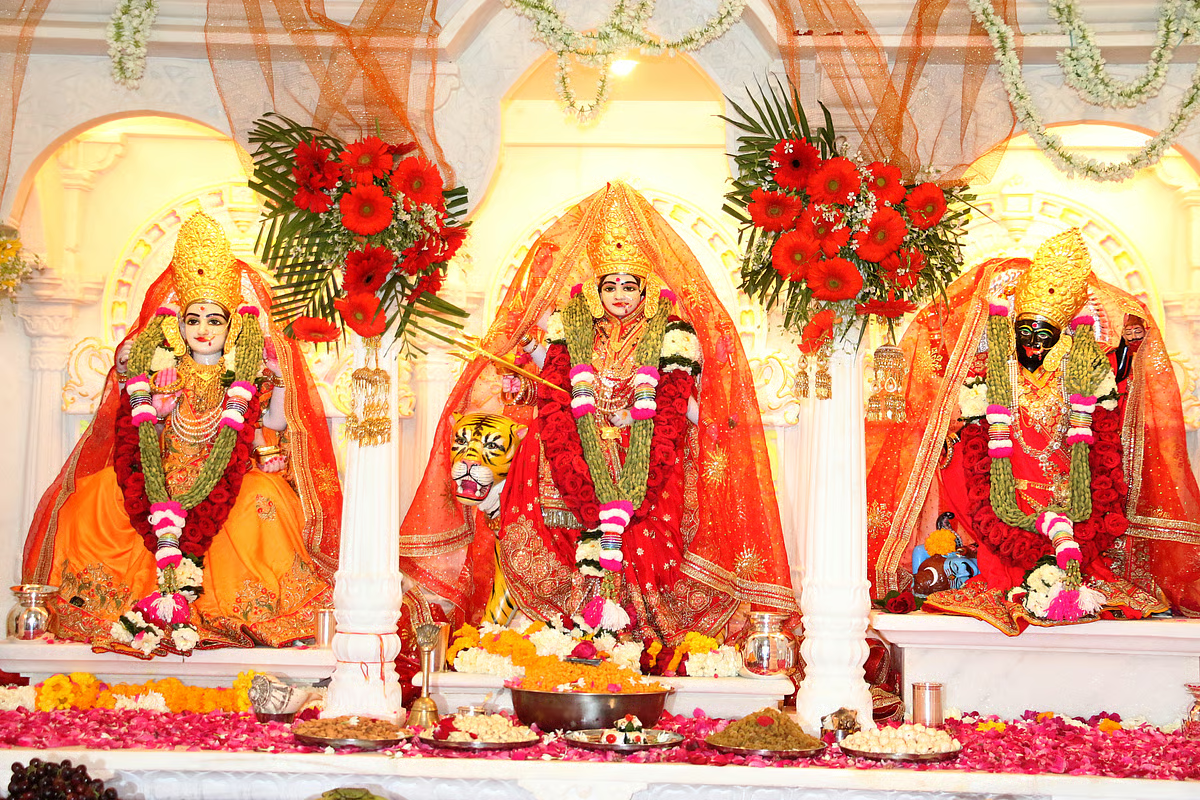
The temple witnesses massive footfall during Navratri, with devotees lining up from early morning to late night for darshan (sacred viewing of the deity). Special religious discourses, bhajan (devotional song) sessions, and cultural programs are organized throughout the festival. The Annadan tradition operates at maximum capacity during these days, with tens of thousands of devotees being served prasad daily.
Other Important Festivals
Beyond Navratri, the temple celebrates several other important festivals with great fervor. Diwali, the festival of lights, sees the temple elaborately decorated with thousands of oil lamps and electric lights. The goddess is specially adorned, and special pujas (ritual worship) are conducted throughout the day. Devotees believe that worshiping Goddess Annapurna on Diwali ensures prosperity and abundance throughout the coming year.
| Festival | Month | Special Features |
|---|---|---|
| Navratri | March-April & Sept-Oct | Nine-day celebration with special decorations and Annadan |
| Diwali | October-November | Temple illuminated with lamps; special prosperity pujas |
| Durga Puja | October | Elaborate rituals and cultural programs |
| Maha Shivaratri | February-March | Special worship of Lord Shiva as Annapurneshwar |
| Annakut | November | Mountain of food offering to the Goddess |
Annakut, which literally means 'mountain of food,' is a festival particularly significant to Goddess Annapurna. Celebrated on the day after Diwali, this festival involves creating a mountain-like display of various food items before the deity. These foods are then distributed as prasad to devotees. The festival celebrates the abundance of harvest and the Goddess's role as the provider of nourishment.
Visitor Facilities and Amenities
Temple Amenities
The Annapurna Temple administration has ensured that devotees and visitors have access to all necessary facilities for a comfortable pilgrimage experience. The temple complex includes clean drinking water facilities, restrooms, and shoe storage areas where devotees can leave their footwear before entering the sacred spaces. During peak hours and festival seasons, additional temporary facilities are set up to handle the large crowds.
The temple has a designated area where devotees can purchase offerings for the puja. These offerings include flowers, coconuts, sweets, and sacred thread. The temple also provides a prasad counter where devotees can receive the blessed food. For those interested in contributing to the Annadan tradition, donation boxes are available, and the temple administration accepts donations in cash, kind (grains, oil, etc.), and through digital payment methods.
Accessibility and Convenience
The temple is easily accessible by various modes of transportation. Auto-rickshaws and taxis are readily available from all parts of Indore. The temple has designated parking areas for two-wheelers and four-wheelers, though during festivals, parking spaces fill up quickly. The temple management has implemented crowd management systems during peak times to ensure orderly movement of devotees.
| Facility | Availability |
|---|---|
| Shoe Storage | Free facility at entrance |
| Drinking Water | Multiple water stations |
| Restrooms | Clean facilities available |
| Parking | Available (fills up during festivals) |
| Offerings Shop | Within temple complex |
| Prasad Counter | Open during all temple hours |
Guidelines for Devotees
Visitors to the Annapurna Temple should follow traditional Hindu temple etiquette. Dress modestly, covering shoulders and knees. Footwear must be removed before entering the main temple areas. Photography may be restricted in certain sacred areas, particularly during aarti ceremonies and inside the sanctum. Always ask for permission if you're unsure about photography rules.
Maintain silence and decorum within the temple premises. The temple is a place of worship, and respectful behaviour is expected from all visitors. During festivals, the temple can become extremely crowded - follow the instructions of temple staff and volunteers for orderly darshan. Special provisions are often made for elderly and differently-abled devotees, including priority darshan lanes and seating arrangements.
History and Legends of Annapurna Temple Indore
Temple's Historical Foundation
The Annapurna Temple in Indore has a rich history that reflects the religious and cultural heritage of the Holkar dynasty, the erstwhile rulers of Indore. While the exact date of the temple's construction is debated by historians, it is widely believed that the temple was established during the reign of one of the early Holkar rulers in the 18th century. The Holkars were known patrons of Hindu temples and religious institutions, and their reign saw the construction of several important religious sites across Malwa region.
According to local historical accounts, the temple was established in response to a divine dream or revelation experienced by a member of the ruling family or a prominent devotee. This pattern of temple establishment following divine visions was common in medieval India, lending sacred legitimacy to the temple's foundation. The temple has since been maintained and renovated by successive generations, with major restoration work undertaken periodically to preserve its architectural heritage.
Legends and Local Beliefs
Beyond the formal historical record, the temple is surrounded by numerous local legends and beliefs that have been passed down through generations of devotees. One popular legend speaks of the temple's idol being self-manifested (swayambhu) rather than crafted by human hands. Such self-manifested idols are considered especially sacred in Hindu tradition, as they are believed to have appeared on their own through divine will.
Another local belief associates the temple with miraculous fulfillment of prayers related to food and nourishment. Devotees share stories of families facing severe food scarcity whose fortunes changed after praying at this temple. These anecdotal accounts, while not historically verifiable, contribute to the temple's reputation as a powerful center for worship and have helped build its following over generations.
Connection to Varanasi Tradition
The Annapurna Temple in Indore is often considered a spiritual satellite of the more famous Annapurna Temple in Varanasi (Kashi), which is one of the 51 Shakti Peethas - sacred sites where body parts of the Goddess Sati are believed to have fallen. While the Indore temple is not a Shakti Peeth itself, it maintains a strong spiritual connection to the Varanasi tradition.
Many devotees who cannot make the pilgrimage to Varanasi visit the Annapurna Temple in Indore, believing that devotion here reaches the Goddess in Varanasi as well. This connection has been reinforced by various saints and religious teachers over the years who have spoken of the Indore temple's spiritual potency. The temple's association with the Varanasi tradition also explains its prominence in central India's religious landscape.
Nearby Attractions in Indore
Rajwada Palace
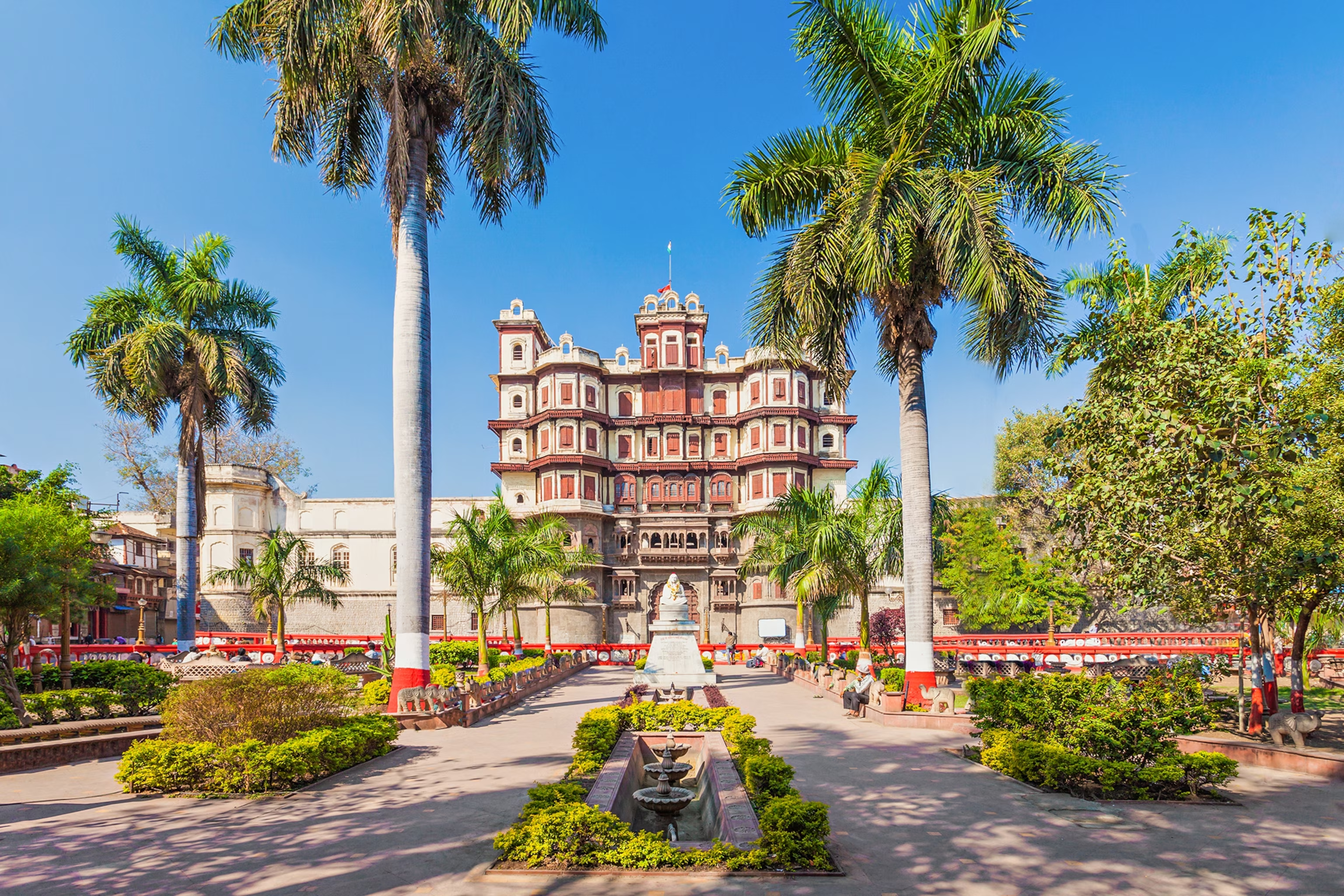
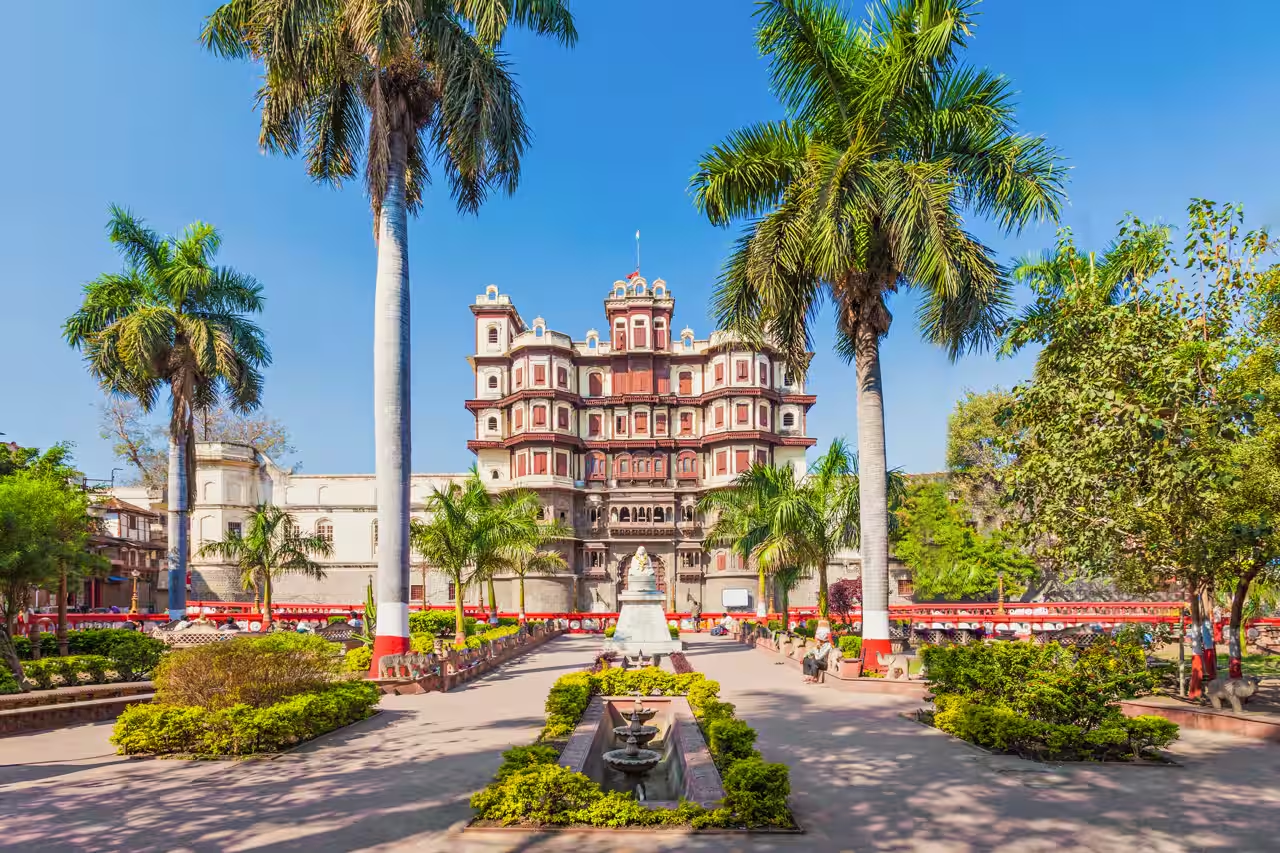
Located just a few kilometers from the Annapurna Temple, the Rajwada Palace is the historic seat of the Holkar dynasty and one of Indore's most iconic landmarks. This seven-story structure represents a unique blend of Maratha, Mughal, and French architectural styles. A visit to Rajwada complements the temple visit perfectly, offering insight into the royal heritage of Indore. The palace's older section features beautiful frescoes and wooden galleries, while the newer section houses a museum with artifacts from the Holkar era.
Central Museum (Indore Museum)
For those interested in the broader historical and cultural context of the region, the Central Museum in Indore is a must-visit. Located within walking distance of the temple area, the museum houses an impressive collection of artifacts from Madhya Pradesh's ancient past, including Parmar-era sculptures, rare coins, and ancient manuscripts. The museum provides valuable context for understanding the religious and cultural traditions that inform temple worship in this region.
Kanch Mandir (Glass Temple)
The Kanch Mandir, or Glass Temple, is another unique religious site in Indore that's definitely worth visiting. This Jain temple is famous for its stunning interior work - every surface, from walls to ceilings to pillars, is adorned with glass mosaics and mirrors. The temple creates a breathtaking visual experience with light reflecting off thousands of glass pieces. It's located relatively close to the Annapurna Temple and can be visited as part of a spiritual tour of Indore's diverse religious landscape.
Sarafa Bazaar Night Market
No visit to the Annapurna Temple is complete without experiencing Sarafa Bazaar, Indore's famous night food market. By day, it's a regular jewelry market, but by night, it transforms into a vibrant street food paradise. After your temple visit, head here to sample Indore's famous street food, including poha jalebi, bhutte ki kees, and various chaats. The market comes alive after sunset and operates until late at night, making it perfect for an evening visit after the temple's evening aarti.
Lal Bagh Palace
For those interested in experiencing the grandeur of Indore's royal heritage, the Lal Bagh Palace offers a fascinating glimpse into the lifestyle of the Holkar rulers. Built in the 19th century, this palace showcases European-inspired architecture and houses royal collections including paintings, sculptures, and period furniture. The palace's ballroom, with its polished wooden floor and Italian marble columns, is particularly impressive.
Planning Your Visit to Annapurna Temple
Best Time to Visit Indore
While the Annapurna Temple is open throughout the year, the best time to visit Indore for temple tourism is during the winter months from October to March. During this period, the weather is pleasant with temperatures ranging from 15°C to 25°C, making it comfortable for sightseeing and temple visits. This period also includes several important festivals including Navratri and Diwali, allowing you to experience the temple at its most vibrant.
Summer months (April to June) can be extremely hot in Indore, with temperatures often exceeding 40°C. If visiting during these months, plan your temple visit for early morning or late afternoon to avoid the peak heat. Monsoon season (July to September) brings relief from the heat but also high humidity. The temple takes on a special beauty during rainfall, and crowds are thinner during this period.
| Season | Months | Recommendation |
|---|---|---|
| Winter | October - March | Best time; pleasant weather, major festivals |
| Summer | April - June | Very hot; visit early morning or evening |
| Monsoon | July - September | Rainy but fewer crowds; lush surroundings |
How to Reach Indore
By Air: Indore's Devi Ahilyabai Holkar International Airport is well-connected to major Indian cities including Mumbai, Delhi, Bangalore, and Hyderabad. International travelers can connect through these major hubs. The airport is located approximately 10 kilometers from the city center, and taxis and app-based cab services are readily available for the journey to the Annapurna Temple.
By Rail: Indore Junction is the main railway station and is connected to major cities across India. Several express and superfast trains connect Indore to Mumbai, Delhi, Pune, and other important cities. From the railway station, auto-rickshaws, taxis, and city buses are available to reach the temple, which is located in the heart of the city.
By Road: Indore has excellent road connectivity via National Highways. It's well-connected to cities like Bhopal, Ujjain, Ujjain, and Mumbai. State-run buses and private operators provide regular services. The city is approximately 190 kilometers from Bhopal and 55 kilometers from Ujjain, making it easy to combine temple visits across these cities.
Accommodation Options
Indore offers a wide range of accommodation options to suit different budgets. Since the Annapurna Temple is located in the city center, there are numerous hotels and guesthouses in the vicinity. Luxury hotels like the Sayaji Hotel and Radisson Blu offer premium amenities and are located within a short distance of the temple. Mid-range options including various business hotels and boutique properties provide comfortable stays at moderate prices. Budget travelers can choose from several clean and well-maintained guesthouses and dharamshalas (pilgrim rest houses) that offer basic facilities at affordable rates.
The Spiritual Experience
Devotional Practices and Rituals
Visiting the Annapurna Temple is more than just sightseeing - it's an immersive spiritual experience. Begin your visit with the ritual purification at the temple entrance, where you can wash your hands and feet before proceeding. Remove your footwear at the designated area and enter the temple with a sense of reverence. As you approach the main sanctum, you'll notice devotees engaged in various forms of worship - some in silent prayer, others chanting mantras, and some performing circumambulation around the shrine.
Participating in the aarti ceremony is a profound experience. As the priests wave lit lamps before the deity, the combined illumination of multiple lamps creates a sacred atmosphere. The chanting of mantras and the ringing of bells create a sonic environment that facilitates spiritual focus. Even if you're not familiar with Hindu rituals, simply observing these ceremonies can be a moving experience that offers insight into living religious traditions.
The Significance of Prasad
Receiving prasad at the Annapurna Temple is an important aspect of the pilgrimage experience. The prasad here is not just blessed food but a tangible connection to the divine. Devotees believe that consuming this prasad with faith brings the blessings of Goddess Annapurna. The prasad is typically distributed in small packets or on leaf plates, and receiving it with both hands is considered respectful.
Many devotees carry prasad back home for family members who couldn't visit the temple. There's a strong tradition of sharing prasad with neighbors and friends, extending the temple's blessings to the wider community. This practice reinforces the temple's role as a center of community cohesion and spiritual welfare.
Festive Atmosphere and Community Spirit
If your visit coincides with a major festival, you'll experience the temple at its most vibrant. The festival atmosphere at the Annapurna Temple is characterized by elaborate decorations, special ceremonies, and an overwhelming sense of community devotion. The boundaries between individual worshippers seem to dissolve as thousands of people participate in collective rituals, creating a powerful shared spiritual experience.
During festivals, the area around the temple often becomes a fairground with religious merchandise stalls, sweet shops, and vendors selling festival offerings. The air fills with devotional songs and the sound of ritual drums. Even if you're not participating in the rituals directly, simply being present during these festivals offers a window into India's living religious traditions.
Conservation and Preservation
Temple Maintenance and Restoration
The Annapurna Temple has stood for generations, and maintaining such a historic structure requires ongoing conservation efforts. The temple trust oversees regular maintenance work, including cleaning the temple structure, repairing weathered elements, and ensuring that the electrical and plumbing systems function properly. Periodic restoration projects are undertaken to preserve the temple's architectural heritage while making necessary updates for modern use.
The temple management faces the challenge of balancing the need for preservation with the requirements of accommodating large numbers of devotees, especially during festivals. Recent improvements have included better crowd management systems, improved prasad distribution facilities, and enhanced safety measures. These efforts ensure that the temple can continue to serve its spiritual function while maintaining its physical integrity.
Environmental Initiatives
In recent years, the temple has also taken steps towards environmental sustainability. Efforts to reduce plastic use, improve waste management, and promote eco-friendly practices have been implemented. The large-scale Annadan operation generates considerable organic waste, and the temple has systems in place for composting and responsible waste disposal.
Water conservation measures have been introduced, especially important given the temple's location in central India where water can be scarce. Rainwater harvesting systems and efficient water management in the kitchen operations reflect the temple's commitment to environmental stewardship alongside spiritual service.
Conclusion: The Eternal Relevance of Annapurna Temple
The Annapurna Temple in Indore represents more than just a historical monument or a tourist attraction - it's a living institution that continues to fulfill its original spiritual purpose centuries after its establishment. In a world where hunger and food insecurity remain pressing issues, the temple's message about the sacredness of food and the importance of sharing remains deeply relevant.
For devotees, the temple is a sacred space where prayers are answered and blessings received. For scholars and students of religion, it's a window into Hindu traditions of deity worship and philanthropy. For travelers and culture enthusiasts, it offers an authentic experience of Madhya Pradesh's spiritual heritage. The temple manages to be all these things simultaneously, which is perhaps why it has remained such an important religious center for so long.
A visit to the Annapurna Temple is an opportunity to witness and participate in traditions that have sustained communities for generations. Whether you're seeking spiritual blessings, interested in religious architecture, or simply curious about India's diverse religious landscape, this temple offers a meaningful experience that connects you to centuries of devotion and service.
As you leave the temple, having participated in the rituals, received prasad, and witnessed the Annadan tradition in action, you carry with you not just memories but a deeper understanding of the Hindu belief that feeding others is the highest form of worship. This teaching, embodied in every aspect of the Annapurna Temple, is perhaps the temple's greatest gift to visitors and devotees alike.
Location
Frequently Asked Questions
Q1.What are the opening hours of Annapurna Temple in Indore?
Q2.Is there any dress code to visit Annapurna Temple Indore?
Q3.What is the Annadan tradition at Annapurna Temple?
Q4.How can I reach Annapurna Temple from Indore railway station?
Q5.When is the best time to visit Annapurna Temple Indore?
Q6.Are there any facilities for foreign tourists at Annapurna Temple?
Q7.What are the main festivals celebrated at Annapurna Temple?
Q8.Can we take photos inside Annapurna Temple?
Recommended For You
Street Food in Indore: The Food Capital of India's Hidden Gems
Discover Indore's legendary street food scene - from the iconic poha-jalebi breakfast to the magical Sarafa Bazaar night market. Explore Indore's famous food streets, must-try dishes like sev usal, and why it's called India's street food capital.
Indore: 15 Best Places to Visit - Food and Heritage
Explore the best places to visit in Indore, from Rajwada Palace and temples to Sarafa Bazaar food trails, museums, and easy one-day itineraries.
Temples in Orchha: A Journey Through Bundelkhand's Sacred Heritage
Discover the magnificent temples in Orchha, MP - from the unique Ram Raja Temple where Lord Rama reigns as king to the architectural marvel of Chaturbhuj Temple. A complete travel guide.
Never Miss an Adventure
Get the latest trekking guides, travel tips, and exclusive offers delivered straight to your inbox.
