
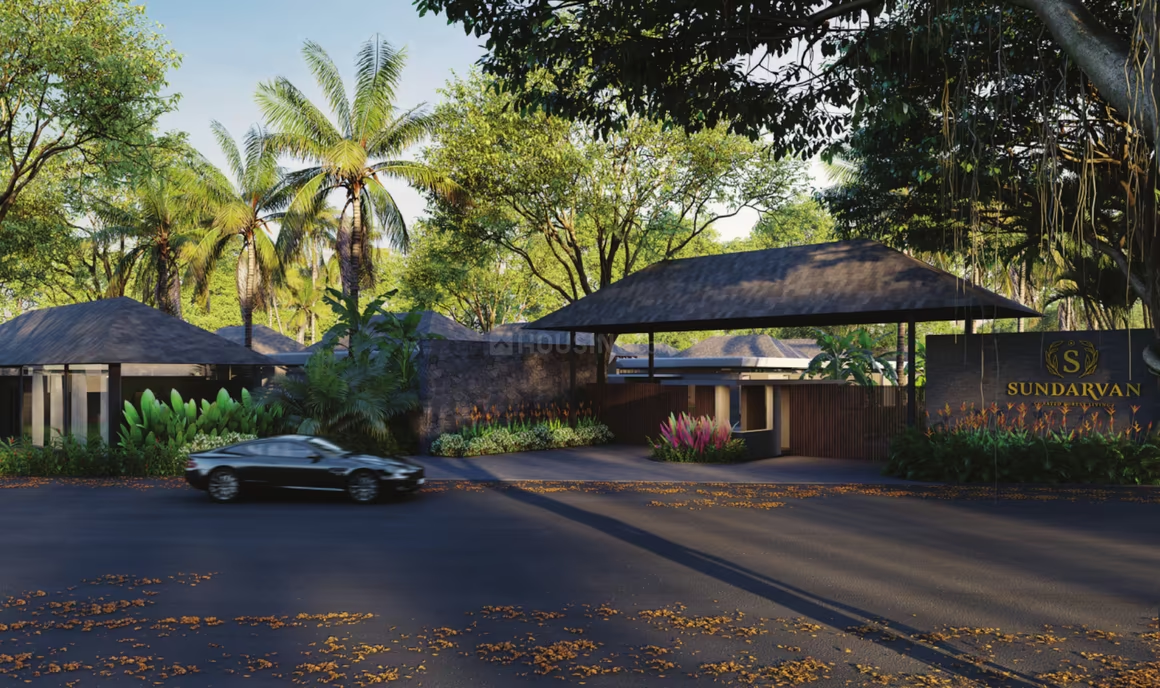
Sundarvan Ahmedabad: Nature Park Guide & Tips

Rohit Verma
January 26, 2026
Explore Sundarvan Nature Discovery Center Ahmedabad - snake park, wildlife, educational programs, timings & entry fee guide.
Sundarvan Ahmedabad: Nature's Educational Paradise
Sundarvan, meaning "beautiful forest" in Gujarati, is Ahmedabad's premier nature discovery center and a beloved destination for families, nature enthusiasts, and educational institutions. Managed by the Gujarat Ecological Education and Research (GEER) Foundation, this unique facility combines a nature park, zoo, snake park, and educational center into one accessible location. What makes Sundarvan special is its focus on education and conservation - it's not just about seeing animals but about understanding and appreciating the natural world. Located in the heart of Ahmedabad, Sundarvan provides an opportunity to experience nature without leaving the city. The facility spans several acres and houses various animals, with particular emphasis on snakes and reptiles. It's a place where children can see animals up close, where schools can organize educational field trips, and where families can spend quality time together outdoors. For residents and visitors to Ahmedabad, Sundarvan offers a refreshing break from the urban environment and a chance to connect with nature. Nature lovers should also consider visiting Nalsarovar Bird Sanctuary, one of the largest wetlands in Gujarat.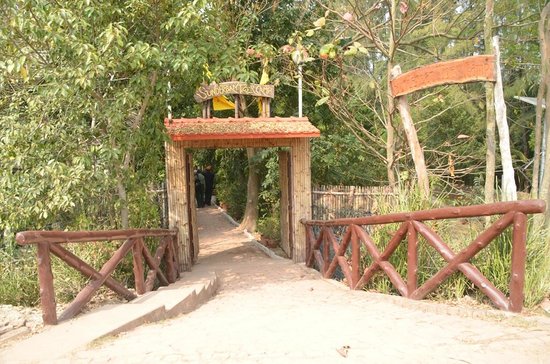
Location & How to Reach
Sundarvan's location in Ahmedabad makes it easily accessible from various parts of the city. Understanding how to reach it helps in planning your visit efficiently.Specific Location
Sundarvan is located in the Jodhpur area of Ahmedabad, specifically near the AUDA garden area. The facility is well-signposted in the local area, and most auto-rickshaw and taxi drivers are familiar with it. The location is somewhat away from the most congested parts of the city, making access relatively straightforward. The nature park's surroundings have a semi-rural feel, with some greenery and open spaces, creating a pleasant transition from the city to the nature park. Once inside Sundarvan, the urban environment feels distant, replaced by the sounds and sights of the natural world.From City Center
- Distance: Approximately 10-12 kilometers from the main city center area.
- Travel Time: 30-35 minutes by car or taxi, depending on traffic.
- Route: Generally straightforward through well-developed roads. Traffic can affect time during peak hours.
By Bus
Public bus connectivity to Sundarvan exists, though it might involve some walking:- AMTS Buses: Ahmedabad Municipal Transport Service (AMTS) buses serve the general area.
- Route: Buses towards Jodhpur or the western parts of the city typically pass near Sundarvan.
- Final Stretch: You might need to walk 500 meters to 1 kilometer from the bus stop to the entrance.
- Frequency: Bus frequency varies by route and time of day.
By Car or Taxi
- Convenience: Door-to-door transportation, no need to navigate or walk far.
- Comfort: Air-conditioned options available, important in Ahmedabad's heat.
- Flexibility: Travel on your own schedule, leave when you want.
- Cost: Reasonable for the distance, especially if sharing a ride.
Nearby Landmarks
- AUDA Garden: Located nearby, often used as a reference point for directions.
- Jodhpur Area: The general area where Sundarvan is located.
- SG Highway: The Sarkhej-Gandhinagar Highway is nearby and a major arterial road.
Wildlife & Animals
Sundarvan houses various animals, with a focus on species that are both interesting and educational. The collection isn't as extensive as a major zoo but is carefully curated to provide diverse encounters within a manageable space.Mammals
The mammal collection at Sundarvan includes several species:- Deer Species: Various types of deer, typically including species like Chital or Sambar, are housed in enclosures that mimic their natural habitat.
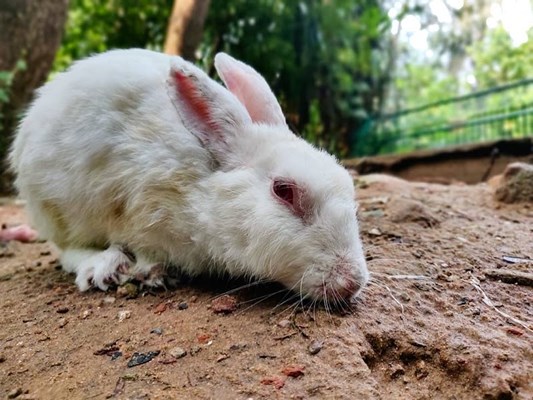
- Small Mammals: Animals like rabbits and guinea pigs might be present, providing gentle encounters for children.
- Other Species: Depending on current collection, other mammals might include antelope species or small carnivores.
Birds
Sundarvan's bird collection includes various species:- Resident Birds: Birds that are part of the permanent collection, housed in aviaries or enclosures.
- Seasonal Visitors: The location might attract wild birds, especially during migration seasons.
- Water Birds: If the facility has water features, species like ducks or other waterfowl might be present.
Butterfly Garden
One of Sundarvan's special features is its butterfly garden:- Purpose-Built: A dedicated area designed to attract and sustain butterfly populations.
- Native Species: Focus on butterfly species native to Gujarat and India.
- Educational: Information about butterfly life cycles, importance in ecosystems, and how to create butterfly-friendly spaces.
Small Animals
- Rabbits: Often present and popular with children for their gentle nature.
- Guinea Pigs: Another small mammal that provides gentle encounters.
- Other Species: Depending on the current collection, various other small animals might be present.
Wildlife Encounters
Beyond just seeing animals in enclosures, Sundarvan might offer:- Educational Programs: Sessions where visitors learn about animals, their behavior, and conservation.
- Demonstrations: Shows or demonstrations featuring selected animals, emphasizing education over entertainment.
- Interactive Sessions: Opportunities for supervised interaction with some of the gentler animals.
| Animal Category | Examples | Educational Focus | Best For |
|---|---|---|---|
| Mammals | Deer, rabbits, guinea pigs | Habitat, behavior, conservation | All ages, especially families |
| Birds | Resident species, waterfowl | Ecology, migration, identification | Bird enthusiasts, schools |
| Butterflies | Native species | Life cycles, ecosystems | Children, photographers |
| Reptiles | Snakes, lizards, turtles | Myth-busting, conservation | Education, curious visitors |
Snake Park & Reptile House
The snake park and reptile house is one of Sundarvan's most unique and educational features. This facility focuses on snakes and other reptiles, animals that are often misunderstood and feared. The emphasis here is on education and changing perceptions.Snake Species
The snake collection typically includes:- Cobras: Possibly including the Spectacled Cobra or King Cobra, India's iconic venomous snakes.
- Pythons: Non-venomous constrictors that are often large and impressive to observe.
- Rat Snakes: Common, non-venomous snakes that help control rodent populations.
- Other Species: Depending on the current collection, various other snake species native to India might be present.
Reptile House
Beyond snakes, the reptile house might include:- Lizards: Various species, possibly including monitor lizards or geckos.
- Turtles and Tortoises: These long-lived reptiles are always popular with visitors.
- Other Reptiles: Depending on the collection, other reptile species might be present.
Educational Demonstrations
One of the snake park's key functions is educational:- Snake Shows: Demonstrations where experts handle snakes while explaining their behavior and debunking myths.
- Myth-Busting: Addressing common misconceptions about snakes - that they're all dangerous, aggressive, or evil.
- Safety Education: Teaching visitors how to safely coexist with snakes, especially important in a region where snakes are part of the ecosystem.
- Conservation Messaging: Explaining why snakes are important ecologically and what threats they face.
Myth-Busting
Snakes are surrounded by myths and misconceptions, and the snake park actively addresses these:- Not All Are Venomous: Of India's 300+ snake species, only about 60 are venomous, and even fewer are dangerous to humans.
- Not Aggressive: Snakes generally prefer to avoid confrontation and will usually flee if possible.
- Important Ecosystem Role: Snakes control rodent populations, benefiting agriculture and human communities.
- Cultural Significance: Snakes have important roles in various cultures and religions, including Hinduism.
Safety Protocols
- Professional Handling: Only trained staff handle snakes or other reptiles, following strict safety protocols.
- Secure Enclosures: All animals are housed in secure enclosures that prevent accidental contact.
- Visitor Guidelines: Clear instructions on appropriate behavior - not tapping on glass, not feeding animals, etc.
- Emergency Procedures: Staff are trained in protocols for any unexpected situations.
Educational Activities & Programs
Beyond being a place to see animals, Sundarvan is actively involved in education and offers various programs for different audiences.
Nature Trails
- Guided Walks: Scheduled guided walks through the facility, led by naturalists who explain the plants, animals, and ecosystems encountered.
- Self-Guided Options: Informational materials that allow visitors to explore at their own pace.
- Focus Areas: Different trails might focus on different aspects - birds, plants, insects, or general nature appreciation.
These trails transform a simple walk into an educational experience. Guides point out details that casual observers might miss - specific plants, animal signs, ecological interactions - creating a deeper understanding of the natural world.
Bird Watching
- Early Morning Tours: Best time for bird activity, with guided tours focusing on resident and migratory birds.
- Equipment: Binoculars might be available for rent or loan, or visitors can bring their own.
- Identification Guides: Materials to help visitors identify the birds they see.
Bird watching at Sundarvan is suitable for beginners through to experienced birders. The location attracts various species, and the guided approach ensures that even novices can have a rewarding experience.
Nature Camps
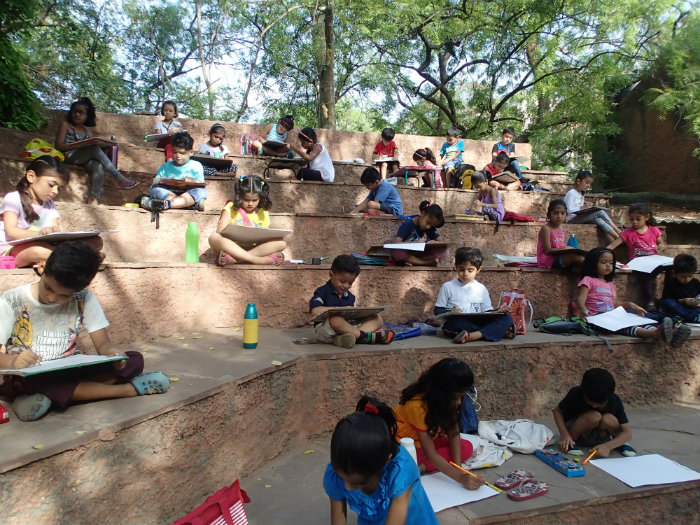
- Children's Programs: Day camps or short programs designed specifically for children, teaching them about nature through hands-on activities.
- School Programs: Structured programs for school groups, aligned with educational curricula.
- Summer Camps: Special programs during summer holidays when school is out.
These camps are popular with parents who want their children to spend time outdoors and learn about nature. Activities might include nature walks, animal encounters, craft activities using natural materials, and educational games.
Workshops
- Conservation Workshops: Programs focusing on conservation topics - habitat protection, species conservation, sustainable living.
- Skill-Building: Workshops teaching nature-related skills - plant identification, wildlife tracking, photography.
- Teacher Training: Programs for teachers to help them incorporate environmental education into their teaching.
These workshops provide deeper, more specialized education for specific audiences. They're particularly valuable for teachers, nature enthusiasts, or anyone wanting to develop their knowledge and skills.
Interactive Sessions
- Touch Tables: Opportunities to touch or examine natural items - feathers, shells, seeds - under supervision.
- Demonstrations: Hands-on demonstrations of natural processes or phenomena.
- Q&A Sessions: Opportunities to ask questions of naturalists or experts present at the facility.
These interactive elements make the experience more engaging, especially for younger visitors. Touching and examining natural items creates a more personal connection to the natural world than simply seeing things.
Timings & Entry Fee
Understanding the practical details of visiting Sundarvan helps in planning your trip.
Opening Hours
- Weekdays (Tuesday-Sunday): Typically open from 9:00 AM to 6:00 PM.
- Weekends: Similar hours, might have extended hours during peak seasons.
- Closed On: Mondays are typically closed for maintenance.
- Seasonal Variations: Hours might change slightly depending on season and weather conditions.
It's recommended to confirm current opening hours before visiting, especially during holidays or monsoon season when hours might be adjusted. Arriving early in the day, soon after opening, often provides the best experience with fewer crowds and more active animals.
Adult Fee
- Reasonable Pricing: Entry fees are set to be affordable and accessible to the general public.
- What's Included: Admission typically includes access to all general areas - animal enclosures, snake park, nature trails.
- Possible Extras: Special programs, guided tours, or workshops might have separate charges.
The exact adult fee should be confirmed at the time of visit as it can change. However, Sundarvan is committed to remaining accessible, so fees are generally reasonable.
Child Fee
- Discounted Rates: Children typically pay less than adults, with specific age or height categories determining the fee.
- Age Categories: Often divided into very young children (sometimes free), young children (reduced rate), and older children (near adult rate).
- What's Included: Similar to adult tickets - access to general areas and attractions.
Check the specific age/height categories and corresponding fees when purchasing tickets. Children below a certain age (often very young) might enter free, making it economical for families with young children.
Group Discounts
- School Groups: Special rates for schools organizing field trips, often including additional educational services.
- Large Groups: Discounts for groups above a certain size, useful for corporate outings or large family groups.
- Booking Required: Group discounts typically require advance booking and sometimes a minimum group size.
If planning a group visit, contact Sundarvan in advance to inquire about group rates and any additional services that might be available for groups, such as guided tours or specialized programs.
Category
Typical Fee
Notes
Adult
Standard rate
Check current rates, reasonably priced
Child
Discounted rate
Age/height categories apply
Very Young Child
Often free
Age limit applies
School Group
Special rate
Advance booking required
Best Time to Visit
Timing your visit to Sundarvan can enhance your experience.
Winter Season
- Months: November to February.
- Weather: Pleasant and comfortable, ideal for outdoor activities.
- Animal Activity: Animals tend to be more active in comfortable weather.
- Best For: General visiting, families, school groups.
Winter is widely considered the best time to visit Sundarvan. The weather in Ahmedabad during these months is mild and pleasant, making it comfortable to walk around the facility. Animals are also more active when the weather is comfortable.
Early Morning
- Time: Soon after opening, around 9:00-10:00 AM.
- Crowds: Typically fewer people in the early morning.
- Animal Activity: Many animals are more active in the cooler morning hours.
- Photography: Morning light provides good conditions for photography.
Early morning visits offer the best overall experience. You'll have more space and time with the exhibits, animals will be more active, and the cooler weather is more comfortable for walking around.
Weekdays
- Crowd Level: Significantly less crowded on weekdays compared to weekends.
- Experience: More relaxed, easier to move between exhibits, more time at each area.
- Best For: Those who can visit on weekdays - retirees, flexible workers, homeschoolers.
If you have the flexibility to visit on a weekday, it's highly recommended. The reduced crowds mean a more pleasant and relaxed experience, especially important if traveling with children who might need space to move around.
Avoid Summer Afternoons
- Temperature: Ahmedabad summers are extremely hot, especially in the afternoons.
- Comfort: Walking outdoors in the heat can be uncomfortable.
- Animal Activity: Animals tend to be less active in hot weather.
If visiting during summer (roughly April to June), plan your visit for early morning or late afternoon when temperatures are cooler. Avoid the mid-day heat when both you and the animals will be less comfortable.
Weather Considerations
- Monsoon: July to September brings rain. Outdoor activities might be affected by weather conditions.
- Post-Monsoon: October often sees green vegetation and pleasant weather, a good time to visit.
- Extreme Weather: On days of extreme heat or heavy rain, reconsider or plan for a shorter visit.
Check the weather forecast before visiting. While Sundarvan remains open in various weather conditions, extreme weather can make the experience less enjoyable.
Facilities & Amenities
Sundarvan offers several facilities designed to make visitors comfortable.
Parking
- On-Site: Parking is available at the facility.
- Capacity: Sufficient for normal visitor numbers, though might fill up on busy days.
- Security: Parking area is generally secure.
Having on-site parking is convenient, especially for families carrying supplies or those who prefer not to worry about street parking. Arrive early to secure a spot during busy periods.
Rest Areas
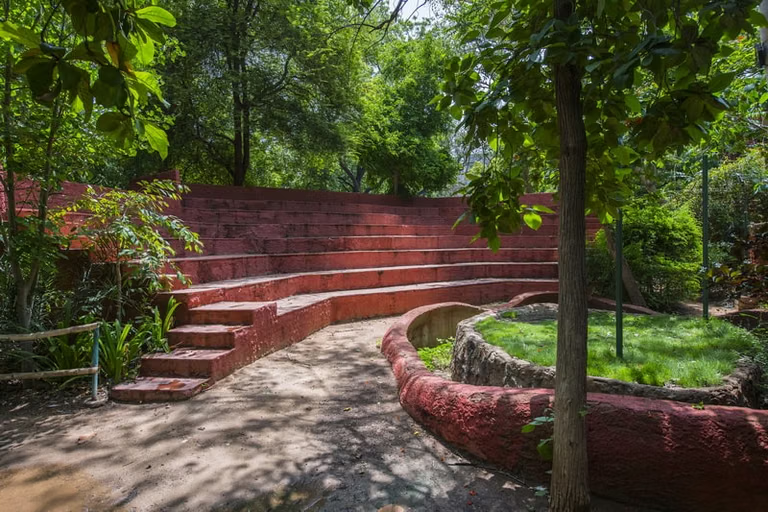
- Seating: Benches and seating areas distributed throughout the facility.
- Shade: Trees and structures providing shade, especially important in Ahmedabad's heat.
- Restrooms: Clean restrooms available at strategic locations.
These facilities make it possible to take breaks, rest, and plan your route through the facility without fatigue becoming a concern. Shade is particularly valuable given Ahmedabad's climate.
Drinking Water
- Availability: Drinking water is available at the facility.
- Recommendation: It's still advisable to carry your own water bottle, especially for children.
- Hydration: Important in Ahmedabad's climate, stay hydrated throughout your visit.
Staying hydrated is essential, especially if visiting during warmer months. While water is available at the facility, carrying your own bottle ensures you can drink whenever you want without needing to locate water stations.
Information Center
- Educational Materials: Brochures, pamphlets, and other informational materials about the facility and its inhabitants.
- Staff Assistance: Knowledgeable staff who can answer questions and provide guidance.
- Maps: Maps of the facility to help visitors navigate and plan their route.
The information center is a good first stop when you arrive. Take a few minutes to review the materials and ask staff for recommendations based on your interests and the time you have available.
Photography
- Allowed: Photography for personal use is generally allowed throughout the facility.
- Restrictions: Tripods or professional equipment might require permission.
- Respect for Animals: Don't use flash or make excessive noise that disturbs the animals.
Sundarvan provides excellent opportunities for wildlife photography. The relatively close proximity to animals, combined with natural settings, makes for compelling images. Always prioritize the animals' comfort and follow any photography guidelines provided.
Conclusion
Sundarvan Ahmedabad offers much more than a simple visit to see animals. It's an educational experience, a chance to connect with nature, and an opportunity to learn about conservation and ecology. For families, it provides a perfect setting for children to develop an appreciation for the natural world. For schools, it offers structured, curriculum-aligned educational programs. For nature enthusiasts, it provides a peaceful, informative space to observe and learn. With its focus on education, conservation, and making nature accessible, Sundarvan represents the best of urban nature education. To explore more wildlife experiences in Gujarat, the state offers diverse ecosystems from forests to wetlands.
| Category | Typical Fee | Notes |
|---|---|---|
| Adult | Standard rate | Check current rates, reasonably priced |
| Child | Discounted rate | Age/height categories apply |
| Very Young Child | Often free | Age limit applies |
| School Group | Special rate | Advance booking required |
Location
Frequently Asked Questions
Q1.Where is Sundarvan located in Ahmedabad?
Q2.What is Sundarvan famous for?
Q3.What animals can be seen at Sundarvan?
Q4.Is there a snake park at Sundarvan?
Q5.What are Sundarvan timings?
Q6.What is the entry fee for Sundarvan?
Q7.How much time to spend at Sundarvan?
Q8.Best time to visit Sundarvan?
Recommended For You

Kankaria Carnival Ahmedabad: Dates, Activities & Event Highlights
Experience Ahmedabad's grand Kankaria Carnival, a week-long cultural extravaganza featuring folk performances, adventure activities, food courts, and spectacular fireworks. Complete guide with dates, timings, and travel tips.
Krishnapura Chhatris Indore: Timings, Architecture & Riverfront Views
Krishnapura Chhatris Indore guide with history, architecture, best visit windows, route tips, and nearby heritage-food pairings for a smooth city itinerary.
Hathisingh Jain Temple Ahmedabad: Architecture, Timings & Visitor Rules
Explore Hathisingh Jain Temple Ahmedabad, a stunning white marble masterpiece. Discover timings, history, architecture & visiting tips.
Never Miss an Adventure
Get the latest trekking guides, travel tips, and exclusive offers delivered straight to your inbox.
