
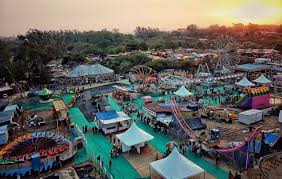
Surajkund Mela: Dates, Ticket Price, Theme State & Timings

Ananya Sharma
November 16, 2025
Complete guide to Surajkund International Crafts Mela. Dates, tickets, timings, location & shopping tips for India's largest crafts fair.
India's Largest Crafts Fair
The Surajkund International Crafts Mela stands as one of India's most vibrant celebrations of traditional handicrafts, textiles, and cultural diversity. Held annually in the picturesque surroundings of Surajkund in Faridabad, Haryana, this 15-day extravaganza brings together artisans from every corner of India and across the world. Since its inception in 1987, the mela has grown from a local crafts fair to an international event that attracts over a million visitors each year, making it one of the largest craft fairs in Asia. Festival enthusiasts can explore other famous festivals in India to discover the rich cultural tapestry of the country.
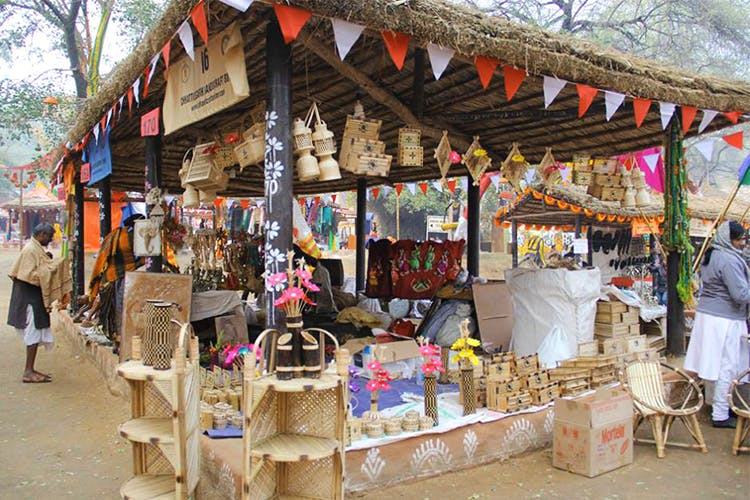
What makes Surajkund Mela truly special is its commitment to authenticity and direct artisan engagement. Unlike typical commercial markets, here you interact directly with the creators – weavers, potters, metalworkers, and craftspeople who have often inherited their skills across generations. This direct connection not only ensures you're buying genuine handmade products but also provides insight into the stories, techniques, and cultural significance behind each creation. The mela isn't just a shopping destination – it's a living museum of India's diverse craft traditions.
Mela Dates & Schedule
The Surajkund International Crafts Mela is typically held from February 1st to February 15th every year, providing visitors with a full two weeks to experience this cultural extravaganza. The February timing is carefully chosen to coincide with pleasant weather in the National Capital Region, making it comfortable for visitors to explore the expansive mela grounds.
Daily timings are from 10:30 AM to 8:30 PM, though most visitors prefer arriving in the late afternoon when the weather is cooler and the cultural performances begin. The mela comes alive in the evening hours with folk dances, music performances, and the stalls beautifully illuminated. Weekends see significantly larger crowds, with locals from Delhi NCR making day trips to the mela.
Each year, the mela features a specific Theme Country (nation) and a Focus State from India. These chosen regions receive special prominence with dedicated pavilions, enhanced display spaces, and focused cultural programming. Recent editions have featured countries like Egypt, Thailand, and Lebanon as theme nations, while focus states have included diverse regions from Gujarat to the Northeast states. This annual rotation keeps the mela fresh for repeat visitors and provides comprehensive exposure to different craft traditions over time.
Special Events
Beyond shopping, the mela features a packed schedule of cultural events. Every evening, the open-air amphitheater hosts folk dance and music performances from the featured state and country. These performances are included in the entry ticket and provide entertainment while you take a break from shopping. The main inauguration day (February 1st) typically sees elaborate opening ceremonies with dignitaries and special performances, though this day can be exceptionally crowded.
Location & How to Reach
Surajkund Mela is held in Surajkund, located in Faridabad district of Haryana, approximately 8 kilometers from South Delhi. The location is strategically chosen for its accessibility from Delhi as well as its historical significance – Surajkund is home to a ancient reservoir built by the Tomar ruler Surajpal, adding heritage value to the site. Visitors planning to explore more of the capital can check out our guide to Delhi's top attractions to combine with their mela visit.
From Delhi
The mela grounds are easily accessible from various parts of Delhi NCR. By car, it's about a 30-45 minute drive from Central Delhi depending on traffic. The nearest metro station is Escorts Mujesar on the Violet Line, from where autos and shuttle buses are available to the mela grounds. During the mela period, special shuttle services typically operate from key locations including Nehru Place and Badarpur border.
Parking Facilities
Ample parking space is available around the mela grounds, with multiple parking lots created to handle the surge in vehicles during the 15-day period. Parking charges are nominal (around ₹50-100 per vehicle), though finding space can be challenging on weekends. The mela organizers also arrange park-and-ride facilities from nearby locations to manage traffic congestion.
By Taxi
Taxis and app-based cabs (Uber, Ola) are readily available and perhaps the most convenient option, especially for those carrying heavy purchases. Drivers are generally familiar with the mela location during the fair period. The return journey can sometimes see long queues for cabs, so factor in extra time or consider pre-booking your return ride.
Public Transport
For budget-conscious visitors, public buses connect the mela to various parts of Delhi and Faridabad. However, buses can be crowded during the mela period, and the frequency may not be convenient for all. The combination of metro to Escorts Mujesar followed by an auto-rickshaw to the mela gates is a popular and economical approach.
Ticket Prices & Booking
Entry to Surajkund Mela is ticketed, with different rates for various categories of visitors. The ticket revenue helps cover the substantial costs of organizing this massive event and supporting the participating artisans.
General Admission
Adult tickets (Indian citizens) are priced at approximately ₹120-150 on weekdays and ₹180-200 on weekends and holidays. Children below a certain height (usually 5 feet) and senior citizens often receive concessional pricing. Student groups can avail special rates with valid institution ID cards.
Foreign Tourists
International visitors pay a different rate, typically around ₹500-600, which includes access to all areas and events. This higher pricing is standard for Indian tourist attractions and still represents excellent value for a full day of cultural experiences.
Online Booking
Tickets can be purchased online through various platforms including BookMyShow and the official Surajkund Mela website. Online booking is highly recommended, especially for weekend visits, as it allows you to skip the sometimes long queues at the ticket counters. Online tickets typically come with a small convenience fee but save considerable time.
On-Site Purchase
For those who prefer spontaneity, tickets are available at the entry gates. Multiple ticket counters are set up to manage the rush, and the process is usually efficient. However, on weekends and holidays, particularly in the late afternoon, queues can be long – sometimes 30-45 minutes of waiting time.
Multiple Entry
It's important to note that tickets are for single-day entry only. If you plan to visit multiple days (which many serious shoppers do, given the vast size of the mela), you'll need to purchase tickets for each day. Some frequent visitors opt for season passes if available, though these are limited and sell out quickly.
What to Expect at Surajkund Mela
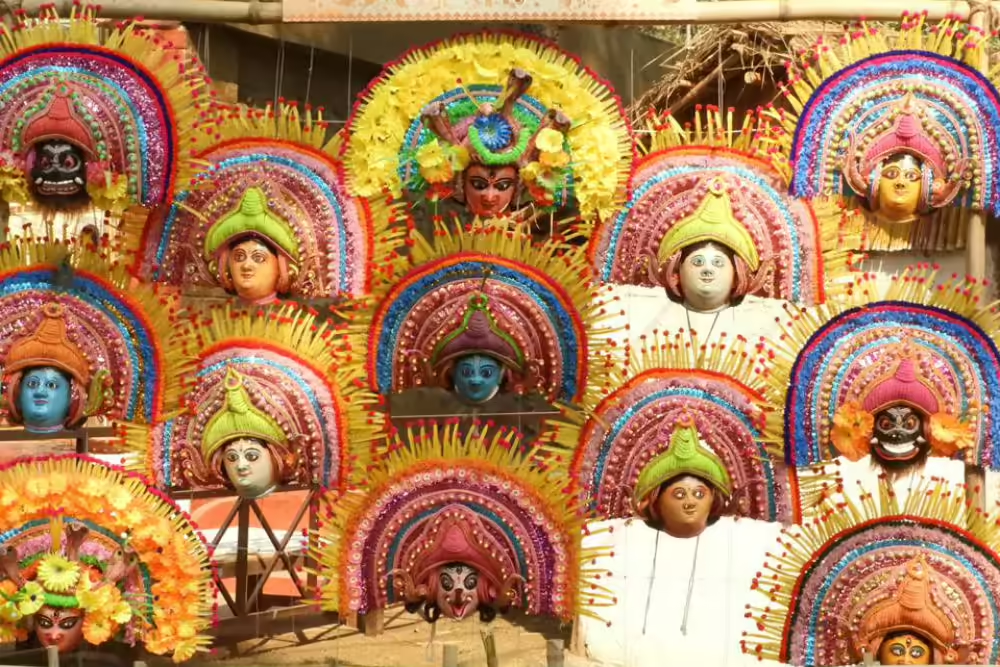
Walking through Surajkund Mela is like taking a journey through India's incredibly diverse craft traditions. The mela is organized into state and country pavilions, making it easy to navigate and ensuring comprehensive representation of different regions.
Handicrafts from All Indian States
Every Indian state sets up a dedicated pavilion showcasing its unique craft traditions. From Pashmina shawls of Kashmir to Kanjeevaram sarees of Tamil Nadu, from Warli paintings of Maharashtra to Madhubani art of Bihar – the range is exhaustive. What's remarkable is that each stall typically features the actual artisan or their family members, not resellers. This direct interaction allows you to understand the craft, commission custom work, and sometimes even watch demonstrations. For those interested in Rajasthan's handicrafts specifically, our guide to Jaisalmer and other Rajasthan cities offers insights into the region's rich craft heritage.
Textiles and Traditional Garments
The textile section is particularly impressive, with weavers from across India bringing their finest creations. You'll find handloom sarees, fabrics, shawls, stoles, and garments. Popular items include Banarasi silk sarees, Chanderi and Maheshwari fabrics from Madhya Pradesh, Patola silk from Gujarat, and Phulkari embroidery from Punjab. Many stalls sell ready-made garments including kurta-pajamas for men, sarees and salwar suits for women, and traditional clothing for children. Shopping enthusiasts may also enjoy exploring Jaipur's famous markets for traditional Rajasthani textiles and handicrafts.
Pottery and Ceramics
Clay artisans from various states bring their distinctive pottery styles. Blue pottery from Jaipur, terracotta from West Bengal, black pottery from Manipur, and stoneware from Khurja are some of the highlights. Many stalls also sell decorative ceramic items including vases, planters, and wall hangings. The price range varies widely, from small decorative pieces starting at ₹200 to large artistic works costing several thousand rupees.
Jewelry
The jewelry section features both traditional and contemporary designs. You'll find silver jewelry from Rajasthan, temple jewelry from South India, beadwork from Gujarat, and tribal jewelry from various regions. Precious and semi-precious stones are often available at prices lower than retail stores, though it helps to have some knowledge of jewelry pricing. Many stalls also sell fashion jewelry and costume pieces that are affordable and trendy.
Regional Cuisines
No Indian cultural event is complete without food, and Surajkund Mela delivers impressively on this front. The food court features stalls from different states, each offering authentic regional cuisine. From Rajasthani dal-baati-churma to Bengali fish curry, from Kashmiri wazwan to Kerala appam with stew – the culinary journey is as diverse as the crafts. The food is prepared fresh, relatively hygienic, and reasonably priced. This is an excellent opportunity to try regional specialties that you might not find in typical restaurants.
Cultural Performances
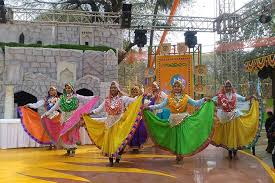
The open-air amphitheater hosts continuous performances throughout the day, with the main shows scheduled in the evening. Folk dancers from various states perform traditional dances – Bhangra from Punjab, Garba from Gujarat, Kathakali from Kerala, and numerous others. International performers from the theme country also present their cultural arts. These performances are free with your entry ticket and provide a wonderful cultural education while you rest your feet between shopping sessions.
Artisan Demonstrations
Many stalls include live demonstrations of craft techniques. Watching a weaver work a handloom, a potter shape clay on a wheel, or an embroiderer create intricate patterns by hand provides deep appreciation for the skill involved in these crafts. These demonstrations are educational and particularly popular with children, making the mela an excellent family outing.
State & International Pavilions
The organizational structure of Surajkund Mela into dedicated pavilions for each state and country is one of its strengths. This layout makes navigation intuitive and ensures that every region gets its dedicated space and representation.
All Indian States Represented
One of the most remarkable aspects of Surajkund Mela is the comprehensive representation of Indian states. From the largest states to the smallest union territories, every region of India is present. This includes remote areas like Ladakh, the Northeast states, and the Andaman and Nicobar Islands, each showcasing their unique craft traditions that often don't reach mainstream commercial markets.
The Theme Country
Each year's featured theme country receives a prominent pavilion with enhanced display space. Past editions have featured Egypt, Thailand, Lebanon, Uzbekistan, and several African nations. These international stalls offer unique products not available in India – Egyptian papyrus art, Thai silk, Lebanese glassware, African tribal art – often at reasonable prices. The international artisans also demonstrate their craft techniques, providing fascinating cross-cultural learning opportunities.
SAARC Countries
Nations from the SAARC region (Afghanistan, Bangladesh, Bhutan, Maldives, Nepal, Pakistan, and Sri Lanka) are regular participants, showcasing their shared yet distinct craft heritages. Pakistani truck art, Afghan carpets, Bangladeshi jute products, Bhutanese textiles, and Nepalese metalwork are perennial favorites. These stalls highlight the cultural connections across South Asia while celebrating each nation's unique contributions.
Meet the Creators
Perhaps the most valuable aspect of the pavilion system is the opportunity to meet the actual artisans. Unlike retail stores where sales staff may have limited knowledge, here you interact with the creators who can explain their techniques, design philosophy, and the cultural significance of their work. Many artisans are happy to take custom orders – a saree in specific colors, a pottery set to match your home decor, or jewelry designed to your specifications. This personal connection transforms shopping from a transaction to an interaction.
Authentic Products Guaranteed
Another advantage of buying directly from artisans is authenticity assurance. At Surajkund Mela, you're buying genuine handmade products, not machine-made replicas. While this means prices are higher than mass-produced alternatives, you're paying for genuine craftsmanship and supporting artisan communities directly. For serious collectors and craft enthusiasts, this authenticity is invaluable.
Best Time to Visit & Crowd Tips
Timing your visit strategically can significantly enhance your Surajkund Mela experience. The mela runs for 15 days, and choosing the right day and time makes a considerable difference to crowd levels and overall enjoyment.
Weekdays vs. Weekends
Weekdays (Monday to Friday) are significantly less crowded than weekends. If your schedule allows, visiting on a Tuesday, Wednesday, or Thursday provides a much more relaxed experience. You can browse stalls without jostling through crowds, interact more meaningfully with artisans, and find seating easily at the food court. Weekdays are also preferred by serious shoppers who spend several hours at the mela.
Weekends (Saturday and Sunday) see a massive surge in visitors, with day-trippers from Delhi and surrounding areas. The energy is higher and there are more cultural performances scheduled, but the crowds can be overwhelming. If you must visit on a weekend, arriving early (around 11 AM) gives you a few hours before the peak rush begins in the mid-afternoon.
Time of Day
Early morning visits (10:30 AM to 1 PM) offer the coolest weather and most energetic artisans. The craftspersons are fresh, displays are neatly arranged, and you get first pick of new stock. Morning light is also excellent for photography of the colorful stalls and crafts.
Late afternoon (3 PM to 6 PM) is when the mela is most vibrant but also most crowded. The weather starts cooling, cultural performances begin, and the atmosphere is festive. This is the best time for experiencing the energy of the mela, though not ideal for serious shopping.
Evening (6 PM to 8:30 PM) sees beautiful illumination of the stalls and a carnival-like atmosphere. The cultural performances are in full swing, and the food court is buzzing. This is the best time for families with children and those more interested in the festive atmosphere than serious shopping.
Weather Considerations
February weather in Delhi NCR is generally pleasant, with daytime temperatures in the 20-25°C range. However, it can get chilly in the morning and evening, so carrying a light jacket or sweater is advisable. Sun protection (hat, sunglasses) is important during midday hours.
Recommended Duration
Plan for at least 4-6 hours for a comprehensive visit. The mela is expansive, and rushing through it defeats the purpose. Serious shoppers often split their visit across two days – one day for browsing and shortlisting, another for purchases. Multiple visits also help you compare prices across stalls before making major purchases.
Facilities & Amenities
Despite being a temporary annual event, Surajkund Mela is well-organized with comprehensive facilities for visitor comfort. The organizers have decades of experience and have refined the infrastructure over years.
Food Court
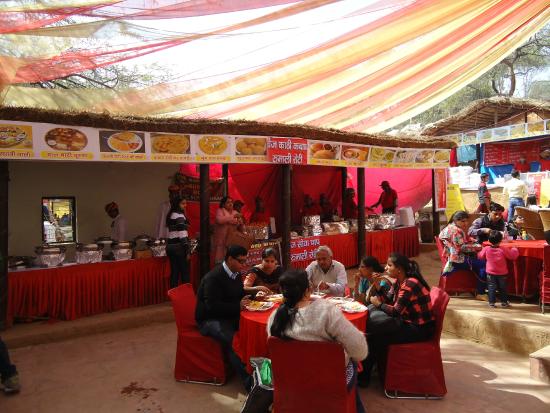
The food court is a major attraction, with dozens of stalls serving regional cuisines from across India and the theme country. The food is generally fresh, tasty, and reasonably priced (meals typically costing ₹150-300 per person). Seating is available, though finding a table during peak meal times can be challenging. The food court also features snack stalls selling tea, coffee, cold drinks, and light bites.
ATM and Banking
Multiple ATMs from various banks are available on-site, though they frequently run out of cash during peak times. Digital payments (UPI, Paytm, PhonePe) are widely accepted at most stalls, making cashless transactions convenient. However, it's still advisable to carry some cash for smaller vendors and as backup.
Parking
Extensive parking facilities are available, with multiple lots created to handle thousands of vehicles. Parking attendants manage traffic flow, and the system is generally efficient despite the high volume. VIP parking is available for special pass holders, offering closer proximity to the entry gates.
First Aid and Medical Assistance
First aid booths are strategically located throughout the mela grounds, staffed by medical personnel. For serious emergencies, ambulance services are on standby. The medical facilities are basic but adequate for common issues like dehydration, minor injuries, or headaches.
Lost & Found and Help Desk
A help desk near the entrance assists with queries, and a Lost & Found service helps reunite lost items and people (particularly children) with their families. Given the large crowds, it's advisable to take a photo of your children upon entry and note the help desk location for quick reference if needed.
Rest Areas
Several rest areas with benches and seating are scattered throughout the mela grounds, providing relief for tired visitors. Some covered areas offer respite from the sun, and several spots have mist fans for cooling during warm afternoons.
Accessibility
The mela grounds are wheelchair accessible with paved pathways and ramps at major points. However, some areas might be challenging due to the temporary nature of the setup and crowded conditions. Special parking spots are available for differently-abled visitors near the entrance.
Shopping Tips for Surajkund Mela
To make the most of your Surajkund Mela shopping experience, keep these practical tips in mind. The mela can be overwhelming for first-time visitors, and a little preparation goes a long way.
Budget Planning
Set a budget before you go and carry adequate cash. While digital payments are accepted, having cash makes transactions smoother. Artisans often offer discounts for bulk purchases, but genuine handcrafted items have a minimum price below which quality artisans won't go. Remember that you're paying for craftsmanship and supporting artisan communities.
Comfortable Clothing and Footwear
Wear comfortable walking shoes – you'll be on your feet for hours. The mela grounds cover a large area, and comfortable footwear is essential. Dress in layers as mornings can be chilly and afternoons warm. A small backpack or crossbody bag works better than a handbag for carrying purchases and keeping your hands free.
Compare Prices Across Stalls
Similar items are often available at multiple stalls, and prices can vary. Don't buy from the first stall you see – browse, compare prices, and ask about discounts. Some artisans are open to negotiation, especially on larger purchases, though others have fixed prices. It never hurts to politely ask if the price is negotiable.
Ask About Craft Techniques
Engage with the artisans and ask about their craft. Understanding the process, time, and skill involved enhances appreciation and justifies the price. Many artisans will demonstrate their techniques, which is fascinating and educational. This interaction also helps you identify genuine handmade items versus machine-made replicas.
Check for Authenticity
While most stalls are genuine, some middlemen do slip in. Look for signs of authenticity – actual craft demonstrations, photographs of the artisan at work, certification from craft councils, and most importantly, detailed knowledge about the craft when you ask questions. Genuine artisans take pride in explaining their work.
Commission Custom Work
If you don't find exactly what you're looking for, ask about custom orders. Many artisans accept commissions and can create pieces to your specifications. This is particularly valuable for textiles, jewelry, and larger decorative items. Discuss pricing upfront and get a receipt for any advance payment.
Packaging and Shipping
Most stalls provide basic packaging, but for delicate or valuable items, ask for extra protection. Some artisans offer shipping services, which can be convenient for large purchases. If you're traveling by air, check baggage allowances before making major purchases.
Conclusion
Surajkund International Crafts Mela is more than a shopping destination – it's a celebration of India's incredible craft heritage and the skilled artisans who keep these traditions alive. In an age of mass production and machine-made goods, this mela provides a refreshing and important alternative, connecting consumers directly with creators and preserving craft traditions that might otherwise fade away. For those interested in exploring more cultural celebrations across the country, our guides to Kerala's festivals and monsoon festivals in India offer deeper insights into the country's diverse festive traditions.
Whether you're a serious collector, a casual shopper, or simply someone interested in experiencing India's cultural diversity, Surajkund Mela delivers on all fronts. The combination of authentic crafts, cultural performances, regional cuisines, and the opportunity to meet artisans from across India and the world creates an experience that is both entertaining and enriching.
The mela's enduring popularity over three decades is testament to its relevance and quality. In a world that's increasingly homogenized, Surajkund Mela celebrates diversity, craftsmanship, and the human touch in art and commerce. A visit here is not just about buying things – it's about supporting artisan communities, preserving cultural heritage, and taking home stories, not just products.
Location
Frequently Asked Questions
Q1.When is Surajkund Mela held?
Q2.Where is Surajkund Mela held?
Q3.What is the ticket price for Surajkund Mela?
Q4.What are Surajkund Mela timings?
Q5.What can I buy at Surajkund Mela?
Q6.Which state stalls are at Surajkund Mela?
Q7.How to reach Surajkund Mela from Delhi?
Q8.Is parking available at Surajkund Mela?
Recommended For You
Festivals of Kerala: 20 Cultural Celebrations You Should Experience
Discover festivals of Kerala! Complete guide to Onam, Thrissur Pooram, Theyyam, snake boat races & 20 major Kerala temple and cultural festivals with dates, locations & travel tips.
Famous Festivals in India: Complete Guide to 20 Most Popular Celebrations
Discover the famous festivals in India - Diwali, Holi, Durga Puja & more! Learn dates, traditions, best places to experience & cultural significance of 20+ major Indian festivals.
Festivals in India in June: Summer Events & Cultural Highlights
Experience India's June festivals! Rath Yatra chariot procession, Hemis Festival in Ladakh, mango celebrations & more. Complete guide to summer festivals in India.
Never Miss an Adventure
Get the latest trekking guides, travel tips, and exclusive offers delivered straight to your inbox.
