
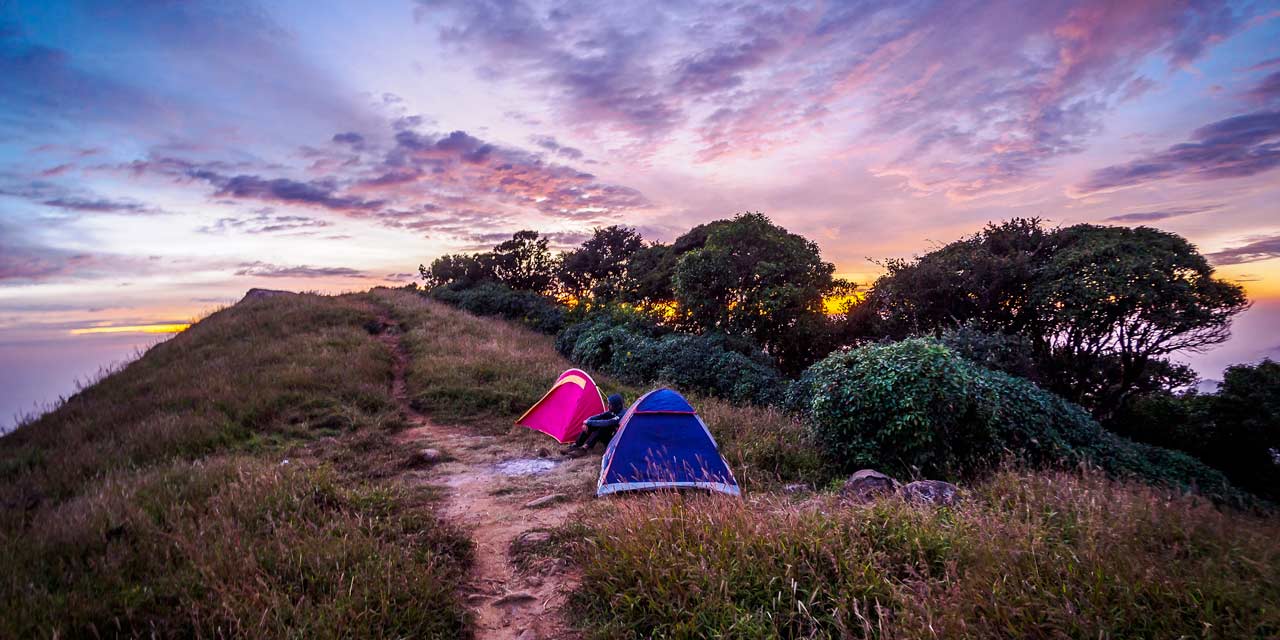
Tadiandamol Peak Trek Guide: Route Basics, Best Season, and Trek Preparation

Priya Mehta
February 25, 2026
Plan Tadiandamol Peak trek with practical route advice, weather timing, packing checklist, and group pacing strategy.
Why Tadiandamol Is a Great Trek for South India Travelers
Tadiandamol is one of Karnataka’s most loved trekking destinations because it offers scenic altitude gain without extreme technical difficulty. It is especially popular among first-time trekkers and weekend groups from nearby cities. The trail combines forest sections, grassland views, and rewarding summit perspective when weather supports visibility.
The trek is best planned with terrain awareness and weather flexibility. For broader regional context, combine this with Coorg travel planning, nearby scenic pacing from Raja’s Seat, and trekking context through Coorg trekking options. For route continuity, compare with Tadiandamol Coorg details.
Trek Difficulty and Who It Suits
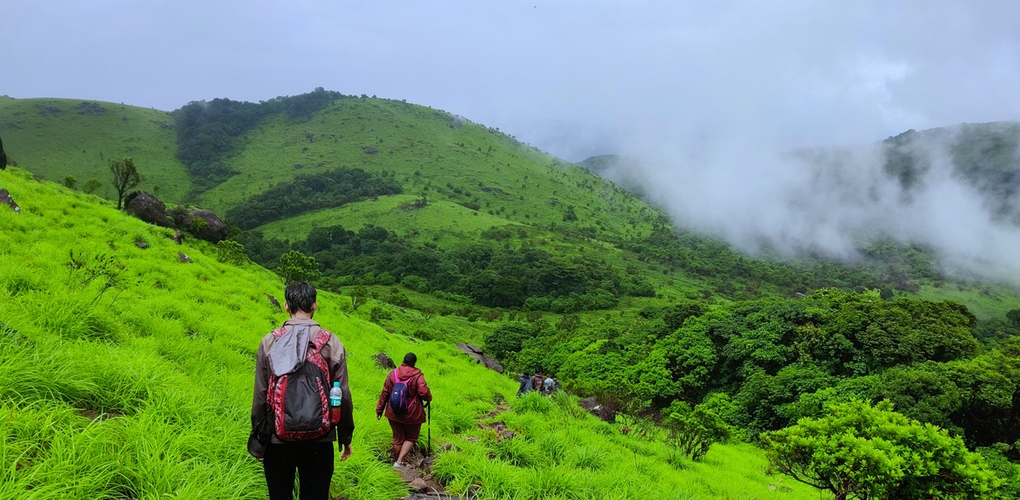
Tadiandamol is generally considered moderate for fit beginners and comfortable for regular trekkers. The challenge usually comes from weather conditions, slippery stretches, and pacing errors rather than technical climbing. Groups with mixed fitness should move steadily and avoid rushing the first half of the route.
A calm pace usually gives better summit energy and safer descent.
Best Time to Trek
Post-monsoon and cooler months are often preferred for visibility and comfort. Monsoon can be lush but requires extra caution on wet terrain. Always check local weather and trail updates before departure.
Season choice should match your safety and experience goals, not only social-media visuals.
What to Carry
Carry grip-friendly shoes, hydration, light snacks, rain layer in uncertain weather, and basic first-aid essentials. Keep luggage minimal and balanced. Avoid heavy unnecessary gear that slows movement and increases fatigue.
For day treks, a compact setup is best. Focus on safety essentials and comfort.
Trek-Day Planning
Start early, keep one midpoint regroup, and maintain consistent communication in group movement. Summit pauses should be time-bound in uncertain weather. Plan descent with enough daylight margin and avoid unnecessary delays.
Well-timed starts are one of the biggest quality drivers in this trek.
Common Mistakes to Avoid
Late starts, overpacking, and underestimating weather risk are common mistakes. Another issue is ignoring group pace differences. Trek quality and safety improve when leaders prioritize collective movement discipline.
Responsible trekking means finishing strong, not finishing fast.
Route Execution for Safer Summit Days
A strong Tadiandamol summit day depends more on discipline than athletic intensity. Start early, maintain steady pace, and keep regular hydration cycles. Avoid sudden speed spikes on initial ascent; they often cause early fatigue and reduce summit confidence. Group leaders should check pace consistency every 20-30 minutes.
If weather changes suddenly, prioritize controlled descent timing over summit pressure. Safe turnaround decisions are a sign of mature trekking practice.
Beginner Trekker Confidence Framework
For first-time trekkers, confidence grows when the route is broken into small milestones: trail entry, first ascent segment, midpoint rest, open section, summit approach, and descent checkpoints. This mental segmentation reduces anxiety and makes the route feel manageable.
Experienced trekkers in the group should support pace and morale without forcing performance expectations. Collaborative movement is safer and more enjoyable.
Trail Ethics and Leave-No-Trace Basics
Tadiandamol’s beauty depends on trail discipline. Carry back all waste, avoid loud behavior, and stay on designated paths where possible. Do not leave food packaging or disposable items at rest points. Responsible trekking ensures the route remains enjoyable for future visitors.
Trail ethics are not optional add-ons. They are core to sustainable adventure travel.
Post-Trek Recovery and Learning
After the trek, recovery choices matter: hydration, stretching, rest, and light nutrition. Groups should debrief briefly on what worked and what can improve next time. This habit builds trekking maturity and makes future routes safer.
Every Tadiandamol trek can be both an adventure and a training ground for better mountain travel habits.
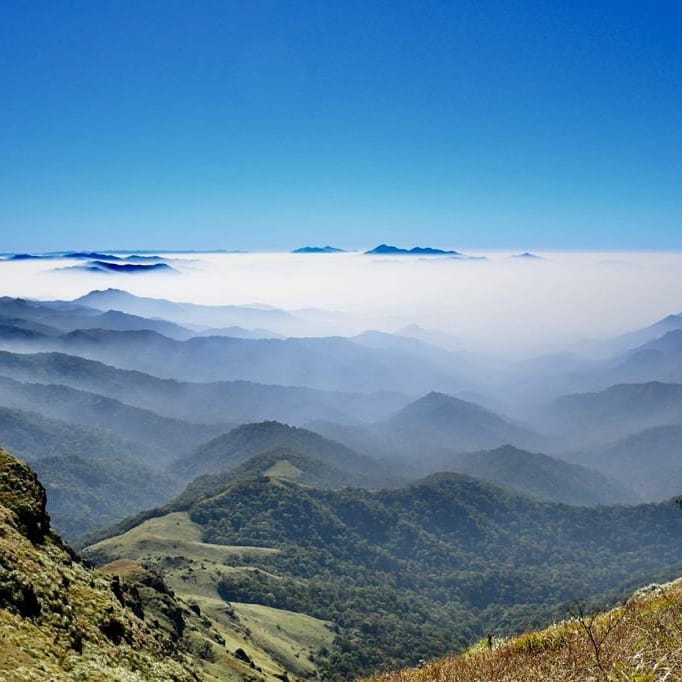
Execution Plan for a Safer and Stronger Tadiandamol Trek
Tadiandamol may be categorized as a moderate trek, but outcomes vary widely depending on pace discipline and weather decisions. Many groups fail not because the route is difficult, but because they start late, carry unsuitable gear, and underestimate descent fatigue. A better strategy begins before arrival: sleep adequately the previous night, keep breakfast simple, and begin early enough to finish the main ascent while energy is high. Early starts also reduce trail congestion and improve route clarity during transitions.
Footwear is the most important equipment decision. Choose shoes with reliable grip on wet soil and uneven rock. Avoid new shoes without break-in, because hotspots and blisters on a moderate trail can quickly slow the whole team. Carry one light layer for wind, one rain-ready outer layer in monsoon season, and a compact set of essentials: water, electrolytes, basic first aid, and dry snacks. Overpacking creates fatigue; underpacking creates risk. The goal is a balanced load that supports steady movement for several hours.
On-trail rhythm should follow a repeatable pattern: controlled pace, short pause, hydration, then resume. Long idle breaks often make restarts harder and increase total trail time. If your group includes mixed fitness levels, place the slowest consistent walker near the front. This keeps the team compact and reduces fragmented movement. Trek leaders should check both physical and mental energy every segment, especially before exposed sections where confidence can drop in poor visibility.
Navigation decisions should remain conservative in mist or post-rain conditions. If visibility falls sharply, reduce speed and prioritize clear route markers over shortcut attempts. Descent is usually where avoidable slips happen. Keep knee strain low with smaller steps, torso balance, and controlled braking rather than rushing to finish. Trek poles can help some walkers, but proper foot placement and spacing between trekkers are more critical on muddy inclines.
Weather shifts are common in Coorg highland terrain. Instead of forcing summit timing at any cost, define a turn-around rule before you begin. A simple rule like fixed cut-off time or visibility threshold prevents emotional decision-making at higher sections. Groups that commit to objective safety rules generally complete more treks successfully over the long term.
Nutrition management is another overlooked factor. Eat in small intervals rather than one heavy break. Stable energy improves judgment, and judgment matters on every trek regardless of technical grade. Post-trek recovery also deserves planning: dry clothes, quick refuel, and gentle mobility work reduce next-day fatigue and keep travel plans on track.
If you treat Tadiandamol as a training ground for mountain habits, the trek offers value beyond a single summit. You learn pacing, group coordination, weather respect, and descent control, all of which transfer directly to more complex routes in future seasons. That is why many experienced trekkers still recommend Tadiandamol: it teaches core trekking discipline in a scenic, accessible setting.
One additional practice that improves Tadiandamol outcomes is post-route review with your group before leaving the trailhead. Discuss where pace broke, where communication was clear, and where weather decisions could be improved. This ten-minute review turns a casual hike into a repeatable learning cycle. Over time, these small debriefs make trekkers calmer, more efficient, and better prepared for higher-altitude plans across the Western Ghats and beyond.
Keep this trail as a benchmark route and revisit after a few months to measure improvement in pacing, stamina, and weather judgment.
Conclusion
Tadiandamol Peak is a rewarding trek when planned with realistic pace, weather awareness, and basic preparation. Keep the route simple, start early, and move responsibly. With that approach, the trek offers a strong and memorable hill experience in Karnataka.
Location
Frequently Asked Questions
Q1.Is Tadiandamol suitable for beginners?
Q2.What is the best season for the trek?
Q3.How early should I start?
Q4.What is the key safety factor?
Q5.Can I combine this trek with Coorg sightseeing?
Recommended For You
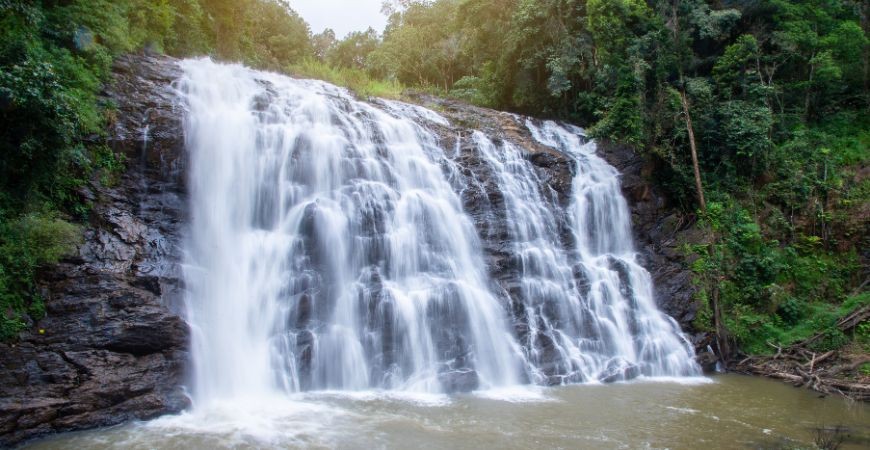
Abbey Falls Coorg Travel Guide: Best Time, Tickets, Route, and Tips
Plan Abbey Falls Coorg with better timing, season strategy, route tips, and realistic on-ground guidance for a safer and richer waterfall visit.
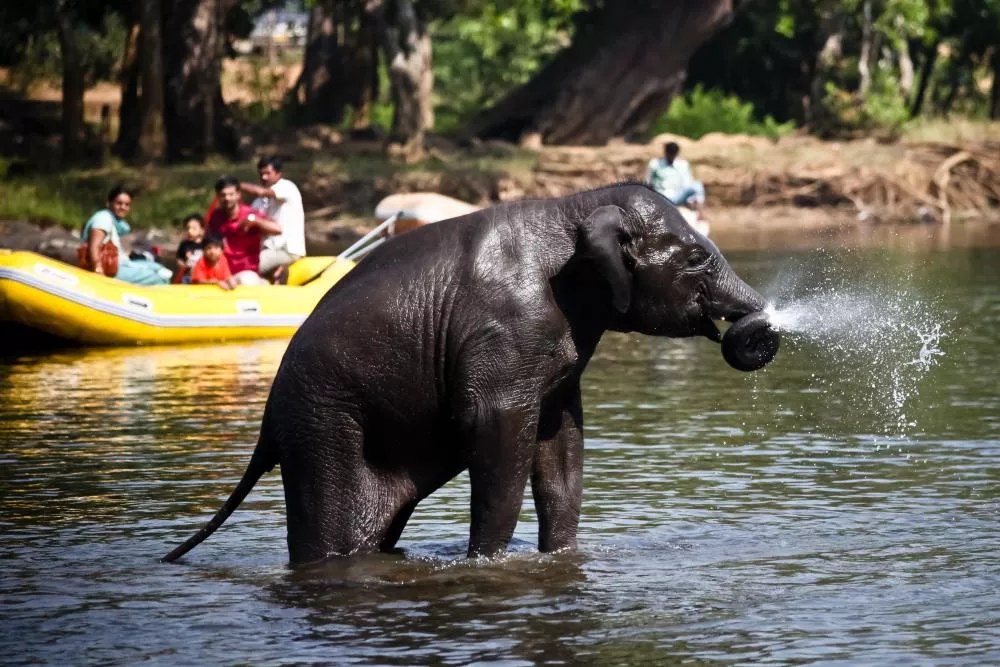
Dubare Elephant Camp Coorg Guide: Activity Flow, Responsible Visits, and Day-Plan Strategy
Use this Dubare Elephant Camp Coorg guide for responsible visit planning, better timing, and smoother full-day Coorg itineraries.
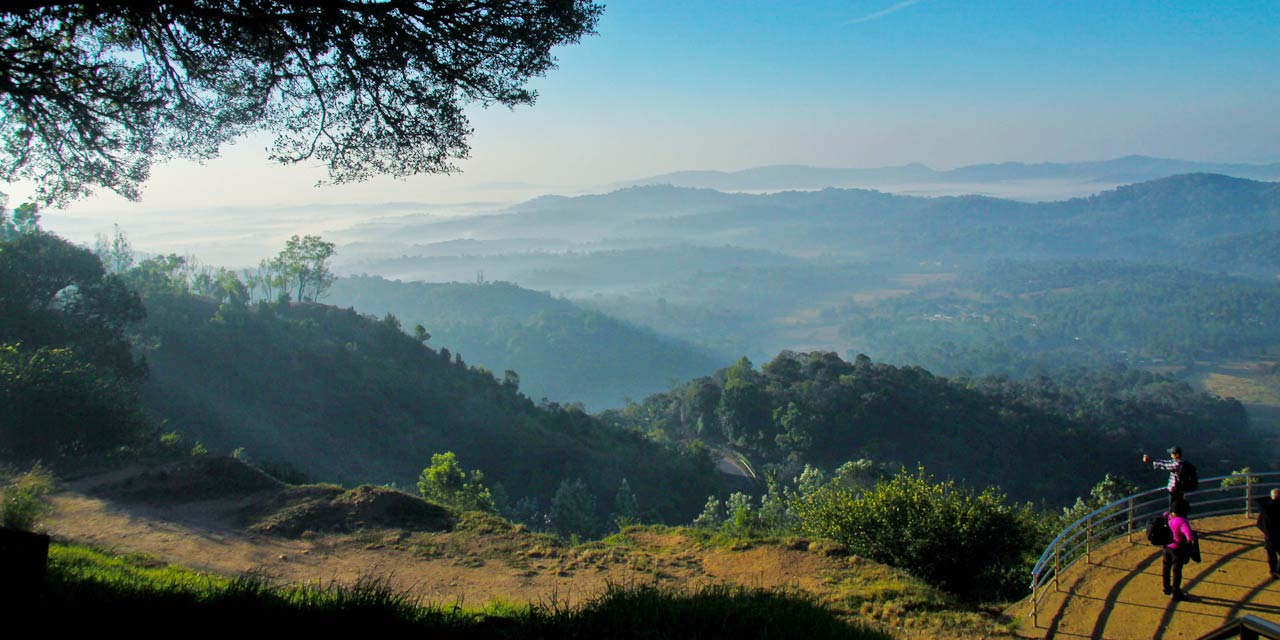
Raja’s Seat Coorg Guide: Best Time, Sunset Views, Garden Walks, and Trip Planning
Plan Raja’s Seat Coorg with practical tips on sunset timing, viewpoint pacing, nearby route combinations, and travel-style-specific planning.
Never Miss an Adventure
Get the latest trekking guides, travel tips, and exclusive offers delivered straight to your inbox.
