

Shakti Peeth Temples in India: Sacred Geography, Pilgrimage Circuits, and Travel Planning

Priya Mehta
February 25, 2026
Plan Shakti Peeth temple travel in India with practical pilgrimage circuits, seasonal timing, etiquette, and devotional route strategy.
Why Shakti Peeth Pilgrimage Is Spiritually Significant
Shakti Peeth temples in India represent one of the most powerful sacred networks in Hindu pilgrimage tradition. These sites are deeply linked with Devi worship and sacred geography, attracting devotees seeking both spiritual intensity and ritual continuity. For many pilgrims, the journey itself is as meaningful as darshan because each temple carries unique local traditions and forms of the Divine Mother.
Because Shakti Peeth locations are spread across regions, route planning is crucial. Attempting too many shrines in one trip can reduce both devotional depth and physical comfort. A better model is to plan cluster-wise circuits by geography and season. If you are building a wider spiritual route, combine this with Jyotirlinga planning, major Himalayan references from Char Dham guide, and temple-pilgrimage pacing from Rama temple circuits. For focused mountain darshan sequencing, include Kedarnath context where relevant.

Understanding the Shakti Peeth Tradition
Shakti Peeths are revered as highly sacred centers of Devi worship with strong mythological and ritual significance. Each temple may emphasize different forms of the Goddess and distinct regional practices. This diversity is what makes Shakti pilgrimage spiritually rich and culturally layered.
Pilgrims should approach each shrine with local-context awareness. Temple protocols, darshan windows, and ritual formats may differ significantly from one site to another.
How to Plan Shakti Peeth Circuits
Use regional clusters: north, east, central, or south-focused routes. A 5-7 day plan can cover one cluster deeply; longer trips can combine two clusters with sufficient transfer buffers. Keep one low-intensity day after major travel segments, especially in routes with difficult terrain or high-altitude elements.
Cluster-based planning improves devotional focus and reduces fatigue compared to random long-distance hopping.
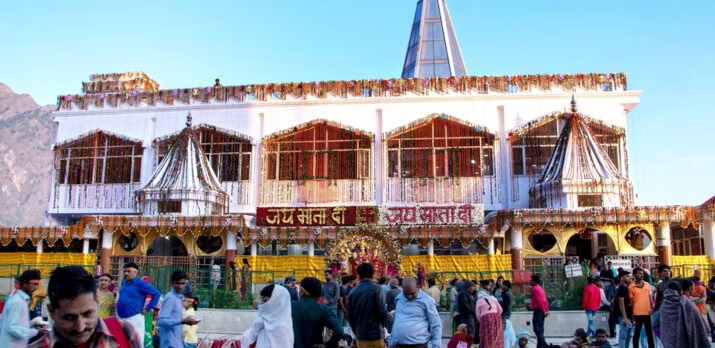
Best Time for Shakti Temple Travel
Festival windows like Navratri can be spiritually intense but operationally crowded. Off-festival travel provides calmer darshan and easier accommodation planning. Seasonal comfort varies by region, so select dates based on circuit geography, not single-location assumptions.
For first-time pilgrims, calmer periods are often better for deeper temple engagement and manageable movement.
Temple Etiquette and Devotional Discipline
Dress modestly, follow queue and local instructions, and respect temple-specific photography restrictions. In many shrines, silence and patience are considered part of worship. Carry only required offerings and avoid obstructing local ritual flow during peak hours.
Devotional travel quality depends as much on conduct as on destination count.
Logistics: Stay, Food, and Group Planning
Pilgrimage groups should pre-plan stay points near morning-darshan access where possible. Keep meals light and timely, and hydrate consistently during travel-heavy days. For senior travelers, reduce same-day temple counts and include rest windows.
A simple logistics sheet with timings, contact numbers, and transfer plan helps multi-temple journeys run smoothly.
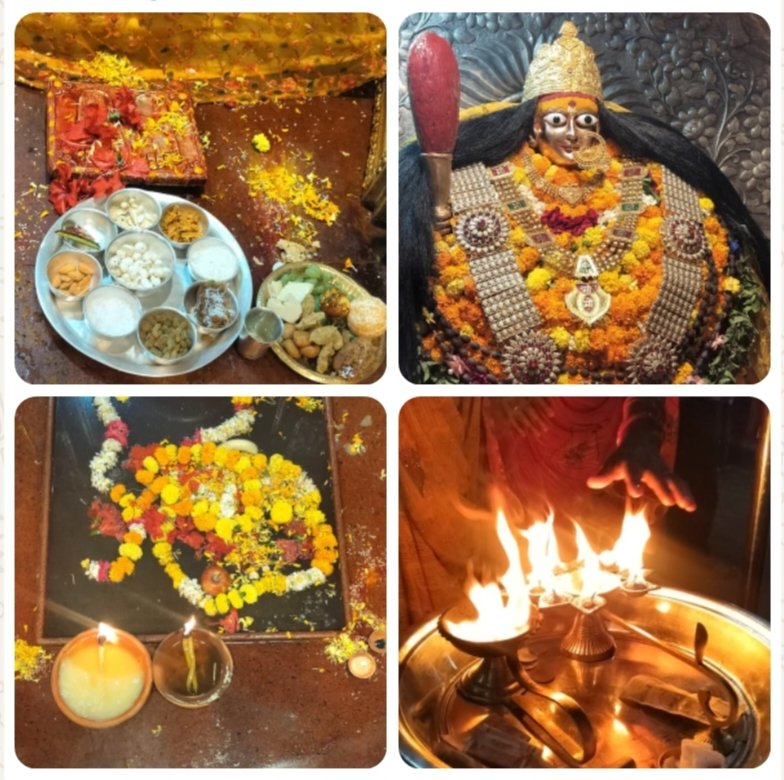
Suggested 6-Day Shakti Peeth Format
Day 1: Arrival and orientation darshan in base city.
Day 2: Primary Shakti Peeth visit with full ritual participation.
Day 3: Secondary shrine and local spiritual context stop.
Day 4: Transfer plus light darshan day.
Day 5: Major temple revisit or linked spiritual site.
Day 6: Closing darshan and return buffer.
This format gives balance between devotion and travel practicality.
Common Mistakes to Avoid
Overambitious schedules, no festival planning buffer, and skipping local temple etiquette are common mistakes. Another issue is treating pilgrimage as sightseeing-only activity. Sacred travel needs reflection and respectful pace.
Keep your plan spiritually centered and operationally realistic.

Regional Ritual Variations and Devotional Depth
Shakti Peeth worship can differ significantly across regions in ritual language, offering style, darshan flow, and festival emphasis. Pilgrims who remain open to regional variation usually experience stronger spiritual connection than those expecting uniform practice. Observe local devotional rhythm before participating and follow guidance from temple authorities.
This approach helps maintain reverence and avoids unintentional cultural disruption in sacred spaces.
Festival Pilgrimage: Spiritual Reward vs Logistical Load
Navratri and other Devi-focused windows can deliver extraordinary devotional intensity, but these periods also demand stronger planning discipline. Queue lengths, stay availability, and local movement can change quickly. If you choose festival travel, prioritize fewer temples with deeper engagement instead of overambitious multi-city schedules.
For quieter pilgrimage, off-peak periods allow more contemplative temple time and easier travel flow.
Women-Led Pilgrimage Groups and Safety Planning
Many Shakti Peeth journeys are undertaken by women-led groups and family clusters. Safety planning should include verified stays, fixed daily movement windows, shared contact protocols, and local transport confirmation. These basics create confidence and improve spiritual focus during travel.
Group leaders should keep one backup plan per day for delays or weather variation, especially in unfamiliar regions.
Turning Temple Visits into a Sacred Journey
A Shakti circuit becomes transformative when each temple stop includes reflection, not only darshan completion. Keep a short pause after worship, note local ritual distinctions, and carry forward one intention to the next shrine. This creates spiritual continuity across the journey and deepens the meaning of each visit.
With this method, pilgrimage becomes an inner practice as well as an outer route across sacred geographies.
Pilgrimage Intent and Inner Preparation
Shakti pilgrimage is often deeply emotional, and inner preparation can improve the quality of the journey. Before departure, define your intent: gratitude, healing, spiritual discipline, or life transition prayer. This clarity helps you remain centered even during crowded temple movement or long transfers.
When intent is clear, each shrine visit feels connected rather than fragmented. The journey gains continuity.
Managing Energy on Multi-Temple Routes
Devotional travel can be physically demanding. Manage energy through early starts, lighter meals, hydration, and scheduled pauses. Avoid stacking high-effort transfers with high-crowd darshan windows in the same day. One balanced day is more beneficial than two rushed days with burnout.
Senior pilgrims and family groups especially benefit from this pace-first strategy.
Respecting Local Devi Traditions
Every Shakti Peeth has local ritual nuances. Participate respectfully and avoid imposing uniform expectations across temples. Learn local customs from priests or trusted guides and follow them with humility. This strengthens your devotional experience and preserves sacred space dignity.
Shakti circuits become transformative when reverence, learning, and patience travel together. With that approach, pilgrimage deepens far beyond route completion.
Keeping Pilgrimage Grounded in Practice
After each temple, carry one practice forward: gratitude, discipline, compassion, or silence. This keeps the journey spiritually alive between destinations. Pilgrimage becomes deeper when temple visits influence daily conduct, not only travel memory.
With this approach, Shakti Peeth travel remains meaningful long after the itinerary ends.
Group pilgrims can also assign simple shared responsibilities such as timing coordination, elder support, and temple-protocol reminders. These roles reduce confusion and help maintain devotional focus across busy routes. Organized groups tend to experience smoother darshan and better spiritual continuity through the full circuit.
Balanced planning, respectful conduct, and spiritual intention together create the strongest Shakti Peeth pilgrimage outcomes.
With patience and devotion, each Shakti Peeth visit can become a meaningful step in a larger sacred journey.
Consistent reflection and respectful participation make Shakti circuits more transformative than rushed destination-only travel.
Devotional pace matters as much as destination choice.
Travel with humility and steadiness.
Conclusion
Shakti Peeth temples in India offer a profound devotional journey when planned with regional logic, seasonal awareness, and respectful conduct. Focus on fewer shrines with deeper engagement, and let the pilgrimage unfold with intention. With thoughtful preparation, Shakti temple travel can be spiritually transformative and culturally enriching.
Location
Frequently Asked Questions
Q1.What are Shakti Peeth temples?
Q2.How should I plan a Shakti Peeth trip?
Q3.Is Navratri a good time for Shakti Peeth visits?
Q4.Can seniors do Shakti pilgrimage circuits?
Q5.What is the key to a good pilgrimage experience?
Recommended For You

Badrinath Temple Guide: Darshan Planning, Route Strategy, Best Time, and Practical Tips
Plan Badrinath Temple better with seasonal timing, route pacing, darshan strategy, and health-focused pilgrimage logistics.

Kedarnath Temple Guide: Yatra Planning, Route Execution, Health Prep, and Darshan Strategy
Plan Kedarnath Temple yatra with route clarity, health discipline, and practical darshan timing for a safer pilgrimage.

Shrinathji Temple Nathdwara: Darshan Timings, Seva Schedule & Visit Plan
Visit Shrinathji Temple in Nathdwara, Rajasthan. Complete guide with darshan timings, aarti schedule, how to reach, history & accommodation.
Never Miss an Adventure
Get the latest trekking guides, travel tips, and exclusive offers delivered straight to your inbox.
