
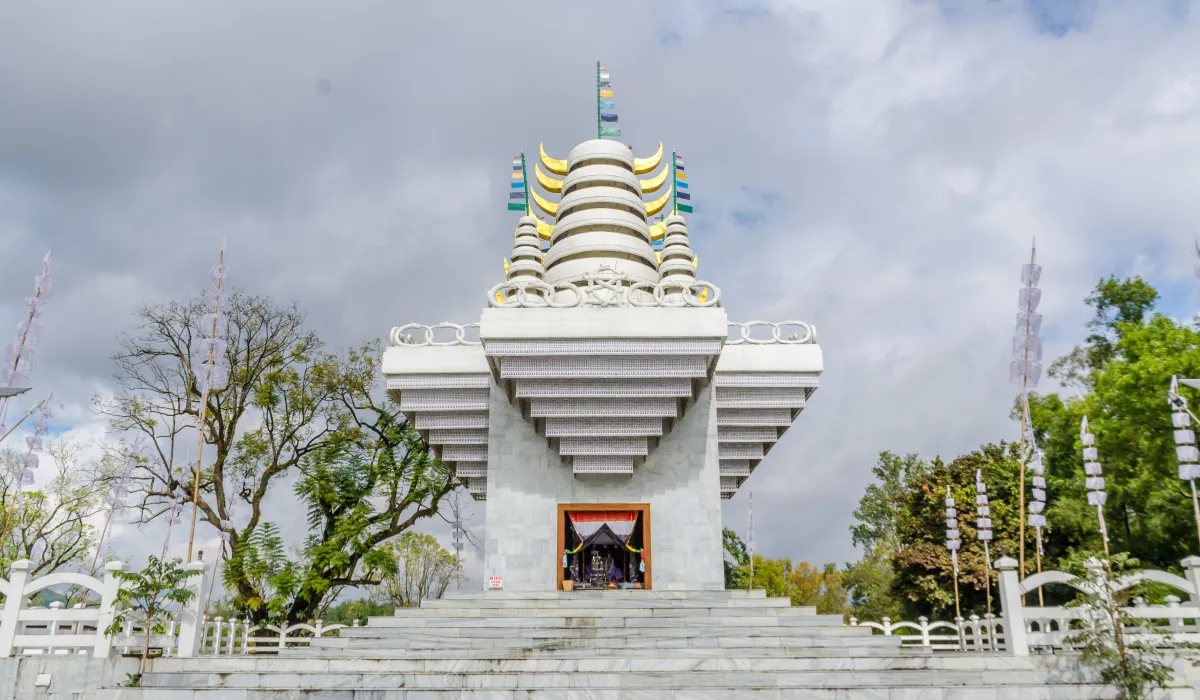
Temples in Imphal: Govindajee, Kangla & Top Sacred Sites

Ananya Sharma
December 14, 2025
Explore famous temples in Imphal including Govindajee Temple, Kangla sacred spaces, ISKCON, and Hanuman Thakur with practical visit planning tips.
1. Introduction: Spiritual Imphal Beyond Sightseeing
Imphal is often introduced through history and politics, but its temple network gives a deeper view of Manipur's identity. The city reflects layered spiritual traditions shaped by Meitei culture, Vaishnavite influence, royal patronage, and living community worship. For travelers who want more than quick city photos, temple visits in Imphal help explain how faith, performance traditions, and local customs developed together in the valley.
Imphal's sacred geography is not built around a single monument. Instead, it is distributed across old royal areas, heritage zones, active devotional centers, and neighborhood shrines. This variety is exactly why the city is rewarding for pilgrims, cultural researchers, and first-time Northeast travelers looking for a meaningful route.
This guide covers major temples, practical timings, etiquette, route planning, and common mistakes to avoid.
2. Shree Shree Govindajee Temple: Core Vaishnavite Landmark
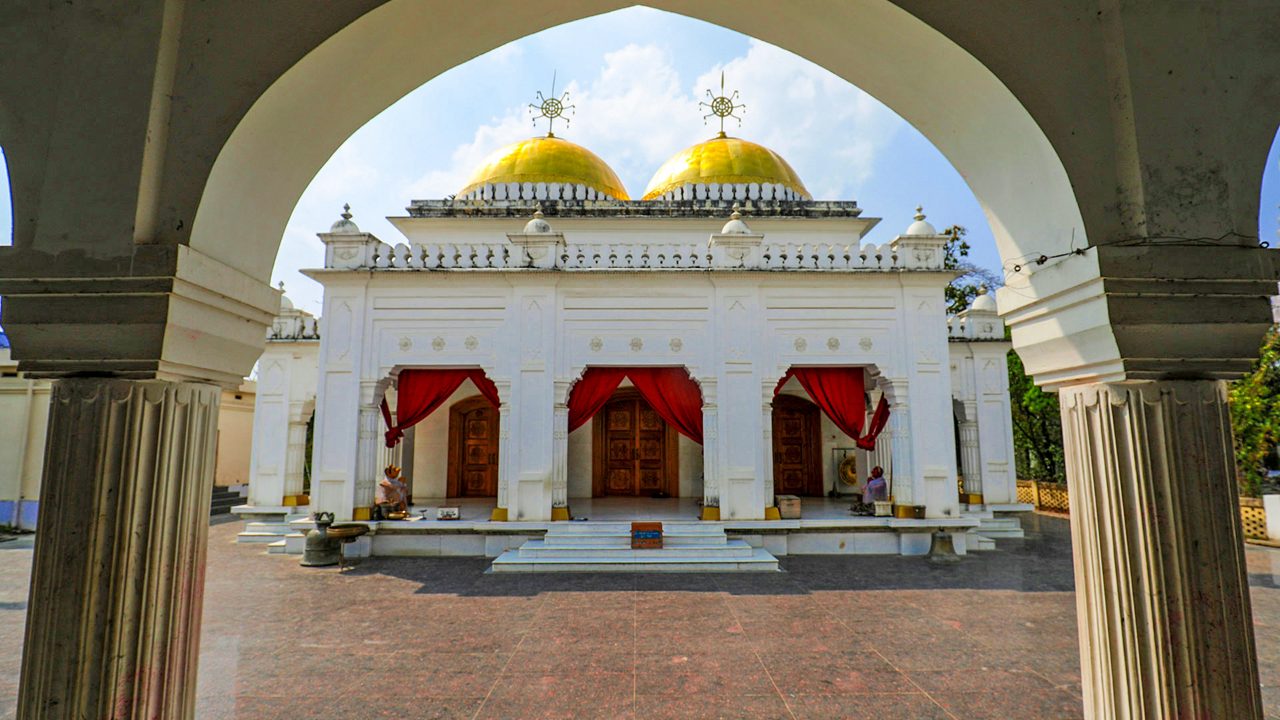
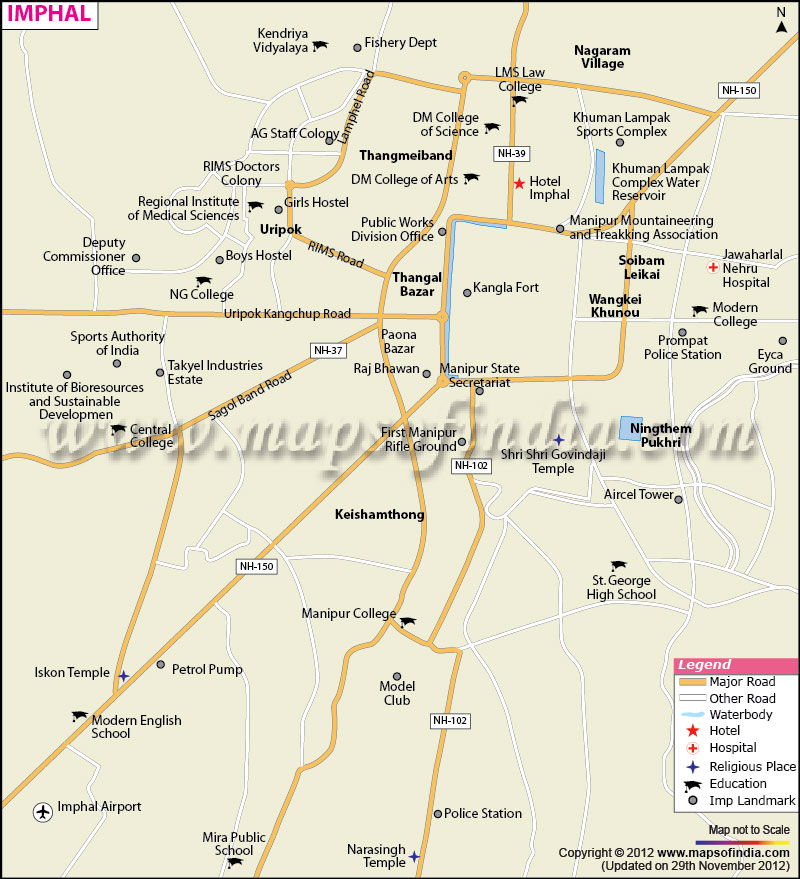
Shree Shree Govindajee Temple is one of the most important religious sites in Imphal. Manipur Tourism lists it as a major Vaishnavite temple known for twin domes, a formal courtyard, and continuous devotional activity. Dedicated to Radha-Krishna, it remains an active place of worship and is central to temple circuits in the city.
The temple is valued not just for structure but for living practice. Local devotees attend regularly, and festival periods bring strong cultural participation. For visitors, this means respectful behavior matters as much as photography and architecture viewing.
Public references, including Incredible India, commonly mention split darshan windows: 05:30 AM-01:00 PM and 04:00 PM-08:30 PM. These timings may change on festival days, so verify on site before final planning.
- Best for: Foundational spiritual stop in Imphal
- Time needed: 45 to 90 minutes
- Practical tip: Early morning is calmer and easier for focused darshan
To combine this with city highlights, use places to visit in Imphal as your base route reference.
3. Kangla Sacred Spaces: Heritage and Temple Memory Together
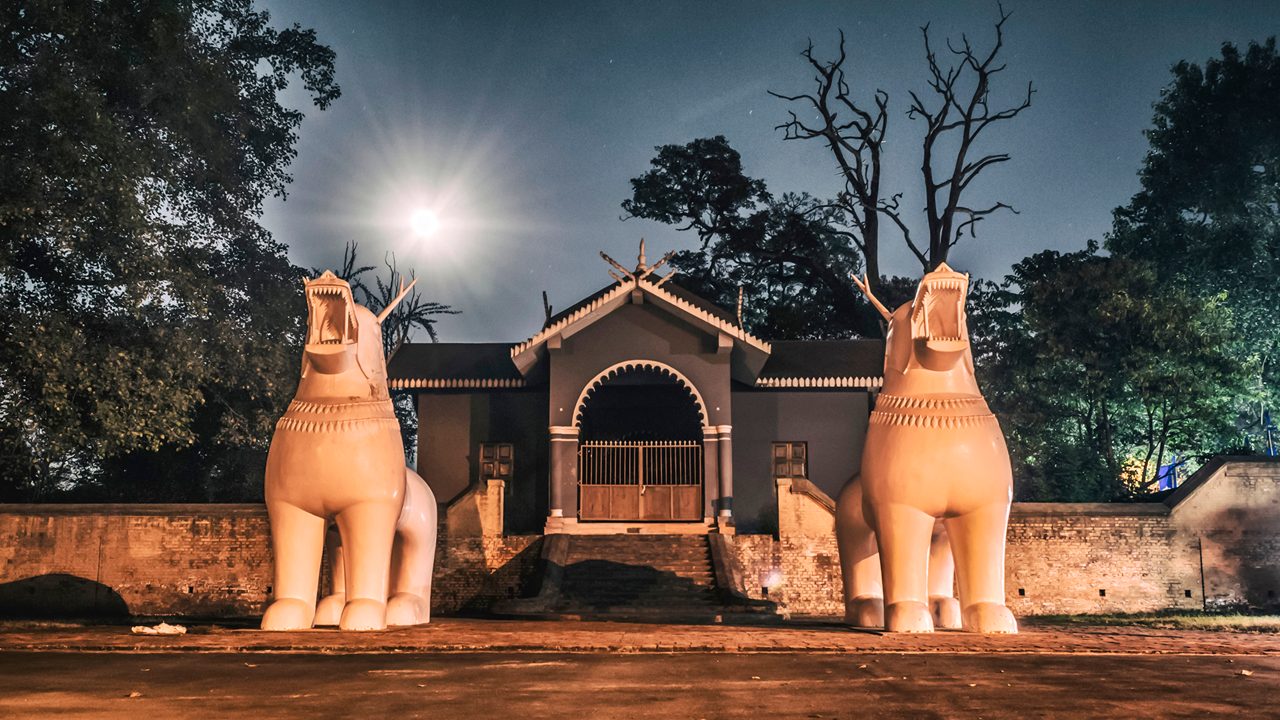
Kangla is historically central to old Manipur authority and remains emotionally important in local identity. Most tourists visit it as a fort and heritage zone, but spiritually inclined travelers should treat it as a layered sacred landscape. Tourism references to old Govindajee-linked structures and ritual symbolism make Kangla an essential stop for visitors who want both religious and historical context.
Inside the broader complex, you encounter architectural remains, symbolic zones, and spaces associated with older ritual culture. It is best explored slowly rather than as a rushed stop.
| Visitor Aspect | Practical Guidance |
|---|---|
| Visit window | Daytime hours are generally followed |
| Closure patterns | Some references mention weekly closures; verify before travel |
| Time needed | 2 to 3 hours for meaningful understanding |
| Visit style | Slow walk with interpretation where available |
Operational details may change, so confirm current gate timings before your visit.
4. ISKCON Imphal: Organized Devotional Experience
ISKCON Imphal offers a different spiritual mood from royal-era temples. Official ISKCON Manipur channels list the center at Sangaiprou, Airport Road, with structured morning-evening worship cycles, kirtan sessions, and festival programs. For visitors who prefer participatory devotional environments, this is one of the most accessible spiritual stops in Imphal.
The center typically runs a schedule around arati, bhajan, discourse, and prasadam. This makes it a good stop for travelers who want to experience active community worship instead of only observing architecture.
- Best for: Kirtan atmosphere and organized temple routine
- Time needed: 1 to 2 hours
- Best timing: Reach before evening program starts
A respectful strategy here is simple: arrive slightly early, keep phones silent, and follow volunteer guidance during worship flow. Visitors who do this usually find the experience significantly more meaningful.
For a broader Northeast devotional comparison, see temples in Guwahati.
5. Hanuman Thakur (Mahabali) Temple: Historical Local Devotion
Hanuman Thakur Temple, locally associated with the Mahabali area, is one of Imphal's historically important shrines. The Imphal East district administration page references its location near the Imphal river and links to early eighteenth-century royal developments. The temple is useful for understanding Ramanandi influence in Manipur's religious history.
This site offers a neighborhood-rooted devotional feel compared with larger heritage-focused stops. Travelers interested in local religious continuity often find this temple especially valuable.
- Best for: Historical-religious context and local worship rhythm
- Time needed: 30 to 60 minutes
- Tip: Keep photography minimal during active rituals
6. Other Vaishnavite and Vishnu Tradition Temples in Imphal
Imphal's sacred identity extends beyond one or two famous names. Tourism references mention sites such as Shri Bijoy Govindajee Temple and additional Vishnu-linked shrines in the valley context. If your goal is deeper understanding, add at least one secondary Vaishnavite stop to observe continuity in ritual language, music, and community participation.
One important takeaway for visitors is that Imphal temple culture is lived through festivals, devotional performance, and neighborhood practices as much as through temple architecture. Smaller shrines can therefore offer rich cultural insight even without heavy tourist branding.
If you are extending travel toward Assam, temples in Dibrugarh can be a useful continuation reference.
7. Best Time to Visit Temples in Imphal
October to March is usually the most comfortable period for temple touring in Imphal. Weather conditions are generally better for combining multiple stops and outdoor heritage walks. Summer remains possible but can feel humid in long daytime movement. Monsoon is scenic but may slow city transit and walking plans.
Festival visits are spiritually vibrant but naturally crowded. If your focus is ritual participation, choose festival windows. If your focus is architecture and peaceful observation, select non-festival weekday mornings.
| Travel Priority | Recommended Window |
|---|---|
| Comfortable circuit travel | October to March |
| Festival energy | Major Vaishnavite and local temple dates |
| Low-crowd documentation | Early weekday mornings |
8. 1-Day and 2-Day Temple Circuit Plans
Because temple timings can be split and traffic can vary, route planning is essential.
1-Day Fast Circuit: Govindajee Temple -> Kangla sacred heritage zone -> Hanuman Thakur (Mahabali) -> evening ISKCON session. 2-Day Better Circuit: Day 1 for Govindajee plus Kangla in depth; Day 2 for ISKCON, Hanuman Thakur, and one secondary Vaishnavite stop.
City cabs and autos are practical for temple movement. Carry water, keep modest attire, and maintain a buffer around noon if a site follows split opening windows.
- Remove footwear where required
- Ask before photographing shrines or ritual activity
- Dress respectfully (covered shoulders and knees is safest)
- Keep silence in active prayer zones
9. Practical Logistics for Outstation Travelers
Imphal is air-connected and workable as a base for temple-focused exploration. Travelers arriving by road from neighboring states should keep additional transit buffer because terrain and route conditions can change. Temple exploration is best done in daylight, so early starts improve route quality and reduce fatigue.
Central accommodation usually provides the best access to Govindajee and Kangla sectors. Save local transport contacts and pre-decide return timing after evening temple visits. If you want a nearby extension after Imphal, Kohima travel guide is a common cultural next leg.
Families traveling with elders should prefer shorter segments, meal breaks, and fewer back-to-back temple stops. Imphal rewards paced, respectful exploration over checklist speed.
10. Visitor Etiquette and Common Planning Mistakes
Most temple-visit issues in Imphal are avoidable. Common mistakes include arriving during closure windows, dressing too casually, assuming all temples allow unrestricted photos, and trying to complete every site in one rushed day. Temple spaces here are living devotional environments, so observing local rhythm first is always better than forcing a fast photo agenda.
Another practical mistake is ignoring fatigue. After long heritage walks, many visitors still attempt late-evening temple runs and end up with a poor experience. Keep one buffer slot in your day for ceremony-related delays, weather shifts, or traffic changes. If a ritual is active, stand back quietly and follow local behavior instead of moving aggressively through the crowd.
Simple etiquette improves everything: arrive early, stay patient, ask before photographing, and maintain silence in prayer moments.
11. Pre-Visit Checklist for Imphal Temple Circuit
Before you start the temple route, keep a simple checklist so the day runs smoothly. Confirm at least one timing source for Govindajee and Kangla on the same morning, because timing windows can shift on festival dates and local observances. Keep a light stole or shawl, drinking water, and small cash for local purchases. Avoid heavy bags during temple transitions because footwear removal and re-entry are frequent at some stops.
If you are planning photography, carry a backup battery but use it only where permitted. Save one emergency contact in offline notes in case mobile data fluctuates. Keep your itinerary realistic: two major temples plus one heritage segment is often better than four rushed stops. Most visitors who pace their route and keep etiquette first report a far more peaceful and meaningful Imphal experience for first-time and repeat cultural travelers alike.
12. Final Take
Temples in Imphal are not isolated religious attractions. Together they reveal Manipur's devotional evolution, royal-era memory, and living community worship. Whether you are a pilgrim, heritage enthusiast, or cultural traveler, this circuit offers depth when explored slowly and respectfully. Plan with timing awareness and local patience, follow local etiquette, and each stop will add real meaning to your Imphal journey.
Location
Frequently Asked Questions
Q1.What are the famous temples in Imphal?
Q2.What is special about Govindajee Temple in Imphal?
Q3.What are Govindajee Temple timings in Imphal?
Q4.How much time should I keep for Kangla sacred heritage areas?
Q5.Where is ISKCON Temple in Imphal?
Q6.Can I cover major Imphal temples in one day?
Q7.What is the best time to visit temples in Imphal?
Q8.Is there a dress code for Imphal temples?
Recommended For You
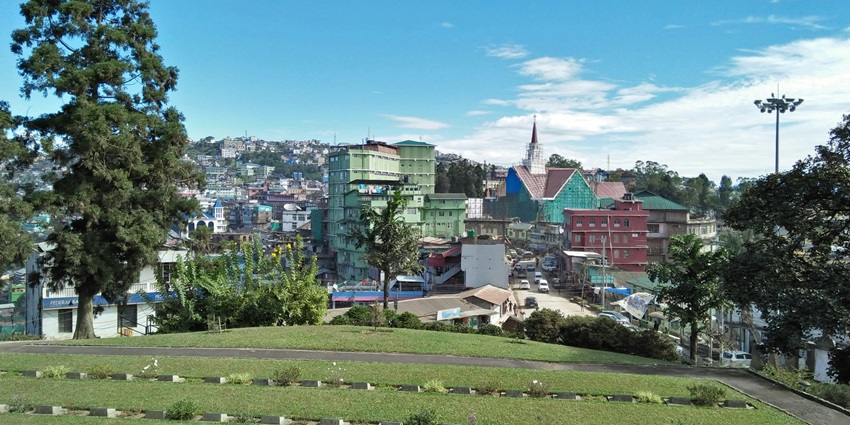
Kohima: Complete Travel Plan Places And Weather
Complete Kohima travel guide with best time to visit, top attractions including War Cemetery and Hornbill Festival, how to reach, accommodation & practical travel tips.
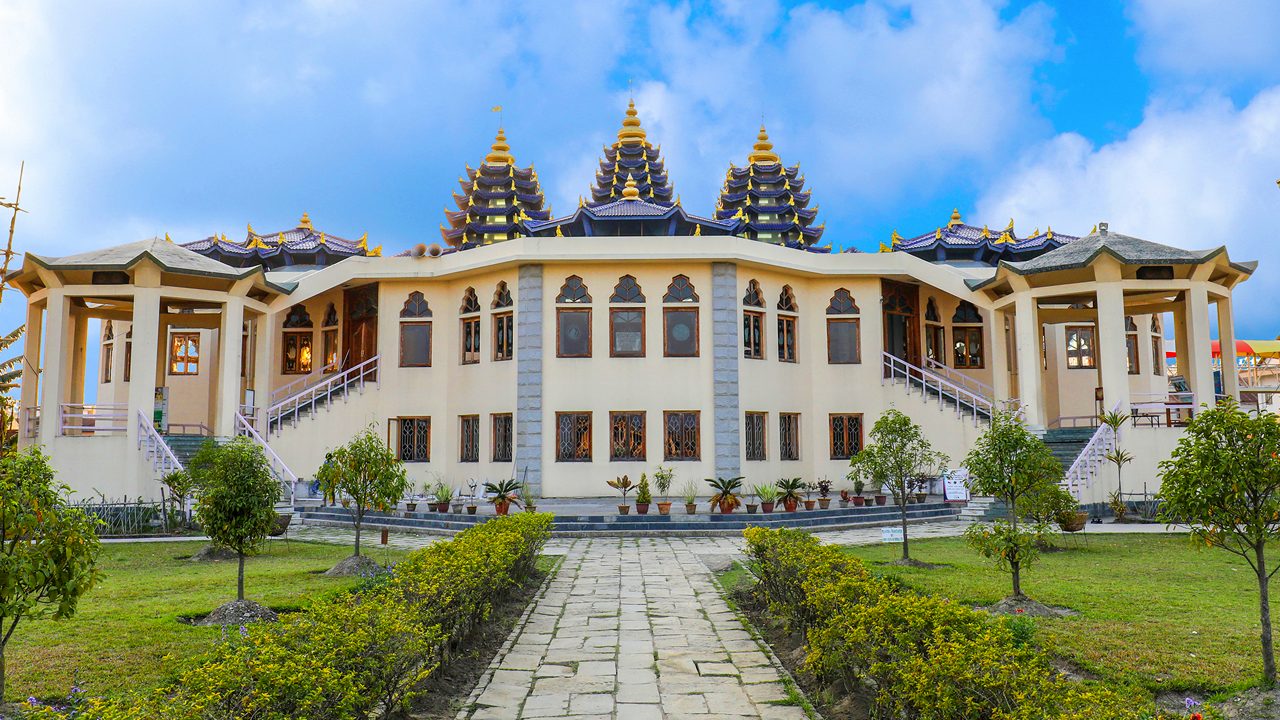
Imphal: 12 Best Places to Visit for History, Culture & Nature
Discover top places to visit in Imphal including Loktak Lake, Kangla Fort, INA Memorial, Ima Keithel, and Keibul Lamjao with practical travel planning tips.
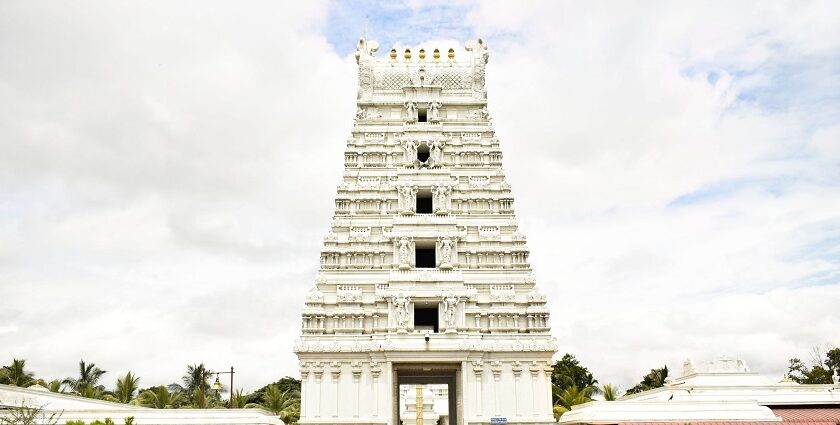
Temples in Guwahati: 15 Sacred Sites
Explore 15 famous temples in Guwahati, Assam. From Kamakhya to Umananda, discover Shakti Peeth & spiritual heritage.
Never Miss an Adventure
Get the latest trekking guides, travel tips, and exclusive offers delivered straight to your inbox.
