
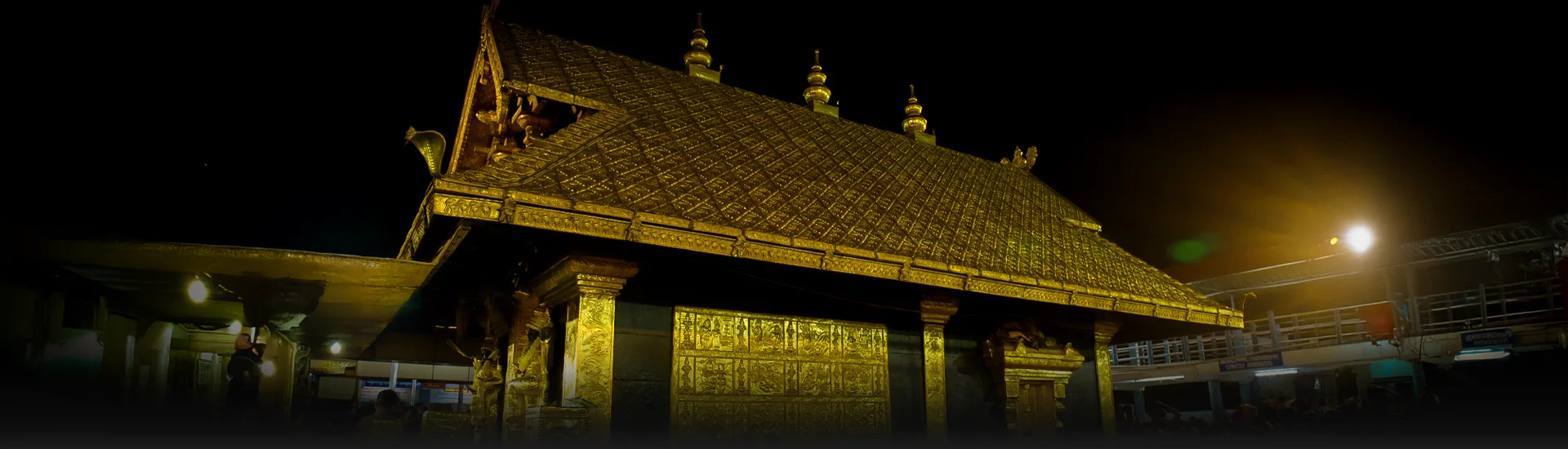
Sabarimala Temple Kerala: Darshan Process, Vratham Rules & Route

Neha Kapoor
February 18, 2026
Complete guide to Sabarimala Temple Kerala pilgrimage including vratham observances, darshan procedures, routes, timings, and practical tips for first-time devotees.
Sabarimala Temple: Kerala's Most Sacred Pilgrimage
Nestled deep within the Western Ghats of Kerala, Sabarimala Temple stands as one of India's most revered pilgrimage destinations, drawing millions of devotees annually to the sacred abode of Lord Ayyappa. Perched at an elevation of 914 meters above sea level amidst dense forests, this ancient temple represents not just a spiritual journey but a testament to devotion, discipline, and the enduring power of faith. What makes Sabarimala truly unique is its remarkable tradition of equality—here, devotees of all castes, creeds, and religions worship together, calling each other 'Swami' as a reminder that all are equal before the divine.
The temple's significance extends beyond religious boundaries. Located within the Periyar Tiger Reserve, Sabarimala offers an extraordinary blend of spiritual seeking and natural beauty. The pilgrimage itself is a transformative experience that requires physical endurance, mental preparation, and strict adherence to vratham (austerities). Whether you're a first-time visitor planning your maiden journey or a seasoned devotee seeking practical guidance, understanding the logistics, rituals, and preparation is essential for a meaningful darshan experience.
The Significance of Lord Ayyappa and Sabarimala
Lord Ayyappa, the presiding deity of Sabarimala, is believed to be the son of Lord Shiva and Lord Vishnu (in his Mohini form), symbolizing the harmonious union of Shaiva and Vaishnava traditions. According to legend, Ayyappa took up residence at Sabarimala after defeating the demoness Mahishi, fulfilling his divine purpose. The temple itself is believed to have been constructed by Lord Parasurama, the mythical creator of Kerala, adding to its sacred heritage.
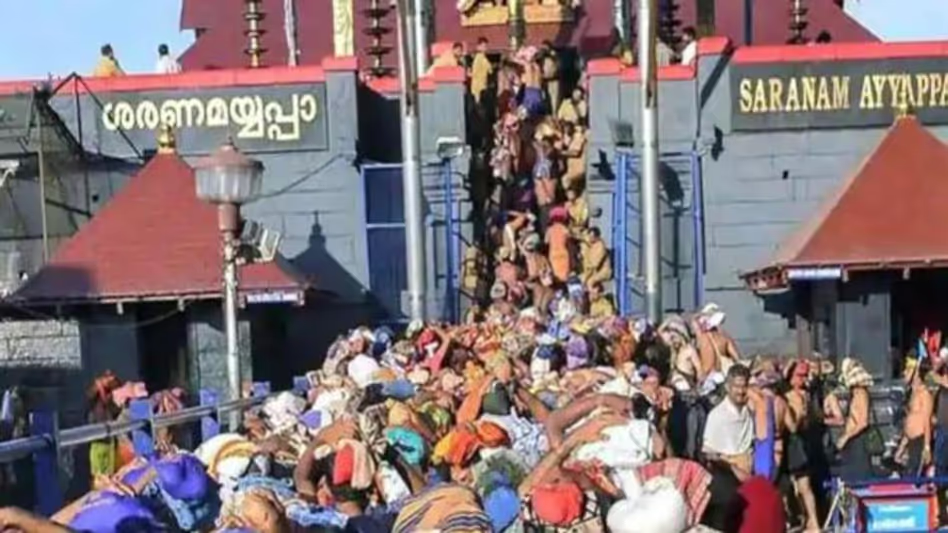
The pilgrimage season aligns with the Mandalam period (November to January) and Makaravilakku (January), culminating on Makara Sankranti when the sacred jewel Makarajyoti appears on the neighboring hill. During this period, the temple witnesses an unprecedented gathering of devotees, creating an atmosphere charged with devotion and collective energy. The sacred eighteen steps leading to the sanctum represent various virtues and obstacles that devotees must overcome in their spiritual journey, making each climb a profound symbolic act.
Understanding Vratham: The Sacred 41-Day Penance
Vratham is the cornerstone of Sabarimala pilgrimage, a 41-day period of austerity and discipline that prepares devotees physically, mentally, and spiritually for the sacred journey. This rigorous penance typically begins on the first day of the Malayalam month of Vrischikam (mid-November), though devotees can choose any convenient start date ensuring they complete 41 days before their pilgrimage.
Essential Vratham Observances
The vratham requires strict adherence to several practices. Devotees must wear black or blue traditional attire—dhoti for men and saree or salwar kameez for women. Complete abstinence from non-vegetarian food, alcohol, tobacco, and other intoxicants is mandatory. Most observers follow a satvic diet, avoiding even onions and garlic. Sexual abstinence and personal cleanliness are fundamental requirements. Devotees should avoid social gatherings, celebrations, and occasions that might break their discipline. Twice-daily baths and visiting a local Ayyappa temple for evening prayers are part of the daily routine.
The Sacred Mala and Mantra
The initiation of vratham begins with receiving the sacred mala (tulsi or rudraksha rosary) from a guru (usually a person who has completed multiple Sabarimala pilgrimages). The mala is worn around the neck and remains untouched until the completion of the pilgrimage. Devotees chant 'Swamiye Saranam Ayyappa' (Lord Ayyappa is my refuge) throughout the day, maintaining constant remembrance of the deity. This mantra becomes a guiding force, helping devotees maintain focus and spiritual awareness during the 41-day period.
Physical and Mental Preparation
Beyond rituals, vratham prepares devotees for the physical demands of the pilgrimage. The trek to Sabarimala involves climbing hills and walking long distances. Regular walking, light exercises, and Yoga help build stamina. Equally important is mental preparation—practicing patience, tolerance, and humility. The vratham period tests one's resolve and teaches valuable lessons in self-control and surrender to the divine will.
How to Reach Sabarimala: Complete Route Guide
Reaching Sabarimala requires careful planning as the temple is located in a remote forested area. The journey involves multiple stages, and understanding the route options helps in efficient travel planning.
The Traditional Path: Via Pamba
Pamba serves as the base camp for Sabarimala pilgrimage. All vehicles terminate at Pamba, from where devotees must trek approximately 5 kilometers through the forest to reach the temple. This traditional trek is considered an integral part of the pilgrimage experience, symbolizing the devotee's journey towards spiritual awakening.
Reaching Pamba: Route Options
From Kerala: Pamba is well-connected by road from major Kerala cities. From Kochi (160 km), the journey takes approximately 4-5 hours via Kottayam, Erumely, and Manjalumoodu. From Thiruvananthapuram (170 km), it takes about 4 hours via Pathanamthitta. Kottayam (109 km) serves as a convenient railhead—buses and taxis are available from Kottayam to Pamba.
From Tamil Nadu: The Coimbatore route (240 km, 6 hours) via Palghat, Kozhinjampara, and Vandiperiyar is popular among Tamil Nadu devotees. The Madurai route (190 km, 5 hours) via Theni, Cumbum, and Kottayam offers good road connectivity. KSRTC and Tamil Nadu buses operate special services during pilgrimage season.
Alternative Routes and Trekking Paths
For experienced trekkers seeking the traditional forest routes, two ancient paths exist. The Erumely route (approximately 52 km) involves walking from Erumely to Pamba through forest trails, following the path believed to have been taken by Lord Ayyappa himself. This route passes through the famous Erumely Pettathullal (ritual dance) site and includes the sacred spots of Karimala and Azhutha River. The Vandiperiyar route involves a shorter but steeper trek through dense forests, requiring proper fitness and forest permits. Both routes offer extraordinary natural beauty and a deeply traditional experience but should only be attempted with proper preparation and guidance.
Transportation During Pilgrimage Season
During peak season (November-January), KSRTC operates special bus services from major cities to Pamba. Private buses and taxis are also available. Due to heavy traffic and restrictions, private vehicles are not allowed beyond certain points. Park-and-ride facilities are available at designated locations where pilgrims must switch to official transport. The Kerala Police implements elaborate traffic management systems during peak periods. Consider traveling slightly before or after major festival dates for a less crowded experience.
| Route | Distance | Duration | Best For |
|---|---|---|---|
| Kochi to Pamba | 160 km | 4-5 hours | Air travelers, international visitors |
| Thiruvananthapuram to Pamba | 170 km | 4 hours | South Kerala, Tamil Nadu border travelers |
| Kottayam to Pamba | 109 km | 2.5-3 hours | Rail travelers, convenient railhead access |
| Coimbatore to Pamba | 240 km | 5-6 hours | Tamil Nadu pilgrims via Palghat |
| Madurai to Pamba | 190 km | 4-5 hours | Tamil Nadu pilgrims via Theni route |
| Pamba Trek to Temple | 5 km | 2-3 hours | All pilgrims (mandatory traditional path) |
Sabarimala Temple Darshan: Timings and Procedures
Understanding darshan procedures and timing helps pilgrims plan effectively and avoid unnecessary waiting. The temple follows specific schedules that vary seasonally, and being aware of these ensures a smoother experience.
Temple Opening Timings
The temple opens at 4:00 AM with the Niraputhari ceremony. Morning darshan timings are from 4:00 AM to 11:00 AM. The temple closes between 11:00 AM and 5:00 PM for ritual cleansing and preparation. Evening darshan continues from 5:00 PM to 11:00 PM. During special occasions like Makaravilakku and Mandala Pooja, the temple may remain open for extended hours, sometimes throughout the night. Harivarasanam, the famous lullaby of Lord Ayyappa, is sung at 9:00 PM every day, marking the celestial sleep of the deity—an ethereal moment that devotees consider a blessing to witness.
Darshan Procedure: The Sacred Climb
After reaching Pamba, devotees proceed towards the sacred eighteen steps (Pathinettampadi). Before climbing, devotees break a coconut as an offering, symbolizing the destruction of ego. Only those carrying the irumudi (the sacred bundle with offerings) are permitted to climb the eighteen steps directly. Others must use the side entrance. The eighteen steps represent various qualities—five senses, eight vices, three gunas (qualities), and two types of knowledge. Climbing these steps with proper vratham is considered the culmination of the pilgrimage.
Inside the Temple
After climbing the steps, devotees proceed to the sanctum sanctorum. Due to the massive crowds, darshan may be quick—sometimes just a few seconds. Maintaining discipline and following the instructions of temple officials and police is crucial. After darshan, devotees visit the shrines of Lord Ganesha and Lord Karuppa Swamy (the guardian deity). The prasadams include appam, aravana (sweet payasam), and vibhuti (sacred ash). Many devotees also visit the Malikappurathamma Temple nearby, dedicated to the goddess who desired to marry Lord Ayyappa.
Irumudi Kettu: The Sacred Offering
The irumudi is a specially prepared cloth bag with two compartments, carried on the head by devotees. The front compartment contains offerings for Lord Ayyappa including coconut filled with ghee, camphor, sacred rice, avil (beaten rice), and other items. The back compartment contains personal items for the journey. Guruswamis (experienced pilgrims who have completed the journey 18+ times) typically prepare the irumudi with proper rituals. The ghee-filled coconut symbolically represents the devotee's soul, which is offered to the deity, signifying complete surrender.
Best Time to Visit Sabarimala
Timing your Sabarimala visit strategically significantly impacts your experience. While the temple remains open during specific periods throughout the year, each season offers distinct advantages and challenges.
Mandalam Season (November-December): Peak Pilgrimage
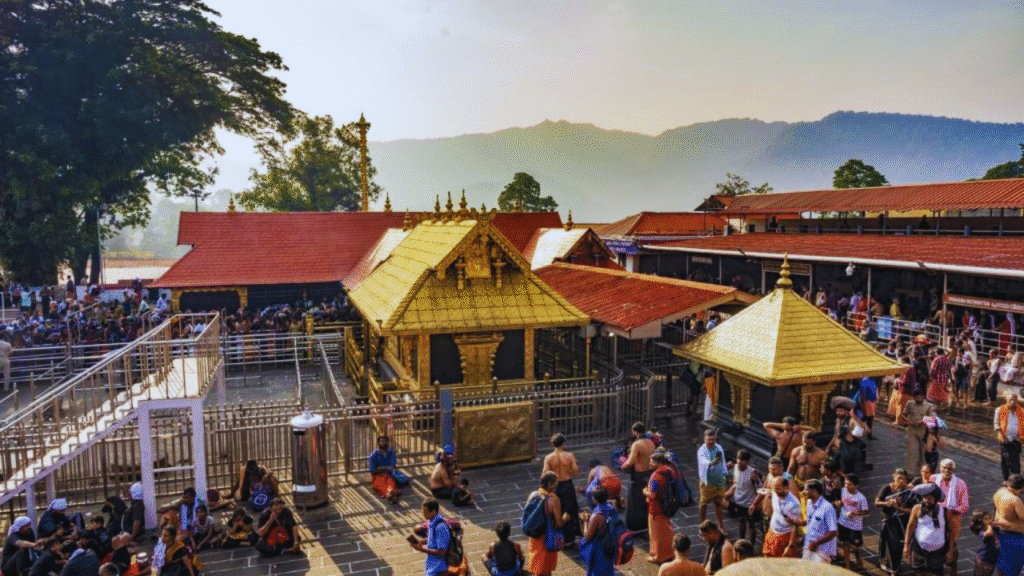
The Mandalam season (41 days from the first day of Vrischikam in mid-November) is the primary pilgrimage period. This season witnesses the highest footfall, with millions of devotees arriving daily. The atmosphere is charged with devotion, special ceremonies, and community feeling. However, be prepared for massive crowds—waiting time for darshan can extend to 12-24 hours during peak days. Accommodation in and around Pamba is heavily oversubscribed. Advanced booking and patience are essential. Weather is generally pleasant with temperatures between 18°C and 28°C, making the trek comfortable.
Makaravilakku Season (January): Sacred Celestial Event
Makaravilakku (January 14-17) marks the appearance of the sacred light (Makarajyoti) on the neighboring hill, believed to be a divine manifestation. This period attracts the largest crowds, and darshan waiting can extend to 24-48 hours. Security arrangements are elaborate, and movement is heavily regulated. For those seeking to witness this celestial event, arriving 2-3 days in advance is recommended. The experience is spiritually intense despite the challenges. Book accommodation months in advance if planning to visit during this period.
Visiting During Off-Peak Periods
The temple remains open during the first five days of every Malayalam month, Vishu (April), Onam (August-September), and during monthly puja days. These periods offer significantly fewer crowds, allowing for more peaceful darshan and better accommodation availability. Weather during April-May can be hot (up to 35°C), making the trek more challenging. Monsoon season (June-September) brings heavy rainfall, potentially disrupting travel plans. However, the monsoon also transforms the landscape into lush green paradise, and many devotees find the rain-soaked journey spiritually enriching. Off-season visits require checking temple opening schedules in advance as dates may change.
Weather Considerations
November-February offers the most pleasant weather with cool temperatures and minimal rainfall. March-May is hot and humid, making the trek physically demanding. June-September sees heavy monsoon rains—carry good rain gear if visiting during this period. The forest area around Sabarimala is a protected tiger reserve, and leeches can be encountered during the monsoon and post-monsoon periods—carry salt or leech protection socks if trekking during these months.
Accommodation and Stay Planning
Planning accommodation strategically ensures comfort during your pilgrimage. Options range from basic dormitories to private rooms, and understanding what's available helps in making appropriate choices.
Accommodation at Pamba
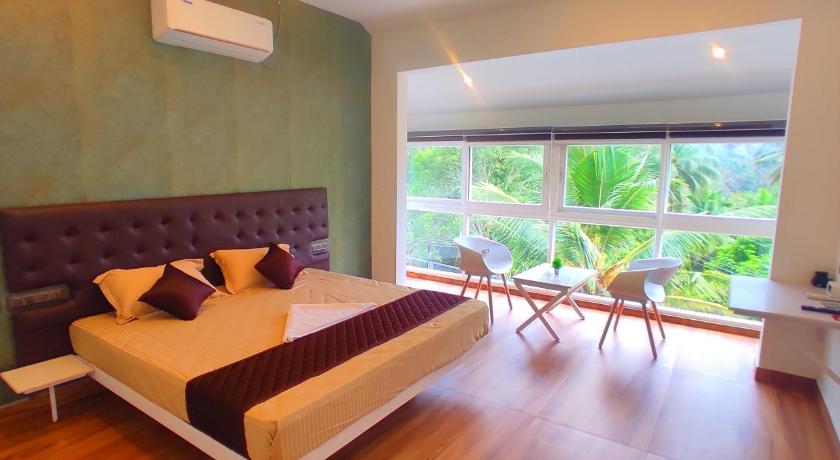
Pamba offers various accommodation options managed by the Travancore Devaswom Board (TDB) and private operators. TDB facilities include the Pamba Guest House, Sabari Guest House, and various dormitories. These are basic but clean and affordable (₹200-500 per night for dormitories, ₹800-1,500 for rooms). During peak season, these facilities are massively oversubscribed, and advance booking is essential but still may not guarantee availability due to the overwhelming demand. Private lodges and hotels offer rooms ranging from ₹1,500-3,000 per night with varying levels of comfort. Many private accommodations are located uphill from Pamba, requiring additional walking.
Accommodation at Erumely and Other Locations
Erumely, located approximately 50 km from Pamba, offers accommodation options for devotees who wish to break their journey or perform the traditional trek from Erumely to Pamba. Options include guest houses and dharamsalas (₹200-600 per night). Pathanamthitta (approximately 65 km from Pamba) serves as a convenient base with better hotels and facilities (₹1,000-3,000 per night). Staying here and traveling to Pamba early morning helps avoid peak crowd hours. Kottayam (109 km from Pamba) offers the widest range of accommodation options from budget to luxury, convenient for rail travelers.
Booking Tips and Strategies
For peak season visits, explore all options—TDB facilities, private accommodations in Pamba, and stays in nearby towns. Sometimes staying in Pathanamthitta or Kottayam and starting early for Pamba works better than struggling to find accommodation in Pamba itself. Build flexibility into your travel plans—if darshan gets delayed, you may need to extend your stay. Carry basic bedding if using dormitory facilities. For private rooms, book well in advance and confirm your reservation a few days before arrival. During peak season, some operators overbook, and confirmation calls help secure your room.
Facilities and Amenities
Pamba has basic facilities including numerous vegetarian restaurants serving Kerala cuisine, medical centers with first aid and emergency care, ATMs (though they may run out of cash during peak season), and a post office. Free food distribution (annadanam) happens at various locations. Bottled water is readily available but prices increase during peak season—carry adequate water from your starting point. Charging stations for mobile devices are available but can get crowded—carry power banks as backup. Toilet facilities exist but are heavily used during peak season—carry your own toilet paper and maintain hygiene.
Essential Packing List for Sabarimala Pilgrimage
Packing appropriately ensures comfort and convenience during your pilgrimage. The remote location and specific requirements mean you should be well-prepared with essential items.
Clothing Requirements
Two sets of traditional black or blue clothing (dhoti/shirt for men, saree/salwar for women) are mandatory for those observing vratham. Carry an additional set for changing. Small towel for bathing and general use. Comfortable walking shoes with good grip—the trek involves climbing and uneven surfaces. Many devotees prefer barefoot trekking as part of their austerity, but good footwear is advisable for those with foot problems. Light sweater or jacket for early mornings and evenings (November-February can be cool). Raincoat or compact umbrella if visiting during monsoon season. Extra undergarments for changing after the trek.
Ritual Items
Sacred mala (tulsi or rudraksha) if you have already received it from your guru. Small bag for the irumudi offerings (if you're carrying it). Puja items including camphor, agarbatti (incense sticks), sandalwood paste, kumkum, and vibhuti. Coconuts for breaking before the eighteen steps (typically 3-5 coconuts). Ghee if you're carrying a ghee-filled coconut (available for purchase near Pamba). Small plate or banana leaf for offering prasad.
Toiletries and Personal Care
Toilet kit including toothbrush, toothpaste, soap, and other personal items. Carry your own toilet paper and wet tissues as public facilities may run out. Sunscreen if visiting during summer months. Mosquito repellent cream or spray—forests around Sabarimala have insects, especially during and after monsoon. Personal medications with sufficient stock for the duration of your trip plus a few extra days in case of delays. Basic first aid items including band-aids, antiseptic cream, pain reliever, and any regular medications. Hand sanitizer for maintaining hygiene before meals.
Practical Items
Light backpack or shoulder bag for carrying essentials during the trek. Water bottles—at least 2 liters capacity per person. Power bank for charging mobile devices. Torchlight or flashlight with extra batteries—useful for early morning or late evening trekking. Some cash in small denominations—while digital payments are accepted, many small establishments prefer cash, and ATMs may run out of cash during peak season. ID proof required for accommodation check-in and security checks. A few plastic bags for keeping clothes and items dry during rain. Snacks like nuts, dry fruits, or energy bars—useful during long waiting periods. Umbrella or raincoat depending on the season of your visit.
Practical Tips for First-Time Devotees
First-time visits to Sabarimala can be overwhelming due to the massive crowds and elaborate procedures. These practical tips help navigate the pilgrimage smoothly.
Before You Begin
Understand that Sabarimala requires physical fitness—start preparing at least a month before your pilgrimage with regular walking and light exercise. If you have health conditions, consult your doctor before planning the journey. The vratham is as important as the pilgrimage itself—take it seriously and observe the austerities sincerely. Read about the temple's history, legends, and rituals to appreciate the experience more deeply. Connect with a Guruswami (experienced devotee) who can guide you through the process, especially for irumudi preparation and darshan procedures.
Travel Planning
Plan your travel to arrive at Pamba early in the morning (before 6 AM) to avoid peak crowds and have better darshan chances. If possible, avoid visiting during the absolute peak dates (December 25-January 2, January 14-17) for your first visit—the experience can be overwhelming. Choose slightly less crowded dates within the pilgrimage season. Book accommodation well in advance and confirm your reservation before starting the journey. Share your detailed itinerary with family members as connectivity can be poor in the forest area. Carry adequate cash as ATMs may be non-functional due to overwhelming demand.
During the Pilgrimage
Maintain discipline and follow the instructions of police and temple officials—they are managing millions of people and safety is paramount. Stay with your group and establish meeting points in case you get separated in the massive crowds. Keep your phone charged and switched on for communication but avoid excessive use—this is a spiritual journey, not a social media event. Drink adequate water and stay hydrated during the trek and long waiting periods. Carry light snacks but avoid overeating. Help elderly and differently-abled devotees when possible—the pilgrimage is about community and mutual support. Respect the forest environment—don't litter, use designated bins, and maintain the sanctity of the tiger reserve.
Health and Safety
The trek to Sabarimala involves climbing 5 kilometers uphill—pace yourself and take breaks if needed. If you feel dizzy or unwell during the trek, inform your companions immediately and seek medical help. Medical centers are available at Pamba and along the trek route. Free medical services are available at the TDB medical center. If you have specific health conditions, carry a medical summary and contact details of your doctor. The forest area has leeches especially during monsoon—carry salt or leech protection socks. Be cautious of monkeys and other forest animals—don't feed them or carry exposed food. During darshan, the crushing crowd can be overwhelming—protect your chest and vital areas, and if you feel suffocated, move to the sides immediately.
After Darshan
After completing darshan, many devotees visit the Malikappurathamma temple nearby—follow the designated routes. Breaking vratham properly is important—follow the guidance of your Guruswami for the proper conclusion of the 41-day penance period. Many devotees visit a nearby Ayyappa temple to offer thanks after returning home. Consider contributing to the temple's annadanam (free food) scheme or other charitable activities as an expression of gratitude.
Restrictions and Important Guidelines
Sabarimala has specific restrictions that all devotees must respect. Understanding these guidelines ensures compliance and prevents disappointment.
Age Restrictions
As per the temple tradition and Kerala High Court rulings, girls and women in the age group of 10-50 years are not permitted to undertake the Sabarimala pilgrimage. This restriction is based on the temple's tradition regarding Lord Ayyappa's status as a celibate deity (Naishtika Brahmachari). The restriction is subject to ongoing legal and constitutional debates. However, as of the current practice, this restriction is implemented. Women outside this age group (young girls below 10 and women above 50) are permitted and many undertake the pilgrimage regularly. Men and boys of all ages can undertake the pilgrimage, though parents should carefully consider whether very young children can handle the physical demands of the trek and long waiting periods.
Photography and Electronic Devices
Photography is strictly prohibited inside the temple premises and in the sanctum areas. This restriction is religiously enforced—don't attempt to take photos inside the temple. Mobile phones and cameras are permitted in the general areas but should be used discreetly. During the climb to the temple and in the queue complex, using phones becomes difficult due to the massive crowds. Consider keeping your phone secured to avoid damage in the pressing crowd. The temple's audio systems broadcast prayers continuously—maintain silence and respect the spiritual atmosphere.
Behavioral Guidelines
All devotees are expected to maintain discipline, decorum, and mutual respect. The sacred tradition of addressing each other as 'Swami' (Lord) reminds everyone of their inherent equality before God. Avoid arguments and disputes—this is a time for spiritual reflection, not conflict. Alcohol, non-vegetarian food, tobacco, and other intoxicants are strictly prohibited in the entire pilgrimage area including Pamba. Respect the forest environment—don't pluck flowers or damage vegetation. Dress modestly and in accordance with vratham traditions. Cooperate with security personnel, volunteers, and temple officials who are managing the massive crowds. If you notice any unattended baggage or suspicious objects, report it immediately to police or security personnel.
Combining Sabarimala with Other Kerala Destinations
For travelers undertaking the pilgrimage from outside Kerala or those wanting to extend their journey, combining Sabarimala with other Kerala destinations creates a well-rounded experience covering pilgrimage, nature, and culture.
Periyar Wildlife Sanctuary, Thekkady
Located approximately 125 km from Sabarimala (about 3-4 hours by road), Periyar Wildlife Sanctuary offers an excellent nature experience complementing the spiritual journey. The sanctuary is famous for its elephant population, tiger sightings, and boat safaris on Periyar Lake. Many devotees combine Sabarimala pilgrimage with a 2-3 day visit to Thekkady for wildlife viewing and nature walks. The cool climate and spice plantations around Thekkady provide a relaxing environment after the physically demanding pilgrimage. Accommodation options range from forest lodges to luxury resorts. Book well in advance if visiting during December-January as it's peak season for both Sabarimala and Thekkady.
Kumarakom and Backwaters
Kumarakom, approximately 130 km from Sabarimala (4 hours via Kottayam), offers the famous Kerala backwater experience. After the arduous pilgrimage, a day or two on a houseboat or at a backwater resort can be deeply rejuvenating. Kumarakom Bird Sanctuary is an additional attraction for nature lovers. The tranquil backwaters provide a stark contrast to the intense energy of Sabarimala, allowing for reflection and relaxation. Houseboat options range from budget to luxury. Visit our Kerala backwaters guide for detailed planning information.
Other Cultural and Heritage Sites
For devotees interested in Kerala's temple heritage, combining Sabarimala with visits to other famous temples in Kerala creates a comprehensive pilgrimage circuit. The ancient Vaikom Mahadeva Temple (80 km from Sabarimala), Ettumanoor Mahadeva Temple (95 km), and Thirunakkara Temple in Kottayam are significant Shiva temples that can be included. For a broader cultural experience, consider visiting various destinations across Kerala including hill stations like Munnar, beaches like Varkala, and cultural centers in Fort Kochi.
Common Mistakes to Avoid During Sabarimala Pilgrimage
Being aware of common pitfalls helps avoid disappointment and ensures a smooth pilgrimage experience.
Insufficient Physical Preparation
Many first-time devotees underestimate the physical demands of the pilgrimage. The 5-kilometer trek uphill in dense forest, combined with standing in queues for hours, requires reasonable fitness. Start preparing at least a month in advance with regular walking, cardio exercises, and Yoga. If you have health concerns, get medical clearance before planning the journey. During the trek, pace yourself—there's no shame in taking rest stops. Pushing beyond your limits can lead to exhaustion or medical issues that may require evacuation.
Poor Travel Timing
Reaching Pamba at peak hours (10 AM-2 PM) means facing the largest crowds and longest waiting times. The darshan queue can stretch for kilometers, and waiting times can exceed 12-24 hours during peak days. Plan to reach Pamba before 6 AM for better darshan chances. Similarly, avoid traveling on the absolute peak dates unless it's unavoidable. Slightly flexible dates can mean the difference between a 4-hour wait and a 20-hour wait. Check the temple calendar and crowd predictions before finalizing your travel dates.
Inadequate Accommodation Planning
Assuming accommodation will be available upon arrival is a common mistake, especially during peak season. Millions descend on Pamba during the pilgrimage season, and accommodation facilities are overwhelmed. Book well in advance and have backup options. Sometimes staying in nearby towns like Pathanamthitta or Kottayam and traveling early to Pamba works better than struggling to find space in Pamba itself. Carry basic bedding if you're using dormitory facilities or in case you need to rest in public areas.
Essential Items Left Behind
Forgetting critical items like ID proof, sufficient cash, medications, or appropriate clothing can create significant difficulties. Pamba has limited shopping facilities, and during peak season, even basic items may be sold out. Create a checklist and verify everything before starting your journey. Carry duplicates of important documents. Ensure your phone has emergency contacts saved. Keep some cash separate from your main wallet as a backup.
Health Ignored
In the enthusiasm and spiritual fervor, many devotees ignore health warning signs. If you feel unwell during the trek or waiting, seek medical attention immediately. Medical facilities are available, and delaying help can be dangerous. Stay hydrated, eat when you can, and rest when needed. The pilgrimage will still be there tomorrow—your health comes first. If you have chronic conditions like diabetes or hypertension, monitor your condition regularly and carry appropriate medication and snacks.
Vratham Not Taken Seriously
The vratham is not just ritual—it's preparation for the spiritual and physical experience. Devotees who observe vratham sincerely report a profoundly different experience compared to those who treat it as mere ritual. The 41-day period builds mental discipline, physical stamina, and spiritual focus that directly impacts the pilgrimage quality. Take the vratham seriously—observe the dietary restrictions, maintain the daily routines, and maintain the spiritual mindset.
Conclusion: The Transformative Journey
The Sabarimala pilgrimage is more than a temple visit—it's a transformative journey that challenges your physical limits, tests your patience, and ultimately, expands your spiritual understanding. The 41-day vratham prepares you systematically, breaking down ego and attachments. The trek through the forest symbolizes the soul's journey through the wilderness of worldly existence towards divine realization. The climb up the eighteen steps represents the ascent of consciousness through layers of ignorance towards ultimate truth.
What makes Sabarimala truly extraordinary is not just the ancient temple or the beautiful setting in the Western Ghats—it's the atmosphere of collective devotion where millions gather, calling each other 'Swami,' acknowledging the divinity within every being. The equality practiced here, where caste, class, and social barriers dissolve, offers a powerful lesson in unity. The chanting of 'Swamiye Saranam Ayyappa' reverberating through the forests creates an energy field that many describe as palpably transformative.
For first-time visitors, the experience can be overwhelming—massive crowds, long waits, physical exertion, and intense spiritual energy all at once. But within this chaos lies an order, a divine choreography that has played out for centuries. Approach with humility, prepare sincerely, observe the vratham with discipline, and remain open to the experience. Whether you seek blessings, spiritual growth, or simply wish to participate in one of India's greatest pilgrimages, Sabarimala delivers an experience that stays with you long after you've returned home.
The sacred hills of Sabarimala await. May your journey be safe, your vratham sincere, and your darshan blessed. Swamiye Saranam Ayyappa.
Location
Frequently Asked Questions
Q1.What is the best way to plan a first Sabarimala visit?
Q2.How can pilgrims reach Sabarimala from major Kerala cities?
Q3.What duration should be kept for darshan and travel?
Q4.Which season is practical for a smoother Sabarimala trip?
Q5.What essentials should travelers carry for this pilgrimage?
Q6.Are there nearby destinations worth combining with Sabarimala?
Q7.What are the most common planning mistakes for Sabarimala?
Q8.How should families plan logistics for Sabarimala travel?
Recommended For You
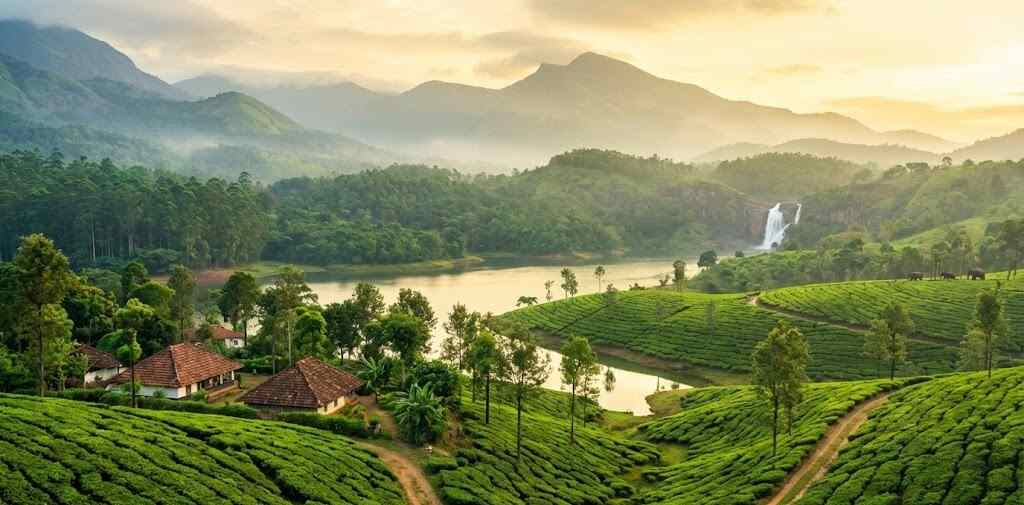
Kerala Complete: Plan Backwaters Weather And Places
Complete Kerala travel guide featuring Munnar, Alleppey backwaters, Thekkady, Kochi, houseboats, Ayurveda, best time to visit & practical tips.
Places to Visit Kerala in Winter: Perfect Season
Discover the best places to visit in Kerala during winter with route-smart planning across Munnar, Kochi, beaches, backwaters, and wildlife zones.
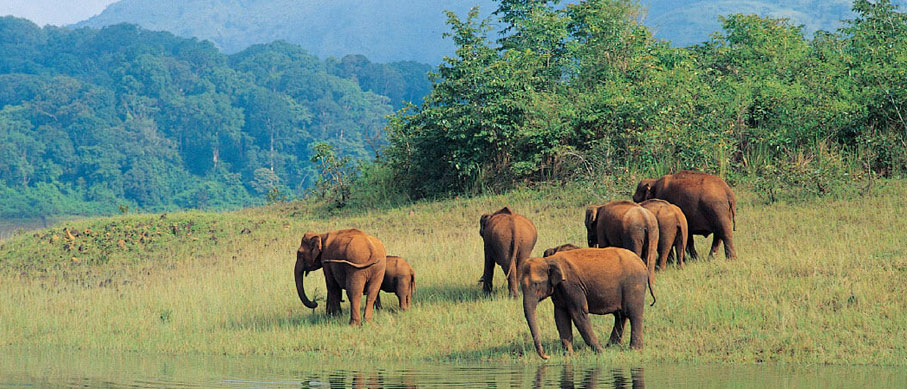
Periyar Wildlife Sanctuary Thekkady: Boating Safari & Entry Details
Complete guide to Periyar Wildlife Sanctuary Thekkady - boat safari booking, timings, best time to visit, elephants, and accommodation.
Never Miss an Adventure
Get the latest trekking guides, travel tips, and exclusive offers delivered straight to your inbox.
