

Temples in South India: Sacred Circuits, Architecture, and Practical Pilgrimage Planning

Priya Mehta
February 26, 2026
Use this South India temple guide to plan sacred circuits, understand architecture, and travel with practical pilgrimage discipline.
Why South India Is Central to India’s Temple Heritage
Temples in South India stand out for scale, continuity of ritual practice, and architectural depth. Unlike many destinations where monuments are mostly historical, major southern temples remain active worship centers with strong daily, weekly, and annual festival rhythms. This living continuity is the reason spiritual travelers often prioritize Tamil Nadu, Karnataka, Andhra Pradesh, Telangana, and Kerala for multi-city pilgrimage circuits.
If you are planning your first route, start with contextual references from temples in Thanjavur, architectural depth at Brihadeeswarar Temple, core spiritual planning from Meenakshi Temple Madurai, and sacred coastline context from Rameshwaram Temple. These four references create a practical base for a larger South India temple circuit.
What Makes South Indian Temple Architecture Distinct
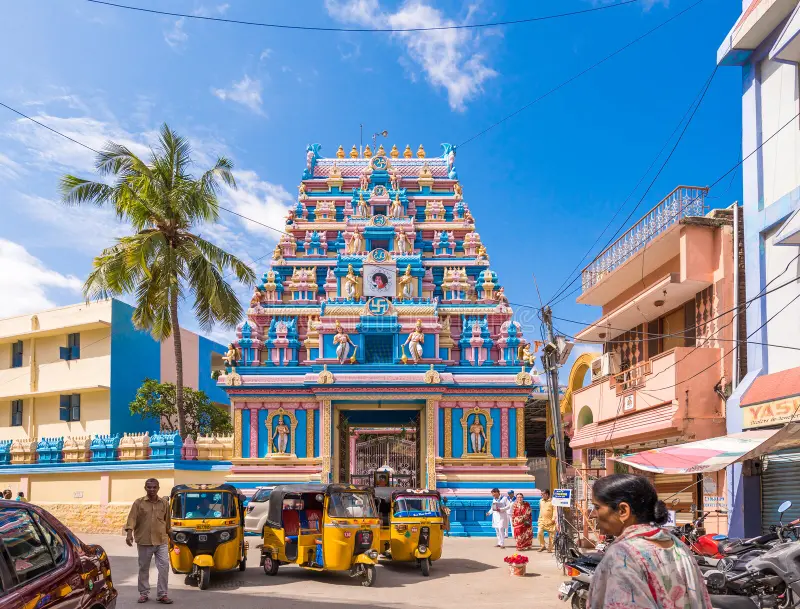
Dravidian temple architecture is known for monumental gopurams, layered mandapams, sculpted corridors, and axial sacred planning. Many temple towns are built around concentric movement patterns where ritual routes, bazaar streets, and water tanks are integrated into temple life. This structure creates both spiritual and urban coherence.
For travelers, this means each visit is not only about one sanctum. The surrounding precinct, processional streets, and temple economy are part of the same living system. Understanding this helps you plan enough time instead of treating temples as quick photo stops.
How to Build a Practical Temple Circuit
A strong route balances geography, travel fatigue, and darshan windows. Many first-time visitors make the mistake of overpacking cities and missing key rituals due to transit delays. A better model is to cluster temples by region and keep one buffer slot every two days for unplanned schedule shifts.
A simple first circuit can include one major city temple, one heritage temple town, one coastal spiritual stop, and one quieter shrine for reflective pacing. This structure gives cultural contrast while preventing burnout.

Best Seasons for Temple Travel
October to February generally offers better comfort for multi-city temple travel due to moderate daytime temperatures in many parts of the south. Summer visits are still possible, but require strict hydration and morning-evening darshan planning. Monsoon travel can be rewarding, especially for fewer crowds, but transit reliability may vary by district.
Festival timing can transform the experience. However, major festivals also increase queues and accommodation pressure. If your goal is calm architectural exploration, choose non-peak festival windows.
Temple Etiquette and Cultural Discipline
Respectful clothing, footwear compliance, and photography discipline are essential. Many temples restrict cameras in inner precincts. Some shrines also have specific entry rules by timing or ritual schedule. Always verify locally and follow staff guidance without argument.
Another important principle is noise control. A temple corridor is not a casual tourist lane. Quiet movement improves your own experience and protects the spiritual environment for devotees.
How to Manage Darshan Queues and Time
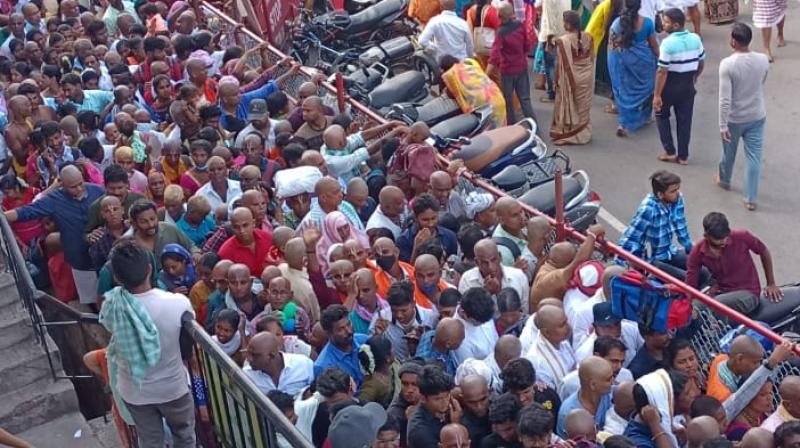
Early morning slots usually provide better queue flow and cooler weather. Keep one temple as your anchor visit each day and avoid combining too many major shrines in a single stretch. If a temple offers special darshan tickets, compare value carefully; in some places standard lines move efficiently during off-peak hours.
Carry essentials in a minimal day kit: water, small towel, socks for hot surfaces, and printed or offline directions for local transport transitions.
Food, Stay, and Local Mobility Near Temple Zones
Temple districts often provide wide budget ranges, but peak seasons raise prices quickly. Booking near the temple can save time and reduce early-morning transport stress. For food, prioritize clean local eateries with steady turnover. Many temple towns offer strong vegetarian options that align well with pilgrimage pacing.
Use short-distance local mobility carefully. Narrow lanes around old temple districts can be congested, so walking short stretches is often faster than waiting for vehicles.
Beyond Checklists: How to Experience Temples Meaningfully
The most meaningful temple journeys combine worship, architecture reading, and local context listening. Spend time observing inscriptions, iconography themes, and movement patterns of local devotees. Speak respectfully with guides or priests where permitted. This method turns visits into deeper cultural learning rather than rushed completion goals.
A practical approach is to keep brief notes after each temple: what felt unique, what you learned about local traditions, and what changed in your understanding of regional spiritual culture.
Regional Diversity Inside South India Temple Culture
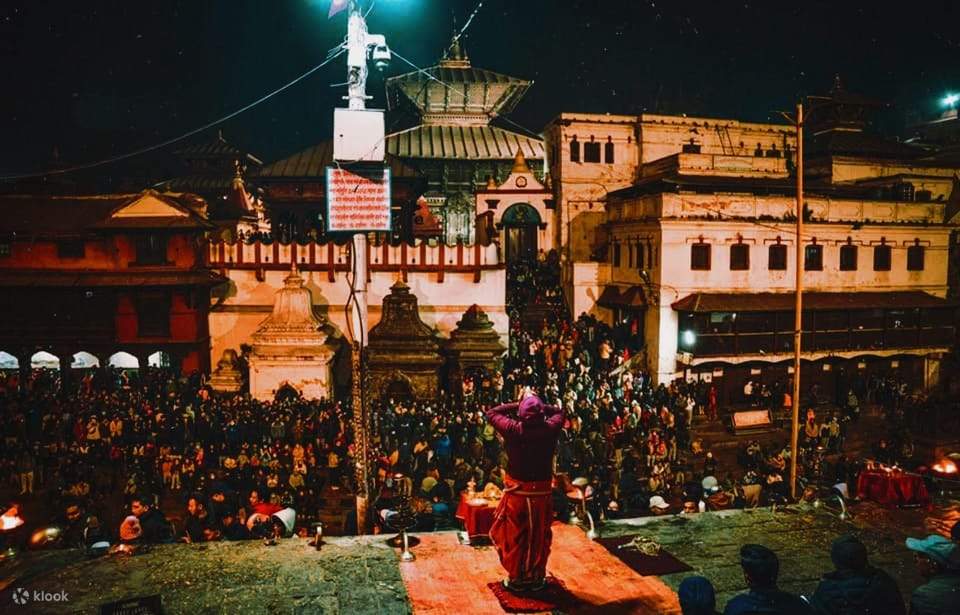
South India is often discussed as one spiritual block, but regional temple culture differs significantly in ritual tone, language, music traditions, and local festival formats. Tamil temple towns may emphasize large processional structure and monumental axis planning, while Karnataka temple clusters often balance architectural complexity with different local worship rhythm. Kerala temple environments can feel more contained in scale with distinct ritual timings and temple-entry disciplines. Understanding this diversity helps travelers avoid generic expectations and prepare better for each stop.
A practical way to handle this is to read one short local context note before entering each new temple town. When travelers know even basic local customs, movement becomes smoother and interactions become more respectful. This reduces confusion and improves both darshan flow and cultural learning quality.
How to Travel With Elderly Family Members
Many South India temple circuits are family-based and include elderly pilgrims. The most useful strategy is to plan one major temple activity per day and avoid rushed evening transfers. Select stays close to primary temple entrances, keep hydration and rest intervals frequent, and confirm availability of local assistance options where needed. Short-distance planning details make a major difference in comfort.
If your group includes mixed mobility profiles, split routes when necessary. A smaller subgroup can complete architectural exploration while others rest, and everyone can regroup for the primary darshan window. This preserves family cohesion without forcing physically stressful schedules.
Managing Festival-Day Visits Without Stress
Festival periods can be spiritually powerful, but they require realistic expectations. Queue duration may increase sharply, roads around temple zones can close for processions, and accommodation near core districts may sell out early. If you want to witness festival culture, arrive one day earlier than your key ritual date and keep the next day flexible for recovery or overflow darshan.
Also avoid comparing festival-day movement with standard-day assumptions. On peak days, success is defined by safe access, patient participation, and respectful observation, not by the number of temple stops completed.
Learning Through Temple Documentation
A simple documentation habit can make the journey richer: note deity tradition, temple-era references, key architectural feature, and one ritual observation after each visit. In a week-long route, these notes help you identify patterns and differences you would otherwise forget. This turns pilgrimage into cumulative understanding rather than isolated memory fragments.
Temple travel in South India rewards disciplined attention. When you combine practical route planning with reflective documentation, even a short circuit can feel deeply meaningful and educational.
Before ending your circuit, review one core lesson from each temple town you visited. This reflection helps convert route completion into long-term spiritual and cultural understanding.
This simple reflection practice also helps plan stronger future routes.
Conclusion
Temples in South India offer one of the richest spiritual and architectural travel experiences in the country. Plan by region, pace by ritual windows, and travel with cultural discipline. When you combine structure with respect, each temple visit becomes more meaningful, and the full circuit becomes a memorable spiritual journey rather than a rushed itinerary.
Location
Frequently Asked Questions
Q1.Which state is best for South India temple travel?
Q2.How many days are ideal for a temple circuit?
Q3.Is photography allowed in all temples?
Q4.What is the best daily darshan timing?
Q5.Should I combine many major temples in one day?
Recommended For You
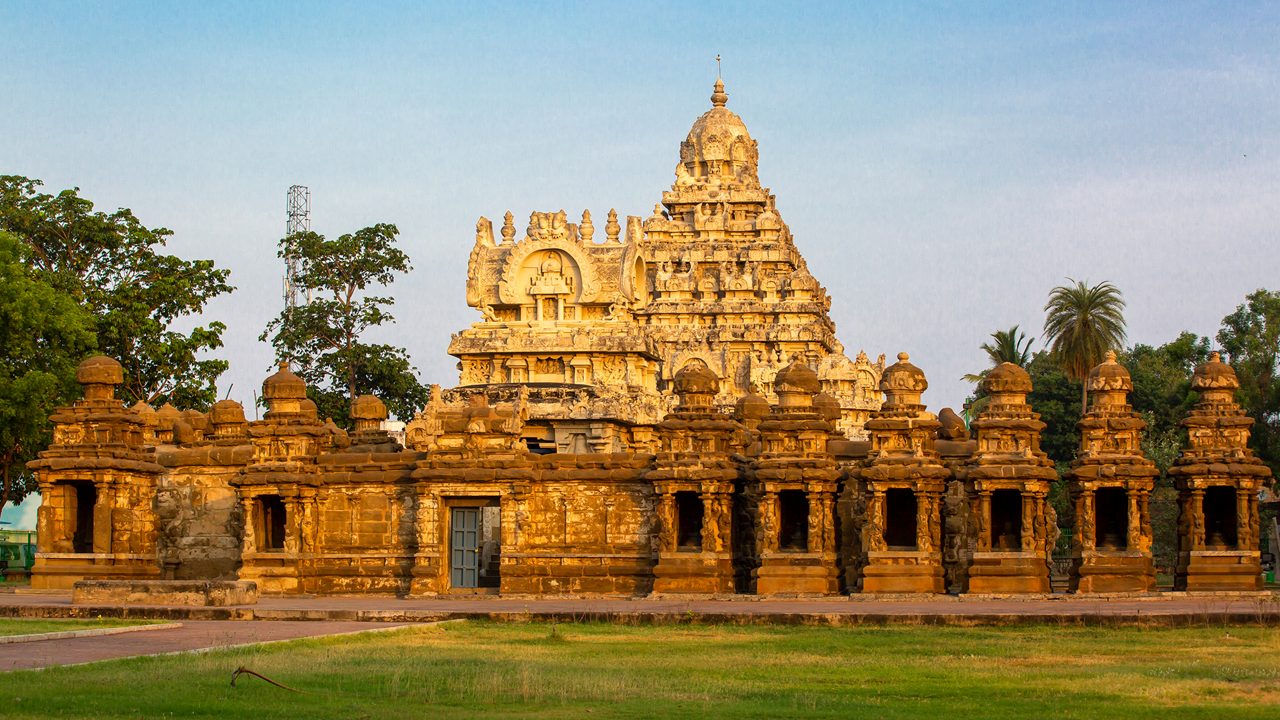
Kanchipuram Temples: Complete Travel Guide to the City of Thousand Temples
Complete Kanchipuram temples guide with history, major temples like Ekambareswarar, Kamakshi Amman, Varadaraja Perumal, silk sarees, and travel tips.
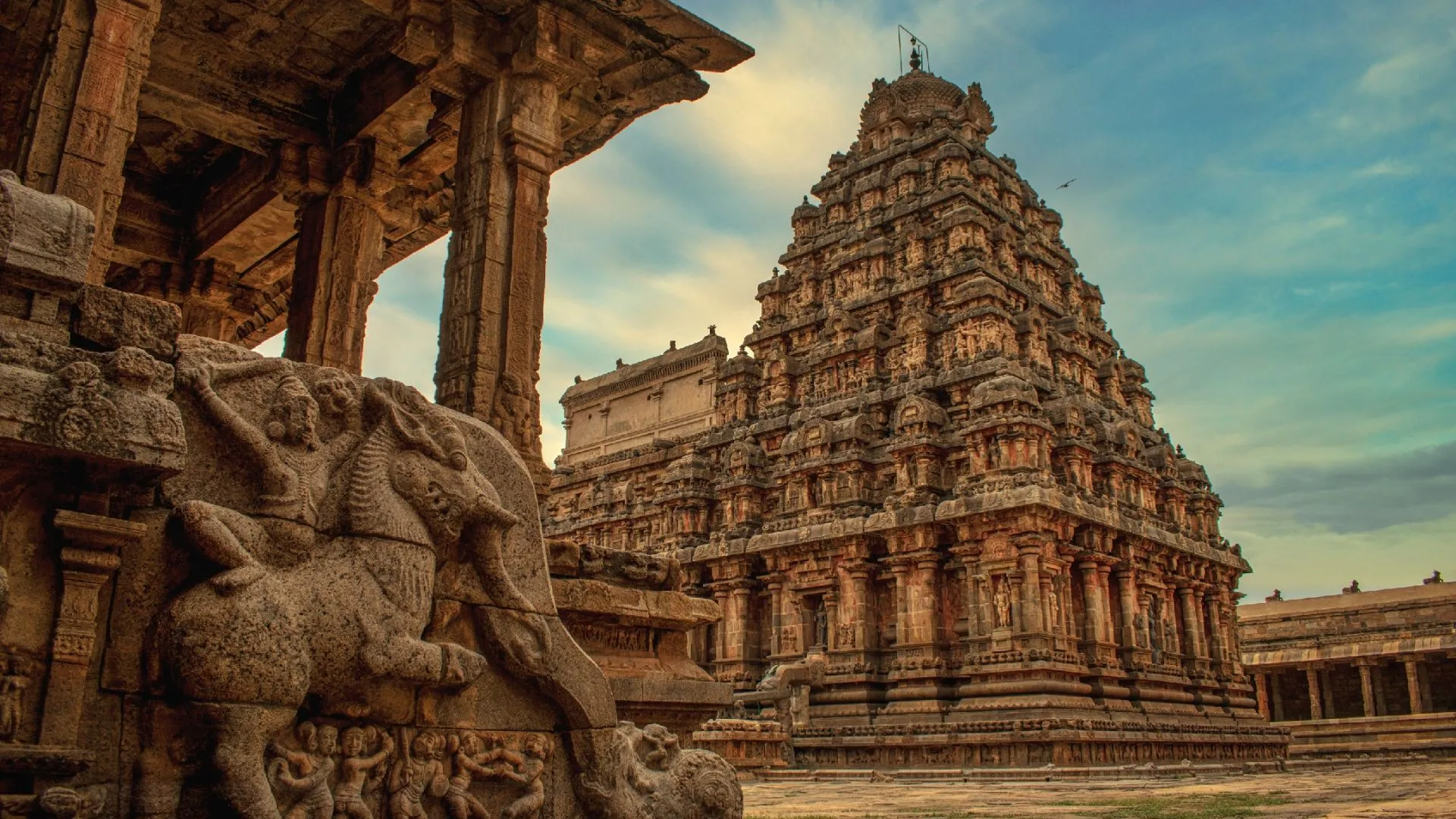
Kumbakonam Temples: Complete Travel Guide to Temple Town
Complete Kumbakonam temples guide with Adi Kumbeswarar, Sarangapani, Nageswaran temples, Mahamaham festival, and travel tips. Explore Tamil Nadu's temple town.
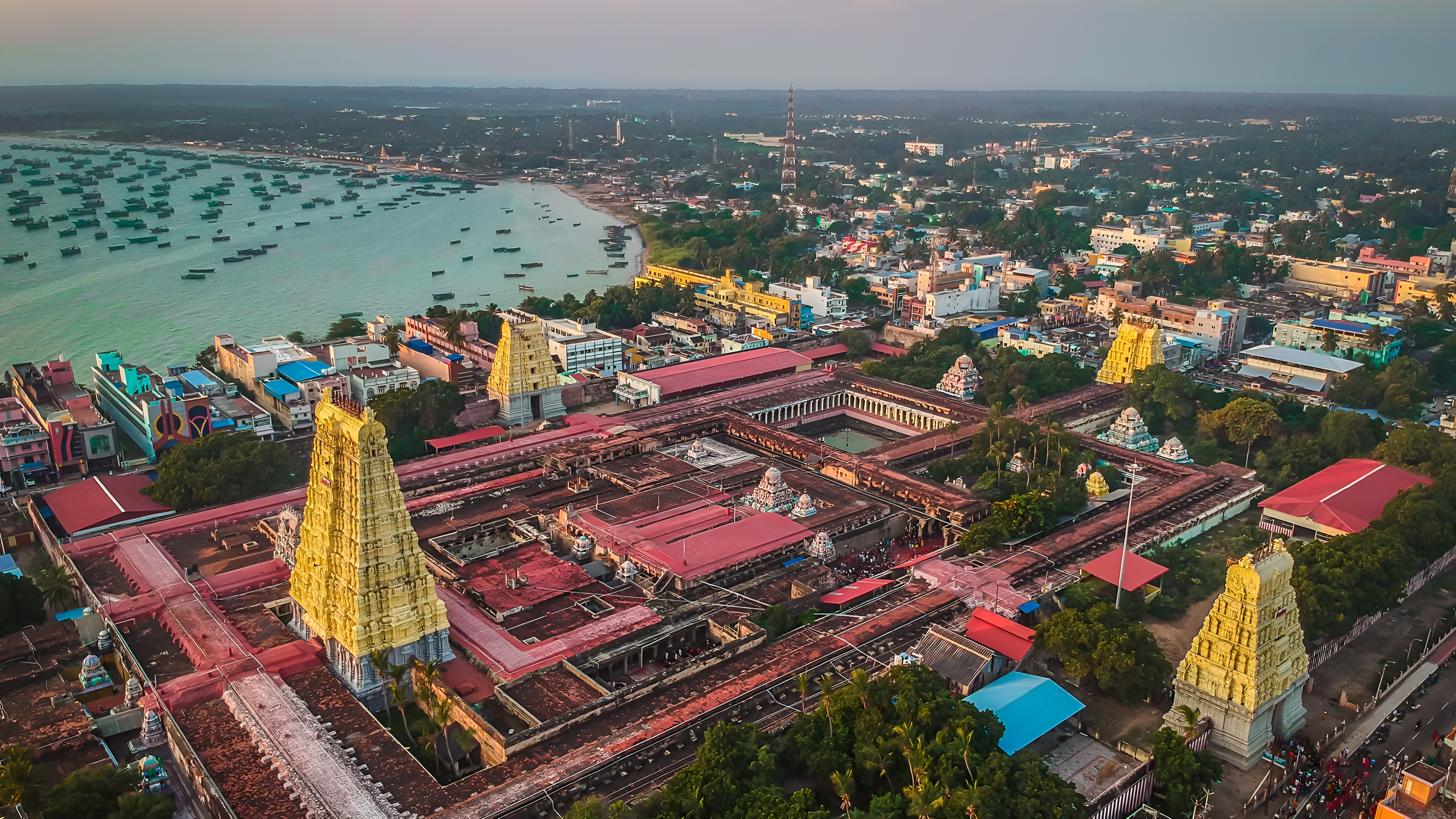
Rameshwaram Temple Pilgrimage: 22 Theertham Rituals, Timings & Route
Complete Rameshwaram Temple guide with 22 theertham ritual, darshan timings, architecture, best time to visit, and travel tips for this sacred Jyotirlinga.
Never Miss an Adventure
Get the latest trekking guides, travel tips, and exclusive offers delivered straight to your inbox.
