
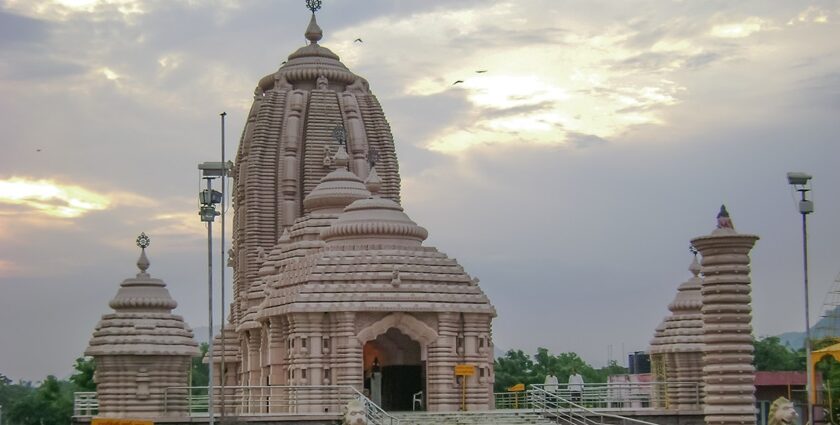
Temples in Visakhapatnam: Spiritual Sites, Timings & Coastal Route

Priya Mehta
November 25, 2025
Explore the sacred temples of Visakhapatnam. Discover Simhachalam, ISKCON, and more with timings, history, and travel tips.
Introduction: The Spiritual Heritage of Vizag
Visakhapatnam, popularly known as Vizag, is not just Andhra Pradesh's largest city and a major port; it's also a treasure trove of spiritual heritage. Nestled between the Eastern Ghats and the Bay of Bengal, this coastal city boasts an impressive array of temples that reflect the deep religious traditions of South India. From ancient shrines perched on hills to seaside sanctuaries, the temples of Visakhapatnam offer devotees and travelers a unique spiritual experience that combines natural beauty with architectural grandeur. The city's temple tradition complements the rich spiritual heritage found across South India, including the magnificent temples of Thanjavur.
What sets Visakhapatnam's temple landscape apart is its diversity. The city is home to temples dedicated to various deities - from the fierce Narasimha form of Vishnu to the gentle Shiva, from the powerful goddesses of the Shakta tradition to the revered elephant-headed Ganesha. Each temple has its own unique history, architectural style, and spiritual significance, making temple exploration in Vizag a fascinating journey through Hindu theology and artistry.
Simhachalam Temple: The Abode of Lord Narasimha
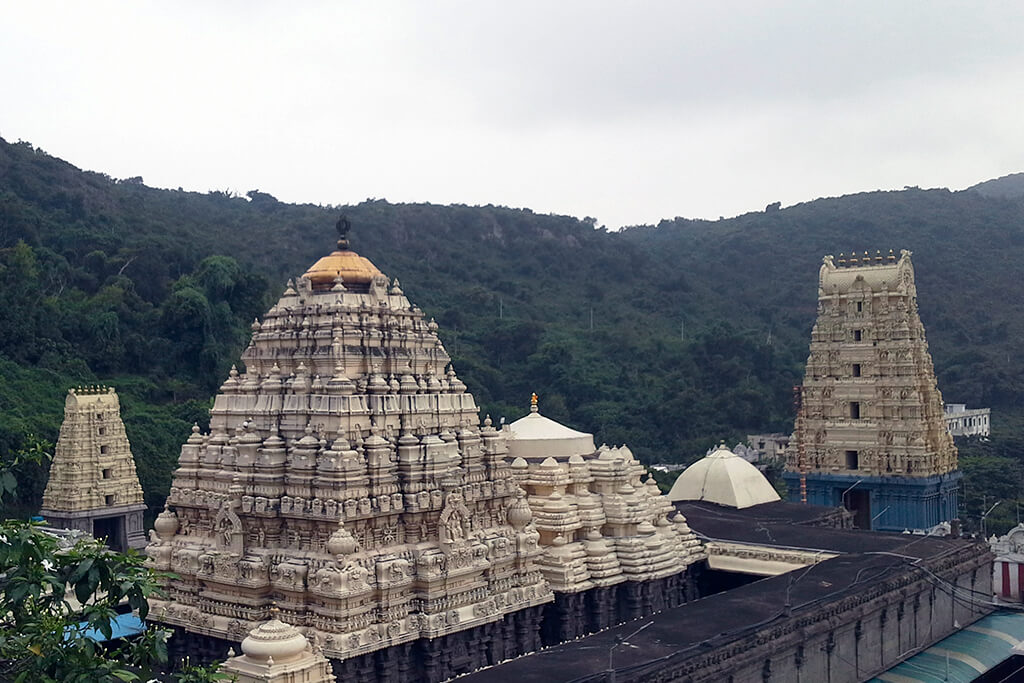
Simhachalam Temple, located on Simhachalam Hill approximately 18 kilometers from Visakhapatnam city center, is undoubtedly the most famous and significant temple in the region. Dedicated to Lord Narasimha - the lion-headed avatar of Vishnu - this temple is one of the eighteen Narasimha Kshetras in India and holds immense importance for Vaishnavites. Lord Vishnu, worshipped here in his Narasimha form, is also venerated at other magnificent temples across India, including the Akshardham Temple.
Historical Significance
The temple's origins are traced back to the 11th century, though the present structure dates largely from the 13th century, built by the Eastern Ganga dynasty king Narasimhadeva I. The Chola and Vijayanagara empires also contributed to its development over centuries. The temple was a center of patronage for many South Indian dynasties, and their contributions are evident in its rich architectural features.
One of the temple's most unique features is that the deity, Varaha Narasimha (a combination of the boar and lion avatars of Vishnu), is covered with sandalwood paste throughout the year. This covering, known as nijaroopa darshanam, is so thick that the actual form of the deity cannot be seen. Only on one day each year - Akshaya Tritiya (usually in April or May) - is the sandalwood paste removed, allowing devotees to witness the actual form of Lord Varaha Narasimha. This special darshan attracts hundreds of thousands of devotees from across India.
Architectural Features
Simhachalam Temple showcases a beautiful blend of Odisha (Kalinga) and Dravidian architectural styles. The temple complex is surrounded by a high wall with two main gateways - one on the east and one on the west. The eastern gateway leads to the outer courtyard, while the western gateway provides direct access to the main shrine.
The temple's main sanctum (garbhagriha) is built in the Kalinga style with a curvilinear tower (rekha deula). The rectangular hall (jagamohana) connecting the sanctum to the assembly hall features beautiful pillars and intricate carvings. The temple has numerous subsidiary shrines dedicated to various deities including Lakshmi, Andal, and Alvars (Vaishnava saints).
Extensive use of stone carvings depicting scenes from Vaishnava mythology adorn the temple walls. The pillars feature sculpted figures of gods, goddesses, celestial beings, and mythical creatures. The craftsmanship reflects the high standards of artistry achieved during the Eastern Ganga period.
Visiting Information
Timings: The temple is open from 4:00 AM to 9:30 PM, with a break in the afternoon from 1:00 PM to 2:00 PM. Multiple rituals and pujas are performed throughout the day.
Best Time to Visit: While the temple is beautiful year-round, the most auspicious time is during Akshaya Tritiya (April/May) when the sandalwood paste is removed from the deity. The festival of Chandanotsavam attracts enormous crowds. Winter (October to February) offers pleasant weather for climbing the hill.
How to Reach: Simhachalam is easily accessible by road from Visakhapatnam city. Buses, auto-rickshaws, and taxis are readily available. The journey takes about 45 minutes from the city center. The temple is located on Simhachalam Hill, and vehicles can go all the way to the temple complex.
Sri Kanaka Maha Lakshmi Temple
Located in the heart of Visakhapatnam's Burujupet area, the Sri Kanaka Maha Lakshmi Temple is one of the city's most beloved shrines. Dedicated to Goddess Lakshmi, the consort of Lord Vishnu and the goddess of wealth and prosperity, this temple holds special significance for the people of Visakhapatnam.
The temple is particularly famous for its Margasira Masa Lakshmi Vratam, a month-long festival held during November-December (the Margasira month according to the Hindu calendar). During this period, thousands of devotees visit daily, especially on Thursdays which are considered especially auspicious for Goddess Lakshmi worship. Devotees observe fasting, perform special pujas, and offer prayers for prosperity and well-being.
The temple, while not ancient in the same sense as Simhachalam, has become an integral part of Visakhapatnam's religious landscape. The modern architecture features traditional South Indian temple elements, and the atmosphere during festival times is electric with devotion and celebration. The temple is particularly popular among women, who come here to pray for the welfare of their families and to perform special pujas for marital harmony and prosperity.
Sri Sampath Vinayaka Temple
Dedicated to Lord Ganesha, the remover of obstacles, the Sri Sampath Vinayaka Temple is one of the most popular Ganesha temples in Visakhapatnam. Located in the MVP Colony area, this temple is known for its peaceful atmosphere and beautiful idol of Lord Ganesha.
The temple's name 'Sampath' means wealth, and devotees believe that worshipping Ganesha here brings prosperity and success. The temple is particularly busy during Ganesh Chaturthi (August-September), when elaborate celebrations are held. Devotees offer modaks (sweet dumplings), coconuts, and red flowers - all favorites of Lord Ganesha.
The temple complex is well-maintained and provides a serene space for meditation and prayer. The main deity is a beautiful stone idol of Ganesha in sitting posture. Subsidiary shrines dedicated to other deities add to the spiritual ambiance. The temple is easily accessible and is a must-visit for anyone seeking Ganesha's blessings before starting new ventures.
ISKCON Temple, Visakhapatnam
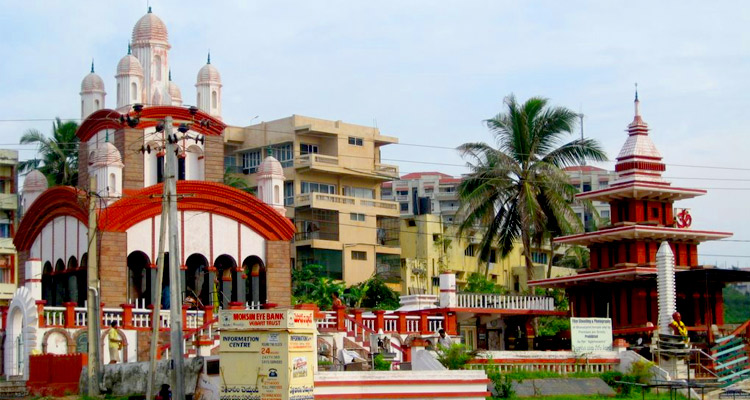
The ISKCON (International Society for Krishna Consciousness) Temple in Visakhapatnam is a relatively recent addition to the city's spiritual landscape but has quickly become an important center of Krishna devotion. Located on the Beach Road near Sagarnagar, the temple offers a modern, international approach to traditional Vaishnavism.
The temple features beautiful deities of Krishna, Balarama, and Radha. The architecture follows traditional North Indian temple styles with some modern elements. The temple complex includes a spacious hall for spiritual programs, lectures on Bhagavad Gita, and devotional music performances. The peaceful atmosphere and stunning view of the Bay of Bengal make this temple a unique spiritual destination.
ISKCON Visakhapatnam is particularly active in spiritual education, conducting regular classes on Vedic philosophy, yoga, and meditation. The temple celebrates all major Vaishnava festivals with great enthusiasm, particularly Janmashtami (Krishna's birthday) and Rama Navami. The temple also runs a vegetarian restaurant (Govinda's) serving delicious prasadam (sanctified food).
Appikonda Temple
Located approximately 30 kilometers from Visakhapatnam near the village of Appikonda, this ancient Shiva temple is dedicated to Lord Shiva in the form of Somalingeswara Swamy. The temple, believed to have been built during the 4th-5th century, is an important archaeological and religious site. Lord Shiva, the presiding deity, is worshipped across India in various sacred forms, from the Amarnath Temple in Kashmir to the ancient temples of South India.
The temple gets its name from the nearby Appikonda village and the pristine beach that lies adjacent to it. What makes this temple unique is its seaside location - one of the few Shiva temples in Andhra Pradesh situated right on the coast. The sound of waves crashing against the shore creates a mystical atmosphere that enhances the spiritual experience.
Archaeologically, the temple is significant for its inscriptions that mention the Eastern Chalukya king Rajaraja Narendra, providing valuable historical information. The temple features traditional Dravidian architecture with a vimana (tower) over the sanctum and a mandapa (hall) for devotees. Maha Shivaratri (February-March) is celebrated here with great devotion.
Kali Temple, Bheemunipatnam
Located in Bheemunipatnam (Bheemili), about 24 kilometers from Visakhapatnam, this ancient temple dedicated to Goddess Kali is one of the region's most important Shakta (goddess worship) centers. The temple, situated on a small hill overlooking the Bay of Bengal, offers stunning views and a powerful spiritual atmosphere. The fierce form of the Divine Mother worshipped here is similar in spiritual essence to the goddess at the Chamunda Mata Temple, another powerful Shakta shrine in India.
According to local legend, the temple was established by the Eastern Chalukya kings in the 9th-10th century. The fierce aspect of the Divine Mother is worshipped here, and devotees believe the goddess grants protection and fulfills wishes. The temple is particularly busy during Navratri (nine nights dedicated to the goddess) and during Tuesdays and Fridays, which are considered auspicious for goddess worship.
The temple's location adds to its appeal - the combination of spiritual energy and natural beauty is rare. After receiving the goddess's blessings, devotees often spend time at the nearby beach, making for a complete spiritual and recreational experience.
Sri Varaha Lakshmi Narasimha Swamy Temple
This temple, located in the MVP Colony area of Visakhapatnam, is dedicated to Lord Vishnu in his combined Varaha-Narasimha form. While Simhachalam is the most famous temple for this deity, this urban temple makes worship accessible to city residents who cannot make the pilgrimage to the hill temple.
The temple features a beautiful deity of Lord Varaha Narasimha and hosts regular rituals and festivals. The architecture follows traditional South Indian temple style with a vimana and a spacious prayer hall. The temple is particularly busy during weekends and festival seasons, but maintains an atmosphere of devotion and tranquility.
Matsyalingeswara Swamy Temple
Located at Peda Gantyada, approximately 15 kilometers from Visakhapatnam, this unique Shiva temple is dedicated to Matsyalingeswara Swamy - Lord Shiva appearing in the form of a fish (Matsya). The temple's unique deity and its historical significance make it an interesting destination for temple enthusiasts.
The temple is believed to have been constructed during the Eastern Chalukya period and features ancient architecture and inscriptions. The unusual fish form of Shiva worshipped here is rare and has interesting mythological connections. Maha Shivaratri is celebrated with great devotion here, and devotees believe that worship here grants relief from planetary afflictions and brings peace and prosperity.
Visweswara Temple
The Visweswara Temple, dedicated to Lord Shiva as Visweswara (the Lord of the Universe), is an important Shiva temple in Visakhapatnam. Located in the old town area, this temple has been serving the spiritual needs of devotees for generations.
The temple features a traditional South Indian architectural style with a vimana over the sanctum and a spacious mandapa for devotees. The main deity is a Shiva linga, and the temple also has shrines dedicated to other deities including Parvati, Ganesha, and Kartikeya. Maha Shivaratri and Karthika Pournami are important festivals here.
Other Notable Temples
Ramakrishna Mission Ashram
While not a traditional Hindu temple, the Ramakrishna Mission Ashram in Visakhapatnam is an important spiritual center that propagates the teachings of Sri Ramakrishna Paramahamsa and Swami Vivekananda. The ashram features a beautiful shrine room, a library, and conducts regular spiritual discourses, meditation programs, and social service activities.
Sri Venkateswara Temple (Tirumala Temple)
This temple, dedicated to Lord Venkateswara (a form of Vishnu), is located in the Asilmetta area of Visakhapatnam. The temple architecture is inspired by the famous Tirumala Venkateswara Temple in Tirupati, making it a mini version of the famous hill shrine for devotees who cannot travel to Tirupati.
Buddhist Sites
Visakhapatnam and its surrounding areas have several important Buddhist sites including Bavikonda, Thotlakonda, and Bojjannakonda. These ancient Buddhist monasteries and stupas date back to the 3rd century BCE and represent an important part of the region's spiritual heritage. While not Hindu temples, these sites are essential for understanding the complete religious history of the region.
Temple Etiquette and Visiting Tips
Dress Code
Traditional, modest attire is recommended when visiting temples in Visakhapatnam. Both men and women should wear clothing that covers the shoulders and knees. Women may consider wearing salwar kameez, sarees, or long skirts with modest tops. Men can wear pants or dhotis with shirts or kurta. Avoid shorts, short skirts, and sleeveless tops as they may not be permitted inside temple sanctums.
Footwear
Like all Hindu temples, footwear must be removed before entering the temple complex. Most temples have designated areas for leaving shoes, often near the entrance. It's advisable to wear easily removable footwear. During summer months, the temple grounds can get hot, so consider wearing socks if you don't want to walk barefoot.
Photography Rules
Photography policies vary by temple. Generally, photography is permitted in temple courtyards and exterior areas but may be prohibited inside the main sanctum. Always look for signage or ask temple authorities before taking photographs, especially during rituals and pujas. Flash photography is typically not allowed as it can disturb worshippers and damage ancient artifacts.
Timing Your Visit
Temples are generally most crowded during early morning (6-8 AM) and evening (5-7 PM) aarti times. For a quieter, more contemplative experience, consider visiting mid-morning or afternoon. Festival days see enormous crowds - visit only if you want to experience the festival atmosphere. Weekends are busier than weekdays.
Offerings
Devotees typically make offerings to the deity including coconuts, flowers, fruits, and sweets. These can be purchased just outside most temples. Money offerings (dakshina) can be made in the temple donation box. If you're participating in a special puja, the temple staff will guide you on the appropriate offerings.
Planning Your Temple Visit to Visakhapatnam
Best Time to Visit
The ideal time to visit temples in Visakhapatnam is from October to March when the weather is pleasant. Summers (April-June) can be extremely hot and humid, making temple visits uncomfortable, especially for temples that require climbing hills like Simhachalam. Monsoons (July-September) bring relief from the heat but can make travel challenging due to rain.
For a special spiritual experience, consider visiting during major festivals. Akshaya Tritiya (April/May) at Simhachalam is particularly auspicious. Margasira Masa (November/December) at Kanaka Maha Lakshmi Temple sees month-long celebrations. Maha Shivaratri (February/March) is celebrated with great devotion at all Shiva temples.
Getting Around
Visakhapatnam has a well-developed public transportation system. City buses operated by APSRTC connect all major temples. Auto-rickshaws are readily available and convenient for short distances. For a full day of temple visiting, consider hiring a cab (₹2000-3000 per day) which gives you flexibility and comfort.
App-based taxi services like Ola and Uber operate in Visakhapatnam and are convenient for point-to-point travel. For Simhachalam Temple, direct buses are available from the Dwaraka Bus Station in the city.
Accommodation
Visakhapatnam offers accommodation for every budget. The Beach Road area has luxury hotels with sea views. Mid-range hotels are available in Jagadamba and MVP Colony areas. Budget hotels and guest houses are concentrated near the railway station. The Temple area of Simhachalam has some guest houses for pilgrims who want to stay close to the temple and attend early morning rituals.
Suggested Itinerary
Day 1: Hill Temple & City Center
Morning: Visit Simhachalam Temple (plan 3-4 hours for a complete visit including darshan and exploring the temple complex)
Afternoon: Lunch and rest
Evening: Visit Sri Kanaka Maha Lakshmi Temple and explore the local market area
Day 2: Coastal Temples
Morning: Visit Appikonda Temple (combine with beach visit)
Afternoon: Kali Temple at Bheemunipatnam
Evening: Relax at RK Beach
Day 3: City Temples & ISKCON
Morning: Sri Sampath Vinayaka Temple
Mid-morning: ISKCON Temple
Afternoon: Sri Venkateswara Temple and other city temples
Evening: Ramakrishna Mission Ashram
Conclusion: The Spiritual Soul of Vizag
The temples of Visakhapatnam offer more than just religious darshan; they provide a window into the rich spiritual and cultural heritage of Andhra Pradesh. From the ancient grandeur of Simhachalam to the modern devotion of ISKCON, from seaside Shiva shrines to busy city temples, each sacred site has its own unique character and significance.
What makes temple-hopping in Vizag particularly special is the combination of spiritual exploration with natural beauty. Many temples offer stunning views of the Bay of Bengal or are surrounded by the lush greenery of the Eastern Ghats. This harmony between the divine and the natural creates an atmosphere that is both spiritually uplifting and aesthetically pleasing.
Whether you're a devout pilgrim seeking blessings, a history enthusiast interested in ancient architecture, or a traveler looking to understand the religious traditions of South India, Visakhapatnam's temples offer a rewarding and enriching experience. The devotion of the priests, the faith of the devotees, the beauty of the architecture, and the serenity of the atmosphere all combine to make temple visits in Vizag truly memorable.
So come to Visakhapatnam with an open heart and reverent mind. Explore these sacred spaces, participate in the rituals, absorb the spiritual energy, and discover for yourself why this coastal city has been a center of devotion for centuries. The temples of Visakhapatnam are not just monuments of the past; they are living centers of faith that continue to inspire and transform all who visit.
Location
Frequently Asked Questions
Q1.What is the most famous temple in Visakhapatnam?
Q2.What are Simhachalam Temple timings?
Q3.How far is Simhachalam Temple from Visakhapatnam railway station?
Q4.Which temples can I visit in Visakhapatnam in one day?
Q5.Is there a dress code for temples in Visakhapatnam?
Q6.When is Akshaya Tritiya at Simhachalam Temple?
Q7.Are there any Buddhist temples near Visakhapatnam?
Q8.What is special about Margasira Masa at Kanaka Maha Lakshmi Temple?
Recommended For You
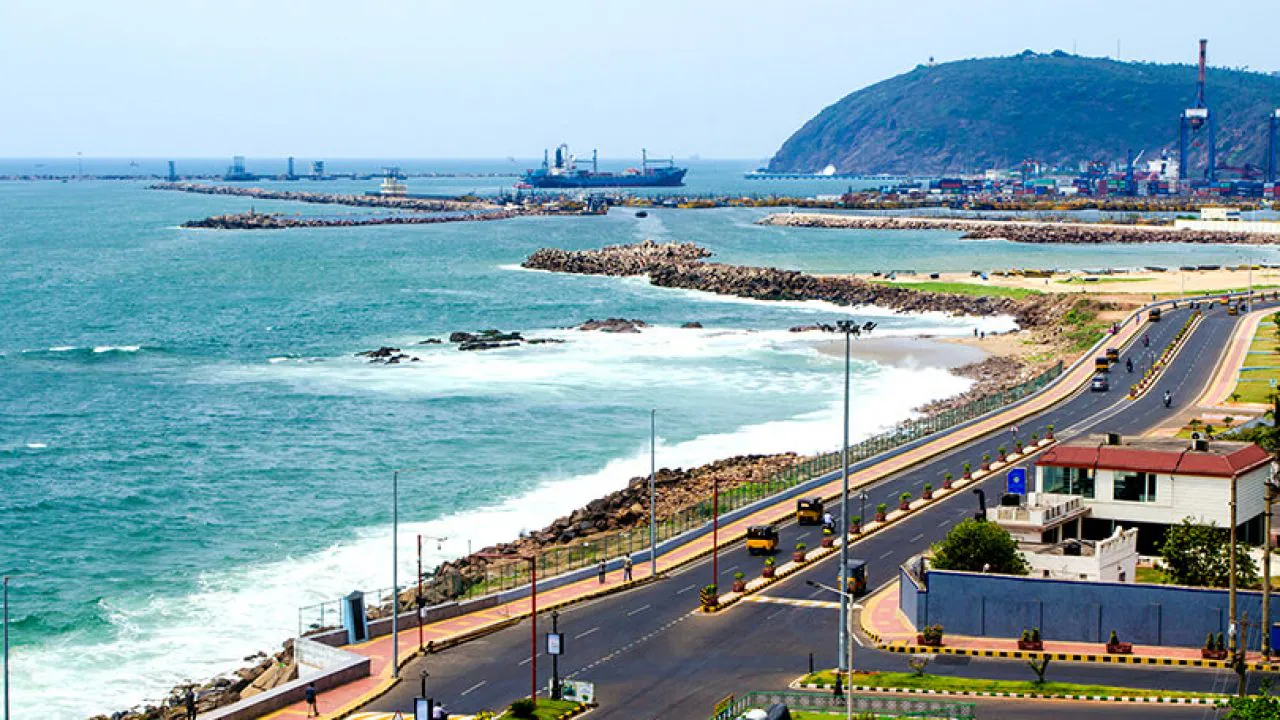
Places to Visit in Visakhapatnam: Beaches, Hills & Family Attractions
Explore top places to visit in Visakhapatnam including beaches, Araku Valley, Borra Caves, Kailasagiri, and practical route tips for all travelers.
Things to Do in Visakhapatnam: Complete Travel Guide 2026
Explore Visakhapatnam (Vizag): Complete guide to beaches, museums, hill stations, temples & adventure activities. Discover RK Beach, Rushikonda, Borra Caves & more in this coastal paradise.
Hidden Gems of Visakhapatnam: 15 Offbeat Places You Must Visit in 2026
Explore 15 hidden gems of Visakhapatnam - Borra Caves, Yarada Beach, Buddhist complexes & more. Offbeat Vizag guide with locations & tips.
Never Miss an Adventure
Get the latest trekking guides, travel tips, and exclusive offers delivered straight to your inbox.
