
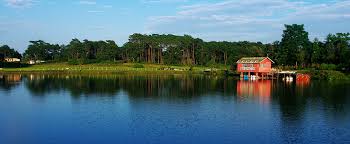
Thadlaskein Lake Meghalaya: Jowai's Sacred Lake

Neha Kapoor
February 20, 2026
Explore Thadlaskein Lake in Jowai, Meghalaya with its sacred legend, boating, best season, nearby attractions, and complete travel tips from Shillong.
Introduction: The Sacred Lake of Jaintia Hills
Thadlaskein Lake in Meghalaya is one of the most serene freshwater spots near Jowai, located in the Jaintia Hills region. Unlike commercial hill destinations, this lake carries strong local memory, cultural meaning, and a slower pace that many travelers now seek. For residents of the Jaintia community, the lake is not just a picnic point. It is tied to oral legends, heritage identity, and a sense of place that has survived changing travel trends.
For visitors, Thadlaskein Lake offers a balanced experience: calm water, green surroundings, easy boating, and simple day-trip logistics from Shillong and Jowai. It works well for families, couples, and photographers who want less-crowded Meghalaya itineraries. If you are planning a broader circuit, combine this stop with places to visit in Meghalaya, best time to visit Meghalaya, and things to do in Jowai.
History and Legend of Thadlaskein Lake
The most repeated local legend connects Thadlaskein Lake to U Sajar Nangli, a warrior associated with Jaintia tradition. As the story is narrated in local circles, he and his men, after conflict and migration, paused in this area and struck the ground with a spear. The depression formed, filled with water, and became the sacred lake. Different versions exist, but the core symbolism stays constant: endurance, community identity, and renewal after hardship.
Beyond legend, the lake has long functioned as a social landscape for nearby settlements. Families gather here on weekends, local groups hold community events, and seasonal visitors use the grounds for quiet leisure. This continuity gives the place cultural weight that many newer attractions cannot replicate. Travelers who arrive only for a quick photo often miss this context. Spending a little more time near the water, and speaking with locals around Jowai, gives deeper understanding of why this site remains important.
As with several heritage-linked sites in Meghalaya, preservation relies on community awareness as much as government intervention. Basic visitor discipline matters: no littering, respectful behavior, and careful use of common spaces.
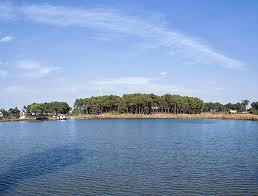
Lake Features and What Makes It Special
Thadlaskein Lake is known for still waters, gentle banks, and a peaceful tree-lined setting. It does not rely on extreme viewpoints or high-adrenaline activities. Its strength is atmosphere. Early mornings bring mild mist and soft light over the water, while late afternoons are ideal for families and relaxed photography.
Key Features at a Glance
| Feature | What You Can Expect | Why It Matters |
|---|---|---|
| Natural setting | Green surroundings and open lake views | Ideal for low-noise, restorative travel |
| Accessibility | Near Jowai; manageable road journey | Works for half-day and full-day plans |
| Recreation | Boating and casual walks | Family-friendly and low effort |
| Culture link | Legendary and local significance | Adds depth beyond scenery |
The site is especially suitable for travelers who prefer smaller destinations over crowded urban viewpoints. It can also serve as a calm break between more active Meghalaya stops like waterfalls, caves, and hill drives.
Activities at Thadlaskein Lake
1. Boating on the Lake
Boating is one of the most popular experiences at Thadlaskein. Availability may vary by season, maintenance schedule, and local operations, but when open, short rides are a good way to enjoy the lake’s scale and quietness. Follow operator instructions, wear safety gear if provided, and avoid standing or moving abruptly in smaller boats.
2. Picnic and Family Time
The lake surroundings are suitable for simple picnics. Many visitors carry light food, water, and mats. Keep the space clean and avoid plastic waste. Family groups often prefer late morning to early evening, while photographers may prefer sunrise or golden hour windows.
3. Photography and Slow Nature Walks
Thadlaskein is visually rewarding in overcast and post-rain conditions, common in Meghalaya. Cloud texture, reflective water, and tree silhouettes produce strong frames without needing expensive gear. Casual walking paths around the area are useful for exploring different angles of the lake and quieter corners.
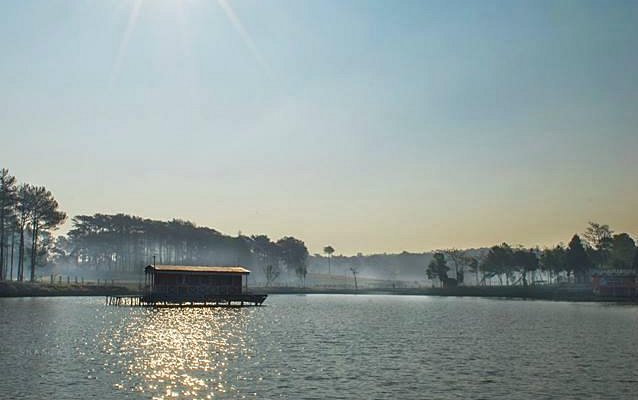
4. Reflection and Low-Noise Travel
Not every destination must be activity-heavy. This lake is ideal for travelers who want to pause, journal, read, or simply sit by the water. That makes it a practical stop in longer Northeast itineraries that otherwise involve long road segments.
Nearby Attractions You Can Combine
Thadlaskein is best visited as part of a Jowai-centered day plan. Several nearby places can be paired depending on your time and road conditions.
| Attraction | Why Visit | Suggested Time |
|---|---|---|
| Nartiang Monoliths | Important stone heritage site in Jaintia Hills | 1 to 1.5 hours |
| Syntu Ksiar | Riverside setting and open views near Jowai | 45 minutes to 1 hour |
| Lalong Park | Relaxed urban recreation zone | 45 minutes |
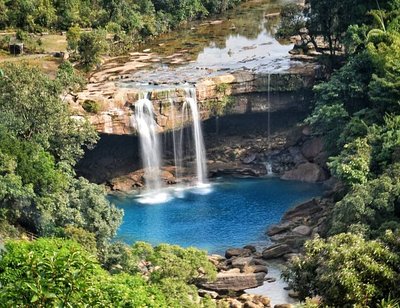
| Krang Suri Falls | Popular waterfall experience in Meghalaya | 2 to 3 hours |
If you are building a regional plan, these additions make Thadlaskein more than a single-photo stop. They also improve value for travelers driving from Shillong.
Best Time to Visit Thadlaskein Lake
You can visit throughout the year, but weather patterns change your experience significantly.
Season Breakdown
- October to March: Best overall period for clearer roads, pleasant weather, and comfortable lake visits.
- April to June: Mild to warm days; greenery stays good; occasional rain begins increasing.
- Monsoon months: Landscape looks dramatic and lush, but heavy rain can affect road comfort and outdoor plans.
For most first-time travelers, November to February offers the best mix of weather and logistics. Always check live road and rainfall updates before departure from Shillong.
How to Reach Thadlaskein Lake from Shillong
Shillong to Thadlaskein Lake is typically done by road via Jowai. Travel time depends on weather, road work, and traffic. Many travelers combine the lake with a broader Jaintia Hills route.
Route Overview
| Route Segment | Approx Time | Notes |
|---|---|---|
| Shillong to Jowai | About 3.5 to 4.5 hours | Most common approach route |
| Jowai to Thadlaskein | About 20 to 35 minutes | Short final stretch |
Transport Options
- Private taxi/cab: Most convenient for day plans and nearby attractions.
- Shared cabs: Possible on common routes, then local transfer to lake area.
- Self-drive: Flexible, but choose only if comfortable with hilly roads and weather variability.
Start early from Shillong to avoid late-day rush and to get better light around the lake.
Travel Tips for a Better Visit
- Carry drinking water and light snacks; options near the lake may be limited on some days.
- Wear comfortable shoes with grip, especially in wet weather.
- Keep a rain layer ready in all seasons.
- Respect local customs and avoid loud behavior near community spaces.
- Do not enter water zones unless clearly marked safe.
- Carry cash for local payments where digital options may be inconsistent.
Thadlaskein rewards unhurried travel. Plan at least 2-3 hours at the lake instead of a fast stop. That slower pace is what makes this place memorable.
Final Take: Why Thadlaskein Lake Is Worth Your Meghalaya Itinerary
Thadlaskein Lake Meghalaya stands out because it combines nature, culture, and practical access. It is calm without being empty, scenic without being overdeveloped, and meaningful beyond basic sightseeing. If your trip goal is to understand Meghalaya outside headline tourist spots, this lake deserves time in your itinerary.
Use it as a central stop in Jowai plans, pair it with nearby heritage and nature points, and keep your itinerary weather-flexible. For travelers looking for depth and not just checklist tourism, Thadlaskein delivers exactly that.
Sample Day Plan for Thadlaskein and Jowai
If you are visiting from Shillong, planning the day in blocks helps avoid rushed sightseeing. The strongest approach is to start early, keep one major nature stop and one heritage stop, and leave enough time for weather delays. Meghalaya roads can feel slow even for short map distances, so realistic timing is important.
Recommended Flow
| Time | Activity | Practical Note |
|---|---|---|
| 6:30 AM | Depart Shillong | Early departure gives buffer for traffic and rain |
| 10:30 AM | Reach Jowai region | Short refresh stop before lake visit |
| 11:00 AM | Thadlaskein Lake | Boating, walk, photography, picnic time |
| 1:30 PM | Lunch in/near Jowai | Choose simple local options and hydrate |
| 2:30 PM | Nearby attraction | Nartiang/Syntu Ksiar/Lalong based on weather |
| 5:00 PM | Return drive | Avoid very late return in heavy rain windows |
This structure helps keep the lake as a meaningful stop, not a short parking-lot photo break. If weather worsens, skip one secondary attraction rather than cutting the lake visit too short.
Responsible Travel at Thadlaskein Lake
Lake destinations in hill regions are sensitive to visitor behavior. Even low-volume litter can quickly degrade shoreline quality and local trust. Responsible travel here is simple: carry waste back, avoid disposable plastics, and do not play loud music near family or community gatherings.
Respect for local beliefs is equally important. Because Thadlaskein has cultural and legendary significance, avoid insensitive behavior around ritual references and elders. Ask before recording people on camera, especially during local activities. For drone users, take permission first and avoid flying near crowded family areas.
Support local value where possible. Pay fairly for boat rides and food stalls, purchase from local vendors when quality is appropriate, and avoid bargaining in ways that undercut already small local margins. Sustainable tourism works only when communities benefit and visitors cooperate.
Budget and Logistics Snapshot
| Expense Area | Budget Style | Comfort Style |
|---|---|---|
| Shillong-Jowai transport | Shared route and local transfer | Private cab for full-day flexibility |
| Food and snacks | Basic local meals | Planned cafe/hotel meal stops |
| Activities | Walk-focused visit | Add boating and extra viewpoint stops |
Actual costs vary by season, fuel rates, and travel group size. For most travelers, shared costs in a small group make private transport the most practical option for this route.
Location
Frequently Asked Questions
Q1.Where is Thadlaskein Lake located?
Q2.What is the history of Thadlaskein Lake?
Q3.How far is Thadlaskein Lake from Shillong?
Q4.Is boating available at Thadlaskein Lake?
Q5.What activities can be done at the lake?
Q6.Is it safe to swim in Thadlaskein Lake?
Q7.How to reach Thadlaskein Lake from Jowai?
Q8.What are Thadlaskein Lake timings and entry details?
Recommended For You
Nartiang Monoliths Meghalaya: History, Cultural Significance & Route
Explore Nartiang Monoliths, home to the world's tallest monoliths in Meghalaya. Discover history, how to reach & timings.
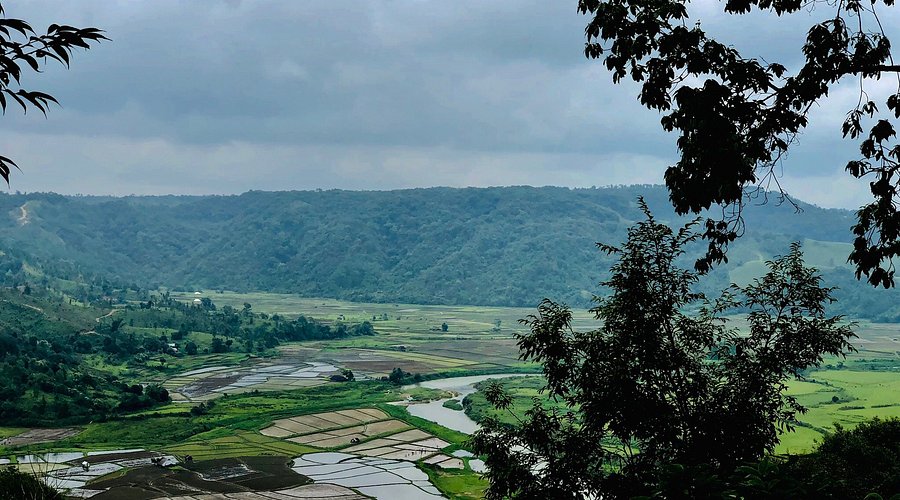
Lalong Park Meghalaya: Jowai Viewpoint, Entry & Visitor Info
Complete Lalong Park Meghalaya guide with Myntdu viewpoint details, best season, route planning from Shillong/Jowai, nearby attractions, and travel tips.
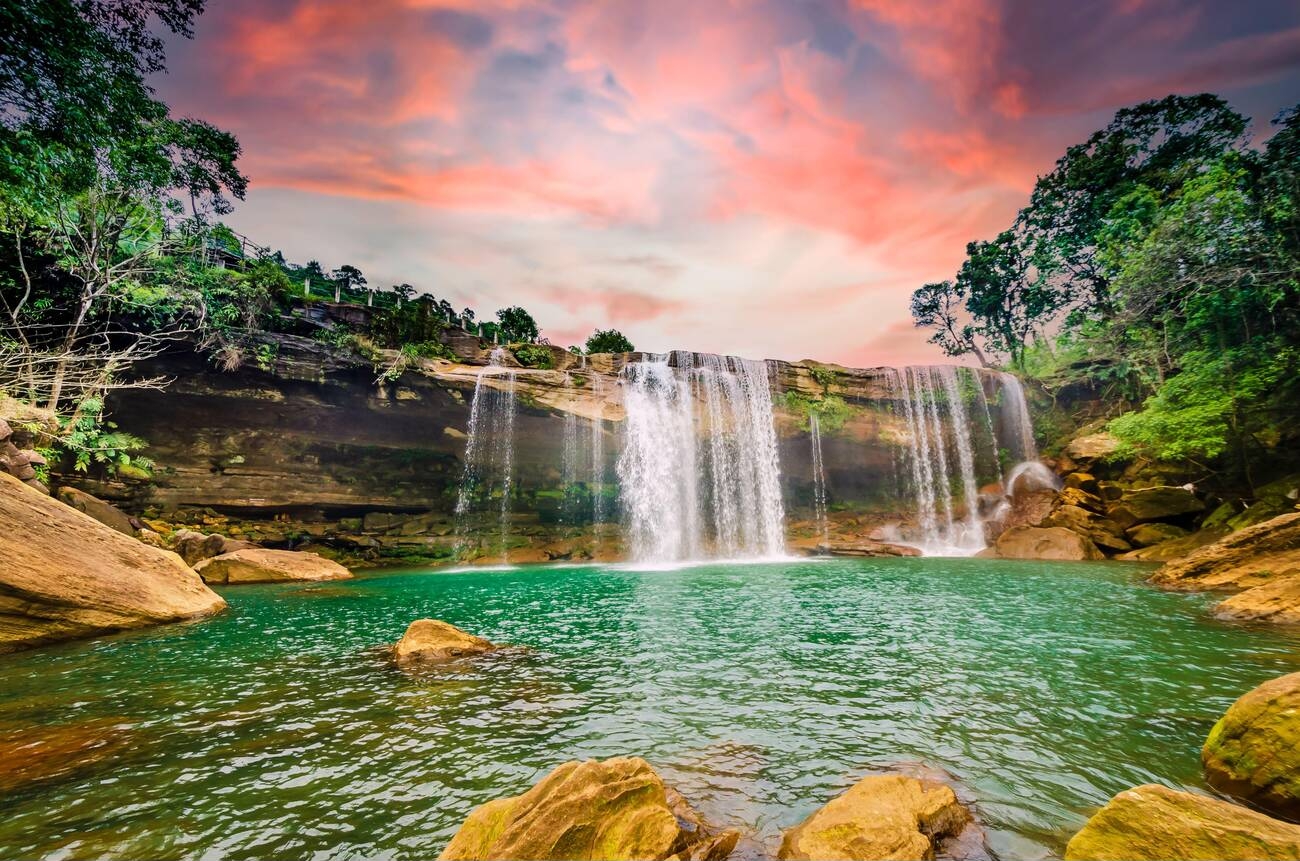
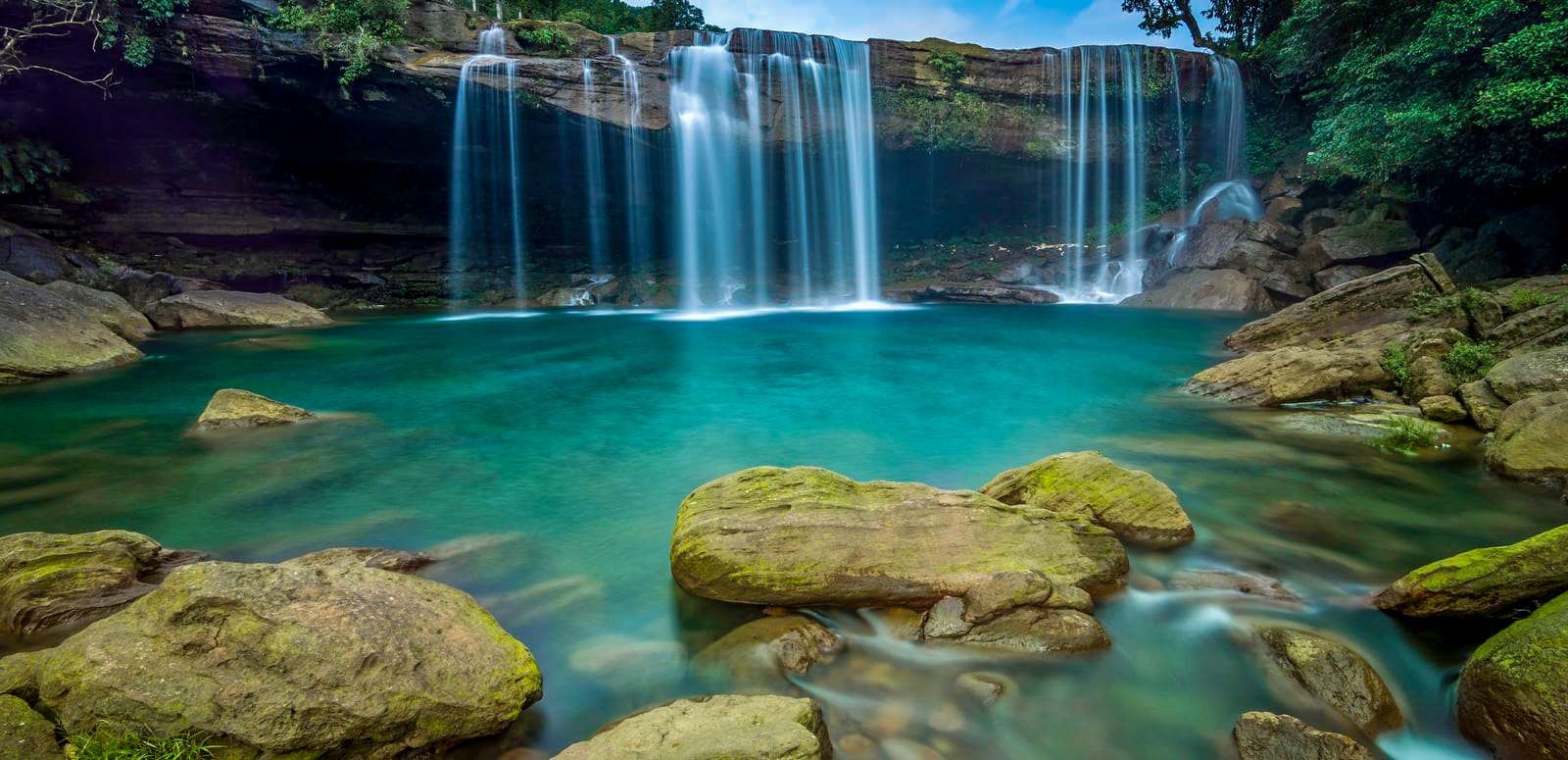
Krang Suri Falls Meghalaya: Entry, Swimming Zones & Route
Explore Krang Suri Falls in Meghalaya with this complete travel guide. Discover trek details, swimming opportunities, photography tips, and nearby attractions.
Never Miss an Adventure
Get the latest trekking guides, travel tips, and exclusive offers delivered straight to your inbox.
