
Nartiang Monoliths Meghalaya: History, Cultural Significance & Route

Rahul Garg
February 9, 2026
Explore Nartiang Monoliths, home to the world's tallest monoliths in Meghalaya. Discover history, how to reach & timings.
Nartiang Monoliths: World's Tallest Collection
Deep in the Jaintia Hills of Meghalaya, where rolling green mountains meet ancient cultural traditions, stands Nartiang - home to what is believed to be the world's tallest collection of monoliths. These massive stone structures, some reaching heights exceeding 27 feet, have stood for centuries as silent sentinels of Meghalaya's rich heritage. The Nartiang monoliths represent an extraordinary achievement in prehistoric engineering and hold deep cultural significance for the Jaintia people.
What makes Nartiang truly remarkable is not just individual monolith heights, but the sheer scale of the collection. While monolithic stone structures exist in various parts of the world, Nartiang's concentration of these massive upright stones is unparalleled. Standing among these ancient monuments, you can't help but marvel at the determination, technical skill, and cultural importance that drove their creation. For history enthusiasts, archaeology buffs, and travelers drawn to ancient mysteries, Nartiang offers an unforgettable journey into humanity's distant past.
The site, though not as widely known as Meghalaya's popular attractions like living root bridges or waterfalls, provides equally compelling experiences. The monoliths' mysterious origins continue to fascinate researchers and visitors alike. Located approximately 65 kilometers from Shillong, Nartiang is accessible yet maintains an offbeat, undiscovered feel that appeals to travelers seeking authentic cultural experiences.
History and Significance
Ancient Origins
The Nartiang monoliths date back to prehistoric times, though precise dating remains subject to scholarly debate. Estimates place their construction between 1500-500 BCE, making them over 2,500 years old. What's truly astonishing is that these massive stones, weighing many tons, were erected without modern technology, mechanical lifting, or detailed written records explaining the methods used.
The monoliths belong to the Khasi-Jaintia cultural tradition of erecting memorial stones. In Meghalaya's tribal societies, monoliths served various purposes - commemorating significant events, honoring important individuals, marking burial sites, or establishing territorial claims. The Nartiang collection's scale suggests it was a significant ceremonial or memorial site, possibly serving multiple communities or generations.
The Jaintia Kingdom Connection
Nartiang falls within the historical territory of the Jaintia Kingdom, one of Meghalaya's major traditional kingdoms that flourished before British colonization. The Jaintia rulers maintained control over this region from approximately 1500-1835 CE, and the monoliths likely predate even this kingdom, suggesting earlier cultural continuity in the area.
The Jaintia Kingdom was known for its sophisticated administrative systems, rich cultural traditions, and resistance to British expansion. Nartiang, with its impressive monoliths, may have been an important religious or ceremonial center within the kingdom. The site's survival through centuries of political changes, including British annexation, testifies to the deep cultural respect these monuments commanded, even as formal kingdoms transformed.
Cultural and Spiritual Importance
For the Jaintia people and broader Khasi communities of Meghalaya, monolithic stones hold profound spiritual significance. These aren't merely archaeological curiosities but living cultural heritage sites. Local communities maintain connections to these ancient monuments, and the site continues to be respected as sacred ground.
The monoliths likely memorialized significant individuals - perhaps kings, warriors, or religious figures of the era. The sheer effort required to transport and erect such massive stones suggests commemoration of people of immense importance. Today, the site serves as a tangible link to Meghalaya's prehistoric past, reminding visitors of the sophisticated cultures that thrived here millennia ago.
The Menhirs and Dolmens
Monolith Types and Characteristics
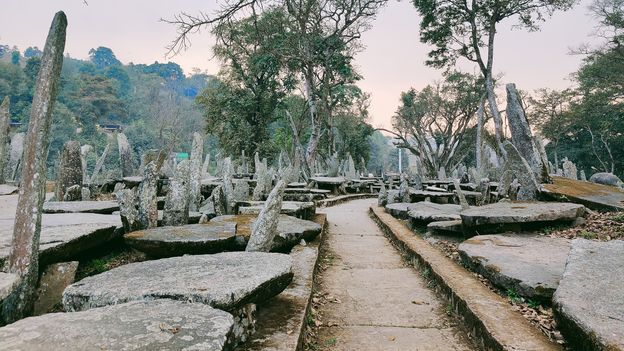
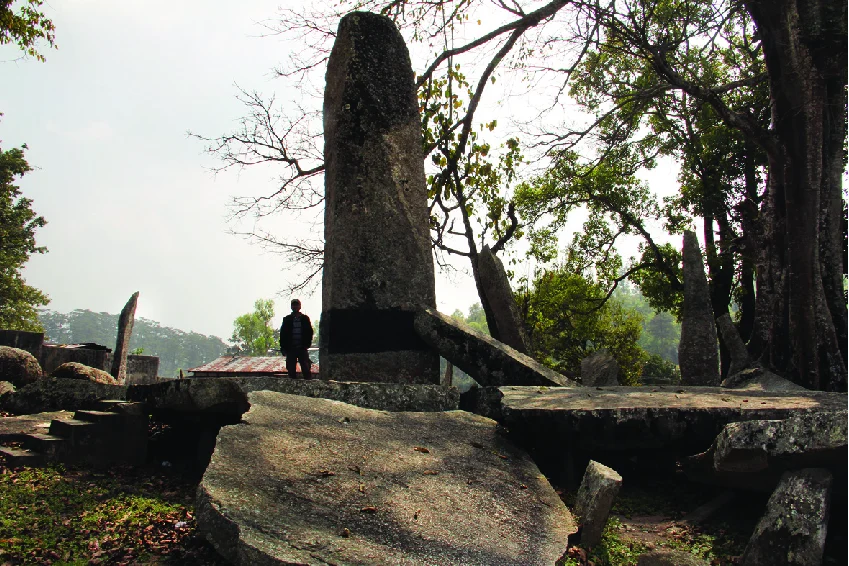
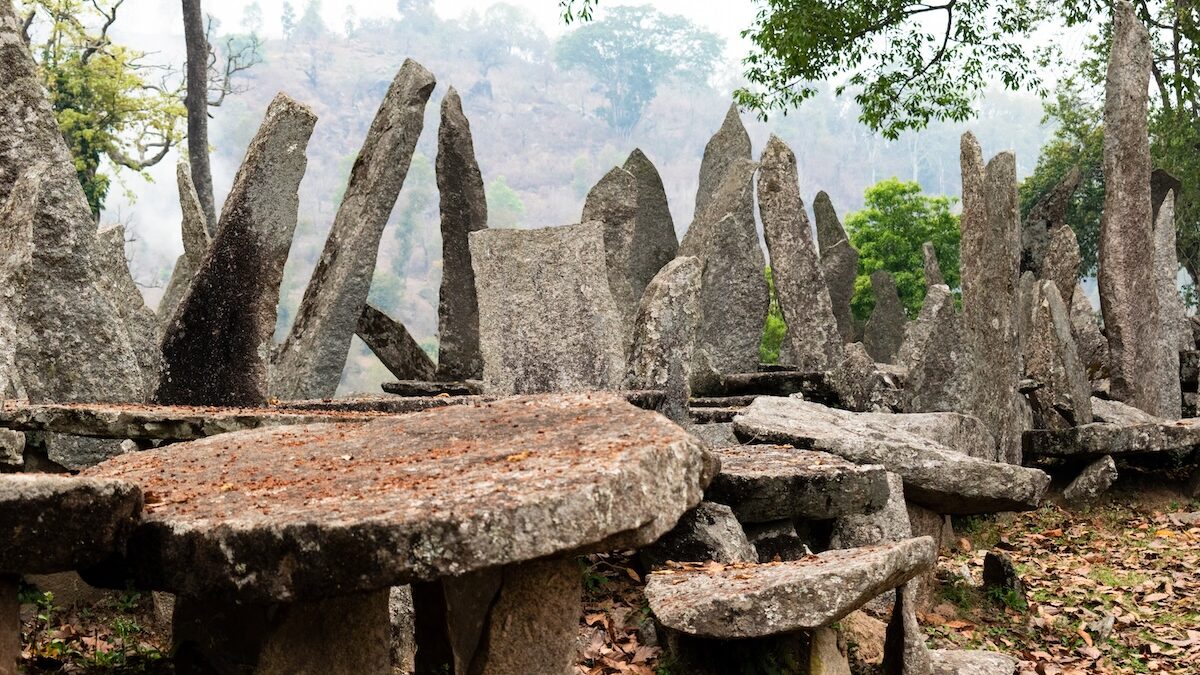
The Nartiang site features two main types of stone structures - menhirs (upright standing stones) and dolmens (table-like stone structures). The menhirs are the most dramatic, with several exceeding 8 meters (27 feet) in height, making them among the world's tallest individual monoliths. These massive stones were erected vertically, creating imposing silhouettes against the Meghalayan sky.
The dolmens at Nartiang are smaller but equally fascinating. These consist of large horizontal stones supported by vertical stones, creating table-like structures. Dolmens in various cultures are often associated with burial practices, and those at Nartiang likely served similar functions. The presence of both menhirs and dolmens at one site creates a comprehensive picture of ancient memorial practices in this region.
Construction Techniques
The most intriguing aspect of Nartiang monoliths is the question of how these massive stones were transported and erected. Individual stones weigh several tons, yet were moved significant distances from quarries using only human power and rudimentary tools available 2,500+ years ago.
Theories suggest that ancient builders used wooden rollers, levers, and likely organized labor forces to position stones. The final erection likely involved creating earth ramps, gradually raising the stones, then removing the earth to leave stones upright. The precision with which monoliths were aligned and positioned suggests sophisticated planning and engineering knowledge. These techniques represent remarkable achievements in prehistoric construction that continue to puzzle modern researchers.
Material and Quarrying
The monoliths were carved from sandstone formations characteristic of the Jaintia Hills region. The natural horizontal bedding of this sandstone allowed ancient quarrymen to extract blocks in suitable sizes. The stone's relatively consistent grain made it possible to work with using stone hammers, chisels, and fire-setting techniques available in prehistoric times.
Quarries likely existed at some distance from the monolith site, requiring transport of massive stones over challenging terrain. The fact that these stones not only survived transportation but also remain standing after 2,500+ years speaks to both the quality of sandstone and the skill with which they were selected and worked. The monoliths show minimal weathering despite centuries of exposure to Meghalaya's heavy monsoon rainfall.
The Nartiang Temple
Temple Complex
The Nartiang monoliths are situated within a temple complex that adds cultural and spiritual dimensions to the site. The temple, dedicated to local deities according to Jaintia traditions, represents continuity between the ancient monoliths and contemporary religious practices. This connection suggests the monoliths weren't abandoned but remained integrated into community spiritual life.
The temple complex features traditional Khasi-Jaintia architectural elements with thatched roofs, wooden pillars, and stone foundations. The temple's design reflects Meghalaya's response to the region's heavy rainfall and need for structures that can withstand monsoon conditions. Within the temple, visitors can observe religious practices, rituals, and offerings that maintain the site's living cultural significance.
Ritual Practices
The Nartiang temple continues to host religious ceremonies and rituals that likely trace back to the monoliths' era. While specific practices vary by occasion, the temple serves as a space where communities connect with their ancestors and seek blessings. Rituals might include offerings, prayers, and ceremonies maintaining the monoliths' spiritual importance.
Visitors should approach the temple with respect. Photography during active religious ceremonies may be restricted. Remove shoes before entering temple interiors. Observe and participate respectfully if invited to witness rituals. The temple clergy or elders are often knowledgeable about the monoliths' history and local traditions - engaging respectfully can enhance understanding of this complex site.
Cultural Importance
Living Heritage
Unlike many archaeological sites that are purely historical, Nartiang represents living heritage. The monoliths aren't preserved in museums or roped off from communities but remain integrated into local life. This integration means the site continues to evolve with contemporary needs while maintaining ancient core significance.
Local communities play crucial roles in preserving Nartiang. Elders transmit knowledge about the monoliths' history, significance, and associated rituals to younger generations. The site continues to be used for ceremonies, festivals, and community gatherings. This living heritage status makes Nartiang particularly special - you're not just viewing ancient stones but experiencing a cultural continuum spanning millennia.
Festivals and Celebrations
Various festivals throughout the year see increased activity at Nartiang. While specific celebrations vary by local traditions, periods like agricultural festivals, religious observances, or community gatherings likely see the temple complex hosting special ceremonies. These times offer opportunities for visitors to witness living cultural practices connected to the ancient monoliths.
Festival celebrations might include traditional music, dance, food offerings, and rituals honoring ancestors. The monoliths serve as focal points during these events, reinforcing their ongoing significance. Planning visits during festival periods provides insights into how ancient heritage integrates with contemporary Meghalayan culture.
Conservation and Preservation
Nartiang faces conservation challenges common to living heritage sites. Balancing preservation needs with ongoing religious and community use requires careful approaches. The Archaeological Survey of India and Meghalaya's heritage authorities work to protect the monoliths while respecting local cultural practices.
Visitors contribute to conservation by respecting the site. Don't climb on monoliths, remove stones, or deface surfaces. Avoid touching or leaning on ancient structures, as natural oils from hands can accelerate stone weathering. Photography is encouraged but use discretion during religious activities. Support local preservation efforts by purchasing from community artisans or contributing to site maintenance if mechanisms exist.
Best Time to Visit
Winter (November-February) - Best Season
Winter offers the most comfortable conditions for visiting Nartiang. Temperatures range from 10-20°C during day, pleasant for exploring and walking around the site. The clear winter skies provide excellent visibility for photography and appreciating the monoliths against blue sky backdrops.
This is the driest season, making outdoor exploration comfortable without monsoon challenges. The winter landscape, with different vegetation patterns and possibly some mist on mornings, creates atmospheric conditions. This is the peak tourism season in Meghalaya, so expect more visitors but also better facilities and easier transport.
Spring (March-April) - Blossom Season
Spring transforms Meghalaya with cherry blossoms and other flowering trees. Nartiang's surroundings take on beautiful colors as orchards bloom, creating stunning contrasts with the ancient stone monoliths. Temperatures remain comfortable (15-25°C), making exploration pleasant.
This is an excellent time for photography, with flowering trees adding vibrant colors to compositions. The moderate tourist levels mean you'll likely have the site more to yourself compared to peak winter season. Spring also sees cultural activities associated with agricultural cycles, potentially offering chances to witness local traditions.
Monsoon (May-October)
Monsoon, Meghalaya's defining season, brings heavy rainfall that can challenge travel and exploration. Temperatures remain moderate (20-25°C), but persistent rain and reduced visibility can complicate visits. Roads become muddy and potentially treacherous.
However, monsoon also offers unique atmospheric conditions. The monoliths take on dramatic appearances against stormy skies and mist-laden landscapes. The region turns lush green, creating beautiful backgrounds. If visiting during monsoon, plan for delays, carry rain gear, and prioritize safety over extensive exploration. This is the least recommended season for casual visitors but can appeal to adventurous travelers.
| Season | Temperature | Visibility | Best For |
|---|---|---|---|
| Winter (Nov-Feb) | 10-20°C | Clear, excellent | Exploration, photography |
| Spring (Mar-Apr) | 15-25°C | Good, occasional mist | Blossom landscapes, fewer crowds |
| Monsoon (May-Oct) | 20-25°C | Poor, rain-obscured | Adventurous, atmospheric |
How to Reach from Shillong
Distance and Route
Nartiang is located approximately 65 kilometers from Shillong, the capital of Meghalaya. The journey takes 2-2.5 hours by road through scenic Jaintia Hills countryside. The route passes through several small towns, offering glimpses into rural Meghalayan life.
The most common route is via National Highway 6 and connecting state roads. The roads are generally in good condition, though some sections are winding and narrow as they traverse mountainous terrain. The drive itself is scenic, with views of rolling green hills, traditional villages, and terraced fields characteristic of Meghalaya's landscapes.
By Private Vehicle
Driving from Shillong offers the most flexibility for your Nartiang visit. Hiring a taxi or using your own vehicle allows stopping at viewpoints along the route and controlling your departure time. Private vehicles are particularly useful if visiting during monsoon when public transport may be less reliable.
The route requires careful driving on mountainous roads. Allow extra time beyond the 2-hour estimate for stops, slower sections, or potential traffic. Parking is available near the monolith site. If driving yourself, ensure your vehicle is in good condition for mountain driving - the route includes some elevation changes and winding sections.
By Public Transport
Public transport options from Shillong to Nartiang include shared taxis and potentially buses. Shared taxis are the most common option - these depart when full from designated points in Shillong. The journey takes approximately 2-2.5 hours, with some stops along the way to drop and pick up passengers.
Buses may operate on this route, but services are less frequent than shared taxis. Check current bus schedules at Shillong's transport hubs. Public transport is more economical than private vehicles but less flexible regarding departure times. Arriving early in the day increases chances of securing transport back to Shillong.
Guided Tours
Several tour operators in Shillong offer guided tours to Nartiang, sometimes combined with other Jaintia Hills attractions. These tours include transportation, guide services, and potentially meals. For visitors without their own transport or preferring organized experiences, guided tours are convenient.
Guides add value by providing historical context, explaining monolith significance, and facilitating interactions with local communities. Some tours might include visits to nearby attractions in the Jaintia Hills. Book tours in advance, especially during peak tourist seasons. While independent travel offers more flexibility, guided tours ensure you won't miss important aspects of the site.
Nearby Attractions
Jaintia Hills Exploration
Nartiang is located in the Jaintia Hills, a region of Meghalaya with its distinct cultural identity and numerous attractions. The area offers opportunities to explore Jaintia heritage beyond the monoliths. Traditional Khasi-Jaintia villages, with their distinctive architecture and living traditions, are worth visiting.
The Jaintia Hills landscape of rolling green mountains, caves, and waterfalls provides additional exploration. Several caves in the region show archaeological evidence of ancient habitation. Waterfalls, particularly spectacular during monsoon when rainfall maximizes their flow, add natural beauty to cultural exploration. Consider extending your visit to discover more of Jaintia Hills' offerings.
Shillong and Surroundings
While Nartiang offers offbeat experiences, Shillong itself has numerous attractions that complement a Meghalaya trip. Shillong, known as the Scotland of the East, features living root bridges, waterfalls, and markets selling local handicrafts. The city serves as a good base for exploring broader Meghalaya.
Attractions in and around Shillong include Mawsynram (famous for living root bridges), Cherrapunji (Asia's cleanest village), and Umiam Lake. Combining Nartiang's ancient heritage with Shillong's natural wonders and cultural sites provides a comprehensive Meghalaya experience. Shillong also has better accommodation options and transport connectivity for multi-day explorations.
Visitor Tips
Planning Your Visit
Plan for 2-3 hours at the Nartiang monoliths site. This allows time to explore the collection thoroughly, visit the temple, and absorb the atmosphere without rushing. The site is relatively compact but rewards careful observation - each monolith has distinct characteristics worth examining individually.
Wear comfortable walking shoes as you'll be moving over uneven ground. The Jaintia Hills region can have muddy paths, especially during monsoon. Carry a light rain jacket or umbrella as Meghalaya's weather is unpredictable. A camera is essential - the monoliths offer excellent photography opportunities, particularly during clear winter light.
Responsible Visitation
Nartiang is a living cultural site, not just an archaeological attraction. Respect the ongoing religious and community functions of the temple. Don't interrupt ceremonies or rituals taking place. Maintain appropriate behavior in temple areas - remove shoes before entering, dress modestly, and speak respectfully.
Support the local community by purchasing traditional handicrafts or snacks from nearby vendors. The monoliths are heritage sites that deserve preservation - your respectful behavior contributes to their longevity. Engage with local people if they're open to conversation - learn about their perspectives on the monoliths and their significance in contemporary Jaintia culture.
What to Bring
Carry essentials for comfortable exploration. Water and snacks are advisable as the site lacks facilities beyond the temple. Insect repellent is useful, especially in monsoon when mosquitoes proliferate. A hat and sunscreen provide protection during sunny winter and spring days.
Bring small denominations of cash for offerings if you wish to participate in temple rituals. A notepad and camera help document the experience. If visiting during monsoon, waterproof bags for electronics and additional dry clothes are essential. Most importantly, bring curiosity and respect for Meghalaya's rich cultural heritage embodied in these remarkable ancient stones.
Conclusion
Nartiang monoliths represent one of Meghalaya's most fascinating and underappreciated attractions. These ancient stone structures, standing for over 2,500 years, are testaments to prehistoric engineering skills, cultural sophistication, and the enduring power of memorial traditions. As the world's tallest collection of monoliths, Nartiang deserves recognition alongside more famous archaeological sites globally.
For visitors, Nartiang offers something rare - the opportunity to stand among ancient monuments that have witnessed millennia of human history while observing living cultural practices that maintain their relevance today. The site bridges prehistoric and contemporary, showing how heritage can evolve while preserving core significance. Whether you're an archaeology enthusiast, cultural traveler, or simply someone awed by human achievement, Nartiang delivers an experience that resonates deeply.
Extend your Meghalaya exploration by visiting best time to visit Meghalaya, discover more experiences in monsoon, explore Shillong and surroundings, or consult a full Meghalaya travel guide for a complete Meghalayan journey.
Location
Frequently Asked Questions
Q1.What are the Nartiang Monoliths?
Q2.Where are Nartiang Monoliths located?
Q3.How tall is the largest monolith at Nartiang?
Q4.Who built the Nartiang Monoliths?
Q5.What is the significance of these monoliths?
Q6.How old are the Nartiang Monoliths?
Q7.How much time to spend at Nartiang?
Q8.Is there an entry fee for Nartiang Monoliths?
Q9.Can we take photos at the site?
Q10.Are there guides available at Nartiang?
Q11.How to reach Nartiang village?
Recommended For You
Meghalaya Hill Stations: Top 7 Places To Visit
Explore 7 spectacular hill stations in Meghalaya including Shillong, Cherrapunji, Mawsynram, Tura, Jowai, Mawlynnong, and Baghmara. Complete travel guide with attractions, best time to visit, stay options, and practical tips.
Balancing Rock Meghalaya: Geological Wonder, Location & Visit Tips
Discover Balancing Rock Meghalaya, a geological marvel defying gravity. Explore trek access, best time to visit, photography tips, and cultural significance of this natural wonder in East Khasi Hills.
Balpakram National Park Meghalaya: Wildlife Planner
Plan Balpakram National Park Meghalaya with practical wildlife, route, and season guidance for responsible offbeat travel.
Never Miss an Adventure
Get the latest trekking guides, travel tips, and exclusive offers delivered straight to your inbox.
