
Things to Do in Jowai: Waterfalls, Monoliths & Cultural Spots
Rohit Verma
February 20, 2026
Explore Jowai, Meghalaya's hidden paradise! Discover Krang Suri Waterfalls, Myntdu River, Nartiang Monoliths, caves & pristine nature in this offbeat travel guide.
Introduction: Meghalaya's Best Kept Secret
Nestled in the West Jaintia Hills district of Meghalaya, Jowai is a picturesque town that remains surprisingly untouched by mass tourism. While Shillong and Cherrapunji draw most visitors to Meghalaya, Jowai offers an equally mesmerizing experience without the crowds - a land where crystal-clear rivers flow through dramatic gorges, where ancient living root bridges span across rushing streams, and where limestone caves hide secrets from millennia past.
Jowai (also spelled Jowai) serves as the headquarters of the West Jaintia Hills district and is home to the Jaintia tribe, one of Meghalaya's three major indigenous communities. The town sits at an altitude of 1,380 meters above sea level, surrounded by rolling hills, lush valleys, and some of Northeast India's most spectacular natural formations.
What makes Jowai special is its incredible diversity of attractions within a small radius - from the legendary Krang Suri waterfalls that glow golden in sunlight to the mysterious Lalong Park with its sacred groves, from the serene Myntdu river to the ancient monoliths at Nartiang. Whether you're a nature lover, adventure enthusiast, culture seeker, or someone simply looking to escape into pristine landscapes, Jowai promises an unforgettable journey.
Best Time to Visit Jowai
Winter (October - March): The ideal time to visit Jowai is during the winter months when temperatures range between 10°C to 25°C. The weather is pleasant, skies are clear, and it's perfect for sightseeing and outdoor activities. This is also the best time for waterfall visits as water levels are manageable and the views are spectacular.
Summer (April - June): Summer months are pleasant with temperatures ranging from 15°C to 28°C. While it can get warm during midday, mornings and evenings are comfortable. This is a good time for trekking and cave exploration.
Monsosoon (July - September): Jowai receives heavy rainfall during monsoon. While the waterfalls are at their most spectacular during this time, road conditions can be challenging, and many activities may be disrupted. Only visit during monsoon if you enjoy rain and don't mind travel disruptions.
Top Attractions in Jowai
Krang Suri Waterfalls
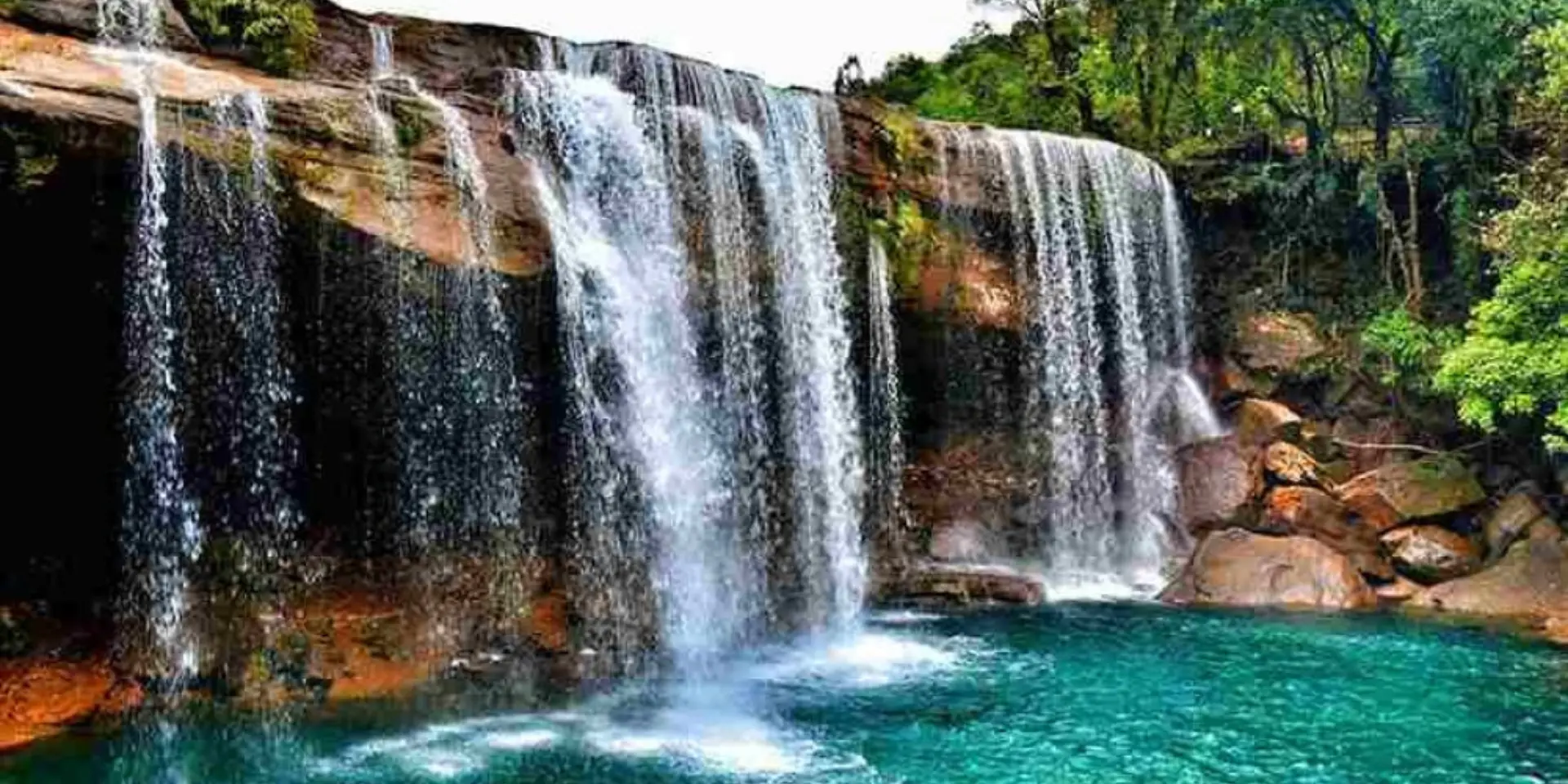
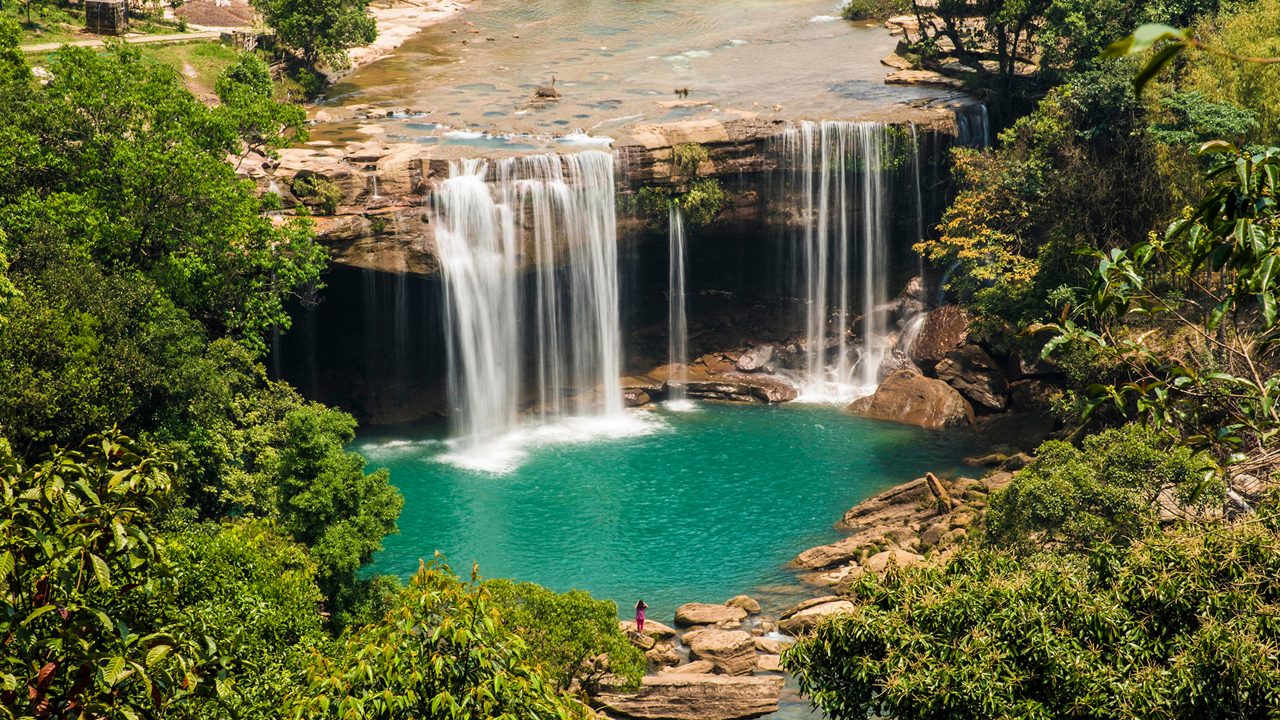
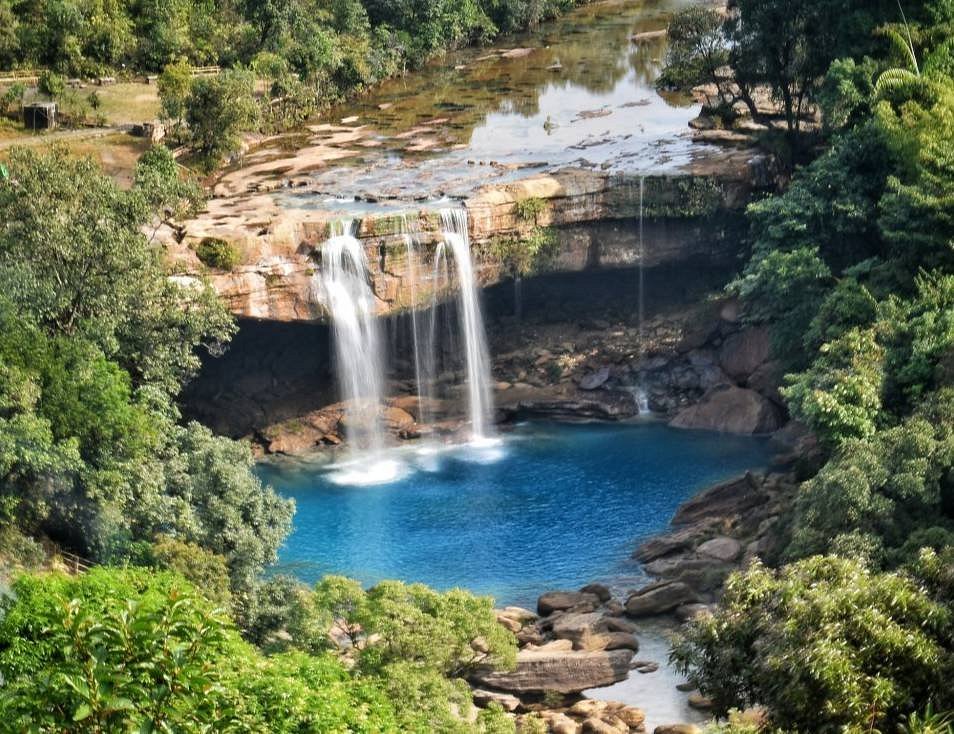
Krang Suri is undoubtedly Jowai's crown jewel and one of Meghalaya's most stunning waterfalls. What makes Krang Suri special is the way sunlight interacts with the cascading water - on clear days, the waterfall appears to glow with a golden hue, creating a magical spectacle that leaves visitors spellbound.
The Experience: The waterfall cascades down in multiple tiers, creating a pool at the base that's perfect for swimming. The water is crystal clear and refreshingly cold. Surrounded by dense forests and rocky cliffs, the setting is straight out of a dream.
Activities:
- Swimming: The natural pool at the base is safe for swimming. Life jackets are available for rent.
- Photography: The golden glow phenomenon makes for incredible photographs. Visit between 10 AM and 2 PM for the best light.
- Picnicking: There are designated areas for picnics near the falls.
- Trekking: A short trek through the forest leads to different viewing points.
Timing: Open from 8:00 AM to 5:00 PM
Entry Fee: Nominal entry fee
Best Time: Morning or early afternoon for the golden glow effect
Myntdu River
The Myntdu River, often called the "mother of Jowai," flows through the town and is central to both the landscape and local culture. This river isn't just a water body - it's considered sacred by the Jaintia people and features prominently in their folklore and traditions.
Myntdu River Gorge: The river has carved a spectacular gorge through the limestone hills, creating dramatic cliffs and rock formations. A viewpoint offers panoramic views of the river winding through the valley below.
Activities:
- Boating: Local operators offer boat rides, providing a unique perspective of the gorge and surrounding hills.
- Fishing: Fishing is permitted in certain areas with proper permissions.
- Riverside Walks: Several walking trails follow the river, perfect for nature walks and birdwatching.
Thlu Muwi Waterfall: Located along the Myntdu River, this is another beautiful waterfall accessible via a scenic drive and short trek. The waterfall is particularly stunning during monsoon when it's in full flow.
Lalong Park
Lalong Park is one of Jowai's most unique attractions, combining natural beauty with cultural significance. The park features a sacred grove - a forest patch that has been protected by the local community for generations due to its religious importance.
Sacred Grove: The sacred grove is home to numerous plant species, many with medicinal properties. These groves are important to the indigenous religion of the Jaintia people and represent a beautiful example of traditional conservation practices.
Features:
- Picnic Spots: Well-maintained picnic areas with stunning views of the surrounding countryside.
- Nature Trails: Walking trails through the park, perfect for birdwatching and nature photography.
- Viewpoint: A viewpoint offers panoramic views of the Myntdu river and the Pynthor Wah (a tributary) confluence.
Best For: Nature lovers, families, picnics, and those interested in indigenous conservation practices.
Nartiang Monoliths
Located about 24 kilometers from Jowai, Nartiang is home to one of Northeast India's most fascinating archaeological sites - a collection of ancient monoliths that stand as silent sentinels of a forgotten era.
The Monoliths: The Nartiang monoliths are believed to be associated with the Jaintia kings and represent a memorial tradition. Some monoliths commemorate victory in battle, while others mark the burial sites of important figures. The collection includes both menhirs (upright stones) and dolmens (table-like structures).
Significance: This is one of the largest collections of monoliths in all of South Asia, with some stones standing over 8 meters tall. The site offers fascinating insights into the megalithic culture of the Khasi-Jaintia people.
Nartiang Durga Temple: Also in Nartiang is a 500-year-old Durga temple, built by a Jaintia king who converted to Hinduism. The temple combines Hindu religious practices with local indigenous traditions.
Best Time to Visit: Winter months when the weather is pleasant for exploring the site.
Syntu Ksiar
Syntu Ksiar, meaning "the golden flower," is a beautiful spot on the banks of the Myntdu River. This area holds great historical significance as it was the site of the Jaintia kingdom's final stand against British colonial forces.
Historical Significance: In 1862, the Jaintia rebels made their last stand here against the British. The site commemorates this important event in the region's history and resistance to colonial rule.
What to See:
- Memorial: A memorial commemorates the brave warriors who fought for independence.
- River Views: Beautiful views of the Myntdu River from the memorial site.
- Gardens: Well-maintained gardens make this a pleasant spot for relaxation.
Umhang Lake
Located about 15 kilometers from Jowai, Umhang Lake is a sacred lake surrounded by dense forests. The lake is considered holy by the local people and is associated with several legends and folklore.
Legend: According to local belief, the lake is home to a giant eel spirit. Fish are not caught in this lake out of respect for the resident spirits.
Activities:
- Nature Walks: The surrounding forest is perfect for peaceful nature walks.
- Birdwatching: The area around the lake attracts numerous bird species.
- Picnicking: The serene surroundings make it an ideal picnic spot.
Tyrchi Falls
Located on the outskirts of Jowai, Tyrchi Falls is a beautiful waterfall that's easily accessible and less crowded than Krang Suri. The falls cascade down in multiple tiers, creating a picturesque setting that's perfect for photography.
Best Time: Post-monsoon (October-November) when the falls are full but the weather is pleasant.
Jowai Presbyterian Church
This beautiful church, built during the colonial era, is one of Jowai's most prominent landmarks. The church's architecture is a blend of colonial and local styles, and it's played an important role in the region's history.
Sunday Services: If you're visiting on a Sunday, attending a service can be a fascinating cultural experience. The choir singing is particularly beautiful.
Khliehriat
Located about 30 kilometers from Jowai, Khliehriat is famous for its coal mines and is the gateway to some of Meghalaya's most spectacular limestone caves. The region around Khliehriat is dotted with caves that attract spelunking enthusiasts from around the world.
Adventure Activities in Jowai
Caving and Spelunking
West Jaintia Hills is a paradise for cave explorers. The limestone karst formations have created numerous caves, many of which remain unexplored or only partially explored.
Notable Caves:
- Krem Liat Prah: One of the longest cave systems in South Asia
- Krem Um-lawan: Known for its impressive formations
- Krem Kotsati: Accessible cave with beautiful formations
Note: Always explore caves with a local guide and proper equipment. Many caves require technical skills and experience.
Trekking
The terrain around Jowai offers excellent trekking opportunities:
- River Trekking: Trek along the Myntdu River for beautiful gorge views
- Hill Trekking: Several hills around Jowai offer great viewpoints
- Village Walks: Walk through traditional Jaintia villages to experience rural life
Angling
Myntdu River and its tributaries offer angling opportunities. The rivers are home to various fish species including the golden mahseer. Fishing permits can be obtained from local authorities.
Cultural Experiences
Jaintia Culture
The Jaintia people have a rich and distinct culture that's different from their Khasi and Garo neighbors in Meghalaya. Their traditional religion, Niamtre, emphasizes respect for nature and ancestors.
Festivals:
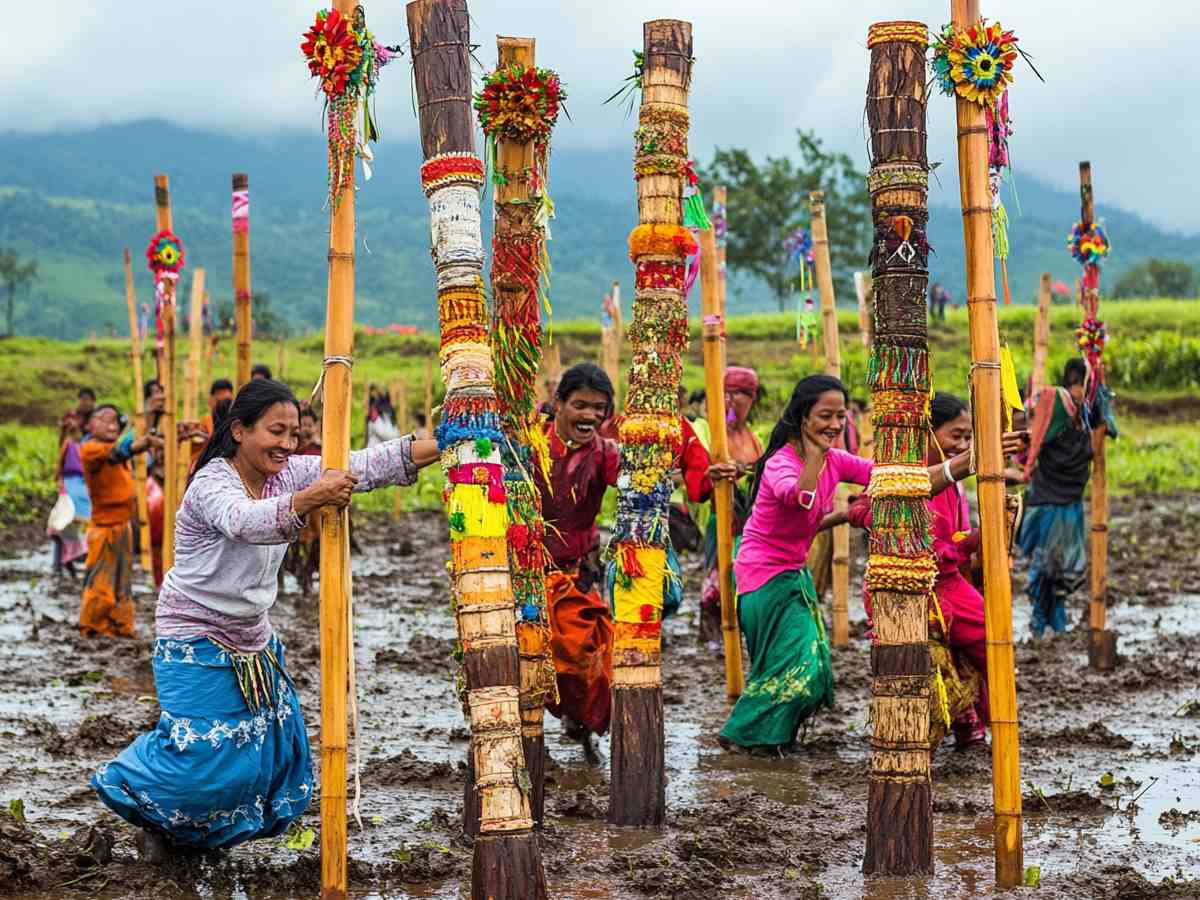
- Behdeinkhlam: The most important Jaintia festival, celebrated in July. It's a colorful festival with elaborate rituals, dances, and processions.
- Laho Dance: Performed during the Behdeinkhlam festival, this traditional dance is a must-see if you're visiting during the festival.
Traditional Handicrafts
Jowai is known for its traditional handicrafts, particularly:
- Bamboo Craft: Baskets, mats, and decorative items made from bamboo
- Traditional Jewelry: Unique silver jewelry designs
- Handwoven Textiles: Traditional shawls and fabrics
Local Cuisine
Jaintia cuisine is unique and worth exploring:
- Jadoh: Rice cooked with meat and spices
- Dohneiiong: Pork cooked with black sesame seeds
- Tungrymbai: Fermented soybean curry
- Pumaloi: Steamed rice cake
Where to Stay in Jowai
Homestays: The best accommodation option in Jowai is staying in a local homestay. This gives you an authentic experience of Jaintia hospitality and culture. Several families in and around Jowai offer comfortable homestay options.
Guest Houses: There are a few guest houses and small hotels in Jowai town. Basic but clean accommodation is available.
Government Accommodation: The Meghalaya Tourism Department runs some guest houses in the area. Book in advance, especially during peak season.
How to Reach Jowai
By Road
From Shillong: Jowai is about 60 km from Shillong, a 2-hour drive via National Highway 6. Taxis and shared cabs are available from Shillong.
From Guwahati: Jowai is about 150 km from Guwahati, approximately 4-5 hours by road. You can hire a taxi from Guwahati airport or railway station.
By Air
The nearest airport is Lokpriya Gopinath Bordoloi International Airport in Guwahati (150 km). From Guwahati, hire a taxi or take a bus to Jowai.
By Rail
The nearest major railway station is Guwahati (150 km). From there, proceed by road to Jowai.
Suggested Itineraries
Two-Day Jowai Itinerary
Day 1:
- Morning: Depart Shillong for Jowai
- Mid-morning: Visit Krang Suri Waterfalls
- Lunch: Local lunch near Krang Suri
- Afternoon: Visit Myntdu River Gorge viewpoint
- Late afternoon: Explore Lalong Park
- Evening: Check into homestay, dinner
Day 2:
- Morning: Visit Nartiang Monoliths and Durga Temple
- Mid-morning: Visit Syntu Ksiar
- Lunch: Lunch in Jowai town
- Afternoon: Visit Umhang Lake or Tyrchi Falls
- Evening: Return to Shillong
Three-Day Meghalaya Circuit (including Jowai)
- Day 1: Shillong to Cherrapunji
- Day 2: Cherrapunji to Jowai (via Mawlynnong)
- Day 3: Explore Jowai, return to Shillong
Travel Tips
- Respect Local Culture: Jowai is more traditional than Shillong. Dress modestly, especially when visiting religious sites.
- Cash: Carry sufficient cash. ATMs are limited and many establishments don't accept cards.
- Weather Preparedness: Meghalaya weather can be unpredictable. Always carry rain gear, even in winter.
- Local Guides: Hire local guides for treks, cave exploration, and cultural sites. They provide valuable insights and ensure safety.
- Connectivity: Mobile connectivity can be spotty. Inform family beforehand if you'll be out of touch.
- Sustainable Tourism: Respect the environment. Don't litter, especially near waterfalls and rivers.
- Photography Etiquette: Always ask before photographing people, especially during ceremonies or at sacred sites.
- Food: Try local cuisine but be cautious with spicy food if you're not used to it.
- Timing: Start early for sightseeing. Days are short in the Northeast, and you want to maximize daylight hours.
Why Visit Jowai?
While Meghalaya's more famous destinations draw crowds from across India and abroad, Jowai remains a peaceful sanctuary where you can experience the region's natural beauty without jostling with other tourists. The town offers a perfect blend of stunning waterfalls, sacred rivers, ancient monoliths, mysterious caves, and living culture.
Jowai is where you can witness the golden glow of Krang Suri at sunrise, stand in awe before millennia-old monoliths, trek through sacred forests where spirits are believed to reside, and experience the warmth of Jaintia hospitality. It's a destination that doesn't just show you Meghalaya's beauty - it lets you feel it, connect with it, and carry a piece of it in your heart forever.
So if you're looking to explore Meghalaya beyond the tourist trail, if you seek experiences that transform rather than just entertain, and if you believe the best journeys are those that lead to places less traveled - then Jowai is calling you.
Helpful Trekgo Links for Jowai and Meghalaya
To extend your plan, pair Jowai with Shillong waterfall ideas, scenic overviews in Meghalaya valleys, and logistics help from how to reach Meghalaya. This supports stronger multi-day planning beyond a quick stop.
Location
Frequently Asked Questions
Q1.What is the best time to visit Jowai?
Q2.How far is Jowai from Shillong and how do I reach?
Q3.What makes Krang Suri Waterfalls special?
Q4.Are there good accommodation options in Jowai?
Q5.What is special about Nartiang Monoliths?
Q6.Is Jowai suitable for adventure activities?
Q7.How many days are needed to explore Jowai?
Q8.What should I know about Jaintia culture before visiting?
Recommended For You
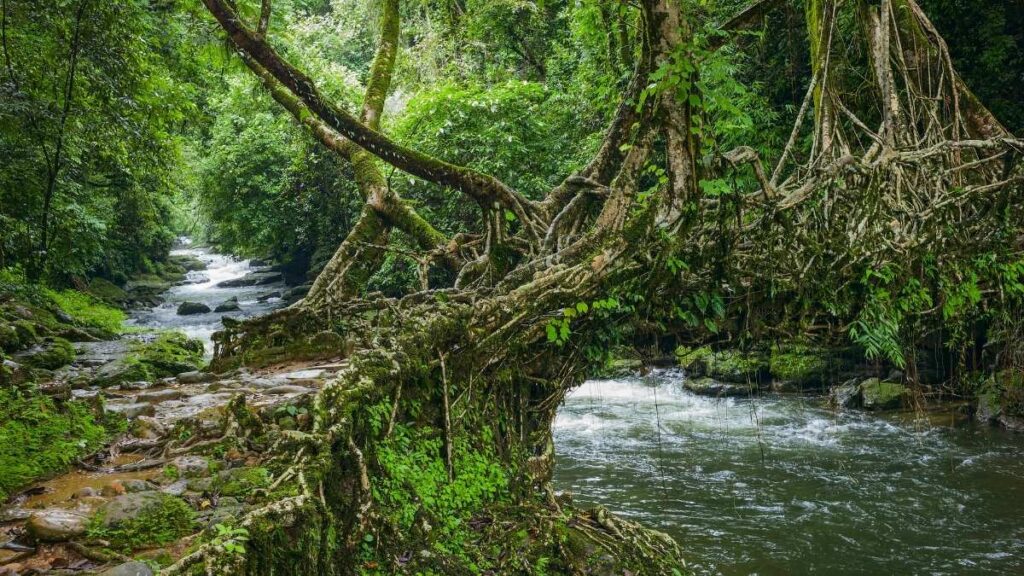
Living Root Bridges Meghalaya: Trek Routes, Villages & Local Tips
Discover Meghalaya's incredible living root bridges - nature's bioengineering marvel grown by the Khasi tribes. Complete trekking guide to the Double Decker Root Bridge in Nongriat, best time to visit, how to reach, difficulty level, and photography tips.
How to Reach Meghalaya: Flight, Train, Road & Entry Points
Complete guide on how to reach Meghalaya by flight, train & road. Routes from Guwahati, Kolkata, Delhi with timings, distances & travel tips.
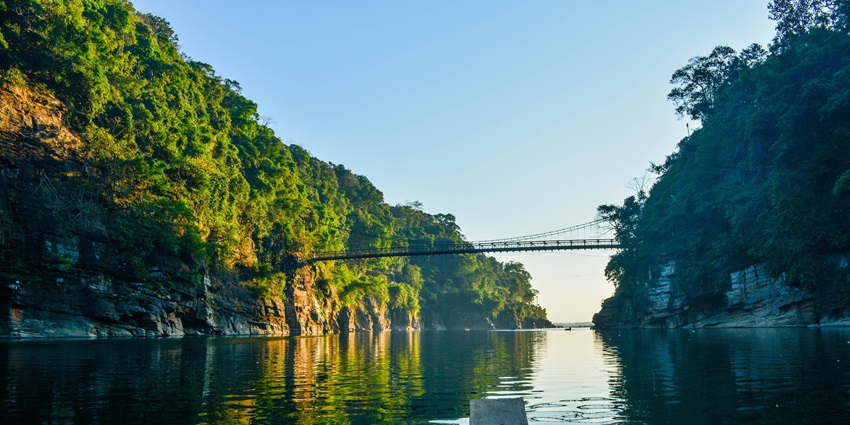
Best Places to Visit in Dawki: River Views, Camps & Border Points
Plan your Dawki trip with top places to visit, Umngot boating insights, Shnongpdeng activities, border viewpoints, seasonal tips, and practical travel logistics.
Never Miss an Adventure
Get the latest trekking guides, travel tips, and exclusive offers delivered straight to your inbox.
