

Thai Baht Rate in India: Exchange, Fees & Travel Tips

Ananya Sharma
December 29, 2025
Thai Baht to INR guide for India travelers with live-rate context, exchange options, ATM fee awareness, and practical money-saving tips for Thailand trips.
1. Introduction: Why THB Planning Matters for India Travelers
If you are planning Thailand from India, currency strategy can change your total trip cost more than most travelers expect. Small differences in Thai Baht to INR rates, ATM fees, airport markups, and card conversion settings can add up fast across hotels, transport, food, and activities. Many travelers focus on flight deals but ignore exchange timing, then lose money through poor conversion choices.
The good news is that THB planning is simple once you know the basics: monitor the live mid-market rate, compare bank and forex dealer spreads, avoid panic exchanges at airports, and split your spending between cash and card smartly. This guide is built for practical use, not complex finance theory.
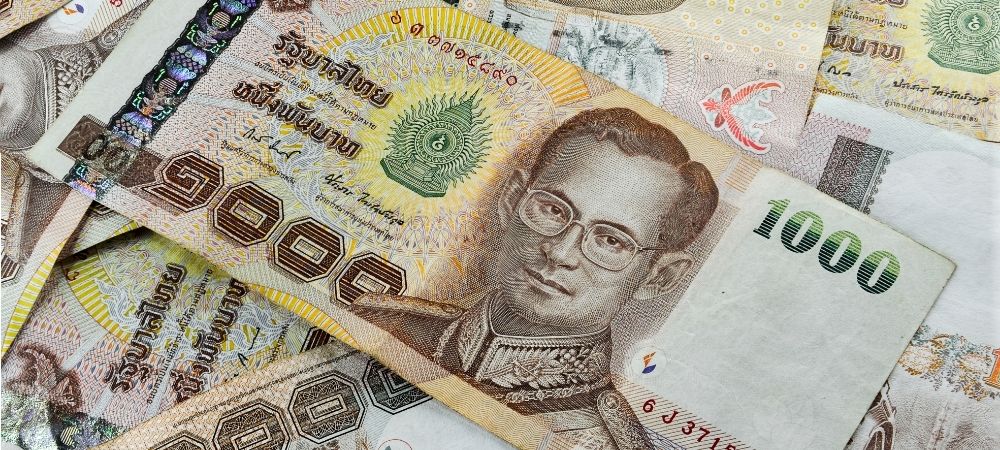
Reference point: As of February 21, 2026, publicly tracked mid-market references around THB/INR were near 1 THB = ₹2.9 (varies by source and time). Your final purchase rate in India can be higher due dealer margin and service charges.
2. Current Thai Baht to INR Rate and Trend Snapshot
The first thing to understand is the difference between mid-market rate and customer rate. Mid-market is the benchmark you see on currency trackers. Customer rate is what you actually get while buying cash, loading forex card, or exchanging at a counter. The spread between these two decides your real cost.
Recent public trackers in February 2026 showed THB/INR mostly in the upper ₹2.8 to ₹2.9+ range, with day-to-day movement. This means waiting for a major one-day swing is risky if your trip date is fixed. A better strategy is staged buying: buy a core amount early, then top up closer to departure when rates are acceptable.
| Rate Type | What It Means | Why It Matters |
|---|---|---|
| Mid-market THB/INR | Benchmark live interbank-style reference | Used for fair comparison between providers |
| Buy rate (you buy THB) | Actual customer quote from bank/dealer | This is your real travel cost |
| Sell rate (you sell THB) | Reverse conversion quote | Usually less favorable for leftover cash |
Always compare total payable INR, not just headline rate.
3. Where to Exchange Thai Baht in India
Indian travelers typically use four channels: banks, forex brands, online aggregators, and airport counters. Each has trade-offs in speed, documentation, and pricing.
Banks: trusted and regulated, but sometimes slower processing and less competitive cash quotes. Forex dealers/brands: often better same-day rates and faster execution, especially in metro cities. Online forex platforms: easy quote comparison and potential doorstep support in many cities. Airport counters: most convenient but commonly expensive, so use as backup only.
- Use banks if compliance comfort is your top priority.
- Use competitive dealers/platforms for better pricing on larger amounts.
- Use airports only for emergency starter cash.
If you are still building your route, combine this with Thailand cities to visit so your money plan matches your actual city split.
4. Exchange Comparison: Bank vs Dealer vs Airport
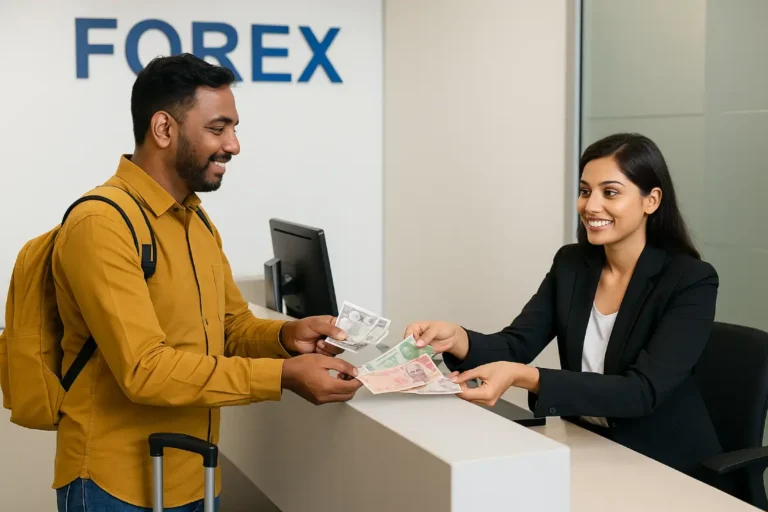
A realistic India-side difference between city forex counters and airport counters can be meaningful, especially on larger conversions. Even a small per-baht difference becomes noticeable once you convert for a week-long trip.
| Channel | Typical Pricing | Convenience | Best Use Case |
|---|---|---|---|
| Banks | Moderate spread | Medium | Regulated purchase with planned timeline |
| City forex dealers | Often better than banks/airport | High in metros | Best value for planned conversion |
| Online forex platforms | Competitive quotes possible | High | Quote comparison and pre-booking |
| Airport exchange | Usually highest markup | Very high | Emergency only |
For transparent comparison, ask each provider for: base quote, taxes/fees, and final INR payable for the same THB amount.
5. Best Time to Exchange THB Before Thailand Trip
Trying to perfectly time currency is hard. For most travelers, a phased strategy works better than waiting for the absolute best rate.
- Track THB/INR for 7 to 14 days before purchase.
- Exchange 50-70% once rate is acceptable for your budget.
- Keep remaining amount for a top-up closer to departure.
- Avoid doing 100% conversion at airport on travel day.
If your travel month is fixed, planning beats prediction. Delaying too long often creates rush decisions and worse rates.
6. How Much Thai Baht Should You Carry?
The ideal amount depends on trip style and card usage. Thailand is card-friendly in many hotels and large stores, but cash is still important for small vendors, local transport in some areas, night markets, and quick purchases.
| Traveler Style | Approx Daily Spend (THB) | Notes |
|---|---|---|
| Budget | 1,000-1,800 | Hostels/local food/public transport focus |
| Mid-range | 2,000-4,000 | Comfort hotels + tours + mixed dining |
| Premium | 5,000+ | Higher-end stays and paid experiences |
Practical split for many travelers: carry part cash and keep part on international card/forex card. Do not keep all cash in one wallet.
If you are planning shoulder season, this guide can help overall budgeting context: Thailand in September.
7. Cash vs Card in Thailand: What Works Better?
Both are useful. Use card for hotels, larger restaurants, and planned bookings. Use cash for local shopping, small eateries, street stalls, and taxi situations where card may be inconvenient.
Important card rule: when the machine asks pay in INR or THB, choose local currency (THB) in most cases to avoid poor dynamic currency conversion. Your issuing bank may still charge international transaction markup, so check your card terms before travel.
- Carry at least two payment methods (cash + card).
- Inform your bank before international travel if required.
- Enable international usage and set spend alerts.
- Keep photo copies of cards and passport separately.
8. ATM Withdrawals in Thailand: Fees and Strategy
Foreign card withdrawals in Thailand often include local ATM fees, and the fee can be significant depending on bank and machine. In many traveler reports and bank disclosures, a common foreign card fee level has been around 220 THB per withdrawal. Your home bank may also add separate charges.
Practical ATM strategy:
- Withdraw fewer times in sensible larger amounts instead of many small withdrawals.
- Decline dynamic conversion screens when possible and continue in THB.
- Use ATMs at bank branches where possible for better issue support.
- Keep emergency cash so you are never forced into bad-rate counters late night.
Exact fees vary by bank, card network, and policy updates, so verify current terms with your bank before departure.
9. Money-Saving Tips for THB Exchange
- Compare at least 3 live quotes before purchase.
- Check final landed rate, not only the advertised number.
- Avoid airport exchange for full trip amount.
- Keep exchange receipts for reconversion transparency.
- Use one wallet for daily spend and one secure reserve wallet.
- Convert leftovers in planned way instead of impulsive airport sell-back.
If Thailand is your first international trip, pair currency prep with route prep using India to Thailand travel planning. Better planning reduces both stress and spending leakage.
10. Sample Currency Plan by Trip Length
A sample plan helps convert abstract advice into usable numbers. These examples are not fixed prices, but practical frameworks you can adapt by your city mix and spending style. Assume you already prepaid major hotels and flights, so this on-ground budget covers food, local transport, activities, shopping, and contingency.
| Trip Length | Suggested THB Carry + Access | How to Split |
|---|---|---|
| 5 Days | 12,000-18,000 THB equivalent access | 60% pre-exchanged cash, 40% card/forex card |
| 7 Days | 18,000-28,000 THB equivalent access | 55% cash, 45% digital/card |
| 10 Days | 26,000-40,000 THB equivalent access | 50% cash, 50% card + emergency reserve |
If your itinerary includes island sectors or party-heavy nights, keep extra buffer for late transport, premium dining, or unexpected activity bookings. If you are mostly doing temple-city routes and local food, your spend can stay on the lower side of range.
A good execution method is three-wallet logic:
- Daily wallet: Only one-day planned spend + small emergency.
- Reserve wallet: Backup cash stored separately in hotel safe/luggage lock.
- Card layer: Enabled international card/forex card for larger payments.
This structure reduces both theft risk and overspending. Most losses happen when people carry full trip cash every night.
11. Common Currency Mistakes Indians Make in Thailand
- Exchanging full amount at Indian or Thai airport without comparing city rates.
- Ignoring total fee structure while focusing only on one attractive headline rate.
- Using card in INR conversion mode due confusing POS prompts.
- Taking many small ATM withdrawals and paying repeated fixed fees.
- Not keeping digital copies of exchange receipts and transaction alerts.
Another frequent mistake is not aligning currency with itinerary style. Someone doing Bangkok plus Phuket resorts can rely more on cards than someone doing night markets, ferries, and smaller local routes. Your payment mix should match where you are actually spending, not generic internet advice.
Keep one final rule: never finish your last big THB conversion right before airport departure. Leave enough for final transport and food, and plan leftover handling in advance.
12. Final Take
For Indian travelers, THB planning is less about guessing the perfect rate and more about avoiding avoidable costs. Track rates, split conversion, avoid panic airport exchange, and use card settings correctly. Do these few things right and your Thailand budget becomes far more predictable.
Review your rate plan again 48 hours before departure, keep emergency backup funds, and stay flexible on one-day market movement today instead of over-optimizing.
Location
Frequently Asked Questions
Q1.What is the current Thai Baht to INR rate?
Q2.Where can I get the best Thai Baht rate in India?
Q3.Should I exchange Thai Baht in India or in Thailand?
Q4.How much Thai Baht should I carry for a trip?
Q5.Is it better to use cards or cash in Thailand?
Q6.Are there ATM fees in Thailand for foreign cards?
Q7.How can I avoid high currency conversion fees?
Q8.Can I use Indian Rupees directly in Thailand?
Recommended For You
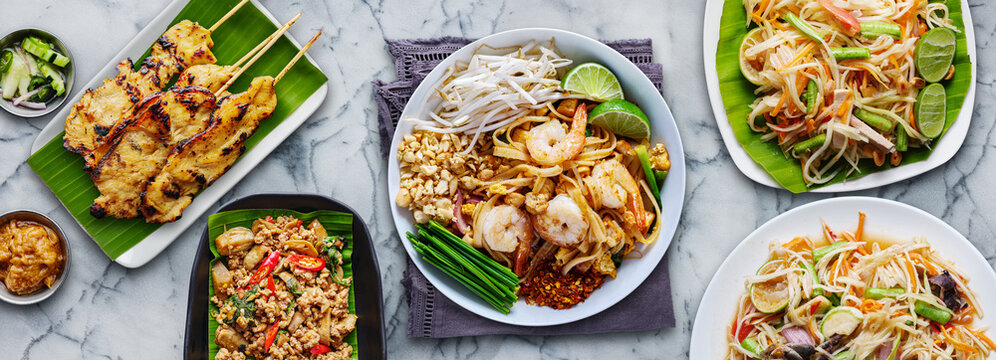
Best Food in Thailand: 20 Must-Try Dishes & Street Eats
Discover the best food in Thailand. From Pad Thai to Tom Yum Goong. A complete guide to Thai street food, curries, and local delicacies for every foodie.
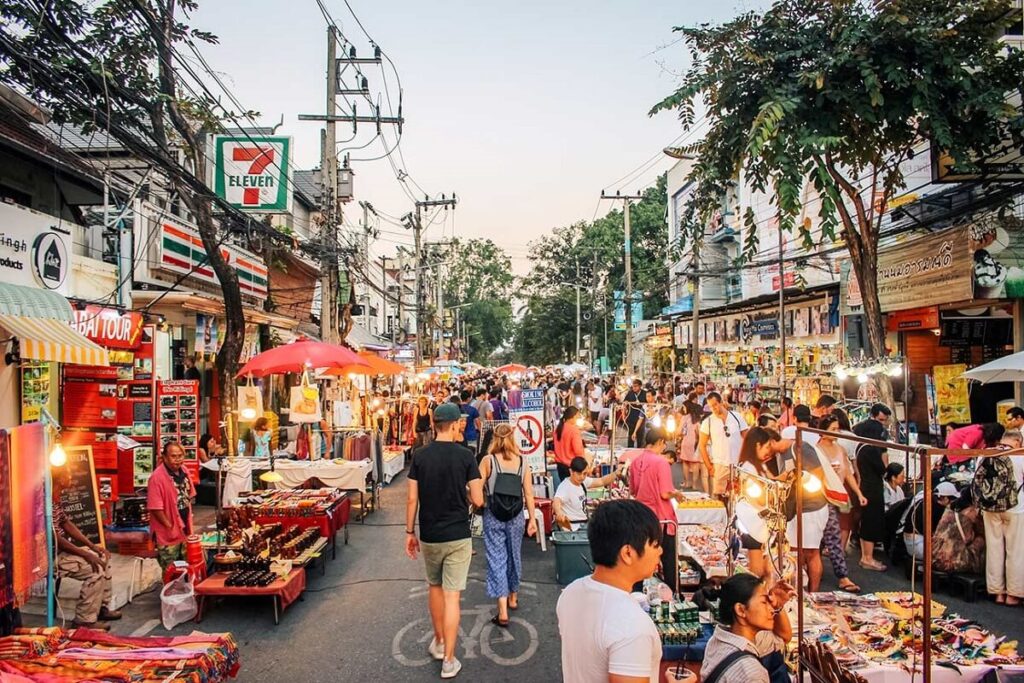
Shopping in Thailand: Bangkok Markets, Night Bazaars & Mall Deals
Discover best shopping in Thailand. From Bangkok malls to floating markets, explore Thai silk, handicrafts & bargaining tips.

Thailand in September: Weather, Places & Tips
Is September good for Thailand? Weather guide, best places to visit, monsoon tips & why it's an ideal travel month.
Never Miss an Adventure
Get the latest trekking guides, travel tips, and exclusive offers delivered straight to your inbox.
