
Things to Do in Pushkar: Ghats, Cafes, Desert Activities & Markets

Rahul Garg
February 20, 2026
Explore top things to do in Pushkar with temple, lake, market, and cafe plans plus practical tips for a smooth Rajasthan trip.
Introduction
Pushkar is one of Rajasthan's most distinctive destinations because it combines pilgrimage significance with relaxed traveler culture. The town is compact, walkable, and layered with sacred sites, ghat rituals, market streets, and rooftop cafes. If planned well, things to do in Pushkar can fit into one or two days without feeling rushed. The key is balancing spiritual spaces with market exploration and keeping your schedule aligned with sunrise, sunset, and aarti windows.
This guide covers major experiences, seasonal planning, and practical tips so your trip feels complete rather than fragmented. You can pair this with Pushkar tourist places and broader ideas from best places to visit in Rajasthan.
Brahma Temple: The Core Spiritual Stop
Brahma Temple is the most referenced landmark in Pushkar and one of the main reasons pilgrims include the town in Rajasthan itineraries. Temple entry is straightforward when you visit in calmer hours, especially mornings. Dress modestly, follow local temple etiquette, and keep photography rules in mind.
Allow enough time for darshan without rushing. This stop is best done early so the rest of your day remains flexible for lake and market circuits.
Pushkar Lake and the Ghats
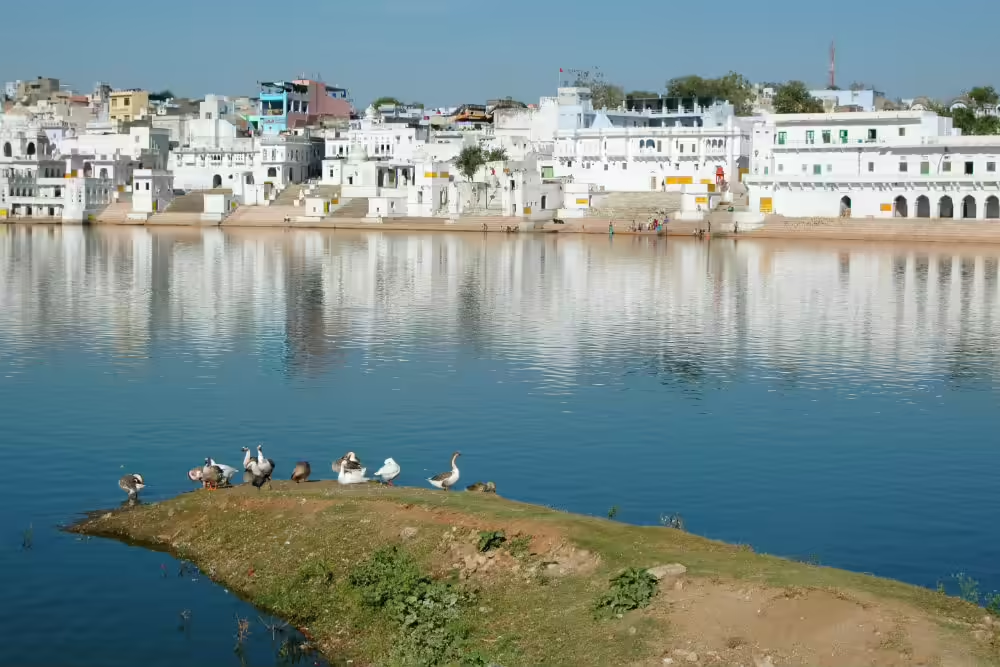
Pushkar Lake is the spiritual heart of the town, surrounded by ghats that remain active for rituals and evening atmosphere. Walking around the lake gives cultural context you cannot get from a quick temple-only visit. If you attend evening aarti, arrive early and keep the experience respectful and quiet.
Morning and late afternoon are best for photos and comfortable walking temperatures. Avoid loud behavior around ritual zones.
Savitri Temple and Sunrise Viewpoint
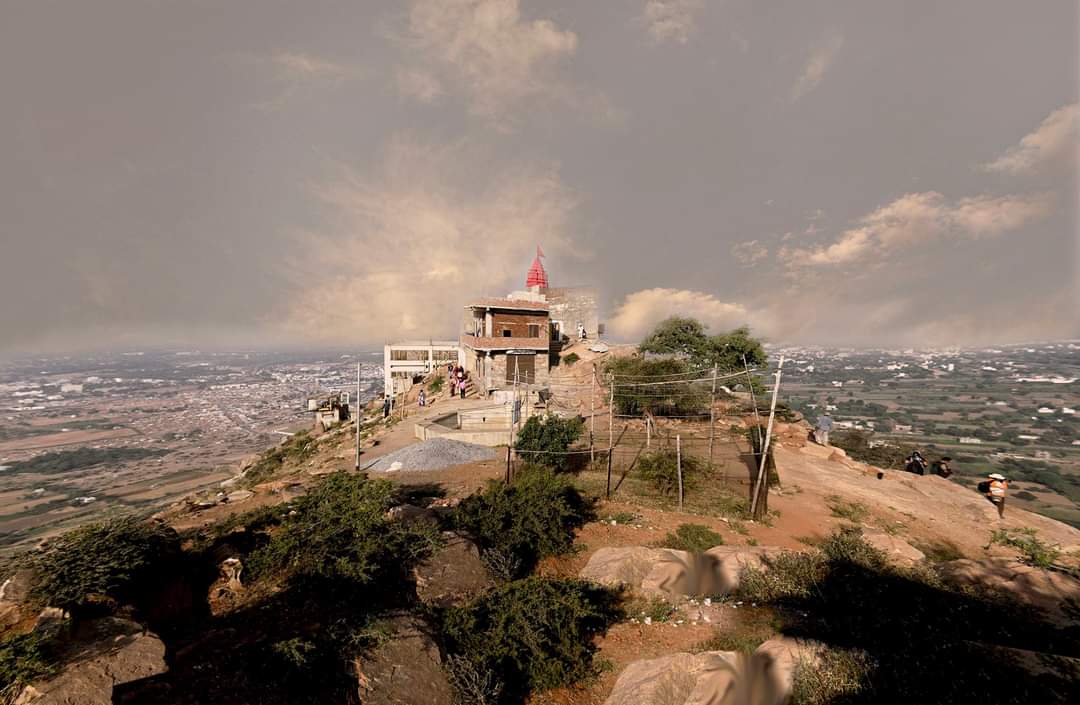
Savitri Temple offers one of the best elevated views over Pushkar and the surrounding desert-town landscape. You can trek or use available ropeway options depending on season and operational status. Sunrise is the strongest slot for this stop, especially in winter months when visibility is clear.
| Experience | Best Time | Why It Works |
|---|---|---|
| Brahma Temple | Early morning | Lower crowd pressure |
| Pushkar Lake circuit | Morning or evening | Better light and calmer pace |
| Savitri viewpoint | Sunrise | Strong panoramic visibility |
Pushkar Camel Fair and Seasonal Events
Pushkar Camel Fair period transforms the town with animal trading traditions, cultural showcases, performances, and larger traveler inflow. During this period, accommodation and transport demand rise sharply, so pre-booking is essential. Even outside fair season, Pushkar remains active with spiritual and leisure travel.
If you visit during fair windows, keep one buffer day for crowd-related delays and fixed-event timings.
Local Markets and Shopping
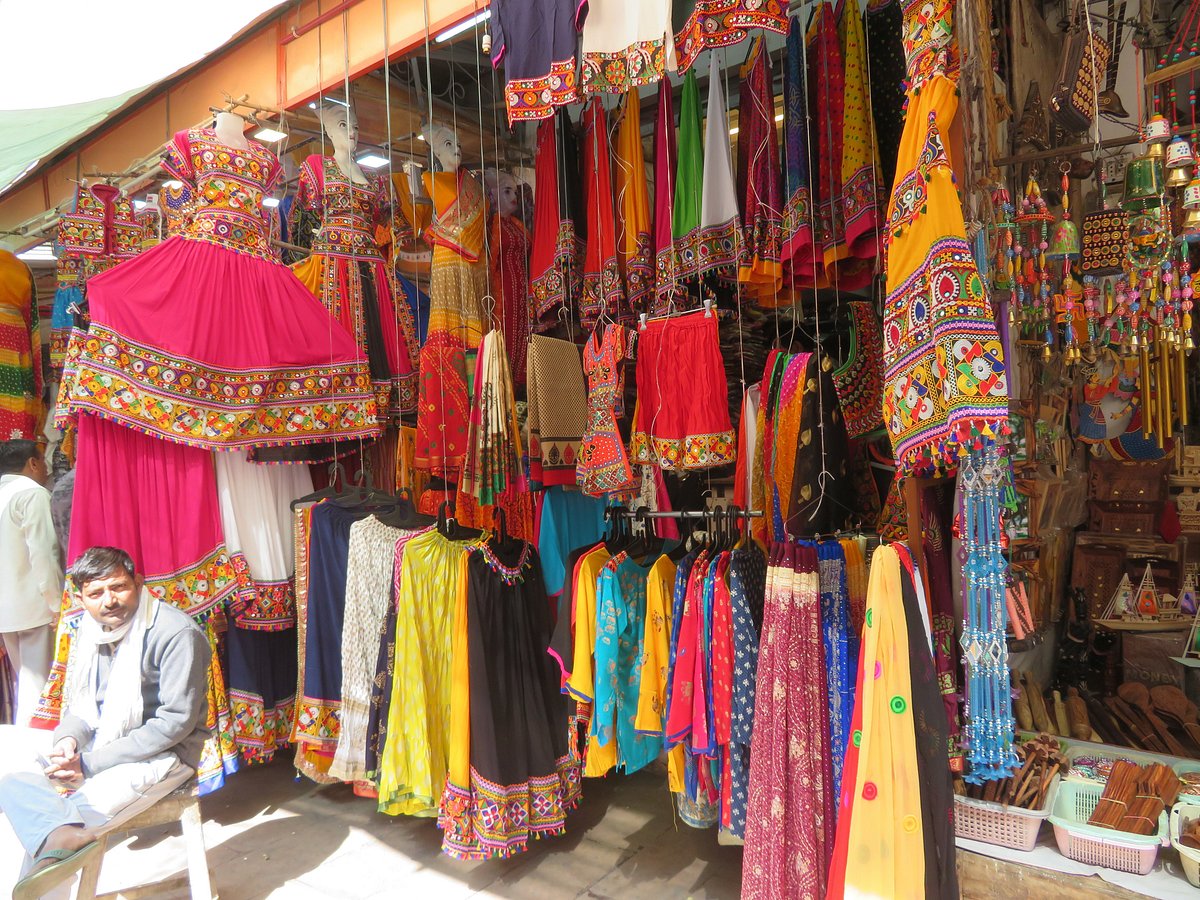
Pushkar's markets are known for textiles, silver-style jewelry, handcrafted souvenirs, rose products, and boho travel wear. Bargaining is common but should remain polite. Keep purchases lightweight if you are continuing to Jaipur, Jodhpur, or Udaipur on the same trip.
For bigger city shopping combinations, use shopping in Jaipur as a next-stop plan.
Cafe Culture and Slow Evenings
Pushkar is known for rooftop cafes and a slower evening rhythm. Many travelers use the town for recovery between larger Rajasthan circuits. Use this time for journaling, street photography, or sunset viewing near ghat zones. Keep in mind that Pushkar follows cultural restrictions and has a more spiritual local character than party-focused towns.
Best Time to Visit Pushkar
- October to March: Most comfortable for walking and sunrise plans.
- Camel Fair period: High energy, high demand, pre-booking required.
- Summer: Possible but hot; keep outdoor plans limited to mornings/evenings.
- Monsoon: Less crowded, but check local mobility and event schedules.
Practical Travel Tips
- Plan at least 1 night to experience sunrise and evening aarti.
- Keep temple and ghat etiquette in mind at all times.
- Carry hydration and sun protection during daytime walks.
- Book stays early in event months.
- Use compact walking routes to avoid unnecessary backtracking.
Pushkar Beyond the Main Lake Circuit
Pushkar is often reduced to a single lake-and-temple stop, but the town rewards travelers who combine spiritual routes with market, cafe, and cultural evening windows. The best way to plan is to keep mornings for temple and ghat movement, afternoons for rest or low-intensity exploration, and evenings for market and food experiences. This rhythm aligns with climate, crowd flow, and Pushkar’s social energy.
If you are visiting during festival season, keep additional route buffers and pre-book your stay well in advance. Peak windows can significantly alter movement and availability.
Temple Etiquette and Ghat Experience
Respectful behavior is essential in Pushkar’s sacred areas. Dress modestly, follow local photo norms, and avoid loud movement around ritual zones. For first-time visitors, guided context can help distinguish spiritual significance across ghats and temples.
A slower pace here improves understanding and reduces common tourist friction.
Markets, Cafes, and Local Culture
Pushkar’s local market lanes and cafe scene are ideal for evening exploration. You can combine shopping, local snacks, and cultural observation in one compact walkable block. Use links like shopping in Pushkar, restaurants in Pushkar, and Pushkar tourist places to build a more personalized route.
This combination gives both spiritual and lifestyle dimensions of the town in one trip.
2-Day Pushkar Planning Model
Day 1: Brahma Temple, ghat circuit, sunset and market walk.
Day 2: Savitri route, cafe blocks, local shopping, and optional nearby extension.
Two days are ideal for first-time travelers who want both depth and comfort in Pushkar.
Travel Readiness Notes
Carry hydration, sun protection, and comfortable walking footwear. Keep one flexible slot for weather or crowd-led changes. Pushkar is best experienced with a calm pace and minimal over-planning.
Pushkar Experience Design for First-Time Visitors
Pushkar is best explored through intentional pace. The town may look small, but it has layered religious zones, market energy, and sunset-oriented movement that can feel crowded if planned poorly. Start with one spiritual anchor in morning, reserve midday for rest or cafe time, and keep evenings for ghat-adjacent walks and shopping lanes. This rhythm protects energy and improves both cultural and leisure quality.
If you are visiting during peak festival windows, avoid same-day overloading and keep one low-intensity backup block ready. Pushkar crowds can shift quickly and affect movement around key points.
Temple, Ghat, and Market Etiquette
Respectful behavior is essential at ghats and sacred sites. Dress modestly, follow local instructions, and avoid intrusive photography during rituals. In market lanes, keep valuables secure and move with patience during high footfall periods. Responsible conduct improves the experience for both visitors and locals.
Travelers who combine devotion with mindful observation often find Pushkar much more meaningful than checklist-style itineraries.
Food and Cafe Route Planning
Pushkar’s cafe culture and vegetarian food scene can be a strong part of your trip when planned as a dedicated block, not an afterthought. Choose one local traditional meal and one cafe-led session for variety. Avoid trying too many places in one stretch, especially in warm weather. Quality over quantity works better in this compact town layout.
Evening is generally best for food walks, especially when combined with market browsing and lake-side movement.
Detailed 3-Day Pushkar Option
Day 1: Brahma Temple, ghat circuit, sunset walk.
Day 2: Savitri viewpoint, market and cafe exploration.
Day 3: cultural extension and slower local interaction.
This format suits travelers who want both spiritual depth and relaxed lifestyle experiences.
Route Connections and Nearby Movement
Pushkar often connects with Jaipur or Ajmer itineraries. Keep transfer buffers and avoid forcing long road moves after late evening activities. A simple, well-timed departure usually feels better than squeezing one extra short stop before leaving.
For first-time Rajasthan routes, Pushkar can work as either a spiritual anchor or a recovery stop between busier cities.
Conclusion
The best things to do in Pushkar come from combining spiritual heritage with slow cultural exploration. Stay long enough to experience both sunrise and evening rhythms, and keep your plan realistic. Pushkar rewards travelers who move at the town's pace.
Pushkar works best when travelers protect early-morning spiritual windows and keep evenings for relaxed market and cafe movement.
During festival periods, divide your day into early sacred-site visits, midday recovery, and evening cultural observation. This structure helps avoid crowd stress and preserves energy for meaningful experiences. Travelers who keep this rhythm usually cover more with less fatigue.
Pushkar rewards travelers who stay attentive to mood and timing. Mornings are ideal for quiet spiritual immersion, afternoons for slower cafes and recovery, and evenings for market movement, cultural conversations, and lake-side atmosphere. If you rush between many points, Pushkar can feel crowded and repetitive; if you move deliberately, it feels intimate and meaningful. For repeat travelers, try returning during a different season to experience how festival cycles and local rhythms change. This seasonal perspective often reveals a very different Pushkar from the one most tourists see in a short visit.
Keep one calm buffer window each day to absorb the town’s spiritual atmosphere without rushing.
Choose fewer stops and longer stays at each for better cultural connection.
For first-time visitors, a practical rule is to keep mornings sacred-site focused, afternoons restorative, and evenings social. This rhythm reduces fatigue and helps you experience both the devotional and contemporary sides of Pushkar without feeling rushed between disconnected stops.
Start early and move calmly through the town daily.
Location
Frequently Asked Questions
Q1.What is Pushkar famous for?
Q2.How many days are enough for Pushkar?
Q3.Can I visit Pushkar from Jaipur in one trip?
Q4.Is Pushkar good for family travel?
Q5.When is Pushkar Camel Fair held?
Q6.Are there shopping options in Pushkar?
Q7.What should I wear in Pushkar temples?
Q8.Is Pushkar suitable for solo travelers?
Recommended For You
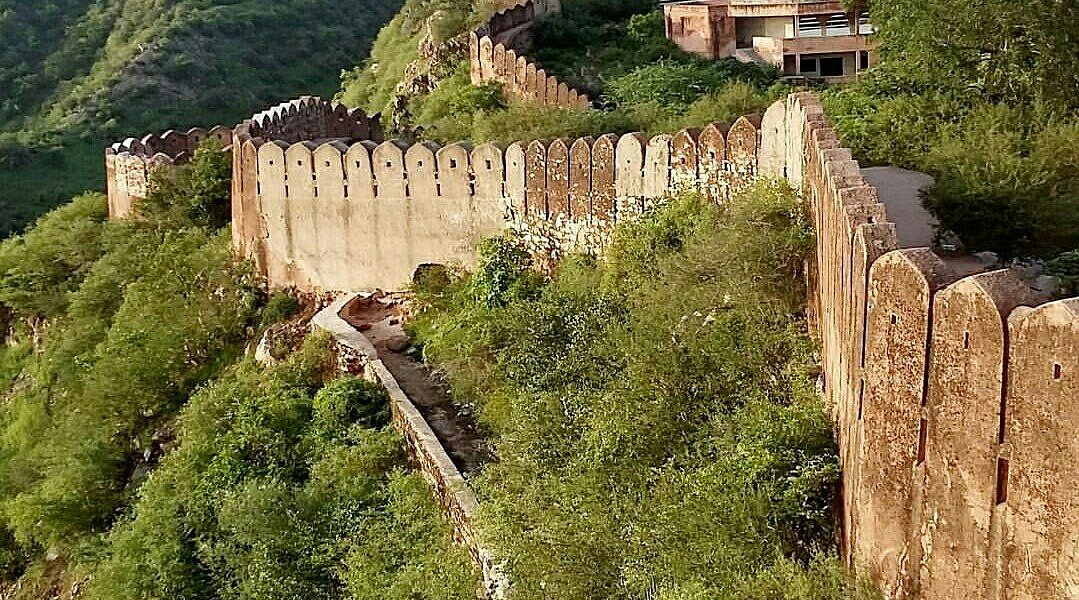
Best Places to Visit in Jaipur: Forts, Bazaars & Royal Landmarks
Discover the best places to visit in Jaipur with forts, palaces, markets, timings strategy, transport tips, and practical 2-3 day itinerary planning.
Things to Do in Mount Abu: Scenic Points, Lakes & Temples
Explore top things to do in Mount Abu with Dilwara temples, Nakki Lake, Guru Shikhar, sunset points, and practical itinerary plus seasonal planning tips.
Rajasthan in Monsoon: Top Places to Visit
Discover the best places to visit in Rajasthan in monsoon with city-wise ideas, seasonal highlights, and practical travel tips.
Never Miss an Adventure
Get the latest trekking guides, travel tips, and exclusive offers delivered straight to your inbox.
