
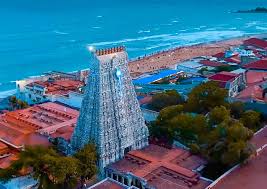
Thiruchendur Murugan Temple: Timings, Darshan & Temple History

Rohit Verma
February 17, 2026
Complete Thiruchendur Murugan Temple guide with history, darshan timings, rituals, route planning, festivals, accommodation tips, and pilgrimage etiquette.
Introduction: The Sea-Shore Abode of Lord Murugan
Thiruchendur Murugan Temple is one of the most important pilgrimage destinations in Tamil Nadu and a deeply revered shrine for devotees of Lord Murugan. Located along the coast, this temple is unique among the Arupadaiveedu (the six sacred abodes of Murugan) because of its sea-facing setting and powerful devotional atmosphere. Pilgrims visit for darshan, special poojas, vows, and major festival participation, while cultural travelers come to understand its history, architecture, and enduring spiritual significance.
Unlike a quick temple stop, Thiruchendur is best approached as a full devotional experience. Timings, ritual queues, festival crowds, and travel logistics all matter. This guide covers temple history, legends, architecture, darshan windows, key rituals, how to reach from major cities, nearby places, and practical pilgrimage tips so your visit is respectful, smooth, and meaningful.
Temple History and Spiritual Significance
Thiruchendur is associated with the sacred story of Lord Murugan's victory over Surapadman, a central narrative in Tamil devotional tradition and the foundation of Soorasamharam observances. This mythological significance gives the temple a strong place in Murugan worship across South India and among Tamil communities worldwide.
Historically, the temple has been supported and restored across different periods, and its continuing ritual life has kept it spiritually active rather than only historically important. Devotees often describe the temple experience as deeply transformative due to its ritual intensity, coastal environment, and constant flow of bhakti.
Why Devotees Prioritize Thiruchendur
- One of the six sacred Murugan abodes.
- Strong connection to Skanda Sashti and Soorasamharam traditions.
- Powerful coastal temple environment linked to purification and surrender.
- Regular pooja schedule with year-round devotional activity.
Architecture and Temple Complex
Thiruchendur Temple reflects traditional Dravidian temple character while also showing practical adaptation to coastal conditions. The main complex includes ritual corridors, sanctum spaces, and supporting mandapam zones that handle heavy pilgrim flow in festival periods.
| Temple Element | What Visitors Notice |
|---|---|
| Rajagopuram profile | Towering entrance identity and classic Tamil sacred geometry |
| Main sanctum | Core Murugan worship zone with dense devotional rhythm |
| Ritual circulation | Structured queue flow for daily and special darshan |
| Sea-shore context | Distinct spiritual ambience compared with inland Murugan temples |
The architecture is experienced best when you move slowly through the complex and observe ritual sequencing rather than only focusing on visual photography points.
Temple Timings, Darshan Windows, and Ritual Flow
Thiruchendur Temple generally follows early morning opening with multiple pooja points through the day and evening session activity. Exact timing can vary by festival calendar, special observances, and temple administration updates, so always verify close to your travel date.
Practical Darshan Strategy
- Arrive early morning for calmer queue conditions.
- Avoid reaching too close to session-closing windows.
- If visiting on festival dates, keep significant buffer time.
- For special pooja participation, inquire locally at authorized counters.
Festival periods can transform waiting time and route flow, so avoid rigid hour-by-hour scheduling on high-demand days.

Important Rituals and Devotional Practices
Thiruchendur is not only about standard darshan. Many devotees visit for vow fulfillment, special offerings, and festival-specific participation. The temple’s ritual culture is living and highly active, especially during Skanda Sashti and other Murugan-centered observances.
Common Devotional Patterns
- Archana and pooja offerings for family well-being.
- Festival-linked vows and return pilgrimages.
- Structured darshan visits after nearby sacred bathing traditions where applicable.
- Group/family participation during auspicious dates.
If your trip is ritual-specific, confirm procedure details on-site through official guidance rather than relying on old online posts.
How to Reach Thiruchendur Murugan Temple
Thiruchendur is connected by road and rail, and can be reached from major Tamil Nadu hubs through planned transit routes.
By Train
Thiruchendur has rail connectivity, and many pilgrims prefer train travel for convenience and reduced road fatigue.
By Road
Road access from Tirunelveli and nearby city corridors is common for family pilgrim travel and temple-day circuits.
By Air + Road
Nearest airport access usually requires onward road transfer to reach temple town.
| Origin Type | Recommended Mode | Planning Note |
|---|---|---|
| Nearby Tamil Nadu cities | Road / rail | Good for same-day or overnight pilgrimage |
| Long-distance domestic visitors | Air + road combination | Keep transfer buffer for darshan windows |
| Festival crowd travel | Pre-booked transport | Avoid last-minute availability risk |
For multi-temple route design, combine with Rameshwaram Temple, Kanyakumari Temple, and Meenakshi Temple Madurai.
Nearby Attractions and Pilgrimage Extensions
Many devotees combine Thiruchendur with nearby spiritual and coastal points depending on trip duration. Keep the itinerary balanced so temple experience is not rushed.
- Nearby pilgrimage circuits in South Tamil Nadu
- Wider Tamil Nadu temple and heritage routes
- Beach and coastal prayer pauses around temple town surroundings
If your family includes elders, avoid stacking too many transfers on the same day as major ritual participation.

Festivals and Celebrations You Should Know
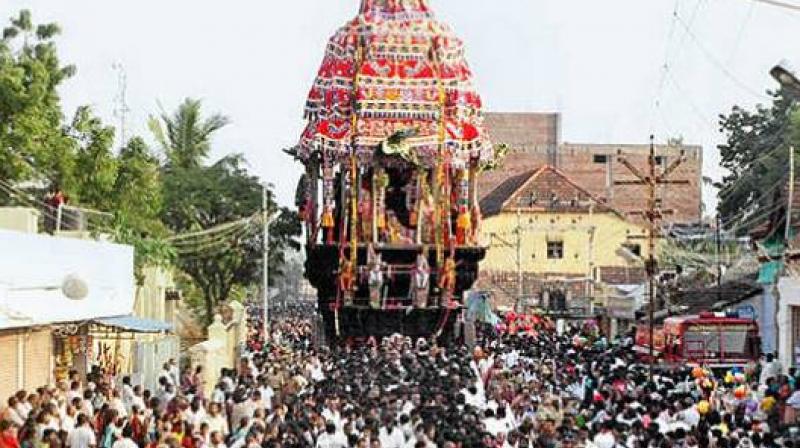
The most significant festival identity here is Skanda Sashti with Soorasamharam traditions, drawing large devotional crowds and heightened spiritual energy. Panguni and Karthigai-linked periods are also important for many Murugan devotees.
Festival Planning Tips
- Book stay and travel early for major dates.
- Expect longer queues and crowd-control movement.
- Keep extra time for meals, rest, and return travel.
- Follow official announcements for special-day schedules.
Festival visits are spiritually powerful but logistically demanding. First-time families may prefer a regular day visit before attending peak festivals.
Accommodation and Stay Planning
Thiruchendur offers pilgrim-oriented stay options ranging from basic lodges to more comfortable hotel formats in and around the town. Availability can tighten quickly during festival dates and auspicious weekends.
| Trip Style | Stay Approach |
|---|---|
| Darshan-only short trip | One-night stay close to temple for early access |
| Family pilgrimage with elders | Comfort-focused stay with low transfer requirement |
| Festival participation | Advance booking with transport pre-planned |
If you are traveling with children or elders, proximity to the temple often matters more than premium amenities.
Dress Code, Etiquette, and Practical Conduct
As an active sacred site, Thiruchendur requires respectful dress and behavior. Keep attire modest and temple-appropriate. Follow queue discipline, avoid intrusive behavior during rituals, and respect any restrictions on photography in sensitive areas.
- Dress modestly and comfortably for warm coastal weather.
- Keep footwear protocol in designated zones.
- Maintain calm behavior in darshan and pooja areas.
- Use officially guided process for special offerings.
Respectful conduct helps preserve the spiritual environment for all devotees.
Common Planning Mistakes to Avoid
- Arriving late without checking current darshan windows.
- Assuming festival-day timing is same as regular days.
- Packing too many distant stops in one temple day.
- Ignoring heat, hydration, and elder travel pacing.
- Relying only on outdated social media timing snapshots.
A well-paced plan with timing verification is the biggest difference between a rushed visit and a fulfilling pilgrimage.
Festival Planning: Skanda Sashti and Crowd Strategy
Skanda Sashti is among the most important devotional periods for Thiruchendur, and Soorasamharam-linked observances draw large pilgrim participation. If you want to witness the full festival energy, arrive with enough buffer for queues, transport delays, and accommodation check-in. Festival days are spiritually powerful but physically demanding, especially for families with elders.
A practical approach is to reach town a day early, complete light darshan once, and attend the main ritual window with calmer preparation the next day. This reduces stress and lets you focus on worship rather than crowd logistics. Keep hydration and meal timing disciplined during peak days, because long queue durations in coastal heat can be tiring.
Sample One-Day Pilgrimage Plan
- Early morning: reach temple before rush, complete main darshan.
- Mid-morning: rest break and light prasadam/meal window.
- Noon: avoid heavy movement in peak heat, keep temple re-entry flexible.
- Evening: participate in second session or devotional observation.
- Night: return to stay early if next-day travel is long.
This pattern works for most families and avoids common mistakes like back-to-back long drives plus peak-hour darshan in one compressed schedule.
Quick Pre-Visit Checklist
- Verify latest darshan and pooja timings before departure day.
- Carry modest attire suitable for temple protocol.
- Keep cash backup and essential medicines.
- Pre-book accommodation for weekends or festival periods.
- Plan return travel with daylight margin where possible.
- Follow all temple announcements and queue instructions.
These simple steps make the pilgrimage smoother, especially for first-time visitors from outside Tamil Nadu.
Common Pilgrimage Mistakes to Avoid
- Reaching close to closing time and expecting quick darshan.
- Ignoring festival-day crowd impact on transport and queues.
- Skipping hydration and meal planning in coastal heat.
- Not arranging elder-friendly movement and rest windows.
- Depending only on old social posts for current timings.
Thiruchendur is spiritually uplifting when approached patiently. The temple rewards calm planning, respectful behavior, and realistic scheduling far more than rushed checklist travel.
If possible, keep one flexible hour in your plan for unexpected queue movement, weather changes, or special pooja announcements. That single buffer usually prevents stress and helps you experience the temple with proper devotional focus throughout your entire visit.
Final Takeaway
Thiruchendur Murugan Temple is one of Tamil Nadu's most spiritually important pilgrimage sites, combining sacred legend, deep ritual tradition, and unique sea-shore temple identity. Visit with preparation, respect, and realistic scheduling to experience its full devotional depth.
For pilgrims building a South India temple circuit, Thiruchendur remains a powerful anchor destination that deserves more than a quick checklist stop.
Location
Frequently Asked Questions
Q1.What is special about Thiruchendur Murugan Temple?
Q2.How far is Thiruchendur from Madurai?
Q3.What is the best time to visit Thiruchendur Temple?
Q4.What are the temple darshan timings at Thiruchendur?
Q5.Is there online booking for Thiruchendur darshan?
Q6.What is the dress code for Thiruchendur Murugan Temple?
Q7.How to reach Thiruchendur by train?
Q8.Are accommodations available near Thiruchendur Temple?
Recommended For You
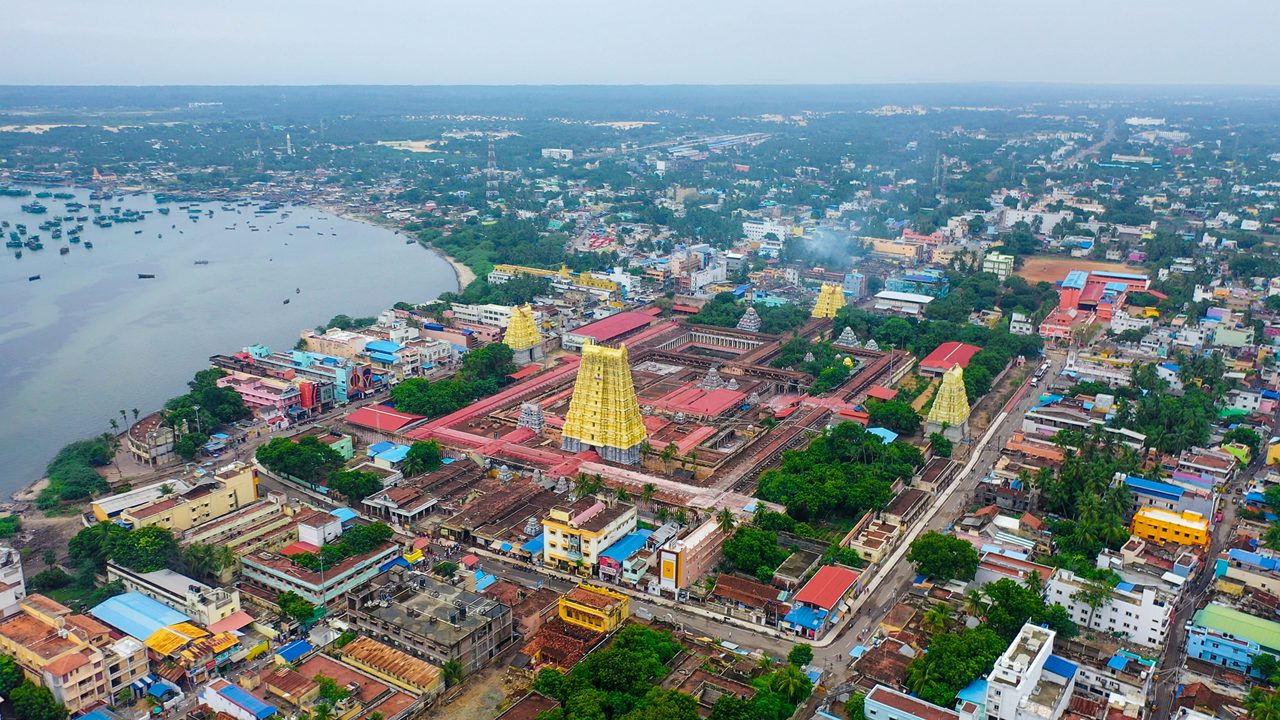
Best Time to Visit Rameshwaram: Climate, Pilgrimage Season & Temple Crowds
Find the best time to visit Rameshwaram with season-wise weather, temple darshan planning, and coastal travel tips.
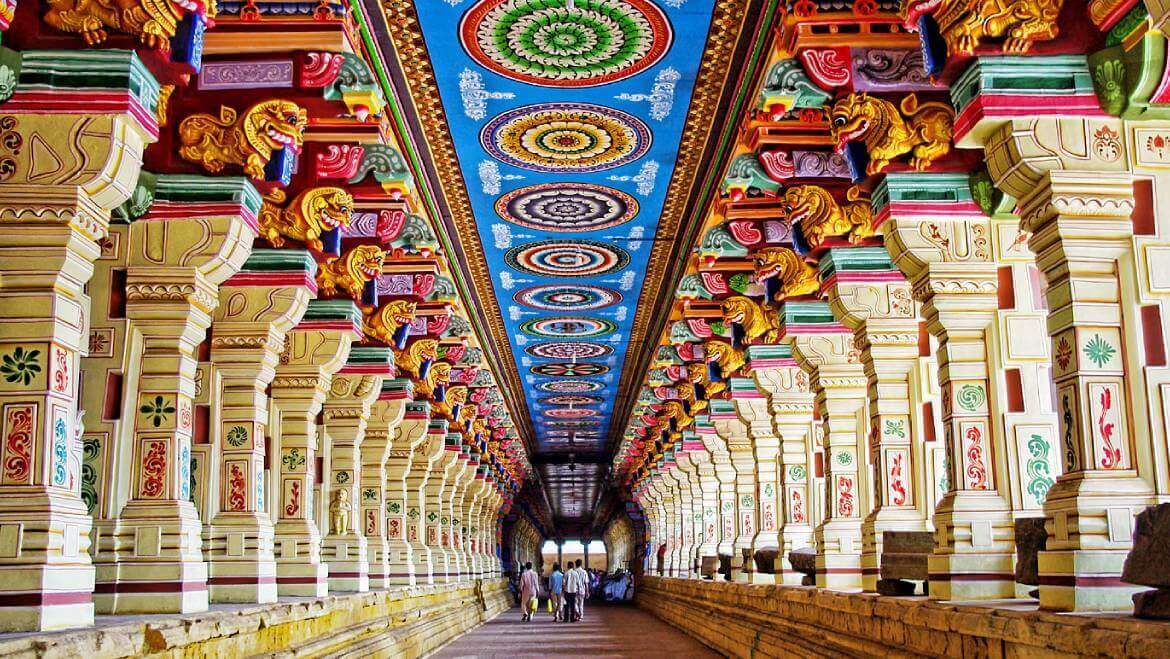
Places to Visit Near Rameshwaram: Temple Circuit & Coastal Stops
Explore top places to visit near Rameshwaram including Dhanushkodi, Pamban Bridge, pilgrimage sites, beaches and nearby coastal towns.
Places to Visit in Tamil Nadu: Region-Wise Attractions & Itinerary Ideas
Discover places to visit in Tamil Nadu with region-wise planning, season logic, and practical itinerary models for smoother travel.
Never Miss an Adventure
Get the latest trekking guides, travel tips, and exclusive offers delivered straight to your inbox.
