
Rameshwaram Temple Pilgrimage: 22 Theertham Rituals, Timings & Route

Rahul Garg
February 19, 2026
Complete Rameshwaram Temple guide with 22 theertham ritual, darshan timings, architecture, best time to visit, and travel tips for this sacred Jyotirlinga.
Introduction to Rameshwaram Temple
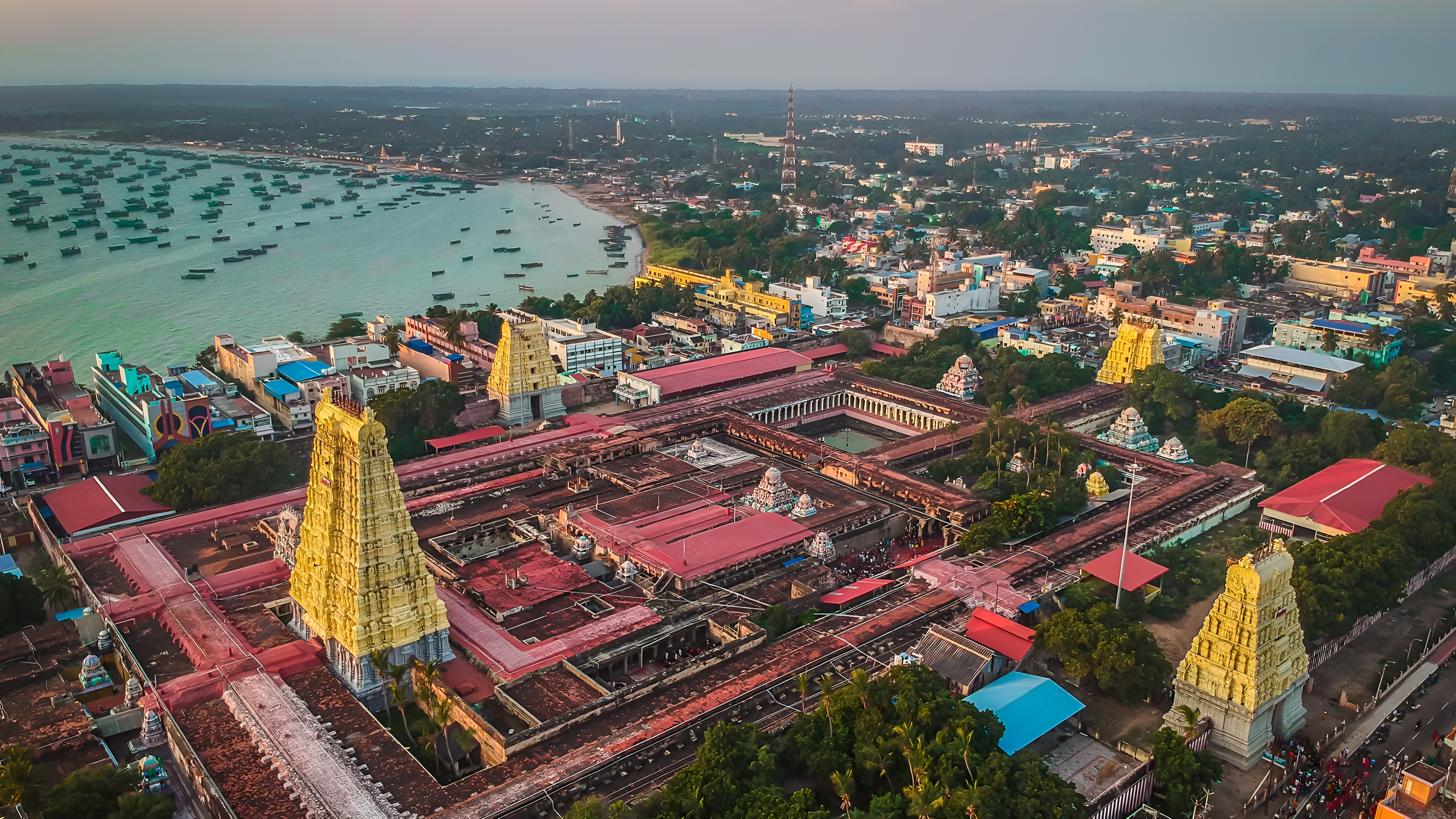
The Rameshwaram Temple, formally known as the Ramanathaswamy Temple, stands as one of India's most sacred pilgrimage sites and a masterpiece of Dravidian architecture. As one of the 12 Jyotirlingas, it holds supreme importance in Shaivite tradition. Located on Pamban Island in Tamil Nadu, this temple is dedicated to Lord Shiva and holds immense significance in Hindu tradition as one of the twelve Jyotirlingas - sacred shrines where Shiva is worshipped as a pillar of light. What makes this temple particularly special is its connection to the Ramayana, believed to be the place where Lord Rama worshiped Shiva after his victory over Ravana.
The temple's location on an island in the Gulf of Mannar adds to its mystical appeal. Pilgrims must cross either the Pamban Bridge or take a ferry to reach this sacred site, creating a sense of journey even before reaching the temple complex. The surrounding landscape of sea and sky, combined with the temple's towering gopurams (gateway towers), creates an atmosphere that feels removed from the mundane world.
What truly sets Rameshwaram apart is its unique tradition - pilgrims must bathe in 22 holy wells (theerthams) within the temple complex before darshan. This ritual, combined with the temple's spiritual energy and architectural grandeur, creates a profoundly moving experience for devotees and visitors alike. Whether you're a believer seeking blessings or a traveler interested in India's religious heritage, Rameshwaram Temple offers an unforgettable journey into faith and tradition.
Historical and Mythological Significance
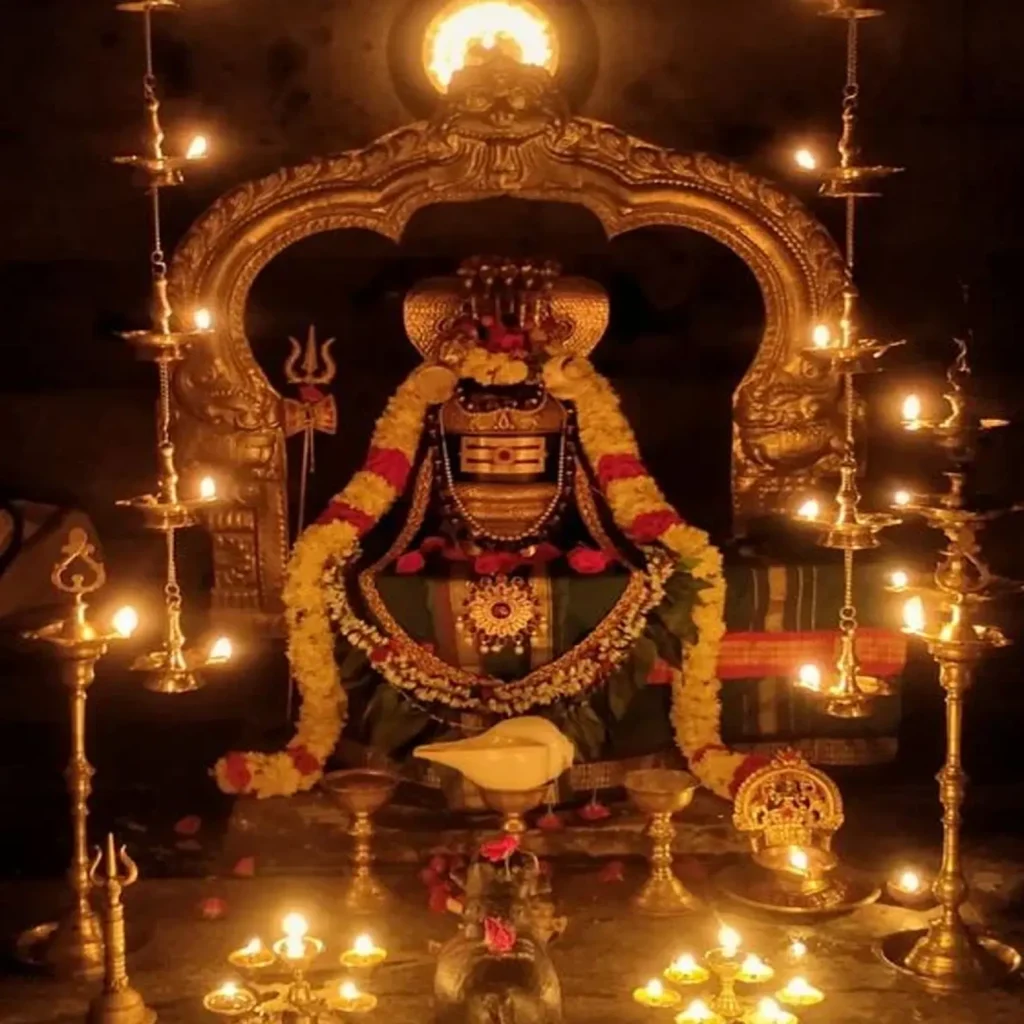
According to the Ramayana, this temple marks the spot where Lord Rama, on his return from Lanka after defeating Ravana, worshiped Lord Shiva to atone for the sin of killing a Brahmin. This connection to the Ramayana makes it part of the sacred Char Dham pilgrimage circuit. Rama sent Hanuman to Mount Kailash to bring a Shiva lingam, but when Hanuman didn't return by the auspicious time, Sita Devi created a lingam from sand. This sand lingam, called Ramalingam, was worshiped first. When Hanuman returned with the Vishwalingam from Kailash, Rama decreed that the Vishwalingam would be worshipped first - a tradition that continues today, where pilgrims first worship the Vishwalingam brought by Hanuman.
The temple's history spans centuries, with the current structure primarily built by the Pandya dynasty between the 12th and 15th centuries. Similar to how Brihadeeswarar Temple in Thanjavur showcases Chola architecture, Rameshwaram represents the pinnacle of Pandya architectural achievement. Various rulers, including the Sethupathis of Ramnad, contributed to its expansion and maintenance. The temple has withstood numerous cyclones, invasions, and the ravages of time, standing as a testament to both divine protection and human devotion.
The temple's sanctity extends beyond the main shrine. For those interested in exploring more temples in Tamil Nadu, Meenakshi Temple in Madurai is another magnificent Dravidian masterpiece worth visiting. According to tradition, Rama established several other lingams at different points around Rameshwaram, each with its own significance. The entire island is considered sacred, with various spots marking events from the Ramayana - places where Rama, Lakshmana, Hanuman, and the Vanara army camped during their preparations for the war with Ravana.
Architectural Marvel
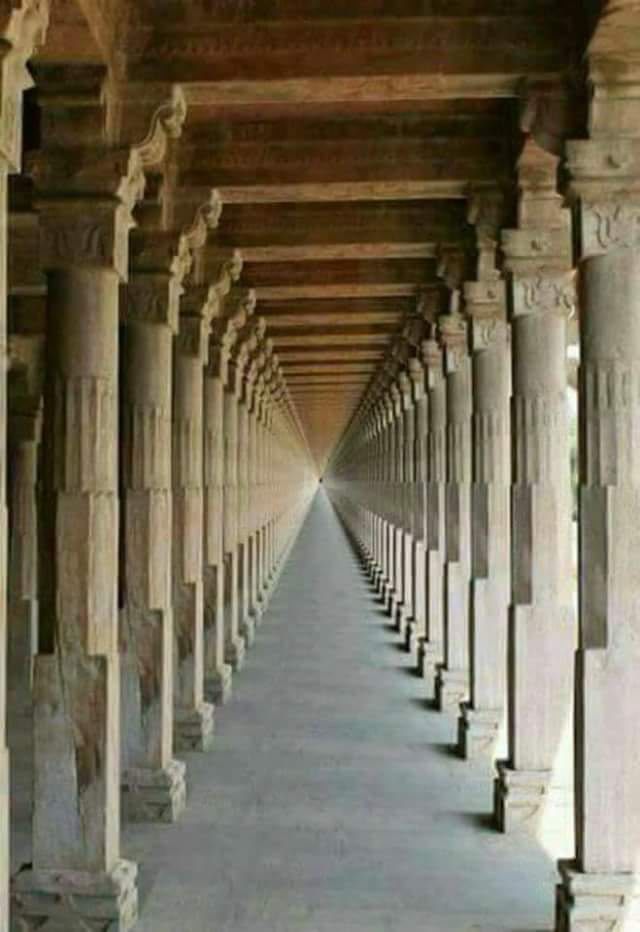
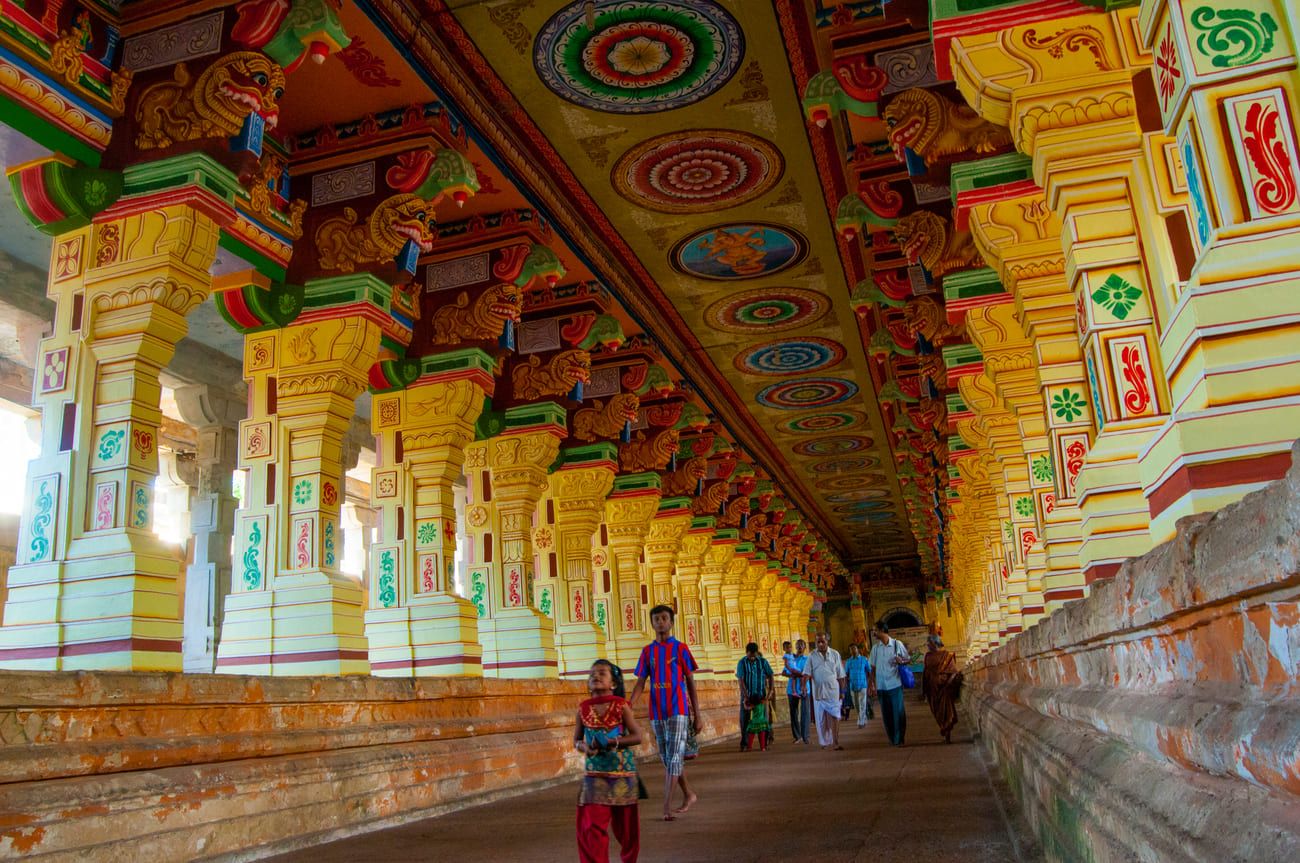
The Rameshwaram Temple is a masterpiece of Dravidian architecture, spanning approximately 6 hectares and boasting the longest temple corridor in the world. This corridor, measuring 1,220 meters in length, features over 1,200 magnificent granite pillars, each intricately carved with sculptures depicting Hindu deities, mythological scenes, and intricate floral patterns. Walking this corridor is itself a spiritual experience, as the cool stone, the scent of incense, and the sound of chanting create an atmosphere of timeless devotion.
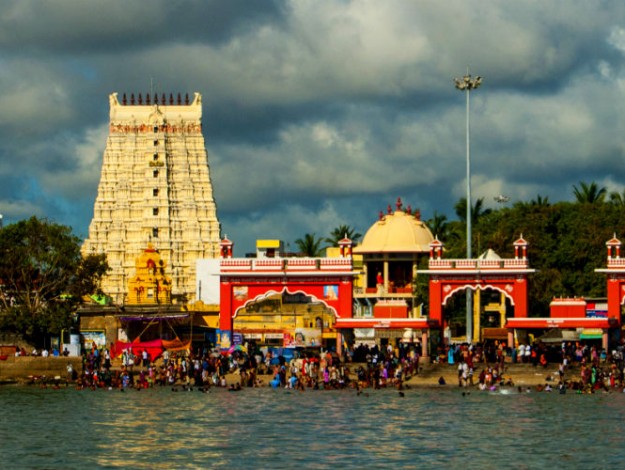
The temple's exterior features massive gopurams (gateway towers) on the eastern and western sides. The eastern Rajagopuram stands 38 meters tall, while the western gopuram reaches 24 meters. These towers are covered with thousands of sculptures arranged in tiers, depicting various gods, goddesses, mythical creatures, and scenes from Hindu mythology. The sheer scale and detail of these sculptures represent the pinnacle of South Indian temple artistry.
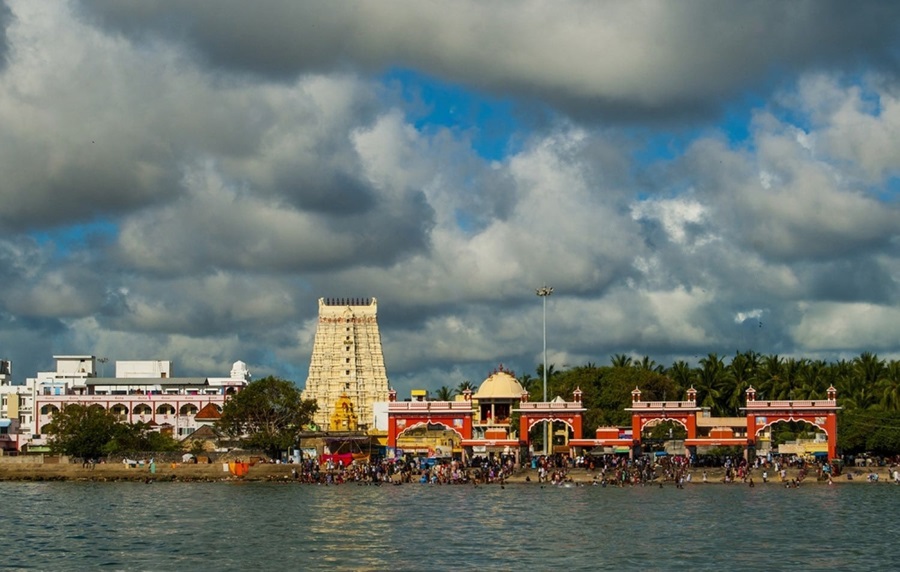
The temple tank, called Agni Theertham, is where pilgrims traditionally take their first ritual bath before entering the temple. This sacred tank, filled with seawater, is believed to wash away sins. The sight of devotees, clad in simple cloth, taking dips in the holy water against the backdrop of the ancient temple, creates a powerful scene that has remained unchanged for centuries.
The 22 Holy Theerthams
The most unique aspect of Rameshwaram Temple is the tradition of bathing in 22 holy wells (theerthams) located within the temple complex. Each well has water that tastes different and is believed to have specific spiritual and healing properties. The practice is based on the belief that Rama himself created or used these theerthams, and bathing in them brings liberation from sins and diseases.
The ritual begins at Agni Theertham outside the temple, followed by bathing at 22 wells inside the complex. Temple priests guide pilgrims from one well to another, drawing water from each and pouring it over the devotee's head while chanting mantras. The wells have names like Savitri Theertham, Gayatri Theertham, Saraswathi Theertham - each associated with different deities and benefits.
Devotees believe that completing the 22-theertham ritual washes away the sins of a lifetime and brings blessings for health, prosperity, and spiritual progress. The entire ritual takes about 2-3 hours, depending on crowd size. While it's physically tiring, most pilgrims report feeling spiritually energized and emotionally moved by the experience.

Notable Theerthams
Kodi Theertham: Associated with Agni (fire god), this well's water never becomes stagnant despite being in a saline area.
Gayatri Theertham: Named after the sacred Gayatri Mantra, bathing here is believed to grant wisdom and knowledge.
Savitri Theertham: Connected to Goddess Savitri, this theertham blesses devotees with long life and health.
Surya Theertham: Associated with the sun god, this well's water is believed to cure skin diseases.
Temple Timings and Rituals
The temple follows a strict schedule of rituals that have continued unchanged for centuries. Understanding these timings helps plan your visit effectively.
Morning Rituals (5:00 AM - 1:00 PM): The day begins with the Suprabhata Seva (waking ceremony) at 5 AM. This is followed by multiple abhishekams (ritual bathing of the deity) using various substances including milk, honey, ghee, sandalwood paste, and sacred water. The morning period is considered most auspicious for darshan, with relatively smaller crowds.
Afternoon Break (1:00 PM - 3:00 PM): The temple closes for a break during the hottest part of the day. This is a good time for pilgrims to rest, have lunch, or explore other attractions in Rameshwaram.
Evening Rituals (3:00 PM - 9:00 PM): The evening session includes various rituals including the Sayaratchai (evening worship) and Arathi (light ceremony). The final ritual of the day is the Palliyarai Pooja at 9 PM, after which the deity is put to rest. Evening darshan is particularly popular as it's cooler and more convenient for many pilgrims.
Special Days: Full moon days (Pournami), new moon days (Amavasya), and festivals like Mahashivratri see massive crowds. Plan accordingly if you prefer quieter darshan or want to experience the festival atmosphere.
Darshan Guide
For first-time visitors, the darshan process can seem overwhelming, but understanding the sequence helps navigate smoothly. The basic procedure is:
First, bathe in Agni Theertham (sea outside temple). Then enter the temple and complete the 22-theertham ritual with the help of a guide priest. After this, proceed to the main sanctum for Shiva darshan. After Shiva darshan, visit the Parvathavardhini shrine (Goddess Parvati). Then visit the Vishwalingam shrine. Finally, visit the Sethu Madhava shrine (Vishnu) and complete your pradakshina (circumambulation).
The entire process can take 3-5 hours depending on crowds. Free and paid darshan options are available, with paid options providing faster access. However, the spiritual experience is the same regardless of the queue you join.
Best Time to Visit Rameshwaram
The timing of your visit significantly impacts the experience, though Rameshwaram can be visited year-round. Each season offers different advantages and considerations.
Winter (October-February): The most pleasant time with temperatures ranging from 20-30°C. This peak pilgrimage season sees large crowds but comfortable weather for temple rituals and sightseeing. This is also the best time to combine Rameshwaram with a visit to Kanyakumari or Kerala.
Summer (March-May): Hot and humid with temperatures reaching 35-40°C. However, crowds are thinner, and you might get quicker darshan. Early mornings are pleasant even in summer. Carry plenty of water and stay hydrated.
Monsoon (June-September): The region receives moderate rainfall. The temple complex can become slippery, and outdoor rituals like the 22-theertham ritual become challenging. However, the monsoon atmosphere has its own spiritual charm, and the cool weather is welcome.
How to Reach Rameshwaram
Rameshwaram is well-connected by road, rail, and air, though its island location means some travel is required regardless of your starting point.
By Air: The nearest airport is Madurai, about 170 kilometers away. From Madurai, taxis and buses take approximately 3-4 hours to reach Rameshwaram. The drive itself is scenic, passing through coastal Tamil Nadu countryside.
By Rail: Rameshwaram has its own railway station connected to major cities including Chennai, Madurai, and Coimbatore. The train journey across the Pamban Bridge is spectacular, offering views of the sea on both sides. The Rameshwaram Express from Chennai is particularly popular with pilgrims.
By Road: Regular buses connect Rameshwaram to Madurai, Chennai, Trichy, and other Tamil Nadu cities. Private taxis are available for those who prefer a more comfortable journey. The Pamban Bridge road crossing is an experience in itself - the bridge opens to allow ships to pass, and you might have to wait if crossing during ship passage times.
Accommodation Options
Rameshwaram offers accommodation ranging from basic pilgrim lodges to mid-range hotels. The temple itself runs pilgrim guesthouses offering basic rooms at nominal rates. These are ideal for devotees on a budget who don't mind simple facilities.
Mid-range hotels near the temple offer comfortable rooms with attached bathrooms, air conditioning, and sometimes temple views. Book well in advance during peak season and major festivals as rooms fill quickly. Many hotels arrange special puja services and can organize guides for temple rituals.
Other Attractions in Rameshwaram
While the temple is the main draw, Rameshwaram has other attractions worth visiting, especially if you're staying for multiple days.
Dhanushkodi: About 18 kilometers from Rameshwaram town, this abandoned village was destroyed by the 1964 cyclone. Today, it's a hauntingly beautiful place with ruins of a church, railway station, and homes standing against the backdrop of sea and sky. It's also where the Bay of Bengal meets the Indian Ocean - you can stand with one foot in each ocean.
Adam's Bridge (Rama Setu): The chain of limestone shoals between Rameshwaram and Lanka is believed to be the bridge built by Hanuman's Vanara army. While access is restricted, you can see views from Dhanushkodi.
Pamban Bridge: India's first sea bridge, this engineering marvel connects Rameshwaram Island to mainland India. The bridge offers spectacular views, especially during sunrise and sunset.
Agni Theertham: The sea beach where pilgrims take their ritual bath before entering the temple. Even if you're not doing the full ritual, a dip in this sacred sea is an experience.
Kothandaramaswamy Temple: Located near Dhanushkodi, this temple marks the spot where Vibhishana (Ravana's brother) met Rama and pledged allegiance to him.
Travel Tips for Pilgrims
These practical tips will help make your Rameshwaram pilgrimage smoother and more spiritually fulfilling.
Dress modestly - traditional clothing is preferred. Men wear dhoti or veshti, and women wear sarees or salwar kameez. Avoid shorts, short skirts, or revealing clothing. Carry an extra set of dry clothes as you'll get wet during the theertham ritual.
Footwear must be left outside the temple complex. Carry a bag to hold your shoes as temple areas can be vast, and retrieving footwear after darshan can be time-consuming. The stone floors can get hot - consider wearing socks that you can remove for temple entry.
Cameras and mobile phones are generally not allowed inside the main sanctum areas, though you may carry them for the temple exterior. Leave expensive photography equipment at your hotel unless you've confirmed it's allowed.
Engage a authorized temple guide for the 22-theertham ritual - they know the correct procedure and can ensure you don't miss any wells. Guides charge a nominal fee, and their knowledge enhances the experience significantly.
Carry some cash for various expenses - offerings, guide fees, and donations. While digital payments are becoming common, cash is still preferred in many places. Small denominations are useful for donations at various shrines.
Finally, maintain the spiritual atmosphere. Keep conversations low, respect other devotees who may be in deep prayer, and remember that for many, this is a once-in-a-lifetime pilgrimage. Your reverent behavior contributes to the collective spiritual energy of the temple.
Conclusion
The Rameshwaram Temple offers that rare combination of architectural grandeur, spiritual power, and mythological depth that characterizes India's greatest sacred sites. Whether you're a devotee seeking blessings or a traveler exploring India's religious heritage, this temple delivers an experience that transcends ordinary tourism.
What makes Rameshwaram special is the continuity of tradition. The rituals performed today are essentially the same as those performed centuries ago. The priests who guide you through the 22 theerthams belong to families that have served this temple for generations. The stones you walk on have felt the feet of millions of devotees over hundreds of years. This sense of connection to the past, of participating in something much larger than yourself, is what makes temple visits in India so profound.
The temple also represents the inclusive nature of Hindu tradition - legends say that people of all castes and creeds worshiped here, from Lord Rama himself to the fishermen who live on this island. The temple's history includes contributions from various dynasties and communities, creating a sacred space that belongs to everyone.
As you leave Rameshwaram, carrying the prasad (blessed offerings) and memories of sacred rituals, you might find yourself changed in subtle ways - more patient, more spiritually connected, more aware of the threads of faith that bind humanity across time and space. This transformation is the true blessing of Rameshwaram, and it's what draws pilgrims back, year after year, to this sacred island where the divine feels especially close.
Location
Frequently Asked Questions
Q1.What is special about Rameshwaram Temple?
Q2.How many wells are there in Rameshwaram Temple?
Q3.What is the best time to visit Rameshwaram Temple?
Q4.How to reach Rameshwaram Temple?
Q5.What is the dress code for Rameshwaram Temple?
Q6.How much time is needed for Rameshwaram Temple darshan?
Q7.Is Rameshwaram Temple open for non-Hindus?
Q8.What are the temple timings?
Recommended For You
Rameshwaram Temple History: Complete Guide to Tamil Nadu's Sacred Jyotirlinga
Discover the rich history of Rameshwaram Temple, one of the 12 sacred Jyotirlingas. Explore its connection to Ramayana, magnificent architecture with the world's longest temple corridor, and spiritual significance in this complete guide.
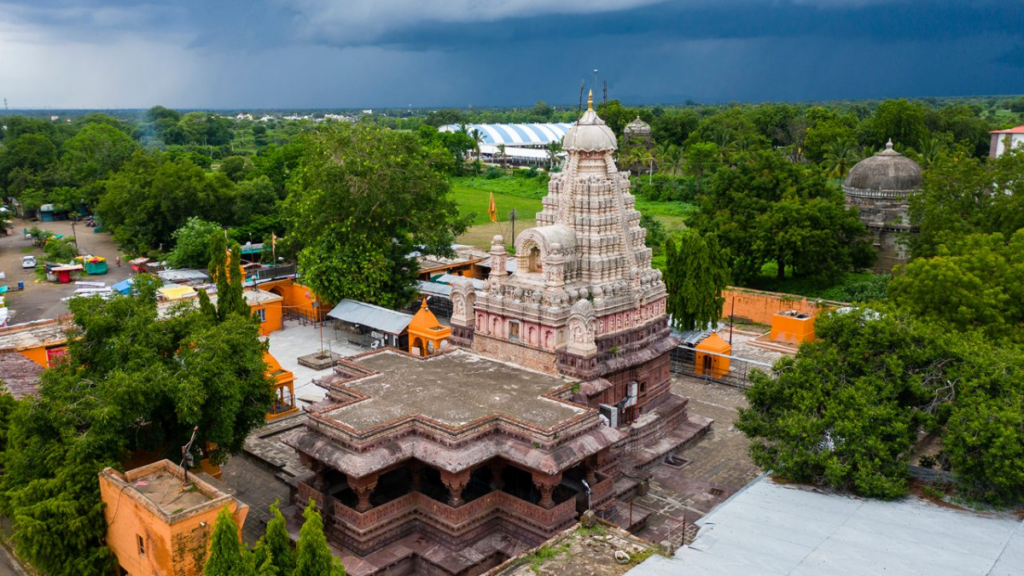
12 Jyotirlingas in India: Temple List, States, Route & Darshan Tips
Explore all 12 Jyotirlingas in India - sacred shrines of Lord Shiva. Complete guide with locations, significance, darshan timings, best time to visit, pilgrimage routes & travel tips.
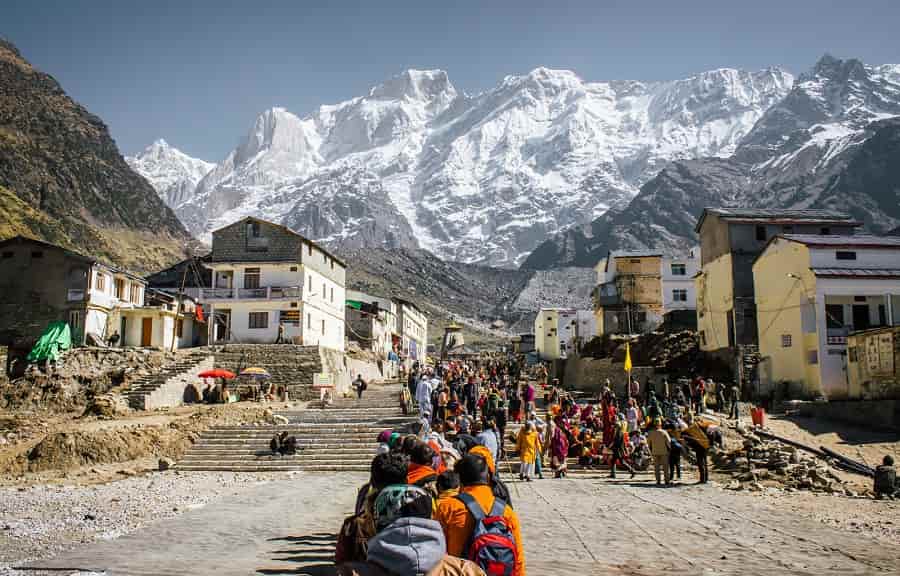
How to Reach Kedarnath: Registration, Route & Trek Information
Plan how to reach Kedarnath with route stages, trek preparation, seasonal timing, and practical safety guidance.
Never Miss an Adventure
Get the latest trekking guides, travel tips, and exclusive offers delivered straight to your inbox.
