
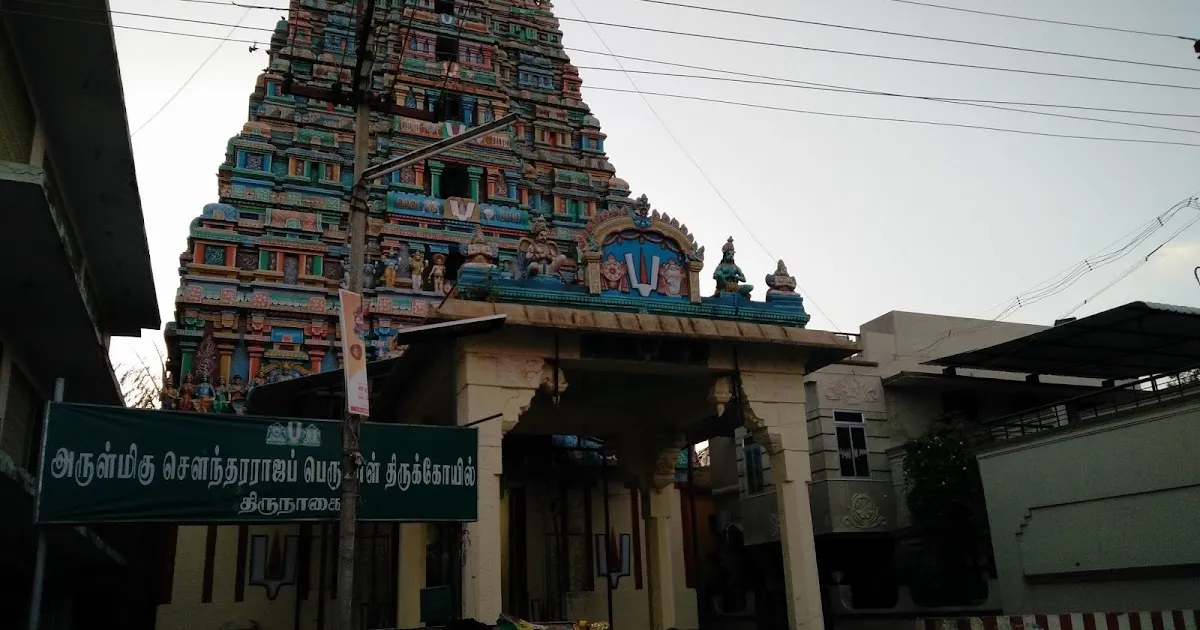
Soundararajaperumal Temple Nagapattinam: Timings, Rituals & Temple Info

Rahul Garg
December 20, 2025
Complete guide to Soundararajaperumal Temple in Nagapattinam. Learn about darshan timings, history, festivals, architecture, and how to reach this sacred Divya Desam.
Soundararajaperumal Temple Nagapattinam: Darshan and Travel Planning Guide
Soundararajaperumal Temple in Nagapattinam is a significant Vaishnav pilgrimage destination with devotional depth and regional cultural importance. Pilgrims visiting the Tamil Nadu coast often include this temple in a broader spiritual route, but the best experience comes when it is planned as a focused stop rather than a rushed add-on. Temple visits in this region are most rewarding when timing, weather, and local movement are planned in advance.
For complete local planning, pair this with places to visit Nagapattinam, experience ideas from things to do in Nagapattinam, regional context via places to visit Tamil Nadu, and route support through Coimbatore to Nagapattinam road trip.
Spiritual Importance
The temple is revered for Lord Vishnu worship and local devotional continuity. Pilgrims come for blessings related to family wellbeing, spiritual steadiness, and gratitude offerings. As with many classical temples in Tamil Nadu, the value of the visit lies in both ritual practice and the sense of continuity across generations of devotees.
Best Time and Darshan Flow
| Time | Crowd | Best For |
|---|---|---|
| Morning | Moderate | Calm darshan and prayer focus |
| Noon | Variable | Short stop with limited wait |
| Evening | Moderate to high | Temple ambience and family visits |
Temple Etiquette
Wear modest attire, follow local queue norms, and maintain silence near sanctum sections. Avoid intrusive photo behavior during active rituals. If you are unfamiliar with temple practice, observe local devotees and follow staff guidance. Respectful conduct preserves the spiritual environment for everyone.
- Carry simple offerings if needed.
- Keep footwear and belongings organized.
- Avoid blocking prayer routes.
- Use minimal phone activity inside.
How to Include in Nagapattinam Itinerary
A practical itinerary format is one temple visit, one local heritage or coastal stop, and one meal break. Avoid too many distant transfers in humid conditions. Pilgrims with elders should keep half-day temple-focused schedules and avoid midday peak heat movement.
You can structure your day around Nagapattinam core sites and keep temple darshan in the calmest available window.
Family and Senior Guidance
Visit in cooler hours, carry water, and allow seated rest if needed. For families with children, establish one regroup point near the entry corridor. If you are combining multiple temples in one day, keep one primary and one secondary instead of three to four compressed stops.
Seasonal and Weather Planning
Coastal weather can be humid and occasionally wet depending on season. Keep breathable clothing, hand towels, and hydration support ready. During monsoon-influenced periods, keep additional route buffer for road delays.
Budget and Local Logistics
This pilgrimage stop is generally budget-friendly. Main costs include transport and nearby food. Keep emergency cash in case digital payment fails in smaller vendor pockets. If you plan local shopping, check recommendations from shopping in Nagapattinam and avoid unplanned detours during peak heat.

Sample Half-Day Devotional Plan
Step 1: Morning temple darshan. Step 2: Quiet reflection and local meal. Step 3: One nearby cultural stop. Step 4: Early return or coastal evening transition.
Temple Route Optimization in Nagapattinam
When planning temple visits in Nagapattinam, route clustering is essential. Keep Soundararajaperumal as either first or second stop of the day and avoid long zig-zag drives in humid conditions. If you have multiple temples in mind, sequence them by distance and prayer timings rather than popularity order. This preserves energy and maintains devotional focus.
Ritual Awareness for First-Time Visitors
Visitors unfamiliar with Tamil temple etiquette should spend a few minutes observing queue flow and ritual order before entering inner sections. Respect sanctum boundaries, avoid intrusive camera use, and follow local indications for offerings. Quiet participation and patience are valued more than ritual complexity.
Climate and Comfort Planning
Coastal humidity can make even short temple circuits tiring. Plan hydration breaks every 60-90 minutes and keep cotton clothing with light shawls. During rainy spells, carry footwear suitable for wet surfaces. Weather-conscious planning improves both comfort and concentration during prayer.
Family Pilgrimage Structure
Families with elders can use a two-block day: morning darshan + rest + evening aarti or short revisit. Children should be briefed on silence rules and regroup points. Keep medical essentials easily accessible, especially in summer months.
Learning-Focused Temple Visit
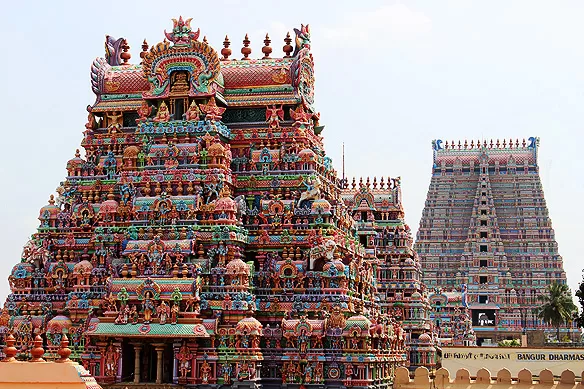
If you enjoy history, take time to understand iconography, gopuram motifs, and ritual movement patterns. Even 20 minutes of guided observation can transform the visit from routine to memorable. Temple experiences deepen when devotion is supported by awareness.
Suggested One-Day Spiritual Itinerary
Start with temple darshan, continue with one cultural site, break for local meal, and close with a low-intensity evening stop. This structure is sustainable and works for both pilgrims and family travelers.
Final Travel Checklist
- Confirm temple open windows before departure.
- Carry modest attire and hydration.
- Keep local transport backup ready.
- Avoid overloading itinerary in coastal heat.
Long-Form Pilgrimage Planning for Nagapattinam
Soundararajaperumal Temple can be the anchor of a full devotional day if you design your route around prayer quality rather than destination count. A practical pattern is darshan first, then a heritage or coastal pause, followed by an evening spiritual close. This structure works especially well in humid coastal regions where physical energy can decline quickly by afternoon.
If you are combining multiple temples, keep one primary temple experience at full attention and treat others as optional depending on weather and stamina. Pilgrimage value drops when movement becomes purely logistical. In Nagapattinam, slower sequencing usually creates deeper spiritual experience and better family comfort.
Weather, Hydration, and Physical Comfort
Coastal climate demands hydration discipline. Keep water accessible and take short rest breaks between transfer legs. For elders and children, avoid extended midday street movement. Choose breathable fabrics and shade-friendly intervals. Simple climate-aware behavior often prevents fatigue and irritability, keeping the pilgrimage emotionally steady.
Spiritual Etiquette for High-Respect Visits
- Observe local prayer flow before joining.
- Keep conversation minimal near sanctum.
- Avoid intrusive camera use during rituals.
- Offerings should remain simple and sincere.
- Exit calmly and avoid crowd compression near gates.
Respectful conduct is the foundation of a meaningful temple journey.
Post-Darshan Reflection Practice
After darshan, spend a few minutes seated in silence before moving to the next point. This transition helps retain spiritual focus and prevents the day from becoming a checklist tour. Even short reflection windows can significantly improve emotional quality of the visit.
Closing Guidance for Devotional Visitors
For the best experience, arrive unhurried, pray with focus, and keep movement respectful around active worship zones. Temple visits in Nagapattinam become most meaningful when visitors combine spiritual intention with climate-smart planning and patient timing.
If you are continuing to another destination, keep one recovery meal and rest block before onward transit.
Arrive with patience, stay hydrated, and allow time for both prayer and reflection. The temple journey becomes richer when you maintain a respectful, unhurried devotional rhythm.
Simple ritual discipline and route planning together create the best pilgrimage outcome here.
Keep your visit unhurried and climate-aware for the best devotional experience.
Small pauses between prayer and travel keep the day spiritually balanced.
Return calmly after darshan and avoid rushing the final leg of your journey.
Final Takeaway
Soundararajaperumal Temple is best experienced with respectful timing, modest movement, and focused spiritual intention. Keep your route compact and avoid rushing. With simple planning, the visit can become one of the most meaningful parts of your Nagapattinam journey.
Location
Frequently Asked Questions
Q1.What is special about Soundararajaperumal Temple?
Q2.What are the darshan timings at Soundararajaperumal Temple?
Q3.Which deity is worshipped in Soundararajaperumal Temple?
Q4.How to reach Soundararajaperumal Temple?
Q5.What is the history of Soundararajaperumal Temple?
Q6.When are the main festivals at Soundararajaperumal Temple?
Q7.Are there facilities for devotees at Soundararajaperumal Temple?
Q8.What are nearby temples to visit with Soundararajaperumal Temple?
Recommended For You
Temples in Dibrugarh: 10 Sacred Sites
Explore 10 famous temples in Dibrugarh, Assam. Discover spiritual sites, Hanuman temple & religious places.
Temples in Guntur: 15 Sacred Sites
Explore 15 famous temples in Guntur, Andhra Pradesh. From Amaravati to Mangalagiri, discover spiritual heritage sites.
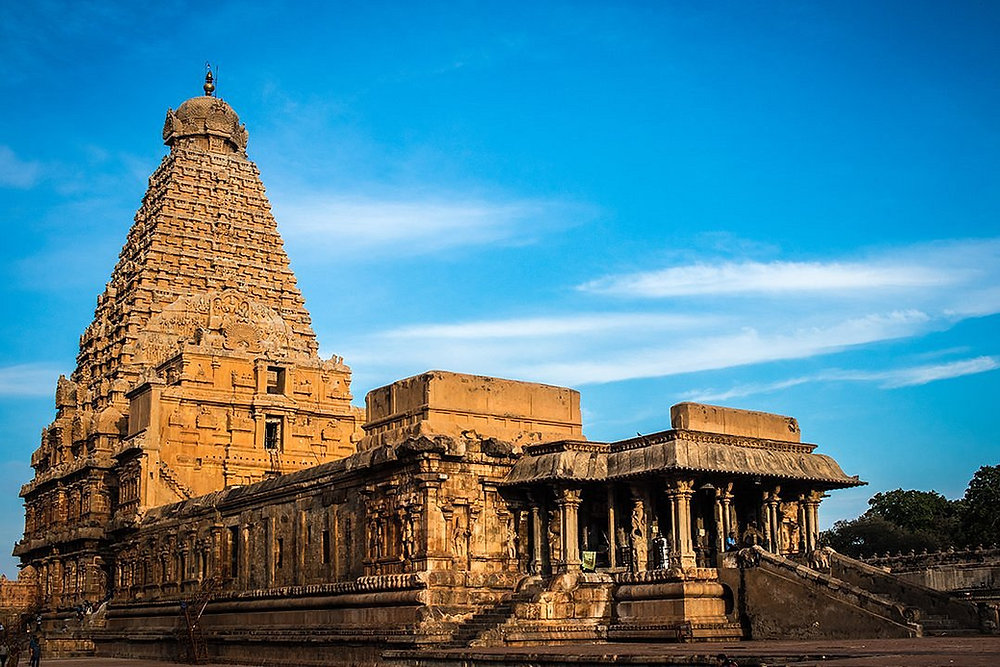
Temples in Thanjavur: The Great Living Chola Heritage
Explore Thanjavur's magnificent Brihadeeswara Temple & UNESCO-listed Chola temples. Discover architecture, history, rituals and travel guide.
Never Miss an Adventure
Get the latest trekking guides, travel tips, and exclusive offers delivered straight to your inbox.
