
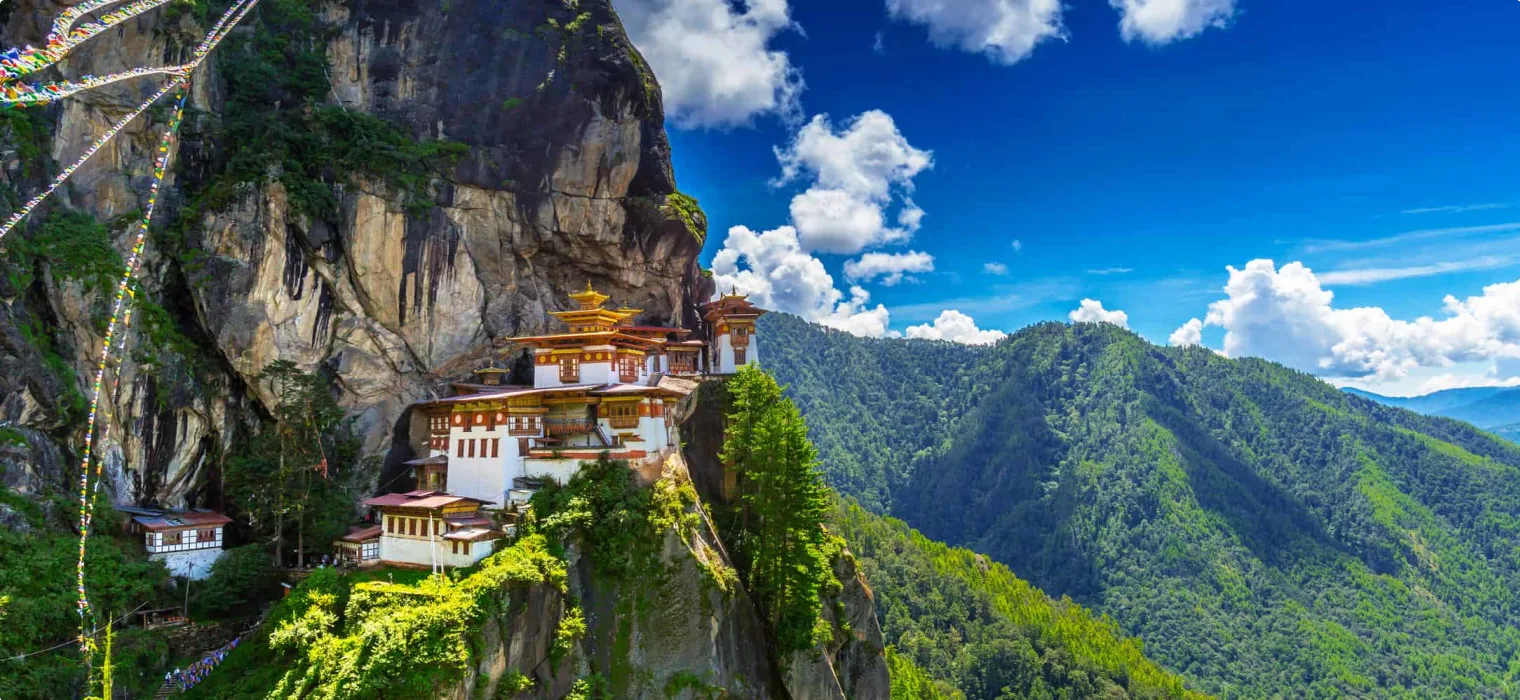
Tigers Nest Bhutan: Trek Guide, Route and Entry Tips
Rohan Malhotra
December 31, 2025
Complete Tiger's Nest Bhutan guide with trek difficulty, route details, best season, permits, entry planning, and practical safety-focused climbing tips.
Introduction: Why Tiger's Nest Is Bhutan's Most Iconic Trek
Tiger's Nest Bhutan, also known as Paro Taktsang, is one of the most recognizable monastery sites in the Himalayas. Built on a sheer cliff face above the Paro valley, it is both a sacred Buddhist pilgrimage site and Bhutan's signature travel experience. For most visitors, this is the highlight of the trip, not just because of the views, but because the journey to the monastery is earned through a steady mountain climb.
Travel photos make it look dramatic, but practical planning is what determines your experience. The Tiger's Nest trek includes altitude gain, steep sections, weather variability, and temple-entry protocols that first-time travelers often underestimate. If you pace correctly, carry the right gear, and start early, the route is manageable for most reasonably fit travelers. This guide covers history, spiritual context, trek difficulty, route timing, permit and entry details, packing, and safety so you can do Paro Taktsang with confidence and respect.
About Paro Taktsang (Tiger's Nest)
Paro Taktsang sits high on the cliffside in upper Paro valley and is associated with Guru Padmasambhava (Guru Rinpoche), who is central to Vajrayana Buddhist traditions in Bhutan. It is considered one of the most sacred religious sites in the country and is visited by both pilgrims and international travelers.
| Key Detail | Information |
|---|---|
| Common name | Tiger's Nest Monastery |
| Formal name | Taktsang Palphug Monastery (Paro Taktsang) |
| Location | Upper Paro Valley, Bhutan |
| Approx altitude | About 3,120 m (10,240 ft) |
| Typical starting area | Taktsang trailhead parking zone |
| Main draw | Sacred monastery + cliffside architecture + trek views |
The complex visible today has undergone restoration and rebuilding phases after historical damage events, but the site remains deeply rooted in Bhutanese religious identity.
History and Legend: Why It Is Called Tiger's Nest
Local religious tradition says Guru Padmasambhava reached this cliffside cave on the back of a tigress and meditated there. This legend is central to the name Taktsang, often translated as "Tiger's Lair" or Tiger's Nest. The story is not treated as a travel anecdote in Bhutan; it forms part of the sacred understanding of the place.
From a historical perspective, the monastery complex associated with the cave developed later, with major construction during the 17th century around an already revered meditation site. Over time, it became a high-value pilgrimage destination and later the most recognizable cultural landmark for international Bhutan tourism.
This dual identity, sacred site plus iconic destination, is why behavior expectations are stricter here than at regular viewpoint treks. Visitors are expected to dress respectfully, follow temple rules, and maintain calm conduct in shrine zones.
Best Time to Visit Tiger's Nest Bhutan
Paro Taktsang can be visited in multiple seasons, but trail comfort and visibility differ significantly.
Spring (March to May)
One of the best windows for clear views, moderate temperatures, and colorful mountain vegetation. Good choice for first-time trekkers.
Autumn (September to November)
Another strong season with crisp visibility and stable trekking conditions. Often preferred for photography and clear monastery framing.
Winter (December to February)
Possible with proper layering. Skies can be very clear, but mornings are colder and trail sections may feel harder for unprepared travelers.
Monsoon (June to August)
Trail can be wet and slippery. Still doable on stable-weather days, but requires extra caution and rain-ready gear.
| Season | Trek Comfort | Photography Potential | Recommendation |
|---|---|---|---|
| Spring | High | High | Excellent for most travelers |
| Autumn | High | Very high | Best overall balance |
| Winter | Moderate | High on clear days | Good with cold-weather prep |
| Monsoon | Variable | Moderate | Only with weather-aware planning |
For seasonal route planning across the country, use best time to visit Bhutan and Bhutan in April.
Tiger's Nest Trek Difficulty and Duration
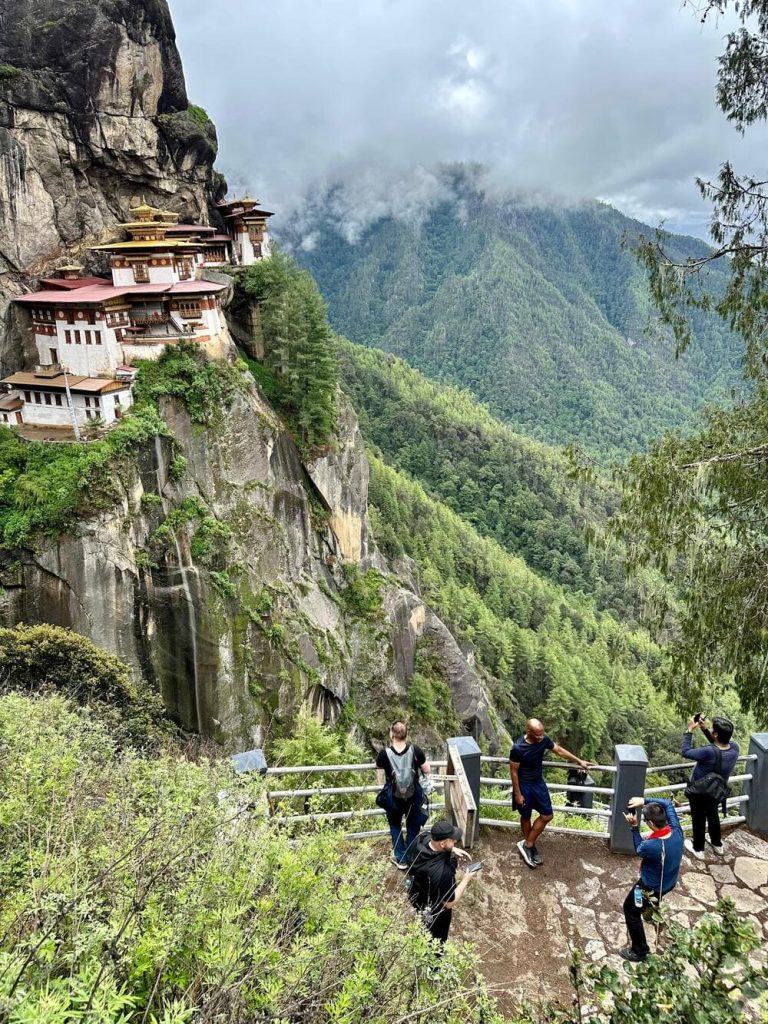
The Tiger's Nest trek is usually rated moderate, but it can feel challenging if you climb too fast or arrive without acclimatization. The route involves steady ascent, mixed dirt-and-stone trail sections, and stair segments near the upper approach.
Typical Trek Metrics
- Round-trip time: usually 4 to 6 hours depending on pace and breaks.
- Ascent profile: sustained uphill with moderate-to-steep sections.
- Altitude factor: trailhead is already high enough to affect pace.
- Return: quicker than ascent but still hard on knees if rushed.
Beginners can do the trek if they pace well, hydrate, and accept frequent pauses. A common mistake is comparing personal pace with aggressive social-media itineraries. On this route, slow and steady is the better strategy.
Can You Take a Horse?
In many cases, horses are available for parts of the ascent up to the cafeteria zone, not all the way to the monastery entrance. Final sections still require walking and stair movement. Availability and rates can vary by season and ground operations.
How to Reach Tiger's Nest from Paro
Paro town is the usual base for the monastery trek. Most visitors drive from town to the trailhead parking area and begin the climb from there.
- From Paro town: short road transfer to trail start.
- From Paro airport: drive to hotel first, then trek day transfer.
- Transport mode: tour vehicle or local arranged cab.
Start early to avoid heat buildup and crowding on steeper trail portions. Early departure also gives buffer time for temple entry formalities and relaxed descent.
If you are planning a wider Bhutan route, combine this with Paro travel guide and best tourist places in Bhutan.
Trek Experience: What to Expect Step by Step
1. Trailhead to Forest Climb
The first section is a steady incline through wooded terrain. It feels manageable at first, but pace discipline matters. Most visitors do better with short, consistent steps and hydration breaks.
2. Midpoint/Cafeteria Zone
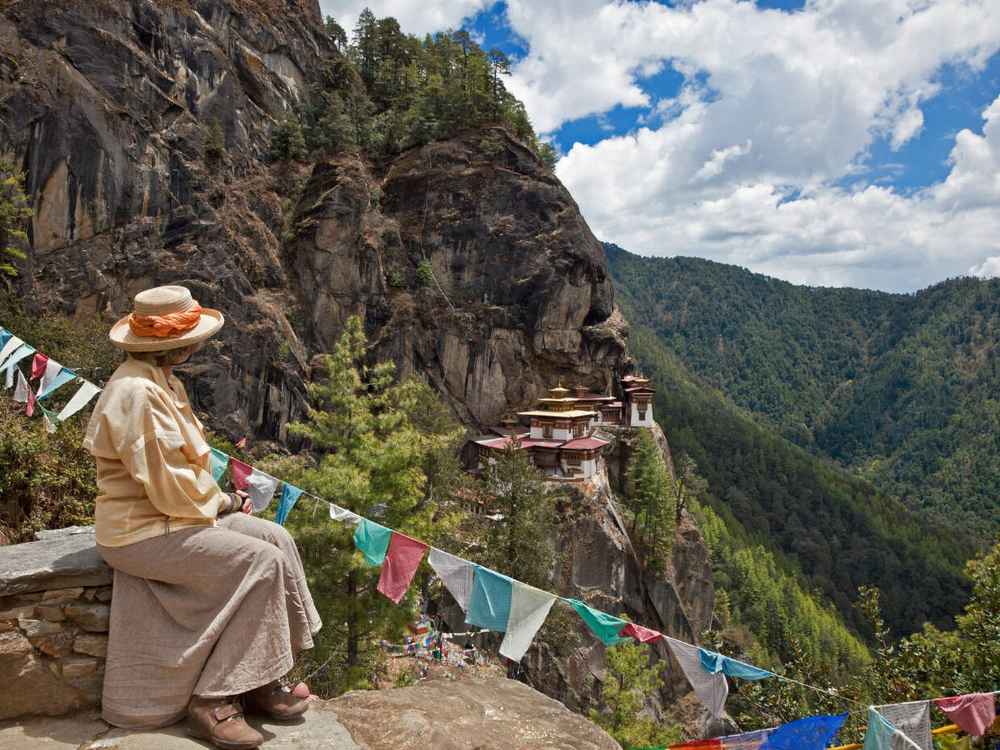
This is the most common rest point with major viewpoint opportunities. Many travelers take their iconic long-shot photos of the monastery from here.
3. Upper Approach and Stair Sections
The final approach includes steeper movement and concentration-demanding sections. Foot placement and patience become more important here than speed.
4. Temple Entry Protocol
Expect security checks and restrictions on items before entry into sacred spaces. Bags/cameras may need to be deposited depending on current rules. Photography inside temple interiors is typically restricted.
Respect local guidance fully. This is a living monastery, not only a scenic monument.
Permits, Fees, and Practical Entry Notes
Bhutan travel regulations can change, and fee structures for visitors are periodically revised. Because rules are policy-sensitive, it is best to verify the latest requirements through official Bhutan tourism channels and your registered operator before travel dates.
| Planning Item | What to Do |
|---|---|
| Visitor eligibility and visa rules | Confirm latest country-specific policy |
| SDF or daily tourism charge | Check current official rate before booking |
| Monastery entry fee | Verify latest on-ground applicable charges |
| Guide requirement | Follow current Bhutan tourism rules for guided travel |
| ID/document checks | Carry required originals and copies as advised |
Do not rely on old blog screenshots for fees or timings. Use current official or operator-confirmed information during final itinerary lock-in.
Packing List for Tiger's Nest Trek
- Grip trekking shoes (non-negotiable).
- Layered clothing for morning-cold and daytime-warm transitions.
- At least 1.5-2 liters water per person.
- Light energy snacks (nuts, bars, fruit).
- Rain shell in wet-season months.
- Sun cap, sunglasses, and sunscreen.
- Basic personal medication and small first-aid pouch.
- Cash buffer for small local payments where needed.
Travel light. Carrying heavy bags on ascent increases fatigue and reduces trail stability.
Health and Safety Tips
Most visitors complete the trek safely when they avoid overexertion and respect mountain conditions.
- Acclimatize at least lightly in Bhutan before the trek day.
- Do not rush the first hour; conserve energy early.
- Take frequent short breaks instead of long infrequent ones.
- Use stair handrails or stable stepping where available.
- Turn back if you feel unwell or unstable.
- Avoid risky edge photography.
If traveling with seniors or children, set expectations around pace and rest before starting. A calm climb is better than a forced summit push.
Photography Tips Without Breaking Monastery Rules
Tiger's Nest offers some of the best mountain-monastery compositions in South Asia, but respectful photography is essential.
- Capture wide establishing shots from official viewpoints.
- Use early-morning light for clearer contrast and softer shadows.
- Avoid blocking narrow trail sections for long photo pauses.
- Do not photograph restricted temple interiors.
- Follow all instructions on camera/bag deposit points.
For many travelers, the most memorable frame is not the closest one, but the classic opposite-viewpoint composition where monastery, cliff, and valley align.
Sample Day Plan from Paro
- 6:30-7:00 AM: light breakfast and departure prep.
- 7:30-8:00 AM: reach trailhead and begin ascent.
- 9:30-10:30 AM: midpoint rest and viewpoint stop.
- Late morning: upper approach + monastery visit sequence.
- Afternoon: controlled descent and return to Paro.
This pace leaves room for rest and temple protocol without turning the day into a rush.
Common Mistakes to Avoid
- Starting too late and climbing in harder midday conditions.
- Underestimating altitude impact on stamina.
- Carrying heavy bags and too little water.
- Ignoring shoe quality on steep sections.
- Using outdated fee/timing information from old posts.
- Treating the site only as a photo location and ignoring religious etiquette.
Cultural Etiquette Inside the Monastery Complex
Once you reach the upper zone, the experience shifts from trek mode to sacred-site mode. Visitors are expected to maintain low voice levels, avoid disruptive behavior, and follow all directions from monastery staff and guides. Dress modestly and avoid flashy or revealing clothing, especially when entering shrine-linked areas. Even when a viewpoint is crowded, remain patient and avoid rushing through restricted corridors.
Photography rules are stricter inside monastery sections than along the trail. If a staff member asks you to keep devices away or deposit items, follow instructions immediately. The goal is to preserve the sanctity of the site, not to limit tourists unnecessarily. Respectful conduct generally leads to a smoother and more meaningful visit experience for everyone.
Budget and Time Planning Tips
Tiger's Nest day planning works best when you budget for transport, guide logistics, food breaks, and buffer time rather than only focusing on entry-related costs. Keep a conservative timeline: many travelers underestimate climb duration and then rush descent, which increases fatigue and risk. If you are traveling as a family or mixed-fitness group, plan for the slowest pace in your team.
| Planning Block | Recommended Approach |
|---|---|
| Start time | Early morning to avoid crowd and heat pressure |
| Pacing | Short regular breaks instead of long infrequent stops |
| Food and hydration | Light breakfast + trail water + simple energy snacks |
| Return window | Finish descent with daylight buffer |
This planning model keeps the trek more enjoyable and reduces avoidable stress on one of Bhutan's most important pilgrimage routes.
Final Takeaway
Tiger's Nest Bhutan is a spiritual landmark and a rewarding mountain trek in one experience. With proper pacing, weather awareness, respectful behavior, and current permit/fee checks, most travelers can complete the route safely and meaningfully.
Plan early, walk steadily, and allow enough time to experience both the trail and the sacred atmosphere at Paro Taktsang. That combination is what makes this climb unforgettable.
Location
Frequently Asked Questions
Q1.Where is Tiger's Nest located in Bhutan?
Q2.How far is Tiger's Nest from Paro town?
Q3.What is the altitude of Tiger's Nest Bhutan?
Q4.Is the Tiger's Nest trek difficult?
Q5.How long does the Tiger's Nest trek take?
Q6.Can beginners do the Tiger's Nest hike?
Q7.What are the entry fee and permit requirements for Tiger's Nest?
Q8.Is Tiger's Nest open year-round?
Recommended For You
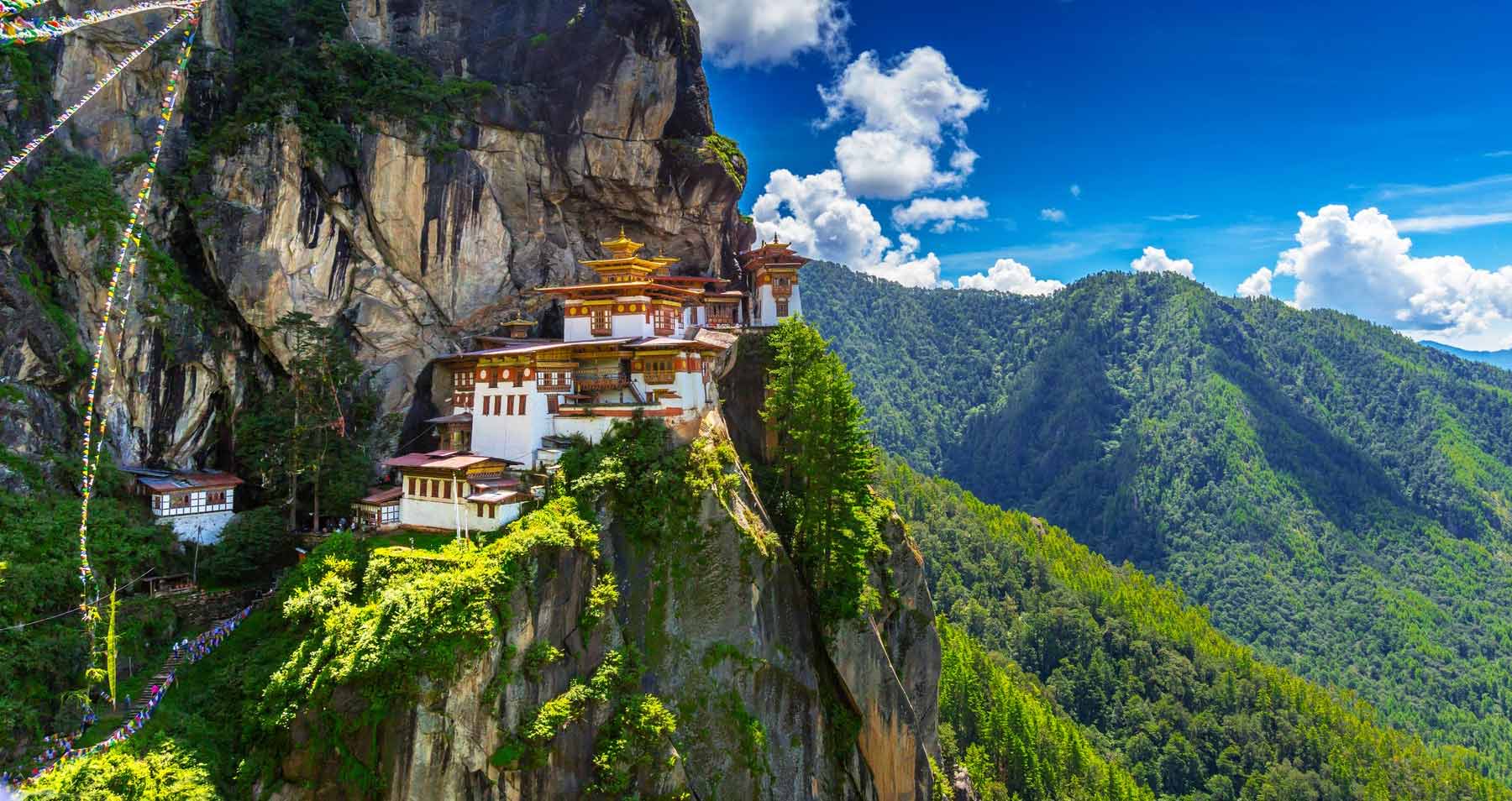
Best Tourist Places in Bhutan: Region-Wise Attractions & Itinerary Ideas
Explore the best tourist places in Bhutan with region-wise highlights from Paro, Thimphu, Punakha, Bumthang, and Phobjikha, plus practical travel planning tips.
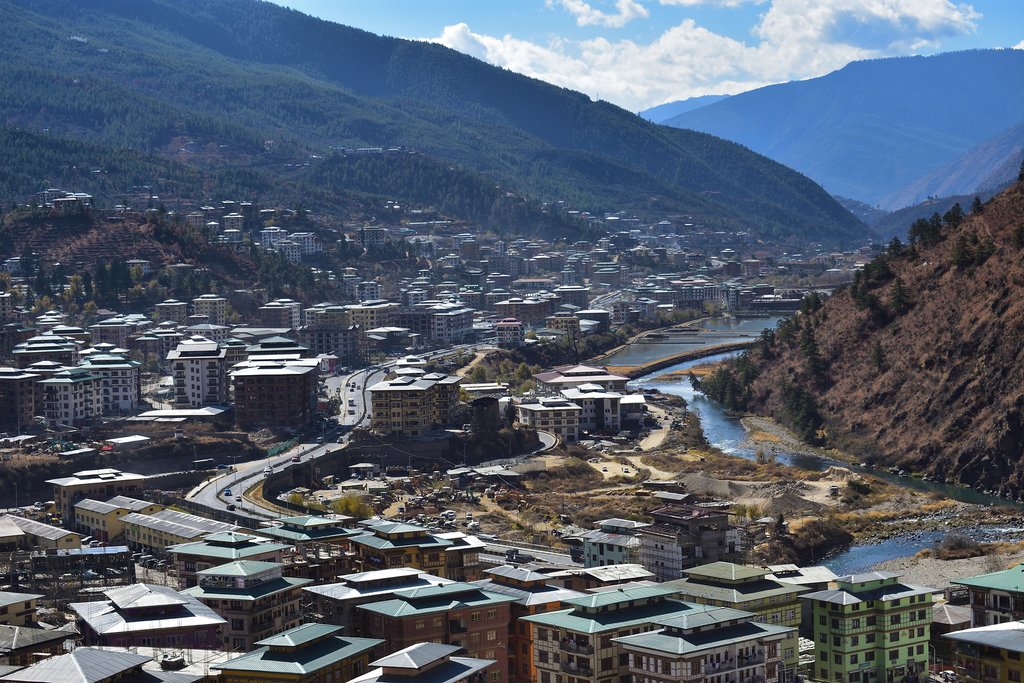
Bhutan in April: Weather, Routes and Travel Tips
Travel Bhutan in April with weather-wise route planning, festival-aware timing, and practical tips for a smooth spring itinerary.
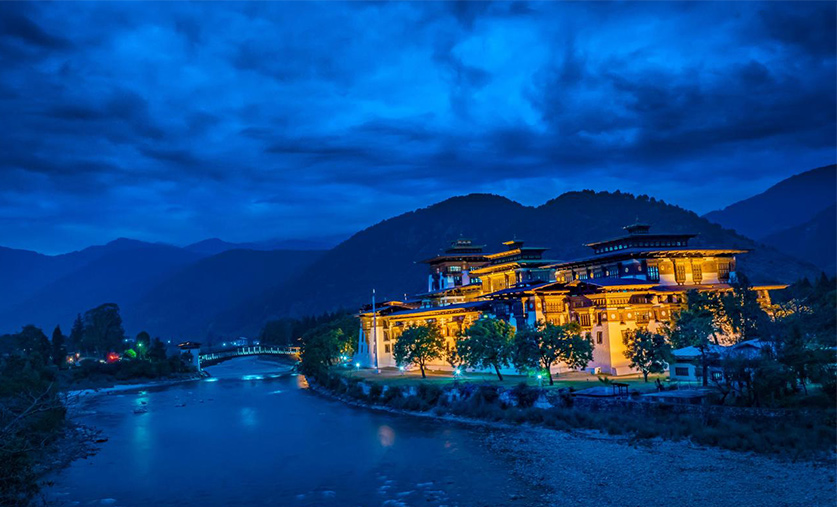
Things to Do in Paro Bhutan: Culture, Monasteries & Trekking Routes
Plan things to do in Paro Bhutan with Tiger’s Nest trek, Paro Dzong, Chele La Pass, temples, and practical 2-3 day itinerary guidance.
Never Miss an Adventure
Get the latest trekking guides, travel tips, and exclusive offers delivered straight to your inbox.
