
Toorji Ka Jhalra Jodhpur: History, Timings & Photo Spots

Neha Kapoor
December 18, 2025
Complete guide to Toorji Ka Jhalra Jodhpur with history, architecture, timings, entry details, nearby attractions, and practical visit planning tips.
Introduction: The Stepwell That Reveals Jodhpur's Hidden Architectural Depth
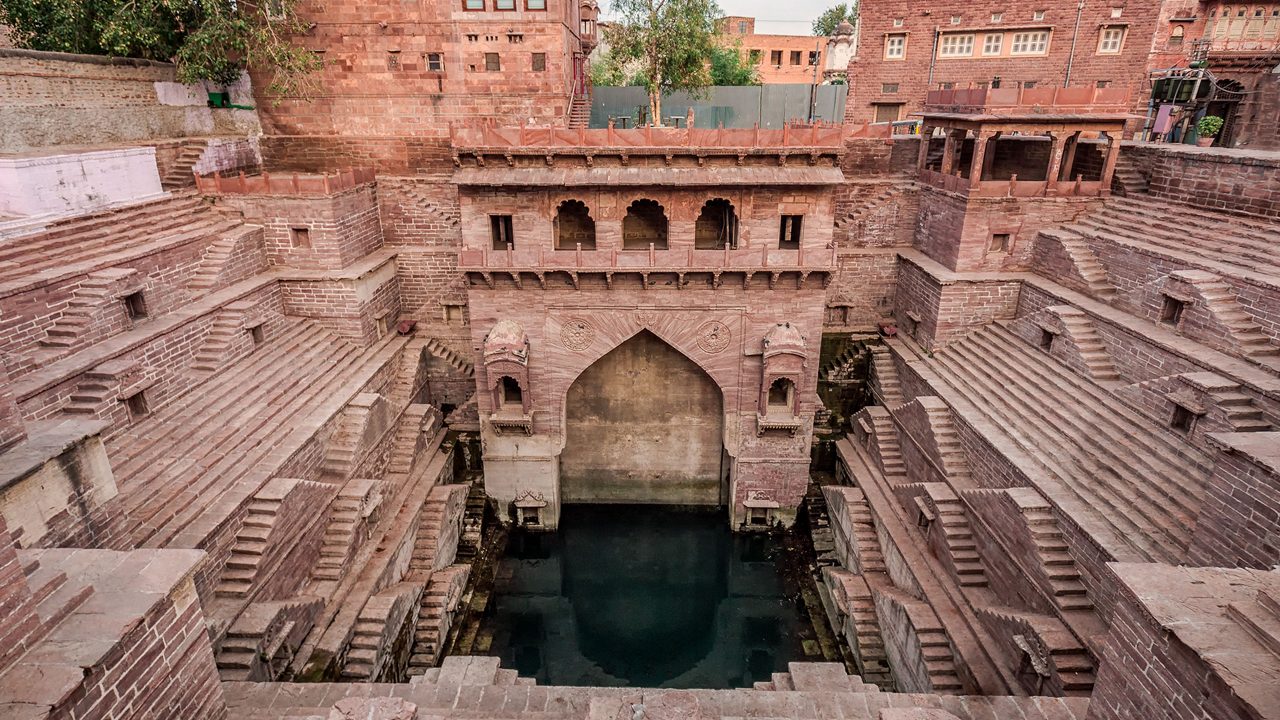
Toorji Ka Jhalra Jodhpur is one of the most photogenic and historically meaningful heritage stops in the Blue City. Located inside the old-city network near major markets and forts, this 18th-century stepwell is a reminder that desert settlements survived through sophisticated water systems, not just palaces and battle forts. Travelers often rush past it while covering bigger attractions, but this monument offers something different: geometric symmetry, social history, climate-smart architecture, and a unique old-city atmosphere.
If you are planning a Jodhpur heritage walk, Toorji Ka Jhalra is a practical anchor point because it can be combined with Mehrangarh Fort, Ghanta Ghar, and nearby bazaars in the same circuit. This guide covers history, architectural features, best time to visit, timing and entry context, route options, nearby attractions, and photography tips so you can plan a meaningful visit instead of just a quick photo stop.
About Toorji Ka Jhalra
Toorji Ka Jhalra is a historic stepwell (also called a baori or jhalra) in Jodhpur's old city area. It is commonly associated with 18th-century Marwar and is widely attributed to Queen Tanwar Ji, consort of Maharaja Abhay Singh. Like many stepwells in Rajasthan, it was built as a public utility structure with civic purpose, not only as decorative architecture.
| Feature | Details |
|---|---|
| Type | Historic stepwell (jhalra/baori) |
| Location | Old city area, near Gulab Sagar and market lanes |
| Era | 18th century (commonly cited 1740s) |
| Built by | Attributed to Queen Tanwar Ji |
| Material | Reddish local sandstone |
| Best for | Heritage walks, architecture, photography |
Today it functions as a major heritage attraction and is often included in old-city walking routes, cultural explorations, and casual coffee-and-photography stops in the surrounding lane network.
History and Cultural Significance
In arid regions like Marwar, water structures were core civic infrastructure. Stepwells were engineered to collect and preserve water while giving the community seasonal access at varying depths. Toorji Ka Jhalra reflects that system-level intelligence. It was not only a reservoir but also a social zone where people gathered daily.
One culturally important aspect of Toorji Ka Jhalra is the role of royal women in commissioning public waterworks. This reflects a broader historical pattern in parts of Rajasthan, where queens and elite women contributed to community architecture linked to survival and welfare. In that context, the stepwell is both an engineering structure and a record of social governance.
For many years, structures like this faced neglect due to urban change and modern piping systems. Recent conservation attention has revived public interest, and Toorji Ka Jhalra is now one of Jodhpur's most recognized heritage spaces.
Architecture: Why This Blue City Stepwell Stands Out
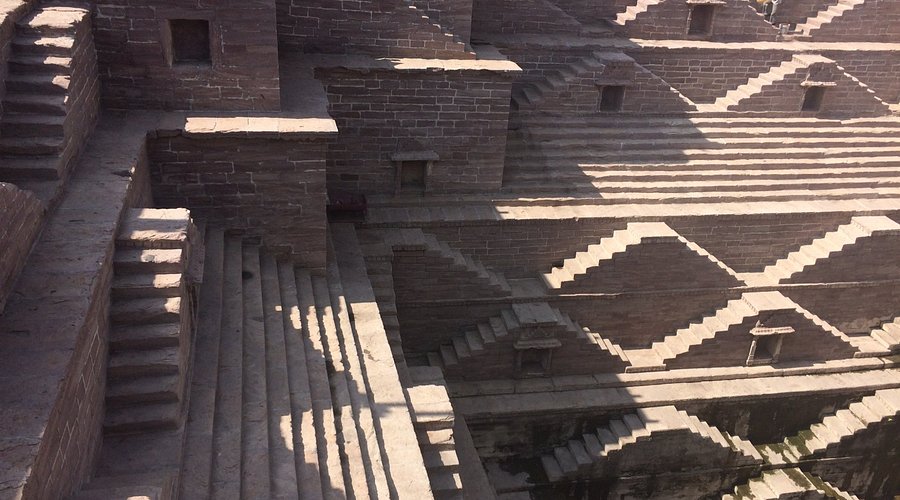
Toorji Ka Jhalra is visually striking because of its descending stair geometry and sandstone detailing. As you look from the upper edges downward, the lines and levels form strong patterns that change with sunlight. This is one reason photographers and architects both consider it an essential Jodhpur stop.
Key Design Highlights
- Symmetrical descending steps with deep visual perspective.
- Multi-level access designed for fluctuating water levels.
- Stone carvings and niches reflecting regional craft traditions.
- Cooling microclimate effect in deeper levels.
- Combination of utility engineering and ornamental execution.
The structure also demonstrates pre-modern climate adaptation: lower levels stay cooler, and the stepped format made water access manageable even as levels changed through seasons.
Toorji Ka Jhalra Timings and Entry Fee
Many travel sources describe Toorji Ka Jhalra as freely accessible and open through most of the day. However, operational patterns around heritage spaces can shift due to local management, safety controls, festivals, or maintenance work. Treat online timing tables as indicative and verify on arrival day if your itinerary is tightly packed.
Practical Visiting Window
- Morning: usually best for lower crowd and softer light.
- Late afternoon: ideal for warm tones and old-city ambiance.
- Avoid peak noon: strong desert sun can reduce comfort and photo quality.
Entry is generally described as no-fee in common listings, but always carry small cash and stay prepared for local rule updates around events or special access controls.
Best Time to Visit Toorji Ka Jhalra Jodhpur
Season matters significantly in Jodhpur. The stepwell can be visited year-round, but comfort levels vary sharply.
| Season | Experience | Recommendation |
|---|---|---|
| October to March | Pleasant weather, walkable old-city circuits | Best overall period |
| April to June | Hot conditions, harsh midday light | Visit early morning only |
| July to September | Variable weather, atmospheric skies | Good with weather buffer |
For most travelers, November to February gives the easiest combination of walk comfort, photography quality, and route efficiency across nearby attractions.
How to Reach Toorji Ka Jhalra
The stepwell is inside old Jodhpur and is easiest to access as part of a walking-plus-short-ride plan.
- From Ghanta Ghar/Sardar Market: short walk through old lanes.
- From Mehrangarh Fort side: can be combined in a heritage loop.
- From Jodhpur Railway Station: quick auto/cab transfer to old city.
- From Jodhpur Airport: city transfer by taxi or app cab.
Navigation apps usually work, but lane-level access can be confusing for first-timers. It is smart to pin a nearby landmark cafe or junction as a fallback point.
Plan broader city logistics with Jodhpur travel guide and best time to visit Jodhpur.
Nearby Attractions You Should Combine
Toorji Ka Jhalra works best in a compact old-city cluster itinerary. These attractions are easy to combine without long commutes:
- Mehrangarh Fort: major heritage anchor and panoramic viewpoints.
- Ghanta Ghar (Clock Tower): market life and street atmosphere.
- Jaswant Thada: memorial architecture in a peaceful setting.
- Blue-city lanes: walking photography and local interactions.
Useful internal route links: Mehrangarh Fort Jodhpur, Ghanta Ghar in Jodhpur, and places to visit in Jodhpur.
Photography Tips for Toorji Stepwell
Toorji Ka Jhalra is one of the best composition-driven locations in Jodhpur. Strong lines and levels allow excellent frame control even with basic equipment.
Best Photo Approaches
- Top-down framing: capture geometric depth and symmetry.
- Side-angle details: include carvings and step rhythm.
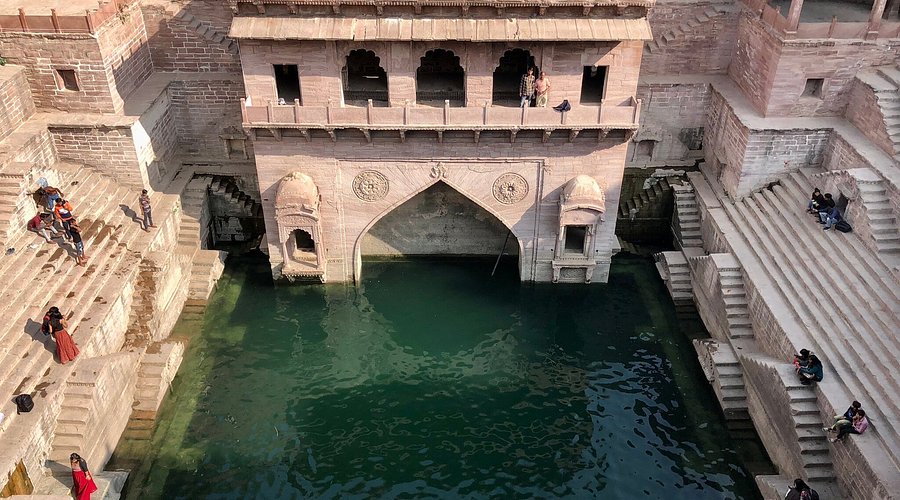
- Human-scale shots: use figures carefully to show monument scale.
- Golden-hour color: sandstone tones become richer in softer light.
Practical Camera Notes
- Wide lens helps with full-depth perspective.
- Mid-range focal length works well for detail isolation.
- Avoid extreme contrast noon light unless intentional.
- Respect local movement and do not block narrow pathways.
If you shoot with a phone, enable grid lines and use the step edges as leading lines for cleaner composition.
Suggested 2-3 Hour Heritage Micro-Itinerary
If you are short on time, this structure works efficiently:
- Start at Toorji Ka Jhalra in morning or late afternoon.
- Walk to Ghanta Ghar and market lanes.
- Break at a nearby cafe/rooftop point.
- Continue to Mehrangarh Fort or Jaswant Thada.
This keeps travel compact and gives both monument depth and market texture in a single session.
Travel Tips and Safety Notes
- Wear shoes with good grip; stairs can be uneven or wet.
- Carry water but avoid littering any heritage zone.
- Use sun protection in warmer months.
- Stay aware near edges and deeper levels.
- Visit earlier in day if traveling with children or seniors.
- Respect local residents and keep noise low in lane areas.
Toorji Ka Jhalra is generally a short stop (30-60 minutes), but if you enjoy architecture and street textures you can easily spend longer.
Conservation and Responsible Visiting
Stepwells are fragile heritage environments because they combine masonry, moisture variation, and high footfall. Responsible visiting matters. Avoid climbing unsafe ledges, scratching names on stone, or placing litter in lower levels. Even small careless actions can accelerate damage in carved sandstone surfaces.
Local preservation efforts have helped revive Toorji Ka Jhalra as a public heritage space. Travelers can support this by respecting safety boundaries, avoiding loud disruptive behavior, and following any temporary access controls during maintenance periods. If you are with a group, keep movement compact so narrow stair corridors remain usable for all visitors.
Why This Stepwell Matters in Rajasthan's Heritage Story
When people think of Rajasthan architecture, they often focus on forts and palaces. Stepwells like Toorji Ka Jhalra add an important layer to that story. They represent everyday resilience, hydraulic intelligence, and civic design in extreme climates. This is heritage tied directly to survival and community life, not only royal symbolism.
For travelers, that makes the stepwell visit more meaningful. It is not just a beautiful backdrop; it is an example of how historic Indian cities engineered water access long before modern utilities. The monument rewards slow observation, especially when paired with old-city walking.
Final Takeaway
Toorji Ka Jhalra Jodhpur is one of the most accessible and rewarding heritage stops in the Blue City. It combines architecture, history, and practical location value in one compact site. If you plan your timing well and connect it with nearby landmarks, this stepwell can become a highlight of your Jodhpur itinerary, not just a quick detour.
For the best experience, pair it with Mehrangarh, Ghanta Ghar, and one relaxed old-city walk segment so you see both monumental and everyday heritage in the same route.
If you can, visit once for photos and once for observation. A second slow pass across the stair geometry reveals design details and urban context that most quick visits miss.
Location
Frequently Asked Questions
Q1.Where is Toorji Ka Jhalra located in Jodhpur?
Q2.What is Toorji Ka Jhalra famous for?
Q3.Who built Toorji Ka Jhalra?
Q4.What is the entry fee for Toorji Ka Jhalra?
Q5.What are Toorji Ka Jhalra timings?
Q6.How much time is needed at Toorji Ka Jhalra?
Q7.What is the best time to visit Toorji Ka Jhalra?
Q8.Is Toorji Ka Jhalra safe for evening visits?
Recommended For You
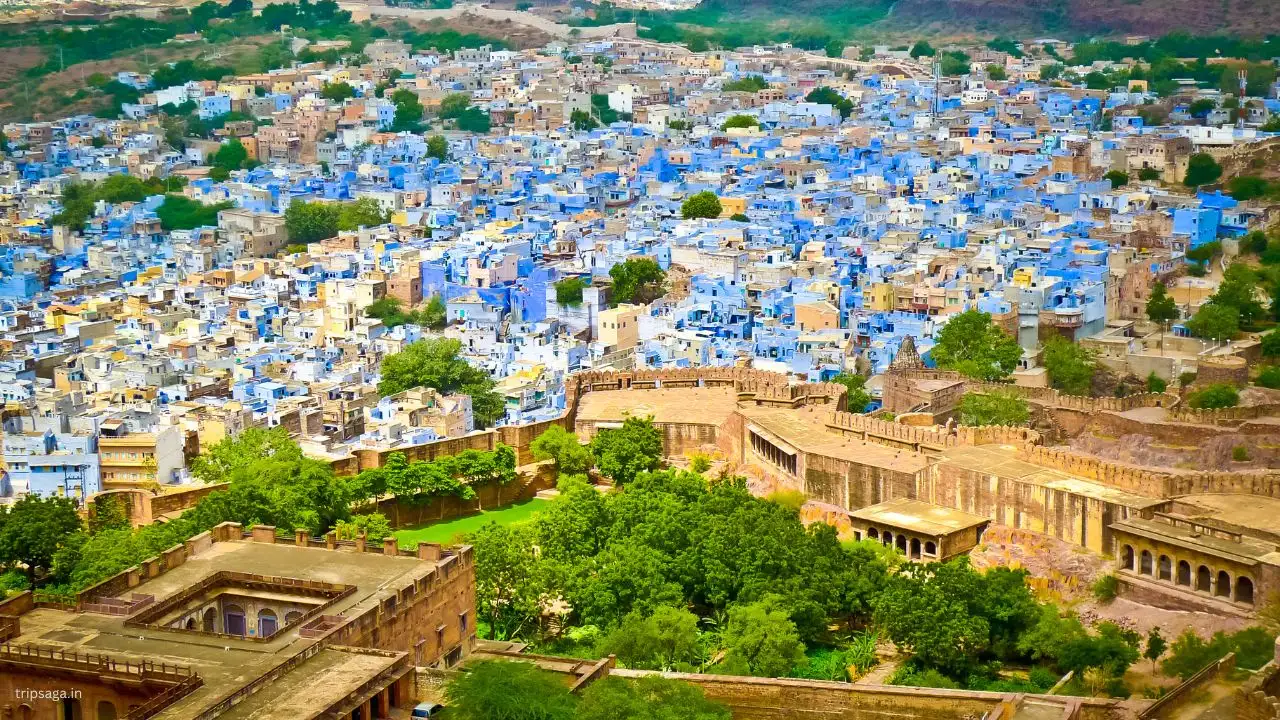
Jodhpur: Complete Travel Plan Forts And Weather
Complete Jodhpur travel guide featuring Mehrangarh Fort, Blue City, Jaswant Thada, Umaid Bhawan, desert safaris & shopping tips.
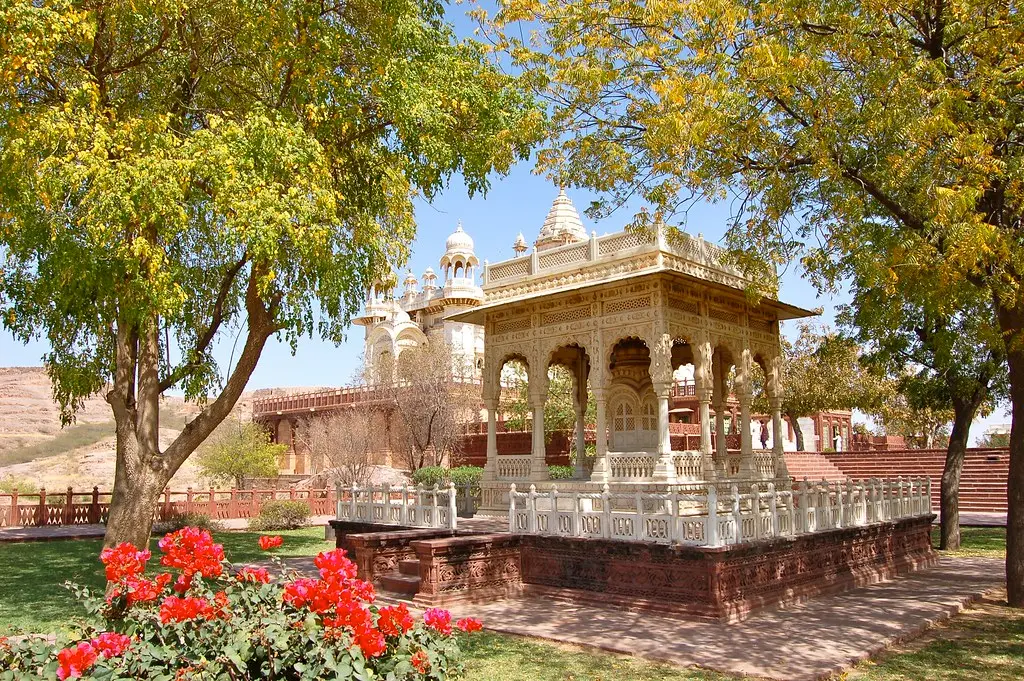
Jaswant Thada Jodhpur: Entry Fee, Timings & Best Photo Angles
Discover Jaswant Thada Jodhpur, the stunning white marble cenotaph known as the 'Taj Mahal of Marwar'. Get timings, entry fee & complete guide.
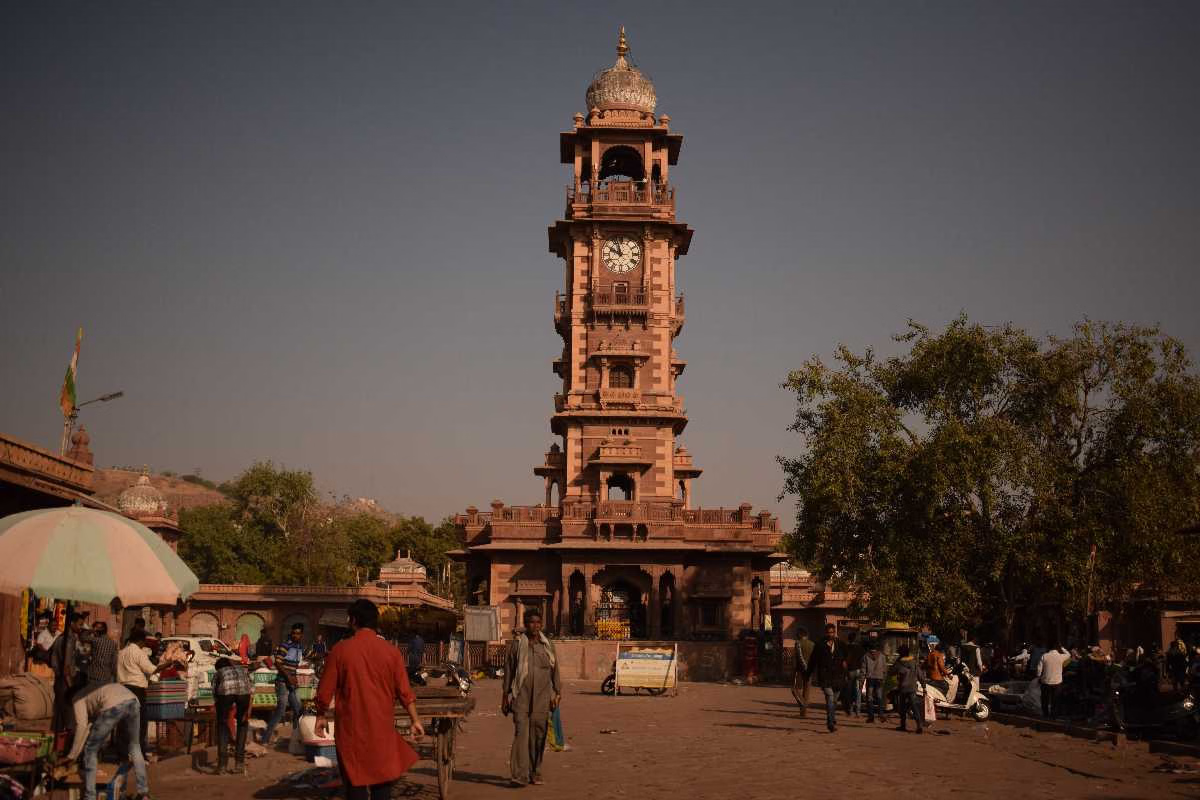
Ghanta Ghar Jodhpur: Clock Tower History & Market Shopping
Explore Ghanta Ghar Jodhpur with history, market timings, shopping tips, street food recommendations, and practical guidance for visiting Clock Tower and Sardar Market.
Never Miss an Adventure
Get the latest trekking guides, travel tips, and exclusive offers delivered straight to your inbox.
