
Pataleshwar Cave Temple Pune: Timings, Architecture & Visitor Tips

Priya Mehta
February 18, 2026
Visit Pataleshwar Cave Temple Pune with this complete guide to timings, architecture, spiritual significance, nearby attractions, and route planning.
Introduction: An 8th-Century Rock-Cut Shrine in Central Pune
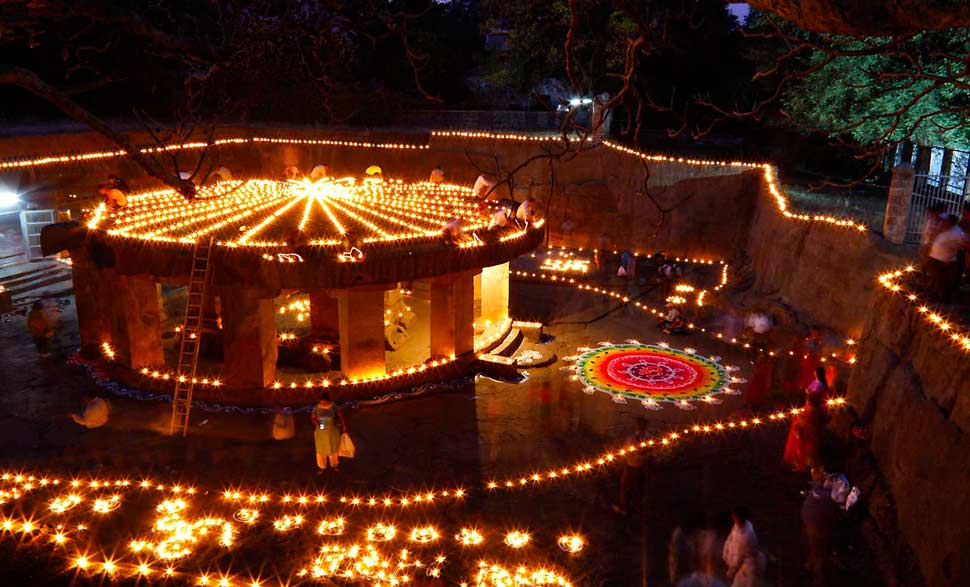
Pataleshwar Cave Temple Pune is one of the city's most fascinating heritage spaces because it combines religious continuity, early medieval architecture, and urban accessibility in one location. Carved out of basalt rock and dedicated to Lord Shiva, the temple is often visited by people who want a quiet spiritual pause in the middle of Pune's active city movement.
What makes Pataleshwar unique is the contrast: outside, you are close to a busy city corridor; inside, the cave-like atmosphere feels slow, cool, and meditative. For first-time visitors to Pune, this is an easy cultural stop because it does not demand long travel time or expensive entry planning.
If you are creating a city temple-and-heritage circuit, combine this visit with Dagadusheth Halwai Ganpati Temple, Shaniwar Wada, and Saras Baug.
History and Architectural Background
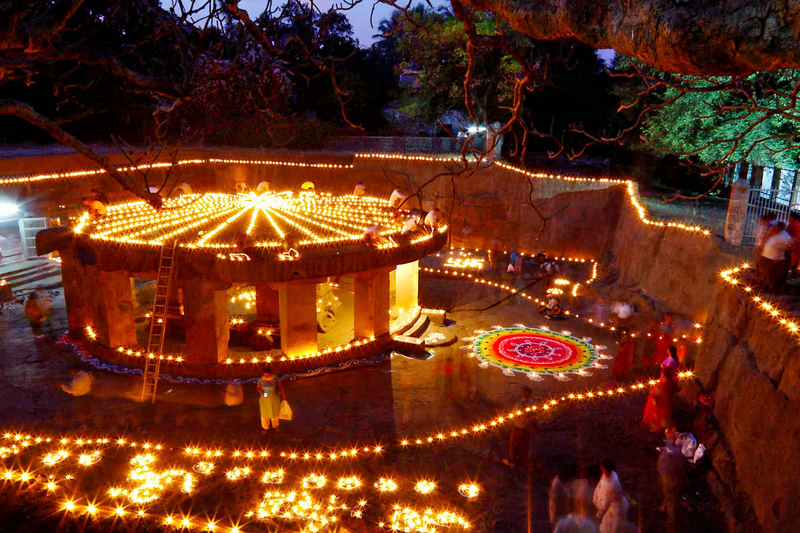
Pataleshwar Cave Temple is generally associated with the Rashtrakuta period and is widely considered an 8th-century rock-cut structure. The design language links it to broader Deccan rock-cut traditions where entire worship spaces were excavated from a single rock mass rather than built with separate stone blocks.
The temple is often described as architecturally incomplete, and that itself adds historical interest. You can still observe strong structural features: carved columns, a sanctum space, and the Nandi-facing alignment associated with Shiva temples. Even without ornate over-decoration, the cave has striking volume and proportion.
| Historical Feature | Why It Matters |
|---|---|
| Rock-cut method | Shows advanced excavation craftsmanship |
| Rashtrakuta-era attribution | Places the site in early medieval Deccan history |
| Shiva dedication | Connects architecture with living worship practices |
| Urban survival | Rare continuity of cave heritage inside modern city limits |
Temple Layout and Core Elements
Nandi Mandapa
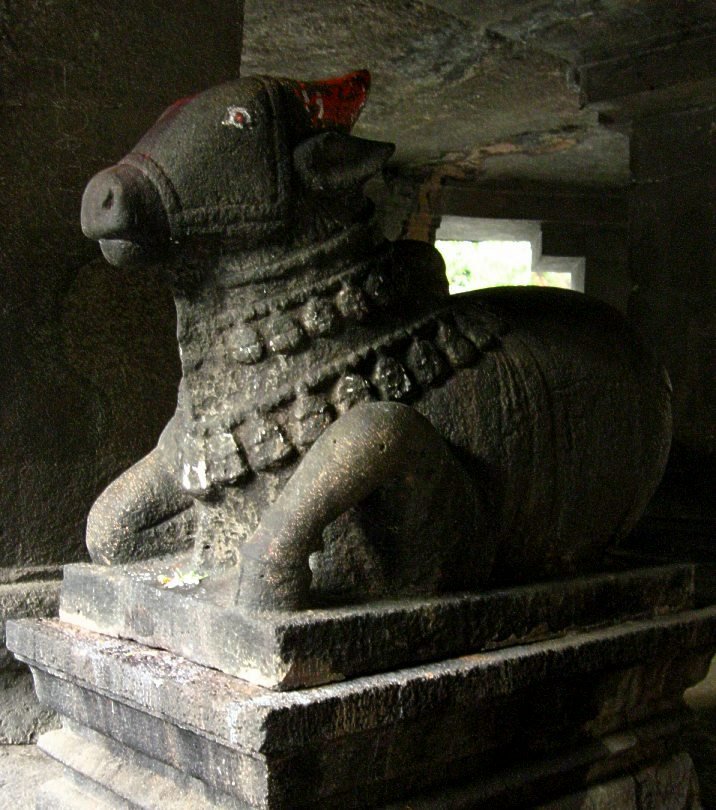
One of the most recognized visual points is the Nandi structure aligned toward the Shiva shrine. The open mandapa arrangement helps visitors immediately understand the axial layout common in Shiva temple planning.
Main Sanctum
The sanctum houses the Shiva linga and remains an active devotional area. Visitors should maintain temple etiquette by keeping noise low and respecting worship flow.
Pillared Cave Space
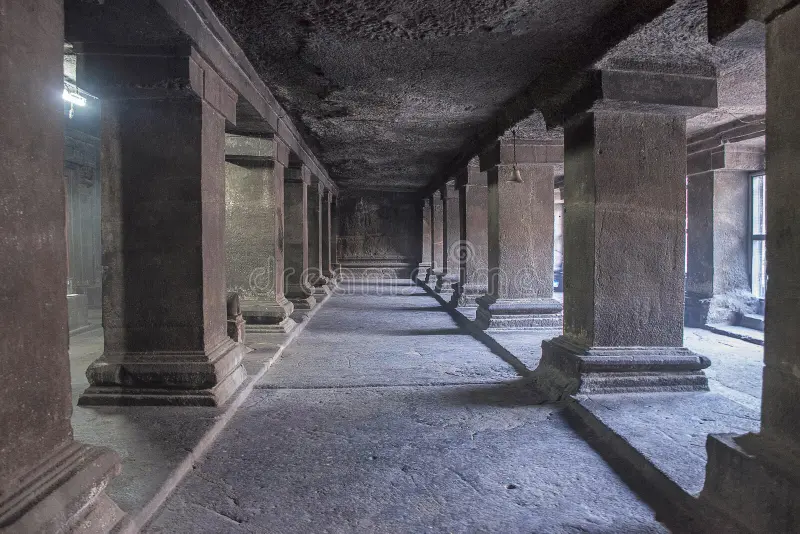
The pillared rock-cut hall gives the temple its strongest architectural personality. The simplicity of the carved geometry adds to the meditative feel of the cave interior.
Religious Significance and Worship Experience
Pataleshwar is not just an archaeological stop; it is a living temple where devotees visit regularly. This dual identity is important for travelers. You are entering both a historic monument and an active sacred space. During major Shiva-related observances, the temple sees increased devotional activity and stronger spiritual atmosphere.
Many local visitors prefer early hours for darshan because the cave remains quieter and cooler. Even non-religious travelers often describe the interior as grounding due to natural stone acoustics and low-light calmness.
Timings, Entry Fee, and Visit Duration
Commonly reported visiting hours are daytime windows from morning to evening, and entry is generally free for standard temple visits. Because timings can change during festivals, maintenance periods, or local administrative updates, it is wise to reconfirm before travel day.
- Typical entry fee: Usually free for temple access.
- Suggested visit duration: 30 to 60 minutes.
- Best for: Heritage travelers, devotees, city explorers.
- Crowd pattern: Weekends and festival days are busier.
How to Reach Pataleshwar Cave Temple
The temple is located in central Pune and can be reached easily by auto-rickshaw, cab, local bus, or private vehicle. From major city points like railway station zones and commercial areas, transfer time is usually manageable depending on traffic.
| Starting Point | Mode | Practical Note |
|---|---|---|
| Pune station side | Auto/cab | Short urban transfer |
| Airport side | Cab | Time depends on city traffic windows |
| Within central Pune | Auto/bus/walk + local transit | Easy to combine with nearby sites |
Parking around central corridors can be limited during peak periods, so consider app cabs or autos if you are visiting during busy hours.
Best Time to Visit Pataleshwar Temple
Morning and late afternoon are generally the most comfortable slots. In summer, early hours are better for avoiding heat and crowd buildup. Winter and post-monsoon months are usually pleasant for city temple circuits. Festival days offer stronger devotional atmosphere but bring higher footfall.
Nearby Attractions to Combine in One Route
Pataleshwar is ideal for a compact heritage circuit. You can plan one religious stop, one fort-heritage stop, and one garden or lake stop in the same day without long intercity movement. This works especially well for first-time Pune travelers.
| Nearby Attraction | Trip Value | Best Pairing Slot |
|---|---|---|
| Dagadusheth Ganpati | Active devotional landmark | Morning or evening |
| Shaniwar Wada | Maratha-era heritage context | Midday heritage block |
| Saras Baug | Relaxed green-space closure | Evening unwind |
Photography Guidance
Pataleshwar is photogenic for architectural framing, especially around column depth and Nandi alignment. Use natural light where possible and avoid flash in sensitive worship areas. If devotees are praying, prioritize respect over image capture and keep camera movement minimal inside active sacred zones.
Detailed 1-Day Pune Heritage Plan Including Pataleshwar
Morning: Pataleshwar darshan and architectural walk. Late morning: move to nearby heritage or museum stop. Afternoon: local food break and rest. Evening: Dagadusheth and Saras Baug combo or market-side city walk.
This sequence reduces travel fatigue and keeps high-crowd zones for later slots. If you have only half a day, prioritize Pataleshwar + one nearby attraction and avoid overpacking.
Common Visitor Mistakes to Avoid
- Treating the temple only as a photo point and ignoring its religious role.
- Visiting at peak midday heat during summer city traffic.
- Skipping buffer time in a central Pune itinerary.
- Using loud behavior inside cave prayer zones.
- Assuming parking will always be instantly available.
Practical Travel Tips
- Wear modest clothing suitable for temple visits.
- Carry water and comfortable footwear for city movement.
- Plan weekday visits if you want quieter exploration.
- Keep local cash and digital payment options both ready.
- Combine nearby attractions to optimize transport time.
- Respect local instructions in shrine areas.
Architectural Reading Tips for First-Time Visitors
If you are new to rock-cut temple architecture, start by observing axis and depth: entrance alignment, pillared transitions, and sanctum orientation. Pataleshwar is an excellent learning site because the structure is compact and easy to study without long trekking or crowded ticket queues.
Notice how carving logic differs from block-built temples. Here, space is removed from rock mass rather than assembled in layers. This gives the temple a monolithic character and a distinct acoustic feel that supports the meditative atmosphere.
Best Visit Pattern by Purpose
| Visit Purpose | Suggested Time | Duration |
|---|---|---|
| Peaceful darshan | Early morning | 30-45 min |
| Architecture-focused visit | Morning or late afternoon | 45-60 min |
| Temple circuit day | Split across day blocks | Half-day combo |
Cultural Etiquette Checklist
- Remove footwear before entering shrine spaces.
- Dress modestly and avoid disruptive behavior.
- Do not block prayer movement for photos.
- Ask before photographing devotees.
Following these simple norms improves the visitor experience for everyone and preserves the temple's living spiritual environment.
Pataleshwar in Pune's Heritage Narrative
Many Pune itineraries focus on Maratha-era landmarks, public museums, and modern cafe districts. Pataleshwar adds a deeper time layer by taking travelers into early rock-cut traditions that predate many commonly visited city narratives. This makes the temple particularly useful for travelers who want chronological diversity in one day: ancient cave architecture, medieval and Maratha influences, and contemporary city life in one compact route.
Because the temple is in an urban setting, it also demonstrates how old sacred spaces survive inside modern development pressure. Observing this coexistence helps visitors understand Pune beyond list-style attractions.
Student and Research-Oriented Visit Format
For architecture students, history learners, or heritage researchers, Pataleshwar works well as a short field-study stop. Use a structured method: first map the site axis, then document column rhythm, then compare with other rock-cut typologies you know from Deccan cave traditions.
| Study Lens | What to Observe | Output Idea |
|---|---|---|
| Architecture | Monolithic carving logic and spatial transitions | Sketch with section notes |
| Religious Practice | Flow of devotees in active shrine setting | Behavioral mapping |
| Urban Heritage | Temple-surround relationship in city core | Context photo essay |
This method turns a short visit into a meaningful documented experience. Even non-specialist travelers can use parts of this approach to engage with the site more thoughtfully.
Local Experience Tips Beyond the Temple
After your Pataleshwar visit, explore nearby old-city food lanes or cultural neighborhoods at a relaxed pace instead of rushing to distant points. Pune is best understood through layered transitions, and Pataleshwar is one of the strongest starting points for that experience.
If you prefer quieter documentation, visit on a weekday and spend a few minutes listening to the cave acoustics before photographing. This small pause helps you observe the temple as both architecture and living sacred space, which is the most meaningful way to experience Pataleshwar.
Arrive early, move respectfully, and let the stone geometry reveal its quiet narrative.
Conclusion
Pataleshwar Cave Temple Pune is one of the most accessible ways to experience rock-cut heritage and active spirituality in the same place. It is compact, meaningful, and easy to include in city itineraries. With respectful behavior and smart timing, even a short visit can offer strong cultural value and a memorable contrast to Pune's modern urban pace. Pair it with a walk through the Maratha-era Shaniwar Wada or a peaceful stop at Saras Baug for a fuller heritage day in the city.
Location
Frequently Asked Questions
Q1.What are Pataleshwar Cave Temple timings?
Q2.Is there an entry fee for Pataleshwar Temple?
Q3.How much time is needed to explore Pataleshwar?
Q4.Who built Pataleshwar Cave Temple?
Q5.Is photography allowed in Pataleshwar Temple?
Q6.Where is Pataleshwar Cave Temple located?
Q7.Is parking available near Pataleshwar Temple?
Q8.Is Pataleshwar Cave Temple worth visiting?
Recommended For You
Waste to Wonder Park Delhi: Entry Fee, Timings & Night View Experience
Plan your Waste to Wonder Park Delhi visit with updated timing context, ticket tips, nearest metro info, seven wonders highlights, and evening photo strategy.

Places to Visit in Pune: Forts, Museums, Cafes & Weekend Spots
Explore top places to visit in Pune including Shaniwar Wada, Aga Khan Palace, temples, museums, gardens, and nearby hill getaways.

Things to Do in Pushkar: Ghats, Cafes, Desert Activities & Markets
Explore top things to do in Pushkar with temple, lake, market, and cafe plans plus practical tips for a smooth Rajasthan trip.
Never Miss an Adventure
Get the latest trekking guides, travel tips, and exclusive offers delivered straight to your inbox.
