
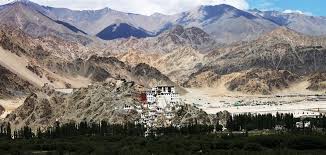
Upshi Monastery Ladakh Guide: History, Route, Best Time, and Travel Tips

Rahul Garg
February 25, 2026
Plan Upshi Monastery Ladakh with route logic, season advice, cultural etiquette, and practical stop strategy for a deeper Ladakh itinerary.
Introduction
Upshi Monastery is one of those Ladakh spiritual stops that many travelers cross without planning properly. Most itineraries mention Upshi only as a route junction between Leh, Chumathang, and Tso Moriri sectors, but the monastery side of the settlement offers a calm cultural window that is worth a dedicated stop. If your Ladakh plan is only pass-and-lake focused, adding an hour here improves trip depth and gives context to local Buddhist life beyond headline monasteries. This guide is designed for practical travelers: how to place Upshi Monastery in your route flow, what to expect on ground, how much time to allocate, what season gives best conditions, and how to combine it with nearby spiritual and landscape experiences. If you are building a larger circuit, align this with Leh Ladakh bike trip guide and Alchi Monastery Ladakh for better sequencing.
Where Upshi Monastery Fits in a Ladakh Itinerary
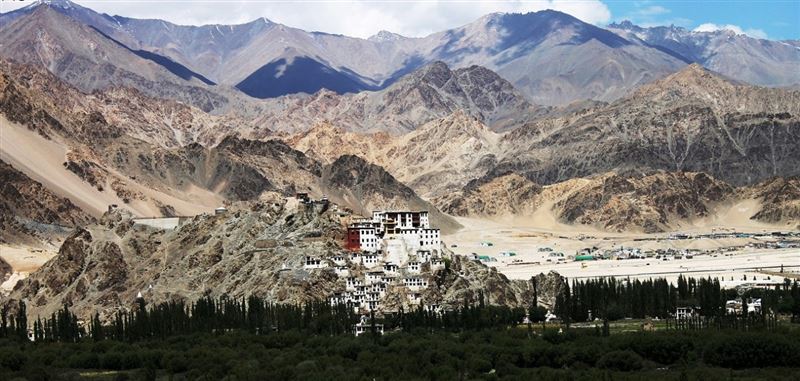
Upshi is strategically placed on routes that many travelers already use, which is exactly why it is easy to include without major detour. People heading toward Chumathang and Tso Moriri often pass this belt, and that gives an efficient opportunity for a short spiritual break. Unlike very crowded landmarks, Upshi’s atmosphere is quieter and slower, making it useful as a reflective stop between long drive sections. For travelers who start early from Leh, a planned stop at Upshi works well before continuing to high-altitude sectors. Keep this as a focused cultural stop, not a rushed photo point. Spend time observing prayer spaces, local architecture, and surrounding valley textures. Responsible travel here means calm behavior, modest photography etiquette, and no disturbance during prayer routines.
Historical and Cultural Context
Like many Ladakh monasteries, Upshi Monastery is rooted in regional Buddhist traditions shaped by trans-Himalayan exchange and local valley culture. While it may not have the same global visibility as larger gompas, it holds value in showing the everyday continuity of monastic life in smaller settlements. The structure and ritual rhythm reflect practical adaptation to climate, terrain, and community role. For cultural travelers, this is often more meaningful than simply collecting famous names. If you are already visiting larger centers such as Hemis Monastery Ladakh, Upshi provides balance by showing a more intimate monastery scale. This contrast helps you understand Ladakh’s spiritual network as a living system, not a checklist of standalone monuments. Keep your visit slow, observant, and respectful of local pace.

Best Time to Visit Upshi Monastery
The best practical window is May to September for stable road access and easier movement. Early season can still bring cold wind and morning chill, while peak summer gives longer daylight but higher route traffic. September often offers cleaner mountain visibility with comfortable daytime conditions. Winter visits are possible for experienced Ladakh travelers, but road risk, severe cold, and limited service windows demand stronger preparation. If Upshi is part of a longer high-altitude drive day, start early from Leh and avoid late-evening arrivals in remote sectors. Weather in Ladakh can shift quickly, so daily verification matters more than broad monthly assumptions. Keep one schedule buffer, especially if combining monastery visits with long valley transfers. That flexibility protects both safety and experience quality.
How to Reach Upshi Monastery
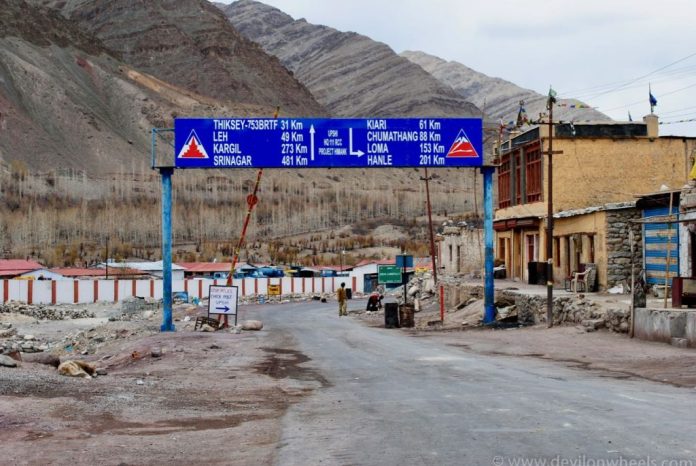
From Leh, Upshi is typically reached by road and works as a straightforward drive segment on eastern Ladakh routes. Private cab, hired bike, and self-drive options are common depending on your travel style. Shared vehicle options may exist but can be less predictable for tightly planned itineraries. If you are riding, keep fuel planning strict and avoid pushing speed on blind curves. For family travelers or mixed groups, a private cab usually gives the best comfort and timing control. If your route continues to higher-altitude regions, use Upshi as a pacing checkpoint rather than rushing through. Hydrate, stretch, and reassess weather before moving ahead. Route discipline is essential in Ladakh where one delayed decision can affect the full day plan. For pass-side context, review Zoji La Pass Ladakh style road-risk principles even on less extreme segments.
What to See During the Visit
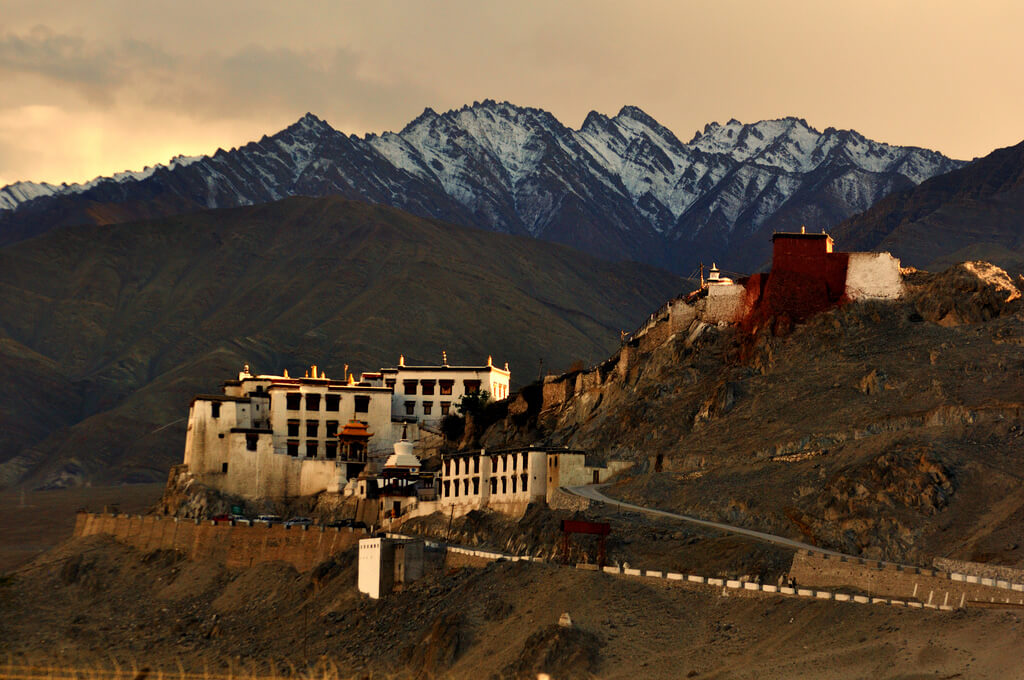
The key value of Upshi Monastery is not a long monument tour; it is atmosphere. Focus on the prayer space, architecture details, color use, and valley setting around the structure. Listen to the stillness of the site rather than forcing a fast capture routine. If monks or locals are present, maintain respectful distance unless interaction is clearly welcomed. Dress modestly and avoid loud conversation. Many travelers get better memory value here by spending twenty focused minutes rather than rushing for five photos. If conditions allow, pair the monastery stop with a short surrounding walk to absorb landscape scale. This keeps the visit grounded in both spiritual and geographic context. High-quality travel in Ladakh often comes from these quieter moments, not just major headline points.
Practical Tips: Timing, Etiquette, and Safety
Reach in daylight, carry water, and keep warm layering even in summer because wind-chill can increase quickly. Do not assume food or washroom availability at every stop; plan essentials from Leh. Remove footwear where required and follow local signage around sacred sections. Drone usage, if any, should be avoided unless explicitly permitted by local authorities. Keep waste with you and leave no packaging behind. If you are on a long circuit day, do not overextend after sunset in remote stretches. For first-time Ladakh travelers, conservative timing always works better than aggressive route stacking. If your itinerary includes lakes and farther valleys, keep monastery stop durations realistic so you preserve drive safety and recovery time.
Local Meals and Recovery Pacing
One reason travelers feel exhausted on Ladakh transit days is poor meal timing. If you are stopping at Upshi during a longer route, keep food simple and digestible rather than heavy. Small hydration breaks plus light meals work better than one oversized stop. If your next segment goes toward higher sectors, avoid rushing immediately after meals. Give a short recovery window and then continue. This pacing discipline supports better energy and reduces nausea risk on winding roads. If your group includes first-time high-altitude travelers, build in extra rest time and maintain calm movement. Route success in Ladakh is often decided by these small operational habits.
Suggested Itinerary Integration
Option 1 (Half-day cultural extension from Leh): Depart early, reach Upshi, spend structured monastery time, light break, and return by afternoon. Option 2 (Transit-day stop): Include Upshi as a controlled stop while moving toward Chumathang or Tso Moriri sectors. In both options, avoid squeezing too many new points into the same day. Keep one primary objective and one optional stop only. If you want to deepen spiritual coverage, pair this with larger monastic landmarks on separate days so each visit gets proper attention and less fatigue pressure.
Responsible Local Interaction
If you have extra time near Upshi, engage with the area in a low-impact way. Choose locally run tea points, buy small essentials from village shops when needed, and avoid behavior that turns sacred spaces into noisy social-media sets. Responsible interaction keeps the place meaningful for both visitors and residents. Even brief stops become more valuable when travelers contribute positively to local rhythm and treat monastery space with genuine respect.
Conclusion
Upshi Monastery is a strong example of why smaller Ladakh spiritual sites deserve place in modern itineraries. It is accessible, meaningful, and easy to combine with existing route flow when planned correctly. Travelers who slow down here gain cultural depth, better pacing, and a more balanced understanding of Ladakh beyond only famous viewpoints. Keep your plan simple, respectful, and weather-aware, and Upshi will become one of the most quietly rewarding stops in your journey for spiritual and route-level continuity.
Location
Frequently Asked Questions
Q1.Is Upshi Monastery worth visiting on a Ladakh trip?
Q2.How much time should I keep for Upshi Monastery?
Q3.Can I include Upshi while going to Tso Moriri side?
Q4.Is there an entry fee for Upshi Monastery?
Q5.What should I wear or carry when visiting Upshi Monastery?
Recommended For You
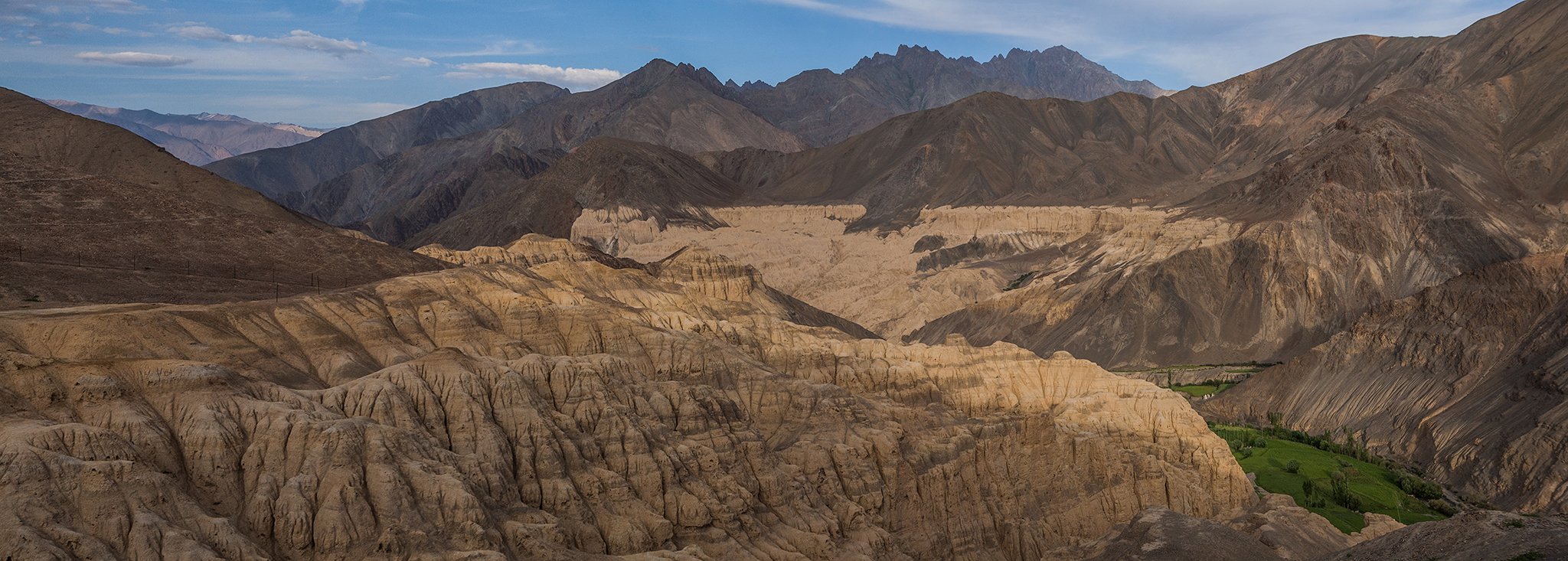
Lamayuru Moonland Ladakh: Trekking Guide, Best Time & How to Reach
Complete Lamayuru Moonland Ladakh guide. Trekking routes, best time to visit, how to reach, monastery details, and photography tips for Ladakh's lunar landscape.
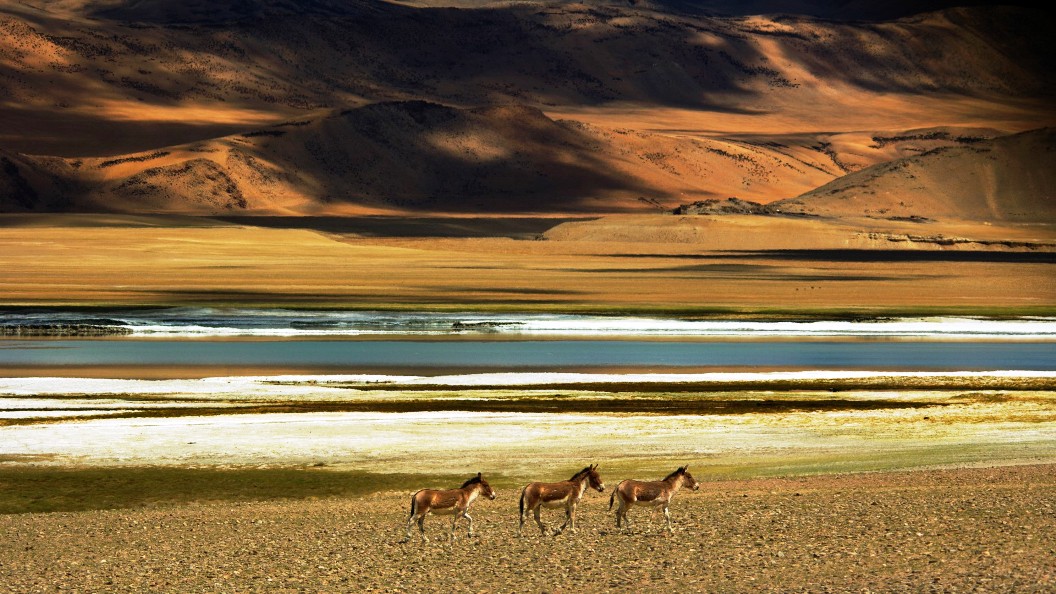
Tso Kar Lake Ladakh: Travel Guide, Camping & Access
Plan Tso Kar Lake Ladakh with route options from Leh, camping reality, best season, wildlife highlights, permit checks, and high-altitude safety tips.
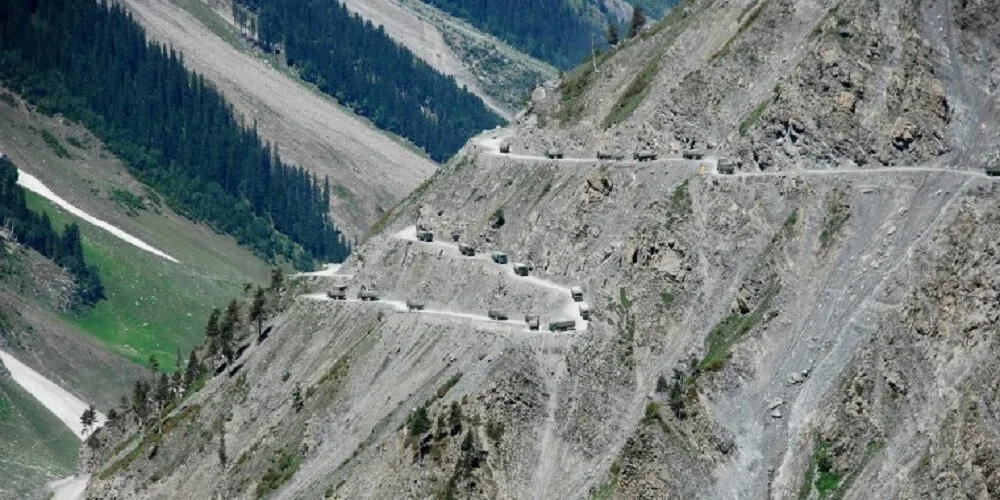
Zoji La Pass Ladakh: Road Conditions, Best Time & Safety Tips
Complete Zoji La Pass Ladakh guide with road condition patterns, best crossing season, route planning, and safety essentials.
Never Miss an Adventure
Get the latest trekking guides, travel tips, and exclusive offers delivered straight to your inbox.
