
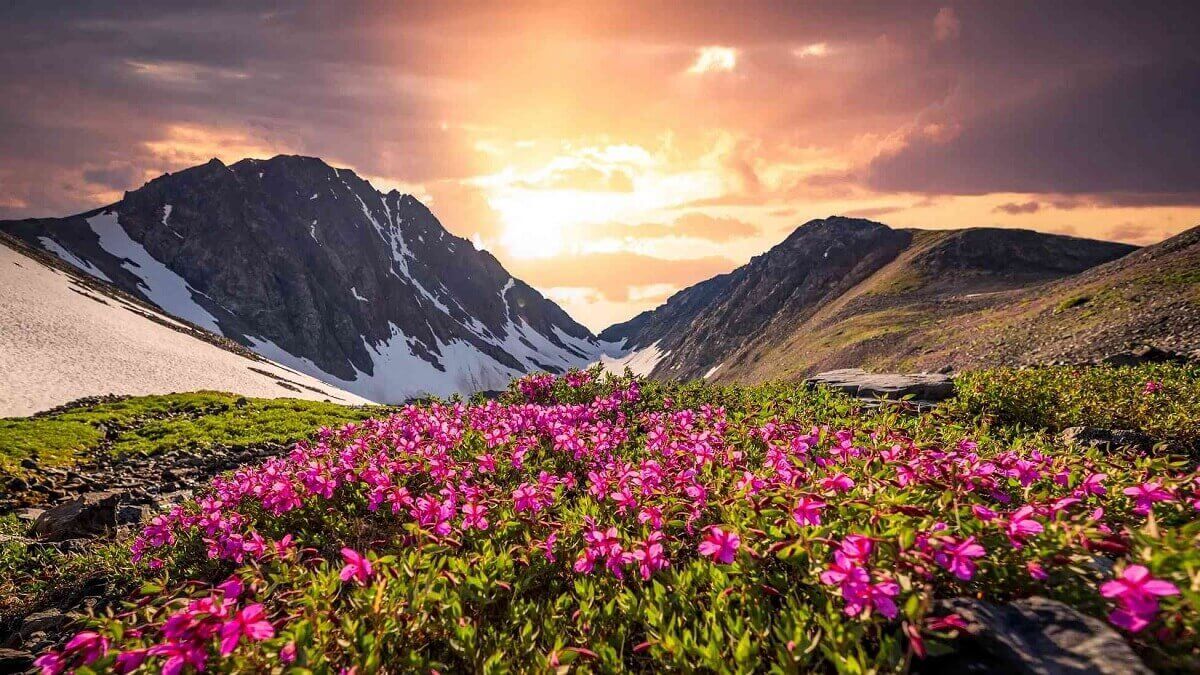
Valley Of Flowers: Trek Route Best Time And Permits
Neha Kapoor
January 26, 2026
Complete Valley of Flowers trek guide. Best time to visit, route, difficulty, permits, accommodation & tips for this UNESCO World Heritage site in Uttarakhand.
The Valley of Flowers: Nature's Magnificent Canvas
Hidden deep within the Garhwal Himalayas of Uttarakhand lies one of India's most breathtaking natural treasures – the Valley of Flowers. This UNESCO World Heritage Site, discovered by mountaineer Frank Smythe in 1931, is a pristine alpine valley that transforms into a carpet of colorful flowers during the monsoon season. Spanning over 87 square kilometers at an altitude varying from 3,200 to 6,700 meters above sea level, the valley is home to over 600 species of flowering plants, many of which are endemic to the Western Himalayas. Trekkers interested in exploring more of Uttarakhand's trekking destinations will find the state offers incredible Himalayan experiences beyond just this valley.
The Valley of Flowers is not merely a tourist destination – it's a pilgrimage into nature's most sacred cathedral. What makes this valley truly extraordinary is its annual transformation from a snow-covered winter landscape to a vibrant explosion of color that attracts botanists, photographers, trekkers, and spiritual seekers from around the world. The valley's remote location, protected status, and limited accessibility have helped preserve its pristine ecosystem, making it one of the few places on Earth where nature still reigns supreme, largely untouched by human development.
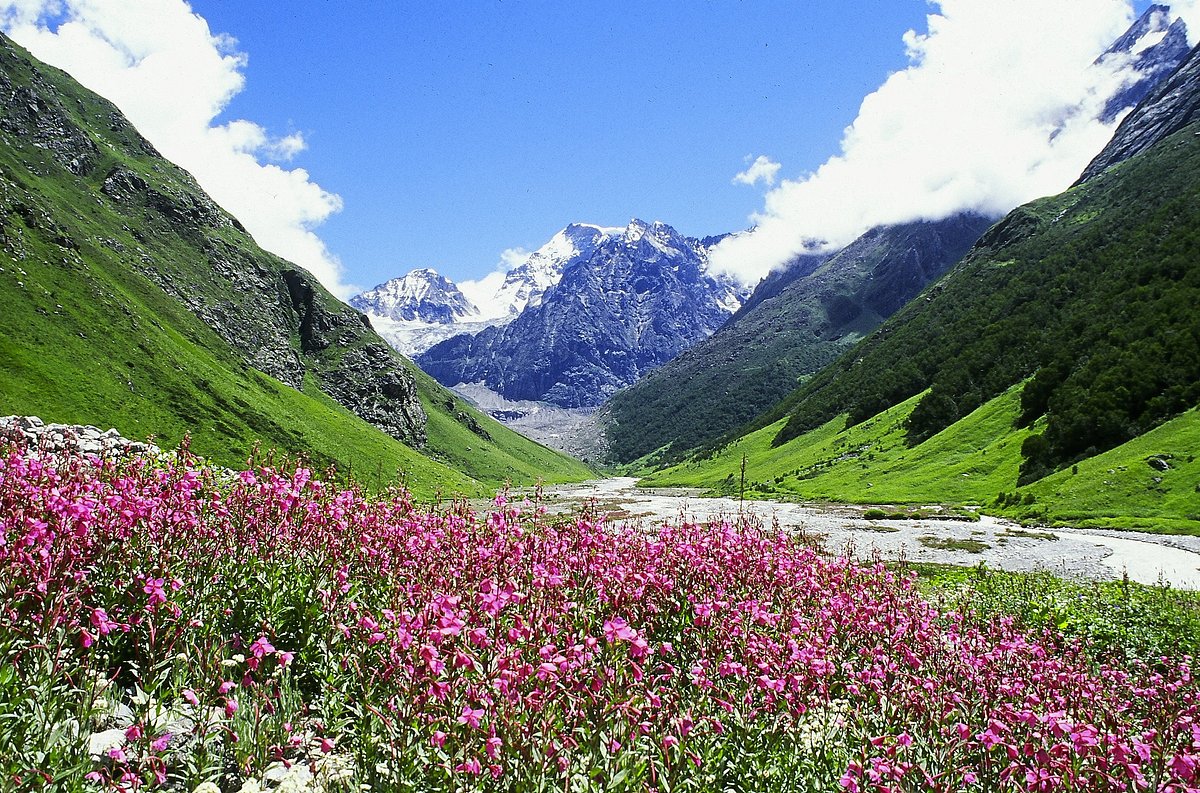
Why the Valley of Flowers is Special
The Valley of Flowers holds a unique place in both natural and cultural heritage. Scientifically, it represents one of the most diverse alpine ecosystems in the Himalayas, with plants that have evolved to survive in some of the harshest conditions on the planet. The valley's isolation has created a living laboratory where species found nowhere else on Earth continue to thrive.
Culturally, the valley has deep spiritual significance for local communities who have long considered it sacred. Hindu mythology associates the valley with the gods, and flowers from here are traditionally used in religious ceremonies. The nearby Hemkund Sahib Gurudwara, one of Sikhism's most important pilgrimage sites, adds another layer of spiritual significance to the region, creating a unique confluence of natural beauty and religious devotion.
The valley's discovery story itself is fascinating. Frank Smythe stumbled upon it while returning from an expedition to Mount Kamet, and was so captivated by its beauty that he returned to document it thoroughly. In his book "The Valley of Flowers," he wrote: "It was impossible to take a step without crushing a flower." Today, though conservation efforts require visitors to stay on marked paths, that sense of abundance and natural splendor remains undiminished.
Best Time to Visit Valley of Flowers
Timing your visit correctly is crucial for experiencing the Valley of Flowers at its best. The valley has a very short window of accessibility and an even shorter period of peak bloom, making timing everything for this expedition.
The Bloom Cycle
The valley follows a predictable flowering pattern each season, with different flowers blooming at different times. The cycle typically begins in late June or early July when snow starts melting and the first flowers emerge. Early bloomers include primulas, anemones, and marsh marigolds, which dot the still-green landscape with splashes of color.
July and August represent the peak blooming period. This is when the valley puts on its most spectacular display, with the maximum variety of flowers in full bloom. Brahma kamal, the state flower of Uttarakhand, typically blooms in late July or early August. Blue poppies, lilies, orchids, saxifrages, sedums, and innumerable other species create a natural garden that seems too perfect to be real.
September sees the transition toward autumn. While some late-blooming species continue to flower, the overall color begins to fade as plants prepare for the harsh winter ahead. However, the weather in September is often more stable, with clearer skies and better views of the surrounding peaks.
Monsoon Considerations
The Valley of Flowers blooms during the monsoon, which presents both advantages and challenges. The monsoon rains are what trigger the bloom and create the verdant landscape that makes the valley so beautiful. However, trekking during the monsoon means dealing with rain, slippery trails, leeches, and occasional trail closures due to landslides.
If you visit in July or August, be fully prepared for rain. Good quality rain gear, waterproof trekking shoes, and quick-drying clothing are essential. The trails can be muddy and slippery, requiring extra caution. However, witnessing the valley in full bloom during the height of monsoon is an experience that justifies dealing with some discomfort.
Weather Windows
Mid-July to mid-August is generally considered the optimal window for visiting, balancing peak bloom with reasonable trail conditions. Early July offers fewer crowds and good prices but slightly less flower variety. Late August and September offer the chance of clearer weather but with fewer flowers and the possibility of early snow at higher altitudes.
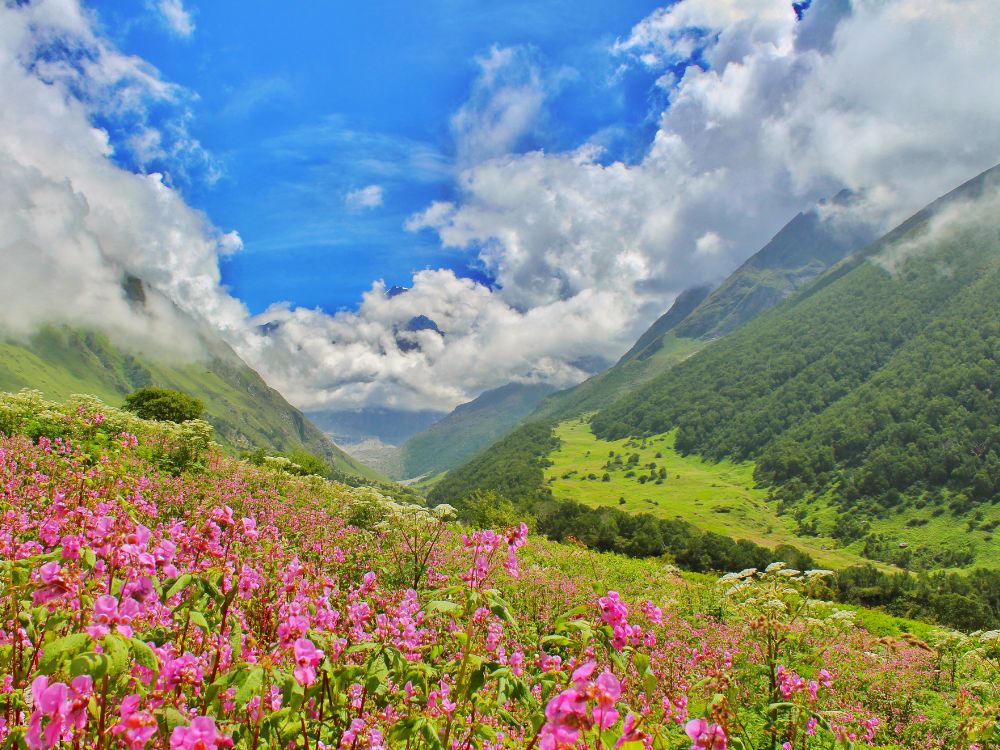
The Trek: Route and Difficulty
The Valley of Flowers trek is considered moderate in difficulty – accessible to reasonably fit beginners while still offering enough challenge to satisfy experienced trekkers. The entire journey typically takes 4-6 days, including travel to and from the base camp.
Trek Route Overview
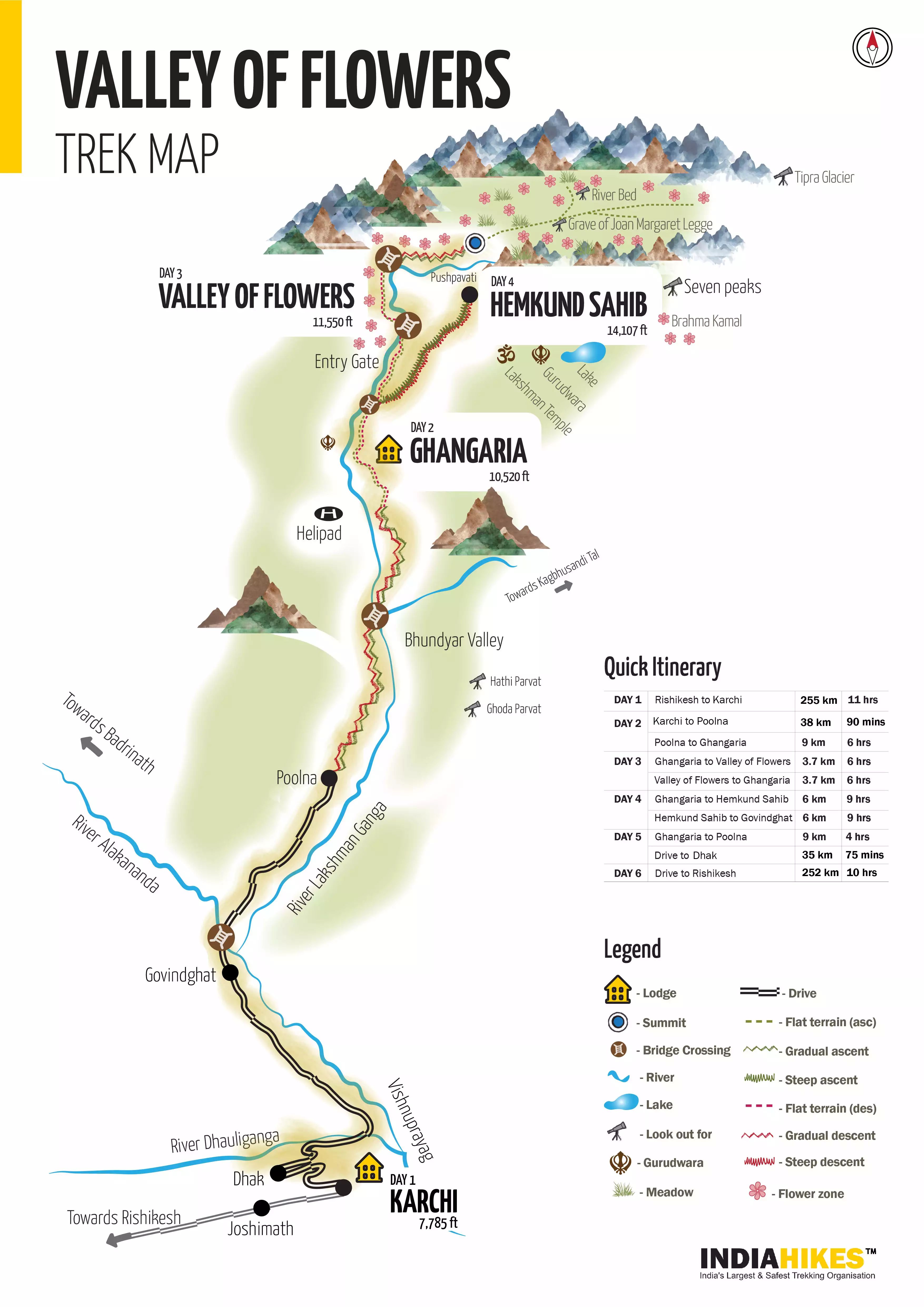
The journey begins at Govindghat, the road head accessible from Joshimath. From Govindghat, the trek to Ghangaria – the base camp for both Valley of Flowers and Hemkund Sahib – is approximately 13 kilometers along the Pushpawati River. This section is shared with pilgrims heading to Hemkund Sahib.
Ghangaria serves as the base camp, with basic accommodation and facilities. From here, the Valley of Flowers is a 3-4 kilometer trek one way. Unlike the Ghangaria-Hemkund trail, which is steep and continuously climbing, the Valley of Flowers trail is more gradual, with moderate elevation gain. Most trekkers complete the round trip to the valley in 6-8 hours.
The trek to Hemkund Sahib, which many pilgrims combine with the Valley of Flowers, is 6 kilometers each way from Ghangaria and significantly steeper, climbing from about 3,050 meters to 4,329 meters. This challenging trek typically takes 7-9 hours round trip and is usually done as a separate day trip.
Daily Breakdown
Day 1: Reach Govindghat from Haridwar/Rishikesh (approximately 9-10 hours by road). Stay overnight in Govindghat or proceed to Ghangaria same day if starting early.
Day 2: Trek from Govindghat to Ghangaria (13 km, 4-5 hours). The trail is well-defined but involves continuous ascent. Stay overnight in Ghangaria to acclimatize.
Day 3: Trek from Ghangaria to Valley of Flowers and back (6-8 km round trip, 4-6 hours). Spend 3-4 hours exploring the valley. Return to Ghangaria for overnight stay.
Day 4: Optional trek to Hemkund Sahib and back to Ghangaria (12 km round trip, 7-9 hours). Alternatively, rest day in Ghangaria or return trek to Govindghat.
Day 5: Return trek from Ghangaria to Govindghat (13 km, 3-4 hours downhill). Continue journey to Rishikesh/Haridwar or stay overnight in Govindghat.
Terrain and Trail Conditions
The trail is well-marked and maintained, with stone steps in steep sections and bridges across river crossings. The first few kilometers from Govindghat follow a motorable road used by mules and helicopters bringing supplies to Ghangaria. The trail then enters the forest, crossing the Pushpawati River multiple times via scenic bridges. Adventure seekers can also explore other challenging treks in the region, including the famous Gartang Gali trek in Uttarakhand.
The terrain varies from rocky paths to muddy sections (especially during monsoon), forested areas to open valleys. The final section to the Valley of Flowers involves some rock scrambling and river crossings on stepping stones. The trail beyond the official checkpoint can be challenging to follow – hiring a local guide is highly recommended.
Permits and Regulations
As a protected national park and UNESCO World Heritage Site, access to the Valley of Flowers is regulated. Understanding and complying with these regulations is essential for a smooth trek.
Forest Department Entry Permit
A mandatory entry permit is required for all visitors to the Valley of Flowers National Park. The permit is available at the Forest Department check post at Ghangaria. The fee is nominal (around ₹150-200 for Indian citizens and ₹600-800 for foreign nationals), and you'll need to provide identification and basic details.
Important: Permits are issued only at Ghangaria, not in advance or online. The forest department office opens early in the morning (around 6 AM during peak season), and it's advisable to get your permit the day before your planned trek or very early on the trek day to avoid delays.
Entry Restrictions
To protect the fragile ecosystem, certain regulations are strictly enforced. Camping within the valley is prohibited – all visitors must return to Ghangaria by evening. The valley officially closes at 5 PM, and forest personnel conduct sweeps to ensure no one remains inside overnight.
Visitors must stay on designated trails and are prohibited from plucking flowers, damaging plants, or disturbing wildlife. Photography is allowed, but drones and professional filming require special permissions. Plastic is banned in the national park – you'll need to deposit a refundable fee if bringing any plastic items, which is refunded upon showing you've brought everything back.
Ghangaria Stay Permit
Separate from the national park entry permit, visitors staying overnight in Ghangaria need to register with the local authorities. Most hotels and guest houses handle this registration as part of the check-in process. Carry identification proof (Aadhar card, voter ID, or passport for foreign nationals) for this registration.
Accommodation Options
Ghangaria Base Camp
Ghangaria is the last village before the national park and serves as the base camp for all Valley of Flowers and Hemkund Sahib trekkers. The accommodation options here are basic but functional, ranging from budget guest houses to slightly more comfortable hotels.
Most accommodation is in the form of guest houses with private rooms or dormitory-style beds. Prices range from ₹500-800 for basic rooms to ₹1,500-2,000 for slightly better rooms during peak season. Hot water is often available only during specific hours, and electricity can be unreliable – come prepared with power banks for your devices.
All accommodations typically include meals in the room price. The food is simple vegetarian fare – dal, rice, roti, vegetables, and sometimes eggs. Given the remote location, don't expect gourmet meals, but the food is generally hygienic and filling. Some places offer packed lunches for trekkers heading to the valley.
Advance booking is highly recommended during peak season (July-August), as Ghangaria gets full with both trekkers and Hemkund Sahib pilgrims. However, the flexible nature of trekking means plans often change – having a couple of backup options is wise.
Govindghat Accommodation
Govindghat, where the trek begins, has several guest houses and hotels. Many trekkers prefer to stay in Govindghat the night before starting the trek to get an early start. Prices here are generally lower than in Ghangaria, and the facilities are somewhat better due to road accessibility.
Camping
Camping is not permitted in Ghangaria or within the Valley of Flowers National Park. All visitors must use the established accommodation. Those interested in camping experiences would need to arrange this in areas outside the national park boundaries, which defeats the purpose for most Valley of Flowers trekkers.
How to Reach Valley of Flowers
By Air
The nearest airport to Valley of Flowers is Jolly Grant Airport in Dehradun, approximately 295 kilometers from Govindghat. The airport has regular flights from Delhi. From Dehradun, you'll need to travel by road to Joshimath/Govindghat, which takes approximately 9-10 hours. Taxis and shared cabs are available from the airport. travelers can combine their trek with a visit to Rishikesh, the yoga capital of India, which lies on the route to the valley.
By Rail
Haridwar railway station is the most convenient railhead, approximately 270 kilometers from Govindghat. Haridwar is well-connected to major Indian cities including Delhi, Mumbai, and Kolkata. From Haridwar, regular buses and taxis are available to Joshimath. Rishikesh railway station is another option, slightly closer but with fewer train connections.
By Road
The road journey to the starting point is an integral part of the Valley of Flowers experience. From Delhi, it's approximately 500 kilometers to Govindghat, typically broken into multiple stops. The common routing is Delhi to Haridwar (220 km, 6 hours), Haridwar to Rudraprayag (140 km, 4-5 hours), Rudraprayag to Joshimath (100 km, 4 hours), and Joshimath to Govindghat (20 km, 1 hour).
Regular buses operate from Haridwar and Rishikesh to Joshimath. From Joshimath, shared jeeps and local transport connect to Govindghat. For those preferring comfort, private taxis can be hired from Haridwar or Rishikesh for the entire journey. The road journey offers scenic views of the Ganga, Alaknanda, and their tributaries, passing through several pilgrimage towns including Devprayag and Karnaprayag.
Helicopter Service (Seasonal)
During peak pilgrimage season, helicopter services operate from Govindghat to Ghangaria, significantly reducing the trekking distance. This service primarily benefits Hemkund Sahib pilgrims with limited time or physical constraints. The service is weather-dependent and operates only when conditions permit. If you're using the helicopter one way, factor in the acclimatization implications – proper acclimatization becomes even more crucial when ascending rapidly by helicopter.
Flora and Fauna
Flora Highlights
The Valley of Flowers is a botanist's paradise with over 600 species of flowering plants. Some notable species include the Brahma kamal (Saussurea obvallata), blue poppy (Meconopsis aculeata), Cobra lily (Arisaema jacquemontii), and numerous varieties of orchids, primulas, anemones, saxifrages, and gentians.
What makes the valley's flora special is the concentration of endemic species – plants that grow only in this specific region. The valley's unique microclimate, created by its geographical orientation and elevation, has allowed these species to evolve in isolation. Many of these plants have medicinal properties and have been used in traditional Ayurvedic and local medicine for centuries.
Fauna
While flowers are the main attraction, the valley is also home to diverse Himalayan wildlife. The Asiatic black bear, snow leopard, Himalayan musk deer, blue sheep (bharal), and numerous bird species inhabit the region. However, wildlife sightings are relatively rare due to the valley's protected status and the limited human presence.
More commonly seen are smaller creatures including colorful Himalayan birds like the monal pheasant, Himalayan griffon, and various species of babblers and warblers. The valley's meadows attract numerous butterflies, adding another layer of color to the already vibrant landscape.
Combined Trek: Valley of Flowers + Hemkund Sahib
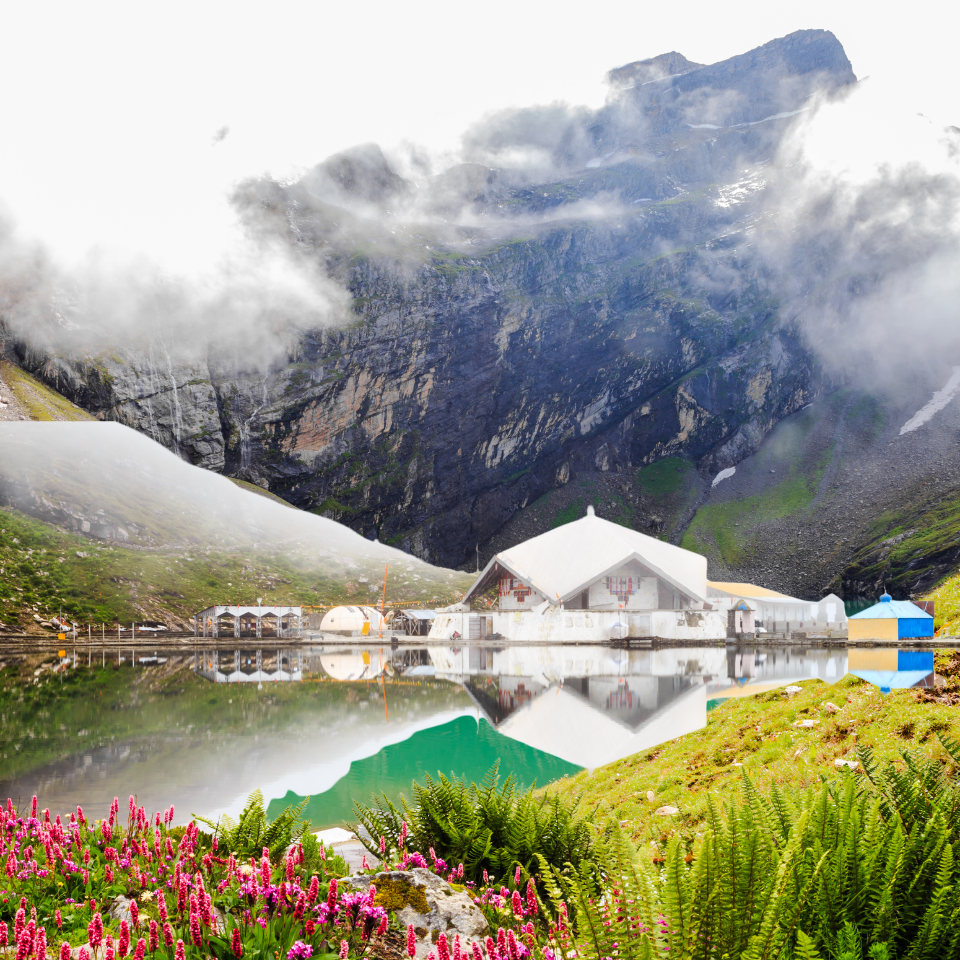
Many visitors combine the Valley of Flowers trek with a pilgrimage to Hemkund Sahib, one of the most revered Sikh shrines. Situated at 4,329 meters, Hemkund Sahib is dedicated to Guru Gobind Singh, the tenth Sikh Guru. According to Sikh tradition, this is the site where the Guru meditated in his previous incarnation.
The Gurudwara, with its distinctive star-shaped architecture and reflection in the glacial lake, creates a stunning setting against the backdrop of snow-capped peaks. The combination of natural beauty and spiritual significance makes Hemkund Sahib a powerful destination regardless of one's religious beliefs.
Logistically, the Hemkund Sahib trek is more challenging than the Valley of Flowers due to its steep ascent and higher altitude. The trail from Ghangaria climbs continuously for 6 kilometers, gaining over 1,200 meters in elevation. The thin air at 4,300 meters makes the climb physically demanding, and acclimatization at Ghangaria becomes crucial before attempting this trek.
Packing and Preparation
Essential Gear
Given the monsoon timing and high altitude, proper gear is non-negotiable. A good quality rain jacket and rain pants are essential – prefer a poncho or rain suit that covers your backpack as well. Waterproof trekking shoes with good grip are crucial for the slippery, muddy trails. Carry several pairs of quick-drying socks as wet feet are inevitable.
Layered clothing is the key to comfort in the mountains. Carry thermal innerwear, fleece jackets, and a windproof outer layer. Even in July/August, temperatures at Ghangaria can drop to single digits at night, and it's much colder at Hemkund Sahib. A good quality backpack (50-60 liters) with rain cover is essential for carrying your gear.
Health and Safety
Altitude sickness is a real concern, especially if you're ascending rapidly. Spend at least one night at Ghangaria before attempting any serious trekking. Stay hydrated, avoid alcohol, and be aware of symptoms like headache, nausea, and dizziness. Carry basic medications including diamox (after consulting a doctor), pain relievers, and anti-diarrheal medication. For those concerned about high-altitude travel, our guide on altitude sickness prevention provides valuable tips for acclimatization.
The monsoon environment brings additional challenges – leeches are common in the forest sections. Carry salt or commercially available leech repellant. First aid kit with bandages, antiseptic, and blister treatment is essential. The remote location means medical help is far away – be prepared to handle minor issues yourself.
Photography Equipment
For photographers, the Valley of Flowers offers unparalleled opportunities. However, the challenging environment requires careful equipment planning. Weather-sealed camera bodies are ideal, and a rain cover is non-negotiable. A macro lens will capture the incredible detail of the flowers, while a wide-angle lens can capture the valley's grandeur.
Carry multiple batteries – cold drains battery life quickly, and charging opportunities are limited. Memory cards should be plentiful – between the valley and Hemkund Sahib, photo opportunities are endless. A lightweight tripod can be useful for flower photography, though many trekkers find it cumbersome on the trails.
Tips for a Successful Trek
Physical preparation before the trek makes a significant difference. Start cardio exercises at least a month before your trek date. Focus on building leg strength through squats and lunges. Practice walking with a loaded backpack to condition your body. If possible, do practice hikes on similar terrain.
Hiring a local guide is highly recommended, especially for your first visit to the valley. The trails beyond the official checkpoint can be confusing, and a guide knows the best spots for different flowers. Guides also share knowledge about the flora, fauna, and local culture that greatly enriches the experience. Guide services are reasonably priced and can be arranged in Ghangaria.
Start early from Ghangaria – aim to be at the forest department checkpoint by 7 AM. This gives you maximum time in the valley before afternoon weather sets in. Mornings are also the best time for flower photography, with dew on the flowers and soft, directional light.
Respect the fragile ecosystem. Stay on marked trails, don't pluck flowers, and carry all your trash back to Ghangaria. The valley's beauty is preserved by the responsible behavior of visitors – do your part to ensure future generations can enjoy this magical place.
Be flexible with your plans. Weather in the Himalayas is unpredictable, and landslides or heavy rain can disrupt even the best-planned itineraries. Build buffer days into your travel plans, and don't stress about things beyond your control. Sometimes the most memorable experiences come from unexpected detours and delays.
Conclusion
The Valley of Flowers represents nature at its most generous – a place where beauty is not carefully curated but bursts forth in wild, joyful abundance. Trekking here is more than a physical journey; it's an emotional and spiritual experience that reconnects us with the natural world in a way few places can. Pilgrims completing the spiritual Char Dham Yatra often extend their journey to include this magnificent valley, creating a comprehensive experience of Uttarakhand's natural and spiritual heritage.
The arduous journey, the challenging weather, and the basic facilities fade into insignificance when you're standing in that valley, surrounded by millions of flowers with the towering Himalayas as a backdrop. In that moment, you understand why this place has inspired poetry, pilgrimage, and conservation efforts for decades. The valley speaks to something primal in us – the recognition that we're part of something much larger and more beautiful than our daily concerns.
As you plan your Valley of Flowers trek, remember that the journey is as important as the destination. The challenging trail builds appreciation, the basic accommodation teaches simplicity, and the unpredictable weather instills humility. By the time you return to civilization, you'll carry back not just photographs but a transformed perspective on what matters.
Visit soon, visit responsibly, and carry the spirit of the valley back into your everyday life. In a world that often seems gray and hurried, the Valley of Flowers reminds us that beauty, abundance, and wonder still exist – we just need to make the effort to find them.
Location
Frequently Asked Questions
Q1.What is the best time to visit Valley of Flowers?
Q2.How difficult is the Valley of Flowers trek?
Q3.Do I need a permit for Valley of Flowers?
Q4.How to reach Valley of Flowers?
Q5.What is the Valley of Flowers trek route?
Q6.Is Valley of Flowers worth visiting?
Q7.What flowers are found in Valley of Flowers?
Q8.Where to stay during Valley of Flowers trek?
Recommended For You
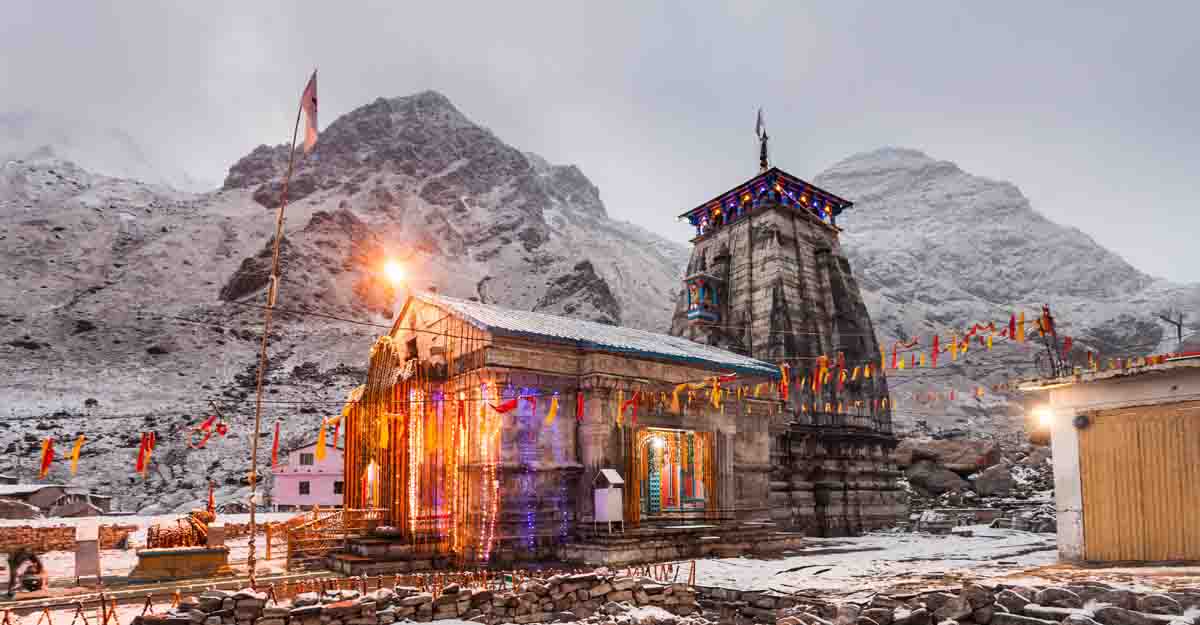
Char Dham Yatra Guide: Route, Itinerary, Season & Travel Tips
Plan Char Dham Yatra with practical route sequencing, day-wise templates, seasonal strategy, budget guidance, and safety-first pilgrimage preparation.
Himachal vs Uttarakhand: Which Is Better For Your Trip?
Can't decide between Himachal vs Uttarakhand? Our comprehensive guide compares scenery, budget, best time, trip types, and top destinations with expert recommendations.
Trekking in Kashmir: Best Routes, Seasons & Preparation Tips
Plan trekking in Kashmir with route difficulty comparison, season strategy, fitness checklist, permits, and safety-first logistics.
Never Miss an Adventure
Get the latest trekking guides, travel tips, and exclusive offers delivered straight to your inbox.
