
Char Dham Yatra Guide: Route, Itinerary, Season & Travel Tips

Rahul Garg
February 20, 2026
Plan Char Dham Yatra with practical route sequencing, day-wise templates, seasonal strategy, budget guidance, and safety-first pilgrimage preparation.
Char Dham Overview and Pilgrimage Significance
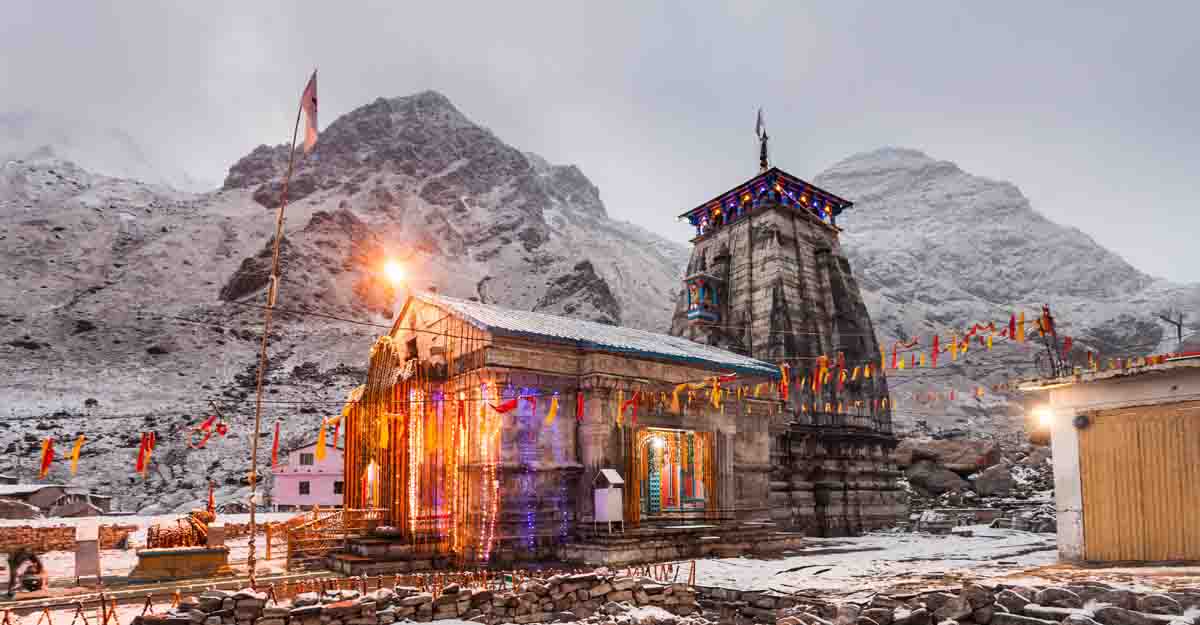
Char Dham Yatra in Uttarakhand is one of the most important Hindu pilgrimage circuits in India, covering Yamunotri, Gangotri, Kedarnath, and Badrinath. For many devotees, this is a deeply personal spiritual journey. For planners, it is also a high-altitude, multi-stop mountain circuit that needs realistic logistics. Most itinerary failures happen not because of devotion gaps, but because people underestimate travel time, altitude impact, weather shifts, and queue delays at peak-season darshan windows.
A practical Char Dham plan balances faith, safety, and pacing. Instead of compressing too many transitions into one day, you need a route-first strategy with rest and buffer windows. This guide is designed for that exact need: route sequencing, day-wise templates for different trip lengths, budget planning, seasonal weather strategy, and a preparation checklist for first-time pilgrims, families, and senior travelers.
Char Dham Route Options and Ideal Circuit Sequence
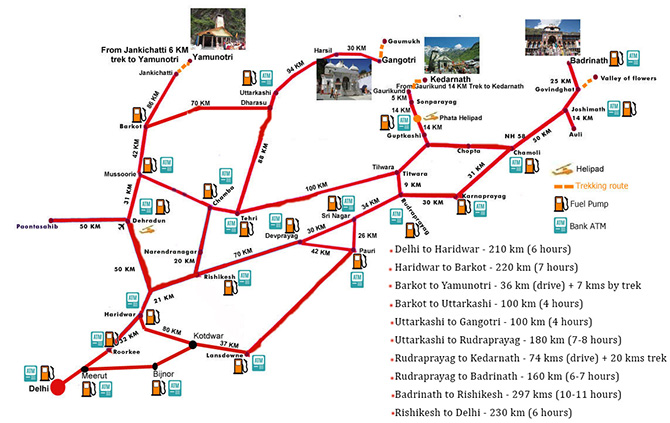
The most common and practical route sequence is: Yamunotri -> Gangotri -> Kedarnath -> Badrinath. This order is widely followed because it aligns with traditional flow and helps structure travel in progressive stages. Road conditions, weather windows, and pilgrim traffic can vary by sector, so keeping this sequence usually simplifies planning.
Most yatras begin from Haridwar, Rishikesh, or Dehradun as gateway bases. If you are arriving from Delhi or elsewhere, factor in one extra day for approach and orientation before starting the mountain circuit. A rushed start on day one often causes schedule collapse later.
| Starting Base | Why Travelers Choose It | Best Use Case |
|---|---|---|
| Haridwar | Pilgrimage-friendly setup and rail access | Traditional yatra starts |
| Rishikesh | Flexible stays and route prep options | Mixed spiritual + travel plans |
| Dehradun | Air connectivity and road access | Time-limited travelers |
Day-Wise Itinerary Templates
Template A: 10 to 12-day comfortable plan (recommended)
- Day 1: Arrival and preparation in gateway city.
- Day 2-3: Yamunotri sector with return halt.
- Day 4-5: Gangotri sector with return halt.
- Day 6-8: Kedarnath sector including trek/pilgrim movement and return.
- Day 9-10: Badrinath darshan and nearby short stops.
- Day 11-12: Return with recovery and weather buffer.
This structure gives better adaptation and reduces fatigue-based mistakes.
Template B: 7 to 9-day compact plan (for experienced planners)
- Suitable only if route conditions are favorable and group fitness is good.
- Requires early starts, strict transfer discipline, and minimal optional detours.
- Not ideal for elders, children, or first-time mountain travelers.
If you are first-time, avoid over-compression. A longer plan is usually safer and more meaningful.
Best Season and Weather Planning
Char Dham operations are seasonal and strongly influenced by Himalayan weather. Practical planning starts with opening/closing windows and region-specific rainfall patterns. Since schedules can change each year, verify official updates before final booking and departure.
- Early season: Cooler temperatures, variable conditions, and high spiritual demand.
- Mid-season: Better movement in many sectors but can be crowded.
- Monsoon phase: Higher weather and landslide risk on multiple routes; requires extreme caution and flexibility.
- Late season: Colder conditions with changing accessibility dynamics.
Always keep at least one weather buffer day in itinerary. If you are tracking opening/closing updates, review chardham-yatra-closing-dates close to departure.
Budget, Transport, and Stay Strategy
Char Dham budget depends on transport mode, accommodation comfort, and trip duration. Group size also changes cost per person significantly. A realistic budget must include buffer for delays and unplanned halts.
| Travel Style | Indicative Budget (Per Person) | Typical Setup |
|---|---|---|
| Budget | INR 25,000-40,000 | Shared transport, basic stays, tight schedule |
| Mid-range | INR 45,000-75,000 | Private/shared cab with better stays and pacing |
| Comfort | INR 80,000+ | Higher comfort stays, flexible routing, added buffers |
Transport choices
- Road package: most common and flexible for full-route travelers.
- Mixed mode: road + selective helicopter segment (where operationally available) for specific sectors.
- Custom private route: better for families and senior groups requiring pace control.
Stay strategy should prioritize location and reliability over luxury branding, especially in high-demand windows.
Health, Safety, and Packing Checklist
Char Dham is not just a temple circuit; it is a mountain circuit with altitude variation, cold weather exposure, and long transfer hours. Medical readiness and conservative pacing are essential.
Essential checklist
- Government ID and required booking/permit documents.
- Layered warm clothing, rain protection, and sturdy footwear.
- Personal medicines, doctor-advised supplements, and first-aid basics.
- Water bottle, dry snacks, and emergency energy options.
- Power bank, flashlight, and offline copies of important contacts.
Senior and family guidance
- Keep shorter travel blocks and more rest halts.
- Avoid back-to-back long transfers without recovery.
- Consult doctor before departure if pre-existing health conditions exist.
For Kedarnath-specific movement planning, pair this with how-to-reach-kedarnath and delhi-to-kedarnath.

Common Planning Mistakes to Avoid
- Trying to complete the full yatra in an unrealistic number of days.
- Skipping weather buffer days.
- Ignoring physical readiness for long mountain days.
- Booking all stays too tightly with no contingency.
- Relying on old schedule screenshots instead of current updates.
Many pilgrims also underestimate queue and darshan waiting times on peak dates. Conservative planning reduces stress and improves spiritual focus.
First-Time Pilgrim Strategy
If this is your first Char Dham Yatra, use a simple framework: verified route sequence, clear day-wise plan, reliable transport partner, and one buffer day minimum. Keep expectations realistic and allow time for both devotion and recovery. Read the historical context through history-of-kedarnath-dham if you want deeper spiritual grounding before the trip.
A calm, safety-first plan generally creates a more fulfilling yatra than a rushed checklist. The goal is not only completion; it is completion with stability, respect, and meaningful spiritual experience.
Final Takeaway
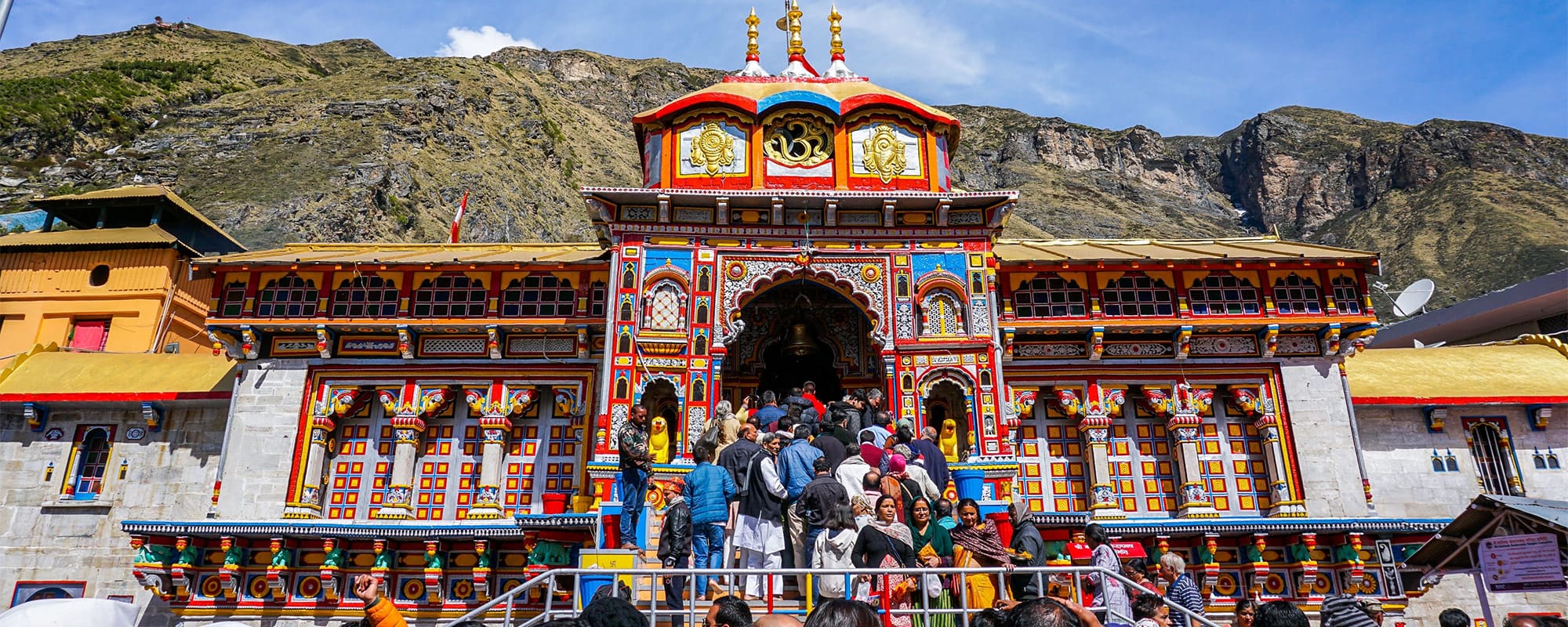
Char Dham Yatra is most successful when treated as a carefully paced high-altitude pilgrimage, not a race against days. Follow route discipline, verify seasonal updates, carry proper gear, and keep practical buffers for weather and crowd variability. With that structure, first-time travelers, families, and senior pilgrims can all complete the circuit more comfortably and with stronger spiritual focus.
Location
Frequently Asked Questions
Q1.What is the ideal duration for Char Dham Yatra?
Q2.Which route is most practical for first-time pilgrims?
Q3.What is the best season for Char Dham Yatra?
Q4.Is Char Dham Yatra suitable for senior citizens?
Q5.What budget should I keep for the full yatra?
Q6.What essential documents and items should I carry?
Q7.Can Char Dham be completed in one trip comfortably?
Q8.What mistakes should pilgrims avoid?
Recommended For You
Chardham Yatra Closing Dates 2026: Official Updates & Pilgrim Planning
Track Chardham Yatra closing dates with 2025 confirmed timeline, 2026 status updates, and practical planning tips for late-season pilgrimage safety.
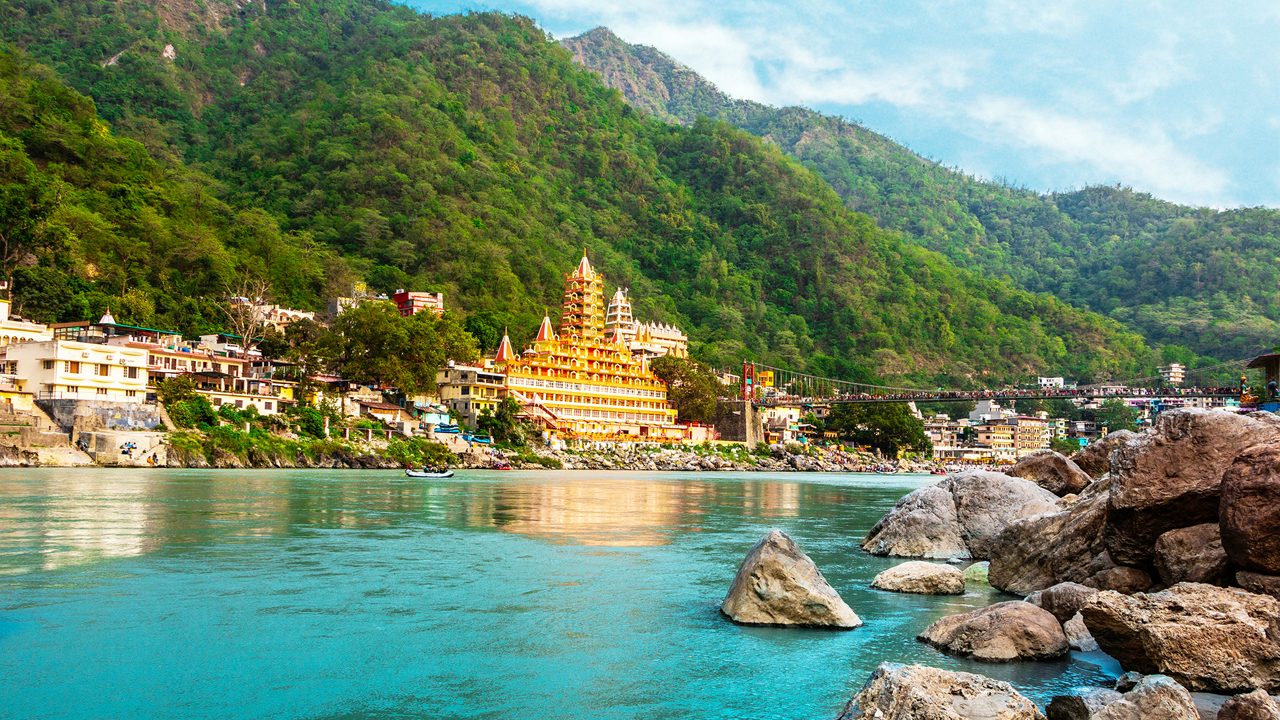
Rishikesh: Complete Travel Plan Places And Weather
Complete Rishikesh travel guide featuring the Yoga Capital of the World with white water rafting, bungee jumping, ashrams, temples, best time to visit & practical tips.
Things to Do in Uttarakhand: 30 Best Experiences & Attractions
Discover the 30 best things to do in Uttarakhand - from spiritual Char Dham pilgrimage and yoga in Rishikesh to adventure sports, wildlife safaris, and offbeat Himalayan villages. Complete guide with costs and tips.
Never Miss an Adventure
Get the latest trekking guides, travel tips, and exclusive offers delivered straight to your inbox.
