

Vietnam House Restaurant: Menu Highlights, Pricing & Dining Experience

Rohan Malhotra
January 27, 2026
Experience authentic Vietnamese cuisine at Vietnam House. Menu highlights, signature dishes, location, price range & what to expect from this popular Vietnamese restaurant.
Vietnam House Restaurant is a reliable place for travelers and food lovers who want authentic Vietnamese flavors in a comfortable setting. The menu is broad enough for first-timers and still interesting for repeat diners, with classic staples like fresh spring rolls, pho, vermicelli bowls, and grilled rice plates. If you are planning your route in advance, start with this things to do in Vietnam guide and place Vietnam House as a lunch or early-dinner stop between sightseeing blocks.
What makes Vietnamese cuisine special is balance. Great dishes are not about one dominant spice; they depend on harmony between fresh herbs, citrus brightness, slow-cooked broths, savory sauces, and clean textures. Vietnam House usually handles these fundamentals well, which is why it works as a strong introduction to regional food styles from north and south Vietnam.
Why Vietnam House Stands Out
Many restaurants claim authenticity, but you can judge quickly by three signals: broth quality, herb freshness, and sauce balance. At Vietnam House, broths are generally aromatic rather than oily, side herbs are fresh, and dips support dishes instead of overpowering them. This approach keeps meals satisfying without feeling heavy, especially for travelers who are eating out multiple times a day.
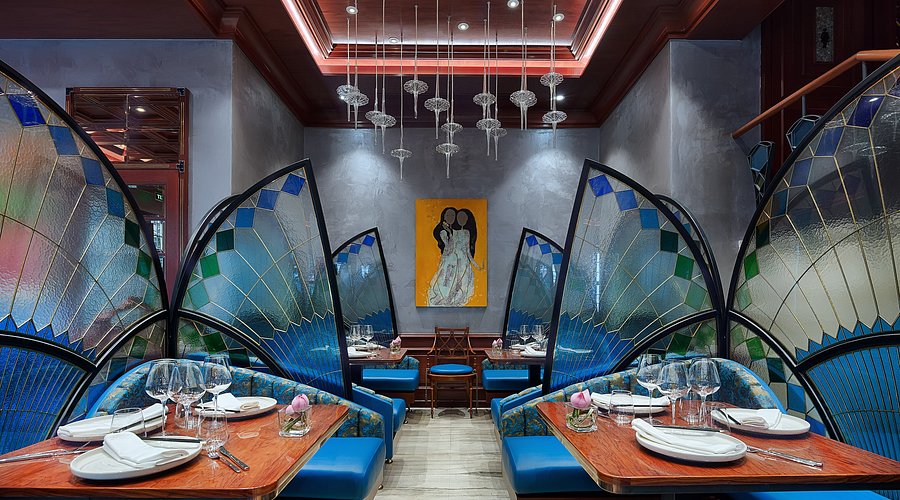
The service style is practical and approachable. Staff usually help guests with dish choices, spice adjustments, and portion planning, which is useful for mixed groups where some diners are cautious and others want bolder flavors. The environment is casual enough for families and friends but polished enough for work lunches.
Top Dishes to Order First
Fresh Spring Rolls
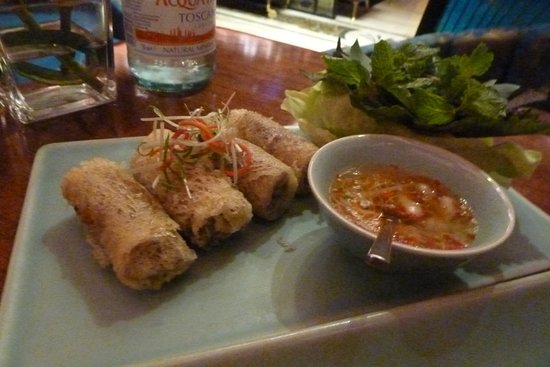
Fresh rolls are the best opening plate. Soft rice paper wraps herbs, noodles, and protein into a light bite that wakes up the palate. Paired with nutty or savory dipping sauce, they deliver the classic Vietnamese contrast of fresh and rich in the same bite. They are easy to share and ideal before soup.
Pho (Beef or Chicken)
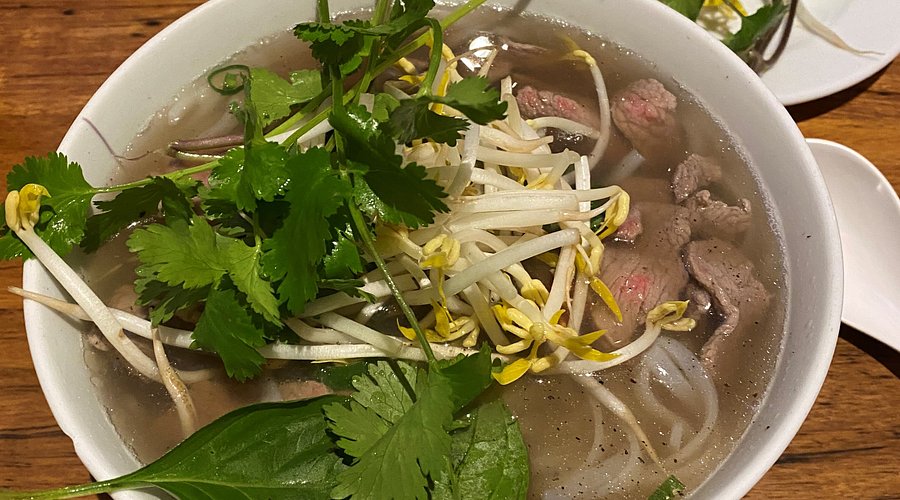
Pho is the benchmark dish. A good bowl has a clear broth with deep aroma, springy noodles, and controlled seasoning. Add lime and herbs gradually so you can taste the broth evolution step by step. If you are new to Vietnamese food, start with pho before moving to stronger dishes.
Vermicelli Bowls and Rice Plates
For a complete meal, order grilled protein over vermicelli or broken rice. These dishes bring together savory meat, pickled vegetables, fresh herbs, and dressing in a balanced way. They are filling but usually lighter than cream-heavy cuisines, which makes them excellent for lunch before afternoon walking.
How to Build a Balanced Meal
Use a simple structure to avoid over-ordering:
Step 1: One shared starter (fresh or fried rolls).
Step 2: One soup or bowl per person.
Step 3: One extra shared plate only if appetite remains.
This method keeps food hot, improves table pacing, and lets everyone sample different styles. It also helps budget control, because many groups spend too much by ordering heavy mains too early.
Travel Itinerary Pairings
Vietnam House fits best in city days with museums, markets, or walking routes. If your trip covers multiple destinations, compare dish styles as you move between regions. Use this list of best places to visit in Vietnam to align food stops with sightseeing clusters and reduce backtracking.
For evening-focused plans, combine dinner with nightlife districts instead of long post-meal transfers. This Vietnam nightlife guide helps you choose areas where food and evening activity are close together. If your day includes retail time, this shopping in Vietnam guide can help you pair market sessions with meal breaks efficiently.
Vegetarian and Dietary Notes
Vietnamese menus are often flexible. Vegetarian spring rolls, tofu bowls, vegetable stir-fries, and herb-rich salads are common options. If you avoid fish sauce or specific proteins, mention this clearly while ordering. Most kitchens can adapt selected noodles and rice dishes. Ask for sauces on the side when dietary precision matters.
If your travel group prefers occasional Indian meals between local cuisine sessions, keep this backup list of Indian restaurants in Vietnam. It helps balance comfort and exploration during longer trips.
Price Range and Value Tips
Vietnam House generally sits in a moderate price segment for sit-down dining. Appetizers are usually share-friendly and budget-efficient. Soups and noodle bowls often provide strong value because they are filling and ingredient-dense. Signature or specialty plates cost more, but they are useful when you want variety beyond standard orders.
To maximize value:
Arrive before peak dinner for smoother service.
Order in two rounds rather than all at once.
Mix one familiar dish with one regional specialty.
Keep beverage choices simple if you are controlling spend.
Best Time to Visit
Lunch is usually faster and less crowded than weekend dinner. Early evening is ideal if you want atmosphere without long waits. On busy nights, arriving 20-30 minutes before prime time improves table availability. For larger groups, booking in advance is sensible.
If weather is humid and you are moving between outdoor attractions, lighter dishes like fresh rolls and vermicelli bowls feel better than heavier fried options. In rainy periods, hot soups become the strongest choice and also travel well with shorter waits.
Final Verdict
Vietnam House Restaurant delivers the essentials of Vietnamese dining: fresh herbs, layered broths, balanced sauces, and practical portions. It works for beginners who want a safe first experience and for experienced diners who care about consistency. Start with fresh rolls and pho, add one grilled bowl or rice plate, and adjust spice gradually. This simple approach creates a satisfying, authentic meal without unnecessary complexity.
For travelers, the restaurant is most useful as a dependable anchor meal between sightseeing blocks. Plan your route by neighborhood, pace your ordering, and Vietnam House will likely become one of the easier wins in your Vietnam food journey.
One-Day Food Plan Around Vietnam House
If you want to organize an efficient food day, keep Vietnam House as your central meal and build activities around it. Begin with a light breakfast in your hotel area, schedule museum or market visits in the late morning, then arrive at Vietnam House for an early lunch. Choose one starter and one bowl so you stay energetic for afternoon walking. After lunch, shift to indoor attractions during the warmest hours and reserve heavier dishes for evening if needed.
For travelers who enjoy street-food comparisons, use Vietnam House as a quality reference point. Taste clean broth and balanced seasoning at lunch, then try nearby street options later to understand style differences in spice, sweetness, and texture. This approach is especially useful for first-time visitors because it trains your palate before you explore less familiar food environments.
Mistakes to Avoid at Vietnamese Restaurants
The most common mistake is adding too much sauce too quickly. Vietnamese dishes are designed with subtle layers, and excess chili or fish sauce can flatten those layers. Another mistake is ordering only fried dishes; you miss the freshness that defines the cuisine. Keep at least one herb-forward dish and one soup in your order to maintain balance.
Also avoid rushing through hot soups. Let broth cool slightly, taste, then adjust with lime and herbs in small steps. This method gives better flavor control and makes each dish more enjoyable. Finally, if you are dining in a group, order in rounds. It keeps portions hot and prevents table crowding.
Location
Frequently Asked Questions
Q1.What type of food does Vietnam House serve?
Q2.Is Vietnam House expensive?
Q3.What are the best dishes to order at Vietnam House?
Q4.Is Vietnamese food spicy?
Q5.Do I need reservations at Vietnam House?
Q6.Is Vietnam House family-friendly?
Q7.What is the difference between fresh and fried spring rolls?
Q8.What drinks does Vietnam House serve?
Recommended For You
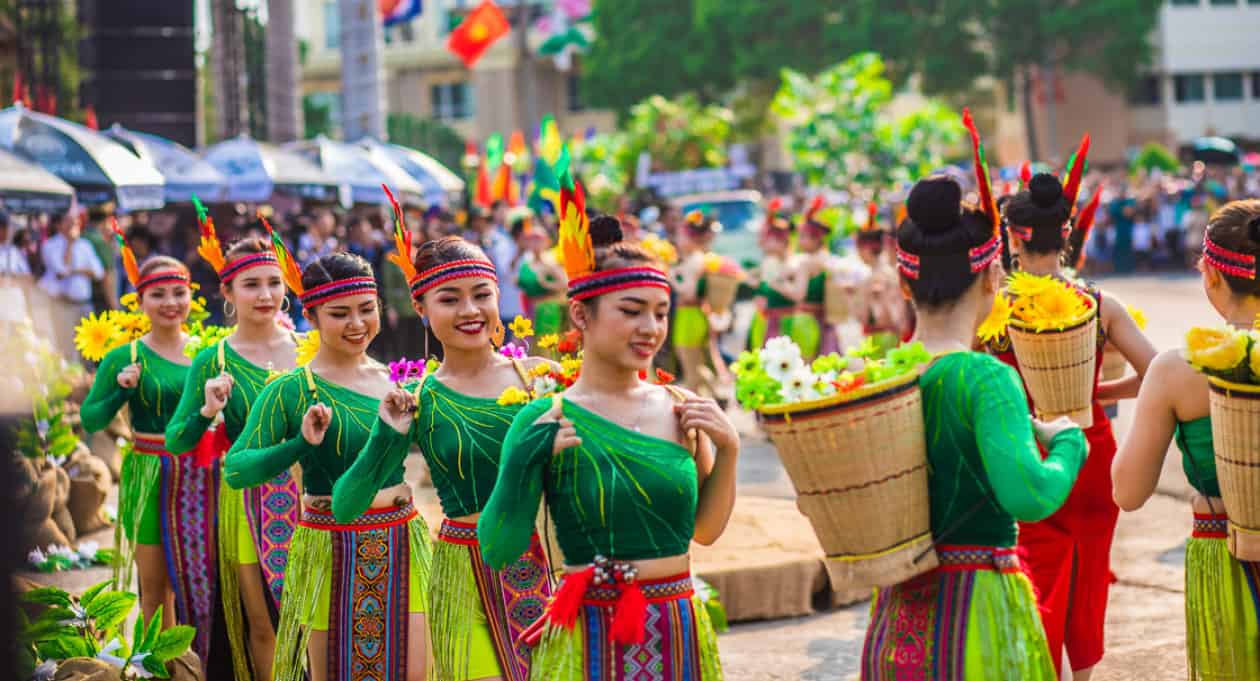
Culture of Vietnam: Traditions, Customs, and Daily Life
Discover the culture of Vietnam through traditions, values, festivals, cuisine, family customs, and practical etiquette for respectful travel.
Best Food in Thailand: 20 Must-Try Dishes & Street Eats
Discover the best food in Thailand. From Pad Thai to Tom Yum Goong. A complete guide to Thai street food, curries, and local delicacies for every foodie.

Vietnam Nightlife Guide: Bars, Clubs, Cities & Safety
Explore Vietnam nightlife city by city with practical bar, club, market, budget, legal-age, and safety guidance for Hanoi, HCMC, Da Nang, Hoi An, and beyond.
Never Miss an Adventure
Get the latest trekking guides, travel tips, and exclusive offers delivered straight to your inbox.
