
Vivekananda Rock Memorial: Complete Travel Guide 2026

Priya Mehta
January 19, 2026
Complete travel guide to Vivekananda Rock Memorial in Kanyakumari - where Swami Vivekananda attained enlightenment. Ferry timings, entry fees, best time to visit & nearby attractions.
Introduction: A Monument to Spiritual Awakening
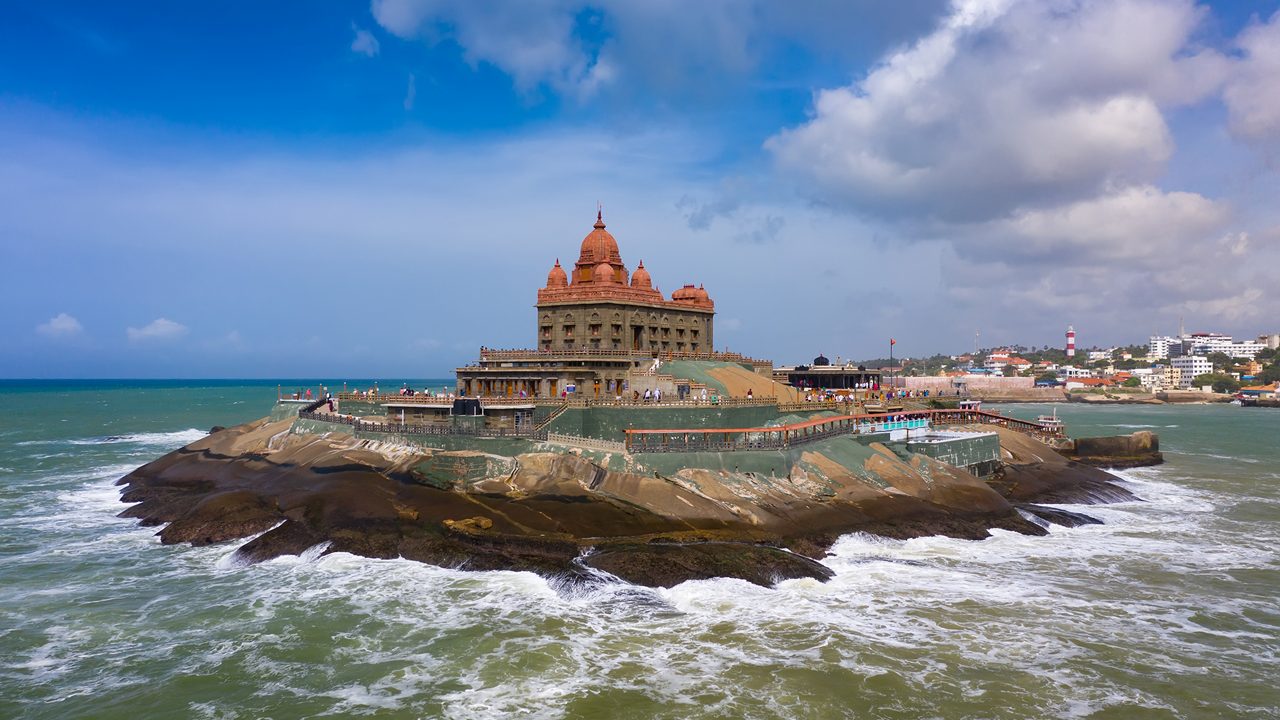
The Vivekananda Rock Memorial stands as one of India's most iconic spiritual landmarks, rising majestically from the turbulent waters where the Arabian Sea, Bay of Bengal, and Indian Ocean converge. Located off the coast of Kanyakumari at India's southernmost tip, this memorial commemorates Swami Vivekananda's legendary meditation on this rock in December 1892, a pivotal moment that shaped his vision of bringing India's ancient wisdom to the world. What makes this memorial extraordinary is not just its spiritual significance but its dramatic setting. The rock island, known as Sripada Parai (sacred rock footprint), has been sacred for centuries - believed to bear the footprint of Goddess Kanyakumari (Virgin Goddess) herself. Standing here at India's land's end, watching three seas merge while the sun paints the horizon in brilliant colors, creates an experience that transcends ordinary tourism. Having visited the memorial multiple times at different times of day, I can tell you that each visit reveals something new - the morning light hitting the meditation hall, the afternoon waves crashing against the rock, or the evening silhouette against a crimson sky. This comprehensive guide covers everything you need to plan your visit to this profound spiritual destination.Historical Significance
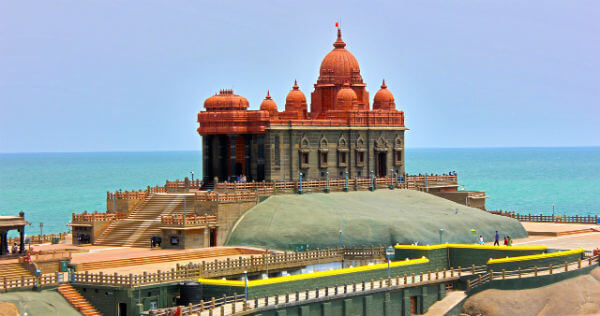 In December 1892, a young Swami Vivekananda, then known as Narendranath Datta, arrived in Kanyakumari after traveling extensively across India. Deeply concerned about his country's condition under colonial rule, he swam to this rock island and meditated for three days and nights seeking guidance about his life's mission.
During this intense meditation, according to his own accounts, he attained enlightenment and realized his life's purpose - to present India's Vedantic philosophy to the Western world and work for the upliftment of India's masses. This clarity led directly to his historic address at the Parliament of the World's Religions in Chicago in 1893, where he introduced Hindu philosophy to America and became an international spiritual figure.
The rock itself had been considered sacred for centuries before Vivekananda's visit. Local legends speak of the goddess Kanyakumari (an incarnation of Goddess Parvati) performing penance here to obtain Lord Shiva as her husband. The name Sripada Parai comes from the belief that the goddess's footprint is imprinted on the rock.
In December 1892, a young Swami Vivekananda, then known as Narendranath Datta, arrived in Kanyakumari after traveling extensively across India. Deeply concerned about his country's condition under colonial rule, he swam to this rock island and meditated for three days and nights seeking guidance about his life's mission.
During this intense meditation, according to his own accounts, he attained enlightenment and realized his life's purpose - to present India's Vedantic philosophy to the Western world and work for the upliftment of India's masses. This clarity led directly to his historic address at the Parliament of the World's Religions in Chicago in 1893, where he introduced Hindu philosophy to America and became an international spiritual figure.
The rock itself had been considered sacred for centuries before Vivekananda's visit. Local legends speak of the goddess Kanyakumari (an incarnation of Goddess Parvati) performing penance here to obtain Lord Shiva as her husband. The name Sripada Parai comes from the belief that the goddess's footprint is imprinted on the rock.
The Memorial's Creation
The memorial we see today was built between 1963 and 1970 to honor Swami Vivekananda's centenary birth anniversary. Interestingly, it was built despite significant opposition from religious groups who feared it would disturb the area's sanctity. The project was spearheaded by the Vivekananda Rock Memorial Committee in Kanyakumari, with support from spiritual leaders across India, culminating in its inauguration on September 2, 1970. The design blends traditional Indian architectural elements with modern construction techniques. What's remarkable is that all construction materials had to be transported by boat to the rock island, making the engineering achievement itself worthy of appreciation.Architecture and Design
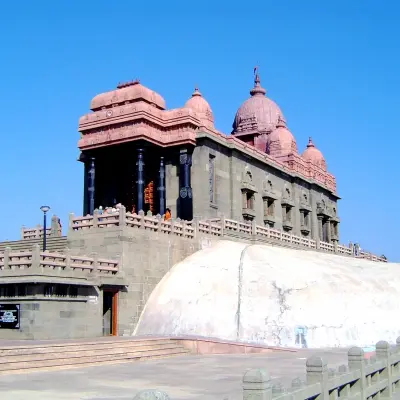 The memorial consists of two main structures that showcase different aspects of Indian architectural heritage:
Vivekananda Mandapam
This is the main structure named after Swami Vivekananda himself. The mandapam (hall) combines elements from various regional architectural styles across India, symbolizing the unity of the country that Vivekananda envisioned. The Shripada Mandapam: This square hall houses the sacred footprint believed to be that of Goddess Kanyakumari. The design follows traditional South Indian temple architecture with intricate carvings and a sanctum-like atmosphere. The Assembly Hall: The main meditation area features a statue of Swami Vivekananda in a meditative posture. The hall's design allows natural light to filter in beautifully, creating an atmosphere perfect for contemplation. The walls are inscribed with some of Vivekananda's most inspiring quotes. Dhyana Mandapam (Meditation Hall): This is the heart of the memorial - a quiet space where visitors can sit and meditate. The circular design with a domed ceiling creates excellent acoustics and a sense of expansiveness. Six rooms surround the main hall, originally intended for different types of meditation practices.Shripada Mandapam
This smaller structure, built earlier (1964), specifically enshrines the sacred footprint. The design follows traditional Kerala temple architecture with a sloping copper roof. The rock itself, bearing what devotees believe is the goddess's footprint, is the central object of veneration. The memorial's location required innovative engineering solutions. The rock is subject to strong waves, especially during monsoon, so the foundation had to be specially reinforced. All materials - granite, cement, steel - were brought by boats and manually placed on the rock.Visiting the Memorial
Reaching the Rock
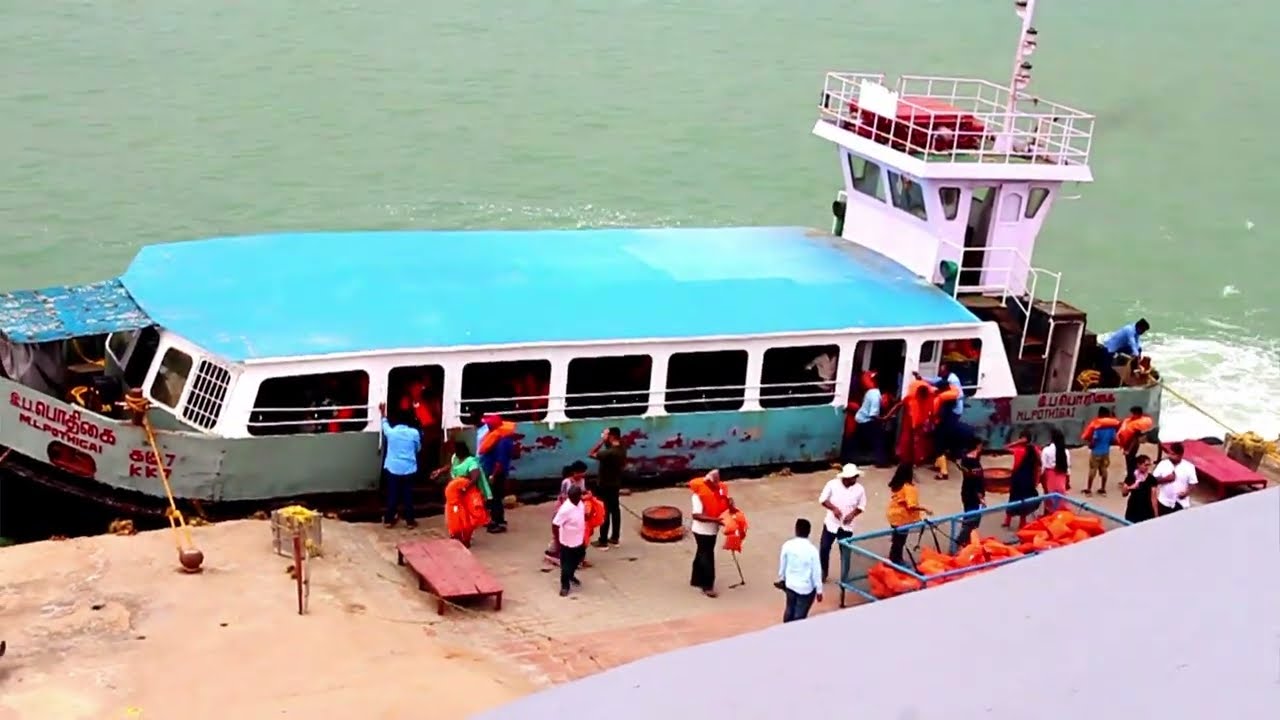
The memorial is accessible only by ferry, which is itself part of the experience. Regular ferry services operate from the mainland jetty near the Kanyakumari beach. The short 10-minute ride offers stunning views of the memorial growing larger as you approach, the mainland receding, and the vast expanse of water stretching to the horizon. Ferries typically operate from 8 AM to 4 PM, though timings can vary based on weather conditions. The boats are reasonably safe, though they can get crowded during peak season. Life jackets are provided and should be worn.What to Expect
Upon arrival, you'll climb a series of steps to reach the memorial complex. The first structure you encounter is Shripada Mandapam with the sacred footprint. After paying respects here, proceed to the main Vivekananda Mandapam. Inside the main memorial, you'll find the meditation hall where you can sit quietly and absorb the atmosphere. Many visitors spend time here reading the inscribed quotations from Vivekananda's teachings. The view from the memorial's upper level is spectacular - you can see the Kanyakumari mainland, the Thiruvalluvar Statue on the adjacent rock, and endless ocean.Dress Code and Conduct
This is a sacred spiritual site, and appropriate dress is expected: - Traditional Indian attire or modest western clothing is preferred - Avoid shorts, sleeveless tops, and revealing clothing - Footwear must be removed before entering the meditation hall - Maintain silence and respect the contemplative atmosphere - Photography is allowed outside but avoid using flash insideBest Time to Visit
Winter (October - March)
This is undoubtedly the best time to visit. Weather is pleasant with temperatures between 20-30°C, making ferry rides and exploration comfortable. The seas are calmer, and the views are crystal clear. December and January can be crowded during peak tourist season.Summer (April - June)
Summer is hot and humid with temperatures reaching 35-40°C. The heat makes walking around the memorial challenging. However, the sea breeze provides some relief. If visiting in summer, go early morning (8-10 AM) or late afternoon (3-5 PM).Monsoon (July - September)
The monsoon brings heavy rainfall and rough seas. Ferry services often get cancelled due to high waves. However, if you're lucky to visit during a break in the rain, the dramatic clouds and crashing seas create a powerful atmosphere. Check weather forecasts and ferry status before planning your visit.Special Occasions
January 12: Swami Vivekananda Jayanti (birthday) - special ceremonies and celebrations. September 2: Memorial inauguration anniversary. December 25: Christmas - Kanyakumari has a significant Christian population, and the town is beautifully decorated.How to Reach Kanyakumari
By Air
The nearest airport is Trivandrum International Airport (TRV) in Kerala, about 90 kilometers away. From the airport, you can hire a taxi (₹2,500-3,500 or $35-50 USD) or take a bus to Kanyakumari. The drive takes about 2-2.5 hours.By Train
Kanyakumari has its own railway station, which is well-connected to major Indian cities. Direct trains are available from Chennai, Bangalore, Mumbai, and other major cities. The station is about 1 kilometer from the town center, making it very convenient.By Road
Kanyakumari is connected by good roads to Tamil Nadu and Kerala. State-run buses and private operators offer regular services. The drive from Trivandrum is scenic, taking you through Kerala's beautiful countryside before reaching Tamil Nadu.Practical Travel Information
Entry Fees & Timings
Entry Fee: ₹50 ($0.70 USD) for adults, ₹25 ($0.35 USD) for children. Ferry Charges: ₹70 ($1 USD) for adults, ₹40 ($0.55 USD) for children (round trip). Timings: 8:00 AM to 4:00 PM (Wednesday to Monday). Closed on Tuesdays for maintenance. Camera Fee: Additional ₹10-20 ($0.15-0.30 USD) for cameras.Where to Stay
Luxury: ₹4,000-8,000 ($55-110 USD) per night for sea-view hotels like Hotel Singaar International, Sparsa Resort, and Cape Comorin Heritage. Mid-Range: ₹2,000-4,000 ($28-55 USD) per night for comfortable options like Hotel Sea View, Maadhini Hotel, and Tri-Sea. Budget: ₹800-1,500 ($11-21 USD) per night for guesthouses and lodges near the beach.Where to Eat
South Indian: Try local restaurants for authentic Tamil Nadu cuisine. Hotel Saravana, Anjappar, and Aryaas serve excellent dosas, idlis, and seafood. Seafood: Fresh catch is available at beachside restaurants. Try the fish curry and prawn fry. Kerala Cuisine: Being close to Kerala, you'll find excellent Kerala food including appam, stew, and fish molee.Things to Do Nearby
Thiruvalluvar Statue
Located on a adjacent rock, this 133-foot tall statue of the Tamil poet-saint Thiruvalluvar is an impressive sight. The statue stands on a small island and is accessible by ferry. The pedestal alone is 38 feet, and the statue is 95 feet tall, representing the 133 chapters of Thirukkural.Kanyakumari Temple
The Bhagavathy Amman Temple, dedicated to Goddess Kanyakumari, is the town's most important religious site. The temple's architecture is beautiful, and it's believed that the goddess performed penance here. The diamond nose stud of the goddess is said to shine so brightly it can be seen from far at sea.View Tower
For panoramic views of Kanyakumari and the confluence of three seas, climb the View Tower near the beach. On clear days, you can see far into the ocean and spot the coastline.Suchindram Temple
Located about 13 kilometers from Kanyakumari, this temple dedicated to Shiva, Vishnu, and Brahma is unique for its trimurti worship. The temple features musical pillars that produce different notes when tapped.Padmanabhapuram Palace
About 30 kilometers away in Kerala, this wooden palace is a masterpiece of Kerala architecture. Once the seat of Travancore rulers, the palace features intricate wood carvings, mural paintings, and traditional Kerala architectural elements.Baywatch (Water Theme Park)
If you're traveling with family, this amusement park offers rides and entertainment. It's located about 5 kilometers from the town center.Sunrise and Sunset
One of Kanyakumari's biggest attractions is watching sunrise and sunset from the same beach - one of the few places in the world where you can do this. Sunrise: Wake up early and head to the beach by 5:45-6:00 AM. The sight of the sun emerging from the horizon over the ocean is magical. The Vivekananda Rock Memorial silhouetted against the rising sun creates an unforgettable image. Sunset: Evening views are equally spectacular. The sun sets into the ocean, painting the sky in brilliant oranges and pinks. The memorial and Thiruvalluvar Statue create dramatic silhouettes.Travel Tips
- Arrive Early: Reach the ferry terminal by 8 AM to avoid long queues. Crowds increase significantly after 10 AM.
- Check Weather: Before heading to the jetty, check if ferries are operating. Rough seas can lead to cancellations, especially during monsoon.
- Wear Comfortable Shoes: You'll walk on rock surfaces and climb stairs. Avoid footwear that's difficult to remove.
- Carry Sun Protection: The memorial offers little shade. Wear sunscreen, sunglasses, and a hat, especially in summer.
- Stay Hydrated: Carry water bottles, though purified water is available on the rock.
- Respect the Sacred: This is a spiritual site. Maintain silence in the meditation hall, don't touch sacred objects, and dress appropriately.
- Combine Attractions: Plan to visit both the Vivekananda Rock Memorial and Thiruvalluvar Statue together. Ferry tickets often cover both.
- Meditate: Take time to sit quietly in the meditation hall. Even if you're not religiously inclined, the peaceful atmosphere is worth experiencing.
- Photography: The best photos are from the ferry approaching the memorial, from the memorial's upper level, and silhouettes at sunrise/sunset.
- Support Local: Buy souvenirs from local vendors. The memorial has a bookstore with Vivekananda's works.
Conclusion
The Vivekananda Rock Memorial represents much more than a tourist attraction - it's a testament to spiritual seeking and the power of meditation. Standing on this rock, where Vivekananda found his life's purpose, you can't help but feel connected to something larger than yourself. The convergence of three seas, the dramatic coastline, and the memorial's serene architecture create an atmosphere that's both energizing and calming. What makes this place special is its ability to speak to everyone differently. For some, it's a sacred pilgrimage site. For others, it's a place of architectural interest. For many, it's simply a beautiful spot to contemplate life's bigger questions. The memorial succeeds in honoring Vivekananda's vision while creating a space that welcomes all seekers. Plan to spend at least 2-3 hours here - including ferry ride, exploring both structures, and spending quiet time in meditation. Combine your visit with the Thiruvalluvar Statue, the Kanyakumari Temple dedicated to Devi Kanyakumari, and witnessing the famous sunrise and sunset from the beach. The memorial's greatest lesson may be what Vivekananda himself discovered here: that clarity of purpose comes from stillness and introspection. In our busy lives, we rarely take time to simply sit and be. This rock offers that opportunity - to disconnect from the world and connect with something deeper within ourselves. While visiting Kanyakumari, don't miss the impressive Thiruvalluvar Statue on the adjacent rock island, which honors one of Tamil literature's greatest poets and offers stunning views from its pedestal. If you're interested in exploring more of Tamil Nadu's spiritual heritage, the magnificent Meenakshi Temple in Madurai showcases another facet of South India's rich religious tradition. For those traveling northward along the coast, the UNESCO World Heritage temples of Mahabalipuram represent a different style of Dravidian architecture and are equally worth exploring. Remember that this memorial is not just about honoring a great man but about awakening the potential within each of us. Take time to sit quietly, breathe deeply, and perhaps discover what the young Swami found here over 130 years ago - clarity, purpose, and an expanded sense of possibility.Location
Frequently Asked Questions
Q1.Why is Vivekananda Rock Memorial famous?
The Vivekananda Rock Memorial is famous because it marks the spot where Swami Vivekananda meditated for three days in December 1892 and attained enlightenment, which led to his famous speech at the Parliament of the World's Religions in Chicago.
The memorial is located at the confluence of the Arabian Sea, Bay of Bengal, and Indian Ocean, making it one of the most scenic spiritual locations in India.
It commemorates one of modern India's most influential spiritual leaders and represents his vision of bringing India's Vedantic philosophy to the world.
Q2.How do I reach Vivekananda Rock Memorial?
The memorial is located on a small rock island about 500 meters off the coast of Kanyakumari and is accessible only by ferry.
Regular ferry services operate from the mainland jetty near Kanyakumari beach from 8 AM to 4 PM (closed Tuesdays).
The ferry ride takes about 10 minutes each way and costs approximately ₹70 ($1 USD) for adults.
Ferries can be cancelled during rough weather, especially during monsoon, so check conditions before visiting.
Q3.What is the best time to visit Vivekananda Rock Memorial?
The best time to visit is from October to March (winter season) when the weather is pleasant with temperatures between 20-30°C.
Early morning (8-10 AM) is ideal to avoid crowds and heat. The sea is generally calmer in the morning.
December and January are peak tourist months, so expect larger crowds during these times.
Avoid monsoon season (July-September) when rough seas often lead to ferry cancellations.
Q4.What is the entry fee for Vivekananda Rock Memorial?
Entry fee to the memorial is ₹50 ($0.70 USD) for adults and ₹25 ($0.35 USD) for children.
Ferry charges are additional: approximately ₹70 ($1 USD) for adults and ₹40 ($0.55 USD) for children round trip.
Camera fees may apply: ₹10-20 ($0.15-0.30 USD) for cameras.
Children under a certain age may be exempt from some fees, but policies can vary, so check current rates when booking.
Q5.Can we visit both Vivekananda Rock Memorial and Thiruvalluvar Statue together?
Yes, both attractions are located on adjacent rock islands and can be visited together in a single trip.
Most ferry services include stops at both locations, and the ticket often covers both memorial and statue access.
Plan to spend about 2-3 hours total to properly visit both sites, including ferry travel and exploration time.
The two structures offer different experiences - the memorial for spiritual reflection and the statue for its architectural grandeur and views.
Q6.What should I wear when visiting Vivekananda Rock Memorial?
Wear modest, comfortable clothing appropriate for a spiritual site. Traditional Indian attire or modest western clothing is preferred.
Avoid shorts, sleeveless tops, short skirts, and revealing clothing.
Footwear must be removed before entering the meditation hall, so wear shoes that are easy to take off and put on.
Carry a hat or cap and sunglasses for sun protection, especially during summer months, as there is little shade on the rock.
Q7.How long does it take to visit Vivekananda Rock Memorial?
Plan for 2-3 hours total, including ferry travel (10 minutes each way), time to explore both memorial structures, and quiet meditation time.
The ferry ride itself takes about 20 minutes round trip.
Most visitors spend 45 minutes to 1 hour on the rock exploring both the Vivekananda Mandapam and Shripada Mandapam.
If you're also visiting the Thiruvalluvar Statue on the adjacent rock, add another 45 minutes to 1 hour.
Q8.Is photography allowed at Vivekananda Rock Memorial?
Yes, photography is allowed at the memorial. You can take photos of the exterior, the ferry ride, and the stunning sea views.
However, avoid using flash inside the meditation hall and respect the spiritual atmosphere.
There may be a small additional camera fee, so check current policies.
The best photo opportunities are from the ferry approaching the memorial, from the memorial's upper level viewing area, and silhouettes at sunrise or sunset.
Recommended For You
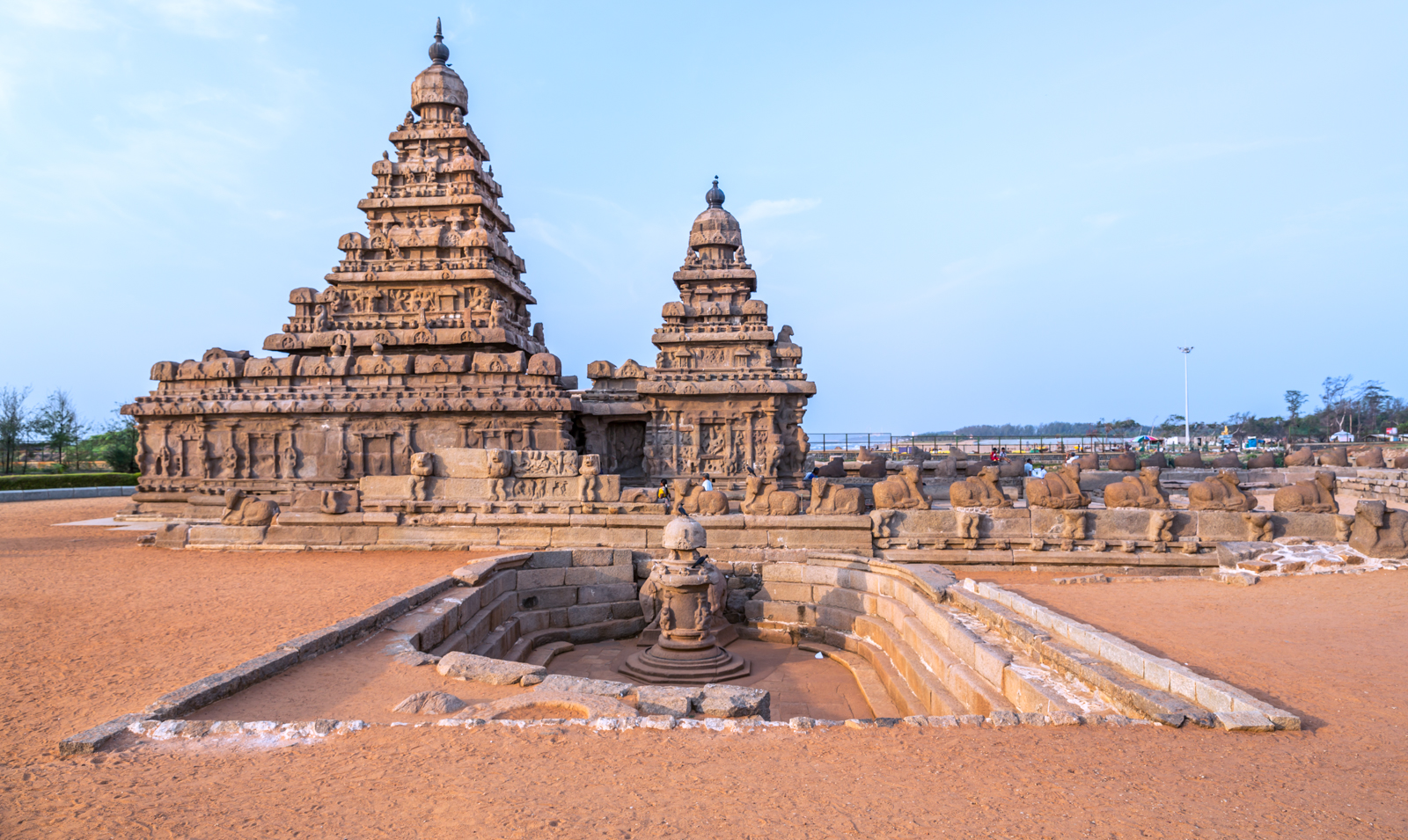
Mahabalipuram Temples: Complete Travel Guide 2026
Complete travel guide to Mahabalipuram temples (Mamallapuram) - UNESCO World Heritage site featuring Shore Temple, Arjuna's Penance, Pancha Rathas, Pallava architecture, history & travel tips.
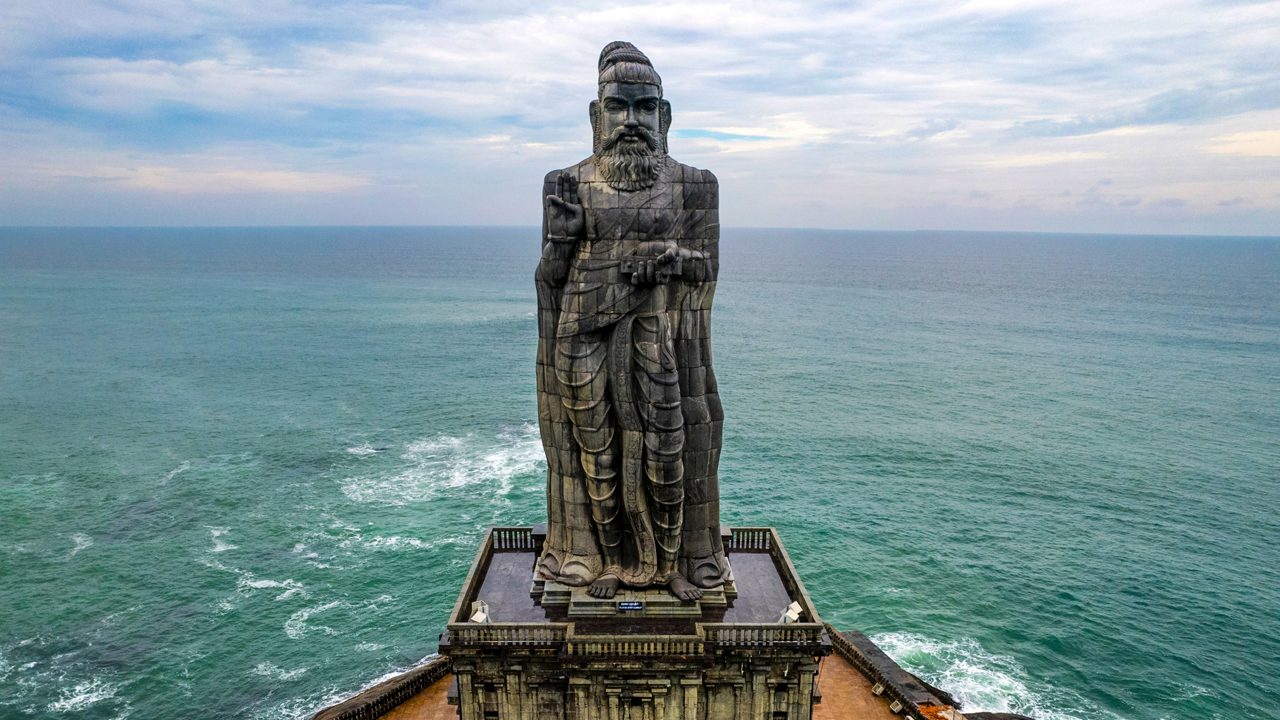
Thiruvalluvar Statue: Giant Monument at Kanyakumari
Complete travel guide to Thiruvalluvar Statue Kanyakumari - 133 ft monument to Tamil poet-saint. Symbolism, Thirukkural significance, ferry timings, entry fee & travel tips.
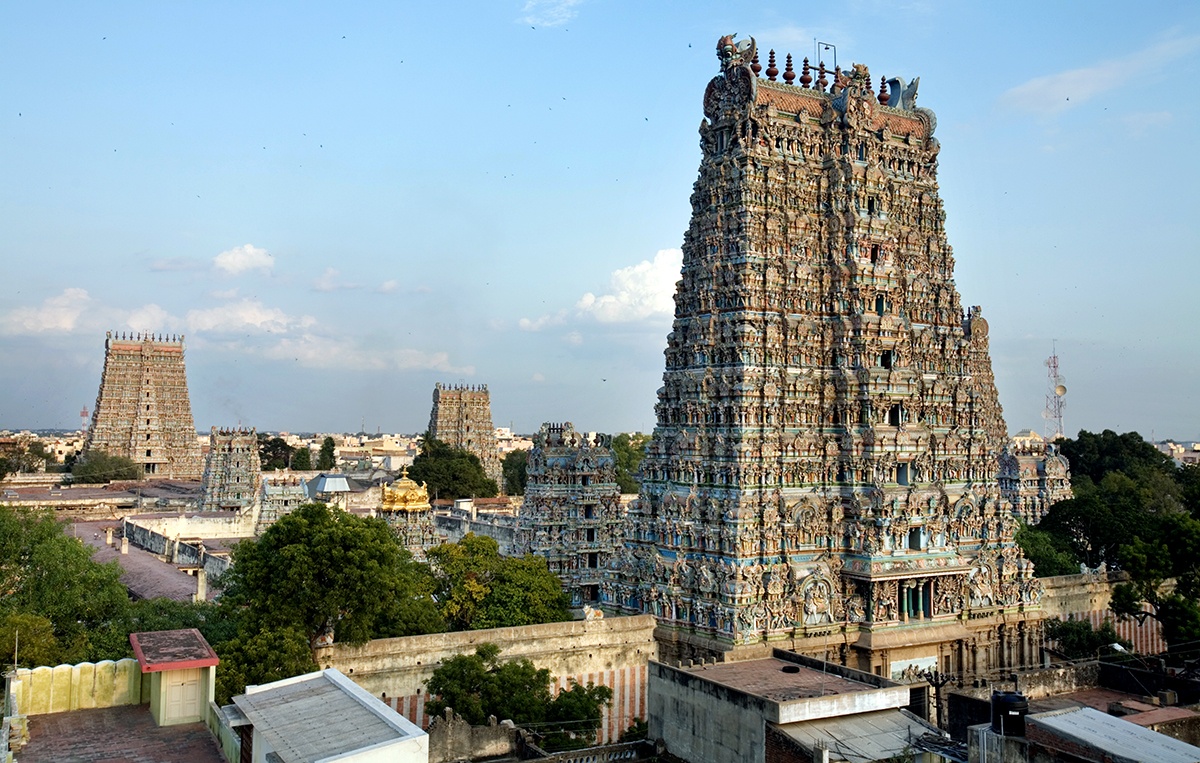
Meenakshi Temple Madurai: Complete Guide to the Temple City
Explore the magnificent Meenakshi Temple in Madurai - a 7th-century architectural marvel with 12 towering gopurams, musical pillars, and sacred tanks. Discover history, timings, Chittirai festival, travel tips, and nearby attractions in this comprehensive guide.
Never Miss an Adventure
Get the latest trekking guides, travel tips, and exclusive offers delivered straight to your inbox.
