
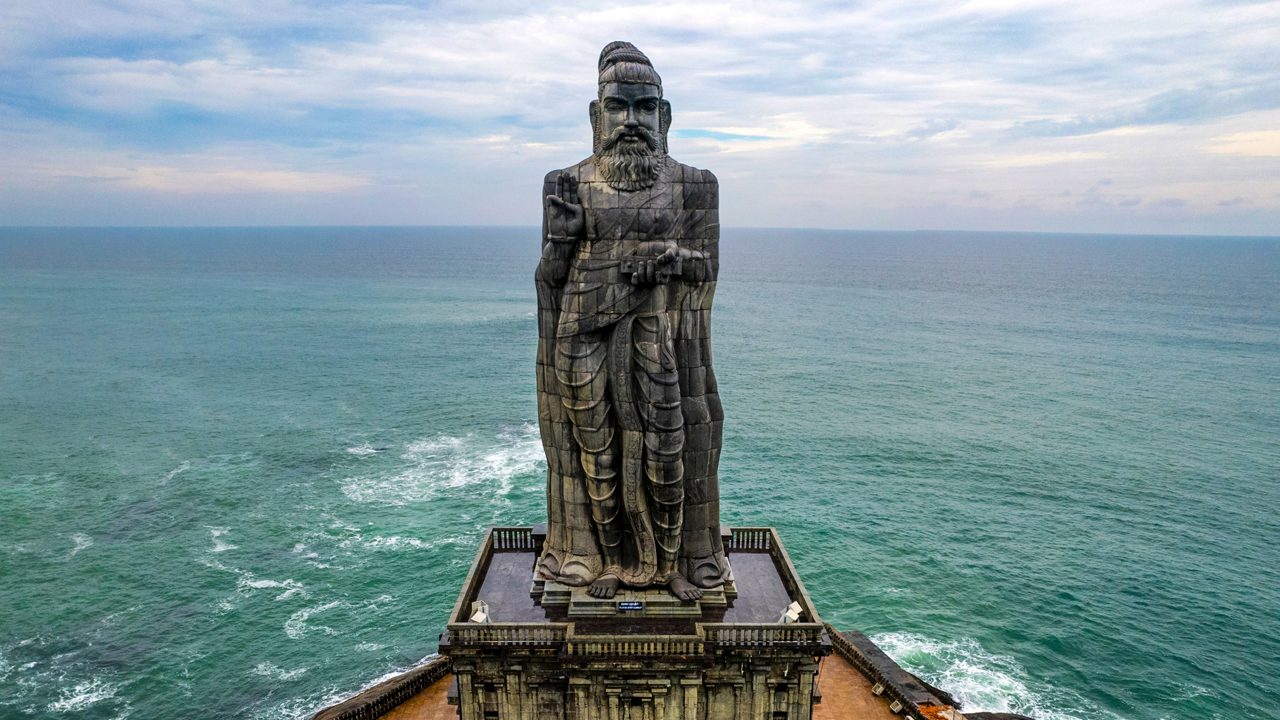
Thiruvalluvar Statue: Giant Monument at Kanyakumari

Neha Kapoor
January 13, 2026
Complete travel guide to Thiruvalluvar Statue Kanyakumari - 133 ft monument to Tamil poet-saint. Symbolism, Thirukkural significance, ferry timings, entry fee & travel tips.
Introduction: Colossus of Tamil Literature
Rising 133 feet above the rocky island off Kanyakumari's coast, the Thiruvalluvar Statue stands as one of India's most impressive modern monuments. This giant statue honors Thiruvalluvar, the ancient Tamil poet-saint who authored the Thirukkural - one of the most revered works of Tamil literature. Completed in 2000, this architectural marvel has become one of Kanyakumari's most iconic attractions, drawing visitors not just for its impressive size but for what it represents - Tamil culture's profound contribution to world literature. What makes the Thiruvalluvar Statue particularly special is its thoughtful symbolism. Every aspect of the statue's design has meaning - from its height representing the 133 chapters of the Thirukkural, to the three fingers of its raised right hand symbolizing the three themes of the text: virtue, wealth, and love. Standing at the confluence of three seas, the statue seems to embody the timeless wisdom it represents. Having visited the statue multiple times, I'm continually struck by how the monument's scale somehow enhances rather than diminishes its spiritual impact. The climb to the base offers spectacular views, and the statue's serene expression seems to invite contemplation of the universal wisdom contained in the Thirukkural.Who Was Thiruvalluvar?
The Poet-Saint of Tamil Literature
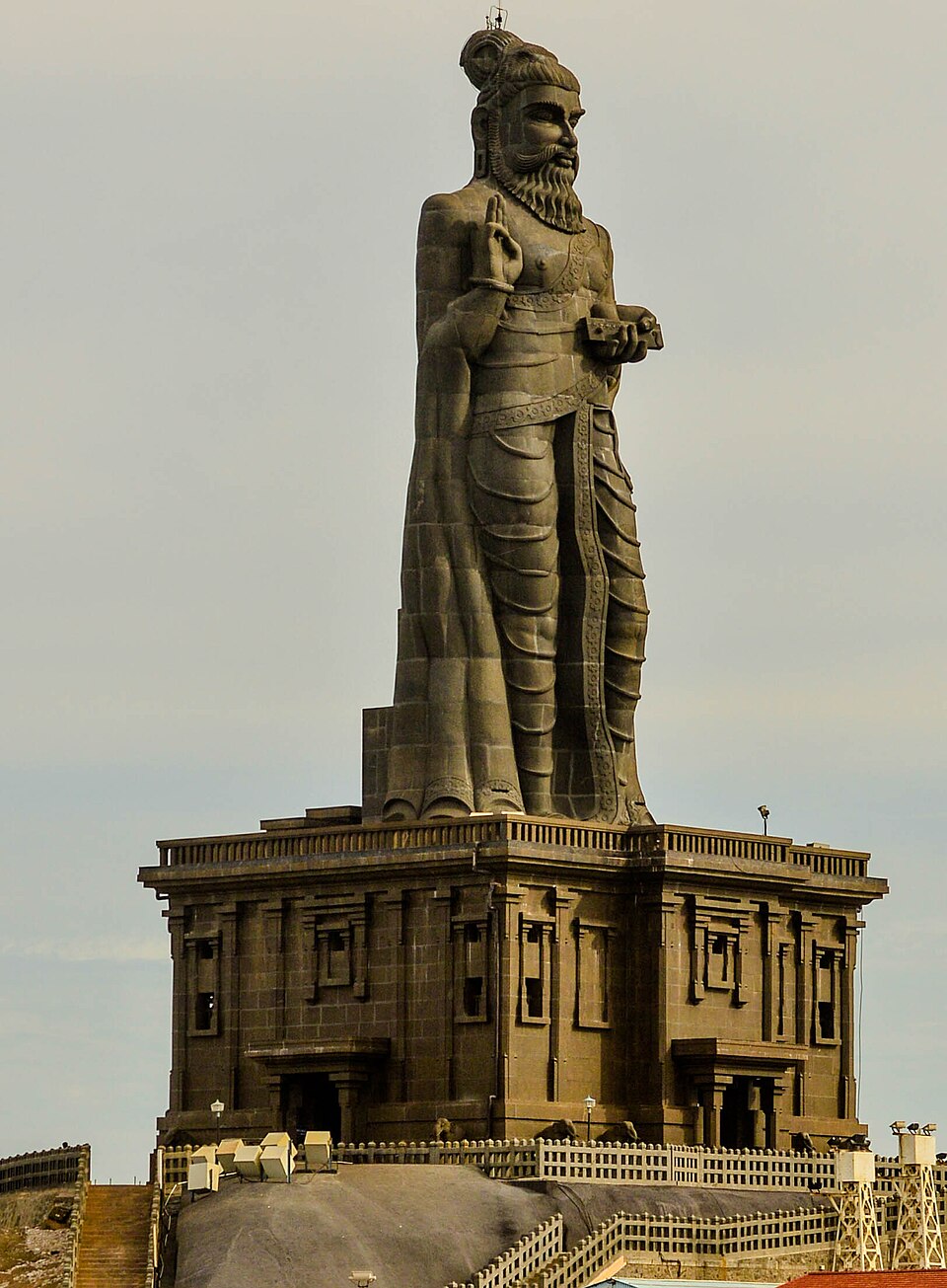
Thiruvalluvar (also spelled Valluvar) is believed to have lived between the 1st century BCE and 5th century CE, though scholarly opinions vary. Little is known about his life with certainty - he is said to have been a weaver from Mylapore (now part of Chennai) who achieved enlightenment through devotion and contemplation. What is certain is the profound impact of his work. The Thirukkural, comprising 1,330 couplets (kurals), covers all aspects of human life and remains one of the most translated works of Tamil literature. What makes the Thirukkural unique is its universal appeal - despite being rooted in Tamil culture, its wisdom transcends religious, cultural, and geographical boundaries.The Thirukkural
The Thirukkural is organized into 133 chapters, each containing 10 couplets. The text is divided into three books: Book I - Aram (Virtue): 38 chapters dealing with moral conduct, domestic virtues, and ascetic life. Book II - Porul (Wealth/Polity): 70 chapters covering statecraft, governance, economics, and social life. Book III - Inbam (Love): 25 chapters exploring human emotions, love, and relationships. What makes the Thirukkural remarkable is its practical wisdom. Unlike many ancient texts that focus solely on spiritual liberation, the Thirukkural provides guidance for every aspect of worldly life - from family relationships to governance, from friendship to economic prosperity. It's this comprehensive approach to human flourishing that has made the text relevant for over 1,500 years.Statue Design and Symbolism
Architectural Marvel
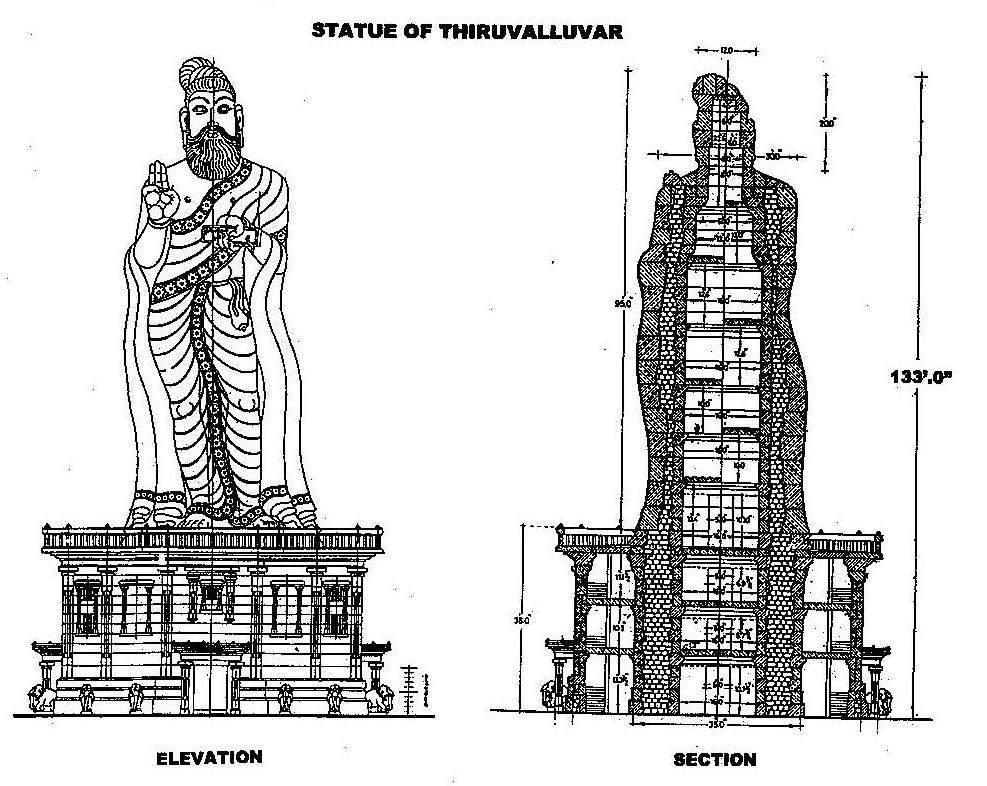
The Thiruvalluvar Statue was designed by the renowned Tamil sculptor Dr. V. Ganapati Sthapati and took nearly seven years to complete (1993-2000). The statue stands on a 38-foot pedestal, bringing the total height to 171 feet. The monument is carved from over 7,000 tons of granite, sourced from nearby quarries in Tamil Nadu. The statue faces northward, toward the Indian mainland, with Kanyakumari's coastline spread beneath it. This positioning means the statue's face is illuminated throughout the day by natural light, enhancing its serene expression.Symbolic Elements
Every aspect of the statue's design carries deep symbolic meaning: Height (133 feet): Represents the 133 chapters (adhikarams) of the Thirukkural. Three Raised Fingers: The right hand's three fingers symbolize the three pillars of the Thirukkural: Aram (virtue), Porul (wealth), and Inbam (love). Facial Expression: The statue's calm, contemplative expression embodies the wisdom and serenity that the Thirukkural advocates. Traditional Attire: Thiruvalluvar is depicted in simple traditional cloth, representing the text's emphasis on simplicity and virtue over ostentation. Pedestal Height (38 feet): Represents the 38 chapters of Book I (Aram/Virtue), emphasizing that virtue is the foundation of all other pursuits.Engineering Achievement
Building a 133-foot statue on a rocky island exposed to rough seas was an extraordinary engineering challenge. The monument had to be designed to withstand: Strong Winds: The coastal location experiences high winds, especially during monsoon. Sea Spray: Salt air corrodes most materials, so special granite was chosen for durability. Waves: Though elevated, the island can be battered by rough seas during storms. The monument's construction required innovative engineering solutions, including a deep foundation that anchors the statue to the rock and careful weight distribution to ensure stability. The fact that it has stood for over two decades without any structural issues is a testament to the quality of its construction.Visitor Experience
Reaching the Statue
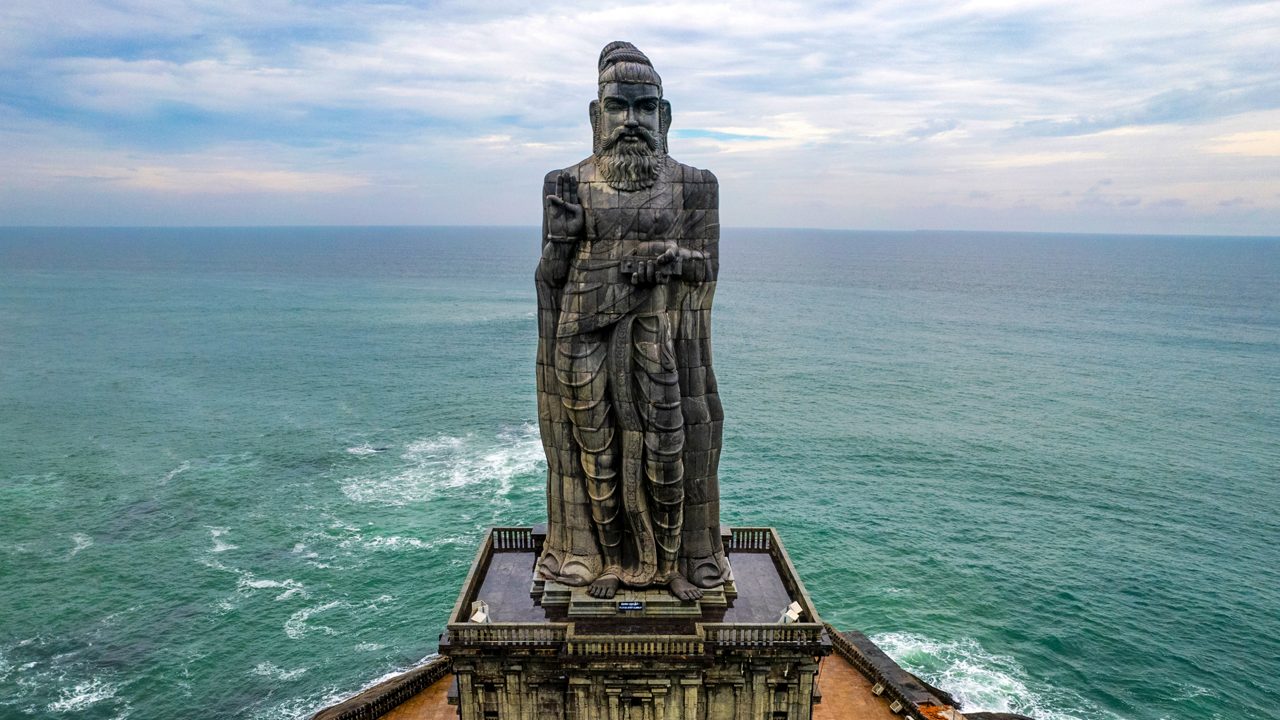
The Thiruvalluvar Statue is located on a small rocky island adjacent to the Vivekananda Rock Memorial. The same ferry service that takes visitors to Vivekananda Rock Memorial also stops at Thiruvalluvar Statue, making it convenient to visit both attractions. Ferry Tickets: The same ₹70 ($1 USD) ticket covers both islands (adults), ₹40 ($0.55 USD) for children. Additional Entry: ₹20 ($0.28 USD) additional for entering the statue complex. Travel Time: The ferry takes about 10-15 minutes from Kanyakumari mainland, with Thiruvalluvar Statue typically the first or second stop.Climbing the Statue
One of the highlights of visiting the Thiruvalluvar Statue is climbing to its base: Stairs: A series of stairs leads from the jetty to the statue's pedestal level. There are approximately 150 steps to climb. Ease of Access: The climb is moderately strenuous but manageable for most visitors. Take your time and rest if needed. Views: From the base, you get spectacular 360-degree views of the confluence of three seas, the Kanyakumari coastline, and the Vivekananda Rock Memorial nearby. Photography: The base level offers excellent photo opportunities of the statue against the sky and sea.Exploring the Complex
The area around the statue's base includes: Viewing Platform: A circular platform at the base allows visitors to walk around and appreciate the statue's massive scale. Information Panels: Panels explaining the Thirukkural's significance and the statue's symbolism help visitors appreciate the monument deeper. Meditation Spot: A designated area near the statue allows for quiet reflection.Best Time to Visit
Early Morning (8-9 AM): The sea is calm, the light is soft, and crowds are minimal. The statue's face is beautifully illuminated. Late Afternoon (3-4 PM): If you time it right, you can watch the sunset from the ferry on your return journey. Avoid: Midday when the sun is directly overhead and heat can be intense, especially in summer months.Photography Tips
Golden Hour: The hour after sunrise and before sunset offers the most dramatic lighting. Wide Angles: Use a wide-angle lens from the base to capture the statue's full height. Details: Zoom in on the statue's face and the raised right hand to capture the symbolic elements. Seascapes: Include the sea and surrounding coastline in your photos for context.Practical Information
Entry Fees & Timings
Ferry Ticket: ₹70 ($1 USD) for adults, ₹40 ($0.55 USD) for children (same ticket for Vivekananda Rock Memorial). Statue Entry: Additional ₹20 ($0.28 USD) per person for entering the statue complex. Camera Fee: Some cameras may require a small additional fee. Operating Hours: 8 AM to 4 PM (last ferry to the island). The statue may close during rough weather. Total Cost: Approximately ₹90 ($1.25 USD) per person including ferry and entry.Facilities
Restrooms: Basic facilities available at the base, though not always well-maintained. Drinking Water: Available on site. Food: No food is available on the island. Carry water and light snacks if needed. Shade: Limited shade available. Carry sun protection, especially in summer. Accessibility: The climb involves numerous stairs and may be challenging for visitors with mobility issues.Safety Considerations
Sea Conditions: Ferry services are frequently suspended during rough seas, particularly during monsoon (June-September). Check local conditions. Climbing Safety: Use handrails on stairs, especially when wet. Wear appropriate footwear with good grip. Children: Keep children supervised at all times, especially near edges and on stairs.Nearby Attractions
Vivekananda Rock Memorial: Adjacent island. Visit both in one trip using the same ferry ticket. Kanyakumari Temple: Famous temple dedicated to Goddess Kumari on the mainland. Gandhi Memorial: Marks where Gandhi's ashes were kept before immersion. Sunrise/Sunset Points: Kanyakumari is famous for both sunrise and sunset views over the ocean.Understanding the Thirukkural
Key Teachings
The Thirukkural's wisdom remains remarkably relevant today. Some key teachings include: On Virtue: "If one who does not perform meritorious deeds suffers, what will be the plight of those who commit sins?" (Kural 205) On Education: "The learned possess eyes; the unlearned have merely two sores on their face." (Kural 397) On Friendship: "Friendship with good people is like the bloom of fragrance, creating well-being." (Kural 239) On Governance: "A ruler who can be prevented by force from injustice is the greatest." (Kural 550)Global Impact
The Thirukkural has been translated into over 80 languages, making it one of the most translated works in the world. Its influence extends beyond Tamil culture to global philosophical discourse. The statue at Kanyakumari serves as a reminder of Tamil literature's significant contribution to world wisdom traditions.Travel Tips
- Combine with Vivekananda Rock: Both monuments are on adjacent islands and can be visited on the same ferry ticket.
- Check Weather: Ferry services are frequently suspended during rough seas. Check conditions before visiting.
- Go Early: First ferries (8 AM) offer the most peaceful experience and best lighting for photography.
- Wear Comfortable Shoes: You'll be climbing stairs and walking on uneven surfaces.
- Bring Water: The climb and sun exposure can be dehydrating.
- Read the Thirukkural: Familiarize yourself with some couplets before visiting to appreciate the statue's significance.
- Respect the Monument: It's a cultural and spiritual symbol. Maintain decorum and avoid inappropriate behavior.
- Capture the Views: Don't just photograph the statue - capture the sea views and surrounding landscape.
- Allow Enough Time: Plan for at least 2 hours including ferry rides and climbing the statue.
- Sunset Return: Take a later ferry back to catch the sunset over the three seas.
Conclusion
The Thiruvalluvar Statue is more than just an impressive engineering feat or tourist attraction - it's a powerful symbol of Tamil culture's enduring wisdom. Standing at India's southern tip, the colossus seems to embody the timelessness of the Thirukkural's teachings, which remain relevant across centuries and cultures. What makes visiting the statue particularly meaningful is understanding what it represents. The Thirukkural's emphasis on virtue, wisdom, and ethical living offers guidance that transcends its Tamil origins. In our modern world of complexity and confusion, the statue's simple message - that the good life is built on character, wisdom, and compassion - feels more necessary than ever. Whether you're drawn by the statue's impressive scale, the beauty of its coastal setting, or the depth of its cultural significance, the Thiruvalluvar Statue delivers on all fronts. Combine it with a visit to the adjacent Vivekananda Rock Memorial, explore Kanyakumari's other attractions, and take time to appreciate one of India's most thoughtfully designed monuments. Above all, let the statue remind you of the enduring power of wisdom literature - words written over 1,500 years ago that continue to guide and inspire millions today. In that sense, the Thiruvalluvar Statue is not just a monument to a poet, but to the very idea that wisdom transcends time. Located adjacent to the Thiruvalluvar Statue is the Vivekananda Rock Memorial, another iconic Kanyakumari attraction that marks where Swami Vivekananda attained enlightenment. Both monuments can be visited on the same ferry trip, offering a comprehensive experience of India's spiritual and literary heritage. If you're exploring Tamil Nadu's rich cultural landscape, the ancient temples of Mahabalipuram showcase another aspect of the state's extraordinary artistic and architectural achievements. Literature enthusiasts might also appreciate exploring Kolkata, where the legacy of another giant of Indian literature, Rabindranath Tagore, is preserved and celebrated. If you're continuing further south along Tamil Nadu's temple trail, the towering gopurams of Meenakshi Temple in Madurai offer another unforgettable example of Dravidian artistry.Location
Frequently Asked Questions
Q1.Why is Thiruvalluvar Statue famous?
The Thiruvalluvar Statue is famous as one of India's tallest statues, standing 133 feet high to honor the ancient Tamil poet-saint Thiruvalluvar.
Thiruvalluvar authored the Thirukkural, one of Tamil literature's most revered texts, comprising 1,330 couplets on ethics, politics, and love.
The statue's height represents the 133 chapters of the Thirukkural, and its three raised fingers symbolize the text's three themes: virtue, wealth, and love.
Its location at the confluence of three seas makes it one of India's most visually striking monuments.
Q2.What is the height of Thiruvalluvar Statue?
The Thiruvalluvar Statue stands 133 feet (40.5 meters) tall, excluding the pedestal.
The 133 feet specifically represent the 133 chapters (adhikarams) of the Thirukkural.
The statue sits on a 38-foot pedestal, bringing the total height to 171 feet.
The pedestal's 38 feet represents the 38 chapters on virtue (Aram) in the Thirukkural.
With over 7,000 tons of granite, it's an architectural marvel at India's southern tip.
Q3.How to reach Thiruvalluvar Statue from Kanyakumari?
The Thiruvalluvar Statue is located on a small rocky island about 500 meters off the Kanyakumari coast.
Regular ferry services operate from the Kanyakumari mainland to the statue.
The ferry ride takes about 10-15 minutes and costs ₹70 ($1 USD) for adults, ₹40 ($0.55 USD) for children.
The same ticket covers both Thiruvalluvar Statue and the adjacent Vivekananda Rock Memorial.
Ferries typically run from 8 AM to 4 PM, weather permitting.
Q4.What is the best time to visit Thiruvalluvar Statue?
The best time to visit is between October and March when the weather is pleasant.
For the most enjoyable experience, take the first ferry in the morning (8 AM) when the sea is calm and crowds are minimal.
Early morning light is also ideal for photography, beautifully illuminating the statue's face.
Avoid visiting during midday (12-2 PM) in summer as it can be very hot with limited shade on the island.
Monsoon season (June-September) often sees ferry cancellations due to rough seas.
Q5.What is the entry fee for Thiruvalluvar Statue?
The total cost includes two components:
Ferry Ticket: ₹70 ($1 USD) for adults, ₹40 ($0.55 USD) for children (same ticket covers Vivekananda Rock Memorial too).
Statue Entry: Additional ₹20 ($0.28 USD) per person for entering the statue complex.
Total cost is approximately ₹90 ($1.25 USD) per person.
There may be a small additional fee for cameras.
Tickets can be purchased at the ferry terminal on Kanyakumari beach.
Q6.Can we climb the Thiruvalluvar Statue?
Yes, visitors can climb up to the base of the statue via a series of stairs.
There are approximately 150 steps from the jetty to the statue's pedestal level.
The climb is moderately strenuous but manageable for most visitors in reasonable fitness.
From the base, you get spectacular 360-degree views of the confluence of three seas.
Visitors with mobility issues may find the climb challenging.
Q7.What are the three fingers in Thiruvalluvar Statue?
The three raised fingers of Thiruvalluvar's right hand symbolize the three main sections of the Thirukkural:
Aram (Virtue) - moral conduct and ethical living
Porul (Wealth) - economics, politics, and governance
Inbam (Love) - human emotions, relationships, and love
Together, these three pillars represent the comprehensive approach to human flourishing that the Thirukkural advocates.
The symbolism suggests that a well-lived life requires balance of all three elements.
Q8.Is Thiruvalluvar Statue worth visiting?
Absolutely! The Thiruvalluvar Statue is worth visiting for multiple reasons.
Architecturally, it's one of India's most impressive modern monuments, rising 133 feet above the sea.
Culturally, it represents Tamil Nadu's rich literary heritage and the timeless wisdom of the Thirukkural.
The views from the base are spectacular, overlooking the confluence of three seas.
Combined with the adjacent Vivekananda Rock Memorial, it makes for a meaningful cultural experience.
Understanding the statue's symbolism adds depth to the visit beyond just sightseeing.
Recommended For You
Places to Visit in Kanchipuram: Temples, Silk Streets & Heritage
Discover the best places to visit in Kanchipuram - from ancient temples like Ekambareswarar and Kamakshi Amman to world-famous silk saree shopping. Complete guide with timings, prices, and travel tips.
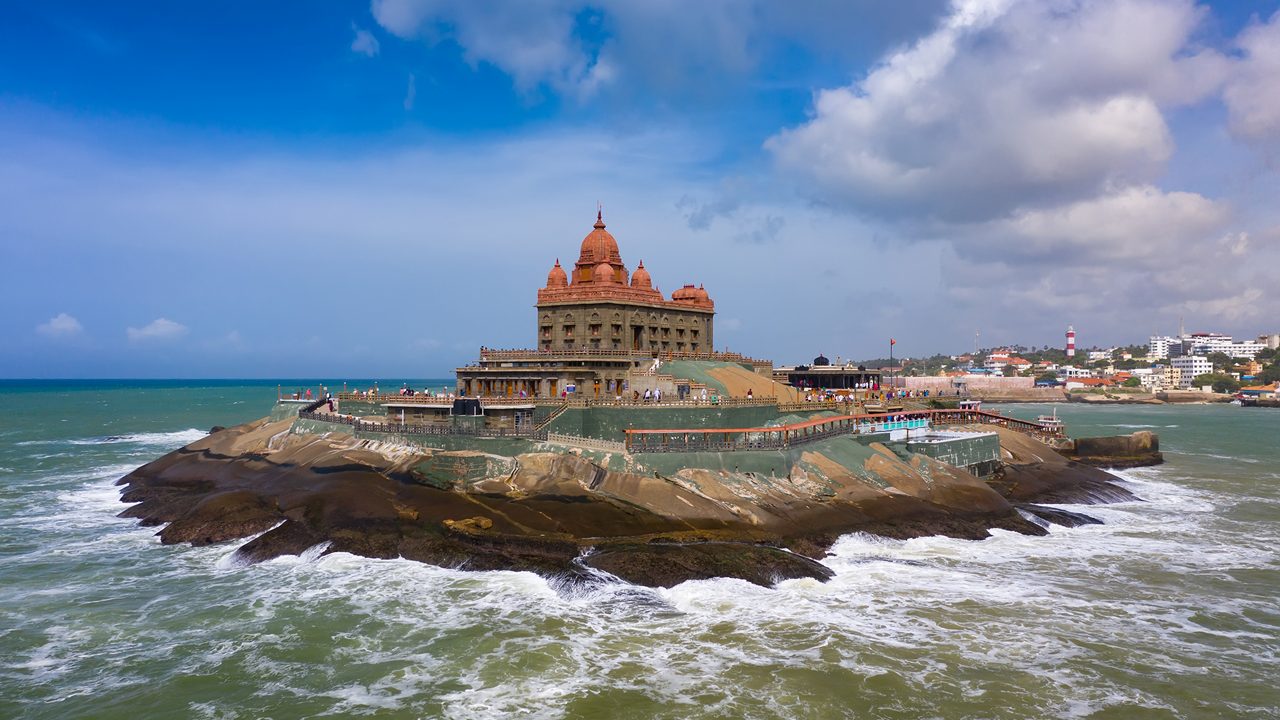
Vivekananda Rock Memorial: Complete Travel Guide 2026
Complete travel guide to Vivekananda Rock Memorial in Kanyakumari - where Swami Vivekananda attained enlightenment. Ferry timings, entry fees, best time to visit & nearby attractions.
Meenakshi Temple Madurai: Complete Guide to the Temple City
Explore the magnificent Meenakshi Temple in Madurai - a 7th-century architectural marvel with 12 towering gopurams, musical pillars, and sacred tanks. Discover history, timings, Chittirai festival, travel tips, and nearby attractions in this comprehensive guide.
Never Miss an Adventure
Get the latest trekking guides, travel tips, and exclusive offers delivered straight to your inbox.
