
Sundarbans National Park Guide: Best Time, Safari Planning, and Responsible Travel Tips

Priya Mehta
February 25, 2026
Plan Sundarbans National Park with practical tips on season, route format, operator selection, and responsible mangrove travel.
Why Sundarbans Is One of India’s Most Unique Nature Destinations
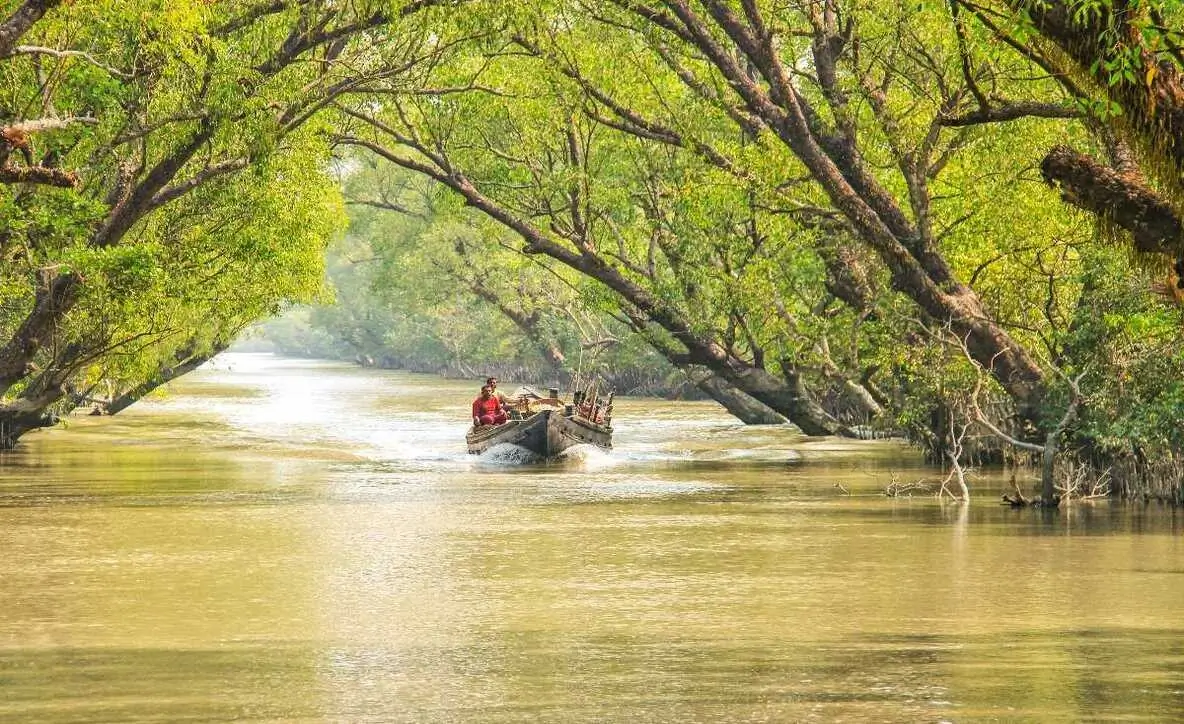
Sundarbans National Park is a rare ecosystem where river channels, mangroves, wildlife, and local communities exist in delicate balance. It is not a standard jungle-safari destination. The experience is slower, water-based, and ecosystem-first. Travelers who come with conventional park expectations may feel uncertain; those who prepare for a mangrove-driven experience usually find it extraordinary.
The park is closely tied to broader Bengal eco-cultural travel. For better route context, combine this with West Bengal tourism planning, regional destination sequencing from places to visit in Bengal, and wildlife expectations from Royal Bengal Tiger guide. For broader eco-route comparisons, include wildlife safari models.
What Makes the Sundarbans Experience Different
Sundarbans exploration is largely boat-based, and observation is shaped by tides, channels, weather, and habitat conditions. Unlike terrestrial safari parks, sightings here are subtle and patience-driven. Birdlife, estuarine textures, and mangrove ecology are major highlights alongside potential large wildlife encounters.
The right expectation is ecosystem immersion, not guaranteed dramatic sightings.
Best Time to Visit and Seasonal Planning
Cooler and drier windows are generally preferred for comfort and navigational reliability. Monsoon can be visually intense but requires stronger flexibility and local coordination. Always confirm current operating conditions and local advisories before final booking.
Season-aware timing significantly improves both safety and overall experience quality.

How to Choose a Good Operator
Choose providers with clear compliance, trained local guides, safety briefings, and transparent itinerary communication. Avoid operators that overpromise sightings or rush movement through sensitive zones. Responsible operator behavior is essential in fragile ecosystems like Sundarbans.
Ask about group size, safety equipment, route type, and emergency readiness before confirming.
What to Carry for a Sundarbans Trip
Carry light layers, sun protection, hydration support, insect protection, and waterproof storage for essentials. Keep luggage compact and practical for boat movement. Avoid unnecessary electronics and keep all waste managed responsibly.
Preparation should prioritize comfort and environmental respect, not gear quantity.
Sample 2-Day Sundarbans Format
Day 1: Arrival, orientation, and first guided water route.
Day 2: Early observation block, interpretation stop, and return transfer.
This structure is efficient and realistic for most first-time travelers.

Responsible Conduct in Mangrove Landscapes
Maintain silence, follow guide instructions, and avoid littering or disturbance. Do not pressure guides for unsafe approach behavior. Respecting habitat boundaries and local operational rules is non-negotiable in protected wetland systems.
Good ecotourism in Sundarbans depends directly on visitor behavior.

Understanding Sundarbans as a Living Ecosystem
Sundarbans is not a static attraction. It is a living estuarine system where river flow, salinity, sediment movement, and weather continuously reshape habitat patterns. Travelers who understand this dynamic are better prepared for route changes and variable wildlife visibility. This ecological fluidity is exactly what makes the landscape globally important.
Local guides and operators are essential interpreters of this complexity. Their on-ground knowledge can improve both safety and learning value during the trip.
Trip Design for First-Time vs Repeat Visitors
First-time visitors should prioritize a compact two-day structure with one strong observation day and one flexible support block. Repeat visitors can expand to longer ecosystem-focused itineraries including interpretation sessions, community interactions, and slower river-channel coverage. The key difference is expectation: first-time trips emphasize orientation; repeat trips emphasize depth.
Both styles can be meaningful when route design matches experience level.
Field Conduct That Improves Wildlife Experience
Quiet observation consistently outperforms aggressive movement in sensitive habitats. Keep conversations low, avoid sudden gestures, and follow guide instructions even when sightings seem unlikely. Good field behavior increases the chance of subtle but valuable wildlife moments, including bird movement and habitat indicators that are often missed in noisy groups.
Travelers should also avoid treating every stop as a photo race. Observation quality matters more than capture quantity in the Sundarbans setting.
Community and Conservation Link
Sundarbans travel intersects with local livelihoods. Responsible tourism supports operators and services that follow ecological rules and contribute positively to community stability. Choose providers who communicate sustainability practices clearly. This helps maintain long-term balance between visitor activity and habitat resilience.
When travelers make informed choices, tourism becomes a conservation partner rather than a pressure source.
Field Strategy for a More Meaningful Sundarbans Trip
A strong Sundarbans plan is built around observation quality, not checklist speed. Most travelers only ask about tiger sightings, but the real value of this landscape is understanding movement patterns of water, birdlife behavior, and how local livelihoods are tied to mangrove rhythms. Start by structuring your day around light and tide. Early and late windows usually give better visibility and calmer observation conditions. Midday can be useful for interpretation sessions with your guide, especially if navigation conditions are less favorable for quiet wildlife scanning.
Guide quality is one of the most important decision factors. Choose operators who explain habitat logic instead of repeating generic wildlife statements. Ask practical questions: how do they decide route changes, what signs do they use to identify active zones, and how do they balance tourism pressure with conservation rules. A good guide will give clear answers and set realistic expectations from the beginning. This reduces disappointment and helps travelers appreciate non-tiger indicators such as raptor movement, mudbank tracks, and mangrove edge activity.
Boat behavior matters as much as itinerary. Excessive noise, sudden movement, and crowding at active points reduce both safety and observation quality. Keep your gear compact and movement controlled. If you are traveling in a group, assign basic responsibilities before departure: one person tracks hydration, one manages timing, and one keeps shared waste collection. These small systems improve discipline and free mental space for actual learning during the ride.
Photography in Sundarbans should follow distance ethics. Avoid forcing zoomed action by pushing closer than advised. The most useful visual record is often environmental storytelling: water channels, mangrove roots, sky conditions, and navigation context. These frames help you remember the ecosystem as a living system rather than just a wildlife stage. If photography is a priority, communicate that with your operator before booking so you can choose suitable boat setup and timing.
Weather uncertainty is normal in this region. Instead of seeing it as a disruption, treat it as part of the ecosystem reality. Build fallback plans for interpretation-heavy sessions, village insights, or mangrove ecology discussions when movement windows narrow. Flexible travelers usually leave with better understanding than those who insist on fixed-hour outcomes. Keep buffer time for departures and returns because water routes can shift practical timelines.
Food, hydration, and sun management are also operational concerns. Light meals, steady water intake, and basic head/skin protection keep your attention stable for long field hours. Fatigue often causes travelers to miss subtle signs that guides are interpreting in real time. If you maintain energy well, your observation quality stays strong through the day.
Finally, end your trip with a structured recap: what ecosystem interactions you observed, what surprised you, and what conservation challenges felt most urgent. This recap turns the journey into informed memory and makes future travel choices more responsible. Sundarbans rewards travelers who slow down, listen closely, and treat the delta as a complex ecological classroom rather than a single-species safari destination.
Conclusion
Sundarbans National Park offers a rare and deeply meaningful nature experience when approached with realistic expectations and responsible planning. Focus on ecosystem learning, choose reliable operators, and keep your itinerary adaptive. With this approach, the Sundarbans journey can become one of the most memorable wildlife experiences in India.
Location
Frequently Asked Questions
Q1.What is Sundarbans National Park known for?
Q2.How many days are enough for Sundarbans?
Q3.Are tiger sightings guaranteed in Sundarbans?
Q4.What is the best way to explore Sundarbans?
Q5.What should I avoid?
Recommended For You
West Bengal in Monsoon: Best Destinations, Weather & Travel Tips
Explore West Bengal in monsoon. From Kolkata's charm to Darjeeling's mists, discover tea gardens, Durga Puja prep & hill station beauty.

National Parks in Rajasthan: Tiger Safari Parks & Booking Tips
Explore National Parks in Rajasthan. Ranthambore, Sariska, Keoladeo. Tigers, birds, safari booking & best time to visit.

Wildlife Safari in Rajasthan: Top Parks, Costs & Route Planning
Experience wildlife safari in Rajasthan - Ranthambore tigers, Keoladeo birds, Sariska wildlife. Complete guide to safaris, booking, best time, and travel tips.
Never Miss an Adventure
Get the latest trekking guides, travel tips, and exclusive offers delivered straight to your inbox.
