

World’s Safest Cities: Ranking Factors, Data Sources & Travel Relevance

Priya Mehta
January 28, 2026
Discover the world's safest cities including Tokyo, Singapore, and Copenhagen. Complete guide to global safety rankings, what makes cities safe, and travel insights.
World's Safest City: How Global Urban Safety Is Measured
When travelers search for the world's safest city, they usually want one clear winner. In practice, safety is multi dimensional and no city is perfect in every metric. Top ranking sources evaluate crime trends, emergency response, public infrastructure, health systems, digital security, and environmental resilience together. This means a city can rank high overall even if one category is average, as long as it performs strongly across the full system.
For travelers and remote workers, this topic is not only about crime. It is about day to day confidence: safe public transport at night, predictable healthcare access, reliable digital systems, and low disruption risk during emergencies. This guide explains how modern rankings work and how to use them in real travel decisions.

What Makes a City Truly Safe in 2026
Urban safety today has five practical pillars: personal safety, infrastructure safety, health security, digital trust, and environmental preparedness. Personal safety includes violent and petty crime risk plus perception of safety at street level. Infrastructure safety covers transport quality, road behavior, building standards, and emergency readiness. Health security evaluates hospital capacity, affordability, and response reliability. Digital safety includes cyber hygiene and data protection. Environmental safety looks at climate adaptation and disaster planning.
A city that performs well across all five pillars creates low stress daily life. Visitors can move after dark, use transit without anxiety, access care quickly, and continue work online without frequent disruption.
Cities Commonly Ranked Among the Safest
Singapore
Singapore frequently appears at the top because it combines strong enforcement, clean infrastructure, and efficient administration. Public spaces are well managed and transport reliability is high. For travelers, this means fewer unknowns and smoother daily movement. The city is also very strong in digital infrastructure and emergency response capacity.
Tokyo
Tokyo scores highly for low street crime, transport discipline, and deep disaster preparedness. Despite massive scale, movement feels orderly and predictable. Visitors often highlight how safe late evening transit feels compared with many global metros.
Copenhagen
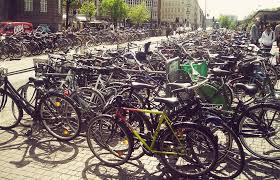
Copenhagen demonstrates how design led planning can improve safety. Cycle first infrastructure, high trust civic culture, and strong social systems reduce both traffic risk and social tension. This creates safety without heavy visible policing pressure.
Zurich and other Swiss cities
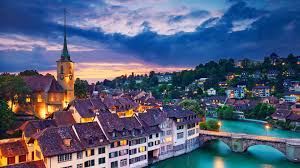
Swiss urban systems perform strongly on governance, infrastructure quality, and service reliability. These cities may feel quieter than major tourism capitals, but that stability itself is a major safety advantage.
How Travelers Should Read Safety Rankings
Do not read rankings as a guarantee that nothing can go wrong. Instead, treat them as probability guides. A higher ranked city generally offers lower everyday risk and better emergency outcomes. That still requires normal travel awareness. Even in highly ranked cities, scams and petty incidents can occur in tourist dense zones.
Rankings are most useful when compared with your trip type. A solo traveler, family with children, and long stay remote worker will have different safety priorities. Families may prioritize healthcare and clean mobility. Solo travelers may prioritize late evening transit confidence. Remote workers may prioritize digital stability and neighborhood walkability.
Is One City the Absolute Safest?
Search trends often push the idea of one permanent safest city. In reality, performance can shift by year due to policy, infrastructure investment, climate events, and social change. A city leading this year can be closely matched by others across sub categories. Instead of chasing one label, identify a safety cluster of top cities and choose by visa ease, cost, and travel goals.
If budget is your constraint, compare premium safety destinations with our affordable Europe country guide to find balance between safety and spending.
Safety by Traveler Type
Solo female travelers
Look for cities with strong evening transit usage, active street lighting, and high bystander response culture. Singapore, Tokyo, and Copenhagen often perform well in this context. Use accommodation near transit hubs to reduce late night transfer uncertainty.
Families with kids
Choose cities with stroller friendly public spaces, reliable pediatric care access, and low aggressive traffic behavior. Swiss and Nordic cities often provide excellent family movement confidence.
Senior travelers
Prioritize healthcare response speed, walkable neighborhoods, and low slip hazard infrastructure. Also check weather stress factors. A safe city for young travelers may still be difficult for seniors if terrain is steep or winter conditions are harsh.
Remote workers and long stay travelers
Daily safety for long stays depends on routine reliability more than tourist area polish. Evaluate neighborhood level lighting, grocery access, transit frequency, and internet stability before booking long term accommodation.
How to Build a Practical Safety Plan Before Travel
Use a three layer plan: destination safety screening, neighborhood screening, and daily behavior rules. At destination level, compare ranking data and latest advisory context. At neighborhood level, check evening walkability and transport convenience. At behavior level, keep simple rules: controlled spending routes, secure document handling, and emergency contact readiness.
If your Europe route includes Germany, pre read local context through our Berlin civic district guide and Berlin heritage walk guide to align neighborhood expectations with your travel hours.
Common Mistakes Travelers Make Even in Safe Cities
The biggest mistake is overconfidence. People lower caution too much after hearing a city is very safe. Typical errors include carrying all cards together, ignoring night transport cutoffs, and booking isolated stays to save money. Safety rankings do not replace basic travel discipline.
Another mistake is ignoring event calendars. Major festivals and sporting events can change crowd patterns and petty crime exposure for short periods. Check local event schedules and adjust your route timing accordingly.
Safety and Cost: The Real Tradeoff
Very safe cities can be expensive. The smart approach is not to drop safety for budget, but to optimize duration and location. Shorter stays in safe core zones often give better overall value than longer stays in cheaper but less secure areas. Use transit passes, daytime attractions, and early booking to control spend.
If you are planning UK segments in a broader Europe trip, use our London season planning guide to avoid high crowd windows that can increase both cost and stress.
How Often Safety Rankings Change
Global safety rankings are typically updated periodically and can shift with policy outcomes, public health events, cyber incidents, and environmental disruptions. Treat rankings as living data, not permanent truth. Before booking, verify recent trend direction for your shortlisted cities.
For example, a city with stable crime numbers but worsening climate resilience may drop in future scores. Another city can rise quickly after transport and digital safety upgrades. Trend direction matters as much as current rank.
Final Verdict
The world's safest city is best understood as a top tier group rather than a single eternal champion. Singapore, Tokyo, Copenhagen, Zurich, and similar cities consistently perform because they combine low crime, strong services, and high trust civic systems. For travelers, the winning strategy is simple: choose from this top cluster, apply neighborhood level screening, and keep basic safety habits active.
Review updates quarterly.
If your route continues toward France style city shopping corridors, align movement and crowd timing with our Paris shopping guide. For broader Eastern Europe planning comparisons, you can also review our Georgia travel planner and decide based on comfort, budget, and trip style.
Location
Frequently Asked Questions
Q1.What is the number 1 safest city in the world?
Q2.What makes a city safe?
Q3.Is Singapore the safest city in the world?
Q4.Which are the top 10 safest cities in the world?
Q5.Why are Japanese cities so safe?
Q6.What is the safest city to visit as a tourist?
Q7.Which country has the safest cities?
Q8.How is the safest city measured?
Recommended For You

Berlin Cathedral: History, Timings and Visitor Tips
Plan your Berlin Cathedral visit with history, dome strategy, architecture focus, and practical Museum Island route guidance.

Reichstag Building Berlin: Complete Guide with Dome Visit 2026
Complete Reichstag Building Berlin guide - dome visit booking, timings, history, architecture & panoramic views. Symbol of German democracy with free entry.

Shopping Paris: Ultimate Guide to Luxury, Markets & Budget Tips
Complete guide to shopping in Paris featuring luxury districts, department stores, boutiques, flea markets, budget tips, and VAT refund information.
Never Miss an Adventure
Get the latest trekking guides, travel tips, and exclusive offers delivered straight to your inbox.
