
Pin Bhaba Pass Trek: Difficulty, Route & Best Season

Neha Kapoor
February 18, 2026
Plan Pin Bhaba Pass Trek with difficulty breakdown, route strategy, acclimatization tips, and practical packing guidance.
Introduction
Pin Bhaba Pass Trek is one of Himachal's most dramatic crossover routes because it connects two sharply different landscapes in one expedition: the greener side near Kinnaur and the stark high-altitude terrain toward Spiti. Trekkers usually choose this route for terrain contrast, pass-crossing experience, and long mountain days that test endurance without requiring technical mountaineering. If your goal is a serious multi-day Himalayan trek with strong visual variety, this is one of the most rewarding options.
This guide explains difficulty, route profile, day-wise structure, acclimatization strategy, and essential preparation details. You can pair it with Spiti Valley road trip guide and Spiti Valley in August for broader travel planning.
Why Pin Bhaba Pass Trek Is Special
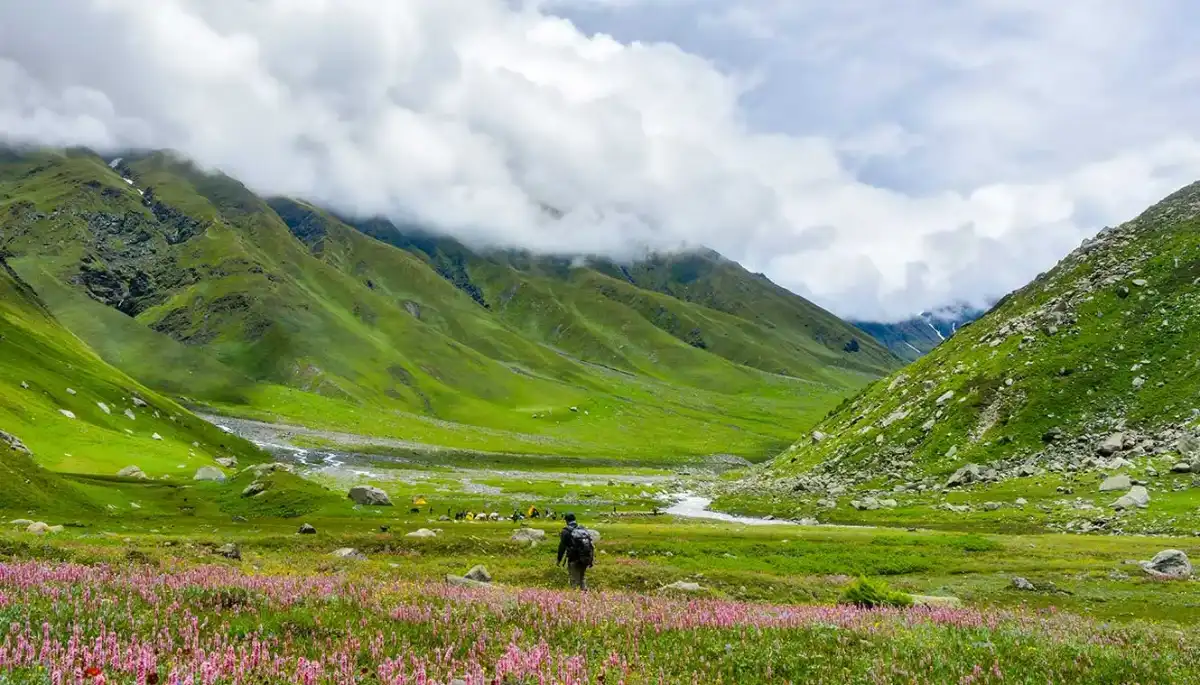
The route is known for rapid landscape shift. Early sections can include greener valley stretches, while later terrain moves toward stark, high-altitude geology and open mountain exposure. This transition is the trek's biggest signature. You get river crossings, moraine-like sections, high camps, and a demanding pass day in one itinerary.
It is best for trekkers who already have basic multi-day trekking experience and strong physical preparation.
Difficulty Level and Fitness Requirements
Pin Bhaba is generally considered challenging. Key reasons include long trekking days, high pass altitude, and physically demanding pass-crossing day with extended movement. You should prepare with endurance training, hill climbs, leg strength work, and loaded-pack practice.
| Factor | Typical Demand | Preparation Need |
|---|---|---|
| Trek Duration | Multi-day high-altitude itinerary | Endurance base |
| Pass Day | Longest and hardest segment | Pace discipline + stamina |
| Terrain Variation | Mixed trail quality and exposure | Footwork confidence |
| Altitude | High-pass crossing | Acclimatization awareness |
Best Time for Pin Bhaba Pass
The active trekking window is generally in the safer high-season mountain months when route conditions are favorable and camps are feasible. Exact dates change each year with weather and snow conditions, so operator-led confirmation is critical. Shoulder periods can be beautiful but less stable.
Always keep buffer days around pass schedules in case weather delays movement.
Typical Day-wise Route Structure
Most itineraries begin from Kinnaur-side approach zones, move through progressive camps, and then cross the pass toward the Spiti side before exiting through road-connected villages. Daily altitude gain, terrain type, and weather windows determine pace. Avoid comparing your timing to shorter low-altitude treks; this route needs conservative effort management.
- Early days: rhythm building and gradual adaptation.
- Mid days: higher camps and thinner air.
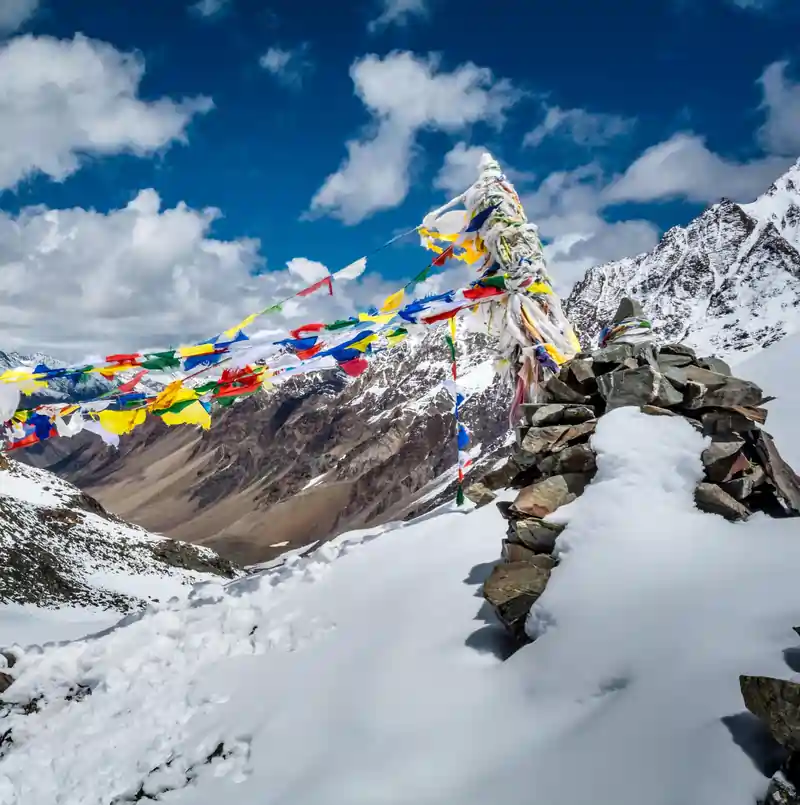
- Pass day: longest movement with strict pacing.
- Exit days: descent and terrain transition.
Altitude and Acclimatization
Altitude management is central to this trek. Hydration, slow ascent discipline, and symptom monitoring are more important than speed. Signs like persistent headache, nausea, unusual fatigue, or poor sleep should never be ignored. If symptoms escalate, descent and medical judgment take priority.
Use a structured acclimatization plan and follow trek leader instructions at all times.
Packing Checklist That Actually Matters
- Layered clothing system for variable alpine weather
- Reliable trekking shoes with grip and prior break-in
- Insulation and rain/wind protection
- Personal medical kit and altitude guidance medicines
- Trekking poles, gloves, cap, UV protection, hydration setup
- Waterproof packing and dry-bag storage
Avoid overpacking luxury items; weight management directly affects trek efficiency.
Safety and Logistics
High-pass treks require disciplined group movement, weather awareness, and guide coordination. Independent attempts without mountain route experience are not recommended. Confirm evacuation protocols, communication limitations, and emergency response plans with your operator.
For broader circuit planning, add Pin Valley National Park and Spiti weather guide.
Common Mistakes to Avoid
- Underestimating difficulty because of scenic photos.
- Skipping pre-trek endurance preparation.
- Poor layering choices for pass day weather shifts.
- Ignoring early altitude symptoms.
- Rushing descent without controlled pacing.
Conclusion
Pin Bhaba Pass Trek is a premium Himalayan crossover for prepared trekkers who want challenge and landscape diversity in one route. With proper fitness, acclimatization discipline, and realistic pacing, it can be one of the most memorable high-altitude experiences in Himachal.
Location
Frequently Asked Questions
Q1.How difficult is Pin Bhaba Pass Trek?
Q2.What is the best time for Pin Bhaba Pass?
Q3.Do I need previous trekking experience?
Q4.Why is acclimatization important on this route?
Q5.Can beginners do Pin Bhaba Pass Trek?
Q6.What should I pack for Pin Bhaba Pass?
Q7.Is guide support required?
Q8.How many days should I keep for this trek?
Recommended For You
Spiti Valley in August: Weather, Road Status & Travel Tips
Visit Spiti Valley in August! Guide to weather, rain, road conditions, temperature, Manali route & monsoon travel tips.
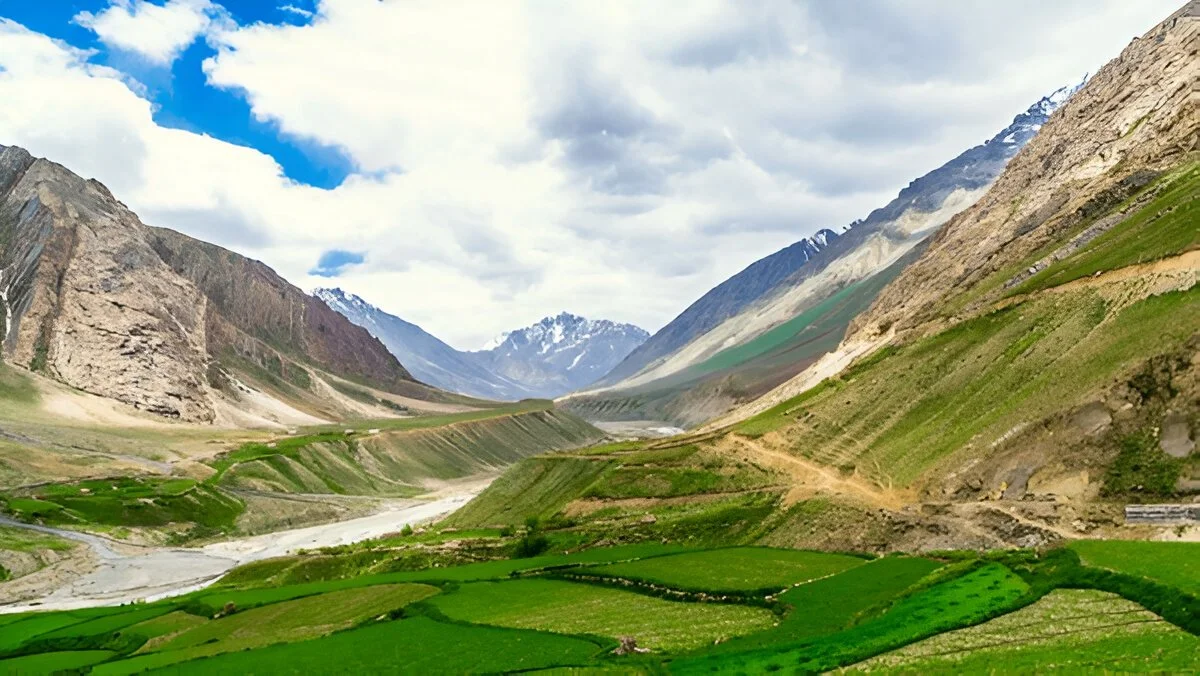
Best Time to Visit Pin Valley: Weather, Road Access & Trek Season
Find the best time to visit Pin Valley with season-by-season guidance for trekking, wildlife, weather, and accessibility planning.
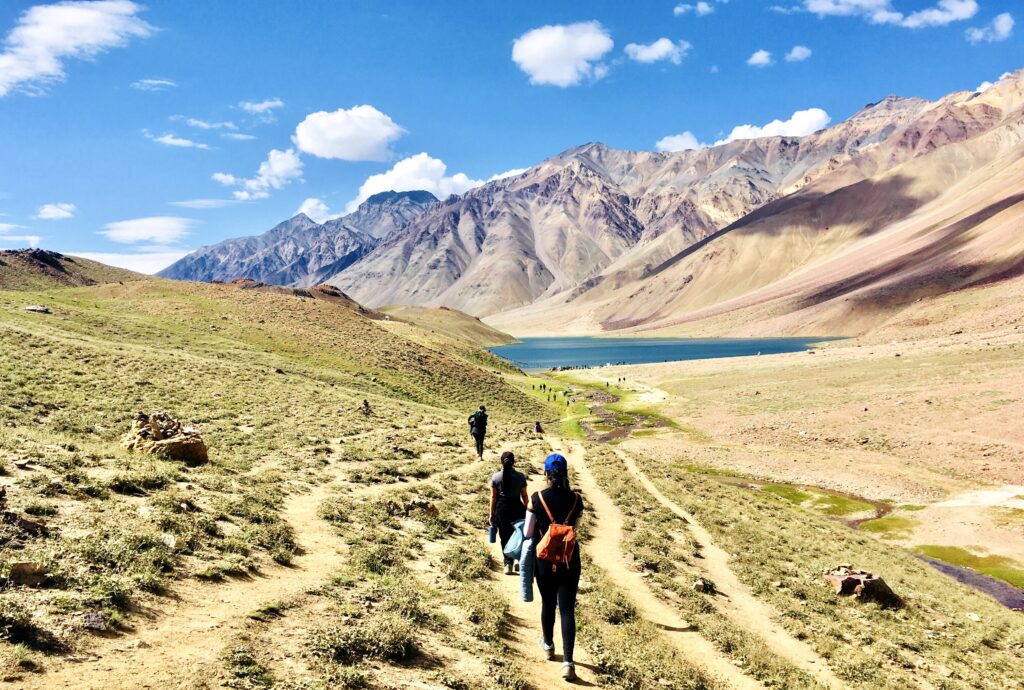
Chandratal Trek Spiti: Difficulty, Route and Itinerary
Plan Chandratal Trek in Spiti with route options, difficulty level, itinerary, packing list, camping rules, and altitude safety guidance for a reliable trip.
Never Miss an Adventure
Get the latest trekking guides, travel tips, and exclusive offers delivered straight to your inbox.
