
Chandratal Trek Spiti: Difficulty, Route and Itinerary

Ananya Sharma
February 19, 2026
Plan Chandratal Trek in Spiti with route options, difficulty level, itinerary, packing list, camping rules, and altitude safety guidance for a reliable trip.
Chandratal Trek in Spiti: Complete Route, Preparation, and Safety Guide
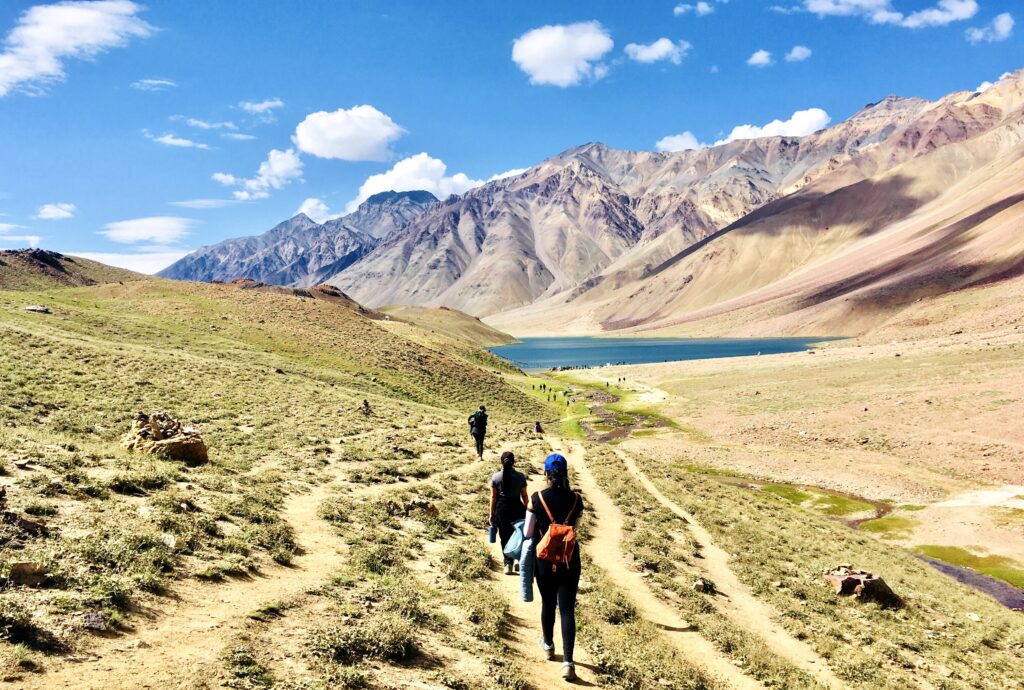
Chandratal Trek in Spiti is one of the most sought-after high-altitude experiences in Himachal because it combines dramatic mountain landscapes, remote terrain, and the iconic crescent-shaped Chandratal Lake. The trek is visually stunning, but it is not a casual walk. Altitude, weather variability, and terrain conditions demand planning, acclimatization, and route discipline.
This guide gives a practical framework for first-time trekkers: best season, access routes, fitness expectations, packing strategy, and common mistakes to avoid. If you are building a larger Spiti plan, align this trek with Spiti Valley road trip and route logistics from how to reach Spiti Valley before locking your dates.
What Makes Chandratal Trek Special
Chandratal is not only about the final lake view. The experience includes approach roads through stark trans-Himalayan terrain, changing weather windows, sharp light contrasts, and long silent stretches that make Spiti unique. Trekkers often describe the route as one of the best combinations of accessibility and raw high-altitude beauty in North India.
Because the region is remote, preparation matters more than spontaneity. Strong planning turns this trek from a risky adventure into a highly rewarding mountain experience.
Trek Difficulty and Who It Suits
For fit beginners with basic mountain readiness, Chandratal can be manageable, but it should never be underestimated. The difficulty comes from altitude, cold wind, and variable trail conditions rather than technical climbing. Intermediate trekkers usually find it moderate if acclimatization is handled properly.
If your group includes first-timers, schedule extra rest windows and avoid packing multiple high-altitude activities on the same day. At this elevation, rushed movement can reduce safety and enjoyment.
Best Time for Chandratal Trek
The most practical window is when roads are open and trail access is stable. Shoulder days in the season may offer lower crowd pressure, while peak windows have better service availability. Always verify local road and weather status close to departure because mountain conditions can change rapidly.
If you are uncertain about monthly suitability, cross-check your plan with best time to visit Spiti Valley and then finalize your trek day within the broader route.
How to Reach the Trek Start Region
Most travelers approach Chandratal through Spiti road circuits. Your trek success depends heavily on how you reach the area and how well you acclimatize before attempting longer walks. Avoid direct aggressive ascent from plains without altitude adaptation days.
A practical strategy is to stay in intermediate altitudes first, then progress higher. This reduces fatigue and improves your trek quality. If you are planning a full regional circuit, combine this with 8 days Spiti Valley trip guide for a smoother sequence.
Acclimatization: The Most Important Step
Many trek issues come from poor acclimatization, not lack of motivation. Keep hydration high, avoid alcohol before trek day, sleep adequately, and increase altitude gradually. If anyone in your group shows persistent symptoms of altitude stress, prioritize safety and descend as needed.
Even experienced trekkers can be affected if ascent pace is too quick. Treat acclimatization as non-negotiable planning, not an optional add-on.
Essential Packing List
Carry layered clothing suitable for sudden temperature drops, windproof outerwear, trekking shoes with good grip, gloves, cap, sunscreen, sunglasses, and a compact medical kit. Keep hydration support and energy snacks ready for long outdoor blocks. Pack light but functional; heavy bags reduce efficiency on high-altitude terrain.
Use waterproof packaging for electronics and documents because weather can shift quickly. Offline maps and emergency contacts should be saved in advance.
Trek Day Strategy for Better Experience
Start early to use stable daylight and safer weather windows. Keep steady pace and avoid frequent sprint-stop movement, which increases fatigue. Plan short breaks instead of long inactive pauses in cold wind areas.
For photography, avoid drifting too far from marked or commonly used paths. Chandratal’s beauty can tempt off-trail movement, but mountain safety should remain priority. If you want more landscape-focused stops in Spiti, compare nearby options through Langza Buddha Spiti and Chicham Bridge Spiti.
Camping and Overnight Considerations
Some itineraries include overnight stays in the region. If you camp, prioritize weather-ready setup, proper insulation, and hydration support. Night temperatures can drop sharply, and poor sleep quality affects next-day movement. Choose verified operators or experienced local support where possible.
Respect local eco-rules and avoid littering. High-altitude ecosystems are fragile, and responsible trekking is essential for preserving route quality.
Safety Rules You Should Not Ignore
Never ignore weather warnings or local route advice. Avoid solo experimentation in remote stretches if you are unfamiliar with terrain. Inform someone in your group about your movement plan and keep communication windows defined.
Mountain rescues are time-sensitive and logistically difficult, so prevention is always better than reaction. Smart pacing and disciplined decisions are your strongest safety tools.
Common Mistakes Trekkers Make
The biggest mistake is overconfidence after completing easier low-altitude hikes. Chandratal conditions are different. Another common error is packing for aesthetics instead of functionality, resulting in cold stress and discomfort. People also overpack itineraries by adding too many remote points in one day.
A better approach is one major outdoor objective per day with buffer time. This keeps both safety and experience quality high.
Who Should Skip or Postpone the Trek?
Travelers with unresolved altitude sensitivity, active respiratory issues, or inadequate fitness preparation should postpone until better prepared. There is no downside in delaying a high-altitude trek; the region will still be there, and your experience will be better when approached responsibly.
Families with young children should evaluate whether a shorter scenic visit is more suitable than a demanding trekking day.
Sample 2-Day Chandratal Trek Integration Plan
Day 1: Reach the higher region gradually after a controlled travel day from lower altitude. Keep evening activity minimal, hydrate well, and sleep early. Day 2: Start trek window early with weather-aware pacing, complete core viewpoint and trail objectives, and descend or return with adequate daylight buffer. This plan is intentionally conservative and works better than aggressive same-day push itineraries that combine long drives and high-altitude trekking.
If your group has mixed fitness levels, pre-assign pace leaders and check-in intervals. A structured group rhythm reduces overexertion and helps everyone complete the route safely.
Pre-Trek Fitness and Readiness Checklist
Begin basic cardio and leg-strength preparation 2-3 weeks in advance: brisk walking, stair sessions, and breathing control drills. Confirm weather-ready layering, footwear break-in, and emergency medication before travel day. Keep one backup weather window if your itinerary allows. Trekkers who prepare this way usually enjoy Chandratal more because they spend less energy managing avoidable discomfort and more time experiencing the landscape.
Weather Buffer and Exit Strategy
Every Chandratal trek plan should include a clear exit strategy for sudden weather deterioration. Define turnaround time before you start, and do not override that cutoff for extra photos. If clouds build, wind strengthens, or visibility drops, prioritize safe return immediately. In high-altitude terrain, disciplined retreat decisions are a sign of strong trekking judgment, not failure.
Also share your expected return window with your group or driver before departure. Keep one spare layer and emergency snacks in an accessible pocket, not buried deep in your pack. Trekkers who prepare for changing weather usually complete the route with higher confidence and lower fatigue.
Final Takeaway
Chandratal Trek in Spiti is one of the most rewarding Himalayan experiences when planned with realism. Route design, acclimatization, and weather-aware decision-making matter more than speed or social-media checklists.
Prepare early, travel responsibly, and keep safety first. With the right approach, this trek delivers unforgettable high-altitude beauty without avoidable risk.
Location
Frequently Asked Questions
Q1.Is Chandratal trek difficult for beginners?
Q2.How long is the Chandratal trek?
Q3.What is the best time for Chandratal trek?
Q4.Can I do Chandratal trek from Manali?
Q5.Can I do Chandratal trek from Kaza?
Q6.Is camping allowed near Chandratal lake shore?
Q7.What should I pack for Chandratal trek?
Q8.Is AMS a concern on Chandratal trek?
Recommended For You
Manali to Kaza: Route Guide & Travel Tips
Complete travel guide from Manali to Kaza covering distance, road conditions, transport options, best time to travel, altitude tips, and essential journey advice.
How To Reach Spiti Valley: Routes And Travel Options
Planning a trip to Spiti Valley? Learn how to reach Spiti from Manali & Shimla by road, flight & train. Get routes, timings, permits & essential travel tips.
Spiti Valley Weather: Best Time To Visit And Conditions
Complete Spiti Valley weather guide with month-wise temperature, rainfall, and snowfall details. Best time to visit plus essential weather travel tips.
Never Miss an Adventure
Get the latest trekking guides, travel tips, and exclusive offers delivered straight to your inbox.
