
Adventure
Jibhi Adventure Activities: Trekking, Camping & Riverside Fun

Neha Kapoor
December 17, 2025
29 min read4,523 views
Discover adventure activities in Jibhi, Himachal Pradesh. Trekking, camping, trout fishing, river crossing & more with complete guide on locations, best time to visit & practical travel tips.
Introduction: Hidden Gem of Himachal
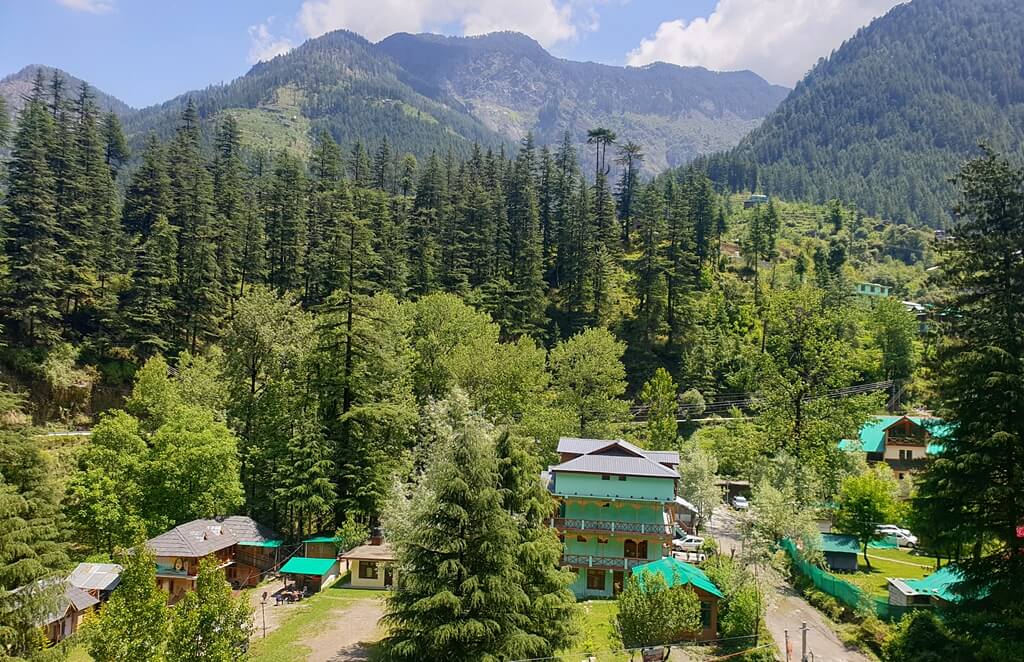
Tucked away in the serene Tirthan Valley of Himachal Pradesh, Jibhi is a picturesque hamlet that has emerged as a paradise for adventure seekers and nature lovers alike. Unlike its more commercialized neighbors like Manali and Kasol, Jibhi retains an untouched charm that appeals to travelers seeking authentic experiences amidst pristine natural beauty. This hidden gem offers a perfect blend of tranquility and thrill, making it an ideal destination for those looking to escape the crowds while still indulging in exciting outdoor activities. The journey to Jibhi itself is an adventure, with winding roads cutting through dense pine forests, alongside gurgling rivers, and past traditional Himachali villages. As you descend into this valley, you're greeted by the melodious sound of the Tirthan River and the fresh scent of cedar and deodar trees. Jibhi's appeal lies not just in its adventure opportunities but in its ability to help you disconnect from the chaos of modern life and reconnect with nature in its purest form.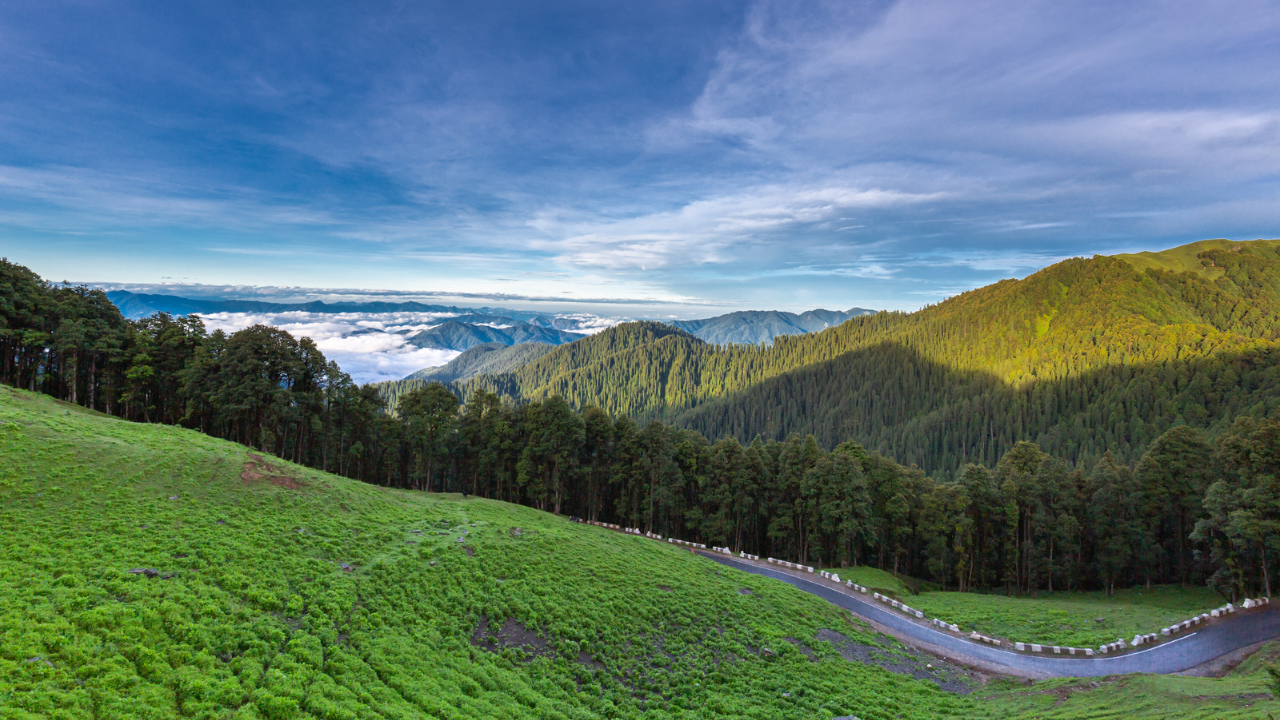 What makes Jibhi truly special is its accessibility to adventure activities without the overwhelming tourist infrastructure. Here, you can trek through ancient forests, fish in crystal-clear rivers, camp under starlit skies, and explore offbeat trails that lead to hidden waterfalls and serene lakes. The pace of life is slow, the air is pure, and every corner offers a new discovery waiting to be made.
Top Adventure Activities in Jibhi
Jibhi may be a small village, but it packs a punch when it comes to adventure activities. The region offers diverse experiences that cater to different skill levels and interests, from adrenaline-pumping treks to peaceful fishing expeditions. What sets Jibhi apart is the authenticity of these adventures—you're not just participating in commercial tourist activities but engaging with the landscape and local culture in meaningful ways. The beauty of adventure in Jibhi lies in its variety. You can start your day with a challenging trek to Jalori Pass, spend the afternoon fishing in the Tirthan River, and end it camping beside a gurgling stream under a canopy of stars. Each activity offers a unique perspective on the valley's natural beauty and provides opportunities to connect with local traditions and customs. Most adventure activities in Jibhi are budget-friendly and can be arranged through local operators who know the region inside out. Whether you're traveling solo, with friends, or with family, there's something for everyone. The key is to respect nature, follow safety guidelines, and be open to the unexpected adventures that often unfold spontaneously in this magical valley.Why Choose Jibhi for Adventure?
Jibhi offers a unique combination of factors that make it an emerging favorite among adventure enthusiasts. Unlike popular destinations where you're often just one among thousands of tourists, Jibhi provides intimate experiences where you can truly immerse yourself in nature. The absence of commercialization means trails are less crowded, campsites are quieter, and encounters with nature are more genuine. The region's diverse terrain—from river valleys to high-altitude passes—creates a natural playground for various adventure sports. The weather is generally pleasant throughout the year, though each season offers different experiences. Spring and autumn are ideal for trekking, summer is perfect for camping and water activities, and winter brings opportunities for snow adventures in higher reaches. Another compelling reason to choose Jibhi is the warmth of the local community. The people of Jibhi and surrounding villages are incredibly hospitable and often serve as guides, sharing their deep knowledge of the region's flora, fauna, and folklore. This cultural dimension adds depth to your adventures, transforming them from mere activities into enriching experiences that leave lasting impressions.Trekking Routes & Trails
Trekking is undoubtedly one of the most popular adventure activities in Jibhi, and for good reason. The region is blessed with trails that wind through some of the most stunning landscapes in Himachal Pradesh, offering everything from easy nature walks to challenging multi-day treks. Each trail reveals a different facet of the valley—dense forests, alpine meadows, cascading waterfalls, and panoramic mountain views. The trekking trails around Jibhi are well-marked but rarely crowded, allowing for a solitary communion with nature that's increasingly rare in popular trekking destinations. As you walk, you'll encounter diverse birdlife, occasional wildlife sightings, and traditional villages that seem frozen in time. The trails are accessible for most of the year, though winter snow can make higher altitude routes challenging.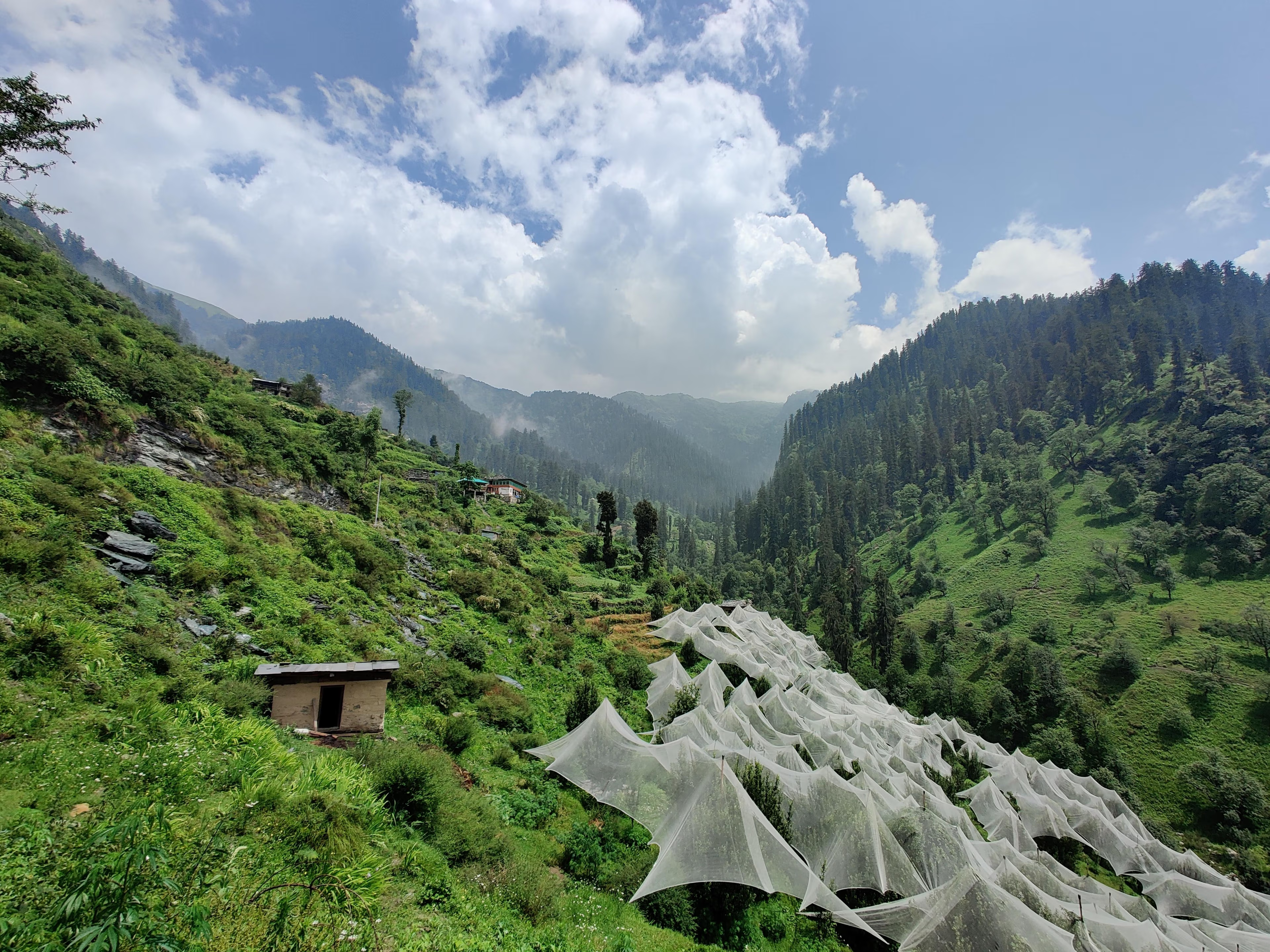 Local guides are available for most treks and highly recommended for unfamiliar routes. They not only ensure safety but also enrich the experience with stories about the region, identifying local flora and fauna, and sharing the cultural significance of places you pass through. Most treks can be completed as day trips from Jibhi, making it convenient to return to comfortable accommodations each evening.
Jalori Pass Trek
The Jalori Pass trek is perhaps the most famous trekking route in the Jibhi region, and it's easy to see why. At an elevation of 3,120 meters, Jalori Pass offers breathtaking views of the surrounding Himalayan ranges and is a gateway to numerous other trails. The trek from Jibhi to Jalori Pass covers approximately 12 kilometers round trip and is considered moderately challenging, making it suitable for reasonably fit individuals. The trail begins gently, ascending through dense pine forests where the only sounds are birdsong and the rustle of leaves. As you climb higher, the vegetation changes to juniper and rhododendron, and the air becomes crisper. The final ascent to the pass is steep but rewarding, with panoramic views opening up at every turn. On a clear day, you can see snow-capped peaks stretching into the distance. Jalori Pass is accessible by road as well, but trekking allows you to truly experience the landscape. Many trekkers combine this with visits to nearby attractions like Serolsar Lake. The pass remains open from April to November, though weather conditions can change rapidly at high altitude. It's advisable to start early in the morning to avoid afternoon clouds and carry adequate water and snacks.Serolsar Lake Trek
For those seeking a shorter, more family-friendly trek, the Serolsar Lake trail is perfect. This 5-kilometer trek leads to a stunning high-altitude lake that remains frozen for much of the year. The trail is relatively easy with a gradual incline, making it accessible even for children and elderly trekkers. The path to Serolsar Lake meanders through beautiful forests of oak, pine, and deodar trees. In spring, the trail is carpeted with wildflowers, while autumn brings a stunning display of fall colors. The lake itself is considered sacred by locals, and there's a small temple dedicated to the goddess Serolsar Mata on its shores. The walk takes about 2-3 hours round trip and can be completed as a half-day excursion from Jibhi. The area around the lake is perfect for a picnic, and many trekkers choose to spend time simply soaking in the tranquility of this magical place. Fishing is sometimes allowed in the lake with proper permits, adding another dimension to the experience.Raghupur Fort Trek
For history enthusiasts and adventure seekers alike, the trek to Raghupur Fort offers a fascinating journey into the region's past. The fort, now mostly in ruins, dates back to the Kullu rulers and provides a glimpse into the strategic importance of this region in earlier times. The trek is moderately challenging and takes about 3-4 hours round trip. The trail to Raghupur Fort passes through varied terrain, including dense forests and open meadows with stunning views of the valley below. As you approach the fort, the ruins emerge dramatically against the mountain backdrop, evoking images of a bygone era. The fort walls, though weathered, still stand tall, and exploring them feels like stepping back in time. What makes this trek special is the combination of natural beauty and historical significance. From the fort, you get panoramic views of the surrounding mountains and valleys, making it easy to understand why this location was chosen for a fortification. The best time to visit is during spring and autumn when the weather is clear and the views are unobstructed.Chehni Kothi Trek
The trek to Chehni Kothi is another must-do for adventure enthusiasts visiting Jibhi. Chehni Kothi is an ancient fortified tower that stands as a testament to the region's architectural heritage. The tower, built in the traditional Kath-Kuni style using stone and wood without mortar, has withstood centuries of earthquakes and weather. The trek to Chehni Kothi is moderate in difficulty and takes approximately 4-5 hours round trip. The trail passes through traditional villages, offering insights into local rural life and architecture. As you approach the tower, its imposing height becomes apparent—it rises several stories above the surrounding buildings and offers incredible views from the top. Climbing to the top of Chehni Kothi requires caution as the internal staircases are narrow and steep, but the view from the summit is well worth the effort. You can see for miles across the valley, with the Tirthan River glinting far below. Local guides can explain the tower's history and point out interesting architectural details that might otherwise be missed.Hidden Waterfall Trek
One of Jibhi's lesser-known gems is the trek to a hidden waterfall that cascades down the mountainside in a remote corner of the valley. This trek is perfect for those who love discovering offbeat locations away from the tourist trail. The waterfall is most impressive during the monsoon season when it's in full flow, but it remains a beautiful sight throughout the year. The trail to the waterfall is not clearly marked, so hiring a local guide is highly recommended. The walk takes you through dense forest, across streams, and up rocky inclines. The sound of the waterfall grows louder as you approach, building anticipation for the final reveal. When you finally reach the waterfall, you're rewarded with a spectacular sight of water plunging into a crystal-clear pool below. The area around the waterfall is perfect for a break, and many trekkers choose to cool off with a swim in the pool (though caution is advised as the water can be cold and the rocks slippery). The trek takes about 3-4 hours round trip and is moderately challenging due to the uneven terrain.Camping & Nature Experiences
Camping in Jibhi is an experience that transcends merely sleeping outdoors—it's about immersing yourself in nature, disconnecting from the digital world, and reconnecting with the elemental rhythms of the natural environment. The Tirthan Valley offers some of the most pristine camping locations in Himachal Pradesh, where you can fall asleep to the sound of the river and wake up to birdsong and mist-shrouded mountains. What makes camping in Jibhi special is the variety of options available. From wild camping for experienced outdoor enthusiasts to luxury glamping for those who prefer comfort with their adventure, there's something for every preference and budget. The region's natural beauty provides a stunning backdrop for camping, whether you choose a spot beside the river, in a forest clearing, or on a mountain meadow with panoramic views.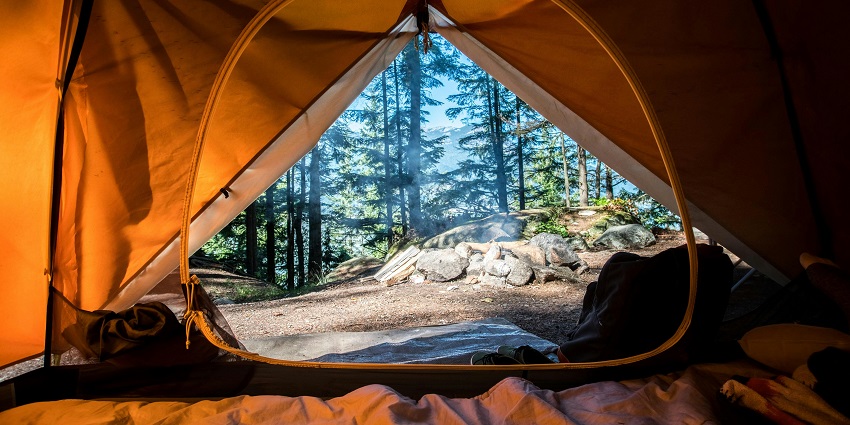 The night sky in Jibhi is a revelation for city dwellers. With minimal light pollution, the stars blaze with incredible brightness, and on clear nights, you can see the Milky Way stretching across the horizon. Many campers report that stargazing in Jibhi is one of the most memorable aspects of their camping experience.
Riverside Camping Along Tirthan River
Camping beside the Tirthan River is arguably the most popular camping experience in Jibhi, and it's easy to understand why. The river's gentle flow creates a soothing background soundtrack, while the cool breeze coming off the water keeps temperatures comfortable even on warm days. The riverside locations offer easy access to water for washing and cooking, though all water should be treated or boiled before drinking. There are several established campsites along the Tirthan River that offer basic facilities like tents, sleeping bags, and meals. These campsites can arrange everything from basic equipment to full-service camping experiences. Some even offer fishing equipment and guides, combining two popular activities into one package. For those interested in wild camping, there are numerous spots along the river where you can set up your own tent. However, it's important to choose locations well above the water line and be aware of weather conditions, as the river can rise rapidly during heavy rain. Always practice leave-no-trace camping principles, taking all trash with you and minimizing your impact on the environment.Forest Camping in Pine Woods
For a different camping experience, consider setting up camp in Jibhi's beautiful pine forests. The forest floor is often carpeted with pine needles, creating a natural mattress that's surprisingly comfortable. The canopy of trees provides shelter from sun and light rain, while the forest air is filled with the fresh scent of pine and the sounds of birds and small mammals. Forest camping requires careful site selection to avoid damaging tree roots or disturbing wildlife. Look for existing clearings rather than creating new ones, and never camp directly under dead trees or branches that could fall. The forest can be darker at night than open areas, so bring adequate lighting and be aware of your surroundings. One of the joys of forest camping is the wildlife viewing opportunities. You might spot langur monkeys, various bird species, and if you're very lucky, perhaps a Himalayan black bear or leopard (though these are rarely seen near human settlements). Always store food securely and maintain a clean camp to avoid attracting wildlife.Luxury Camping with Swiss Tents
If you love the idea of sleeping close to nature but prefer not to rough it, luxury camping in Jibhi is the perfect solution. Several operators offer Swiss tent accommodations that combine the outdoor experience with comfortable beds, attached bathrooms, and even heating for colder nights. These tents are typically set up in scenic locations with proper platforms and sometimes even private sit-out areas. Luxury camps usually provide meals, often featuring local Himachali cuisine prepared fresh on site. Some camps organize evening bonfires with music and storytelling, creating a social atmosphere that's perfect for meeting fellow travelers. The larger tents can accommodate families, making this a good option for those traveling with children. While luxury camping costs more than basic camping, the additional comfort and convenience are worth it for many travelers, especially those new to outdoor experiences or those who want to enjoy nature without sacrificing basic amenities. The tents are weather-proof and equipped with proper bedding, ensuring a good night's sleep regardless of conditions outside.Budget Camping with Rentable Gear
For backpackers and budget travelers, Jibhi offers the option to rent camping gear and set up your own campsite. Several shops in the area rent out tents, sleeping bags, cooking equipment, and even backpacks at reasonable daily rates. This gives you the flexibility to choose your own camping location while keeping costs down. When renting gear, inspect everything carefully before setting out to ensure it's in good condition. Set up your tent before you leave to check for missing parts or damage. Most rental shops will provide basic instructions on how to use the equipment if you're not familiar with it. Budget camping works best if you have some outdoor experience and are comfortable with basic tasks like setting up a tent, starting a campfire, and cooking simple meals. It's also important to be self-sufficient and carry all necessary supplies, as you may not have access to shops once you're out in the wilderness.Stargazing Opportunities
One of the most magical aspects of camping in Jibhi is the stargazing. Far from city lights and pollution, the night sky comes alive with thousands of stars visible to the naked eye. On moonless nights, the Milky Way arcs across the sky like a river of light, and constellations appear with crystal clarity. For the best stargazing experience, choose a campsite with an unobstructed view of the sky—away from tall trees or mountains that block the horizon. A pair of binoculars can enhance the experience, revealing star clusters and nebulae that are invisible to the naked eye. There are even several smartphone apps that can help you identify constellations and planets. Winter nights offer the clearest skies, though they can be extremely cold. Summer nights are more comfortable but may have more cloud cover. Whenever you visit, give your eyes at least 20 minutes to adjust to the darkness—you'll be amazed at how many more stars become visible as your night vision improves.Bonfire Nights & Campfire Tales
No camping experience in Jibhi is complete without a campfire. Even in summer, when temperatures are mild, there's something primal and comforting about sitting around a crackling fire under the stars. Campfires are perfect for cooking meals, warming up on cold nights, and creating a gathering place for storytelling and socializing. Many established campsites organize bonfire nights, sometimes with music or local guides sharing folk tales and legends about the region. These sessions are a great way to learn about local culture and history while enjoying the warmth of the fire. The crackle of the fire, the starlit sky, and the surrounding darkness create an atmosphere that's perfect for deep conversations and new friendships. Always follow fire safety guidelines when building campfires. Choose a location at least 15 feet from tents and trees, clear a circle of bare ground, and never leave a fire unattended. When you're done, extinguish the fire completely with water, stirring the ashes to ensure all embers are out. Leave the site as you found it, ready for the next campers to enjoy.Water Adventures & Fishing
The Tirthan River and its tributaries offer wonderful opportunities for water-based adventures in Jibhi. The river originates in the Great Himalayan National Park and is renowned for its crystal-clear waters and scenic beauty. Whether you're an avid angler looking for the perfect catch or simply enjoy being near water, Jibhi's aquatic adventures have something to offer. Water activities in Jibhi are seasonal, with conditions varying throughout the year. Spring and summer offer the most pleasant conditions for most activities, while monsoon brings higher water levels that can be dangerous for swimming but ideal for experiencing the river's raw power. Winter sees cold water temperatures but crystal-clear conditions that are perfect for photography. It's important to note that the Tirthan River, while beautiful, can be deceptively powerful. Always exercise caution around water, especially if you're not familiar with river conditions. Wear appropriate footwear with good grip, avoid slippery rocks, and never swim alone. Children should always be supervised near water.Trout Fishing in Tirthan River
Fishing is one of Jibhi's most popular adventure activities, and the Tirthan River is famous for its brown and rainbow trout. The river's clean, oxygen-rich waters create ideal conditions for trout, and the sport fishing here attracts anglers from across the country. The river originates in the Great Himalayan National Park, ensuring pristine water quality. Whether you're an experienced fisherman or trying fishing for the first time, the Tirthan offers an engaging and rewarding experience. Fishing in the Tirthan River requires a permit, which can be obtained from the fisheries department in Banjar or through local tour operators who can arrange everything for you. The permit system helps regulate fishing and ensures the sustainability of trout populations. Catch-and-release is encouraged, though you can keep a limited number of fish within size restrictions. The best spots for fishing are typically deeper pools where trout congregate. Local guides can show you the most productive locations and teach you techniques specific to the river. Early morning and late evening are generally the most productive times, as trout are more active when the water is cooler and light is lower.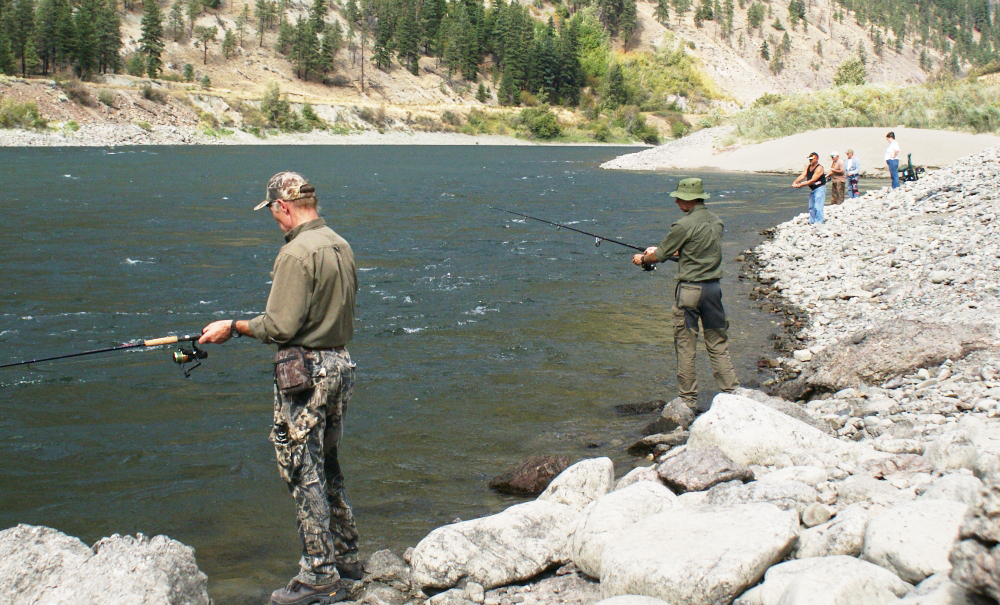
Fishing Permits & Guidelines
Understanding the fishing regulations in Jibhi is essential before you cast your line. The Himachal Pradesh fisheries department manages fishing in the Tirthan River, and their rules are designed to protect the fish population while allowing sustainable recreational fishing. Permits are required for all fishing and can be obtained for different durations—from single day to season-long passes. The permit specifies where you can fish, what equipment you can use, and how many fish you can keep. Generally, artificial lures and flies are preferred over live bait, as they're less likely to harm fish that are released. Barbless hooks are also recommended as they make catch-and-release easier and less stressful for the fish. Local operators can arrange everything you need for a fishing trip, including permits, equipment, and guides. This is often the best option for visitors who aren't familiar with the area or fishing regulations. Guides can also teach you proper catch-and-release techniques to ensure fish survive after being caught.River Crossing Adventure
For thrill-seekers looking for a more intense water adventure, river crossing is an exciting activity that tests your strength and courage. Several points along the Tirthan River offer river crossing experiences where you're harnessed to a rope stretched across the river and must pull yourself across the rushing water below. This activity requires proper safety equipment, including harnesses, helmets, and carabiners, which should always be provided by reputable operators. Always check that equipment is in good condition and that the operator has experience conducting river crossings. Never attempt to cross a river without proper safety gear and supervision. River crossing is physically demanding and requires upper body strength to pull yourself across the rope. The rushing water below adds a psychological challenge, making this activity both a physical and mental test. It's an incredible adrenaline rush and a unique way to experience the power of the river up close.Natural Swimming Pools
The Tirthan River and its tributaries have created numerous natural swimming pools that are perfect for a refreshing dip on hot summer days. These pools vary in size and depth, from shallow wading areas to deeper pools suitable for swimming. The water is crystal clear and surprisingly cold, offering a bracing but enjoyable experience. Always assess swimming conditions carefully before entering the water. Check the depth, look for submerged rocks or branches, and be aware of currents. Even calm-looking pools can have strong undertows, especially during or after rainfall. Never jump into water without checking what's beneath the surface. The best natural pools are often those that require a bit of hiking to reach, ensuring they're less crowded and more pristine. Local guides can show you the best swimming spots and advise on safety. Remember that mountain water is extremely cold, so limit your swimming time to avoid hypothermia, especially outside of summer months.Waterfall Visits & Photography
The Jibhi region is home to numerous waterfalls, ranging from impressive cascades to delicate trickles. Visiting these waterfalls is a wonderful way to experience the area's natural beauty, and they provide incredible photographic opportunities. Each waterfall has its own character—from thundering plunges to gentle slides over smooth rock. Many waterfalls are accessible via short hikes, making them perfect combined adventures with trekking. The journey to reach them is often as beautiful as the destination itself, passing through forests, across streams, and with increasingly loud sounds of falling water guiding you forward. For photographers, waterfalls offer endless creative possibilities. Long exposure shots can create that silky water effect, while fast shutter speeds freeze individual droplets in mid-air. The best time to photograph waterfalls is during the golden hours of early morning or late afternoon when the light is soft and warm. Overcast days can also be perfect for waterfall photography as the even light brings out details in the water and surrounding vegetation.Scenic River Views & Photography
Even if you're not participating in active water sports, simply spending time by the Tirthan River is a rewarding experience. The river has carved a beautiful valley through the mountains, creating endless scenic viewpoints that are perfect for photography or quiet contemplation. Each bend in the river reveals a new composition of water, rock, and forest. There are numerous viewpoints along the river that are easily accessible from Jibhi. Some require short walks, while others can be reached by car. Early morning is particularly magical, with mist rising from the water and the first rays of sunlight catching the tops of surrounding peaks. For serious photographers, the Tirthan Valley offers opportunities for landscape, wildlife, and cultural photography. Traditional wooden houses, suspension bridges, and local people going about their daily lives all make compelling subjects against the backdrop of the river and mountains. Always ask permission before photographing people, and be respectful of cultural norms.Adventure Offbeat Experiences
Beyond the more conventional adventure activities, Jibhi offers a wealth of offbeat experiences that allow you to connect more deeply with the region's natural and cultural heritage. These activities might not provide the adrenaline rush of trekking or river crossing, but they offer rich, authentic experiences that many travelers find even more rewarding. These offbeat adventures are perfect for travelers who want to slow down and experience Jibhi at a more intimate pace. Instead of checking activities off a list, you're encouraged to immerse yourself in the rhythm of valley life, learning from locals, and discovering hidden gems that aren't in any guidebook. These are the experiences that often become the most cherished memories of a trip to Jibhi.Village Homestays & Cultural Immersion
Staying in a traditional village homestay is one of the best ways to experience authentic Himalayan culture. Families in villages around Jibhi open their homes to guests, offering simple but comfortable accommodations and home-cooked meals. This isn't just a place to sleep—it's an opportunity to participate in daily life and learn about local traditions firsthand. Homestays typically include home-cooked meals featuring local specialties like siddu (steamed bread), rajma (kidney beans), and various preparations of locally grown vegetables. Meals are often eaten sitting on the floor, traditional style, and provide opportunities for conversation with your hosts about life in the valley. Many homestays can arrange experiences like learning to cook traditional dishes, helping with farming activities, or joining in local festivals and celebrations. These interactions provide insights into Himalayan culture that you'd never get from staying in a hotel. The warmth and hospitality of host families is consistently mentioned as a highlight by travelers who choose homestays.Forest Walks & Nature Trails
While trekking usually involves challenging hikes with specific destinations, forest walks are more leisurely explorations focused on experiencing the forest ecosystem rather than reaching a particular point. Jibhi's forests are incredibly diverse, home to numerous species of trees, birds, mammals, and butterflies. Nature trails around Jibhi range from easy half-hour walks to longer circuits that take several hours. The best approach is to move slowly, stopping frequently to observe details—the intricate pattern of a fern, a bird flitting between branches, animal tracks in the mud. These walks are meditative and rewarding, helping you develop a deeper appreciation for forest ecosystems. Carry a field guide to Himalayan flora and fauna if you're interested in identifying what you see. Binoculars are useful for birdwatching, and a camera can help you document interesting species for later identification. Local guides often have incredible knowledge of medicinal plants and can explain how different species are used in traditional healing.Birdwatching in Himalayan Forests
The Great Himalayan National Park, of which Jibhi is a gateway, is a UNESCO World Heritage site renowned for its biodiversity. The region is home to over 300 bird species, including several rare and endangered ones. Birdwatching in Jibhi can be incredibly rewarding, with opportunities to see Himalayan monal, western tragopan, koklass pheasant, and numerous other species. The best time for birdwatching is early morning when birds are most active and calling. Different habitats support different species—dense forests for pheasants, riverbanks for kingfishers, open areas for birds of prey. A local birdwatching guide can be invaluable, knowing where specific species are found and able to identify birds by their calls. Birdwatching requires patience and quiet. Move slowly and avoid sudden movements that might startle birds. Wear neutral-colored clothing that blends into the environment. A good pair of binoculars and a bird field guide are essential equipment. Even if you're not a serious birder, the colorful birds of Jibhi add wonderful splashes of color to the forest.Mountain Biking on Rural Roads
The roads and trails around Jibhi offer excellent opportunities for mountain biking. The region has a mix of paved village roads, dirt tracks, and forest trails that provide varied terrain for different skill levels. Biking allows you to cover more ground than walking while still moving slowly enough to appreciate the scenery. Several places in Jibhi rent mountain bikes, and they can often suggest routes based on your experience level and interests. Popular routes include rides to nearby villages, descents to the river, and more challenging climbs to viewpoints. The terrain can be steep and rocky in places, so ensure you're comfortable with basic off-road biking skills. Always wear a helmet and carry basic repair tools and a spare tube. The region is remote, and you may not find bike shops if you have mechanical problems. Bring plenty of water and snacks, especially on longer rides. The views from your bike will be spectacular, but remember to keep your eyes on the rough road ahead.Rock Climbing on Natural Walls
The rocky terrain around Jibhi offers natural climbing walls for rock climbing enthusiasts. While not as developed as dedicated climbing areas, the region has plenty of potential for sport climbing and bouldering. Several local operators have established routes and provide equipment and instruction. If you're new to rock climbing, Jibhi is a great place to learn with an instructor. The natural rock faces provide varied challenges, and the scenery is unbeatable. Always climb with proper equipment including harnesses, helmets, climbing shoes, and ropes. Never climb alone, and always use established routes unless you're an experienced climber setting up new routes. For experienced climbers, there are opportunities to establish new routes with appropriate permissions. The granite and limestone rock faces provide good climbing conditions, though you should be aware that the region sees fewer climbers than established areas, so routes may be less cleaned and more challenging than graded climbs in popular areas.Rappelling & Seasonal Activities
Rappelling is another adventure activity available in Jibhi, particularly during the summer months when operators set up routes on suitable rock faces. Rappelling involves descending a vertical face using a rope and friction device, and it's an exhilarating way to experience the thrill of height while feeling secure in a harness. Safety is paramount when rappelling. Always use equipment provided by reputable operators and check that it's in good condition. A thorough safety briefing should be standard before any rappelling activity. Listen carefully to your instructor and don't be afraid to ask questions if you're unsure about anything. Beyond these structured activities, Jibhi offers seasonal adventures depending on when you visit. Spring brings opportunities to see fruit trees in blossom and participate in local festivals. Summer is ideal for all the activities mentioned above. Autumn offers clear skies and comfortable temperatures for outdoor pursuits. Winter, while cold, can bring snow to higher elevations, opening up possibilities for snow activities near Jalori Pass.Best Time to Visit Jibhi for Adventure
Choosing the right time to visit Jibhi can significantly impact your adventure experience. Each season offers different conditions and opportunities, and the best time for you depends on what activities you're most interested in and your tolerance for different weather conditions. Understanding the seasonal patterns will help you plan your trip for optimal adventure experiences. The region has a typical Himalayan climate with four distinct seasons. Spring (March to April) is mild and colorful with blooming rhododendrons. Summer (May to June) is warm but not hot, perfect for outdoor activities. Monsoon (July to September) brings lush greenery but also rain that can limit some activities. Autumn (October to November) is clear and pleasant with mountain views. Winter (December to February) is cold with occasional snow, creating a completely different landscape.March to June: Pleasant Spring & Summer
The months from March to June are arguably the best time for adventure activities in Jibhi. March and April see spring in full bloom, with rhododendrons and other wildflowers adding splashes of color to the landscape. If you're planning to explore other regions, consider checking out Spiti Valley or Ladakh for more high-altitude adventures. The weather is mild during these months, with daytime temperatures comfortable for trekking and other outdoor activities. May and June are warmer but still pleasant compared to the scorching plains of India. These months see the most visitors, though Jibhi remains far less crowded than major tourist destinations. The clear skies and longer days make this an excellent time for trekking, camping, and all outdoor activities. Water levels in rivers are manageable during these months, making it safe for fishing and river crossing. The forests are lush green after winter, and wildlife is active, making it great for nature walks and birdwatching. This is the ideal season for multi-day treks and camping expeditions.September to November: Best Season
Many experienced travelers consider September to November as the absolute best time to visit Jibhi for adventure activities. The monsoon rains have refreshed the landscape, turning the valley a vibrant green. Waterfalls are at their most impressive, fed by monsoon rains, and the air is crystal clear after being washed by rain. September sees the tail end of monsoon, so some rain is possible, but October and November are typically dry with sunny days and cool nights. Visibility is excellent during these months, offering spectacular mountain views. The temperatures are perfect for outdoor activities—warm enough to be comfortable during the day but cool enough for strenuous exercise without overheating. This is an excellent time for trekking, especially to higher elevations like Jalori Pass. The trails are in good condition, and the weather is stable. The clear air makes it perfect for photography, with crisp light and endless visibility. Nights can be chilly, especially at higher elevations, so bring warm layers for camping.Winter: December to February
Winter transforms Jibhi into a completely different landscape. While the main village rarely sees heavy snow, higher elevations like Jalori Pass receive significant snowfall, creating opportunities for winter adventures. This is the quietest season, perfect for travelers seeking solitude and a very different Himalayan experience. Winter days are crisp and sunny, with temperatures that can be pleasant in direct sunlight. However, nights are extremely cold, often dropping below freezing. Camping in winter requires serious cold-weather gear and experience. Many hotels and homestays offer heating and warm bedding, making them more comfortable options than camping. Winter adventures can include snow trekking near Jalori Pass (accessible if the pass is open), birdwatching (many species are easier to spot in leafless trees), and enjoying the stark beauty of snow-covered peaks from the warmth of a homestay. This is also the season when traditional winter celebrations take place in villages, offering cultural experiences alongside outdoor adventures.Monsoon: July to September
The monsoon season from July to September is when Jibhi receives most of its annual rainfall. This is simultaneously the most beautiful and most challenging time to visit. The landscape turns incredibly lush and green, waterfalls are spectacular, and the entire valley feels alive with the energy of growth and renewal. However, heavy rain can limit adventure activities. Trekking trails become slippery and sometimes dangerous, rivers swell making water activities risky, and leeches can be a nuisance in forests. Landslides occasionally block roads, though major routes are usually cleared quickly. If you visit during monsoon, focus on activities that are less affected by rain—cultural experiences in villages, shorter hikes between showers, and enjoying the incredible monsoon landscapes from covered viewpoints. The dramatic cloud formations, rainbows, and vibrant greens make monsoon a photographer's dream, even if outdoor activities are limited.Practical Travel Tips
A successful adventure trip to Jibhi requires some preparation and practical knowledge. While the region is generally accessible and safe, being prepared will enhance your experience and help you avoid common pitfalls. These tips cover everything from what to pack to how to respect local culture and environment. Remember that Jibhi is a remote valley with limited facilities compared to developed tourist destinations. Planning ahead and being self-sufficient will make your trip smoother. At the same time, part of Jibhi's appeal is its simplicity and lack of commercialization—embrace the slower pace and basic facilities as part of the authentic Himalayan experience.Packing Essentials
Packing for Jibhi requires careful consideration of the activities you plan to do and the season you're visiting. The mountain weather can change rapidly, so layering is key—multiple light layers are better than one heavy garment. Quick-drying synthetic fabrics are preferable to cotton, which stays wet and cold. For trekking, bring comfortable, broken-in hiking shoes with good grip. Don't wear brand new shoes on a trek—blisters can ruin your experience. A pair of sandals or flip-flops is useful for wearing around camp and for water activities. Sun protection (hat, sunglasses, sunscreen) is essential at high altitudes, even on cloudy days. Carry a small daypack for treks with essentials like water, snacks, rain jacket, first aid kit, and camera. A headlamp or flashlight is useful if you're camping or might return after dark. Don't forget personal medications, a basic toiletry kit, and hand sanitizer. A reusable water bottle and water purification tablets or filter are more eco-friendly than buying plastic bottles.Carry Cash
ATMs are limited in Jibhi and surrounding areas. While you might find an ATM in larger nearby towns like Banjar, they often run out of cash or may not accept out-of-network cards. It's essential to carry sufficient cash for your entire trip, including emergencies. Small establishments, homestays, and local operators may not accept digital payments or cards. Cash is also useful for purchasing supplies from small village shops, tipping guides and drivers, and making donations at temples. Break larger notes whenever you have the opportunity, as smaller establishments may not have change for large denominations. Carry your cash securely, ideally in a money belt or internal pocket. Keep some small amounts easily accessible for daily expenses while keeping the bulk of your money hidden away. It's also a good idea to keep some emergency cash separate from your main stash.Network & Connectivity
Mobile network coverage in Jibhi is spotty and unreliable. While you might get signal in some locations, don't count on having consistent connectivity. Jio and BSNL generally have the best coverage in rural Himalayan areas, but even then, expect dead zones, especially in forests and higher elevations. Consider this disconnection as an opportunity to truly unplug from the digital world. Inform family and friends that you may be out of touch during your Jibhi visit. If you need to stay connected for work or emergencies, consider buying a local SIM card with better rural coverage or carrying a satellite communicator if you're going into really remote areas. Most accommodations don't offer Wi-Fi, and when they do, it's typically slow and unreliable. Download offline maps, entertainment, and any important information before you arrive. Carry power banks to keep your devices charged, as electricity can be intermittent in some areas.Transport Options
Reaching Jibhi requires some planning. The nearest major transit hub is Aut, which is well connected by road to major cities like Delhi, Chandigarh, and Manali. From Aut, it's approximately a 2-hour drive to Jibhi along scenic mountain roads. Public buses run from Aut to Jibhi, but they're infrequent and crowded. The most convenient option is hiring a taxi from Aut, which gives you flexibility with timing and stops along the way. You can also drive yourself if you're comfortable with mountain roads—just be aware that the roads are narrow and winding, requiring careful driving. Parking is generally available in Jibhi, though spaces might be limited during peak season. Within Jibhi and for exploring nearby areas, you can hire local taxis for the day. Many adventure activities can be reached on foot or with short walks from the main village. Some homestays and camps can arrange transportation for treks and other activities. Always confirm transport arrangements and costs in advance to avoid misunderstandings.Local Food Options
Food in Jibhi is simple but delicious, featuring hearty Himachali cuisine that's perfect fuel for active days. Local dhabas (small restaurants) serve traditional dishes like rajma chawal (kidney beans and rice), kadhi chawal (yogurt curry and rice), and various vegetable preparations. The food is typically vegetarian, though some places serve meat dishes. Don't miss local specialties like siddu (steamed bread filled with poppy seeds or jaggery), aktori (local bread), and kullu trout for non-vegetarians. Meals in homestays are home-cooked and feature locally sourced ingredients—vegetables from the garden, dairy from village buffalo, and grain from local farms. Carry some snacks for treks and day trips, as you won't find food shops once you're out in the wilderness. Energy bars, nuts, dried fruit, and chocolates are good options. Local shops stock basic supplies, but selection is limited. If you have specific dietary requirements or preferences, bring appropriate food from larger towns.Respect Nature & Locals
Jibhi's beauty and appeal depend on responsible tourism. The region is facing increasing pressure from tourism, and your actions can help preserve its natural and cultural heritage for future visitors. Practice leave-no-trace principles—take all trash with you, dispose of waste properly, and minimize your impact on the environment. When visiting villages, dress modestly and ask permission before photographing people or their homes. Respect religious sites by removing shoes when required and maintaining appropriate behavior. Learn a few words of Hindi or the local dialect—simple greetings and thank yous go a long way in building rapport. Support the local economy by hiring local guides, staying in homestays, and purchasing local products. Bargaining is expected in markets but be fair and remember that local people depend on tourism for their livelihood. Tipping guides, drivers, and service staff is appreciated if you're satisfied with their service.Conclusion
Jibhi represents everything that's magical about the Himalayas—pristine natural beauty, authentic cultural experiences, and adventure opportunities that range from challenging to serene. Unlike more commercialized destinations, Jibhi offers adventures that feel genuine and unscripted, where the journey itself is as important as the destination. Whether you're trekking to Jalori Pass, fishing in the Tirthan River, camping under starlit skies, or simply walking through pine forests listening to birdsong, Jibhi's adventures have a way of resetting your perspective and helping you connect with something elemental. The region's beauty isn't in grand monuments or famous sights but in the countless small moments of wonder that unfold when you slow down and pay attention. As more travelers discover Jibhi's charms, the region faces the challenge of balancing tourism with conservation. By choosing responsible operators, respecting local culture and environment, and spreading the word about sustainable tourism practices, visitors can help ensure that Jibhi remains the special place it is for generations to come. So pack your bags, lace up your hiking boots, and head to Jibhi. Adventure awaits in this hidden Himalayan gem, ready to show you a side of the mountains that few travelers ever get to experience. The trails are calling, the rivers are flowing, and the mountains are waiting—come discover your own adventure in Jibhi.Location
Frequently Asked Questions
Q1.What adventure activities can we do in Jibhi?
Jibhi offers diverse adventure activities including trekking (Jalori Pass, Serolsar Lake, Raghupur Fort, Chehni Kothi), camping (riverside, forest, luxury Swiss tents), trout fishing in Tirthan River, river crossing, rock climbing, rappelling, mountain biking, nature walks, birdwatching, and waterfall visits. The region also offers unique cultural experiences through village homestays. Activities range from easy nature walks to challenging treks, making it suitable for all skill levels.
Q2.Is Jibhi good for adventure sports?
Yes, Jibhi is excellent for adventure sports, offering a perfect blend of thrill and natural beauty. While it's not as commercialized as Manali or Rishikesh, this offbeat destination provides authentic adventure experiences in pristine surroundings. The terrain diversity—from rivers to high-altitude passes—supports various activities. Adventure sports here are less crowded, more budget-friendly, and often include cultural elements that enrich the experience. Popular activities include trekking, camping, fishing, rock climbing, and river crossing.
Q3.What is the best time to visit Jibhi for adventure?
The best time to visit Jibhi for adventure activities is March to June (spring and summer) when weather is pleasant and ideal for outdoor activities. September to November is considered the absolute best season—post-monsoon the landscape is lush green, skies are clear, and temperatures are perfect for trekking and camping. Winter (December-February) offers snow adventures but is very cold. Monsoon (July-September) brings beautiful waterfalls but limits outdoor activities due to rain and slippery trails.
Q4.What trekking routes are there in Jibhi?
Jibhi has several excellent trekking routes: Jalori Pass trek (12 km round trip, moderate difficulty, 3,120m elevation), Serolsar Lake trek (5 km, easy, sacred alpine lake), Raghupur Fort trek (moderate, historical ruins with valley views), Chehni Kothi trek (4-5 hours, ancient fortified tower), and hidden waterfall treks (3-4 hours, offbeat). Most treks are day trips from Jibhi. Local guides are available and recommended for unfamiliar routes. Treks offer diverse experiences from forests to meadows to historical sites.
Q5.Is trout fishing allowed in Jibhi?
Yes, trout fishing is allowed and very popular in the Tirthan River. However, it requires a permit from the Himachal Pradesh fisheries department, available in Banjar or through local operators. The river is famous for brown and rainbow trout. Catch-and-release is encouraged for sustainability. Permits specify locations, equipment allowed, and catch limits. Artificial lures and flies are preferred. Local guides can show you the best fishing spots and teach proper techniques. Fishing is best early morning or late evening.
Q6.Can we camp near the river in Jibhi?
Yes, riverside camping along the Tirthan River is one of Jibhi's most popular experiences. Options range from basic rentable gear for wild camping to luxury Swiss tents with full facilities. Several established campsites offer tents, meals, and equipment. For wild camping, choose spots above the water line, be weather-aware, and follow leave-no-trace principles. The riverside locations provide soothing sounds, cooling breezes, and easy water access (treat before drinking). Always camp safely and responsibly.
Q7.How many days are needed for adventure activities in Jibhi?
Plan 3-5 days for a comprehensive adventure experience in Jibhi. A 3-day trip allows for 1-2 treks, camping, and fishing. With 5 days, you can do multiple treks (Jalori Pass, Serolsar Lake), camping experiences, fishing, rock climbing/rappelling, and explore villages and waterfalls. The exact duration depends on your interests and pace. Jibhi is perfect for slower, immersive travel where you can truly experience each activity rather than rushing through a checklist. Many travelers find themselves extending their stay to soak in the valley's peaceful atmosphere.
Q8.What is the cost of adventure activities in Jibhi?
Jibhi is budget-friendly compared to commercialized destinations. Trekking with local guides: ₹500-1500 per day depending on route. Camping: Basic gear rental ₹300-500/day, luxury camps ₹1500-3000/night including meals. Trout fishing permit: Approximately ₹200-500/day. River crossing: ₹300-500. Rock climbing/rappelling: ₹800-1500. Mountain bike rental: ₹500-800/day. Homestays: ₹800-1500/night including meals. Costs vary by season (higher in peak months) and operator. Activities are more affordable than major tourist spots while offering authentic experiences.
Recommended For You
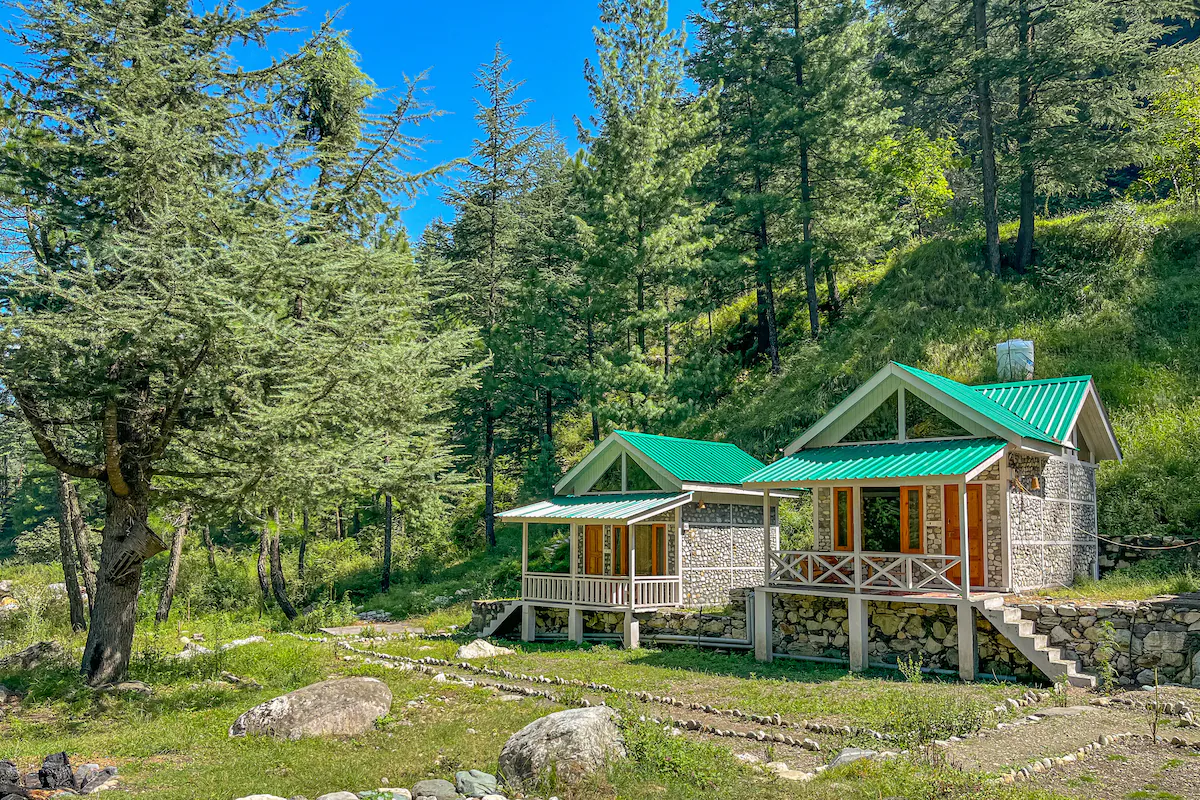
Budget Travel
Best Airbnb in Jibhi: Top Homestays, Cottages & Reviews 2026
Find the best Airbnb stays in Jibhi, from homestays to scenic cottages, with practical booking and location tips.
Feb 19Read More
Travel
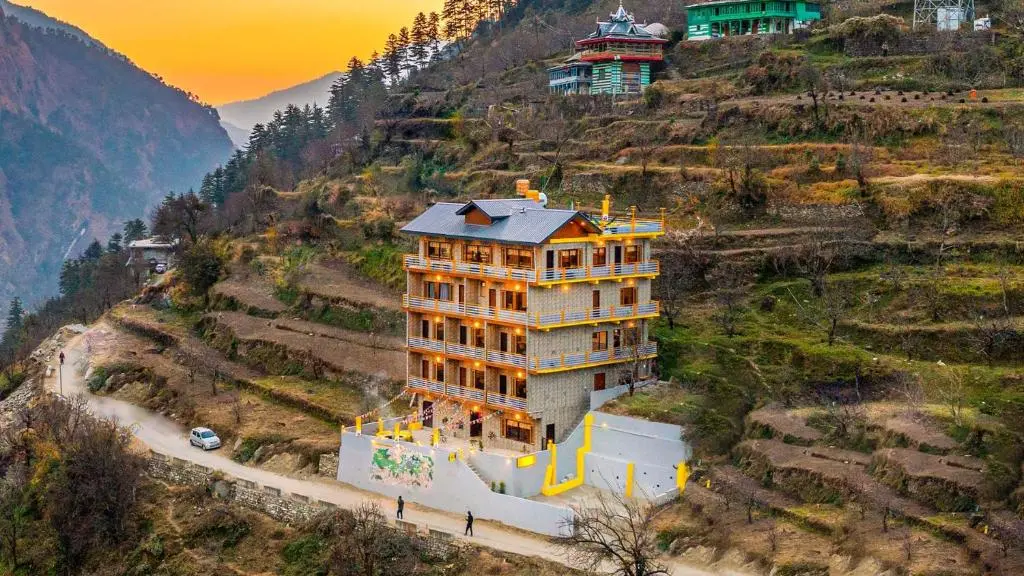
Best Tirthan Valley Hotels & Resorts
Find the best hotels and resorts in Tirthan Valley with practical advice on stay areas, pricing, amenities, and booking decisions for every budget.
Feb 18Read More
Trekking
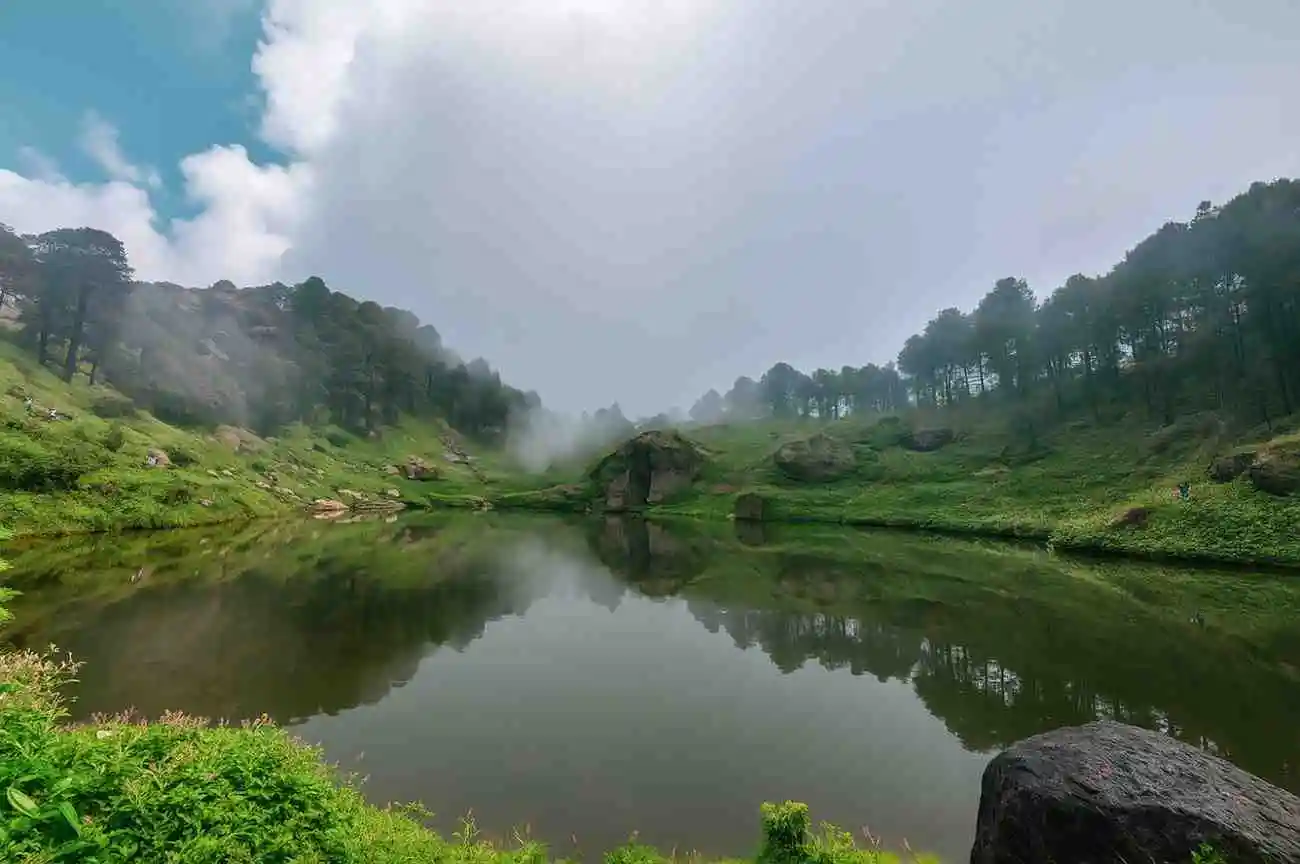
Tirthan Valley: How To Reach Best Time And Attractions
Use these Tirthan Valley travel tips for season planning, route selection, stays, trekking, fishing, and practical essentials for a smooth Himachal trip.
Feb 20Read More
Never Miss an Adventure
Get the latest trekking guides, travel tips, and exclusive offers delivered straight to your inbox.
