
Places to Visit in Ajmer: Dargah, Forts & Heritage Spots

Rahul Garg
December 13, 2025
Discover top places to visit in Ajmer including Ajmer Sharif Dargah, Ana Sagar Lake, Taragarh Fort, and practical Ajmer-Pushkar travel planning.
Introduction: Why Ajmer Is More Than a Pilgrimage Stop
Ajmer is one of Rajasthan's most layered destinations, where Sufi heritage, Rajput history, lakeside city spaces, and nearby Pushkar culture come together in a compact travel radius. Most visitors know Ajmer for the revered dargah, but the city offers much more when planned properly: historic forts, Indo-Islamic architecture, Jain landmarks, and practical one- to two-day routes that work for families and first-time Rajasthan travelers.
If you are searching for places to visit in Ajmer, avoid treating it as a quick transit point between Jaipur and Pushkar. A better approach is to combine one spiritual landmark, one heritage monument, one viewpoint or lake block, and one nearby excursion. This gives a fuller understanding of Ajmer's identity while keeping the itinerary manageable.
This guide covers top attractions, etiquette, season planning, Ajmer-Pushkar route logic, and practical travel tips. For multi-city planning, pair it with places to visit in Jaipur and Pushkar tourist places.
1. Ajmer Sharif Dargah
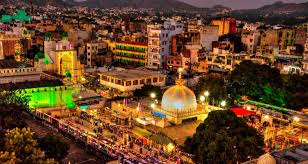
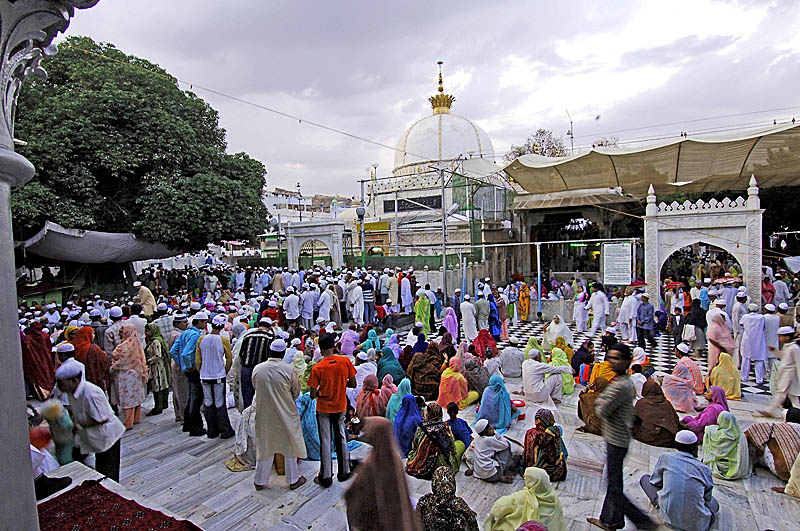
Ajmer Sharif Dargah is the spiritual center of the city and one of India's most significant Sufi pilgrimage sites. Dedicated to Khwaja Moinuddin Chishti, it draws visitors from diverse faiths, making Ajmer a key symbol of devotional inclusivity in Rajasthan. The area around the dargah is active, dense, and culturally vibrant, especially during major observance periods.
According to Incredible India guidance, common visiting windows differ by season (typically earlier opening in summer and slightly later in winter). Since timing and crowd control can change during festivals and special days, always verify same-day schedules before your visit.
Visitor Etiquette at the Dargah
- Dress modestly and carry head covering.
- Remove footwear in designated areas.
- Avoid intrusive photography in sensitive spaces.
- Follow local crowd-management instructions.
Visit early morning for a calmer experience if your itinerary allows.
2. Ana Sagar Lake
Ana Sagar Lake is one of Ajmer's most popular scenic breaks and an excellent counterpoint to old-city heritage stops. Built in the 12th century context and expanded over time, the lake zone today offers relaxed walking, city-edge views, and sunset-friendly movement. It is especially useful for families and travelers who need lower-intensity segments between temple/dargah visits and uphill forts.
Late afternoon to evening is a preferred time window for atmosphere and photos. Keep this as a flexible slot in your itinerary to absorb delays from old-city traffic around pilgrimage areas.
| Attraction | Best For | Ideal Visit Window |
|---|---|---|
| Ajmer Sharif Dargah | Spiritual and cultural significance | Early morning / non-peak hours |
| Ana Sagar Lake | Relaxed city break and sunset | Late afternoon / evening |
| Taragarh Fort | History and city viewpoints | Morning / cooler hours |
3. Taragarh Fort
Taragarh Fort is one of Ajmer's strongest historical landmarks and a key stop for travelers interested in Rajput-era fortification history. Set on elevated terrain, it offers broad views and a sense of Ajmer's defensive past. The route includes uphill travel, so weather, hydration, and footwear planning matter.
While the fort experience may not be as polished as high-ticket Rajasthan fort circuits, it offers strong historical atmosphere and city-top perspective. Keep enough time for the approach and return, especially if combining with same-day dargah and lake visits.
Taragarh Planning Tips
- Start early to avoid midday heat.
- Carry water and grip-friendly shoes.
- Do not overstack nearby monuments on the same half-day.
- Keep transport buffer for hill approach routes.
4. Adhai Din Ka Jhonpra
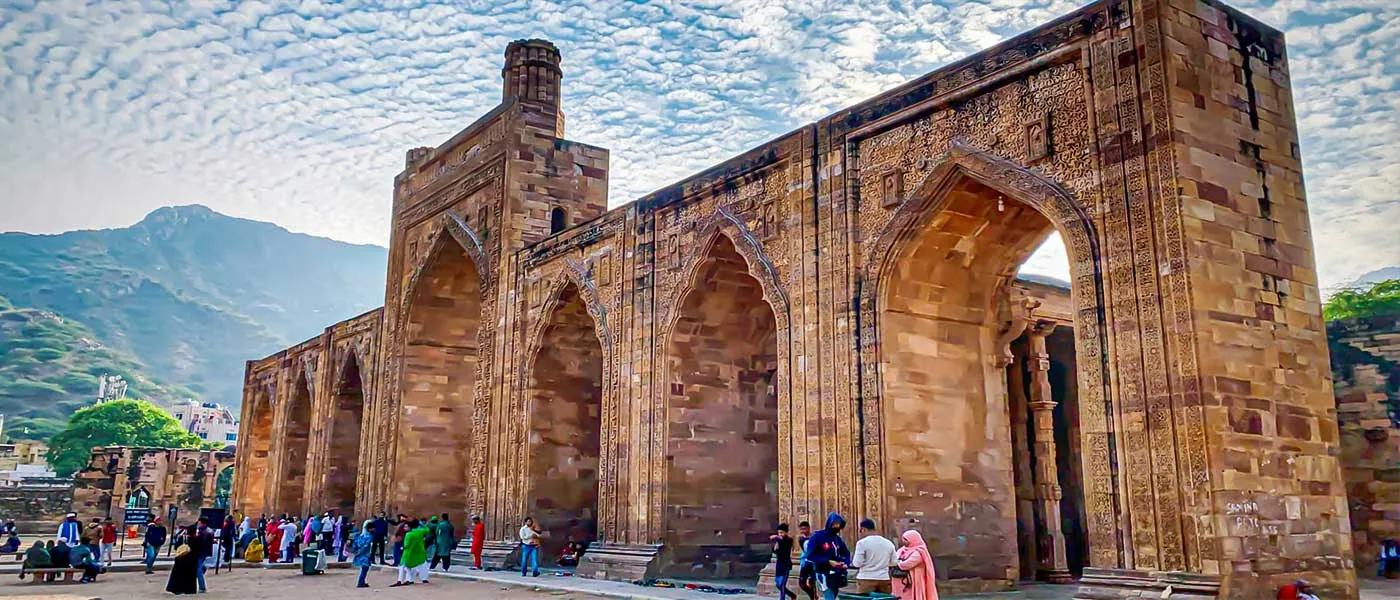
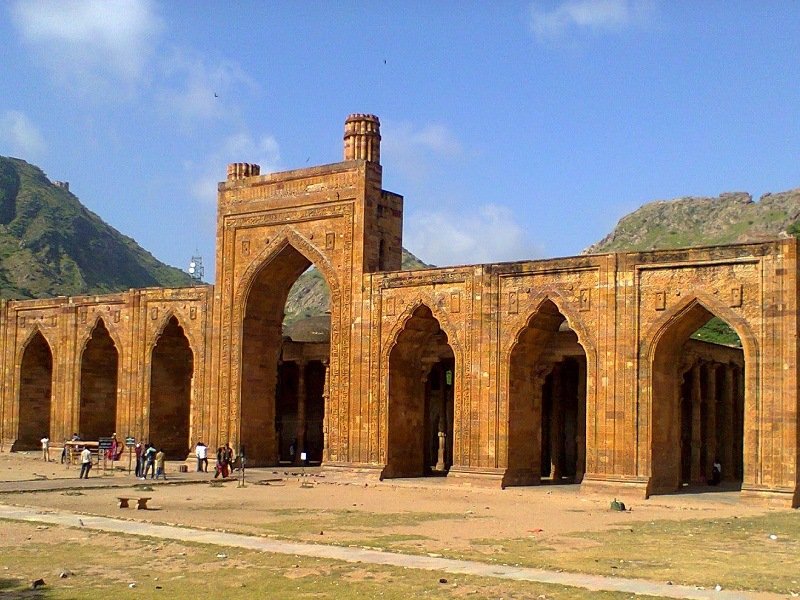
Adhai Din Ka Jhonpra is one of Ajmer's most discussed architectural sites and an important example of Indo-Islamic transition-era design. The structure is known for arches, stone carving details, and layered historical narratives that connect education, prayer architecture, and dynastic shifts in medieval North India.
For travelers interested in built heritage rather than only devotional stops, this monument adds essential depth to an Ajmer itinerary. Keep this in your morning heritage block with Taragarh-side planning when possible.
5. Soni Ji Ki Nasiyan (Jain Temple Complex)
Soni Ji Ki Nasiyan is one of Ajmer's unique religious-architectural attractions, often highlighted for ornate interior detailing and Jain heritage significance. It is a good addition for travelers who want to broaden Ajmer's religious diversity perspective beyond the dargah and mainstream temple circuits.
This stop works best as a midday cultural segment because it is less physically demanding than uphill fort visits and often easier to combine with central city movement.
6. Nareli Jain Temple and Modern Spiritual Architecture
Nareli Jain Temple represents a more contemporary spiritual and architectural experience near Ajmer and is frequently included in two-day itineraries. The site is cleaner and more open compared with old-city dense zones, making it a useful stop for travelers seeking quieter spiritual surroundings.
If your route includes this temple, keep transport timing realistic and avoid forcing too many dispersed attractions into one day.
7. Pushkar as a Near-Ajmer Excursion
One of Ajmer's biggest advantages is proximity to Pushkar, making Ajmer-Pushkar combination trips highly practical. In most itineraries, visitors stay in one town and make a half-day or full-day excursion to the other depending on crowd levels and religious schedules.
Pushkar tourist attractions include ghats, markets, and temple circuits that contrast well with Ajmer's Sufi and fort heritage profile. This twin-destination pairing gives spiritual and cultural variety in a short travel span.
Ajmer-Pushkar Route Logic
- Do Ajmer old-city spiritual stops first if starting early.
- Shift to Pushkar later if your group prefers evening market atmosphere.
- Keep at least one meal break between city transitions.
- Avoid festival-day rigid hour-by-hour plans due crowd uncertainty.
8. One-Day and Two-Day Ajmer Itinerary
One-Day Ajmer Plan
- Morning: Ajmer Sharif Dargah + Adhai Din Ka Jhonpra
- Afternoon: Taragarh Fort or Soni Ji Ki Nasiyan (choose one based on energy)
- Evening: Ana Sagar Lake and market-food walk
Two-Day Plan (Recommended)
- Day 1: Dargah, Adhai Din, Ana Sagar, city food
- Day 2: Taragarh + Pushkar excursion + return
This structure gives religious, historical, and scenic balance without overloading travel.
9. Best Time to Visit Ajmer
October to March is generally the most comfortable period for Ajmer sightseeing due milder weather and easier daytime movement. Summer months can be hot, especially for fort and open monument circuits, so early starts are essential. Monsoon may improve visual charm around lake zones but can affect movement pace.
- Oct-Mar: best for full-day heritage and spiritual routes.
- Apr-Jun: hot conditions; keep outings morning-heavy.
- Jul-Sep: mixed weather; keep flexible plans.
For broader planning, align with best time to visit Rajasthan and Jaipur season guidance.

10. How to Reach Ajmer
Ajmer is well connected by rail and road within Rajasthan and nearby states, and is often combined with Jaipur-Pushkar circuits. The city can be reached via rail junction routes, road transfers from Jaipur, and nearby airport-linked surface travel options.
- By train: Ajmer Junction has broad connectivity.
- By road: regular routes from Jaipur and nearby Rajasthan cities.
- By air: nearest practical airport access through Jaipur/Kishangarh side depending route plan.
Within Ajmer, old-city movement can be slower around peak pilgrimage windows, so keep realistic transfer buffers.
11. Practical Travel Tips for Ajmer
- Carry light head covering and modest attire for shrine visits.
- Use early hours for dargah and fort zones where possible.
- Keep hydration and sun protection for open monuments.
- Avoid aggressive time stacking on festival and weekend days.
- Use local guidance for current shrine timing and access updates.
For intercity continuation, combine with Udaipur itinerary options or things to do in Rajasthan.
12. Budget and Stay-Zone Strategy
Ajmer works across budget ranges. Central stays are practical for spiritual and old-city access, while quieter stays slightly outside dense cores may suit families and slower travel styles. Budget planning should prioritize transport and major-site blocks first, then shopping and optional local experiences.
If you are doing an Ajmer-Pushkar loop, choose accommodation based on your day-one priorities rather than city-name preference alone.
13. Common Mistakes to Avoid
- Underestimating crowd movement near the dargah on peak days.
- Trying Taragarh, Pushkar, and full city sites in one tight day.
- Ignoring dress and behavior etiquette for sacred spaces.
- Keeping no buffer for traffic in pilgrimage lanes.
- Relying on outdated timing info without same-day verification.
A disciplined route with cultural respect gives the best Ajmer experience.
14. Where to Stay for Better Ajmer-Pushkar Routing
Your stay area can save several hours over two days. If your first priority is dargah and old-city heritage, choose a stay with easier central access and early-morning mobility. If your plan is more balanced between Ajmer and Pushkar, stay near transfer corridors so day-two movement is smoother. Travelers often lose time because they book a scenic stay far from route logic, then spend the best sightseeing window in transit.
A simple planning method is to map day-one and day-two anchors first, then pick accommodation in between those routes. This improves comfort and reduces transport cost.
- Central Ajmer stay: best for shrine and heritage-first plans.
- Transfer-friendly stay: best for Ajmer + Pushkar split trips.
- Quiet outskirts: suitable for slower family itineraries with private vehicle.
Final Take
The best places to visit in Ajmer combine deep Sufi spirituality, Rajput-era heritage, and nearby pilgrimage culture in Pushkar. Plan by route clusters, keep one flexible buffer block, and align your day around shrine and monument timings. With this approach, Ajmer becomes one of Rajasthan's most meaningful short cultural journeys.
Location
Frequently Asked Questions
Q1.What are the best places to visit in Ajmer?
Q2.How many days are needed for Ajmer?
Q3.What is the best time to visit Ajmer?
Q4.Is Ajmer Sharif Dargah open to all religions?
Q5.Can I visit Pushkar from Ajmer in one day?
Q6.Which historical sites should I see in Ajmer?
Q7.Is Ajmer safe for tourists?
Q8.What should I wear while visiting Ajmer Dargah?
Recommended For You
Things to Do in Rajasthan: Desert, Heritage & Cultural Experiences
Discover 50 amazing things to do in Rajasthan - explore forts, palaces, deserts, culture & cuisine. Complete guide with timings, fees & tips for 2026.
Places to Visit in Udaipur: Lakes, Palaces & Sunset Points
Explore best places to visit in Udaipur. City Palace, Lake Pichola, Jag Mandir & more. Complete guide to timings, entry fee & boat rides.

Shopping Rajasthan: Cities, Markets, and Buying Tips
Plan shopping in Rajasthan with city-wise market strategy, category focus, and practical buyer tips.
Never Miss an Adventure
Get the latest trekking guides, travel tips, and exclusive offers delivered straight to your inbox.
