
Thiksey Monastery Ladakh: Guide, Timings and Festival

Priya Mehta
January 9, 2026
Plan your Thiksey Monastery Ladakh trip with timings, entry details, Leh distance, festival context, and practical etiquette tips for a better visit.
Introduction: The Hilltop Gompa Known as Ladakh's Little Potala
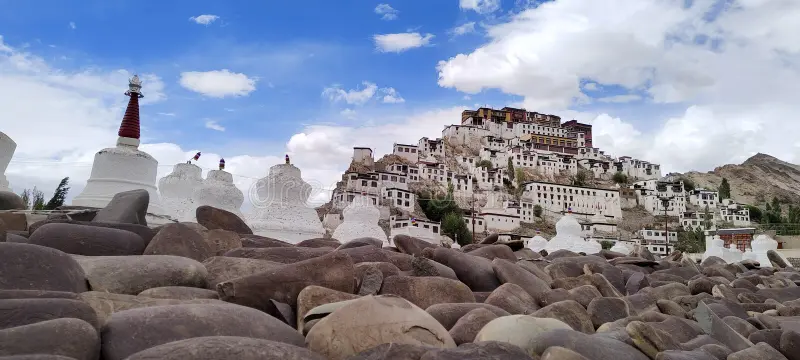
Thiksey Monastery Ladakh is one of the most photographed and spiritually important monasteries in the Leh region. Rising in layered white-and-ochre blocks above the Indus Valley, it is often called the Little Potala because of its terraced design and dramatic skyline silhouette. But Thiksey is far more than a visual landmark. It is an active monastic center where prayer, ritual, study, and daily Buddhist life continue through the year.
For travelers, Thiksey offers a rare combination: accessible distance from Leh, deep cultural value, striking architecture, and broad valley views from upper terraces. It works equally well for first-time Ladakh visitors and for repeat travelers who want a slower monastery experience. If you are planning a wider circuit, combine Thiksey with Hemis Monastery and nearby Leh-side heritage stops for a stronger cultural day route.
About Thiksey Monastery: History, Sect and Significance
Thiksey Monastery, also known as Thiksey Gompa, belongs to the Gelugpa or Yellow Hat school of Tibetan Buddhism. It was established in the 15th century and gradually expanded into one of the largest and most influential monasteries in central Ladakh. Its location on an elevated ridge gives both strategic and spiritual prominence, with direct visual command over valley settlements and trade-route corridors.
The complex is associated with sustained religious learning and ritual continuity. Unlike isolated ruins, this is a living institution where monks reside and perform ceremonies according to traditional calendars. That active monastic character changes the way visitors should approach the site. It is not only a sightseeing monument; it is a sacred environment.
The name is often explained as an elevated place, fitting both its topography and symbolic status. Visitors often notice that movement through Thiksey has a natural progression from outer views to inner devotional spaces, then back outward to broad Himalayan panoramas. This inward-outward rhythm is one reason the experience feels more complete than a standard viewpoint stop.
Architecture and Layout: Why Thiksey Stands Out
Architecture is one of Thiksey's strongest draws. The monastery climbs the hillside in stacked levels, with white facades, red-brown upper bands, and gold details that catch changing light through the day. This tiered composition creates strong depth in photographs and gives each level a distinct function.
| Architectural Element | Description | Visitor Value |
|---|---|---|
| Terraced hill layout | Buildings arranged in ascending layers | Iconic visual identity and dynamic movement path |
| Prayer halls and shrines | Multiple devotional chambers with sacred art | Cultural and spiritual depth |
| Open terraces | View platforms above temple levels | Wide-angle photography and valley observation |
| Color-coded facades | White, ochre, and red monastic palette | Traditional Tibetan-Ladakhi architectural character |
The best way to experience the layout is gradual ascent. Spend time at each level rather than rushing to the top for photos, because the lower sections contain ritual and artistic details that many visitors miss.
Main Attractions Inside Thiksey Monastery
Maitreya Buddha Statue
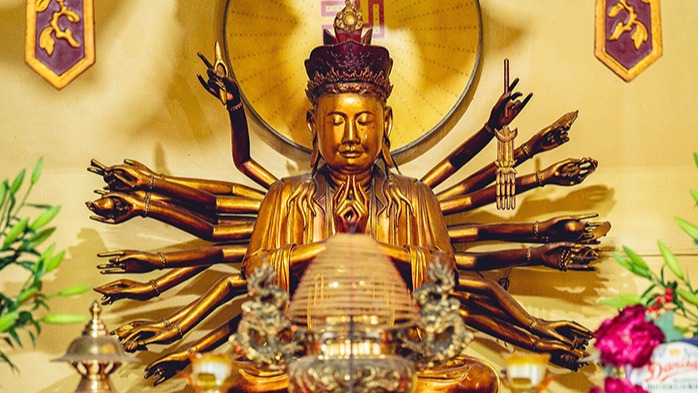
The giant Maitreya Buddha image is the most famous interior highlight at Thiksey. The statue spans significant vertical space and is set in a richly decorated chamber. It is not just visually impressive; it is spiritually central and often the most contemplative stop inside the complex.
Main Assembly Hall (Dukhang)
The Dukhang serves as the primary prayer gathering space. Here, monks perform collective chanting and ritual sessions. Visitors should move quietly, avoid crossing ceremonial lines, and follow local instructions on where to stand during active prayer periods.
Murals, Thangkas and Sacred Objects
Thiksey preserves meaningful Buddhist visual culture in the form of painted walls, religious iconography, and ritual objects. These are sacred assets, not decorative installations. Observe closely but avoid touching any surfaces, and follow no-flash rules where applicable.
Rooftop and Valley View Platforms
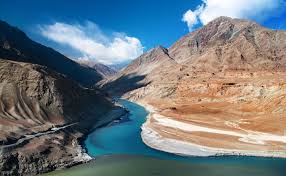
Upper levels offer exceptional views of the Indus Valley and nearby villages. These terraces are ideal for late-afternoon framing when soft light creates warm contrast on monastery walls.
Thiksey Gustor Festival: Timing and Experience
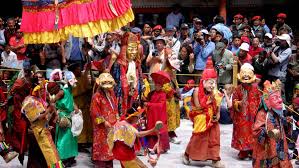
Thiksey Gustor is the annual festival associated with the monastery and is generally observed in October or November as per the Tibetan lunar calendar. Since dates vary year to year, confirm current schedules before travel.
The festival includes masked cham dances, ritual offerings, and symbolic performances of spiritual themes. It is one of the best periods to witness Thiksey as a living religious institution. At the same time, festival days bring larger crowds, tighter movement zones, and longer wait times at key viewing points.
If your priority is cultural immersion, festival timing is excellent. If your priority is quiet exploration, interior detail, and minimal crowd interference, visit during regular non-festival days.
Best Time to Visit Thiksey Monastery
Seasonal access and weather in Ladakh strongly influence travel quality. For most visitors, late spring through autumn offers the easiest and most comfortable experience.
| Season | Months | Conditions | Recommendation |
|---|---|---|---|
| Summer | May to September | Road access open, clear skies common | Best overall |
| Autumn | October | Crisp weather, festival period possible | Excellent |
| Winter | November to April | Very cold and less predictable road conditions | For prepared travelers |
Within the day, morning and late afternoon are usually best for both comfort and photography. Travelers newly arriving in Leh should acclimatize first before high-activity monastery days.
How to Reach Thiksey Monastery from Leh
Thiksey is about 19 km from Leh and is among the easiest monastery visits in the region. Typical driving time is around 35 to 50 minutes depending traffic and road conditions.
- Taxi: Most straightforward for direct round trips and flexible timing.
- Shared cab: Budget-friendly where availability aligns.
- Bike rental: Popular in fair weather for independent routes.
- Day tour: Commonly combined with Shey and Hemis circuits.
Many travelers combine Thiksey with Shey Palace and one additional stop based on available time.
Timings, Entry Fee and Practical Logistics
Official timings and fee structures can be revised. Use the details below as planning guidance and verify same-day information on arrival.
| Visitor Item | Common Planning Reference |
|---|---|
| Opening Window | Morning to evening in main season (often around 7:00 AM to 7:00 PM) |
| Entry Fee | Usually nominal (commonly around ₹20-₹30, may vary) |
| Recommended Visit Time | 2 to 3 hours for full interiors + views |
| Photography Rules | Generally open in exterior zones; no-flash limits may apply indoors |
For route efficiency, compare monastery clusters using Ladakh monastery planning guides before finalizing your day map.
Visitor Etiquette and Responsible Travel
- Dress modestly with shoulders and knees covered.
- Remove footwear where instructed.
- Keep voice levels low in prayer areas.
- Avoid touching murals, statues, and ritual items.
- Do not use flash in sacred interiors.
- Carry water and pace your stairs at altitude.
- Give priority to monastic movement during ceremonies.
These basics are simple but important. Respectful behavior improves your own experience and supports sustainable access for future visitors.
Suggested Half-Day and Full-Day Plan
Half-Day (Leh Base)
Early departure, Thiksey interiors and terraces, short viewpoint pause, return to Leh by midday or early afternoon.
Full-Day Cultural Circuit
Leh departure in morning, Shey Palace first, Thiksey as main block, then one additional monastery depending pace and weather. Travelers with a full day to spare sometimes extend the circuit further to Diskit Monastery on a separate Nubra-bound day, since combining both in one stretch is usually too rushed.
| Plan Type | Stops | Who It Suits |
|---|---|---|
| Half-Day Focus | Thiksey only + short valley stop | First-time visitors with limited schedule |
| Full-Day Circuit | Shey + Thiksey + one add-on | Travelers seeking deeper monastery context |
Practical Planning Checklist for First-Time Visitors
A strong Thiksey visit is less about speed and more about sequencing. Start with inner temple spaces when your attention is highest, then move to open terraces for wider valley views. This order helps you absorb spiritual context before photography takes over. If you arrive in peak season, allocate extra time for slow movement on stairways and narrow sections where groups gather.
Altitude management is essential even for short trips. Thiksey is not an extreme trek destination, but visitors coming directly from lower elevations can still feel breathlessness or fatigue. Keep hydration steady, avoid running up stairs, and use short pauses between levels. Families with children and elderly travelers should plan at a gentler pace and keep one optional stop instead of stacking many attractions.
Weather in Ladakh can shift quickly, especially with wind in open afternoon windows. Carry one light warm layer even in summer months, plus sun protection for terrace sections. If your schedule includes Shey, Thiksey, and Hemis in one day, keep at least 45 minutes of route buffer to avoid turning the day into a rushed transfer sequence. A realistic plan usually gives better photos, better cultural understanding, and less fatigue at high altitude.
Finally, treat Thiksey as a living sacred site. Spend a few quiet minutes away from the busiest corners, observe ritual rhythm respectfully, and then conclude with viewpoint time. That balanced approach makes the visit memorable for the right reasons.
Conclusion
Thiksey Monastery Ladakh is one of the most complete spiritual and cultural experiences near Leh: strong architecture, active monastic life, sacred art, festival heritage, and outstanding valley views. It is accessible enough for first-time travelers and rich enough for repeat visits.
If you want a monastery visit that goes beyond quick photography, start early, respect ritual space, and allow enough time for both interiors and terraces. That slower approach is what makes Thiksey truly memorable.
Location
Frequently Asked Questions
Q1.Where is Thiksey Monastery located?
Q2.How far is Thiksey Monastery from Leh?
Q3.What is the best time to visit Thiksey Monastery?
Q4.What are Thiksey Monastery timings?
Q5.Is there an entry fee at Thiksey Monastery?
Q6.What is special about Thiksey Monastery?
Q7.When is the Thiksey Festival held?
Q8.How long should I spend at Thiksey Monastery?
Recommended For You
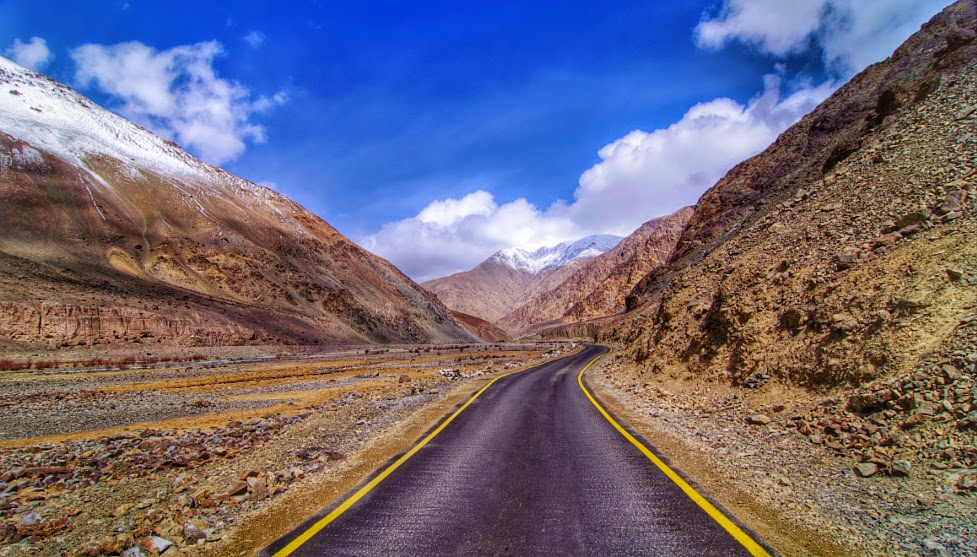
Acute Mountain Sickness in Ladakh: Prevention
Complete guide to Acute Mountain Sickness in Ladakh. Learn symptoms, prevention, medicines, acclimatization tips & safety measures for high-altitude travel.
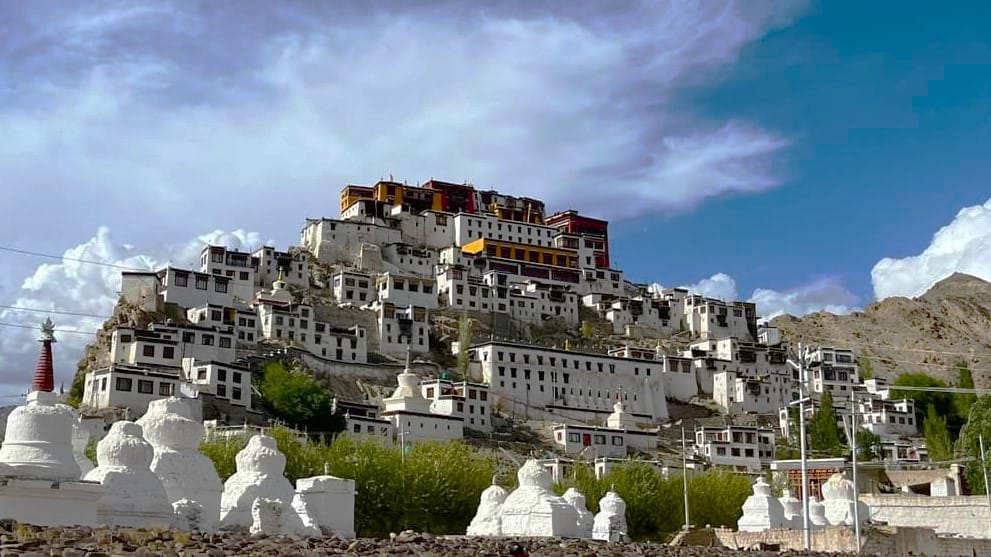
Monasteries in Ladakh: Routes, Etiquette and Top Gompas
Explore monasteries in Ladakh with practical route planning, key gompa highlights, and respectful visitor etiquette.
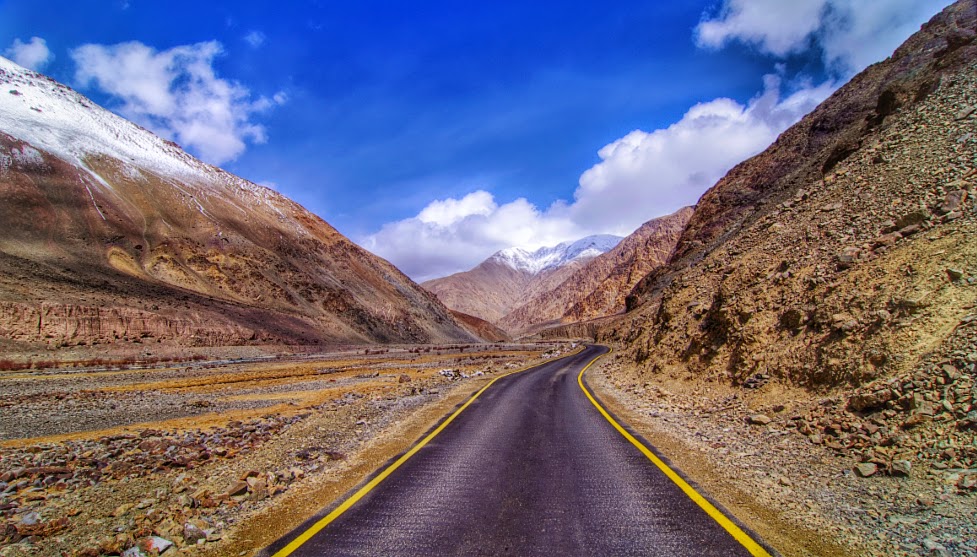
Best Time to Visit Ladakh: Season, Road Openings & Temperature
Find the best time to visit Ladakh with season-wise weather, road opening windows, monthly travel insights, and practical tips for road trips, trekking, and Chadar plans.
Never Miss an Adventure
Get the latest trekking guides, travel tips, and exclusive offers delivered straight to your inbox.
