
Leh Bazaar Ladakh: Shopping, Cafes & Local Tibetan Market Finds

Rohan Malhotra
November 28, 2025
Explore Leh Bazaar, the heart of Ladakh. Shopping for Pashmina, souvenirs, Tibetan jewelry & local food. Timings, best buys & tips.
Introduction
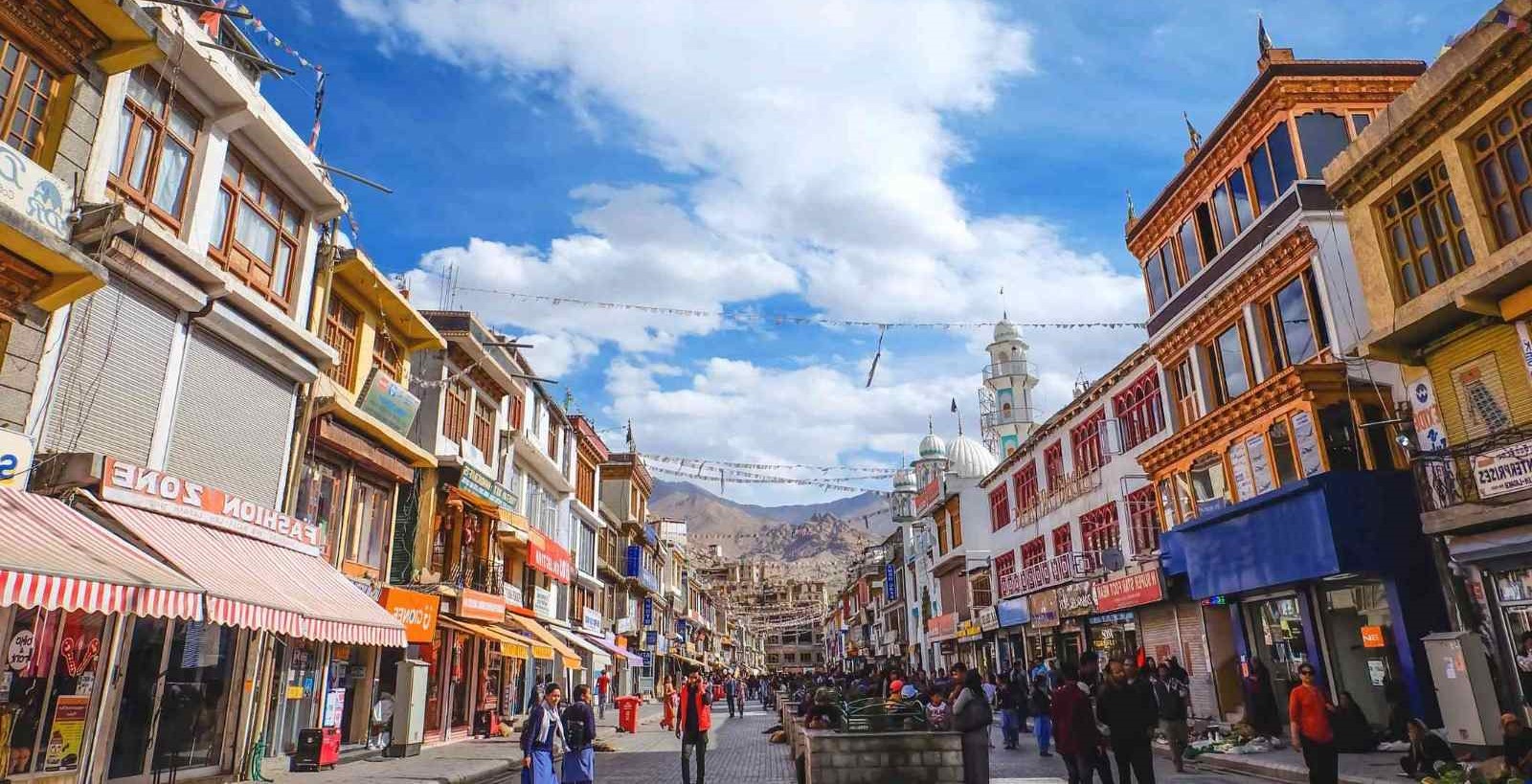
Leh Bazaar stands as the vibrant heart of Ladakh's capital town, pulsating with cultural energy and serving as the main commercial hub for both locals and visitors. This bustling marketplace, stretching through the center of Leh town, offers an authentic glimpse into the rich Tibetan-influenced culture of the region while providing endless opportunities for shopping, dining, and cultural immersion. Historically situated along the ancient Silk Route trade network, Leh Bazaar has evolved from a traditional trading post into a modern tourist destination that still retains its distinctive Ladakhi character and charm.
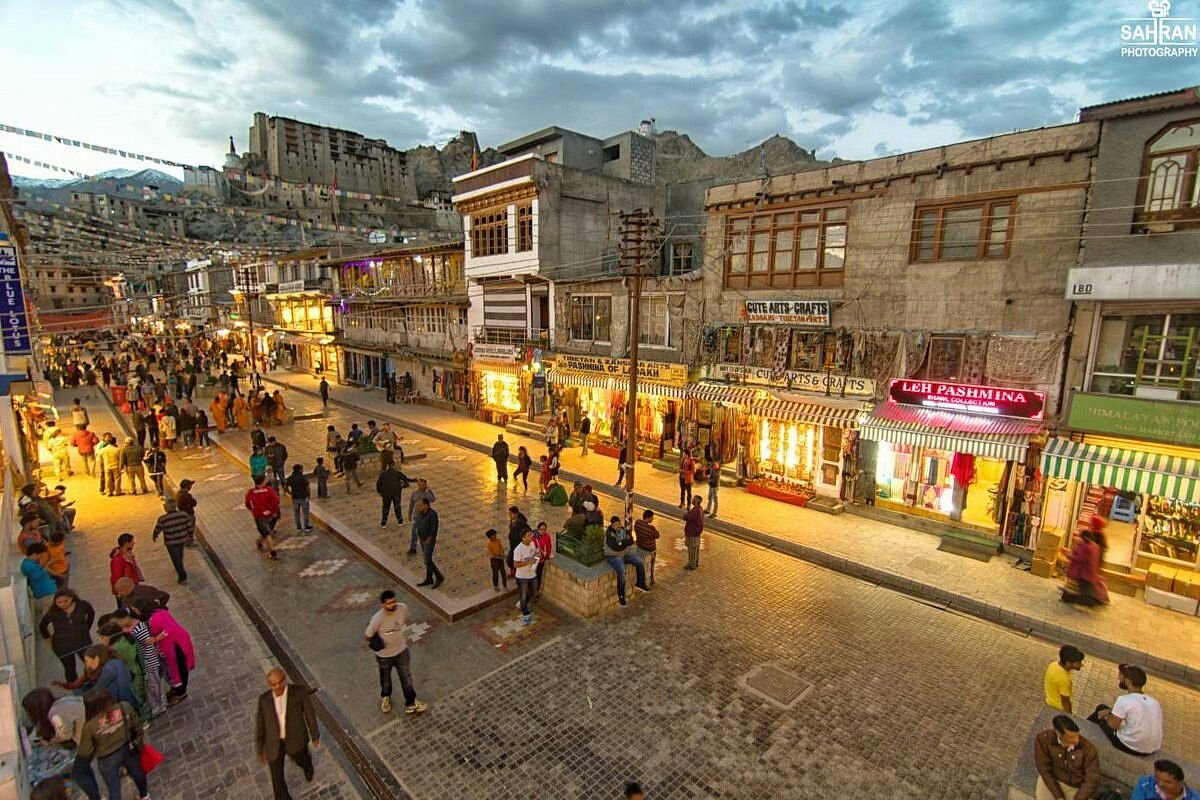
The bazaar's unique atmosphere combines traditional Ladakhi architecture with modern shops and cafes, creating a fascinating blend of old and new. As you walk through the narrow lanes lined with colorful shops displaying everything from precious Pashmina shawls to turquoise jewelry, you'll experience the essence of Ladakh's cultural heritage. The market is particularly famous for its Tibetan refugee market, where you can find authentic handicrafts made by Tibetan artisans who have made Leh their home. Whether you're searching for souvenirs, sampling local delicacies, or simply soaking in the mountain atmosphere, Leh Bazaar offers an unforgettable shopping experience that captures the spirit of Ladakh.
About Leh Bazaar
Leh Bazaar serves as the main commercial artery of Leh town, running through the center of the settlement and connecting various important landmarks. The bazaar's strategic location makes it easily accessible from anywhere in Leh, and most visitors find themselves naturally drawn to this bustling marketplace during their stay. The market area consists of the main street, which is closed to vehicular traffic during peak hours, creating a pedestrian-friendly shopping environment where visitors can stroll leisurely and explore the numerous shops and stalls.
The architectural character of Leh Bazaar reflects the region's Tibetan cultural heritage, with many buildings featuring traditional flat roofs, whitewashed walls, and intricately carved wooden windows. This distinctive architectural style creates a visually striking backdrop for your shopping excursion and sets Leh Bazaar apart from typical Indian markets. The bazaar's historical significance as a trading post on the Silk Route adds depth to your visit, as you walk the same paths where merchants from Central Asia, Tibet, and India once traded goods for centuries.
Today, Leh Bazaar has adapted to modern tourism while maintaining its traditional character. The market now caters to international visitors while still serving as an essential commercial center for local residents. This dual role creates an interesting dynamic where you'll find shops selling traditional handicrafts alongside modern cafes offering international cuisine. The bazaar's evolution from a regional trading center to a tourist destination has been carefully managed, preserving its cultural authenticity while embracing the economic opportunities that tourism brings.
What to Buy
Pashmina Shawls
Pashmina shawls represent the most coveted purchase at Leh Bazaar, and for good reason. Known as "soft gold," authentic Pashmina is made from the fine inner coat of Changthangi goats, which are native to the high-altitude regions of Ladakh. The extreme cold of these Himalayan areas causes the goats to develop exceptionally fine, warm wool that is transformed into luxurious shawls. When shopping for Pashmina in Leh Bazaar, you'll encounter a wide range of qualities and prices, so it's essential to understand how to identify genuine Pashmina.
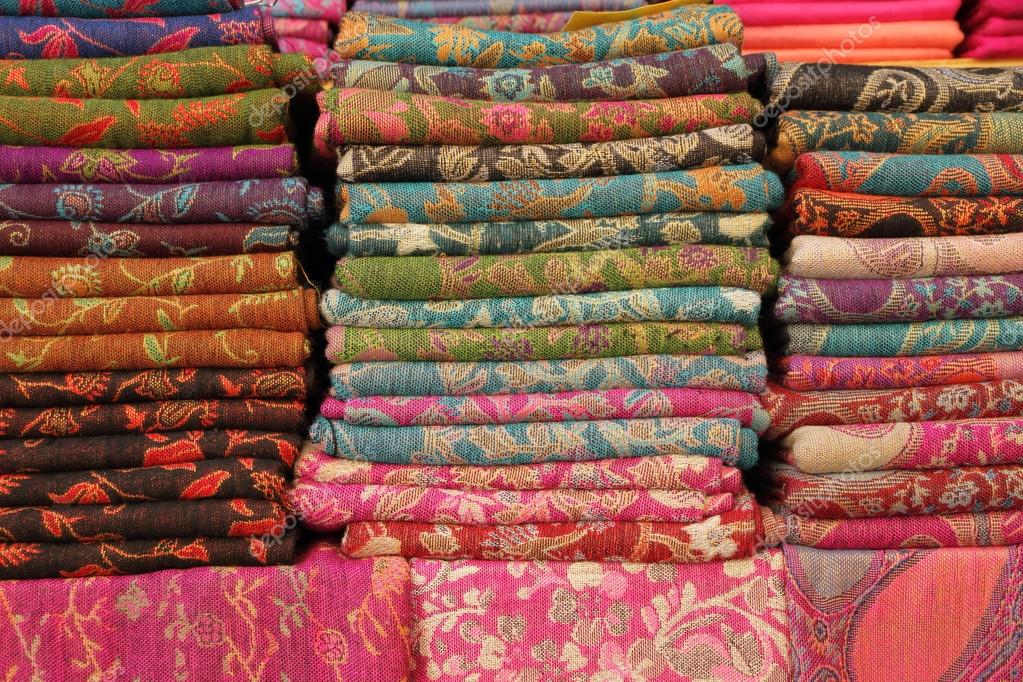
Authentic Pashmina should feel incredibly soft and lightweight while providing surprising warmth. A simple test is to see if the shawl can pass through a finger ring - genuine Pashmina is fine enough to do so. The price of genuine Pashmina reflects its quality and craftsmanship, so be wary of bargains that seem too good to be true. Many shops will offer certificates of authenticity with their premium Pashmina products. Colors range from natural earthy tones to vibrant dyed options, and you can choose from plain weaves or more elaborate embroidered designs featuring traditional motifs.
Tibetan Jewelry
The Tibetan jewelry available at Leh Bazaar offers exceptional craftsmanship and distinctive designs that you won't find elsewhere. Traditional Tibetan jewelry features large turquoise and coral stones set in silver or gold-plated metal, creating bold statement pieces that reflect Tibetan cultural aesthetics. Turquoise holds special significance in Tibetan culture, believed to offer protection and bring good fortune, while coral represents life force energy. These stones are often combined with elaborate silverwork featuring auspicious symbols and traditional patterns.
Popular jewelry items include necklaces with large turquoise pendants, chunky silver bracelets with coral inlays, and elaborate earrings featuring traditional Tibetan motifs. Many pieces are handmade by Tibetan artisans who have preserved their craft through generations, ensuring authenticity and quality. When shopping for jewelry, don't hesitate to ask vendors about the materials used and the significance of different designs. The stories behind these pieces add to their value and make them more meaningful souvenirs of your Ladakh journey.
Thangka Paintings
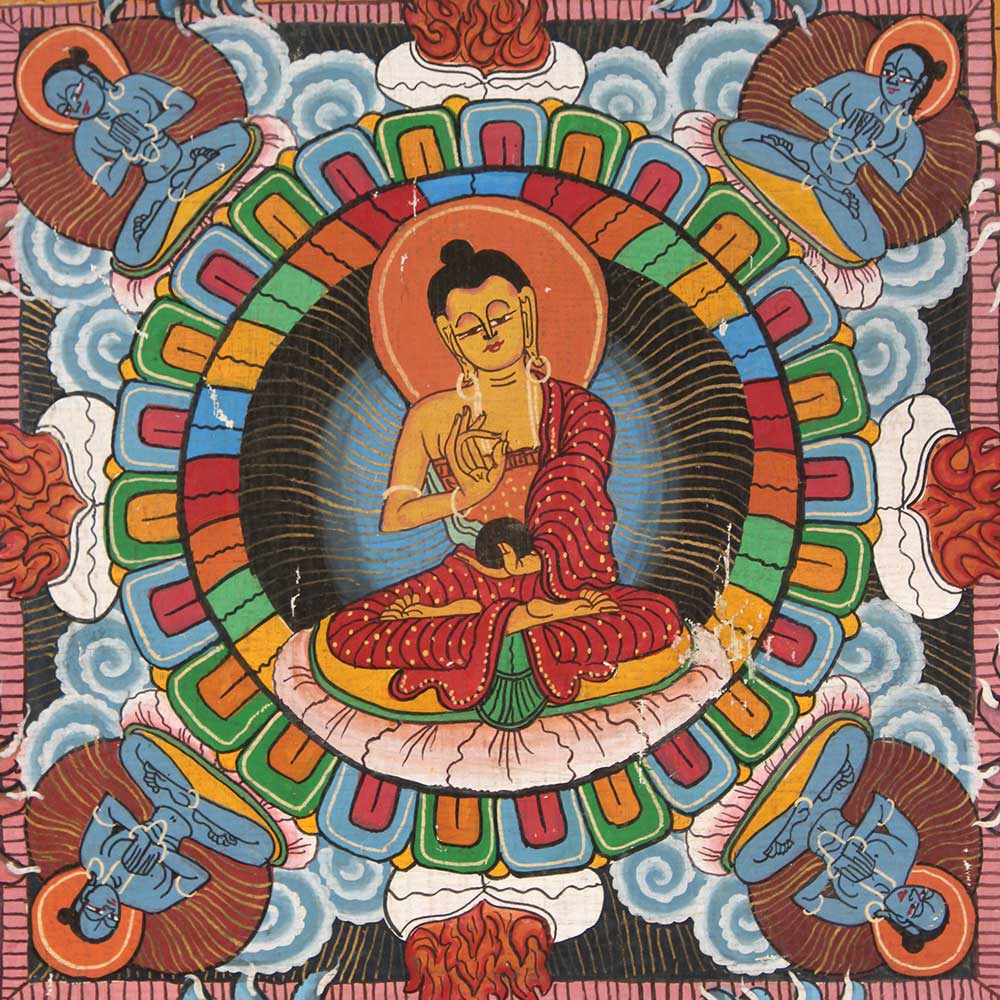
Thangka paintings represent one of the most significant art forms in Tibetan Buddhism, and Leh Bazaar offers excellent opportunities to purchase these sacred artworks. Thangkas are typically painted on cotton or silk appliqué, depicting Buddhist deities, mandalas, or religious scenes. The creation of a Thangka is considered a religious act, and the artist follows strict guidelines and rituals during the painting process. These artworks serve as important teaching tools and meditation aids for Buddhist practitioners.
When purchasing a Thangka, you'll find various sizes and quality levels available. Small, simple Thangkas make affordable souvenirs, while large, elaborate pieces created by master artists can be significant investments. The quality of a Thangka depends on factors such as the detail of the painting, the materials used (natural mineral pigments are preferred), and the skill of the artist. Many shops can also arrange shipping for larger pieces that would be difficult to transport in your luggage. Remember that Thangkas are religious objects and should be treated with respect, even if purchased as art rather than for religious purposes.
Prayer Flags & Religious Items
Colorful prayer flags are ubiquitous in Ladakh, and Leh Bazaar is the perfect place to purchase them. These flags come in sets of five colors representing the five elements: blue for sky, white for air, red for fire, green for water, and yellow for earth. The flags are printed with Buddhist prayers and mantras, and it's believed that the wind carries these prayers across the land, spreading blessings and goodwill. You can buy prayer flags in various sizes, from small strings to large sets that span considerable distances.
Beyond prayer flags, Leh Bazaar offers numerous Buddhist religious items including prayer wheels (both handheld and larger versions), singing bowls used for meditation and sound healing, malas (prayer beads) made from various materials including rudraksha seeds and semi-precious stones, incense, and small statues of Buddha and various Bodhisattvas. These items make meaningful souvenirs that carry spiritual significance and serve as reminders of your time in Ladakh's Buddhist culture.
Apricots & Dried Fruits
Ladakh is famous for its apricots, and Leh Bazaar offers an excellent selection of dried apricots and other local dried fruits. The region's high altitude and intense sunshine produce exceptionally sweet and flavorful apricots that are prized throughout India. Dried apricots make excellent, healthy souvenirs that are lightweight, non-perishable, and easy to transport. You'll also find dried apples, walnuts, and other local produce.
In addition to dried fruits, look for apricot jam and other preserves made from local apricots. These products make delicious gifts and allow you to bring a taste of Ladakh back home. Some shops also sell apricot oil, which is used in traditional cooking and is believed to have various health benefits. When buying dried fruits, consider purchasing from shops that offer samples so you can taste the quality before making your purchase.
Handicrafts & Souvenirs
Leh Bazaar overflows with handicrafts and souvenirs that capture Ladakh's artistic traditions. Wood carvings featuring traditional motifs and Buddhist symbols make excellent decorative pieces for your home. Handwoven carpets and rugs, though heavy to transport, are beautiful investments that showcase the exceptional weaving skills of Ladakhi artisans. These carpets often feature geometric patterns and auspicious symbols in vibrant natural colors.
For smaller souvenirs, consider Tibetan masks used in traditional dance ceremonies, miniature prayer wheels, keychains featuring Buddhist symbols, or locally-made pottery. Many shops also stock t-shirts and other clothing featuring Ladakh-themed designs, which make practical and affordable gifts. When shopping for handicrafts, take time to appreciate the craftsmanship and consider supporting artisans who are keeping traditional skills alive in an era of mass production.
Best Shops & Stores
Tibetan Market
The Tibetan Market in Leh Bazaar is a must-visit section specializing in authentic Tibetan goods. This area features shops run by Tibetan refugees who have made Leh their home, and it offers perhaps the most authentic shopping experience in the bazaar. Here you'll find traditional Tibetan clothing including chubas (the traditional Tibetan dress), handmade jewelry featuring turquoise and coral, Thangka paintings, and various Buddhist religious items. The Tibetan Market is also an excellent place to purchase singing bowls, prayer wheels, and other meditation accessories.
Shopping in the Tibetan Market supports refugee families and helps preserve Tibetan culture and craft traditions. Many of the artisans have been in Leh for generations, having fled Tibet following the Chinese occupation. Their shops serve as both businesses and cultural centers where you can learn about Tibetan culture and history while shopping. Don't hesitate to engage shop owners in conversation - they often have fascinating stories to share and can explain the significance and meaning behind different items.
Government Handicraft Emporium
For guaranteed authentic handicrafts at fair prices, the Government Handicraft Emporium is an excellent stop. This government-run store showcases the best of Ladakhi craftsmanship and ensures that artisans receive fair compensation for their work. The emporium offers a wide range of products including Pashmina shawls, carpets, wood carvings, metalwork, and traditional clothing. While prices here may be slightly higher than in private shops (and bargaining is not accepted), you can be confident in the authenticity and quality of your purchases.
The emporium also serves an educational function, with displays explaining the techniques and cultural significance of various crafts. Some locations offer demonstrations where you can watch artisans at work, providing insight into the skill and patience required to create these beautiful objects. If you're serious about purchasing high-quality handicrafts and want to ensure your money goes directly to supporting traditional artisans, the Government Handicraft Emporium should be on your Leh Bazaar itinerary.
Main Market Street
The main market street of Leh Bazaar offers a diverse mix of shops catering to both locals and tourists. Here you'll find everything from traditional handicraft shops to modern stores selling trekking gear, electronics, and clothing. This section is particularly good for practical purchases such as warm clothing for high-altitude trekking, local music and books about Ladakh, and everyday items you might need during your stay.
The main market street is also where you'll find several bakeries and cafes, making it perfect for combining shopping with breaks for tea and snacks. The variety of shops means you can easily spend hours exploring, and the pedestrian-friendly layout during peak hours makes for a relaxed shopping experience. This area tends to have slightly more fixed pricing than the Tibetan Market section, though some bargaining is still acceptable, especially for larger purchases.
Food & Restaurants
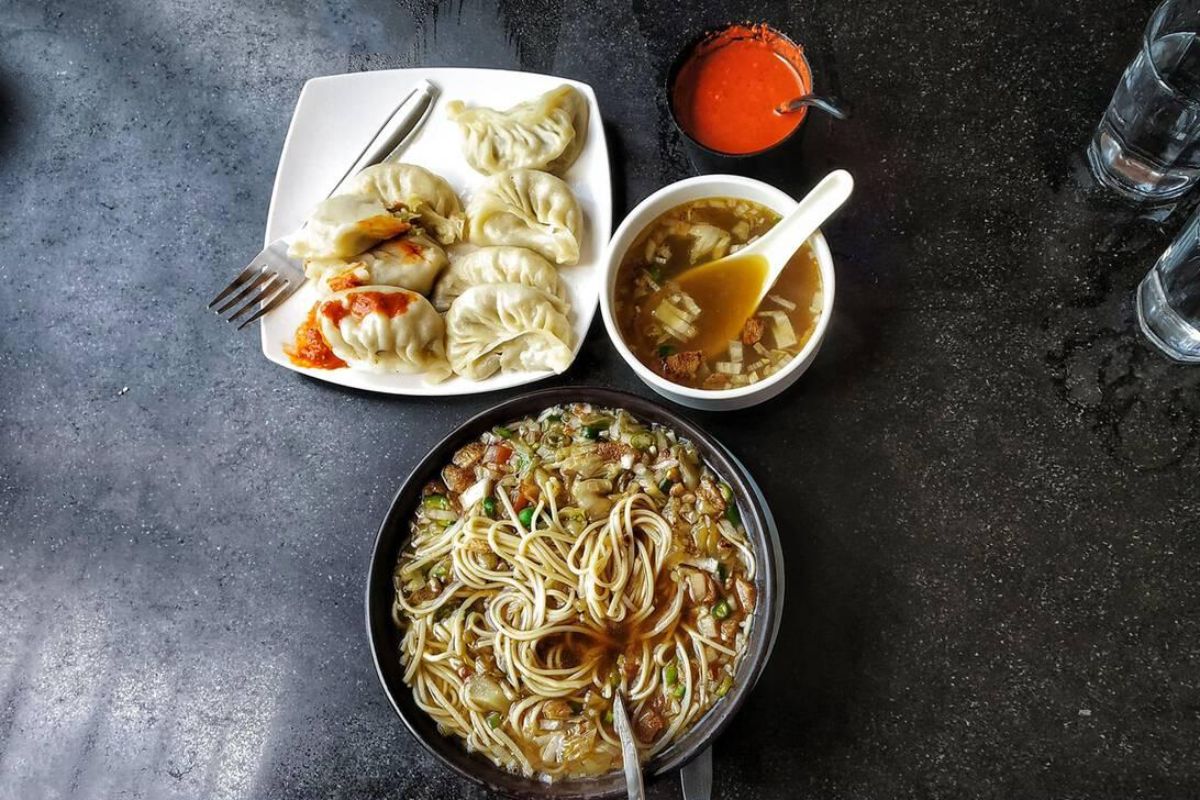
Leh Bazaar offers an excellent selection of food options that reflect Ladakh's cultural diversity and the international nature of its visitors. Local Ladakhi cuisine is well represented in the bazaar, with several restaurants serving traditional dishes. Thukpa, a nourishing noodle soup with vegetables or meat, is perfect for the high-altitude climate and provides a warming meal after a day of trekking or sightseeing. Momos, Tibetan-style dumplings filled with vegetables or meat, are another local favorite that you'll find on many menus.
For authentic Tibetan cuisine, look for restaurants run by Tibetan families serving dishes such as tingmo (steamed bread), shapaley (Tibetan meat pies), and various noodle dishes. Many cafes serve butter tea, the traditional Tibetan beverage made from tea leaves, butter, and salt. While it may sound unusual to Western palates, butter tea is an acquired taste that provides essential energy in the cold Himalayan climate.
International cuisine is also well-represented in Leh Bazaar, with numerous cafes serving continental dishes, Israeli food (reflecting Ladakh's popularity with Israeli travelers), Italian cuisine, and Indian favorites from various regions. The German bakeries that Ladakh is famous for have several branches in the bazaar, offering fresh bread, cakes, and excellent coffee that provide a taste of home for international travelers.
Prices in Leh Bazaar restaurants are generally reasonable, reflecting both the local cost of living and the logistical challenges of supplying food to this remote region. Many cafes have rooftop seating that offers excellent views of the surrounding mountains and the town itself, making meals about more than just the food. The bazaar's food scene creates a pleasant atmosphere where you can relax and recharge between shopping excursions or after a day of exploring Ladakh's stunning landscapes.
Timings & Best Time to Visit
Regular Timings
Leh Bazaar generally operates from 9:00 AM to 8:00 PM daily, though individual shop hours may vary slightly. The morning hours from 9:00 AM to 12:00 PM tend to be less crowded, making them ideal for serious shopping when you can receive more attentive service from shop owners. Many shops close for a lunch break between 1:00 PM and 3:00 PM, especially during the winter months when tourist traffic is lower.
The evening hours from 4:00 PM to 8:00 PM see the bazaar at its most vibrant, with locals completing their daily shopping and tourists browsing after daytime excursions. During this time, the atmosphere is particularly lively, and many shops stay open slightly later than their posted hours if customers are still browsing. However, the crowds also mean that you may receive less personalized service from busy shop owners.
Weekly Closure
Most shops in Leh Bazaar close on Sundays, though this is not universal and some establishments remain open. The weekly closure is more strictly observed during the winter season when tourist traffic is minimal. If you're planning to visit on a Sunday, it's worth checking with your hotel or guesthouse about which shops will be open, or plan alternative activities for that day. The reduced Sunday hours don't apply to restaurants and cafes, which remain open seven days a week throughout the tourist season.
Seasonal Considerations
The best time to visit Leh Bazaar is during the peak tourist season from May to October when all shops are open and fully stocked. During these months, the bazaar buzzes with activity and you'll find the widest selection of goods. The summer months of July and August are particularly busy, coinciding with the tourist high season and various local festivals.
Winter in Ladakh (November to April) brings significant changes to Leh Bazaar. Many shop owners close their establishments and travel to lower altitude areas for the winter months. While some shops remain open, operating on reduced hours and with limited stock, the bazaar takes on a much quieter, almost dormant atmosphere. If you're visiting Ladakh in winter (which is becoming increasingly popular for snow experiences), don't expect a full shopping experience at Leh Bazaar. Plan your major shopping for the summer season, or purchase items in advance online from Ladakhi artisans.
Best Time of Day
For serious shopping with the best selection and attentive service, morning visits (9:00 AM - 12:00 PM) are ideal. Shop owners are fresh and less busy, meaning they can spend more time helping you find exactly what you're looking for. The cooler morning temperatures also make browsing more comfortable, especially during the summer months when midday temperatures can be quite warm despite the high altitude.
Evening visits (4:00 PM - 8:00 PM) offer the most vibrant atmosphere and are better for casual browsing and soaking in the bazaar's energy. The evening light creates excellent photography opportunities, particularly around sunset when the golden hour illuminates the surrounding mountains and the bazaar takes on a magical quality. However, be prepared for crowds and potentially less personalized service during these peak hours.
Shopping Tips & Bargaining
Verify Authenticity
When purchasing Pashmina or other high-value items, take time to verify authenticity before committing to a purchase. For Pashmina, feel the fabric - genuine Pashmina should be incredibly soft and lightweight. The ring test (seeing if the shawl can pass through a ring) is a traditional way to verify Pashmina quality. Ask about the origin of materials and whether the item comes with a certificate of authenticity. For Thangka paintings, inquire about the artist, materials used (natural pigments are superior), and whether the painting follows traditional guidelines.
Bargaining Etiquette
Bargaining is acceptable in Leh Bazaar, though it should be done respectfully and with good humor. Unlike some markets where aggressive bargaining is expected, negotiations in Leh tend to be more subdued. A reasonable starting point is to offer 70-75% of the quoted price and negotiate from there. Remember that shop owners have families to support and that the tourist season is relatively short in Ladakh - fair prices help sustain local livelihoods through the long winter months.
Approach bargaining as a friendly exchange rather than a confrontation. Smile, engage in conversation about the item, and show genuine interest. Shop owners are more likely to offer good prices to customers who treat them with respect and take time to learn about the products. Once you've agreed on a price, honor the deal - backing out after the price is set is considered rude.
Cash Preference
Cash is the preferred payment method in Leh Bazaar, though some larger establishments accept cards. ATMs are available in Leh town, but they can run out of cash during peak tourist periods, and international cards may not always work reliably. Carry sufficient Indian rupees in various denominations to ensure smooth transactions. Small denomination bills are particularly useful as shop owners may not always have change for large notes. For expensive items like carpets or high-end Pashmina, some shops may accept payments via UPI apps, but don't count on this being universally available.
Price Comparison
Before making significant purchases, visit multiple shops to compare prices and quality. Leh Bazaar has many shops selling similar items, and prices can vary considerably. However, once you've received good service from a particular shop owner and spent time examining their goods, consider giving them the business even if another shop is slightly cheaper. The relationship and service aspect of shopping in Leh Bazaar is worth supporting, and personalized service can be invaluable when you need recommendations or special requests.
Shipping Services
For large or heavy items like carpets or substantial Thangka paintings, ask about shipping services. Many shops can arrange shipping to your home country, which is often more economical and safer than trying to transport items in your luggage. Get written quotes for shipping costs before making your purchase, and ensure the shop provides proper packaging and insurance for valuable items. Reputable shops have established relationships with shipping companies and can handle the logistics for you.
Customs Awareness
Be aware of customs regulations in your home country regarding souvenirs, particularly for items like wildlife products, antiques, or cultural artifacts. Some countries restrict imports of certain materials or require permits for cultural items. If purchasing Thangkas or religious items, ensure they're intended for export and not specifically meant for temple use. Keep all receipts, as customs officials may require proof of purchase and valuation when you return home.
Nearby Attractions
Leh Bazaar's central location makes it an excellent base for exploring Leh's main attractions. Leh Palace, the former royal residence that dominates Leh's skyline, is just a short walk from the bazaar. This 17th-century palace offers fascinating insights into Ladakh's royal history and provides panoramic views of the town and surrounding valleys from its upper floors. The palace's architecture, with its imposing mud-brick walls and wooden balconies, represents traditional Ladakhi construction techniques.
Shanti Stupa, the white-domed Buddhist stupa visible from much of Leh, is another nearby attraction accessible from the bazaar. Built by Japanese Buddhists to promote world peace, the stupa is particularly beautiful at sunset when the changing light creates dramatic colors on the surrounding mountains. The walk up to the stupa takes about 30 minutes from the bazaar and rewards you with excellent views and a peaceful atmosphere perfect for meditation and reflection.
Jama Masjid, Leh's main mosque, represents another facet of Ladakh's religious diversity and is located just off the main bazaar. This historic mosque, with its distinctive architecture and peaceful courtyard, reflects the cultural synthesis that characterizes Ladakh. Non-Muslim visitors are generally welcome outside of prayer times, provided they dress modestly and respect worshippers.
Namgyal Tsemo Monastery, perched on a hill above the palace, offers another nearby spiritual destination. The monastery's location provides spectacular views, and the ancient Buddha statue and frescoes are well worth the short but steep climb. The monastery is particularly atmospheric in the morning when monks perform their prayers and ceremonies.
For practical planning, timing your visit to Ladakh is crucial. The region is accessible by road only from May to October when the high mountain passes are open. Flying to Leh is possible year-round, but winter visits require different preparation and expectations. Plan your Leh Bazaar shopping for the main tourist season when the bazaar is at its most vibrant and fully stocked with goods from artisans who have returned for the season.
Shopping in Leh Bazaar offers more than just acquiring souvenirs - it's an opportunity to engage with Ladakh's living culture, support local artisans, and take home meaningful reminders of your Himalayan adventure. Whether you're searching for luxury Pashmina, unique handicrafts, or simply want to experience the atmosphere of this unique mountain marketplace, Leh Bazaar provides an essential Ladakhi experience that enriches any visit to the region.
Location
Frequently Asked Questions
Q1.What are Leh Bazaar timings?
Q2.Which day is Leh Bazaar closed?
Q3.Where is Leh Bazaar located?
Q4.What should I buy from Leh Bazaar?
Q5.Are Pashmina shawls in Leh authentic?
Q6.How to identify real Pashmina in Leh?
Q7.What food options are available at Leh Bazaar?
Q8.Are there ATMs in Leh Market?
Q9.Is bargaining allowed in Leh Bazaar?
Q10.What is the best time to visit Leh Market?
Recommended For You
Culture of Ladakh: Traditions, Faith, and Living Heritage
Discover the culture of Ladakh through Buddhist traditions, festivals, monasteries, cuisine, crafts, social customs, and respectful travel practices.
Leh Ladakh Bike Trip: Complete Route And Itinerary Plan
Plan Leh Ladakh bike trip with route choices, itinerary, cost, permits, acclimatization tips, and practical riding prep for a safer high-altitude ride.
Amazing Places to Visit in Leh Ladakh: Monasteries, Lakes & Passes
Discover the amazing places to visit in Leh Ladakh - from Pangong Lake and Nubra Valley to ancient monasteries and high mountain passes. Complete travel guide with itineraries, permits, and best time to visit.
Never Miss an Adventure
Get the latest trekking guides, travel tips, and exclusive offers delivered straight to your inbox.
