
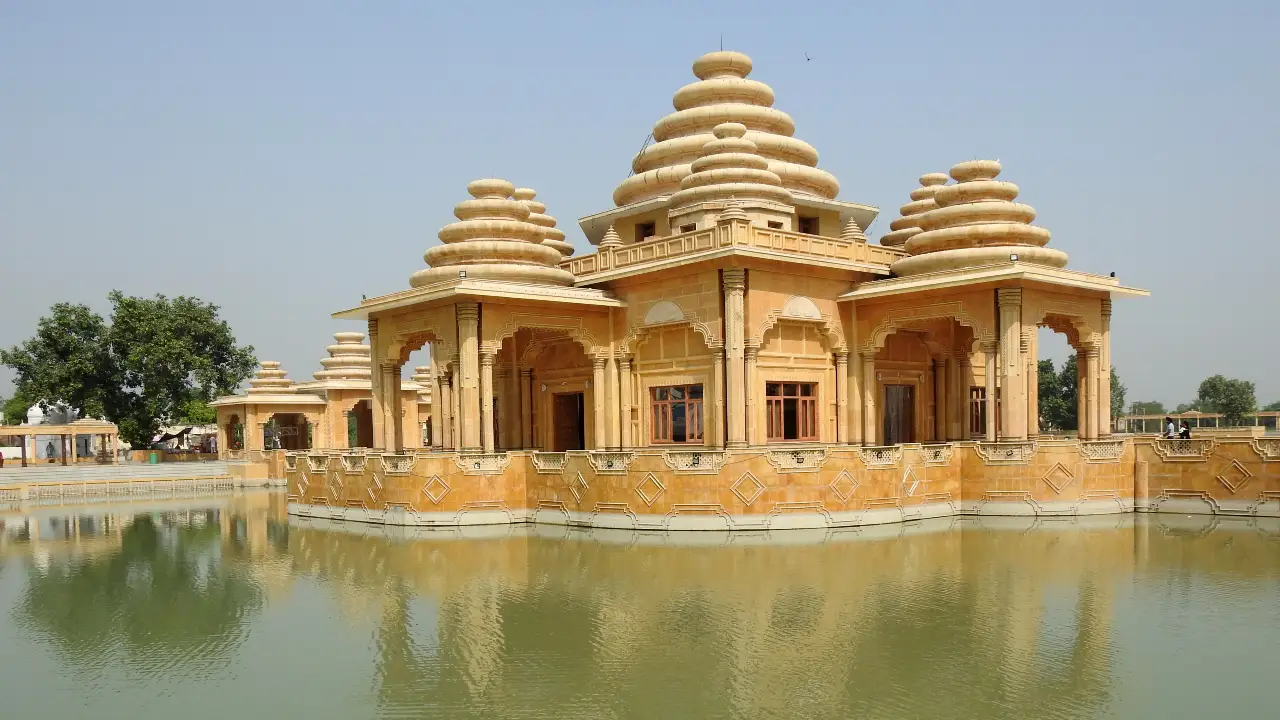
Ram Tirath Temple Amritsar: Timings, Mythology & Festival Highlights

Ananya Sharma
February 19, 2026
Explore Ram Tirath Temple Amritsar - the ancient site linked to Sage Valmiki's ashram where Sita gave birth to Luv and Kush. Discover timings, history, and significance.
Introduction: Ancient Ramayana Link
Nestled approximately 12 kilometers from the bustling city of Amritsar lies Ram Tirath Temple, a sacred site that resonates with the timeless legends of the Ramayana. This ancient temple complex holds immense religious significance as the believed location of Sage Valmiki's hermitage, where the great epic Ramayana was composed. For devotees and history enthusiasts alike, Ram Tirath Temple offers a profound connection to one of Hinduism's most revered narratives.
The temple's tranquil surroundings and spiritual atmosphere make it a compelling destination for those seeking to explore India's rich religious heritage. Unlike the more crowded attractions in Amritsar, Ram Tirath provides visitors with a serene environment for contemplation and devotion. The temple complex showcases traditional North Indian temple architecture while preserving centuries-old traditions associated with the Ramayana period.
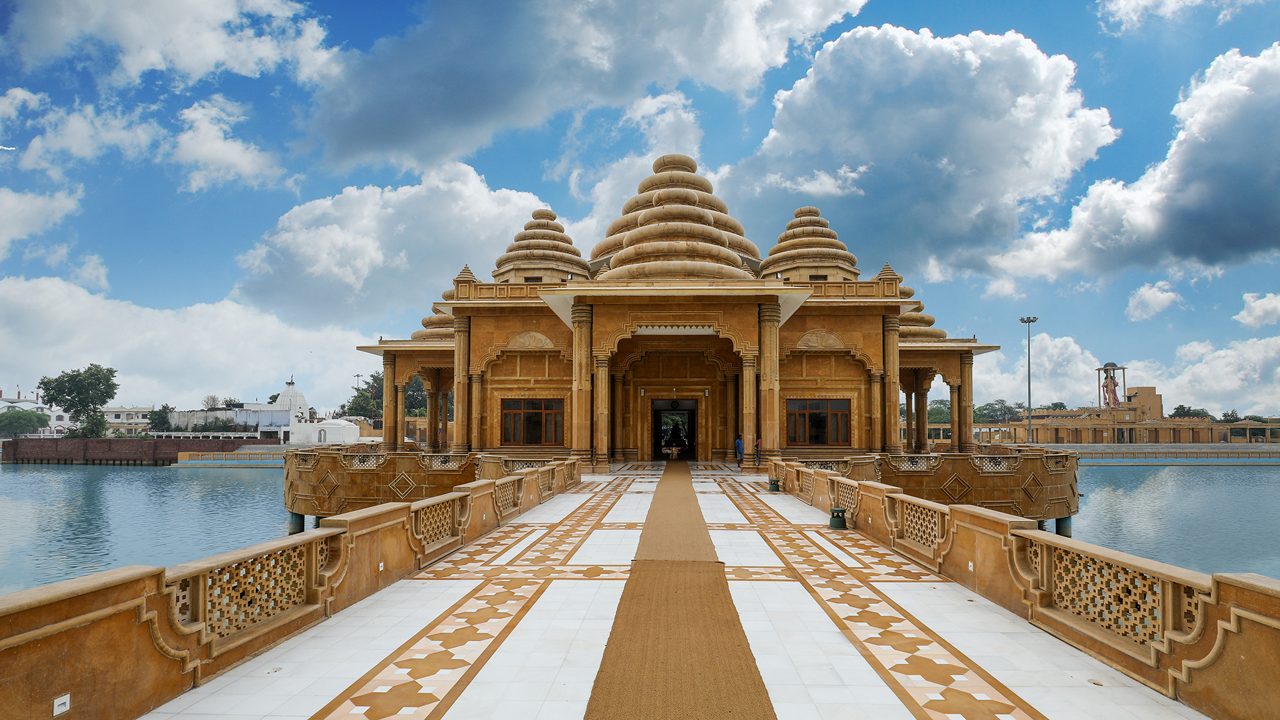
What makes Ram Tirath particularly special is its direct connection to the birthplace of Luv and Kush, the twin sons of Lord Ram and Sita. Pilgrims believe that this sacred ground witnessed many significant events from the Ramayana, making it an important stop on the spiritual journey through India's Ramayana circuit. The temple continues to attract thousands of devotees annually, especially during festivals and religious occasions.
History & Mythology
The historical and mythological significance of Ram Tirath Temple dates back thousands of years to the Treta Yuga, according to Hindu belief. According to the Ramayana, this is the precise location where Sage Valmiki established his ashram and provided shelter to Sita after she was exiled from Ayodhya. It was within these sacred precincts that Sita gave birth to her twin sons, Luv and Kush, who were raised under the sage's guidance and protection.
The ancient well at Ram Tirath, known as the 'Kund,' holds special importance in the temple's mythology. Devotees believe this is the sacred well where Sita used to bathe during her stay at Valmiki's ashram. The well's water is considered holy, and pilgrims often collect it to take back home. Archaeological findings in the region suggest that this site has been continuously worshipped for millennia, with mentions in various historical texts and pilgrim records.
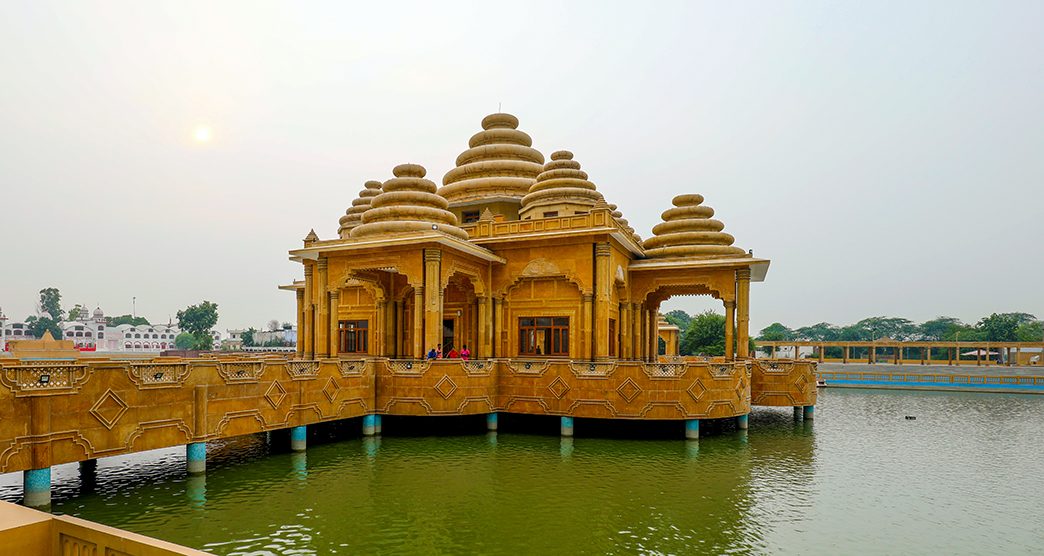
One of the most dramatic events associated with this site is the Ashwamedha Yagna incident. According to legend, Lord Ram conducted a horse sacrifice ceremony, and the ceremonial horse was captured and defended by Luv and Kush here at Ram Tirath. This led to a confrontation between the twins and Lord Ram's army, culminating in the emotional reunion of the family. The temple complex includes memorials and shrines commemorating these legendary events.
The temple's architecture reflects various periods of construction and renovation. While the original structures date back to ancient times, the current temple complex features elements from different eras, including contributions from the Sikh rulers who were patrons of this sacred site. The preservation efforts over the centuries have maintained the temple's spiritual essence while accommodating the needs of modern pilgrims.
Archaeological Significance
Archaeological excavations around Ram Tirath have uncovered artifacts and structures that provide evidence of the site's antiquity. Ancient pottery, inscriptions, and architectural remains suggest continuous religious activity spanning several centuries. These findings corroborate the temple's importance as a major pilgrimage site throughout history, attracting devotees from across the Indian subcontinent.
The temple's historical documentation appears in various historical texts, including those of Mughal-era historians who noted its significance as a Hindu place of worship. Despite the challenges of history, the temple has maintained its religious continuity and remains an active center of Hindu spirituality in Punjab.
Temple Architecture & Features
The Ram Tirath Temple complex showcases traditional North Indian temple architecture with elements that have evolved over centuries. The main shrine features a classic shikhara (spire) typical of Hindu temples in this region, adorned with intricate carvings and religious iconography. The temple's layout follows the traditional design principles of Hindu sacred architecture, with the garbhagriha (sanctum sanctorum) housing the main deity.
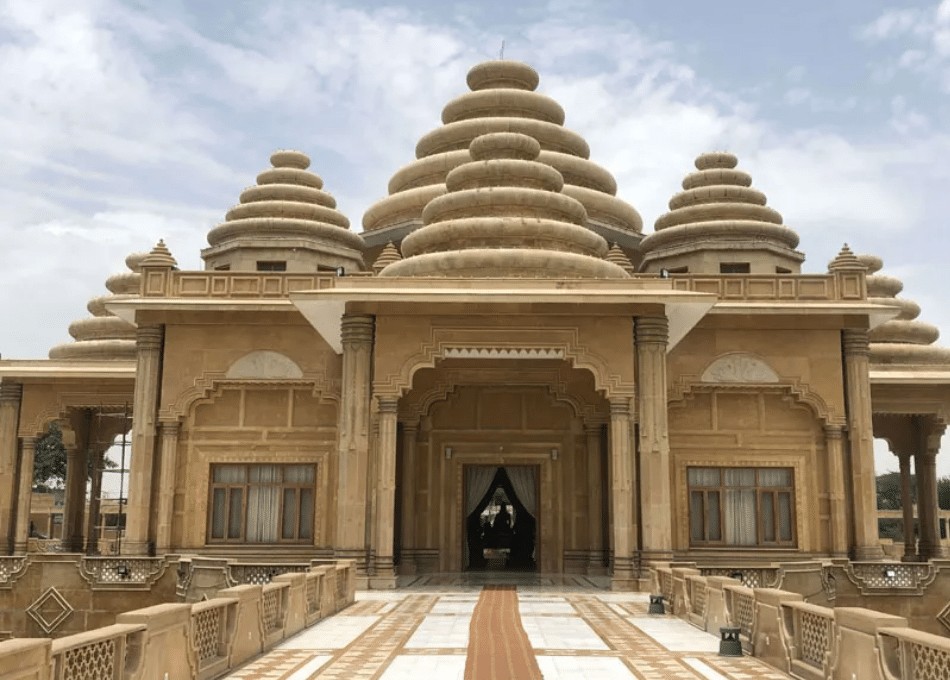
The temple complex encompasses several significant structures that visitors should explore:
- The Ancient Kund (Well): The sacred well believed to date back to Sita's time is the central feature of the complex. The well's construction features traditional stone masonry, and stairs lead down to the water level, allowing devotees to collect the holy water.
- Main Shrine: Dedicated to Lord Ram, the main temple houses beautiful murtis (idols) of Ram, Sita, Luv, and Kush. The shrine's interior features detailed frescoes and paintings depicting scenes from the Ramayana.
- Valmiki Ashram Memorial: A section of the complex is dedicated to Sage Valmiki, featuring a shrine and meditation hall where devotees can sit in quiet contemplation.
- Luv Kush Birthplace Memorial: A special structure marks the believed birthplace of the twins, attracting parents who come here seeking blessings for their children.
- Yagna Kund: A ceremonial fire pit where rituals and homams are performed during special occasions and festivals.
The temple's surrounding structures include a large prayer hall where discourses and religious ceremonies are conducted. The complex also features accommodation facilities for pilgrims who wish to spend extended time in prayer and meditation. Recent renovations have added modern amenities while preserving the temple's ancient character.
| Feature | Description | Significance |
|---|---|---|
| Ancient Kund | Sacred well with stone steps | Believed to be used by Sita |
| Main Temple | Traditional shikhara architecture | Houses Ram family idols |
| Valmiki Shrine | Dedicated meditation space | Honors the sage composer |
| Yagna Kund | Ceremonial fire pit | Used for sacred rituals |
Religious Significance
Ram Tirath Temple holds profound religious importance for Hindus as one of the key sites associated with the Ramayana cycle. The temple's connection to Sage Valmiki, the author of the Ramayana, makes it especially revered among scholars and devotees of Hindu epics. This is considered one of the sacred sites where the epic was not only composed but also lived, making the land itself holy.
The temple serves as an important pilgrimage destination for those following the Ramayana trail across India. Devotees believe that visiting Ram Tirath and paying respects at the Kund and other sacred spots brings blessings, particularly for family harmony and children's welfare. Many parents bring their children here, seeking the divine blessings that Luv and Kush received growing up in this sacred environment.
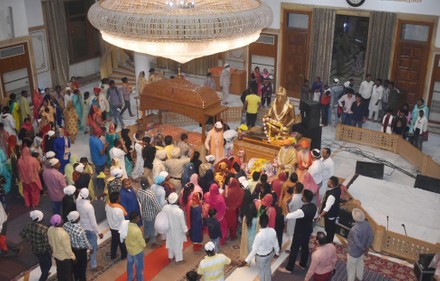
The religious practices at Ram Tirath include daily puja (worship), aarti ceremonies, and recitation of Ramayana verses. The temple atmosphere is particularly charged with spiritual energy during festivals like Ram Navami (Lord Ram's birthday) and Valmiki Jayanti (Sage Valmiki's birthday). During these occasions, special ceremonies are conducted, and the temple attracts thousands of devotees.
What makes Ram Tirath unique among temples is its interfaith significance. Given its location in Punjab, a region with a rich Sikh heritage, the temple reflects the harmonious coexistence of Hindu and Sikh traditions. The Sikh Gurus, particularly Guru Nanak and Guru Gobind Singh, referenced Ramayana stories in their teachings, and this connection is respected at Ram Tirath. The temple's management and the local community maintain this inclusive spirit, welcoming visitors from all faiths.
The temple also plays a role in preserving traditional Hindu religious practices. Regular Vedic ceremonies, yagnas, and religious discourses are conducted here, keeping alive ancient traditions. The temple's association with the Ramayana makes it a center for studying and preserving the epic's oral and written traditions.
Valmiki Ashram Connection
The association with Valmiki's ashram gives Ram Tirath its distinctive character. Sage Valmiki, who is revered as the first poet (Adi Kavi) in Sanskrit literature, is believed to have meditated and composed thousands of verses of the Ramayana at this location. The temple complex includes a shrine dedicated to the sage, where students and scholars come to seek blessings for their academic pursuits.
The ashram tradition continues at Ram Tirath through various spiritual activities. The temple conducts regular classes on Ramayana recitation, organizes religious discourses, and maintains a library of religious texts. This educational aspect helps preserve and propagate the wisdom of the Ramayana to new generations.
Timings & Aarti Schedule
Understanding Ram Tirath Temple timings is essential for planning your visit effectively. The temple follows a schedule that allows devotees to participate in various rituals and ceremonies throughout the day. The temple is open every day of the week, with specific timings for different activities.
| Activity | Timing | Details |
|---|---|---|
| Morning Darshan | 6:00 AM - 12:00 PM | Early morning worship begins |
| Morning Aarti | 7:00 AM | Main morning ceremony |
| Evening Darshan | 4:00 PM - 9:00 PM | Evening worship hours |
| Evening Aarti | 7:00 PM | Main evening ceremony |
| Shayan Aarti | 8:30 PM | Sleep ceremony of deities |
The morning aarti at 7:00 AM is particularly popular among devotees who prefer to start their day with divine blessings. This ceremony involves elaborate rituals, including the offering of lamps, incense, and flowers to the deities. The atmosphere during morning aarti is peaceful and spiritually charged, making it ideal for meditation and prayer.
The evening aarti at 7:00 PM is another major attraction, drawing larger crowds. The ceremony is more elaborate in the evening, with devotional songs and chants creating a mesmerizing atmosphere. The temple complex is beautifully illuminated during the evening, adding to the spiritual experience. Devotees often stay for the Shayan Aarti at 8:30 PM, which marks the conclusion of the day's worship.
Special Day Timings
During festivals and special occasions, the temple extends its hours and conducts additional ceremonies. On Ram Navami, the temple remains open throughout the night with special programs. Full moon days (Purnima) and Ekadashi also see extended timings and special rituals. It's advisable to check the temple's schedule during festival seasons if you plan to visit during these times.
The temple management occasionally organizes special events, Ramayana path (recitation), and religious discourses that may have different timings. These events are usually announced in advance, and devotees can participate by registering at the temple office.
Best Time to Visit
Choosing the right time to visit Ram Tirath Temple can significantly enhance your experience. The temple, located in Amritsar, experiences distinct seasons that affect visiting conditions. Understanding these seasonal variations will help you plan a comfortable and spiritually fulfilling pilgrimage.
Winter Season (October - March)
The winter months from October to March constitute the best time to visit Ram Tirath Temple. During this period, the weather in Amritsar is pleasant, with daytime temperatures ranging from 15°C to 25°C. The cool and dry weather makes it comfortable to explore the temple complex and participate in outdoor rituals. The winter evenings, while cooler, add to the spiritual atmosphere, especially during the evening aarti.
This season is particularly popular for pilgrimage, and you'll encounter larger crowds during weekends and holidays. The months of November and February are especially recommended as the weather is moderate, and the temple celebrates several important festivals. If you prefer a quieter experience, plan your visit on weekdays rather than weekends.
Summer Season (April - June)
Summer in Amritsar can be quite hot, with temperatures often exceeding 40°C. While the temple remains open during these months, the heat can make outdoor exploration uncomfortable, especially during midday. If you must visit in summer, plan your visit for early morning or late afternoon when temperatures are somewhat cooler.
Despite the heat, summer coincides with the important festival of Ram Navami (usually in April), which is celebrated with great fervor at Ram Tirath. If you wish to experience this festival, be prepared for large crowds and hot weather, but also for an exceptionally vibrant and spiritually charged atmosphere.
Monsoon Season (July - September)
The monsoon months bring moderate to heavy rainfall to the Amritsar region. While the rain can provide relief from the summer heat, it may also cause some inconvenience in exploring the temple complex's outdoor areas. The temple remains open and functional during the monsoon, and some devotees find the rainy season adds to the spiritual ambiance of the ashram setting.
The monsoon season sees fewer tourists, which can be advantageous if you prefer a quieter, more intimate temple experience. However, be prepared for wet conditions and plan indoor activities like attending religious discourses or spending time in the covered prayer halls.
Optimal Daily Timing
Regardless of the season, the best time of day to visit Ram Tirath Temple is early morning, shortly after the temple opens. The morning atmosphere is serene and conducive to meditation. The morning aarti (7:00 AM) offers a spiritually uplifting experience without the crowds that gather later in the day.
If you're not an early riser, the late afternoon hours (4:00 PM to 6:00 PM) provide another good window for visiting. The temperature is usually more comfortable than midday, and you can participate in or witness the preparation for the evening aarti. Avoid visiting between 12:00 PM and 4:00 PM, especially in summer, as the temple closes during these afternoon hours.
How to Reach from Amritsar
Reaching Ram Tirath Temple from Amritsar city is relatively straightforward, with multiple transportation options available. The temple's location approximately 11-12 kilometers from the city center makes it accessible for a half-day trip. Here's a comprehensive guide on how to reach the temple from different points in Amritsar.
From Golden Temple (Harmandir Sahib)
The Golden Temple Amritsar, Amritsar's most famous landmark, is approximately 11 kilometers from Ram Tirath Temple. The journey typically takes 25-35 minutes by road, depending on traffic conditions. You can hire a taxi or auto-rickshaw from the Golden Temple complex area. Most auto-rickshaw drivers are familiar with Ram Tirath Temple, but it's helpful to show them the location on your phone if needed.
For those preferring self-driving, the route involves exiting the city center and heading towards the Amritsar-Jalandhar highway. The temple is well-signposted, and most navigation apps will guide you accurately. The roads are generally in good condition, making for a smooth drive. Parking is available at the temple complex, though it can get crowded during festival days.
From Amritsar Railway Station
Amritsar Railway Station is about 13 kilometers from Ram Tirath Temple. Taxis and auto-rickshaws are readily available outside the railway station. The journey takes approximately 30-40 minutes by road, depending on traffic. Pre-paid taxi services are available at the station, which can be more convenient for negotiating fares.
If you're traveling by train to Amritsar specifically to visit Ram Tirath, you might consider staying in a hotel closer to the temple to reduce travel time. However, most visitors prefer staying in the city center near the Golden Temple and making the trip to Ram Tirath as part of their Amritsar sightseeing.
From Sri Guru Ram Dass Jee International Airport
The international airport is approximately 20 kilometers from Ram Tirath Temple. Taxis and app-based cab services are available at the airport. The journey typically takes 40-50 minutes by road, depending on traffic conditions. If you're flying into Amritsar and heading directly to the temple, it's advisable to book a taxi in advance or use a reliable cab service.
Public Transportation
Public buses connect Amritsar city to areas near Ram Tirath Temple, though they may not drop you exactly at the temple entrance. You can take a bus towards Jalandhar or Ajnala and disembark at the nearest stop, from where you can hire an auto-rickshaw for the remaining distance. This option is more economical but requires more time and potentially some walking.
For a more comfortable journey, many visitors opt for private taxi services or app-based cabs, which offer air-conditioned comfort and door-to-door service. These services are reasonably priced for the distance and can be booked round-trip, with the driver waiting while you explore the temple.
Route Summary
| Starting Point | Distance | Travel Time | Best Option |
|---|---|---|---|
| Golden Temple | 11 km | 25-35 mins | Taxi/Auto-rickshaw |
| Railway Station | 13 km | 30-40 mins | Pre-paid Taxi |
| International Airport | 20 km | 40-50 mins | Pre-booked Cab |
| City Center | 12 km | 30 mins | Taxi/App Cab |
Nearby Attractions & Tips
When visiting Ram Tirath Temple, consider combining it with other attractions in and around Amritsar to make the most of your trip. The temple's location makes it convenient to include in a broader Amritsar sightseeing itinerary. Here are some recommendations for nearby attractions and practical tips to enhance your visit.
Nearby Attractions
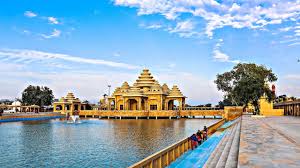
Golden Temple: The most obvious must-visit attraction is the Golden Temple Amritsar, just 11 kilometers away. Plan to visit the Golden Temple either before or after Ram Tirath. The Golden Temple is open 24 hours, but early morning or evening visits are recommended for the best experience. Remember to cover your head and remove your shoes before entering the Golden Temple complex.
Wagah Border: The famous Wagah Border ceremony is another popular attraction that can be combined with your Ram Tirath visit. Located about 30 kilometers from the temple, the Wagah Border ceremony takes place every evening before sunset. If you plan to attend the ceremony, schedule your Ram Tirath visit in the morning or early afternoon to reach Wagah in time.
Jallianwala Bagh: This historical site, located near the Golden Temple, commemorates the tragic massacre of 1919. It's a solemn but important stop for understanding India's freedom struggle. The site is small and can be explored in 30-45 minutes.
Durgiana Temple: Another important temple in Amritsar, Durgiana Temple is dedicated to Goddess Durga and resembles the Golden Temple in architectural style. It's located in the city center and can be visited along with your Golden Temple trip.
Partition Museum: For history enthusiasts, the Partition Museum in Amritsar offers a moving account of the 1947 partition of India. It's located near the Golden Temple and provides important historical context to the region.
Combined Itinerary Suggestion
A suggested day itinerary could be: Start with early morning visit to Ram Tirath Temple (6:00 AM - 9:00 AM), return to the city for breakfast, visit Jallianwala Bagh and Durgiana Temple (10:00 AM - 12:00 PM), break for lunch, spend the afternoon at the Golden Temple (2:00 PM - 5:00 PM), and if you have energy, proceed to Wagah Border for the evening ceremony. For a more relaxed pace, split these attractions over two days.
Don't forget to explore Amritsar's culinary scene. The city is famous for its Punjabi cuisine, and trying local specialties like Amritsari kulcha, lassi, and meat dishes is an essential part of the experience. The area near the Golden Temple has several renowned eating establishments that have been serving devotees for generations.
Visiting Tips
- Dress Code: While Ram Tirath Temple does not have a strict dress code, modest clothing is recommended out of respect for the religious nature of the site. Avoid shorts, sleeveless tops, or revealing clothing. Carrying a scarf or dupatta is advisable for women.
- Footwear: Like all Hindu temples, you will need to remove your shoes before entering the main temple areas. Wear footwear that is easy to take off and put on. The temple provides shoe storage facilities, but carrying your shoes in a bag is also common practice.
- Photography: Photography is generally allowed in the temple complex's outer areas, but check with the temple authorities before taking photographs inside the main shrine or during rituals. Respect any restrictions on photography, especially during aarti ceremonies.
- Offerings: The temple accepts offerings of flowers, sweets, and coconut. These can be purchased from shops outside the temple. Cash donations can be made at the temple office for temple maintenance and charitable activities.
- Best Time for Darshan: Weekday mornings are typically less crowded, allowing for a more peaceful darshan. Weekends and festival days attract large crowds, so plan accordingly if you prefer a quieter experience.
- Facilities: The temple complex has basic facilities including drinking water and restrooms. However, facilities may be basic compared to city standards, so plan accordingly. Carry water, especially during summer visits.
- Respectful Behavior: Maintain silence and decorum within the temple premises. Refrain from loud conversations or disruptive behavior, especially during rituals and ceremonies. Turn off or silence mobile phones inside the shrine areas.
- Food: While the temple may distribute prasad (blessed food), there are no full-scale dining facilities at Ram Tirath. Plan to have your meals in Amritsar city either before or after your temple visit.
- Guides: Local guides are usually available at the temple who can explain the history and significance of various spots. If you're deeply interested in the Ramayana connection, hiring a guide can enhance your understanding and appreciation of the site.
- Accessibility: The temple complex has some steps and uneven surfaces, which may pose challenges for visitors with mobility issues. However, the main areas are generally accessible. Check with temple authorities for specific accessibility information.
By following these tips and combining your Ram Tirath Temple visit with other Amritsar attractions such as Jallianwala Bagh and the Wagah Border ceremony, you can have a comprehensive experience that blends spirituality, history, and culture in one of Punjab's most vibrant cities.
Location
Frequently Asked Questions
Q1.Where is Ram Tirath Temple located?
Q2.What are Ram Tirath Temple timings?
Q3.How far is Ram Tirath Temple from Golden Temple?
Q4.What is the history of Ram Tirath Temple?
Q5.What is the significance of Ram Tirath Temple?
Q6.How to reach Ram Tirath Temple from Amritsar city?
Q7.Is there parking available at Ram Tirath Temple?
Q8.Are food facilities available nearby Ram Tirath Temple?
Recommended For You
Places to Visit in Amritsar: Golden Temple Circuit & City Highlights
Best places to visit in Amritsar. Golden Temple, Wagah Border, Jallianwala Bagh & Punjab attractions.

Best Cafes in Amritsar: Food Spots and Timing Tips
Explore best cafes in Amritsar with area-wise planning, timing strategy, and practical tips for balanced food-and-sightseeing days.
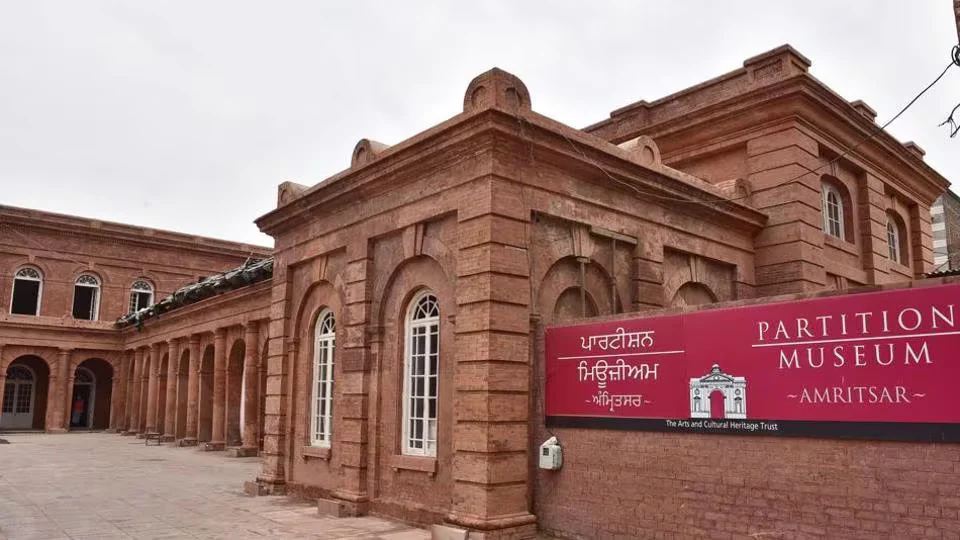
Partition Museum Amritsar: Tickets, Timings & Gallery Highlights
Partition Museum Amritsar guide with tickets, timings, history context, exhibit highlights, visitor tips, and nearby attractions near Town Hall and Golden Temple.
Never Miss an Adventure
Get the latest trekking guides, travel tips, and exclusive offers delivered straight to your inbox.
