
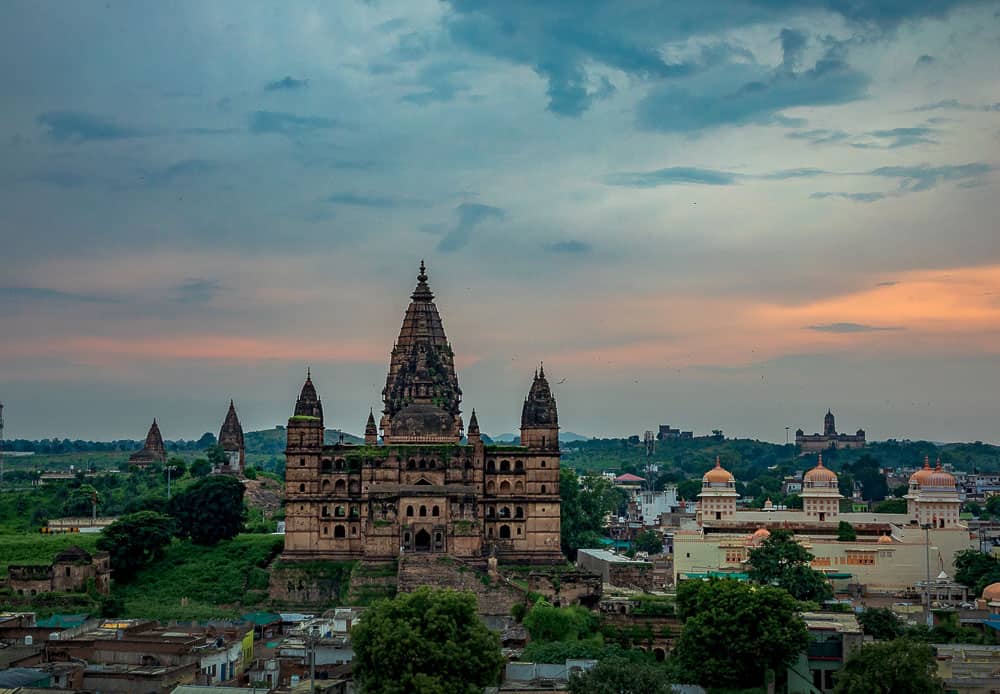
Temples in Orchha: A Journey Through Bundelkhand's Sacred Heritage

Rahul Garg
January 18, 2026
Discover the magnificent temples in Orchha, MP - from the unique Ram Raja Temple where Lord Rama reigns as king to the architectural marvel of Chaturbhuj Temple. A complete travel guide.
The Hidden Temple Town of Madhya Pradesh
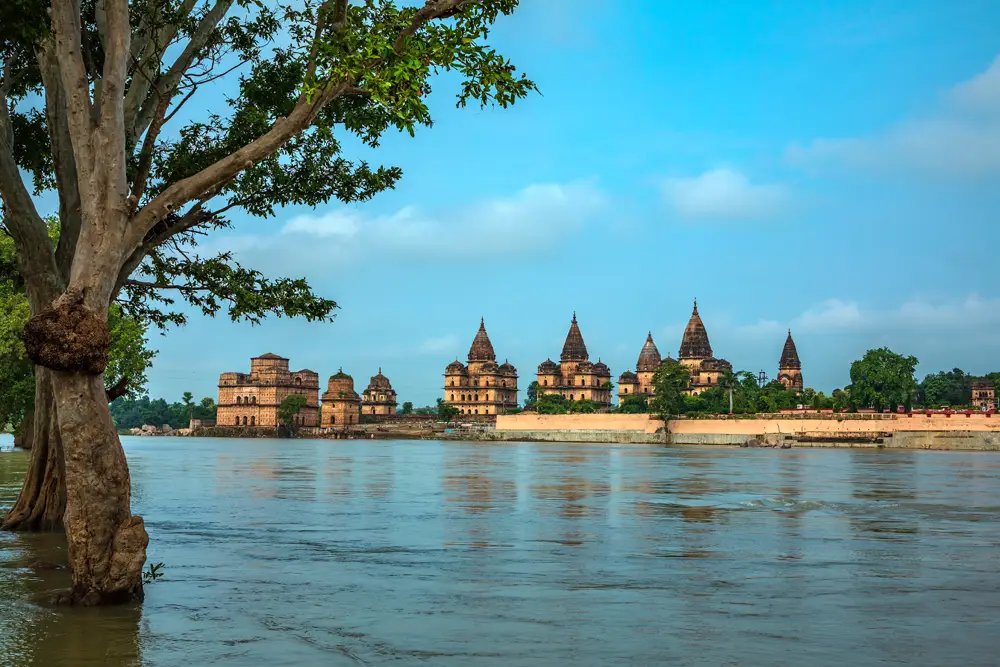
Nestled along the banks of the Betwa River in Madhya Pradesh, Orchha stands as a testament to the artistic and spiritual grandeur of the Bundela dynasty. This hidden gem of Central India is home to some of the most remarkable temples that blend Indo-Islamic architecture with traditional Hindu temple design. Unlike more crowded pilgrimage sites, Orchha offers visitors a peaceful yet profound spiritual experience, where centuries-old temples rise above the river mist, creating an atmosphere of divine serenity that has drawn devotees and travellers for over 400 years. For those exploring other historical sites in Madhya Pradesh, the state offers numerous architectural wonders.
What makes Orchha truly special is its unique positioning as both a historic capital and a sacred pilgrimage site. Founded in the 16th century by Rudra Pratap Singh, a Bundela Rajput chief, Orchha became the centre of a vibrant kingdom that patronised art, architecture, and religion. The temples here aren't just places of worship but architectural marvels that showcase the Bundela style - a distinctive fusion of Mughal and Rajput elements. From the towering spires of the Ram Raja Temple to the intricate frescoes of the Lakshmi Temple, each structure tells stories of devotion, artistic excellence, and a golden era of cultural synthesis.
The Sacred Legend Behind Orchha's Temples
The story of Orchha's temples is deeply intertwined with divine intervention and royal devotion. According to local legends, the visionary behind Orchha's sacred landscape was Madhukar Shah, who ruled in the 16th century. His deep devotion to Lord Rana was so profound that he embarked on a pilgrimage to Ayodhya, carrying the intention of bringing the deity's presence to his kingdom. As the story goes, Lord Rama appeared in the king's dream and instructed him to install a specific idol in Orchha instead of bringing the original from Ayodhya.
The most fascinating legend surrounds the Ram Raja Temple, which is unique in many ways. Originally intended as a palace for Queen Ganesh Kunwari, the temple became the home of Lord Rama's idol under extraordinary circumstances. It is said that when the queen brought the idol from Ayodhya, she initially placed it in the palace, which later became the temple. What makes this temple exceptional is that Lord Rama is worshipped here as a king (Raja) rather than as a deity, with full royal honors including a daily guard change ceremony. This tradition continues to this day, making the Ram Raja Temple the only temple in India where Lord Rama is worshipped as a ruling monarch. Devotees of Lord Rama may also be interested in exploring the sacred Rama temples across India.
The Bundela rulers considered themselves the chosen representatives of Lord Rama on earth. This divine connection shaped every aspect of temple architecture and rituals in Orchha. The temples weren't just built as places of worship but as royal courts where the divine king resided among his devoted subjects. This unique philosophy is reflected in the temple layouts, which resemble palace complexes rather than traditional temple structures.
Architectural Marvels of Orchha
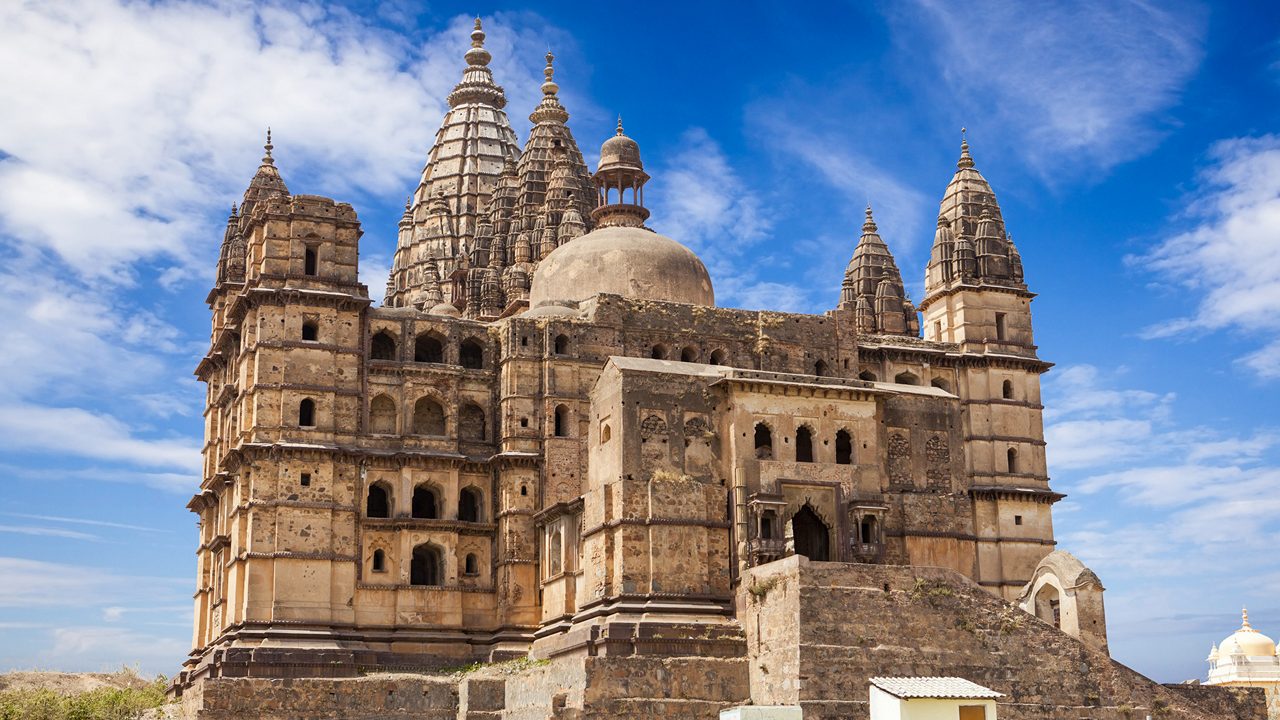
The temples of Orchha represent a fascinating architectural evolution that sets them apart from other Indian temples. The Bundela rulers, who were contemporaries of the Mughals, cleverly blended Islamic architectural elements with traditional Hindu temple design. This synthesis is most evident in the temple facades, which feature graceful domes, pointed arches, and delicate lattice work alongside typical Hindu elements like shikharas (spires) and mandapas (halls).
The most striking feature of Orchha's temples is their use of vibrant frescoes and paintings. The interiors, particularly in the Lakshmi Temple, are adorned with exquisite murals depicting scenes from Ramayana, Krishna Leela, and daily life of the royal court. These paintings, created using natural pigments, have survived for centuries and offer a glimpse into the artistic sophistication of the Bundela period. The colour palette - dominated by ochre, blue, and red - creates a mesmerising visual experience that transports visitors to a bygone era of royal splendour.
Another remarkable aspect is the strategic positioning of these temples along the Betwa River. The ancient architects understood the importance of natural light and river breezes in creating a sacred atmosphere. The temples are oriented to capture the first rays of sunrise, which illuminates the deities in the inner sanctums. The river not only provides a stunning backdrop but also plays a crucial role in temple rituals, with sacred waters being used for daily ablutions and ceremonies.
Chaturbhuj Temple: The Towering Marvel
The Chaturbhuj Temple, dedicated to Lord Vishnu, stands as one of Orchha's most impressive architectural achievements. Built by King Madhukar Shah in the 16th century, this temple is renowned for its massive dimensions and unique design. What makes it extraordinary is its height - the temple's sanctum is situated high above ground level, requiring visitors to climb steep, narrow stairs to reach the deity. This architectural decision was intentional, symbolising the spiritual ascent required to reach the divine.
The temple's exterior is a masterpiece of symmetry and proportion. The towering shikhara rises to over 100 feet, dominating Orchha's skyline. Unlike many temples that are embellished with excessive ornamentation, Chaturbhuj Temple follows a minimalist aesthetic where architectural form itself becomes the decoration. The clean lines, balanced proportions, and imposing presence create a sense of awe and reverence even before one enters the temple.
However, the temple has an interesting story. It was originally built to house the Lord Rama idol that Queen Ganesh Kunwari brought from Ayodhya. According to legend, when the queen attempted to install the idol in this temple, it refused to move from the palace (now the Ram Raja Temple). The temple remained without its principal deity for years until an idol of Lord Vishnu with four arms (Chaturbhuj) was installed instead. Today, visitors can climb to the sanctum to see this beautiful idol and enjoy panoramic views of Orchha from the temple's upper levels.
Ram Raja Temple: Where Lord Rama Reigns as King
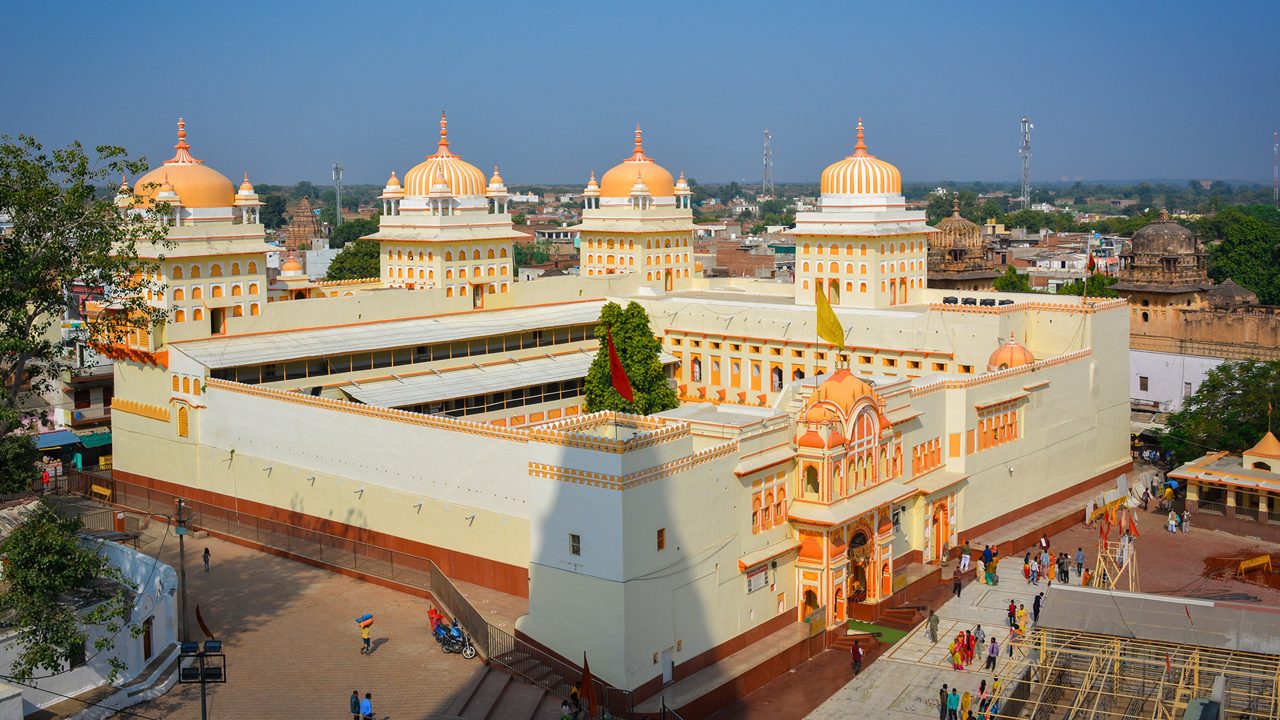
The Ram Raja Temple is undoubtedly Orchha's most sacred and unique temple. What began as a palace for Queen Ganesh Kunwari transformed into the abode of Lord Rama, who chose this spot as his royal residence. This temple holds the distinction of being the only temple in India where Lord Rama is worshipped as a king rather than as a god. The daily rituals here mirror those of a royal court, complete with a guard of honour, flag hoisting, and ceremonial honours.
The temple's architecture is equally fascinating, blending palace design with temple elements. The onion-shaped domes, reminiscent of Mughal architecture, sit alongside traditional Hindu temple structures. The colour scheme - predominantly pink and yellow - creates a warm, welcoming atmosphere. Unlike many temples that are built on elevated platforms, the Ram Raja Temple stands at ground level, reflecting its origins as a palace.
The temple complex is a hive of activity throughout the day. The morning begins with the Mangala Aarti at 4:00 AM, when Lord Rama is awakened like a king. The changing of the guard ceremony is a unique ritual where armed guards salute the deity, maintaining the tradition of treating Lord Rama as the ruling monarch. The temple's priests are dressed in royal attire, and the rituals include elements of both worship and court ceremony. This unique blend of devotion and royalty makes the Ram Raja Temple a living example of how faith can adapt to local cultural contexts.
The temple's significance extends beyond its religious importance. It has been the centre of Orchha's cultural and social life for centuries. Festivals here are celebrated with great pomp, particularly Ram Navami and Diwali, when the entire town participates in elaborate celebrations. The temple's courtyard resonates with devotional songs, and the atmosphere during festivals is electric with faith and joy.
Laxmi Temple: A Gallery of Frescoes
The Laxmi Temple, built by King Vir Singh Deo in the 17th century, is an architectural gem that showcases the Bundela style at its finest. Unlike the other temples in Orchha, this temple is not dedicated to worship but serves more as a monument and gallery. What makes it exceptional is the incredible collection of frescoes that adorn its walls, making it a treasure trove of Bundela art and culture.
The temple's architecture follows a unique pattern - it's built like a fort with battlements and turret-like structures. This unusual design choice has led to various theories about whether it was intended as a temple or a palace. The Laxmi Temple lacks the traditional shikhara (spire) that characterises most Hindu temples, further adding to the mystery. However, the sanctum houses an idol of Goddess Laxmi, confirming its religious purpose.
What truly sets this temple apart are the frescoes covering almost every interior surface. These paintings, created using natural pigments and techniques passed down through generations, depict scenes from Hindu mythology, particularly the Ramayana and Krishna Leela. What's fascinating is the inclusion of contemporary scenes - battle scenes, royal processions, and daily life activities of the 17th century. This blend of divine and secular subjects provides invaluable insights into the cultural, social, and political context of the Bundela era.
The paintings also showcase various artistic styles, from the delicate lines of Rajasthani miniature paintings to the bold compositions characteristic of Central Indian art. The colour palette, remarkably preserved after centuries, includes vibrant blues, reds, ochres, and greens. Art historians and conservationists consider the Laxmi Temple's frescoes among the finest examples of medieval Indian painting outside royal palaces.
The Royal Cenotaphs: Temples to Ancestral Spirits
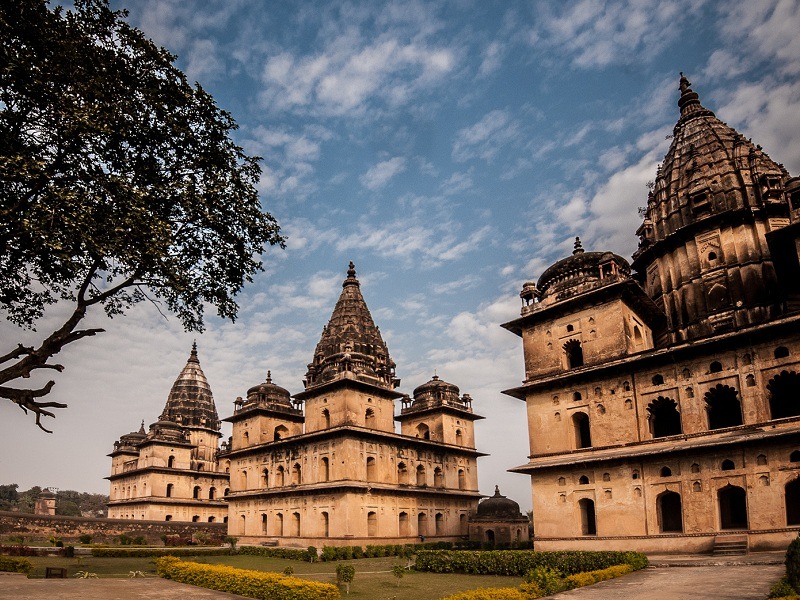
While not temples in the traditional sense, the royal cenotaphs (chhatris) of Orchha deserve mention for their architectural and spiritual significance. These memorial structures, built along the Betwa River, were constructed to honour the Bundela rulers. Each chhatri is a unique blend of temple and tomb architecture, reflecting the syncretic culture of medieval Central India.
There are 14 cenotaphs in total, each dedicated to a different Bundela king. The most impressive is that of Madhukar Shah, featuring a perfect fusion of Islamic dome and Hindu temple elements. These structures were not meant for housing remains but as memorials where the ruling dynasty's ancestors would be honoured. The interiors often contain paintings of the deceased ruler, while the exteriors are decorated with intricate carvings and geometric patterns.
The cenotaphs are particularly beautiful during sunset when the golden light reflects off the river, creating a magical atmosphere. Many visitors come here for meditation, finding peace in the quiet surroundings and the gentle sound of the river below. The site offers spectacular views of Orchha's temples and fort, making it a perfect spot for photographers and those seeking contemplative moments.
Best Time to Visit Orchha's Temples
Orchha's temples can be visited year-round, but different seasons offer different experiences. The winter months from October to March are ideal for temple exploration, with pleasant temperatures ranging from 15°C to 25°C. This is also the peak tourist season, so expect more visitors. The cool weather makes it comfortable to climb the steep stairs of the Chaturbhuj Temple and explore the extensive temple complexes on foot.
Summer (April to June) can be extremely hot with temperatures reaching 40°C, but this is when the temples are least crowded. If you don't mind the heat, early morning and late evening temple visits during summer offer a peaceful, solitary experience. The stone interiors of the temples remain relatively cool even during peak summer.
The monsoon season (July to September) transforms Orchha into a lush green paradise. The Betwa River swells, creating a stunning backdrop for the temples. The rain-washed temples look particularly beautiful, and the cooler temperatures make temple exploration comfortable. However, some pathways might be muddy, and the humidity can be high.
For a truly spiritual experience, plan your visit during major festivals. Ram Navami (usually in March or April) is celebrated with great fervour at the Ram Raja Temple. Diwali (October or November) is another excellent time when the entire town is illuminated, and special ceremonies are performed at all temples. The festival atmosphere, combined with the ancient temple settings, creates unforgettable memories.
Temple Timings and Ritual Schedule
Most temples in Orchha open early, around 5:00 AM, and close at 9:00 PM. The Ram Raja Temple has the most elaborate ritual schedule. The day begins with Mangala Aarti at 4:00 AM, followed by Shringar Aarti (decoration ceremony) at 6:00 AM. The main mid-day ritual, Raj Bhog Aarti, is performed at 12:00 PM when Lord Rama is offered a royal meal. The evening Sandhya Aarti at 7:00 PM is particularly beautiful with lamps and flowers. The day concludes with Shayan Aarti (sleeping ceremony) at 9:00 PM.
The Chaturbhuj Temple follows a simpler schedule with morning aarti at 6:00 AM, afternoon puja at 12:00 PM, and evening aarti at 7:00 PM. The Laxmi Temple, being more of a monument, doesn't have regular rituals but is open for visitors during the same hours.
It's worth noting that these timings may change during festivals and special occasions. The temples are most crowded during morning and evening aarti times, particularly on weekends. For a peaceful experience, visit between 11:00 AM and 4:00 PM when most tourists are at lunch or exploring other sites.
How to Reach Orchha
By Air
The nearest airport is Gwalior, approximately 120 kilometres away. Gwalior has regular flights from Delhi, Mumbai, and other major cities. From the airport, you can hire a taxi to Orchha (3-4 hours, ₹2,500-3,500). Alternatively, you can fly to Khajuraho airport (160 kilometres), which has better connectivity with tourist destinations and is worth combining with a visit to the Khajuraho temples. Taxis from Khajuraho to Orchha cost ₹3,000-4,000 and take 4-5 hours.
By Train
Orchha has its own railway station, but it's a small station with limited connectivity. The nearest major railway junction is Jhansi (16 kilometres), which is well-connected to Delhi, Mumbai, and other major cities. Regular trains run on the Delhi-Chennai and Delhi-Mumbai routes via Jhansi. From Jhansi station, auto-rickshaws charge ₹150-200, while taxis cost ₹400-500 to reach Orchha. Shared tempos are also available for ₹50 per person.
By Road
Orchha is well-connected by road to major cities in Madhya Pradesh and Uttar Pradesh. State highway buses run regularly from Jhansi (30 minutes), Gwalior (3 hours), and Khajuraho (4 hours). Private taxis can be hired from these cities. If you're driving from Delhi, it's approximately 500 kilometres via the Yamuna Expressway and takes 8-10 hours. The roads are generally good, and the route passes through beautiful countryside.
Where to Stay in Orchha
Orchha offers accommodation options for all budgets, mostly within walking distance of the temples. The Betwa Retreat, operated by MP Tourism, is a popular mid-range option with river views (₹2,000-3,000 per night). For luxury, the Amar Mahal offers a heritage hotel experience in a converted palace (₹4,000-6,000). Budget travellers can choose from numerous guest houses near the temple complex (₹800-1,500).
For a unique experience, consider staying at one of the heritage properties that have been converted from old havelis. These offer a glimpse into traditional Bundela architecture and hospitality. Most hotels offer guides who can take you on temple tours and explain the history and significance of each site.
Exploring Beyond the Temples
Orchha Fort Complex
Located just 500 metres from the temple complex, the Orchha Fort is a massive structure housing several palaces including the Raja Mahal and Jahangir Mahal. The fort offers stunning views of the temples and the river. The intricate mirror work and wall paintings in Raja Mahal complement the temple art, while Jahangir Mahal showcases Indo-Islamic architecture at its finest.
River Activities
The Betwa River offers opportunities for boating, particularly beautiful during sunrise and sunset. The river banks near the cenotaphs are perfect for picnics and meditation. Adventure seekers can try river rafting during the monsoon season when water levels are higher.
Phool Bagh
These beautiful gardens were built as a retreat for the Bundela kings. The gardens feature fountains, pavilions, and a stunning summer palace. It's a peaceful spot for an evening stroll after temple visits.
Tips for Temple Visitors
Dress modestly when visiting Orchha's temples. While there's no strict dress code, it's respectful to cover your shoulders and knees. Remove footwear before entering temple sanctums - free shoe storage is available at all temples. Photography is generally allowed in temple complexes but prohibited inside inner sanctums where rituals are performed. Carry a small bag for your footwear and valuables.
Consider hiring a local guide (₹500-800) who can explain the history, legends, and architectural significance of each temple. The guides are usually descendants of temple priests and have deep knowledge of local traditions. They can also help you navigate the complex and point out details you might miss otherwise.
The best time for photography is early morning or late afternoon when the light is soft and golden. The Ram Raja Temple looks particularly beautiful during evening aarti when lamps illuminate the sanctum. For the cenotaphs, sunset offers the most spectacular lighting as the golden hour rays reflect off the river.
Travelers building a broader Madhya Pradesh temple circuit can pair Orchha with Ujjain's sacred sites, home to the Mahakaleshwar Jyotirlinga.
The Spiritual Experience of Orchha
What makes Orchha truly special is the living tradition that continues within its temples. Unlike many heritage sites that feel like museum pieces, Orchha's temples are active centres of worship where ancient rituals are performed daily. The sounds of temple bells, Vedic chants, and devotional songs create an atmosphere that transports visitors to a different era.
The spiritual energy here is palpable, whether you're a devotee seeking blessings or a traveller exploring India's cultural heritage. The priests, many of whom come from families that have served these temples for generations, perform rituals with meticulous precision and genuine devotion. Their warmth and willingness to share stories and knowledge add depth to the visitor experience.
Many visitors describe a profound sense of peace and connection when spending time in Orchha's temples. The combination of architectural beauty, natural surroundings, and living tradition creates a space where the divine feels accessible. Whether you're climbing the steep stairs of Chaturbhuj Temple, watching the evening aarti at Ram Raja Temple, or meditating by the cenotaphs, Orchha offers opportunities for spiritual reflection and connection.
The town's unhurried pace and the temples' enduring presence remind us of a time when faith and artistry intertwined to create spaces of both beauty and devotion. In an age of rapid change, Orchha stands as a testament to the power of tradition and the timeless human desire to connect with the divine through art, architecture, and ritual.
Location
Frequently Asked Questions
Q1.What is special about the Ram Raja Temple in Orchha?
Q2.How many days are required to visit all temples in Orchha?
Q3.What is the best time to visit Orchha temples?
Q4.Is there a dress code for visiting temples in Orchha?
Q5.How do I reach Orchha from major cities?
Q6.What is unique about the Chaturbhuj Temple architecture?
Q7.Can non-Hindus visit Orchha temples?
Q8.What are the temple timings in Orchha?
Recommended For You
Khajuraho Temples: Complete Guide to India's Erotic Sculptures
Discover Khajuraho Temples, UNESCO World Heritage site famous for stunning architecture & erotic sculptures. Complete guide with timings, history, and travel tips.
Best Places to Visit in Ujjain: Mahakal Temple & Attractions
Explore the best places to visit in Ujjain - from the sacred Mahakaleshwar Jyotirlinga to the spiritual Ram Ghat. Discover ancient temples, sacred ghats, and the rich cultural heritage of one of India's seven sacred cities.
How to Reach Mahakaleshwar Temple Ujjain: Train, Road & Airport Routes
Learn how to reach Ujjain Mahakaleshwar Temple by flight, train, road & bus from major cities. Get routes, timings, transport options & travel tips.
Never Miss an Adventure
Get the latest trekking guides, travel tips, and exclusive offers delivered straight to your inbox.
