
Pattadakal Temples Karnataka: UNESCO Site Highlights, Timings & Route

Ananya Sharma
February 19, 2026
Visit Pattadakal temples, UNESCO World Heritage Site. Discover Chalukya architecture, Virupaksha Temple, history & travel guide.
Pattadakal Temples: Complete UNESCO Heritage Guide
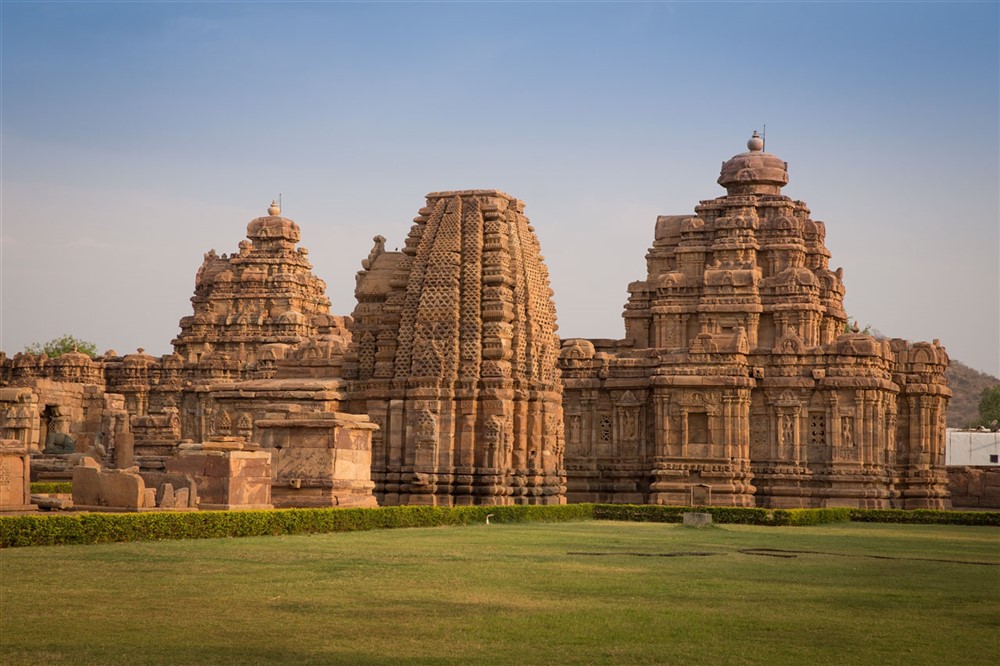
Pattadakal Temples in Karnataka is one of India’s most important temple architecture sites and a UNESCO World Heritage destination. Located on the banks of the Malaprabha River, Pattadakal presents a remarkable concentration of early medieval temples where northern and southern architectural styles interact in one complex. For travelers interested in history, art, and sacred design, this site is essential.
Many visitors cover Pattadakal quickly while rushing between larger circuits, but the complex deserves focused time. It is best experienced with deliberate observation of temple plans, shikhara forms, sculptural narratives, and construction variation across structures. If you are building a heritage route, combine this with badami caves and aihole temples karnataka for the full Chalukyan architectural arc.
Historical Importance of Pattadakal
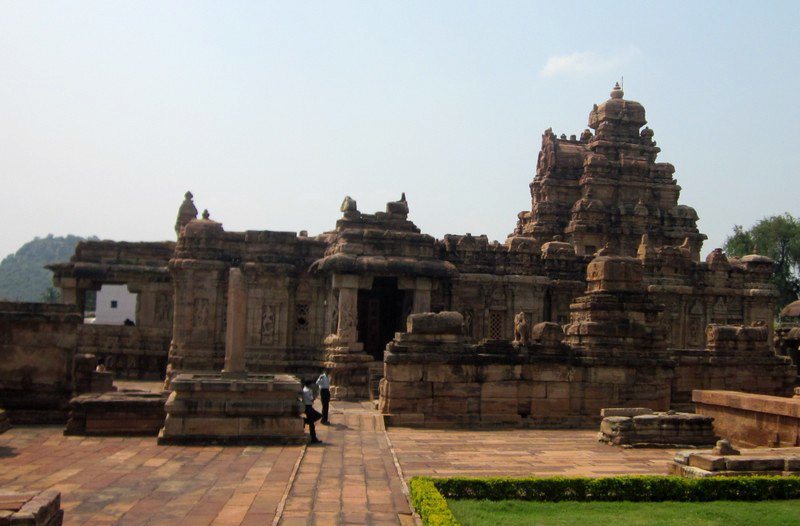
Pattadakal flourished under the Chalukyas and became an important ceremonial and architectural center. Royal patronage encouraged temple construction that experimented with form, ornament, and structural language. As a result, the complex provides a rare record of stylistic transition and technical confidence in early Indian temple architecture.
This is why Pattadakal is not just a temple stop. It is a comparative classroom where each structure adds a distinct chapter. Even short visits become richer when you approach the site as a living architectural archive.
Key Temples to Prioritize
Virupaksha Temple
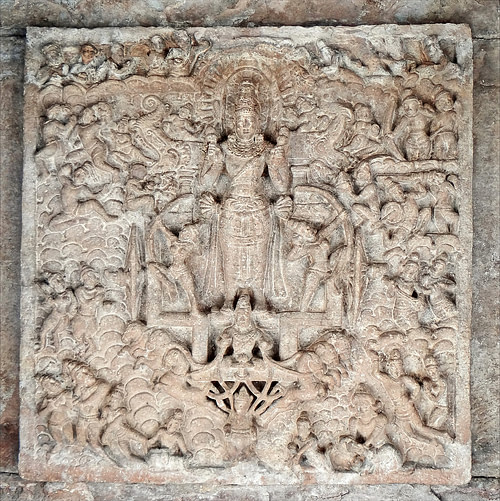
Often treated as the centerpiece, Virupaksha is known for scale, sculptural quality, and compositional coherence. It offers strong examples of narrative panels and refined structural planning.
Sangameshwara Temple
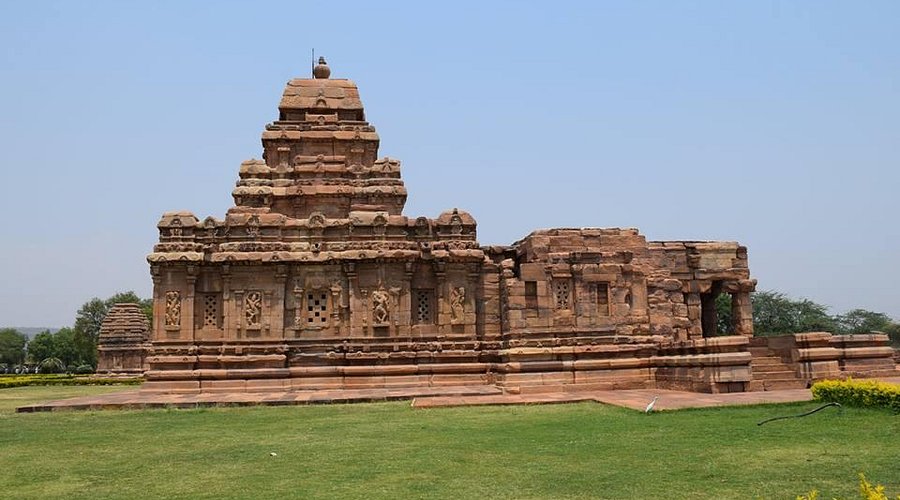
This temple is useful for understanding form evolution and design restraint. Its profile helps visitors compare developed and intermediate stylistic phases.
Jain Temple and Other Shrines
Secondary temples in the complex are essential for comparative reading. Skipping them reduces your understanding of Pattadakal’s full architectural range.
For wider Karnataka temple context, include belur halebidu temples and hoysala temples karnataka in longer itineraries.
Architecture: Why Pattadakal Is Unique
Pattadakal is celebrated for showing both Nagara and Dravida influences in close proximity. This coexistence allows visitors to study shikhara differences, mandapa treatment, sculptural approaches, and plan geometry in one site. The carvings often depict mythological narratives, ritual symbols, and social motifs, providing both artistic and cultural data.
To get the most from the visit, compare one element across multiple temples rather than trying to absorb everything at once. For example, focus first on tower forms, then doorframe carvings, then pillar treatment.
Best Time to Visit
October to February offers comfortable weather for long walking and careful observation. Summer visits are possible with early start, but midday heat can reduce attention and patience. Monsoon adds atmospheric greenery, though paths may be wet and movement slower in some sections.
Weekday mornings are ideal for quieter exploration and better photo flexibility. If you prefer a deeper study visit, avoid peak holiday periods.
How to Reach Pattadakal
Pattadakal is typically visited with Badami and Aihole by road. Travelers usually base in Badami or nearby towns and cover all three sites in one or two days depending pace. Road conditions are generally manageable, but keep time buffers for local traffic and stopovers.
If you are planning a broader state route, places to visit karnataka can help optimize sequence and travel flow.
Suggested Heritage Day Plan
| Time Block | Recommended Activity |
|---|---|
| 08:30-09:00 AM | Arrival and site orientation |
| 09:00-10:30 AM | Virupaksha and nearby major temples |
| 10:30-11:30 AM | Comparative architecture walk |
| 11:30 AM-12:00 PM | Sculpture study and photography |
| Afternoon | Transit to Badami or Aihole segment |
This structure keeps your core attention in cooler morning hours and preserves energy for second-site visits.
Visitor Etiquette and Preservation Tips
- Do not climb fragile temple edges or sculptural surfaces.
- Respect ritual spaces and active worship practices.
- Avoid touching carvings repeatedly for photos.
- Keep the site clean and carry waste out responsibly.
- Follow local guidance around restricted sections.
These practices are essential for conserving stone heritage exposed to weather and footfall pressure.
Common Mistakes to Avoid
- Covering Pattadakal in a rushed 30-minute pass.
- Ignoring comparative reading between temple forms.
- Skipping context of Badami-Aihole-Pattadakal sequence.
- Visiting at peak heat without hydration planning.
- Focusing only on one headline temple.
For national-level heritage comparison, world heritage sites india can help map Pattadakal in the larger Indian context.
Why Pattadakal Is a Must for Heritage Travelers
Pattadakal offers depth that few temple complexes can match in one compact zone. It is visually beautiful, historically rich, and technically informative. Whether you are a scholar, photographer, or casual traveler, the site can be highly rewarding with the right approach.
Give it time, observe systematically, and connect it to nearby Chalukyan sites. That approach turns a standard stop into one of the strongest architectural experiences in Karnataka.
Before exiting, review one temple you saw first and one you saw last. This quick comparison helps you retain stylistic differences and makes your visit far more meaningful.
For Architecture Learners: A Simple Observation Framework
If Pattadakal feels overwhelming, use a three-layer framework. Layer one: massing and profile, focusing on tower shape and base proportion. Layer two: entry sequence and mandapa layout. Layer three: sculptural narratives and iconographic detail. This approach helps you compare temples systematically without getting lost in visual density.
Carry a small notebook and map one key difference between each major temple you visit. These notes become highly useful when you later compare Pattadakal with Aihole and Badami.
Photography and Documentation Workflow
Start with full-structure shots early in the day, then move to details as light rises. For carvings, side light gives more relief than flat frontal frames. Avoid stepping onto sensitive areas to force unusual angles. Respect site boundaries and restoration zones.
If you are creating educational content, include both overview and detail images so readers understand scale and craftsmanship together.
Closing Insight
Pattadakal is not just a beautiful site; it is a crucial chapter in the evolution of Indian temple architecture. A careful visit here can improve how you read many other heritage temples across the country.
Planning Pattadakal with Badami and Aihole
Many travelers ask whether one day is enough for all three sites. It is possible, but only with efficient transport and disciplined timing. If your interest is serious architecture study, allocate at least one and a half to two days so each location gets meaningful attention.
Start with whichever site is closest to your stay base, keep lunch breaks short, and reserve final daylight for your highest-priority monument. Avoid late starts, because compressed afternoon schedules reduce both learning and photography quality.
Pattadakal deserves focused time because it is where many architectural conversations become clearer. Rushed visits often miss this value.
If you revisit Pattadakal, choose a different observation theme the second time, such as iconography or structural symmetry. Repeated visits with focused themes reveal new details and prevent visual overload. This is one of the reasons scholars value the site so highly. Pattadakal offers long-term learning potential, and even brief return sessions can significantly deepen architectural understanding for both new and experienced travelers.
Even a short revisit at a different time of day can transform your reading of Pattadakal, because light direction changes how carvings and structural depth are perceived.
Keep one last minute for silent observation; the site’s design logic becomes clearer in stillness.
Observe one carving closely before departure.
Use that final minute to study stone depth.
Location
Frequently Asked Questions
Q1.Why is Pattadakal a UNESCO World Heritage Site?
Q2.How many temples are there in Pattadakal?
Q3.What is special about Pattadakal temples?
Q4.How far is Pattadakal from Badami?
Q5.What are Pattadakal temple timings?
Q6.Who built the Virupaksha Temple at Pattadakal?
Q7.What is the difference between Dravidian and Nagara styles?
Q8.Can we visit Pattadakal, Badami, and Aihole together?
Recommended For You
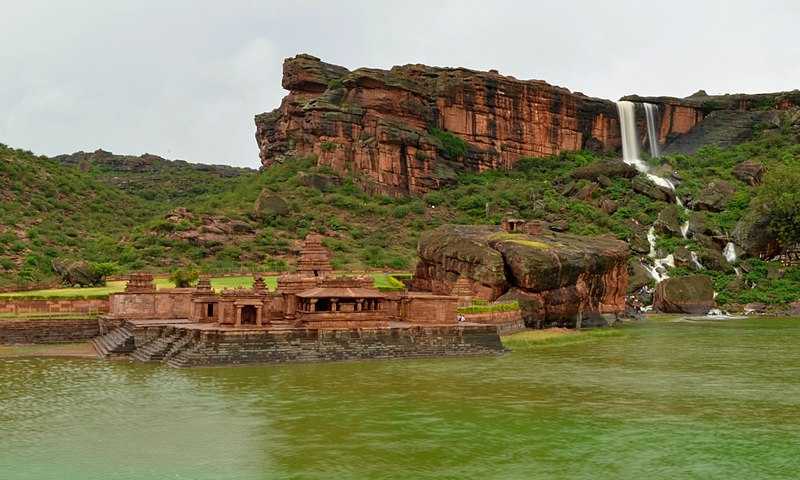
Places to Visit in Karnataka: Coast, Hills & Heritage Cities
Explore the best places to visit in Karnataka with a complete guide to Hampi, Coorg, Mysore, beaches, wildlife parks, trekking routes, and practical travel planning.
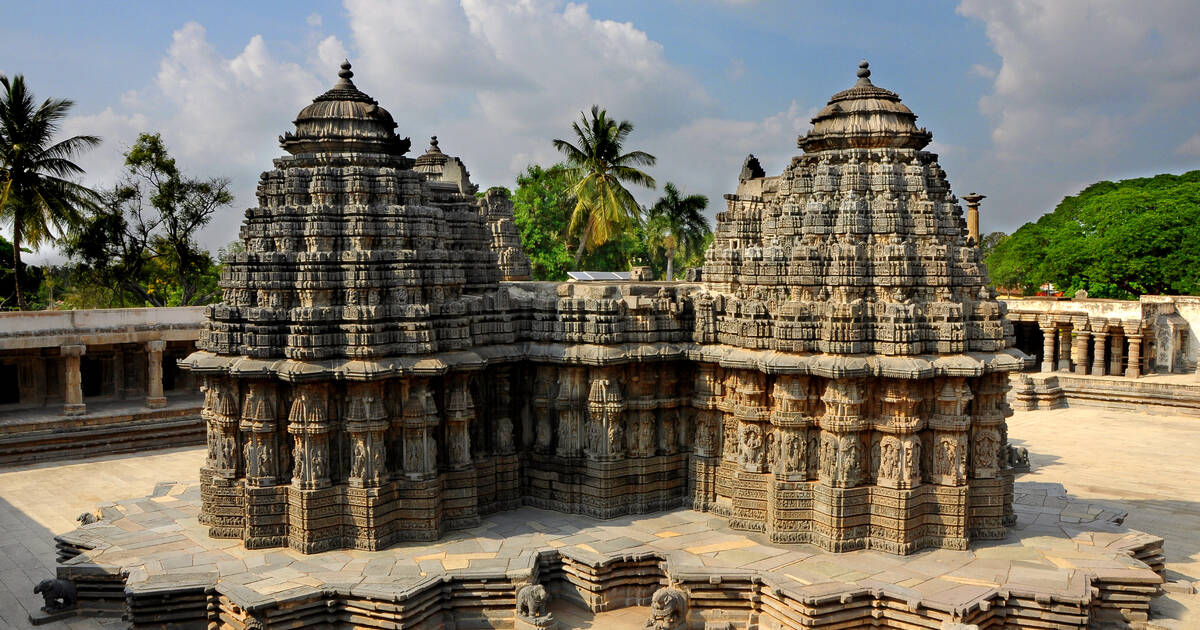
Hoysala Temples Karnataka: Belur-Halebidu Circuit, Timings & Route
Complete guide to Hoysala temples in Karnataka including Belur, Halebidu, and Somnathpura with temple circuit planning, history, and travel tips.
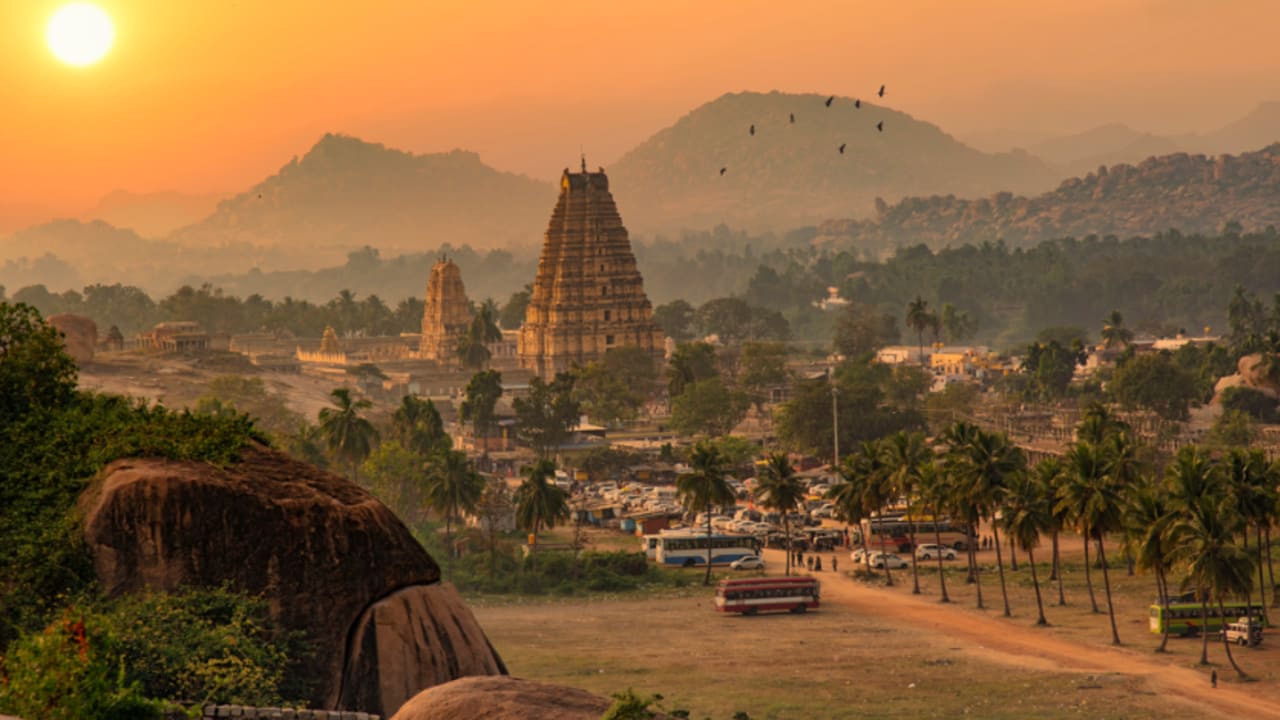
UNESCO World Heritage Sites in India: Full List, States & Highlights
Explore all 40 UNESCO World Heritage Sites in India. Complete guide to Taj Mahal, Red Fort, Ajanta Ellora, Kaziranga, and more with visit planning tips.
Never Miss an Adventure
Get the latest trekking guides, travel tips, and exclusive offers delivered straight to your inbox.
