
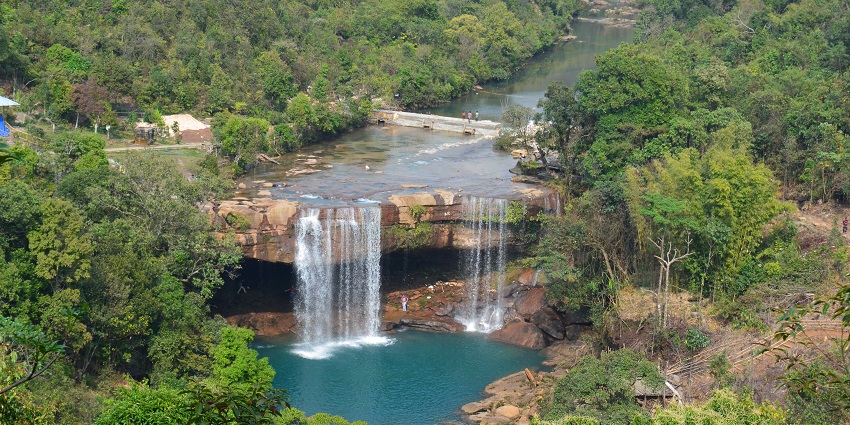
National Parks in Meghalaya: Wildlife, Trekking & Best Time to Visit

Neha Kapoor
February 12, 2026
Complete guide to national parks in Meghalaya including Nokrek, Balpakram, wildlife viewing tips, red panda, Hoolock gibbon, trekking, entry fees, and best visiting times.
Introduction: Meghalaya's Wildlife Sanctuaries
Meghalaya, known as the "Abode of Clouds," is celebrated worldwide for its living root bridges and record-breaking rainfall, but the state's wildlife sanctuaries offer equally remarkable natural experiences. The national parks in Meghalaya protect some of India's most unique ecosystems, from the subtropical forests of Garo Hills to the dramatic canyons of Balpakram. These protected areas harbor rare species like the red panda, Hoolock gibbon, and clouded leopard, making Meghalaya a paradise for wildlife enthusiasts and nature photographers.
For travelers seeking experiences beyond the popular tourist circuit, exploring Meghalaya's national parks provides intimate encounters with pristine wilderness and fascinating indigenous cultures. Combine your wildlife adventure with places to visit in Meghalaya, best time to visit Meghalaya, and camping in Meghalaya for a comprehensive Northeast India experience.
Top National Parks in Meghalaya
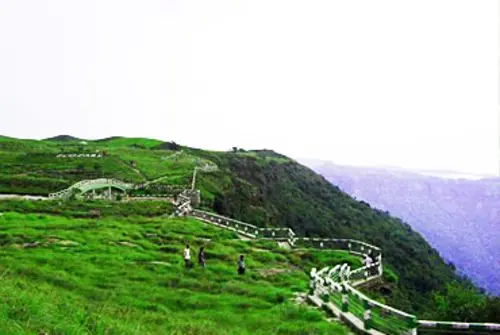
Meghalaya is home to two officially designated national parks—Nokrek and Balpakram—each offering distinct landscapes, wildlife, and cultural experiences. These parks, along with several wildlife sanctuaries, form a network of protected areas that conserve the state's extraordinary biodiversity.
| National Park | Location | Key Wildlife | Best Time |
|---|---|---|---|
| Nokrek National Park | West Garo Hills | Red Panda, Hoolock Gibbon, Clouded Leopard | October-May |
| Balpakram National Park | South Garo Hills | Asian Elephant, Bengal Tiger, Wild Buffalo | November-April |
| Siju Wildlife Sanctuary | South Garo Hills | Golden Langur, Slow Loris, Hornbills | October-March |
| Nongkhnum Island Sanctuary | West Khasi Hills | Migratory Birds, Otters, River Dolphins | November-February |
Nokrek National Park: Red Panda Habitat
Nokrek National Park is undoubtedly Meghalaya's most significant protected area for wildlife conservation. Established in 1986 and recognized as a UNESCO Biosphere Reserve, this 47-square-kilometer park in the West Garo Hills is renowned as the primary habitat of the endangered red panda in Northeast India. The park is also home to the world's only citrus gene sanctuary, preserving wild orange species found nowhere else on Earth.
The park's terrain ranges from tropical forests to sub-tropical and temperate vegetation zones, creating diverse habitats for numerous species. Nokrek is particularly famous for its population of Hoolock gibbons—the only ape species found in India—and various primate species including capped langurs and slow lorises. The park also supports predators like the clouded leopard and leopard, along with Asiatic black bears and over 200 bird species.
Nokrek's elevation reaches 1,412 meters at its peak, offering spectacular views of the surrounding Garo Hills and Bangladesh plains. The park holds immense cultural significance for the Garo people, who consider it a sacred mountain. Several trekking routes lead through the park, with the Nokrek Peak trek being the most popular, offering rewarding views and opportunities to spot wildlife along the way.
Balpakram National Park: Land of Spirits
Balpakram National Park, often called the "Grand Canyon of the East" or "Land of Spirits," is one of India's most unique and mysterious protected areas. Located in the South Garo Hills, this 220-square-kilometer park is characterized by dramatic canyons, deep gorges, and stunning rock formations that have inspired local legends for centuries. The Garo people believe Balpakram is the resting place of departed souls, adding a mystical dimension to its natural beauty.
The park's diverse landscape includes plateaus, valleys, and the breathtaking Balpakram Canyon, which rivals the famous Grand Canyon in its dramatic scenery. This varied terrain supports remarkable wildlife including Asian elephants, Bengal tigers, clouded leopards, and the rare wild buffalo. Balpakram is also home to the golden cat, marbled cat, and over 300 bird species, including several hornbill varieties.
What sets Balpakram apart is its fascinating rock formations and geological features like the Dikkini Chini (table rock) and the mysterious Areng Padi (stone that bleeds). The park offers excellent trekking opportunities through ancient forests and along canyon edges, though most areas require permits and local guides due to the park's remote location and cultural sensitivity.
Siju Wildlife Sanctuary
Though not a national park, Siju Wildlife Sanctuary deserves mention for its remarkable biodiversity and accessibility. Located in the South Garo Hills, this sanctuary is famous for the Siju Cave—India's third-longest cave system—and its population of golden langurs, an endangered primate species found only in Northeast India and parts of Bhutan.
The sanctuary's limestone caves attract spelunkers from around the world, with formations dating back millions of years. Above ground, the sanctuary supports diverse wildlife including slow lorises, pangolins, and various hornbill species. The Simsang River flowing through the sanctuary adds to its ecological diversity, providing habitat for otters and numerous fish species. Siju is particularly noted for its bat populations, with several species inhabiting the extensive cave systems.
Nongkhnum Island Sanctuary
Nongkhnum Island, one of Asia's largest river islands, is designated as a wildlife sanctuary protecting its unique riparian ecosystem. Located in the West Khasi Hills, the sanctuary is surrounded by the Wah Kynshrew River and supports diverse birdlife, including migratory species during winter months. The island is also home to otters and occasionally river dolphins in the surrounding waters.
Beyond wildlife, Nongkhnum offers spectacular landscapes with sandy beaches, grasslands, and river views that have earned it comparison to the Brahmaputra's Majuli Island. The sanctuary is popular for birdwatching, picnicking, and experiencing traditional Khasi village life. Combine your visit with Nongkhnum River Island Meghalaya and other Meghalaya attractions for a well-rounded experience.
Best Time to Visit
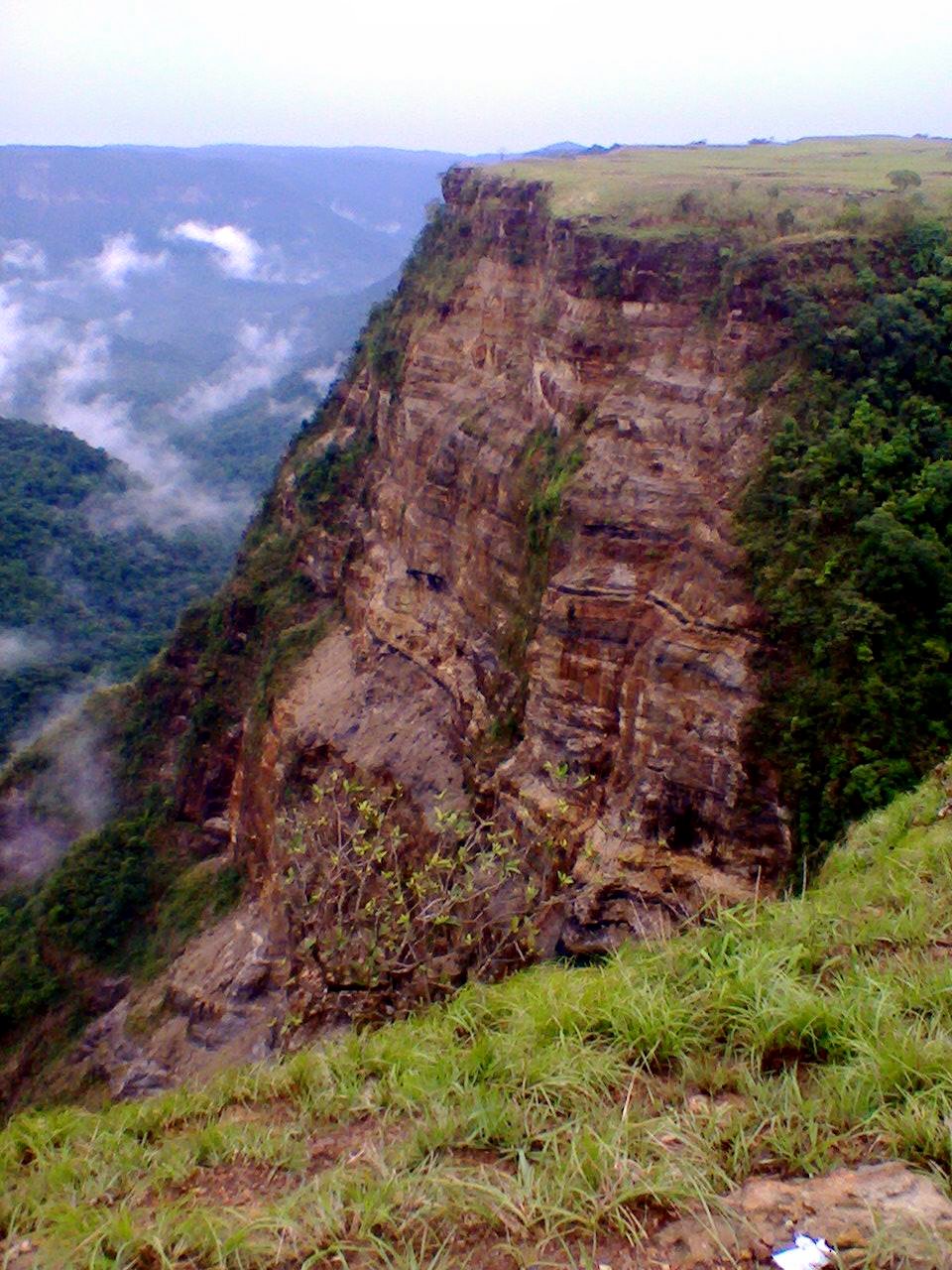
Meghalaya's weather patterns dramatically affect wildlife viewing experiences. The state receives some of the world's highest rainfall, making timing crucial for successful visits to national parks.
| Season | Conditions | Best For |
|---|---|---|
| Winter (Nov-Feb) | Dry, cool, pleasant | Wildlife viewing, trekking |
| Spring (Mar-May) | Mild, occasional showers | Birdwatching, primate sightings |
| Monsoon (Jun-Sep) | Heavy rainfall, challenging | Limited access, cave exploration |
| Autumn (Oct) | Dry, pleasant, clear | All activities, photography |
Winter: Prime Wildlife Season
November through February represents the optimal window for wildlife viewing in Meghalaya's national parks. During these months, rainfall is minimal, making trails accessible and increasing animal visibility as wildlife concentrates around water sources and food patches. The cool, pleasant weather is ideal for trekking to Nokrek Peak or exploring Balpakram's canyons without the heat and humidity of summer.
This is also the best season for birdwatching, as migratory species arrive and resident birds are more active in clear weather. Red pandas are occasionally spotted during winter when they descend to lower elevations. However, temperatures can drop significantly in higher elevations like Nokrek, so layered clothing is essential, especially for early morning wildlife watches.
Spring: Awakening Season
March through May brings mild temperatures and occasional pre-monsoon showers, creating excellent conditions for wildlife viewing. Spring sees increased animal activity as the forest blooms with new growth. Primate species like Hoolock gibbons and golden langurs are particularly vocal and visible during this season as they engage in courtship and territorial displays.
Spring also marks the arrival of colorful migratory birds, adding to the park's already impressive avian diversity. The weather remains comfortable for trekking, though temperatures gradually increase as the season progresses. April is considered particularly favorable for combining wildlife viewing with cherry blossom season in Meghalaya, creating a uniquely beautiful travel experience.
Monsoon: Challenging but Spectacular
June through September brings torrential rainfall that makes wildlife viewing challenging but offers a different perspective of Meghalaya's natural beauty. Forests transform into vibrant green landscapes, waterfalls reach their peak flow, and wildlife adaptations to monsoon conditions become apparent. However, trekking trails become slippery and dangerous, many areas become inaccessible, and wildlife seeking shelter from rain becomes harder to spot.
For dedicated visitors willing to brave the rains, this is an excellent time for cave exploration in Siju Sanctuary and experiencing Meghalaya's famous living root bridges at their most spectacular. If visiting during monsoon, prioritize indoor or sheltered activities and carry comprehensive rain gear. Always check local weather advisories and park accessibility before planning visits.
Autumn: Window of Opportunity
October offers a brief but excellent window for wildlife viewing before winter fully sets in. Rains have typically ceased by early October, making trails accessible and forests relatively dry. This is an ideal time for trekking and wildlife photography as the landscape retains monsoon's lushness while offering clear weather and comfortable temperatures.
October also sees increased animal activity as wildlife takes advantage of abundant forage before winter. This period is particularly good for primate sightings and birdwatching as species prepare for the approaching dry season. However, late October can see the beginning of morning mists that affect visibility, so plan wildlife watches for mid-morning hours.
How to Reach
Reaching Meghalaya's national parks requires planning and often multiple modes of transportation. Most parks are located in remote areas, particularly in the Garo Hills region, which requires additional travel time compared to more accessible attractions around Shillong.
Reaching Nokrek National Park
Nokrek National Park is located approximately 45 kilometers from Tura, the headquarters of West Garo Hills. The journey begins with reaching Guwahati, Assam, by air or train, from where Tura is approximately 220 kilometers (5-6 hours by road). From Guwahati, regular buses and shared taxis operate to Tura.
From Tura, hire a local taxi or private vehicle to reach the park entrance near Daranggre village. The road to Nokrek passes through scenic Garo Hills countryside and traditional villages. The final stretch may require walking depending on your exact destination within the park. For the Nokrek Peak trek, the trailhead is accessible by vehicle, though road conditions can be challenging during monsoon.
Reaching Balpakram National Park
Balpakram National Park is one of Meghalaya's most remote protected areas, located approximately 140 kilometers from Tura. The journey to Balpakram requires significant planning as the park has limited direct connectivity. Most visitors travel via Tura, though access is also possible from Shillong via Baghmara.
The road to Balpakram winds through remote Garo Hills terrain and can be challenging, especially during monsoon. Private vehicles with experienced local drivers are strongly recommended as public transport is infrequent and unreliable. Baghmara, the nearest town to Balpakram, has basic accommodation options and serves as a base for park exploration. Some visitors also approach Balpakram from the Bangladesh side, though this requires additional permits and border-crossing formalities.
Reaching Siju Wildlife Sanctuary
Siju Wildlife Sanctuary is located approximately 30 kilometers from Baghmara in South Garo Hills. The sanctuary is relatively more accessible than Balpakram, with better road connectivity from Baghmara. Regular taxis operate between Baghmara and the sanctuary entrance near Siju village.
The journey from Tura to Baghmara takes approximately 3-4 hours by road, followed by another 1-2 hours to Siju. The road passes through beautiful countryside and offers glimpses of traditional Garo life. Once at the sanctuary, Siju Cave is accessible by a short walk from the main entrance, though exploring deeper cave sections may require special permissions and equipment.
Reaching Nongkhnum Island Sanctuary
Nongkhnum Island Sanctuary is located in West Khasi Hills, approximately 80 kilometers from Shillong. The journey involves driving from Shillong to Nongstoin, the district headquarters (approximately 3-4 hours), followed by another 1-2 hours to Ranikor, the nearest town to the island.
From Ranikor, the sanctuary is accessible by boat during the dry season when water levels are safe. During monsoon, boat access becomes difficult and risky. The journey offers spectacular views of the Wah Kynshrew River and surrounding landscapes. Check our how to reach Meghalaya guide for comprehensive transportation options to various parts of the state.
Wildlife & Animals
Meghalaya's national parks support extraordinary biodiversity, including several species found nowhere else on Earth. The state's unique geography—where the Himalayan and Southeast Asian ecosystems meet—creates distinct habitats that support remarkable wildlife diversity.
The Elusive Red Panda
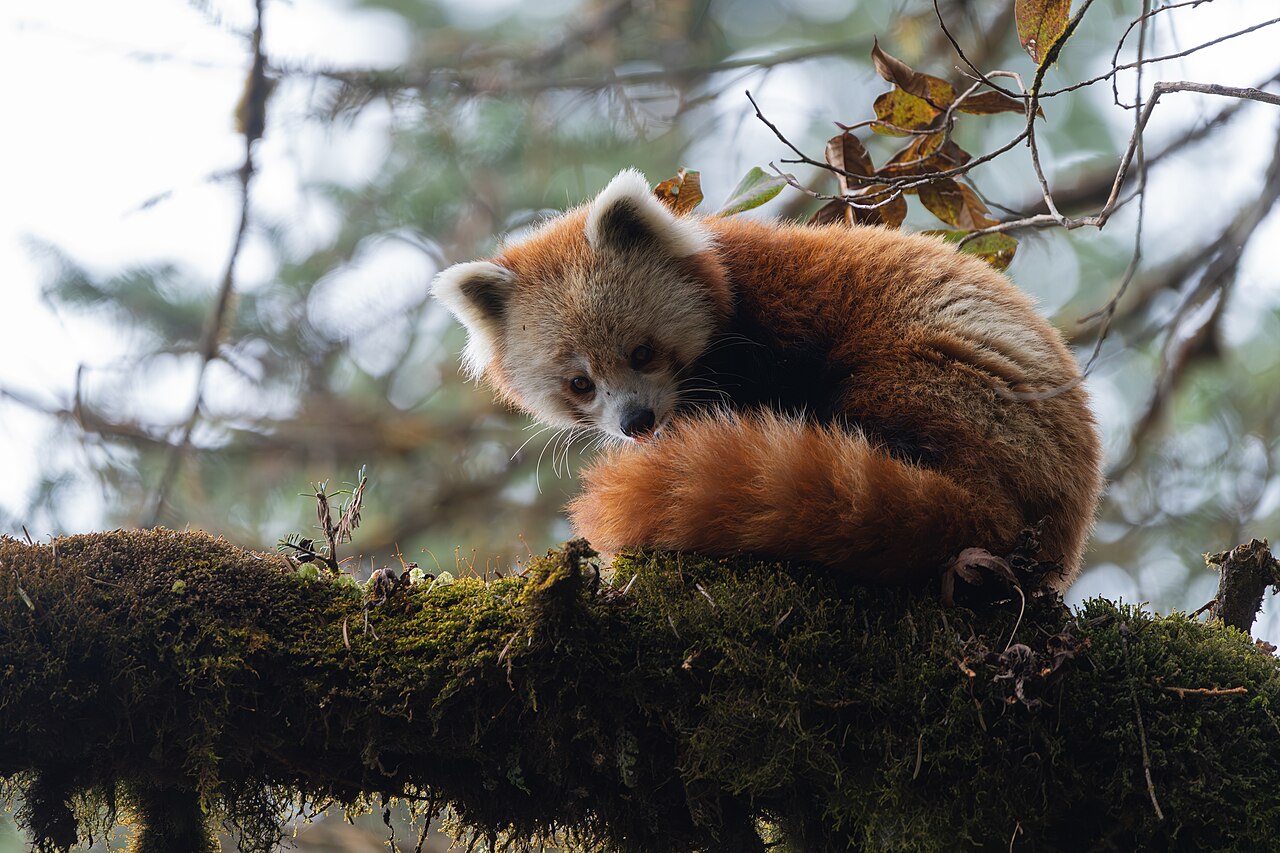
The red panda is undoubtedly the star attraction of Nokrek National Park. This adorable, arboreal mammal is endangered, with Nokrek representing one of its few remaining strongholds in Northeast India. Red pandas are shy, solitary animals primarily inhabiting temperate forests with dense bamboo undergrowth—their primary food source.
Spotting a red panda in the wild is considered a rare privilege even among seasoned wildlife enthusiasts. They are most active during dawn and dusk, spending most of the day resting in tree hollows or on branches. Winter offers better viewing opportunities as they descend to lower elevations following bamboo growth patterns. Local guides familiar with red panda territories significantly increase sighting chances, though patience and early morning excursions remain essential.
Primates: Hoolock Gibbons and Beyond
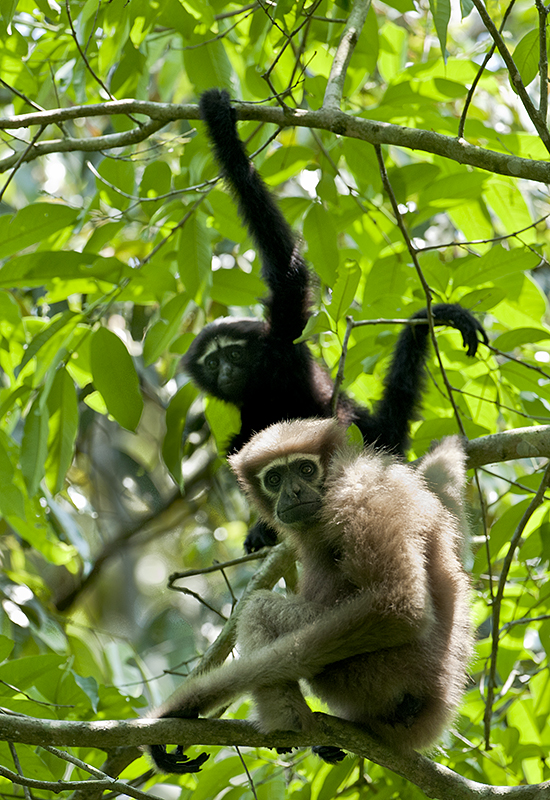
Meghalaya's national parks harbor exceptional primate diversity, with the Hoolock gibbon being the most significant species. These great apes—India's only ape species—are found in Nokrek's forests and are known for their distinctive, melodious morning calls that echo through the canopy. Hoolock gibbons are highly endangered, making Meghalaya one of their few remaining strongholds.
Beyond Hoolock gibbons, the parks support several other primate species including the golden langur (an endangered species found primarily in Northeast India and Bhutan), capped langur, pig-tailed macaque, and slow loris. These primates are generally more visible than larger mammals and provide entertaining viewing opportunities with their social behaviors and vocalizations.
Felids: Leopards and Clouded Leopards
Meghalaya's forests support several wild cat species, though most are elusive and rarely seen. The common leopard is the most frequently encountered large cat, particularly in Nokrek and Balpakram. These adaptable predators inhabit various forest types and occasionally venture near park edges, increasing sighting possibilities.
The clouded leopard, named for its distinctive coat pattern, is one of the world's most mysterious wild cats. They inhabit dense forests and are primarily arboreal, making them incredibly challenging to spot. Balpakram National Park is considered one of their strongholds, though sightings remain exceptionally rare. The park also supports marbled cats and fishing cats, though encounters are uncommon.
Large Mammals and Herbivores
Balpakram National Park supports remarkable large mammal diversity including Asian elephants, which migrate between India and Bangladesh through the park's corridors. These magnificent creatures are most visible during dry season when they gather around water sources. Wild buffalo, another endangered species, also inhabit Balpakram's grasslands and forest fringes.
The park is rumored to harbor small populations of Bengal tigers, though confirmed sightings are rare and the species is considered critically endangered in this region. Other notable herbivores include sambar deer, barking deer, and wild boar, which form the prey base for predators and are more commonly sighted than the big cats themselves.
Birdlife of Meghalaya
Over 300 bird species have been recorded in Meghalaya's protected areas, making the state a premier destination for birdwatchers. The parks are particularly noted for their hornbill diversity, with great hornbills, wreathed hornbills, and brown hornbills commonly seen and heard with their distinctive wing beats and calls.
Other notable species include various pheasants, barbets, drongos, flycatchers, and the spectacularly colored fairy-bluebirds. Winter brings migratory species, while spring and summer see resident birds engaged in breeding displays. Nokrek, with its multiple altitude zones, offers particularly diverse birding opportunities as species vary across elevation gradients.
Reptiles and Amphibians
Meghalaya's national parks support rich herpetofauna, including several endemic species. The limestone formations in Balpakram and Siju create ideal habitats for snakes and lizards, while the extensive cave systems in Siju support unique cave-dwelling species adapted to perpetual darkness.
The parks are home to various snake species including king cobras, pit vipers, and rat snakes, though encounters are relatively rare. Amphibian diversity is particularly high, with several endemic frog and toad species adapted to the region's unique climate. The state's record-breaking rainfall creates ideal conditions for these moisture-dependent species.
Trekking & Activities
Exploring Meghalaya's national parks involves various activities beyond traditional wildlife viewing. Trekking, cave exploration, and cultural experiences combine to create comprehensive wilderness adventures.
Nokrek Peak Trek
The Nokrek Peak trek is the most popular activity within Nokrek National Park, taking visitors through diverse forest zones to the summit at 1,412 meters. The trek typically takes 6-8 hours round trip, depending on fitness levels and wildlife viewing stops. The trail winds through tropical and temperate forests, offering opportunities to spot birds, primates, and occasionally red pandas.
The summit rewards trekkers with panoramic views of the surrounding Garo Hills and Bangladesh plains. On clear days, the sight is spectacular, making the challenging climb worthwhile. The trek is moderately difficult with some steep sections, requiring reasonable fitness and proper trekking gear. Early morning starts are recommended for better wildlife viewing and avoiding afternoon cloud cover at the summit.
Balpakram Canyon Exploration
Exploring Balpakram's canyons offers dramatic scenery and unique geological formations. Several established trails lead to viewpoint areas overlooking the canyon, including the famous Dikkini Chini viewpoint. These trails vary in difficulty but generally require 2-4 hours of hiking, depending on distances covered.
More adventurous visitors can undertake multi-day treks through the park's interior, though this requires permits, local guides, and comprehensive preparation due to the park's remote location and challenging terrain. These extended treks offer chances to spot wildlife away from tourist areas and experience Balpakram's mystical landscapes more intimately.
Siju Cave Exploration
Siju Wildlife Sanctuary's cave system is one of India's most extensive, stretching over several kilometers. The main cave is accessible to visitors without special equipment, though exploring deeper sections requires proper caving gear and permissions from forest authorities. The caves feature impressive stalactites and stalagmites, underground rivers, and unique cave-adapted species.
Cave exploration is particularly appealing during monsoon when above-ground activities are limited. However, caves can be dangerous without proper guidance—always engage experienced guides and follow safety protocols. The caves also support bat colonies, so be prepared for noise and smell in inhabited sections.
Nongkhnum Island Activities
Nongkhnum Island Sanctuary offers more relaxed activities compared to other parks. Birdwatching is the primary attraction, with morning and late afternoon excursions yielding the best results. The island's sandy beaches provide perfect picnic spots, and walking trails offer gentle exploration opportunities.
Boat trips around the island provide different perspectives of its landscapes and chances to spot otters and river dolphins. The surrounding waters offer fishing opportunities (with proper permits), and traditional Khasi villages on the island provide cultural experiences including homestays and local cuisine.
| Activity | Duration | Difficulty | Best Season |
|---|---|---|---|
| Nokrek Peak Trek | 6-8 hours | Moderate | Oct-April |
| Balpakram Canyon Walk | 3-4 hours | Moderate | Nov-March |
| Siju Cave Exploration | 2-3 hours | Easy-Moderate | Year-round |
| Nongkhnum Birdwatching | 2-4 hours | Easy | Nov-Feb |
Tickets & Permissions
Visiting Meghalaya's national parks and sanctuaries requires proper permits and adherence to regulations designed to protect fragile ecosystems and indigenous cultures.
Nokrek National Park Permits
Nokrek National Park requires entry permits obtained from the Meghalaya Forest Department or the Nokrek Range Office. Entry fees are nominal, typically INR 50-100 for Indian citizens and higher for foreign nationals. Trekking to Nokrek Peak requires additional registration and mandatory guide hire from the Daranggre village checkpoint.
Camping within the park requires special permissions from the Divisional Forest Officer, Tura. Commercial filming and drone usage require additional permits from state authorities. Always carry multiple copies of permits and ID proof for forest department checks at various checkpoints.
Balpakram National Park Access
Balpakram National Park requires permits from the Balpakram National Park Authority in Baghmara or from the Divisional Forest Officer in Tura. Entry fees are similar to Nokrek, with additional charges for vehicles, cameras, and trekking. Some areas of the park are restricted due to cultural sensitivity—always respect local customs and guide advice regarding no-go zones.
Due to the park's remote location and proximity to international borders, additional security clearances may be required. Allow at least 2-3 days for permit processing before your planned visit. Guides are mandatory for most treks and for accessing areas beyond the main viewpoint.
Siju Wildlife Sanctuary Entry
Siju Wildlife Sanctuary entry permits are available at the sanctuary entrance or from the Baghmara Forest Office. Entry fees are nominal. Cave exploration beyond the main sections requires special permissions and is sometimes restricted during monsoon due to safety concerns.
The sanctuary maintains specific visiting hours, typically 8:00 AM to 4:00 PM. Night access is generally prohibited except for approved research activities. Photography permits may be required for professional equipment.
Nongkhnum Island Sanctuary Access
Nongkhnum Island Sanctuary generally doesn't require formal entry fees, but accessing the island involves paying boat charges which vary by season and operator. Camping on the island may require permission from local village councils and the forest department.
The sanctuary has specific regulations regarding fishing, requiring permits and adherence to catch limits. Always check current regulations with local authorities or boat operators before engaging in fishing activities.
Documentation Requirements
Indian visitors need valid ID proof (Aadhar card, voter ID, or passport) for permit applications. Foreign nationals need passport details and may require additional permissions from the Ministry of Home Affairs for access to restricted areas near international borders.
Always carry multiple copies of permits, ID documents, and authorization letters. Forest department checkpoints are common, and failure to produce proper documentation can result in denied access or fines. Keep digital copies of all documents as backup.
Travel Tips
Successful wildlife experiences in Meghalaya's national parks require proper preparation and respect for local conditions. Here are essential tips for safe and rewarding visits.
Essential Packing List
- Quick-dry clothing for humid conditions
- Layered garments for high-altitude temperature variations
- Waterproof jacket and rain pants (essential during monsoon)
- Sturdy trekking shoes with good grip
- Leech socks and leech protection during monsoon
- Insect repellent and sunscreen
- Binoculars (minimum 8x42 recommended)
- Camera with weather protection
- Headlamp or flashlight for cave exploration
- Basic first-aid kit with antifungal cream
- Reusable water bottle and purification tablets
- Energy snacks for long treks
- Local currency (ATMs are limited in remote areas)
Weather Preparedness
Meghalaya's weather is notoriously unpredictable and can change rapidly. Always check weather forecasts before departure and be prepared for sudden changes, especially during transition seasons between monsoon and dry periods. Rain can occur year-round, even during the dry season, so waterproof gear is always advisable.
Temperatures vary significantly between lowlands and high-altitude areas like Nokrek. Expect cold conditions at higher elevations, particularly during early morning wildlife watches. Humidity remains high throughout the year, so quick-dry, breathable clothing is preferable to cotton.
Responsible Wildlife Viewing
Practice ethical wildlife tourism principles:
- Maintain safe distances from all wildlife
- Never feed or attempt to touch animals
- Use telephoto lenses for photography
- Avoid flash photography, especially on primates and birds
- Stay on designated trails to protect habitat
- Never play animal calls or use bait to attract wildlife
- Keep voices low and movement slow
- Carry out all waste and dispose of properly
- Report wildlife disturbances to authorities
Local Guide Importance
Local guides are not just recommended—they're often mandatory and absolutely essential for meaningful wildlife experiences. Guides have intimate knowledge of animal movement patterns, recent sightings, safe routes, and cultural sensitivities that outsiders simply cannot match.
Authorized guides are registered with forest departments and carry proper identification. Always verify credentials before engaging services. Guide fees represent a crucial income source for local communities and support conservation efforts. Tip generously for excellent service and memorable wildlife encounters.
Cultural Respect
Meghalaya's national parks are located in areas inhabited by indigenous communities with strong cultural traditions. Respect local customs, dress modestly, and seek permission before photographing people or sacred sites. Many areas in Balpakram and Nokrek have cultural or spiritual significance—always follow guide advice about restricted areas.
Support local communities by purchasing handicrafts, staying in homestays, and hiring services locally. This ensures tourism benefits conservation and traditional livelihoods. Learning basic Garo or Khasi greetings creates positive connections with local people.
Health and Safety
Remote locations and challenging terrain require attention to health and safety:
- Carry comprehensive first-aid supplies
- Ensure vaccinations are up to date
- Bring insect repellent to prevent vector-borne diseases
- Stay hydrated and protect against heat exhaustion
- Inform accommodation providers of your itinerary
- Carry emergency contact numbers for local authorities
- Have adequate travel insurance covering remote area emergencies
Combining with Other Meghalaya Experiences
Integrate wildlife viewing with other Meghalaya attractions for comprehensive experiences:
- Living root bridges around Cherrapunji and Mawlynnong
- Waterfalls near Shillong
- Dawki for crystal-clear river experiences
- Cherry blossom season in November for spectacular landscapes
- Local cuisine exploration in traditional villages
Conclusion
National parks in Meghalaya offer extraordinary opportunities to experience Northeast India's remarkable biodiversity and unique ecosystems. From the endangered red pandas of Nokrek to the mystical canyons of Balpakram, these protected areas harbor wildlife and landscapes found nowhere else on Earth. While accessing these parks requires planning, permits, and respect for local cultures, the rewards include intimate encounters with pristine wilderness and genuine connection with indigenous traditions.
Whether you're a wildlife enthusiast seeking rare species, an adventure traveler exploring off-beaten paths, or a nature photographer searching for unique subjects, Meghalaya's national parks deliver unforgettable experiences. With responsible planning, respect for wildlife and cultures, and appreciation for conservation efforts, your visit becomes not just a wildlife safari but a meaningful journey through one of India's most ecologically and culturally fascinating regions.
Location
Frequently Asked Questions
Q1.How many national parks are in Meghalaya?
Q2.Which is the best national park in Meghalaya?
Q3.What is the best time to visit Meghalaya national parks?
Q4.What animals can I see in Meghalaya national parks?
Q5.Can we spot red pandas in Nokrek?
Q6.Is trekking allowed in Balpakram?
Q7.What is the entry fee for Nokrek National Park?
Q8.Do I need permits to visit Balpakram?
Q9.How to reach Nokrek from Shillong?
Q10.Are guides available for wildlife tours?
Recommended For You
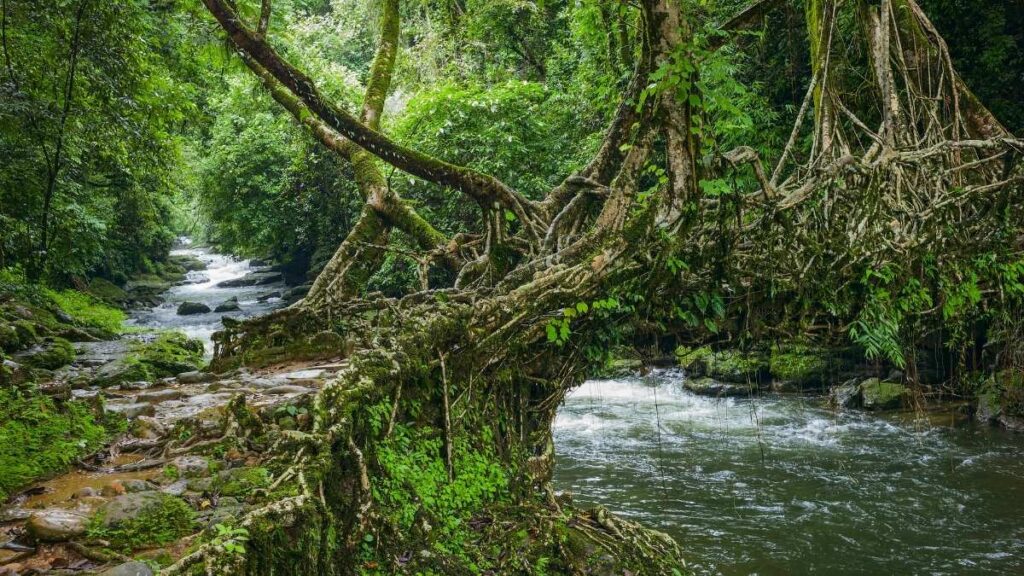
Living Root Bridges Meghalaya: Trek Routes, Villages & Local Tips
Discover Meghalaya's incredible living root bridges - nature's bioengineering marvel grown by the Khasi tribes. Complete trekking guide to the Double Decker Root Bridge in Nongriat, best time to visit, how to reach, difficulty level, and photography tips.
How to Reach Meghalaya: Flight, Train, Road & Entry Points
Complete guide on how to reach Meghalaya by flight, train & road. Routes from Guwahati, Kolkata, Delhi with timings, distances & travel tips.
Meghalaya: Complete Travel Plan Places And Weather
Complete Meghalaya travel guide featuring living root bridges, Cherrapunji, Shillong, Dawki, caves, waterfalls & practical tips.
Never Miss an Adventure
Get the latest trekking guides, travel tips, and exclusive offers delivered straight to your inbox.
