
Kudengrim Meghalaya: Khasi Village Culture, Trails & Stay Options

Ananya Sharma
February 20, 2026
Explore Kudengrim, an offbeat Khasi village in Meghalaya. Discover traditional life, homestays, trekking routes & cultural experiences.
Introduction: Unexplored Khasi Village
Kudengrim is a hidden gem in West Khasi Hills of Meghalaya, representing the authentic rural Khasi village experience that many travelers seek but few find. This small village, removed from the main tourist circuits of Cherrapunji and Shillong, offers an intimate glimpse into traditional Khasi life, culture, and the timeless rhythms of village existence in Meghalaya's highlands.
What makes Kudengrim special is its preservation of traditional Khasi ways of life. While Meghalaya develops rapidly and tourism expands to new areas, Kudengrim maintains its character—wooden houses with thatched roofs, terraced fields, daily life centered around agriculture and community, and the warm hospitality that characterizes Khasi culture. For visitors tired of commercialized attractions, Kudengrim offers the real, unfiltered Meghalaya.
This guide provides comprehensive information for experiencing Kudengrim—understanding its cultural significance, planning your visit, arranging homestays, discovering village activities, and exploring nearby attractions that complete the West Khasi Hills experience.
About Kudengrim Village
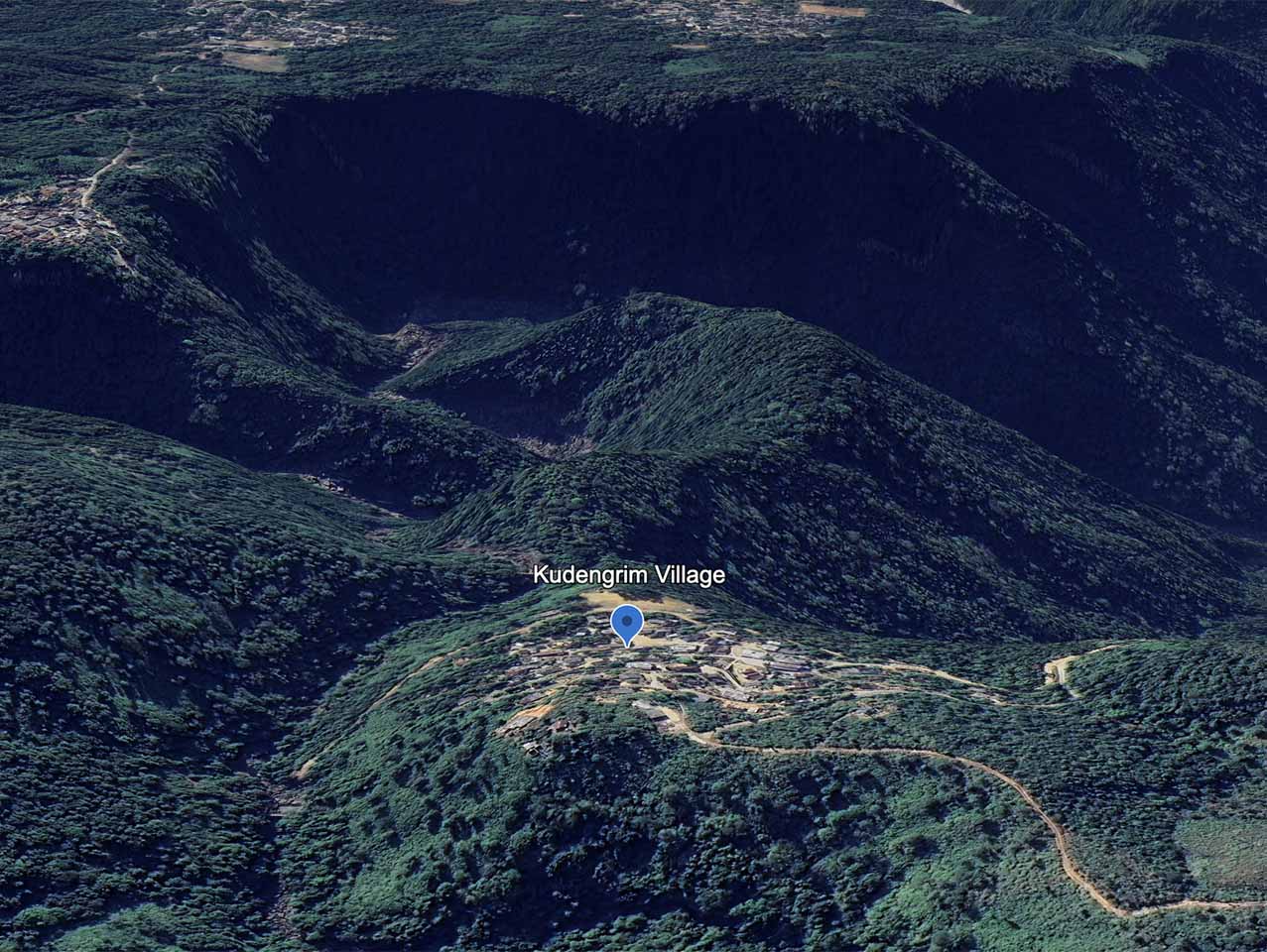
Kudengrim is located in the West Khasi Hills district of Meghalaya, positioned in the hilly terrain that defines much of the state. The village sits at an elevation that provides cooler temperatures than the plains while maintaining the lush green vegetation that characterizes the Khasi Hills. Surrounding hills and valleys create natural amphitheaters that frame the village in dramatic landscape.
Khasi Cultural Identity: The village is inhabited by the Khasi people, one of Meghalaya's major indigenous communities. Khasi culture is matrilineal, with descent and property traditionally traced through women. This cultural foundation influences village structure, social organization, and traditional practices that visitors can observe and learn about during their stay.
Traditional Architecture: Kudengrim's houses reflect traditional Khasi construction methods. Wooden structures with elevated foundations, thatched roofs, and bamboo elements characterize the village architecture. These designs are not merely aesthetic—they respond to Meghalaya's heavy rainfall, provide natural ventilation, and represent generations of accumulated knowledge about sustainable building in tropical highlands.
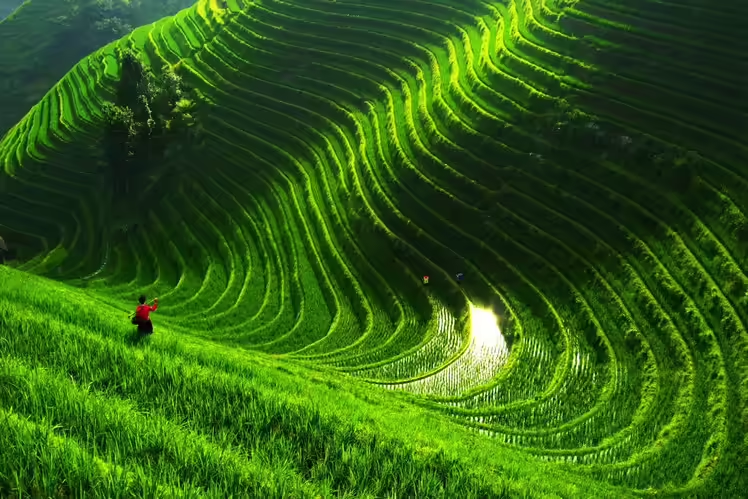
Agricultural Lifestyle: Village life in Kudengrim centers around agriculture, with terraced fields carved into hillsides for rice and vegetable cultivation. The agricultural cycle determines daily rhythms—planting seasons, harvest times, and the periods of preparation and celebration that follow successful crops. This agricultural foundation provides visitors with insights into the traditional subsistence that sustains rural Meghalaya.
Community Structure: The village operates through strong community bonds. Decisions affecting the entire village are made collectively, traditional dispute resolution methods exist, and social cohesion is maintained through regular gatherings and festivals. This community structure creates the welcoming atmosphere that characterizes Khasi villages and makes visitors feel like part of an extended family during their stay.
| Aspect | Details |
|---|---|
| Location | West Khasi Hills, Meghalaya |
| Elevation | Approximately 1,200-1,500 meters above sea level |
| Primary Community | Khasi indigenous people |
| Main Activity | Agriculture (rice, vegetables) |
| Architecture | Traditional wooden houses with thatched roofs |
| Climate | Temperate highland, heavy monsoon rainfall |
Best Time to Visit
Choosing the right time to visit Kudengrim significantly impacts your experience of village life and accessibility to the region. Meghalaya's weather patterns create distinct seasons, each offering different advantages for village visits.
Winter (November-February): The winter months provide the most comfortable weather for visiting Kudengrim. Temperatures are pleasant during daytime, though nights can be quite cold in the highlands. The dry season ensures that roads to the village are accessible and that outdoor activities can be enjoyed without interruption. Winter also offers clear skies that provide excellent views of surrounding hills and valleys.
Spring (March-May): Spring brings new life to the village. Fields turn green as planting begins, flowers bloom across the hills, and the village awakens from winter's relative quiet. The weather remains comfortable, and visitors can observe the agricultural cycle as villagers prepare fields for the main rice planting season. Spring is also beautiful for photography, with the combination of green landscapes and flowering vegetation.
Monsoon (June-September): Meghalaya receives some of the world's heaviest rainfall during these months, and Kudengrim is no exception. The village becomes incredibly lush, with everything turning vibrant green. However, heavy rain makes access challenging—roads may become difficult, and outdoor activities are frequently interrupted. For adventurous travelers willing to navigate rain, monsoon offers dramatic scenery and the chance to experience Meghalaya at its wettest and most vibrant.
Post-Monsoon (October): October often provides a balance—weather is improving after monsoon rains, the landscape remains lush and green, but roads have dried sufficiently for reliable access. This transitional month can be an excellent time for visiting, as villages are preparing for harvest and the agricultural cycle creates additional cultural interest.
How to Reach from Shillong
Reaching Kudengrim requires traveling into West Khasi Hills, which while accessible, involves navigating rural roads and understanding the region's transportation dynamics. Shillong, Meghalaya's capital, serves as the primary gateway.
Distance and Route: Kudengrim is approximately 60-80 kilometers from Shillong, depending on the specific route taken and road conditions. The journey typically takes 2-3 hours by private vehicle. The route passes through increasingly rural landscapes as you leave Shillong's urban area, transitioning through small towns and finally reaching the village road network.
By Private Vehicle: The most reliable way to reach Kudengrim is by hiring a private taxi or car from Shillong. This option provides flexibility with departure timing and the ability to carry luggage comfortably. Rates should be negotiated in advance, and ensure the driver knows the specific village location as village names can sometimes be confused with nearby places.
Public Transportation: Shared taxis or local buses operate from Shillong to major towns in West Khasi Hills, but direct service to Kudengrim may be limited. Public transport is more economical but less convenient with timing and luggage capacity. If using public transport, you may need to transfer vehicles at a connecting town.
Self-Drive: For experienced drivers comfortable with Indian road conditions, renting a car in Shillong and driving to Kudengrim provides maximum flexibility. However, be aware that roads in the Khasi Hills can be narrow, winding, and occasionally challenging, especially during or after rain. GPS navigation helps, but local directions from villagers are often more reliable.
Road Conditions: Roads to Kudengrim are generally paved but include hilly sections. During dry season, conditions are good. During monsoon, watch for landslides, water crossings, and deteriorated road surfaces. The final approach to the village may be on narrower village roads that require careful driving.
Village Experience & Activities
Visiting Kudengrim is about experiencing village life rather than ticking off attraction checkboxes. The activities that define a meaningful visit are those that connect you with daily village rhythms and cultural traditions.
Village Walks: Simply walking through Kudengrim reveals layers of village life. Morning walks as villagers start their day provide authentic observations. You might see women fetching water, men heading to fields, children going to school, and elders gathered for morning conversations. These unstructured interactions provide genuine connection to village life.
Agricultural Observation: Depending on the season, visitors may observe various agricultural activities. Planting seasons show villagers working cooperatively in fields. Harvest times bring communal celebration and the opportunity to see traditional methods. Rice terraces surrounding the village provide both scenic beauty and cultural interest regarding traditional highland agriculture.
Cultural Interaction: The warm hospitality of Khasi culture makes genuine interaction natural. Sitting with elders, learning about village history, observing traditional practices, and perhaps even participating in simple daily tasks creates memories more meaningful than visiting tourist attractions. Respectful curiosity and willingness to learn are appreciated.
Nature Exploration: The surrounding hills and forests offer opportunities for light trekking and nature walks. Village elders or local youth can guide you to scenic viewpoints, sacred groves, or traditional forest areas that hold cultural significance. These explorations provide understanding of how villages interact with their natural environment.
Evening Atmosphere: Evenings in Kudengrim have a distinct peaceful quality. As the sun sets behind surrounding hills, villagers gather in homes, the sound of livestock fades, and the village settles into quiet. Without the artificial lighting of urban areas, star-filled skies provide brilliant night viewing. Evening conversations with host families offer cultural insights that daytime activities might not reveal.
Staying in Kudengrim through homestays provides the most authentic village experience. Unlike hotels where you're a customer, homestays integrate you into village life as a temporary family member.
Homestay Experience: Kudengrim homestays typically involve staying with local families in their traditional houses. Accommodation is basic but clean and comfortable—simple beds, shared bathrooms, and often shared living spaces where families gather. This arrangement provides cultural immersion that commercial accommodation cannot match.
Meals: Homestay meals are typically included and feature traditional Khasi cuisine prepared by the family. Meals are communal experiences in themselves—eating what the family eats, often sitting together, and learning about local food culture. Khasi cuisine includes rice, various vegetable dishes, fermented preparations, and occasional meat dishes for non-vegetarian families.
What to Expect: Homestays in villages like Kudengrim operate differently from hotels. There may be limited electricity hours, shared facilities, and basic amenities. However, the authenticity of experience, warmth of welcome, and cultural insight far outweigh any simplicity of facilities. Bring basic necessities and maintain flexibility and appreciation for the rural hospitality being offered.
Nearby Attractions
Kudengrim serves as an excellent base for exploring broader West Khasi Hills attractions. The region contains natural formations, caves, waterfalls, and other villages that complement the Kudengrim experience.
Mawsmai Caves: Located within reasonable distance, these limestone caves are among Meghalaya's most impressive natural formations. The caves contain impressive stalactites and stalagmites created over millennia. Local guides can navigate the cave system, explaining geological formations and local legends associated with the caves.
Mawsynram Waterfalls: This area contains multiple waterfalls that provide scenic beauty and cool respite. The falls cascade through dense forest, creating natural pools and misty atmosphere. The journey to the waterfalls itself passes through beautiful Khasi Hills countryside.
Nongkhnum River Island: While somewhat further, this river island formation is unique and worth the journey if time permits. The river creates an island around a single rock in what appears to be a mysterious natural phenomenon. Local legends and the geological curiosity make it a fascinating addition to West Khasi Hills exploration.
Nongstoin Village: Another traditional Khasi village in the region, Nongstoin offers comparative perspective on village life. Visiting multiple villages reveals variations in practices while confirming the consistent elements of Khasi culture that define the region.
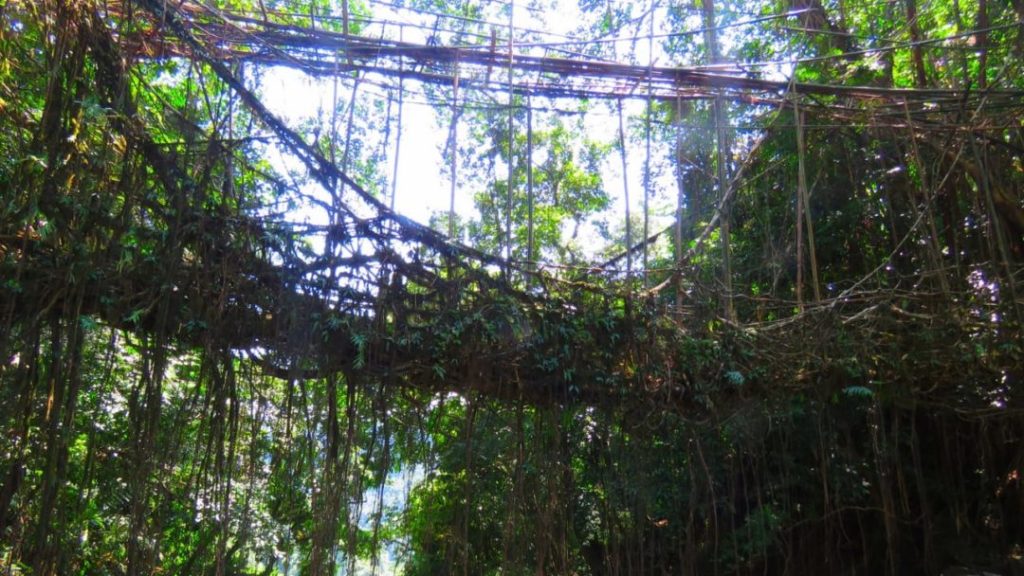
Living Root Bridges: West Khasi Hills contains some of Meghalaya's famous living root bridges, particularly around Cherrapunji area. While the most famous bridges are further south, the region contains examples of these remarkable structures where aerial roots of rubber fig trees are guided across rivers to form natural bridges.
Conclusion
Kudengrim represents what many travelers seek but rarely find—the authentic village experience that goes beyond tourism's surface. This small village in West Khasi Hills offers genuine connection to Khasi culture, traditional lifestyle, and the peaceful rhythm of rural Meghalaya.
The village's appeal lies in its authenticity. There are no tourist attractions, no commercial developments, and no staged cultural performances. Instead, Kudengrim offers real life—agricultural cycles, community gatherings, traditional architecture, and the warm welcome that characterizes indigenous hospitality. For travelers willing to step outside commercialized experiences, Kudengrim provides memories of genuine cultural connection.
Visiting Kudengrim requires preparation for rural conditions and realistic expectations about amenities. The journey involves navigating to remote areas. Accommodation is basic homestay style rather than hotel comfort. Activities are unstructured observations rather than organized tours. However, for those seeking authentic experiences rather than comfortable convenience, Kudengrim delivers exactly that—and the insights and connections gained are priceless.
As Meghalaya develops and tourism expands to new areas, villages like Kudengrim that maintain traditional character become increasingly rare. Visiting now supports communities that choose to preserve their ways of life and offers experiences that tourism to mainstream destinations cannot provide. For those interested in offbeat travel and authentic cultural experiences, Kudengrim is a destination that delivers.
Location
Frequently Asked Questions
Q1.Where is Kudengrim village located?
Q2.How far is Kudengrim from Shillong?
Q3.What is the best time to visit this village?
Q4.What can we do in Kudengrim village?
Q5.Is it safe for solo travelers?
Q6.Do they have homestay facilities?
Q7.How do we reach Kudengrim?
Q8.What should we carry for a visit?
Q9.Are there food options available?
Q10.Do people speak English?
Recommended For You
Balancing Rock Meghalaya: Geological Wonder, Location & Visit Tips
Discover Balancing Rock Meghalaya, a geological marvel defying gravity. Explore trek access, best time to visit, photography tips, and cultural significance of this natural wonder in East Khasi Hills.
Thadlaskein Lake Meghalaya: Jowai's Sacred Lake
Explore Thadlaskein Lake in Jowai, Meghalaya with its sacred legend, boating, best season, nearby attractions, and complete travel tips from Shillong.
Ka Khoh Ramhah Cherrapunji: Legend, Viewpoint & How to Reach
Visit Ka Khoh Ramhah in Cherrapunji. Know height, trekking, mythology, how to reach & best time. Complete Meghalaya travel guide with tips.
Never Miss an Adventure
Get the latest trekking guides, travel tips, and exclusive offers delivered straight to your inbox.
