
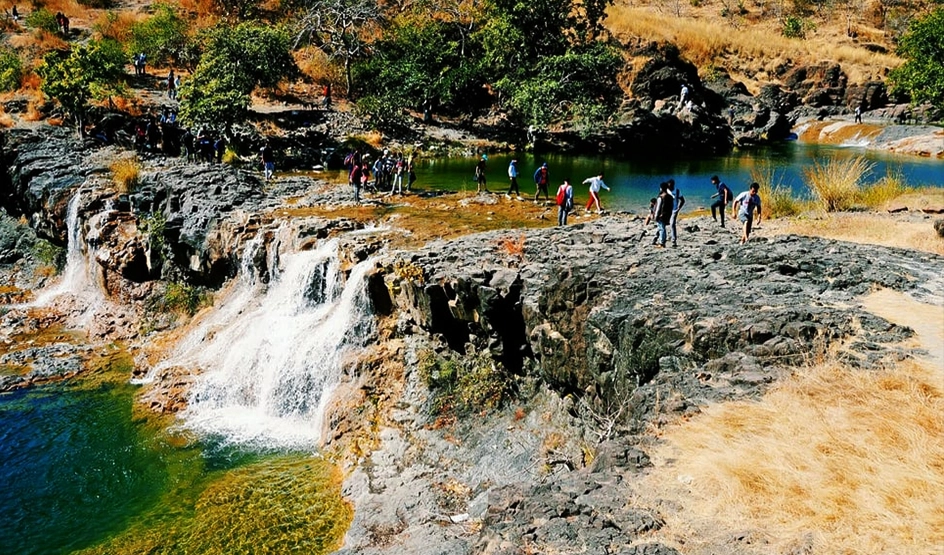
Bamniya Kund Indore: Heritage Stepwell, Route & Best Visit Time

Rohan Malhotra
February 19, 2026
Explore Bamniya Kund Indore, a historic Holkar-era stepwell. Discover architecture, restoration, visiting hours, and heritage circuit details.
Bamniya Kund Indore Complete Visitor Guide
Bamniya Kund in Indore is an underexplored heritage stepwell zone that combines architecture, local memory, and water-history significance. While most travelers prioritize city icons first, this site rewards those who prefer slower and context-rich exploration. If you are building an Indore heritage day, start with places to visit in Indore and then add Bamniya Kund as a focused cultural stop.
The structure is especially relevant for travelers interested in pre-modern water design. Stepwells in central India were not only utility structures; they were social and ritual spaces. Bamniya Kund reflects that layered role and adds depth to the city's heritage narrative.

Historical Significance
Local historical references place Bamniya Kund in a broader period of regional architectural activity tied to community water needs and temple-linked social life. Over time, as city infrastructure changed, many such sites lost daily utility but retained cultural memory. Bamniya Kund survives as a reminder of decentralized water planning in an era before modern pipelines.
For heritage travelers, this history matters because it reframes the monument from a scenic ruin to a civic system. Observing stairs, reservoir depth, and orientation gives clues about how climate, topography, and ritual use were integrated in design decisions.
Architecture and Layout
The most noticeable feature is the descending step geometry. The spatial rhythm of stairs and retaining walls creates both function and visual character. Depending on season and water level, the structure's form appears different, which is why repeat visitors often find new frames and details.
Stone surfaces may show wear, repairs, and partial restoration marks. Read these as part of the site's timeline. They indicate periods of use, neglect, and conservation rather than a single frozen historical moment.

Religious and Community Context
Like many kunds, Bamniya Kund likely had a ritual relationship with nearby devotional activity and seasonal observances. Even when direct ritual use declines, symbolic value often remains in local perception. This gives the site a living cultural relevance beyond pure archaeology.
Visitors should treat the space respectfully. Avoid loud behavior, do not enter restricted sections, and follow local guidance. Responsible behavior helps both preservation and community acceptance of heritage tourism.
Best Time to Visit Bamniya Kund
October to February is usually the most comfortable period for urban heritage walks in Indore. Morning light works best for photographs and for reading depth in the stepped layout. Summer visits are possible but less comfortable in late afternoon due heat exposure.
Monsoon can improve visual atmosphere with greener surroundings, but surfaces may be slippery. Wear shoes with grip and avoid risky edge movement while photographing.

How to Reach and Plan the Stop
Bamniya Kund is usually reached by cab, auto, or private vehicle within city-range travel windows. Since transfers in Indore can vary by peak traffic, keep a time buffer if you are connecting multiple sites the same day.
A good sequence is to combine this stop with Rajwada Palace and Central Museum Indore for a stronger historical storyline. If food is part of your plan, you can end with street food in Indore after sunset.
How Long You Need Here
For most travelers, 45 to 75 minutes are enough for observation, photography, and contextual reading. If you are documenting architecture in detail, keep 90 minutes and include sketch/photo notes. This site is not about speed; it is about reading spatial logic.
Keep hydration with you, especially outside winter. On-site amenities may be limited compared with mainstream tourist complexes.
Photography Tips
Use top-down frames to show geometry and side-angle frames to show depth. Early light helps reveal texture and avoids harsh highlights on stone surfaces. Include one human-scale frame for proportion if conditions permit and respectful composition is possible.
Avoid standing on fragile edges for dramatic shots. Safer framing from stable steps usually gives better results anyway because lines are cleaner and perspective distortion is easier to control.
Nearby Itinerary Additions
If you are extending the route, add Krishnapura Chhatris for funerary-architecture contrast and use places to eat in Indore for practical meal planning between heritage stops. This balance keeps the day engaging without overloading any single category.
For first-time visitors, a half-day heritage cluster plus evening food walk works better than trying to cover all city highlights in one day.
Why Bamniya Kund Is Worth Including
Bamniya Kund gives you a quieter and more thoughtful side of Indore. It complements high-traffic landmarks by adding water architecture and local continuity to your itinerary. If your goal is quality over checklist speed, this site adds real value.
Visit with realistic expectations, move slowly, and treat the place as a historical system rather than a quick photo stop. You will get a better and more memorable experience.
Understanding Stepwells in Urban Heritage
Stepwells like Bamniya Kund are often misunderstood as only religious or only decorative sites. In reality, they were multifunctional civic infrastructure. They stored water, stabilized local access during dry periods, and acted as social gathering spaces linked to neighborhood rhythms.
Reading Bamniya Kund through this lens helps visitors appreciate how historical cities managed resilience. This perspective also explains why restoration debates around such sites involve both heritage authorities and local communities.
Detailed Indore Heritage Pairing Strategy
If you want a coherent heritage day, pair Bamniya Kund with Rajwada Palace, Central Museum, and Krishnapura Chhatris. This combination gives political history, museum context, funerary architecture, and water-heritage perspective in one itinerary.
Keep lunch between the museum and kund segments so your last stop remains calm and reflective. End your route with street food in Indore if you want a lighter cultural finish.
Photography Composition Ideas
Use repeating step lines to create leading paths in your frame. Vertical compositions work well for depth emphasis, while horizontal compositions are better for symmetry and retaining wall context. Try one high viewpoint and one low-angle frame from stable steps.
Golden-hour light can add texture, but over-contrast can hide details in deeper sections. Slight exposure compensation and careful framing usually produce better results than heavy post-editing.
Visitor Conduct and Preservation
Do not scratch stone, leave litter, or attempt risky descent in restricted areas. Heritage damage at stepwells is often gradual and visitor-driven. Respecting barriers and keeping movement controlled are essential for site longevity.
If local caretakers are present, follow their instructions first. Their guidance reflects practical knowledge of current site condition and safety.
Ideal Visit Duration by Traveler Type
History-focused travelers should keep around 75 to 90 minutes for observation and contextual reading. Casual visitors can complete a lighter pass in 45 to 60 minutes, especially when combining this with other Indore highlights on the same day.
Photography-focused visitors should allocate additional time for light changes and composition trials. A short wait between frames often gives cleaner, less crowded visuals.
Extended Heritage Interpretation Notes
Stepwells are crucial evidence of environmental adaptation in pre-modern Indian cities. Their design responds to seasonal water fluctuation, social use, and community-level access rather than centralized distribution systems. Reading Bamniya Kund this way gives it relevance beyond local tourism.
When paired with palatial and museum heritage in Indore, the kund helps complete a civic-history narrative: governance, ritual life, public infrastructure, and daily urban function. This integrated perspective is ideal for travelers who want more than isolated photo stops.
Location
Frequently Asked Questions
Q1.Where is Bamniya Kund located in Indore?
Q2.What is the entry fee for Bamniya Kund?
Q3.What are the visiting hours for Bamniya Kund?
Q4.What is the best time to visit Bamniya Kund?
Q5.Is Bamniya Kund good for photography?
Q6.When was Bamniya Kund built?
Q7.Is Bamniya Kund part of Indore heritage circuit?
Q8.How do I reach Bamniya Kund from Indore city center?
Recommended For You
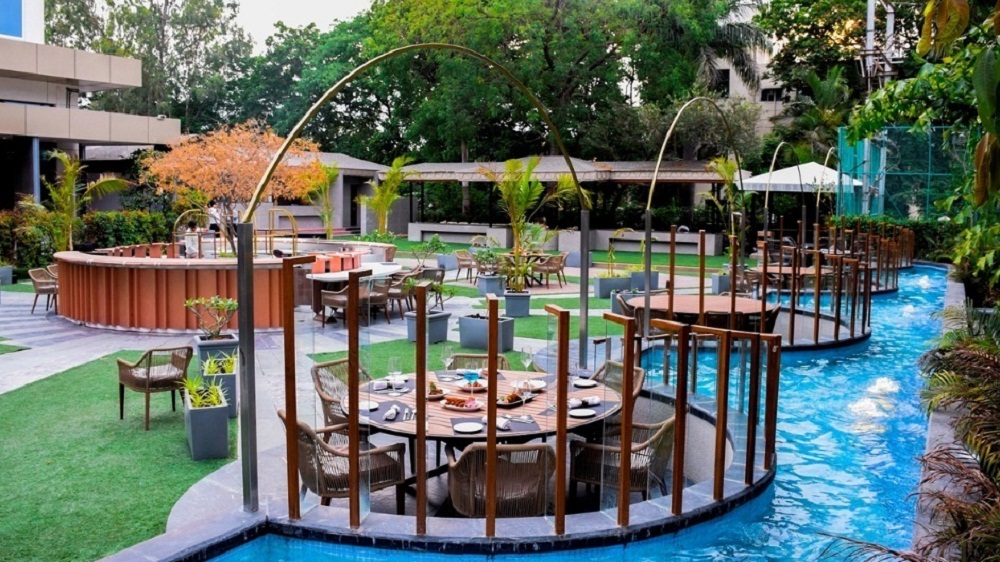
Places to Eat in Indore: Poha, Street Food & Best Restaurants
Explore the best places to eat in Indore with poha-jalebi breakfasts, Sarafa night food, Chhappan Dukan, local restaurants, dessert picks, and practical budget tips.
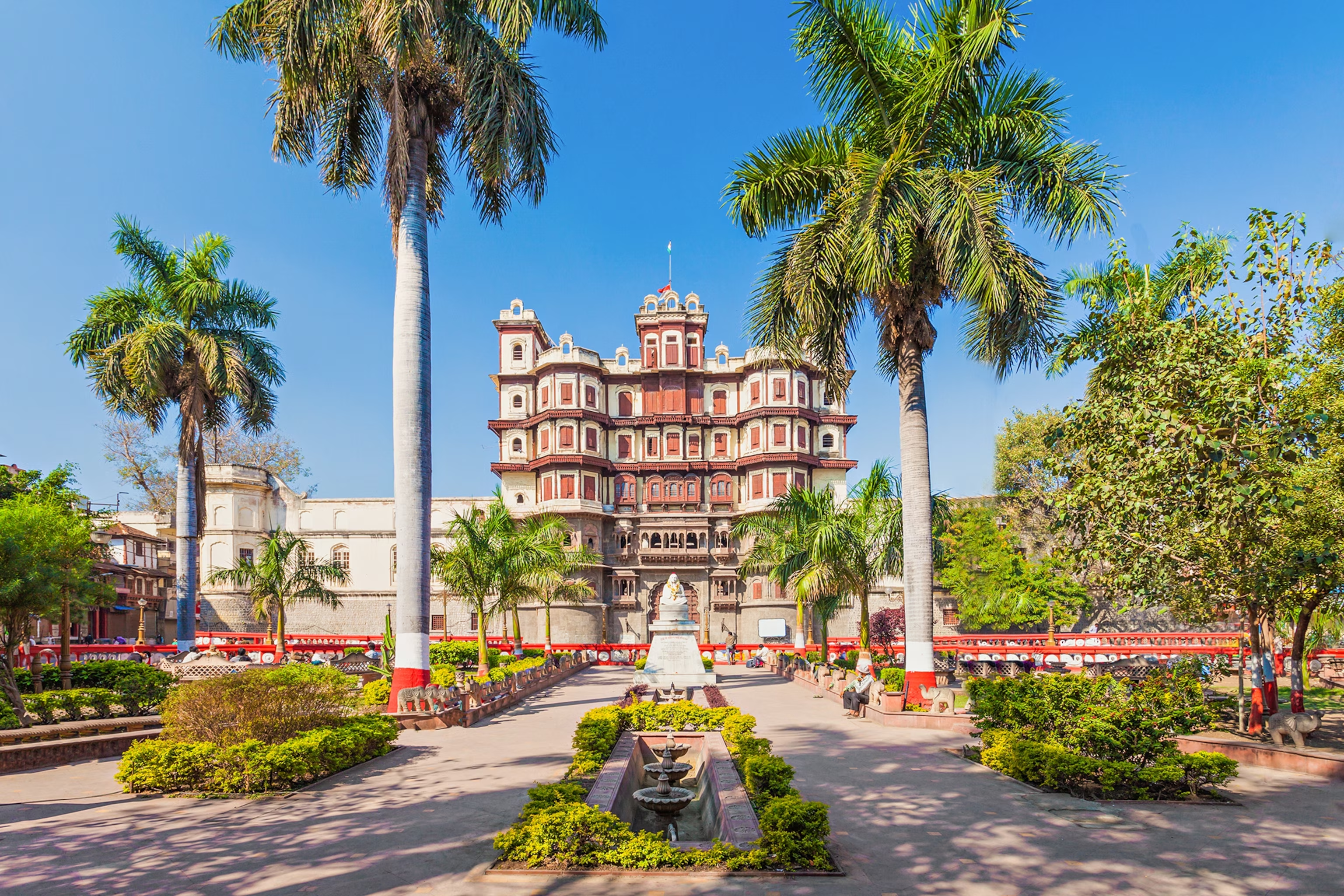
Street Food in Indore: The Food Capital of India's Hidden Gems
Discover Indore's legendary street food scene - from the iconic poha-jalebi breakfast to the magical Sarafa Bazaar night market. Explore Indore's famous food streets, must-try dishes like sev usal, and why it's called India's street food capital.
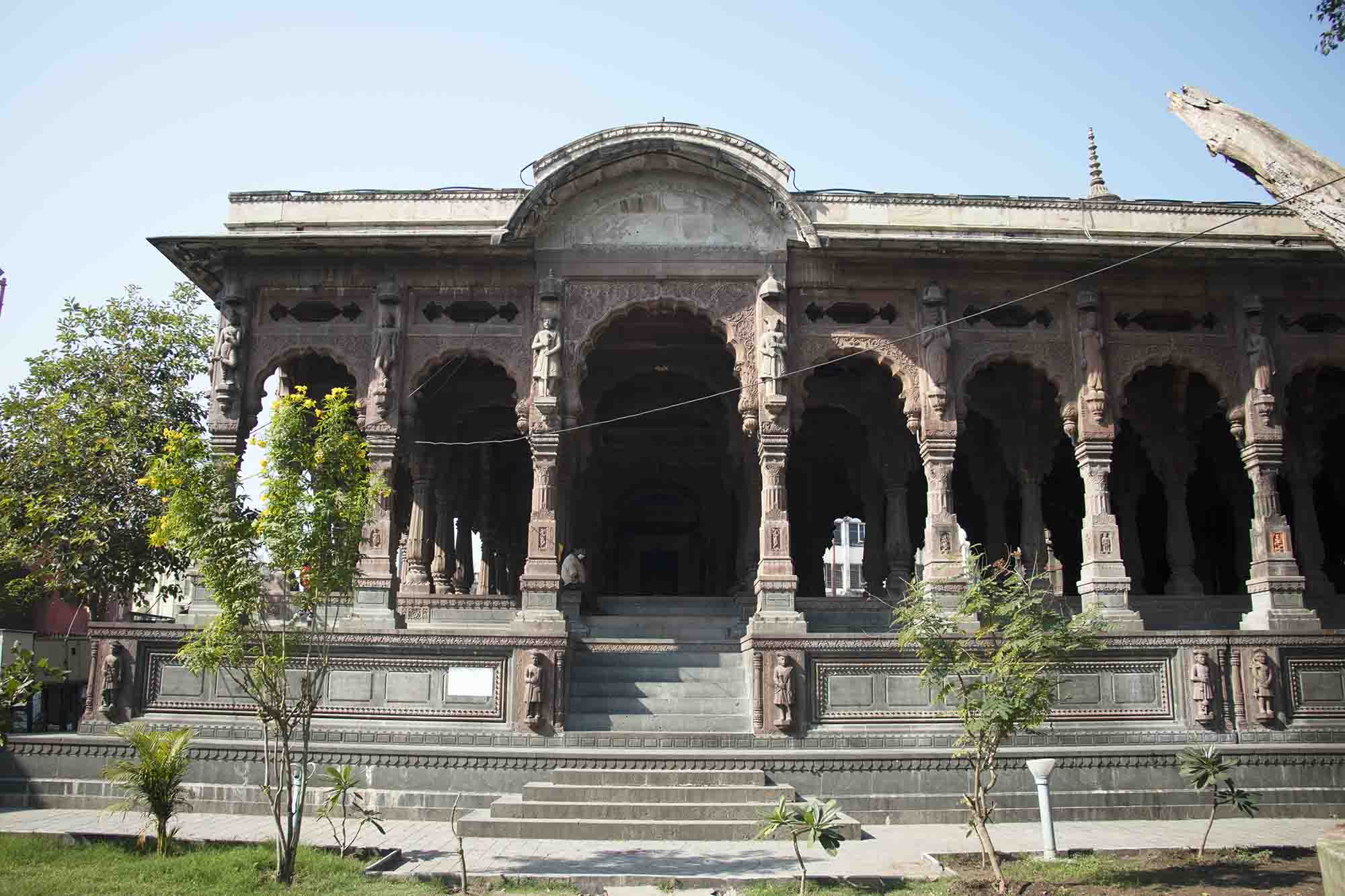
Krishnapura Chhatris Indore: Timings, Architecture & Riverfront Views
Krishnapura Chhatris Indore guide with history, architecture, best visit windows, route tips, and nearby heritage-food pairings for a smooth city itinerary.
Never Miss an Adventure
Get the latest trekking guides, travel tips, and exclusive offers delivered straight to your inbox.
