
Bara Shigri Trek Spiti: Route, Season and Safety Tips
Rohit Verma
February 18, 2026
Plan Bara Shigri Trek Spiti with route readiness, season strategy, and safety-first high-altitude trekking guidance.
Bara Shigri Trek Spiti: Glacier Expedition Planning Guide
Bara Shigri Trek Spiti is not a casual weekend hike. It is a demanding high-altitude expedition zone linked to one of the largest glaciers in Himachal Pradesh, and it rewards only those who prepare properly. If you are used to easy hill walks, this route will feel very different: longer effort windows, colder conditions, unstable terrain, and limited rescue comfort compared with popular commercial treks.
That is exactly why planning quality matters more than motivation. A successful Bara Shigri attempt depends on acclimatization discipline, weather-aware decision making, and a conservative team strategy. Before finalizing this trek, align your regional plan with spiti-valley-trek, best-time-to-visit-spiti-valley, and 8-days-spiti-valley-trip-guide.
About Bara Shigri Glacier
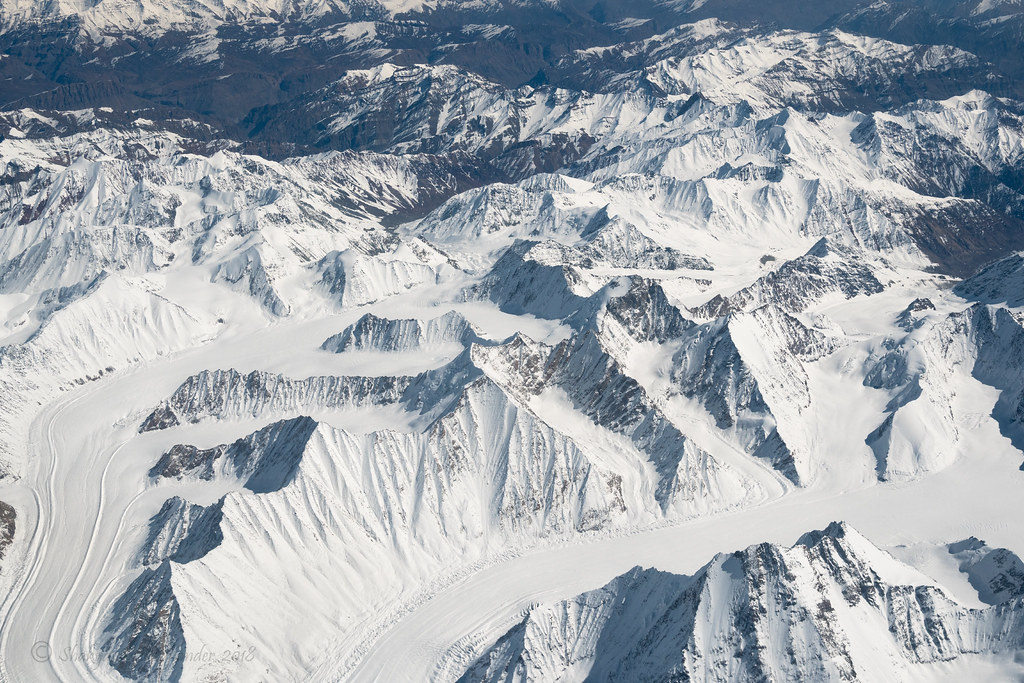
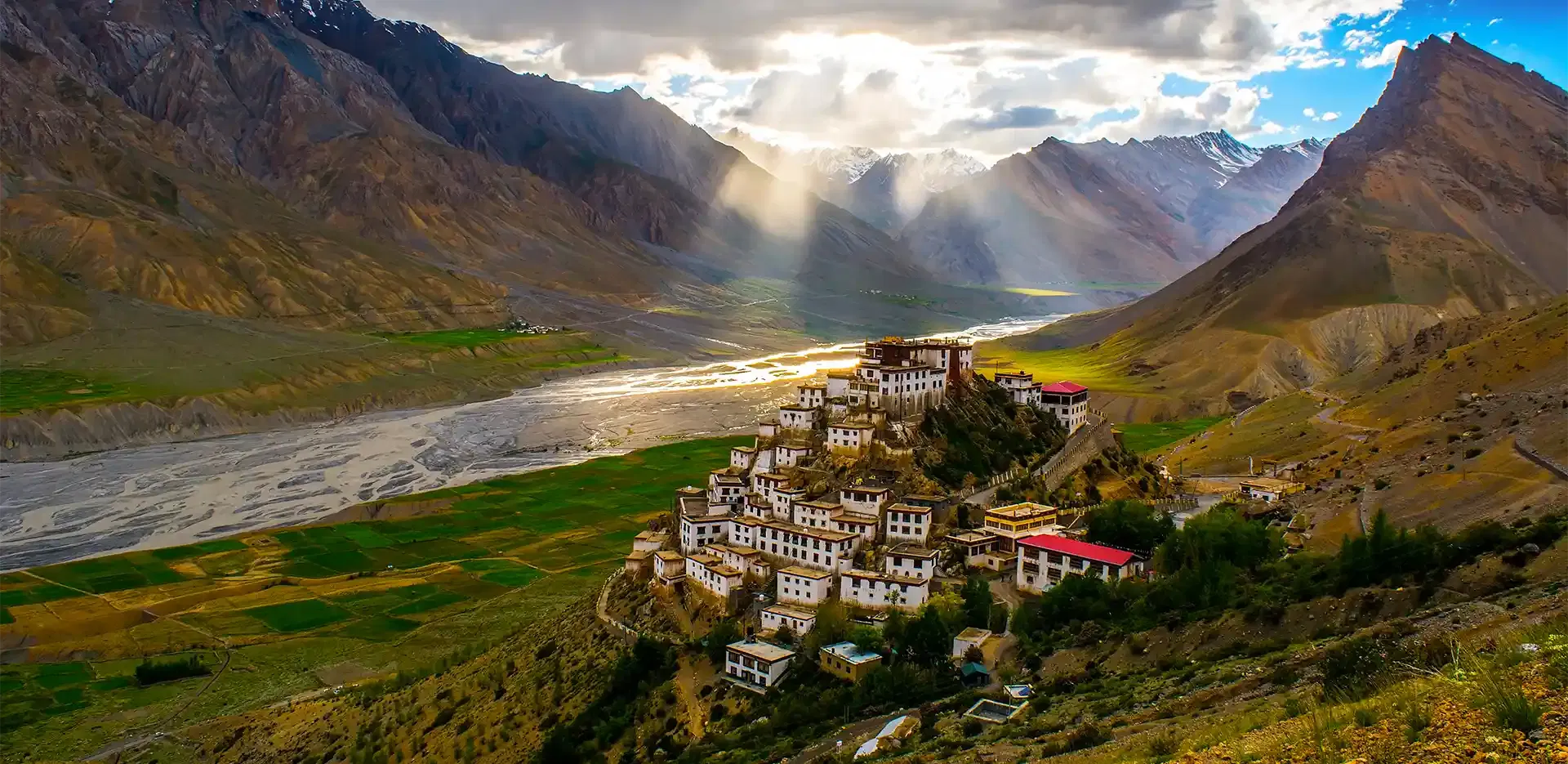
Bara Shigri is often described as a frozen giant of the Lahaul-Spiti region. Its glacial system is expansive, with moraine fields, broken rock stretches, and dramatic ice-mass landscapes that can change by season. The scale of the environment is what draws experienced trekkers, but scale also means exposure. Once you are deep in the route, you cannot depend on quick exits the way you might on lower-elevation trails.
Altitude ranges in this region are high enough to demand genuine acclimatization respect. Even fit trekkers can struggle if ascent is rushed. Cold wind, sudden weather shifts, and rough ground combine to make this a technical endurance challenge rather than a sightseeing walk.
Difficulty Level and Who Should Attempt It
Bara Shigri is usually best for trekkers with previous high-altitude experience. If you have never done multi-day mountain trekking above 4,000 meters, this should not be your first attempt. The difficulty comes from cumulative stress: long hours, thin air, and unstable terrain under variable weather.
Expect these challenge factors:
- Altitude-related fatigue and slower recovery after daily climbs.
- Rocky and glacial terrain requiring careful foot placement.
- Temperature swings from sunny daytime to cold nights.
- Limited facilities and support once inside remote sections.
- Need for disciplined pacing rather than speed-focused trekking.
A strong team structure includes an experienced lead guide, clear walk order, and backup planning for weather delays. Solo-style decision making in this zone is risky and unnecessary.
Best Time to Plan the Trek
Season timing directly affects both safety and experience quality. Most teams prefer stable weather windows when trail access is more predictable and heavy snow risk is lower. Even in favorable months, mountain weather remains uncertain, so buffer days are not optional.
| Window | Typical Conditions | Planning Advice |
|---|---|---|
| Late spring to early summer | Cold mornings, improving access | Useful for prepared teams with flexible schedule |
| Main trekking window | Relatively better stability | Most practical season for expedition attempts |
| Late season | Possible weather instability | Add extra buffer and keep conservative turnaround rules |
Daily start time should be early. Morning movement reduces exposure to afternoon weather shifts and gives enough margin for safe camp setup.
Suggested Itinerary Logic
Exact day plans vary by operator and route condition, but the basic model should always include acclimatization before hard gain days. Many failed attempts come from compressed schedules where teams try to "save time" in early stages and pay for it at altitude.
A practical sequence often includes:
- Arrival and acclimatization at base region.
- Gradual ascent day with moderate distance.
- Load-management day before higher camps.
- Primary glacier approach day with early start.
- Contingency or exploration day depending on weather.
- Controlled descent and exit.
Do not treat contingency day as optional luxury. In remote high-altitude routes, that day is often what keeps the expedition safe and realistic.

How to Reach and Build the Base Plan
Most teams coordinate entry through Spiti-Lahaul circuit logistics with pre-arranged transport and permits where needed. Road conditions, weather blocks, and long transfer days can impact your acclimatization window, so avoid arriving exhausted and trekking immediately.
Before departure, lock these logistics:
- Base stay with rest day before trekking start.
- Verified local operator or guide team with route familiarity.
- Medical and evacuation protocol agreed by all members.
- Communication plan for low-network sections.
If your itinerary is already packed with road travel, postpone the glacier attempt instead of forcing it. This trek needs full focus and adequate recovery capacity.
Gear and Preparation Checklist
Equipment discipline is critical on Bara Shigri. You do not need excessive luggage, but you do need the right layers and mountain essentials. Wet socks, poor insulation, or weak shoes can quickly degrade both comfort and decision quality at altitude.
- Insulated layering system with wind and moisture protection.
- High-grip trekking boots already broken in before trip.
- Thermal gloves, cap, and backup dry socks.
- Personal hydration system and energy-dense snacks.
- Headlamp, power bank, and basic first-aid support.
- Sun protection for high UV reflection in open terrain.
Fitness preparation should include endurance walking with load, stair intervals, and breathing-focused pacing practice. Train for consistency, not speed.
Risk Management and Safety Rules
In glacier regions, turning back is a success decision when conditions are unsafe. Build this mindset before starting. Summit-like pressure mentality is dangerous in high-altitude trekking where weather, route surface, and team energy can change rapidly.
Use simple safety rules:
- No one separates from the main team without lead approval.
- Hydration and nutrition breaks are mandatory, not optional.
- Report symptoms early; do not hide altitude discomfort.
- Respect turnaround times even if target point is close.
- Keep camp discipline strong for next-day performance.
For broader Spiti planning and recovery activities after trek completion, stargazing-in-spiti-valley can be a lighter follow-up experience.

Before entering higher sections, run one final team check on pace, hydration, weather confidence, and fallback decisions. That ten-minute check at camp often prevents major errors later in the day, especially when fatigue and thin air reduce judgement quality.
Carry a written fallback plan for weather holds, turnaround points, and communication loss. Teams that define these boundaries early usually make clearer decisions under pressure and return with fewer avoidable risks.
Final Takeaway
Bara Shigri Trek Spiti is a serious, rewarding expedition for trekkers who respect altitude and logistics. The route is less about speed and more about preparation quality, team discipline, and weather-aware choices. If you start with acclimatization, carry proper gear, and keep conservative decision rules, this trek can become one of the most powerful high-altitude experiences in Himachal.
Approach it as an expedition, not a checklist stop, and you will significantly improve both safety and success probability.
Location
Frequently Asked Questions
Q1.Is Bara Shigri Trek suitable for beginners?
Q2.Why is acclimatization important here?
Q3.When should I plan the trek?
Q4.Do I need a guide?
Q5.How many buffer days should I keep?
Q6.What is the key gear priority?
Q7.Can weather disrupt the trek?
Q8.What is the main success factor?
Recommended For You
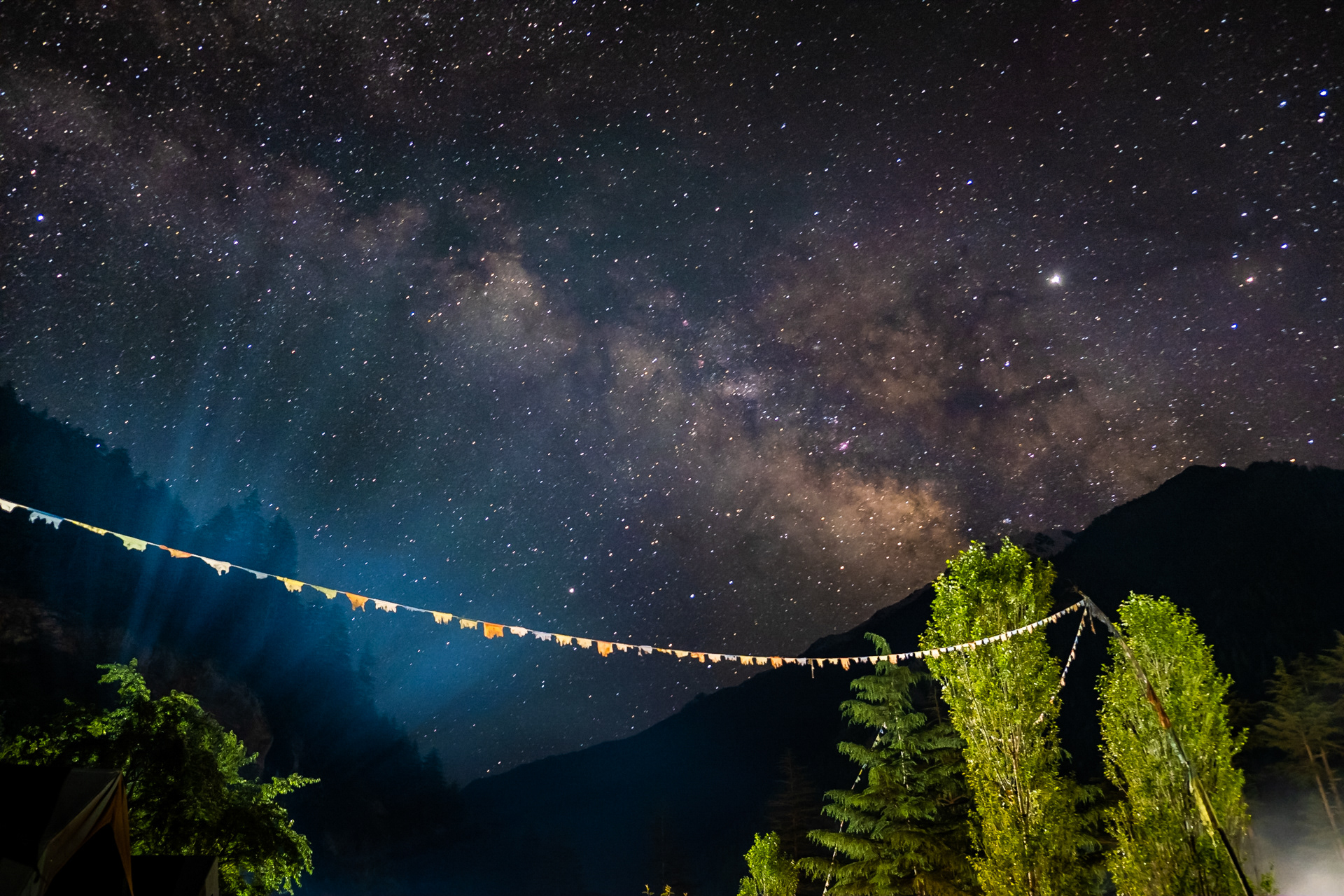
Stargazing in Spiti Valley: Best Spots, Months & Night Sky Conditions
Experience stargazing in Spiti Valley! Guide to best locations like Kaza, Chandratal, photography tips, best time & what to expect.
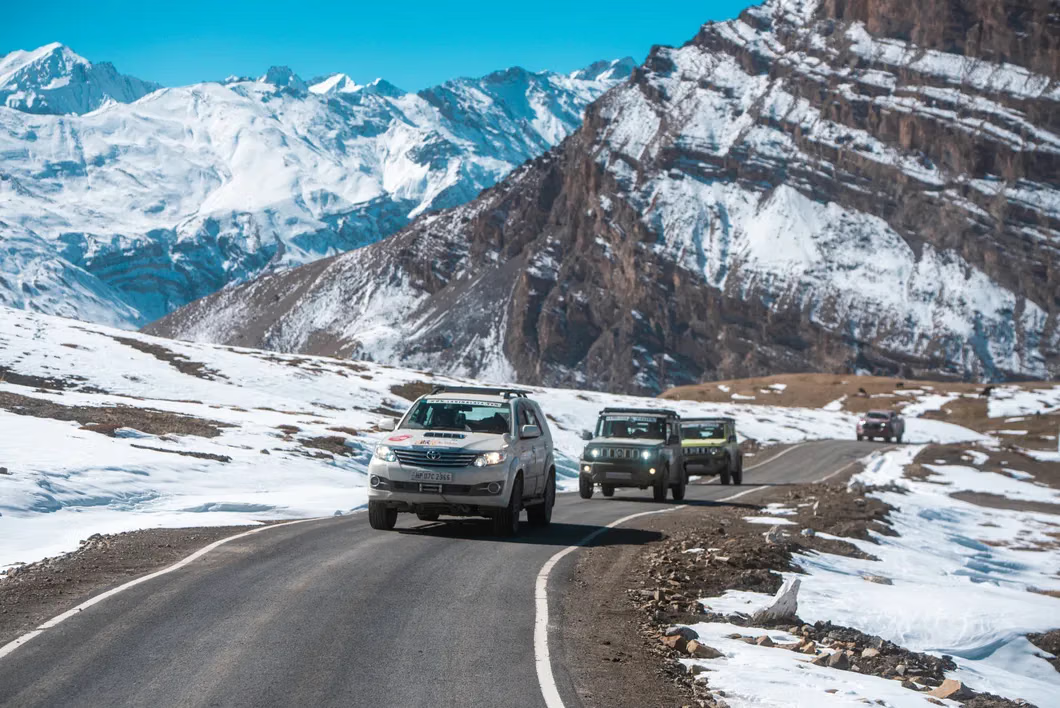
Spiti Valley Road Trip: The Ultimate Guide to Himalayan Adventure
Spiti Valley road trip guide: routes from Shimla/Manali, best time, permits, vehicles, itinerary, accommodation & tips for the ultimate Himalayan adventure.
Spiti Valley Weather: Best Time To Visit And Conditions
Complete Spiti Valley weather guide with month-wise temperature, rainfall, and snowfall details. Best time to visit plus essential weather travel tips.
Never Miss an Adventure
Get the latest trekking guides, travel tips, and exclusive offers delivered straight to your inbox.
