
Hemis Festival Ladakh: Dates, Cham Dance & Travel Tips

Rohan Malhotra
January 15, 2026
Hemis Festival Ladakh guide with dates, Cham dance meaning, monastery route planning, stay options, and practical tips for a respectful cultural visit.
Introduction: Why Hemis Festival Is the Signature Celebration of Ladakh
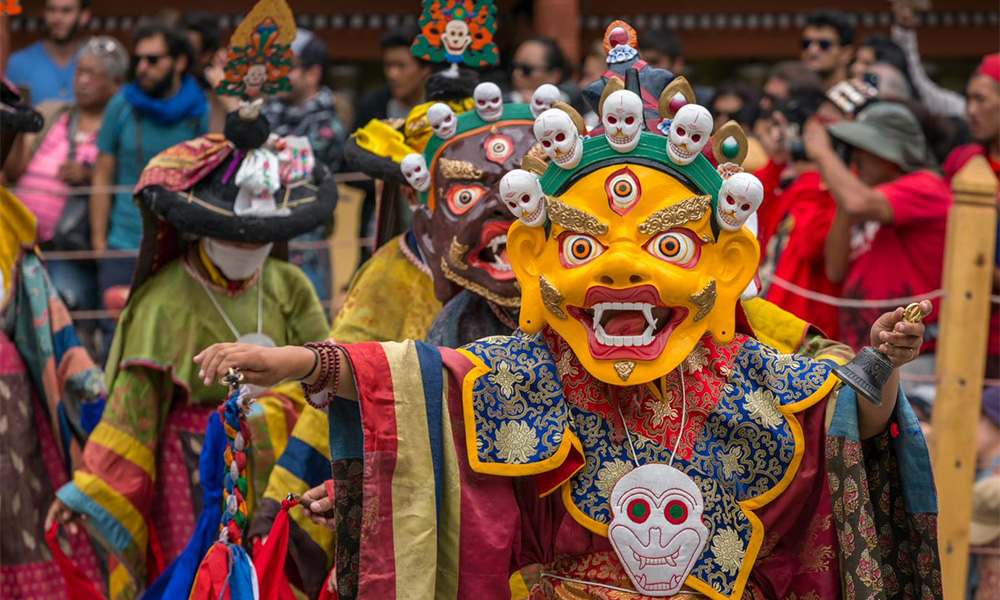
Hemis Festival is the most recognized cultural celebration in Ladakh and one of the strongest reasons to plan a heritage trip in summer. Hosted at Hemis Monastery, this two-day festival honors Guru Padmasambhava (Guru Rinpoche), the revered Buddhist master associated with the spread of Vajrayana Buddhism across the Himalayas. Travelers often arrive for the famous masked dances, but the real depth of the festival lies in its ritual structure, spiritual symbolism, and monastic discipline.
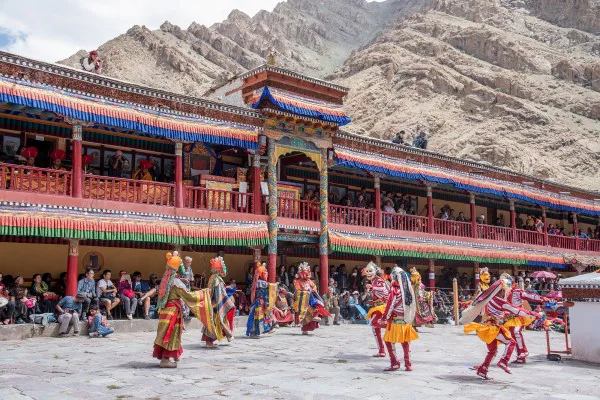
What makes Hemis Festival special is the way devotion, performance, and community gathering happen in the same sacred space. Monks perform Cham dances in elaborate costumes, long horns and cymbals create the ceremonial atmosphere, and pilgrims gather to receive blessings and witness religious storytelling through movement.
If you are building a culture-first itinerary, combine this guide with best festivals of Ladakh, best time to visit Ladakh, and monasteries in Ladakh for better route and season planning.
About Hemis Festival: History, Faith, and Cultural Significance
Hemis Festival is celebrated at Hemis Monastery, the largest and one of the most influential monasteries in Ladakh. The event commemorates the birth anniversary of Guru Padmasambhava, who is believed to have defeated negative forces and established tantric Buddhist teachings in the Himalayan world. Because of this religious context, festival performances are not stage entertainment; they represent spiritual narratives and protective symbolism.
Historically, Hemis remained a major center of Buddhist learning and ritual continuity even during politically unstable periods in the wider region. The festival evolved into a public cultural marker where local communities, monks, and visitors could gather around a shared calendar event rooted in Tibetan lunar tradition.
Core reasons the festival matters:
- It preserves sacred Cham dance traditions led by trained monks.
- It keeps Ladakhi Buddhist ritual arts alive in public memory.
- It creates a living bridge between local residents and travelers.
- It highlights the role of Hemis Gompa in regional spirituality.
| Aspect | Why It Matters |
|---|---|
| Religious Value | Celebrates Guru Padmasambhava and Buddhist teachings |
| Cultural Value | Preserves costumes, music, dance, and oral symbolism |
| Community Value | Brings pilgrims, locals, and visitors together |
| Travel Value | Offers one of the most meaningful festival experiences in Ladakh |
Hemis Festival Dates and Timing Pattern
Hemis Festival is observed according to the Tibetan lunar calendar, generally around the 10th day of the 5th Tibetan month. In most years, this falls in June or July, though exact dates should always be verified close to travel because lunar conversion and local announcements can vary.
The event usually runs for two days, with ceremonies beginning in the morning and major public performances staged through the afternoon.
| Planning Item | Typical Window | Practical Advice |
|---|---|---|
| Festival Duration | 2 days | Attend both days for complete experience |
| Performance Timing | Morning to late afternoon | Arrive early for viewing position |
| Best Arrival Plan | Reach Leh at least 1-2 days before | Supports acclimatization and smoother transfers |
| Date Confirmation | Closer to festival month | Recheck with local sources before final booking |
For most first-time visitors, day one is ideal for understanding sequence and atmosphere, while day two helps you follow rituals with better context and calmer pacing.
The Cham Dance: Symbolism Behind the Masks
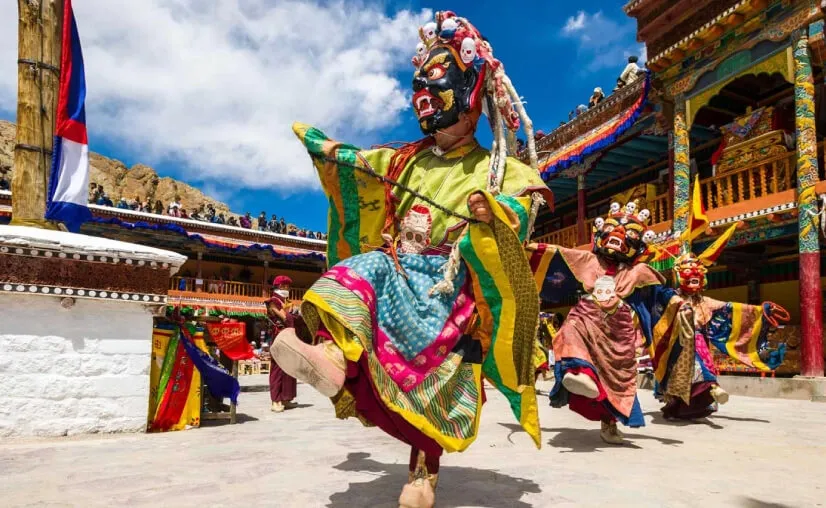
Cham dance is the central visual and spiritual element of Hemis Festival. Performed by monks in intricate costumes and masks, these choreographed movements represent cosmic themes: protection, purification, impermanence, compassion, and the triumph of wisdom over ignorance.
Each mask and movement style carries symbolic meaning. The performance is meditative and disciplined, not improvised. Musical instruments such as dungchen (long horns), cymbals, drums, and bells build ritual intensity and guide transitions in the ceremony.
Common Cham elements to notice
- Color-coded masks associated with deities and protectors
- Circular movement patterns that represent spiritual cycles
- Slow-to-strong rhythm transitions reflecting ritual progression
- Coordinated gestures (mudras) used as symbolic language
If you are photographing, keep distance from performance lines, avoid flash, and prioritize respectful observation. Cultural etiquette is part of the festival experience itself.
Program Flow and Key Festival Events
While exact sequencing can vary, most years follow a recognizable pattern. Morning prayers establish spiritual context, major Cham performances happen as gathering density increases, and later rituals bring closure.
| Festival Segment | What Happens | Visitor Note |
|---|---|---|
| Morning Ceremonies | Prayer recitations and opening rituals | Arrive early for calm entry and better orientation |
| Main Performance Window | Cham dances and symbolic enactments | Peak visual and crowd period |
| Ritual Intervals | Monastic transitions, blessings, announcements | Good time for hydration and short breaks |
| Closing Sessions | Final ceremonies and dispersal | Leave with traffic buffer for return |
In certain festival cycles, special displays such as large thangka unveiling may be included depending on religious schedule and monastery decisions.
How to Reach Hemis Monastery from Leh
Hemis Monastery is around 45 km from Leh and is typically reached by road via Karu. Travel time often ranges from 1.5 to 2 hours depending on traffic and festival-day movement.
| Mode | Estimated Cost | Best For |
|---|---|---|
| Shared Taxi | Budget-friendly per seat | Solo and budget travelers |
| Private Cab | Higher but flexible | Families and small groups |
| Self-drive/Bike | Varies by rental and fuel | Experienced road travelers |
| Festival Shuttle/Bus | Limited and variable | Flexible planners with buffer time |
Route planning improves significantly if you pre-book your morning transfer, especially when festival attendance is high. For monastery-focused circuits, you can pair Hemis with Diskit Monastery Ladakh later in your trip to compare architectural and ritual styles across regions.
Where to Stay During Hemis Festival
Most travelers stay in Leh because accommodation options are wider and transport connections are easier. Festival-day commute to Hemis is manageable with an early departure. Staying near Hemis may offer quieter surroundings but options are limited and should be booked in advance.
Leh stay strategy
- Choose hotels/homestays with early breakfast support.
- Keep one backup taxi contact for return delays.
- Prefer locations with easy market access for supplies.
Booking timeline
- Book 6-10 weeks in advance for peak dates.
- Reconfirm 5-7 days before arrival.
- Check cancellation terms for weather disruptions.
If your broader trip includes road sections, you can extend planning with Ladakh by road and Leh Ladakh bike trip guide resources.
Travel Tips for a Smooth Festival Experience
Hemis sits at high altitude, so logistics and health planning are as important as date selection. A well-paced approach improves both safety and experience quality.
- Acclimatize first: Spend at least 24-48 hours in Leh before full-day festival attendance.
- Dress in layers: Daytime sun can be strong, while wind and evening temperatures drop quickly.
- Carry essentials: Water, cap, sunscreen, sunglasses, light snacks, and cash.
- Respect sacred spaces: Maintain silence during core prayers and do not cross ritual boundaries.
- Photography discipline: Avoid flash and follow local instructions in restricted zones.
- Keep return buffer: Festival dispersal can increase traffic delays.
Festival Etiquette Checklist for First-Time Visitors
Many travelers are unsure how to behave inside a monastery festival setting. A simple etiquette checklist helps you avoid common mistakes and protects the sanctity of the event. Keep your phone on silent mode, avoid walking across prayer lines, and do not push forward during high-attendance dance segments. If you need to move, take side paths and wait for natural breaks between performances.
It is also useful to observe before photographing. Watch how local families and regular pilgrims position themselves, when they stand, and when they sit quietly during chanting. This approach keeps your participation respectful and usually gives you better visual moments than rushing for front-row shots. Festival staff and volunteers are generally helpful if asked politely for seating or movement guidance.
Budget Snapshot for Hemis Festival Planning
Your Hemis Festival budget depends on stay type, transport choices, and whether you are traveling solo or with a group. The biggest spend areas are accommodation in Leh and private transfers on festival days. Shared travel and advance booking usually reduce costs without lowering experience quality.
| Expense Head | Budget Range | Tip |
|---|---|---|
| Leh Stay (per night) | Budget to premium range | Book early for better rates near festival dates |
| Leh-Hemis Transfer | Shared to private options | Pre-book morning ride for reliability |
| Food and Snacks | Moderate | Carry water and light snacks from Leh |
| Local Purchases | Variable | Use cash buffer for handicrafts and stalls |
Keep one contingency margin in your budget for weather delays, timing shifts, or extra local transport. This small backup often saves the day in high-altitude travel where schedules can change.
Common Mistakes to Avoid
- Arriving in Leh and attending the festival immediately without acclimatization.
- Depending on one unconfirmed transport option on event morning.
- Treating ceremonial dance as casual stage entertainment.
- Overplanning multiple distant attractions on the same festival day.
- Ignoring hydration and sun exposure at altitude.
A slower, culturally respectful schedule almost always leads to a richer and more comfortable festival experience.
Sample One-Day Festival Plan from Leh
| Time Block | Action | Result |
|---|---|---|
| 06:30-07:00 | Early breakfast and departure prep | On-time transfer with less stress |
| 07:00-08:45 | Leh to Hemis road transfer | Reach before heavy crowd build-up |
| 09:00-13:00 | Observe core ceremonies and Cham dance | Best ritual visibility |
| 13:00-14:00 | Short meal and hydration break | Sustained energy |
| 14:00-16:30 | Secondary events and monastery exploration | Context-rich festival understanding |
| 16:30 onward | Return with traffic buffer | Smoother evening in Leh |
Conclusion
Hemis Festival Ladakh is one of the most meaningful cultural events in the Himalayas. It combines ritual depth, monastic heritage, and unforgettable visual tradition through Cham dance and sacred ceremonies. When planned with date awareness, acclimatization, and respectful behavior, it becomes far more than a sightseeing activity—it becomes a genuine encounter with Ladakh's living Buddhist culture.
For travelers seeking a balanced route, pair this event with monastery visits, season-aware planning, and conservative daily pacing. That approach helps you experience Hemis with clarity, comfort, and cultural sensitivity.
Location
Frequently Asked Questions
Q1.When is Hemis Festival celebrated?
Q2.Where is Hemis Festival held in Ladakh?
Q3.How long does Hemis Festival last?
Q4.What is Cham dance at Hemis Festival?
Q5.How can I reach Hemis Monastery from Leh?
Q6.Do Indians need a special permit for Hemis Festival?
Q7.Where should I stay during Hemis Festival?
Q8.Is Hemis Festival worth attending for first-time Ladakh travelers?
Recommended For You
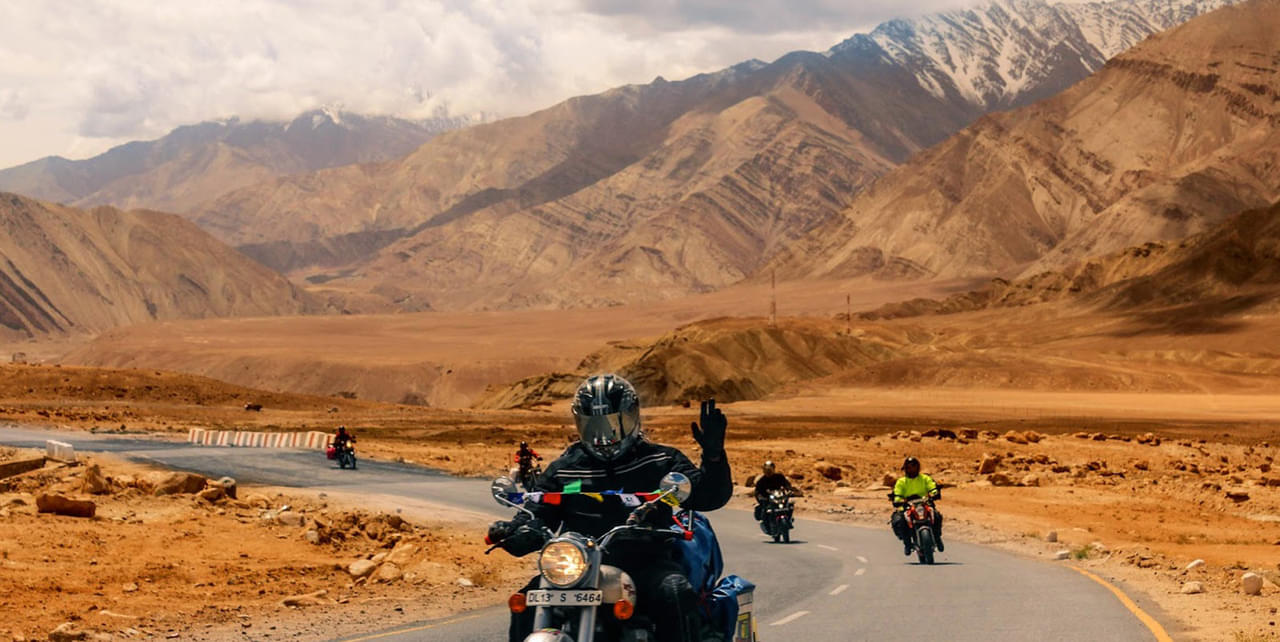
Ladakh by Road: Complete Guide to Manali & Srinagar Routes
Complete guide to traveling to Ladakh by road via Manali and Srinagar routes. Detailed itinerary, best time, vehicle preparation, acclimatization tips, costs, and essential information for this epic Himalayan road trip.
Leh Ladakh Bike Trip: Complete Route And Itinerary Plan
Plan Leh Ladakh bike trip with route choices, itinerary, cost, permits, acclimatization tips, and practical riding prep for a safer high-altitude ride.
Diskit Monastery Ladakh: Timings, History & Nubra Valley Visit
Plan Diskit Monastery Ladakh with history, Maitreya statue context, route from Leh, timing guidance, festival notes, and practical Nubra travel tips.
Never Miss an Adventure
Get the latest trekking guides, travel tips, and exclusive offers delivered straight to your inbox.
