

Best Time to Visit Pushkar: Month-Wise Weather, Fair Dates & Crowds

Priya Mehta
February 20, 2026
Pick the best Pushkar travel window using month-wise weather, crowd, festival, and budget logic aligned to your trip style.
Introduction
The best time to visit Pushkar depends on your trip purpose, not just average temperature. Pilgrims, photographers, families, and budget travelers each need different season logic. Many travelers choose dates only by one weather label and then face crowd pressure, reduced comfort, or missed festival context. A better strategy is month-wise alignment with your exact travel goal.
For itinerary continuity, combine this with things to do in Pushkar, spiritual context from Brahma Temple Pushkar, and fair-season planning via Pushkar Mela Rajasthan. This guide gives season breakdowns, crowd logic, budget strategy, and practical packing decisions.
Pushkar Climate by Season
Pushkar generally follows a hot summer, monsoon transition, and cooler-season comfort pattern. Cooler months support temple circuits, lake-side walks, and desert-side experiences with better stamina. Summer requires strict heat management and shorter outdoor windows. Monsoon can be atmospheric and budget-friendly, but route flexibility becomes important.
Season choice should reflect your tolerance for heat, crowd, and pricing. There is no universal best month for everyone.
Month-Wise Suitability Matrix
Month-level planning improves outcomes. Festival windows bring high energy and high crowd intensity. Shoulder periods may provide better value with manageable movement. Extreme-heat windows can still work for budget-focused travelers who plan conservative daytime schedules.
| Season Window | Experience | Best For |
|---|---|---|
| Oct to Mar | Pleasant weather, high demand | Pilgrims, families, first-time visitors |
| Apr to Jun | Hot conditions, lower crowd | Budget travelers with heat planning |
| Jul to Sep | Monsoon variability, greener views | Flexible itineraries and photographers |
Festival Window and Crowd Intensity
Pushkar’s festival cycle, especially around major fair periods, changes the whole travel profile: accommodation demand rises, movement slows, and advance bookings become critical. Festival travel can be deeply rewarding, but only if you accept higher crowd density and plan buffers around every transition.
If your goal is spiritual immersion with lower pressure, choose non-peak but pleasant windows instead of core festival dates.
Best Time by Traveler Type
Families usually do best in cooler months with predictable day structure. Pilgrims may prioritize religious calendars over pure weather comfort. Photographers can leverage both cool clear seasons and selective monsoon moods depending on visual goals. Budget travelers may find shoulder windows strongest for value-to-comfort balance.
Define traveler type first, then month. This one decision avoids most date-selection errors.

Budget and Booking Strategy by Season
Peak windows usually require early booking for stay and transport certainty. Shoulder windows can offer better rates and moderate crowds. Last-minute travel during major events is high risk unless you have flexible budget and timing.
Use a layered budget: fixed essentials first, flexible experiences second, contingency third. This keeps plans resilient if costs shift near travel dates.
Packing and Local Travel Tips
Pack by season reality, not assumptions. Cooler months still need layered mornings and evenings. Summer requires strict sun management and hydration discipline. Monsoon periods need footwear with grip and quick-dry clothing.
Keep local movement simple: cluster temple and lake routes in one block, market exploration in another, and avoid peak mid-day heat if traveling in warmer months.

Mistakes to Avoid While Choosing Dates
Common mistakes include ignoring festival crowd impact, underestimating heat in summer, and expecting static conditions across shoulder months. Another frequent error is booking everything non-refundable before verifying weather and event calendars.
Correct these by using month-wise intent planning and maintaining at least one fallback activity each day.
Operational Planning Layer
High-performing travel days are built through operational clarity, not destination count. Start with one anchor objective for each half-day and keep all secondary stops optional. This protects trip quality when weather changes, queues expand, or transport slows. The anchor-first model is especially effective in mixed-interest groups where pace and priorities differ. If one delay appears, simplify early and preserve the most meaningful experience instead of forcing checklist completion.
Use zone clustering to control movement fatigue. Keep activities within one geographic cluster per time block and avoid repeated cross-zone jumps. This lowers transfer stress and gives more time for actual on-ground depth. Most rushed itineraries fail because transitions consume energy that travelers expected to spend at destinations. Clustering is the easiest upgrade for better outcomes without increasing budget.
Build two buffers into every day. A micro-buffer of 10 to 15 minutes between transitions handles minor delays. A macro-buffer near end of day protects return logistics and allows reflective closure. If conditions remain favorable, convert spare buffer into deeper time at one high-value stop. Depth usually creates better memories than adding one extra low-value location.
In group trips, assign simple roles: navigator, timekeeper, and confirmations lead. Role clarity cuts repetitive discussion and keeps movement smooth. If someone needs extra time, use pre-decided regroup points rather than ad hoc waiting patterns. This reduces confusion in crowded environments and improves safety for families with children or elders.
Budget discipline should prioritize certainty. Spend first on reliable transport, verified bookings, and essentials that directly affect comfort and safety. Keep a contingency reserve for route changes or unexpected costs. Travelers who protect certainty generally finish trips with stronger outcomes and fewer stressful compromises. Impulse spending is easiest to avoid when priorities are set before departure.
End each day with a short retrospective: what worked, what delayed, and what to adjust tomorrow. This five-minute habit compounds quickly and improves every subsequent day. With this method, even dynamic destinations become easier to navigate, and your itinerary evolves from reactive movement to intentional, high-quality travel execution.
Extended Date-Selection Notes
When in doubt, choose dates that maximize your primary objective and reduce your primary discomfort. For example, if spiritual ritual quality matters most, prioritize devotional calendars with adequate buffer. If comfort matters most, prioritize cooler weeks with stable day planning. Clarity on objective simplifies every downstream decision.
Do one final confirmation check three to five days before departure: weather trend, local advisories, and booking status. This last-mile discipline reduces avoidable friction significantly.
Deep Execution Framework
Strong outcomes in destination travel come from disciplined execution loops. Start by defining one non-negotiable anchor for the day and two optional support points. Keep all optional points removable without emotional loss. This helps when real conditions diverge from plan, which is common in live travel. Weather, queue behavior, local events, and transfer delays can each change your best move within minutes. When your plan is modular, adaptation is fast and calm.
Use a three-check rule before every transition. Check one: condition status (weather, crowd, safety). Check two: timing status (remaining daylight, next commitment, transfer estimate). Check three: energy status (group comfort, hydration, attention level). If any check is weak, reduce complexity immediately. Travelers often delay simplification and then lose quality across the full day. Early simplification preserves the experiences that matter most.
For group travelers, establish simple coordination protocols: one lead for navigation, one for timekeeping, one for booking and payment confirmations. Define regroup points before splitting for photos or short exploration. In mixed-age groups, add fixed rest checkpoints at predictable intervals. These small systems prevent confusion and reduce the hidden stress that often appears late in the day when people are tired and decisions become reactive.
Budget control is easier when mapped to outcomes. Allocate spend bands for transport reliability, core entry/experience, meals, and contingency. Keep discretionary spending in a separate flexible band. This protects essential quality even if costs rise unexpectedly. A contingency reserve is not optional in dynamic destinations; it is the tool that allows safe and timely route corrections.
Documentation discipline also improves execution. Keep tickets, IDs, addresses, and contact numbers available offline. Save at least one screenshot per key booking and one fallback transport option per major zone. Connectivity can fail at inconvenient times, and offline readiness turns potential delays into minor adjustments.
Close the day with a five-minute debrief: identify one decision that improved quality and one that reduced it. Then adjust tomorrow’s plan using those insights. This daily feedback loop compounds quickly and creates consistently better travel days, regardless of destination style.
Applied Planning Examples
Example one: if your first stop overruns by thirty minutes, drop the lowest-value optional stop rather than compressing every subsequent block. Example two: if crowd pressure rises unexpectedly, shift from multi-point movement to one-depth mode and hold position until flow improves. Example three: if weather worsens, switch to conservative, low-risk experiences and preserve timely return. These examples seem simple, but using them consistently is what separates stressful days from stable and meaningful travel experiences.
The final principle is intent alignment. Reconfirm what the day is for: devotion, photography, leisure, or activity. When decisions get difficult, choose the action that best protects that intent. This keeps travel coherent and helps every time, budget, and energy choice move in the same direction.
Practical execution improves when you confirm one final fallback option before starting your last transition of the day. A fallback may be a nearby alternate stop, an earlier return, or a simplified closure plan. This single backup decision protects both safety and experience quality when conditions shift unexpectedly. Keep communication clear with your group and ensure everyone understands the next checkpoint and timeline.
Before ending the day, confirm your next transfer and share the plan with everyone traveling with you. Clear communication reduces last-minute confusion and keeps the itinerary stable.
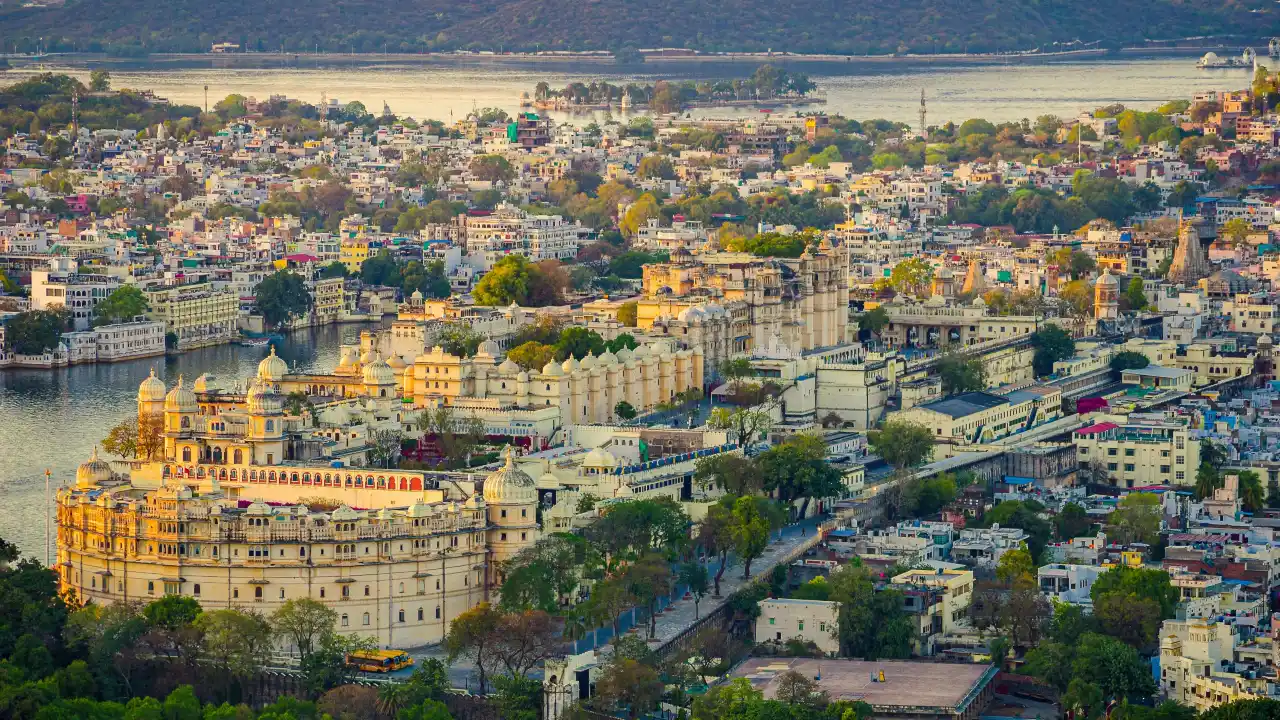
If Pushkar is part of a wider Rajasthan circuit, it's worth cross-checking the best time to visit Udaipur as well, since the lake city's peak comfort months line up closely with Pushkar's own festival season.
Location
Frequently Asked Questions
Q1.Which month has the best weather in Pushkar?
Q2.Is Pushkar a good winter destination for families?
Q3.How crowded is Pushkar during the camel fair?
Q4.Is monsoon a good time for budget travel in Pushkar?
Q5.How many days are ideal for a seasonal Pushkar itinerary?
Q6.What should travelers pack for a winter Pushkar trip?
Q7.Does summer affect temple and sightseeing plans?
Q8.Which season works best for photography in Pushkar?
Recommended For You

Best Time to Visit Rajasthan: Weather by City & Ideal Travel Months
Plan the best time to visit Rajasthan with season-wise weather, month-by-month insights, activity timing, festival impact, and smart itinerary guidance.

Best Places to Visit in Ujjain: Mahakal Temple & Attractions
Explore the best places to visit in Ujjain - from the sacred Mahakaleshwar Jyotirlinga to the spiritual Ram Ghat. Discover ancient temples, sacred ghats, and the rich cultural heritage of one of India's seven sacred cities.
Best Time to Visit Udaipur: Weather, Festivals & Best Travel Months
Find the best time to visit Udaipur with a season-by-season weather guide, monthly breakdown, festival context, and practical planning tips.
Never Miss an Adventure
Get the latest trekking guides, travel tips, and exclusive offers delivered straight to your inbox.
