
Binsar Wildlife Sanctuary: Best Time, Entry Route & Stay Options

Neha Kapoor
February 20, 2026
Plan your Binsar Wildlife Sanctuary trip with practical season strategy, route planning, stay budget tips, and one-day or two-day itinerary options.
Binsar Wildlife Sanctuary Overview
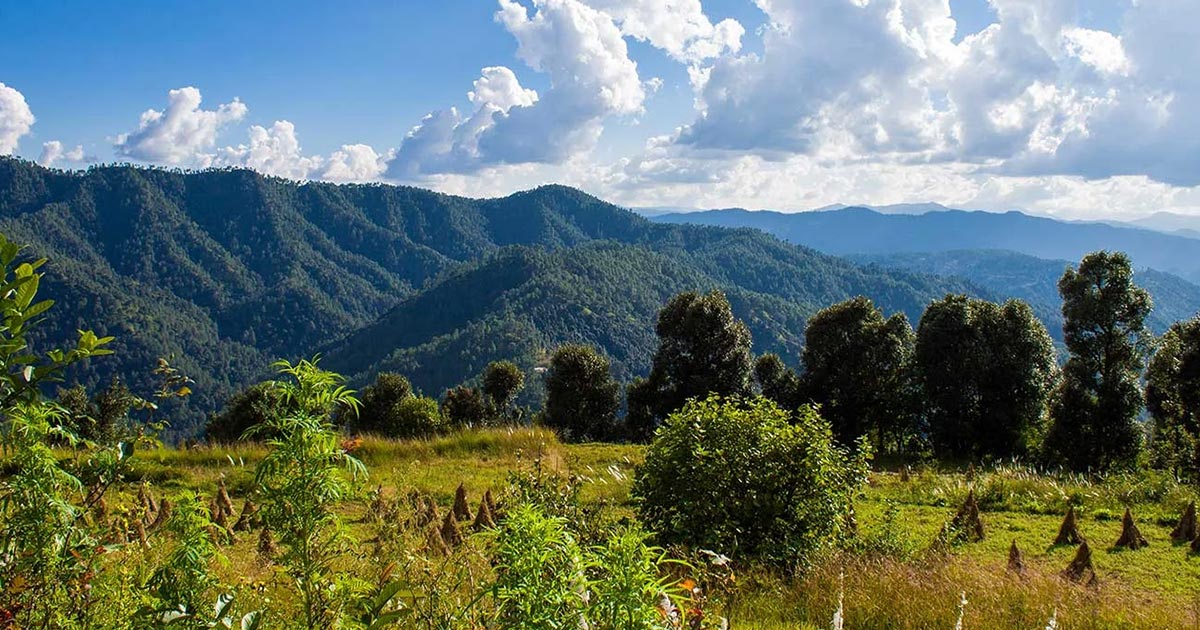
Binsar Wildlife Sanctuary is one of the most practical nature escapes in Kumaon for travelers who want forest walks, mountain viewpoints, and short wildlife-focused breaks without overcomplicated logistics. Located near Almora in Uttarakhand, this protected area is known for oak-rhododendron forests, birdlife, and clear-day Himalayan views from vantage points such as Zero Point. The overall trip is less about safari-style sightings and more about slow nature immersion, forest trails, and quiet hill travel.
If you are planning a first visit, the most useful approach is to treat Binsar as a short, well-paced mountain break. Many people rush through it as a quick stop from Almora and miss the actual value of the place: early-morning forest atmosphere, viewpoint windows, and calm walking routes. A better plan is one to two nights with flexible timing for weather and visibility. This guide covers season strategy, route planning, stay budget, practical itineraries, and mistakes to avoid so your Binsar wildlife trip stays realistic and enjoyable.
About Binsar and Why It Is Worth Visiting
Binsar was notified as a wildlife sanctuary in 1988 and is widely recognized for conserving mid-altitude Himalayan broadleaf forests. It is also a strong birding destination, with frequent mentions of rich avifauna in travel and conservation references. The sanctuary experience is gentle compared with big tiger-reserve circuits: you get dense forest belts, changing light, village-edge landscapes, and view corridors of major Himalayan peaks in suitable weather.
From a traveler perspective, Binsar works for multiple styles: families wanting quiet mountain time, couples looking for low-noise stays, photographers chasing layered ridge views, and solo travelers interested in short forest walks. The main value comes from timing and pacing, not checklist sightseeing. If skies are clear, sunrise and early-morning windows give the best payoff. If clouds roll in, the same trails still work as a peaceful forest day.
Best Time to Visit Binsar Wildlife Sanctuary
The best time to visit Binsar depends on whether your priority is clear Himalayan visibility, lush forest mood, or quieter travel days. In general, spring to early summer and post-monsoon to early winter offer the most balanced conditions.
| Season | What You Get | Who It Suits |
|---|---|---|
| March to June | Pleasant weather, active trails, better day-long mobility | First-time visitors, families, light hikers |
| July to September | Dense greenery, misty atmosphere, occasional heavy rain | Travelers who enjoy monsoon landscapes |
| October to December | Sharper mountain views, cleaner skies, cooler evenings | Photographers, viewpoint-focused travelers |
| January to February | Cold mornings, quiet ambience, possible weather disruptions | Low-crowd travelers with flexible plans |
For most visitors, May to June and October to November are the strongest windows. Start early for wildlife movement and visibility. Keep one buffer slot in your itinerary, because cloud cover can change viewpoint quality quickly in hill regions.
How to Reach Binsar and Local Movement
Binsar is usually approached via Almora. Distances vary by origin point, but travelers commonly plan a mountain-road transfer from Kathgodam or Pantnagar-side access points, followed by the final climb toward the sanctuary gate and stays in the Binsar region.
Common approach options
- By road: Private cab or self-drive from Delhi/NCR via Haldwani-Kathgodam-Almora is common for multi-day plans.
- By rail + road: Reach Kathgodam, then continue by cab/shared taxi toward Almora and Binsar side.
- By air + road: Pantnagar is the nearest practical airport for many travelers, followed by a long road transfer.
Inside and around Binsar, local movement is usually by hired vehicle plus short to moderate walks. Keep realistic transfer timing: mountain roads are scenic but slower than map estimates. If your stay is inside/close to sanctuary limits, confirm gate timing and arrival window before you start the final leg.

Top Experiences in Binsar
Binsar is best enjoyed as a low-noise, high-attention destination. You will get more value by selecting a few meaningful activities instead of forcing too many points in one day.
- Zero Point walk: One of the most popular experiences for panoramic Himalayan views in clear weather.
- Forest trail time: Morning and evening walks through oak-pine belts are the core Binsar experience.
- Birdwatching: Carry binoculars and allocate quiet sessions around dawn for better chances.
- Village-edge exploration: Slow travel around nearby settlements gives cultural context to the forest belt.
If you are structuring nearby plans, combine Binsar with places-to-visit-almora and a separate half-day around kasar-devi-temple-almora. For viewpoint-focused planning, keep binsar-zero-point in your shortlist before finalizing day flow.
Stay and Budget Planning
Binsar offers a mix of stays: eco-lodges, forest-side properties, and small mountain accommodations in nearby zones. Budget depends on season, property location, and whether transport is bundled.
Practical budget range (per person basis, excluding major shopping)
- Budget plan: Approx INR 2,500-4,500 per day with shared transport and simple stays.
- Mid-range plan: Approx INR 5,000-9,000 per day with private cab share and comfortable stay.
- Higher comfort: INR 10,000+ per day with premium stays and private flexible transport.
Cost swings most during long weekends and holiday windows. Book stay and road transport in advance for peak periods. Also keep a small cash reserve for remote payment gaps, local transfers, and entry-related on-ground charges where applicable.

Suggested Itinerary: One-Day and Two-Day Options
One-day Binsar format (tight schedule)
- Early arrival via Almora side.
- Forest-side trail and Zero Point window.
- Short rest + lunch break.
- Sunset slot from safe viewpoint.
- Return/overnight transition.
This works only if transfers are smooth and weather is stable. It is functional but rushed.
Two-day Binsar format (recommended)
- Day 1: Arrival, relaxed acclimatization walk, evening viewpoint.
- Day 2: Early morning nature window, Zero Point walk, local exploration, return via Almora side.
Two days are usually enough for first-time travelers to experience Binsar properly without fatigue. If your group includes children or seniors, keep longer breaks and avoid aggressive back-to-back transitions.
Common Planning Mistakes to Avoid
- Reaching late and expecting clear mountain views immediately.
- Overpacking one day with Binsar, Almora markets, and distant detours.
- Ignoring gate timing and hill-road travel buffers.
- Carrying unsuitable footwear for forest trails.
- Treating the trip as a pure wildlife safari and then feeling disappointed.
Binsar is not a guaranteed large-mammal sighting destination on a fixed schedule. It is a forest and viewpoint experience where patience and timing matter more than speed.
What to Carry for a Better Binsar Trip
- Layered clothing for temperature swings.
- Good-grip walking shoes.
- Binoculars for birding and distant ridge views.
- Reusable water bottle and light snacks.
- Power bank, flashlight, and basic medicines.
- Rain layer in monsoon and shoulder seasons.
Keep packing simple but functional. The objective is comfort on trails and readiness for weather change, not heavy baggage.

Final Takeaway
Binsar Wildlife Sanctuary is a high-value short mountain escape when planned around realistic travel time, weather flexibility, and slow nature pacing. If you focus on dawn/evening windows, keep a one-to-two day structure, and avoid overpacked routing, the sanctuary delivers exactly what most travelers seek: clean air, quiet forest movement, and memorable Himalayan viewpoints. Use Binsar as a deliberate nature stop, not a rushed checkbox, and the experience becomes significantly better.
Location
Frequently Asked Questions
Q1.What is the best time to visit Binsar Wildlife Sanctuary?
Q2.How many days are enough for a Binsar trip?
Q3.Is Binsar suitable for family nature travel?
Q4.What budget is practical for a short Binsar itinerary?
Q5.Can Binsar and Almora be covered in one trip?
Q6.What should travelers carry for a Binsar visit?
Q7.Which area is best to stay for easy Binsar access?
Q8.What planning mistakes should visitors avoid?
Recommended For You
Great Himalayan National Park: Trek Routes, Permits & Wildlife
Explore Great Himalayan National Park (GHNP): UNESCO World Heritage Site in Kullu. Complete guide to trekking routes, wildlife spotting, permits, best time to visit, and accommodation.
Jim Corbett National Park: Safari Zones, Permit Booking & Best Time
Explore Jim Corbett National Park, India's oldest tiger reserve. Complete guide to safaris, best time to visit, zones, wildlife, booking tips & accommodation in Uttarakhand.
Rajaji National Park: Elephant Safari, Zones & Visitor Information
Explore Rajaji National Park in Uttarakhand. Complete guide to elephant safaris, best time to visit, zones, wildlife, booking tips & accommodation near Haridwar.
Never Miss an Adventure
Get the latest trekking guides, travel tips, and exclusive offers delivered straight to your inbox.
