
Binsar Zero Point: Trek Route, Best Time & Himalayan Views

Ananya Sharma
February 20, 2026
Plan your Binsar Zero Point trip with season-based visibility strategy, route planning from Almora, packing checklist, and practical itinerary options.
Binsar Zero Point Overview
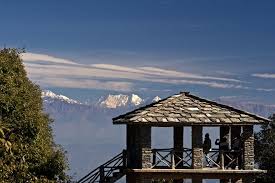
Binsar Zero Point is the most talked-about viewpoint inside the Binsar landscape near Almora, and for good reason. On clear days, it offers a wide Himalayan panorama with layered ridgelines, snow-peak silhouettes, and a deep forest foreground that makes sunrise and morning visibility windows especially rewarding. But this is not a random photo stop where you arrive at any time and get perfect views. Timing, weather, and walking pace decide how good your experience will be.
Most first-time visitors make one of two mistakes: they reach too late in the day, or they treat the route as a fast checklist detour. A better strategy is to plan Binsar Zero Point as a viewpoint-focused half day with buffer time. This guide helps you do exactly that with practical route planning, season-wise visibility logic, walking effort details, packing checklist, budget estimates, and one-day/two-day itinerary combinations from Almora side.
What to Expect at Zero Point
Zero Point is generally approached through the Binsar forest zone and then reached via a short uphill walk from the practical drop/parking side used by most visitors. The viewpoint itself is known for broad mountain views, especially when cloud conditions are favorable. On high-visibility days, travelers report clear sightlines toward major Himalayan ranges; on overcast days, the forest approach still makes the visit worthwhile, but peak visibility can be limited.
This is important for expectation-setting: Zero Point is a weather-dependent viewpoint, not a guaranteed snow-peak reveal every day. If your trip is short, keep one alternate slot (early next morning or same-day late afternoon depending conditions). That simple flexibility improves success rate far more than packing extra attractions into the same schedule.
Best Time to Visit Binsar Zero Point
The best season depends on whether your priority is clear mountain visibility, lush monsoon ambience, or low-crowd forest experience. In practical terms, post-monsoon and pre-summer windows usually offer the most balanced outcome for first-time visitors.
| Season Window | Viewpoint Experience | Planning Advice |
|---|---|---|
| March to June | Pleasant weather, good trail comfort | Ideal for first-time travelers and families |
| July to September | Lush greenery, cloud-heavy conditions | Keep rain gear and extra visibility buffer |
| October to November | Sharper mountain views, cleaner skies | Best period for viewpoint photography |
| December to February | Cold mornings, quieter atmosphere | Start late enough for safety but early enough for clear windows |
If your main goal is Himalayan visibility, prioritize October-November and clear mornings. If your goal is forest mood and quiet walking, shoulder winter windows can also be excellent with proper layering.
How to Reach and Walking Effort
Most travelers approach Binsar via Almora and continue by road toward the sanctuary side before the final viewpoint walk. Distances vary by hotel location and exact starting point, so plan with time ranges rather than exact minute promises. Mountain roads can be slower than maps suggest due to narrow stretches, weather, and local traffic.
Practical route logic
- Reach the Binsar zone early from Almora-side stay.
- Complete entry formalities where applicable.
- Proceed toward the practical road head used for Zero Point approach.
- Do a short to moderate uphill walk to the viewpoint.
Walking effort is manageable for most healthy travelers, but footwear quality matters. The trail can be slippery in monsoon and uneven in some sections. Families with children or seniors should keep a slower pace and avoid rushing at steeper turns.

What Weather Conditions Affect Visibility
Visibility at Zero Point depends on cloud layering, humidity, and recent rainfall patterns. Even in good seasons, late arrival can reduce clarity because haze or cloud build-up often increases as the day progresses. That is why most experienced planners keep the viewpoint window in the first half of the day.
- Post-rain mornings: can offer very clear ridge lines if skies open up.
- Monsoon afternoons: often cloud-heavy and less reliable for long-range views.
- Winter mornings: crisp but cold; layering is essential.
- Summer midday: comfortable walking, but distant mountain clarity may reduce.
A practical rule is simple: arrive early, monitor sky conditions, and keep one backup slot. This works better than forcing a one-shot plan with tight transfers.
What to Carry and Safety Checklist
Binsar Zero Point does not need expedition-level gear, but small preparation errors can make the visit uncomfortable. Pack for changing weather and safe walking.
Carry list
- Good-grip walking shoes (non-slip sole).
- Light layers plus windproof jacket.
- Water bottle and quick-energy snacks.
- Cap/sunglasses for bright windows.
- Rain shell in monsoon months.
- Small first-aid and personal medicines.
- Power bank for long day movement.
Safety reminders
- Do not step beyond secure viewpoint edges for photos.
- Move slowly on wet rocks and leaf-covered slopes.
- Keep children within visual range at all times.
- Avoid littering; carry waste back.
Most issues at Zero Point come from rushing, poor shoes, and overconfident movement near slippery sections.

Budget and Duration Planning
Zero Point is usually planned as part of a larger Almora-Binsar trip rather than a standalone long itinerary. Your budget depends mostly on transport style and where you stay.
Typical short-trip budget pattern (per person, indicative)
- Budget style: INR 2,500-4,500 per day with shared transport/simple stay.
- Mid-range style: INR 5,000-8,500 per day with better stay and private transport share.
- Higher comfort: INR 9,000+ with premium stay and flexible private routing.
For first-time visitors, one night minimum around Binsar/Almora side gives much better results than a rushed in-and-out day. If mountain visibility is your primary goal, two days with flexible timing are strongly recommended.
Almora-Binsar Route Combinations
Zero Point works best when combined with nearby destinations that do not create long unnecessary detours. A clean itinerary structure reduces fatigue and improves your chances of catching clear weather windows.
Good combination options
- binsar-wildlife-sanctuary for forest-focused planning and sanctuary context.
- places-to-visit-almora for town plus culture-focused day sequencing.
- kasar-devi-temple-almora for a calm spiritual-viewpoint combination.
Use Day 1 for arrival and local orientation, then Day 2 for early Zero Point window plus one nearby attraction. This format is usually better than trying to cover everything in a single long day.

Common Mistakes to Avoid
- Starting late and missing the best visibility window.
- Expecting guaranteed peak views regardless of weather.
- Underestimating walking surfaces and wearing poor footwear.
- Overloading the same day with distant extra attractions.
- Ignoring hydration because weather feels cool.
The most successful Zero Point visits are simple: early start, light but useful packing, realistic walking pace, and a backup timing slot if clouds build up.
Final Takeaway
Binsar Zero Point is one of the most rewarding Himalayan viewpoints near Almora when planned with weather awareness and sensible route pacing. Treat it as a focused nature experience, not a rushed checklist stop. Choose the right season, keep a morning visibility window, prepare for short uphill walking, and combine nearby places smartly. With that approach, even a short Binsar trip can deliver strong mountain views and a calm forest travel experience.
Location
Frequently Asked Questions
Q1.What is the best time to visit Binsar Zero Point?
Q2.How difficult is the approach to Binsar Zero Point?
Q3.Can Binsar Zero Point be done in a day trip from Almora?
Q4.What weather conditions affect visibility at Binsar Zero Point?
Q5.Is the viewpoint suitable for family travelers?
Q6.What should visitors carry for this visit?
Q7.What is a practical budget for a short Binsar viewpoint trip?
Q8.What common mistakes should travelers avoid?
Recommended For You
Great Himalayan National Park: Trek Routes, Permits & Wildlife
Explore Great Himalayan National Park (GHNP): UNESCO World Heritage Site in Kullu. Complete guide to trekking routes, wildlife spotting, permits, best time to visit, and accommodation.
Jim Corbett National Park: Safari Zones, Permit Booking & Best Time
Explore Jim Corbett National Park, India's oldest tiger reserve. Complete guide to safaris, best time to visit, zones, wildlife, booking tips & accommodation in Uttarakhand.
Rajaji National Park: Elephant Safari, Zones & Visitor Information
Explore Rajaji National Park in Uttarakhand. Complete guide to elephant safaris, best time to visit, zones, wildlife, booking tips & accommodation near Haridwar.
Never Miss an Adventure
Get the latest trekking guides, travel tips, and exclusive offers delivered straight to your inbox.
