
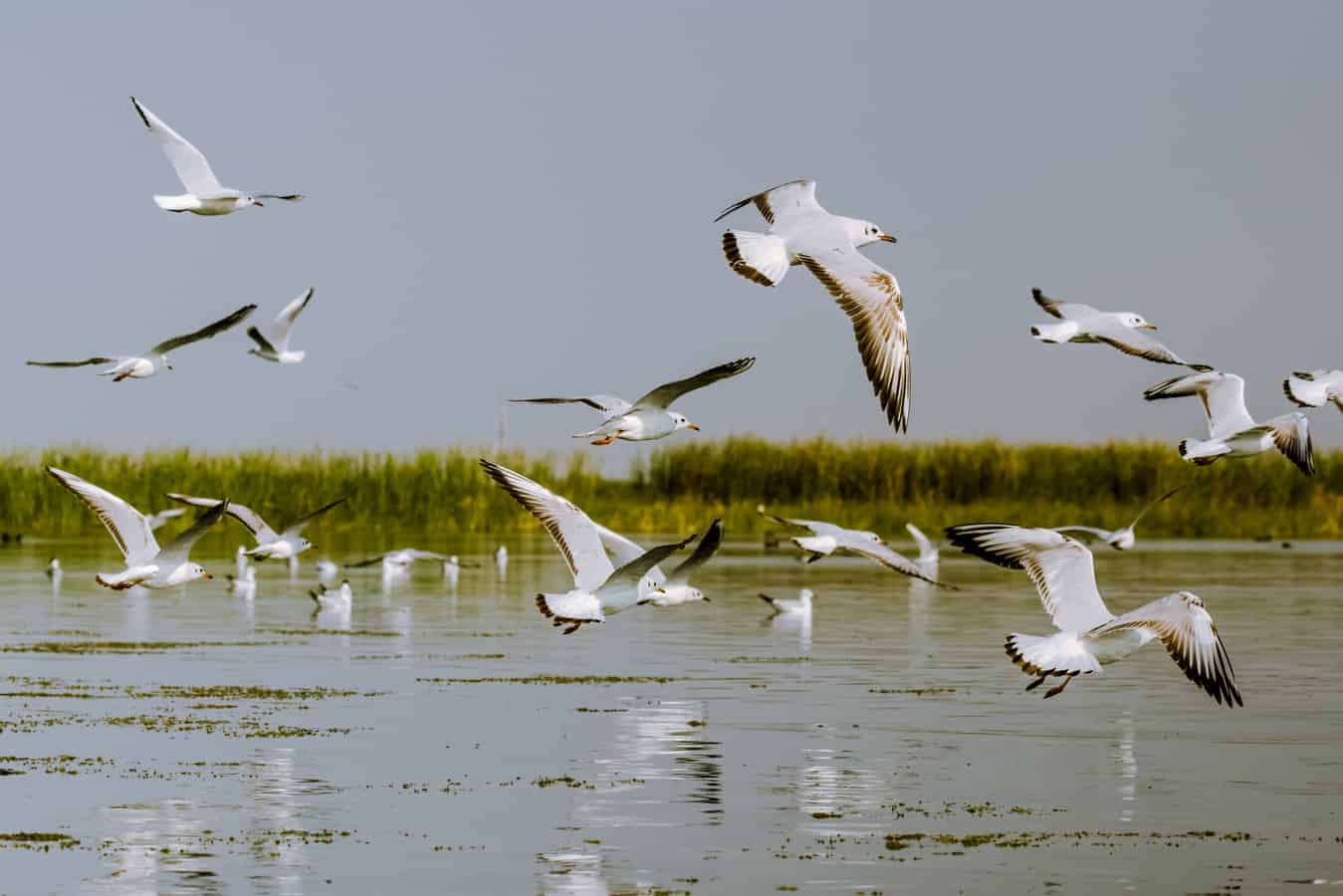
Bird Sanctuaries in Delhi: Guide, Timing and Tips

Rohit Verma
February 18, 2026
Explore bird sanctuaries in Delhi with season-aware planning, ethical birding tips, and practical route guidance for better sightings.
Bird Sanctuaries in Delhi: Where to Watch Birds Without Leaving the City Region
Delhi surprises many travelers with its birding potential. Most people associate the city with monuments, markets, and traffic, but the NCR belt has productive wetland and scrub habitats that support both resident and migratory birds. If you plan the right season and right time slot, you can record excellent sightings in and around Delhi without a long expedition.
The biggest advantage here is access. You can do sunrise sessions, return to the city for work or sightseeing, and still maintain serious birding quality. This makes Delhi ideal for beginners building field skills and for experienced birders running short, targeted sessions. If you want to extend your route, combine this article with birdwatching spots india and asola bhatti wildlife sanctuary delhi for better city-region planning.
Main Birding Zones to Prioritize in Delhi NCR
Okhla Bird Sanctuary: one of the most discussed sites in NCR because of its wetland structure and strong winter migrant potential. Water levels and disturbance vary by year, so local updates matter, but it remains a key stop for city birders.
Sultanpur National Park: technically in Haryana but commonly included in Delhi birding itineraries. It is a dependable option for controlled trails, easier movement, and a high-value winter season.
Yamuna floodplain pockets and urban wetlands: smaller sites can produce strong sightings in short windows, especially at first light. These are useful when you cannot allocate a full day.
Asola-Bhatti landscape: scrub-forest profile gives a different species mix compared to wetlands and adds variety to your Delhi checklist.
The practical rule is simple: pair one wetland site with one scrub/forest site over two mornings instead of trying to jump three locations in one day.
Best Time for Birdwatching in Delhi
October to March is usually the strongest season for Delhi birding because of migratory arrivals and better daytime comfort. Summer birding is possible, but heat and haze reduce comfort and visibility. Monsoon sessions can work for residents, though access and field movement can become inconsistent depending on local conditions.
| Season Window | Birding Quality | Planning Advice |
|---|---|---|
| October - March | Best overall diversity and comfort | Prioritize wetlands and start early |
| April - June | Resident species, high heat stress | Very short sunrise sessions only |
| July - September | Variable but useful for local patches | Check access after rain before leaving |
Within a day, 6:30 AM to 9:00 AM is usually the most productive period. A second short window near sunset may work in some zones, but morning remains more reliable in Delhi conditions.

How to Plan a Practical Half-Day and Full-Day Birding Session
Half-day model: choose one site, arrive before sunrise, spend 2 to 2.5 hours on slow loops, then leave by late morning. This model suits weekday schedules and gives focused observation quality.
Full-day model: do a wetland sunrise session, take a long mid-day break, then shift to a scrub/woodland zone for a late-afternoon pass. Keep transport buffers realistic and avoid overloading your route map with long cross-city movement.
Carry water, notebook or digital checklist setup, and lightweight layers. In winter, Delhi mornings are cold and fog can delay visibility; in late spring, heat rises quickly after 9 AM. Your comfort strategy is as important as your species strategy.
Bird Species You Can Commonly Expect
Expected sightings vary by habitat and month, but Delhi-region birding often includes herons, egrets, storks, kingfishers, cormorants, lapwings, and raptors in open zones. Winter migration can add ducks, geese, and other waterfowl in suitable wetlands. In scrub and mixed urban green belts, you can expect babblers, drongos, shrikes, parakeets, mynas, and seasonal passerines.
A useful field tactic is to focus on micro-habitats instead of only trail distance. Edges where shallow water meets reed beds, or where scrub opens into grass patches, often produce the best movement. Stand still, scan in layers (foreground, mid-range, canopy), and avoid constant walking. Detection improves dramatically with patience.
Gear and Field Setup for Delhi Birding
- 8x42 binoculars are usually the best balance of field-of-view and brightness.
- Muted clothing helps reduce disturbance, especially in close-range wetland edges.
- Carry backup battery and offline maps in case of weak data zones.
- Use a simple species log format with time and habitat notes.
- If using a camera, keep shutter setup ready before entering active zones.
You do not need expensive gear to start. Good timing, low-noise movement, and consistent observation habits improve results more than equipment upgrades.
For repeat visitors, one useful method is to keep a simple month-wise field log with weather, water level, and activity notes from each session. Over just four to six visits, you will start seeing clear patterns in movement and species presence at specific points. That personal dataset helps you choose better dates and avoid low-yield slots, especially in Delhi's variable winter visibility conditions.

Ethics, Safety, and Responsible Birding Conduct
Ethical birding protects both habitat and long-term access for everyone. Do not play loud bird calls repeatedly, do not chase nesting birds, and avoid stepping into marsh edges that are clearly sensitive. Keep plastic out of field areas and respect local staff instructions on path restrictions.
For safety, avoid isolated stretches in very low-light conditions if you are solo. Prefer known entry points and share your route with a friend. During fog-heavy days, reduce movement speed and stay on established trails. If conditions are poor, choose a shorter high-quality session instead of forcing a long route.
If you are traveling with children or first-time participants, choose one easy loop and convert it into a learning session rather than a checklist race. Delhi is excellent for this style of introductory birding.
Common Mistakes to Avoid
- Arriving late and expecting peak activity.
- Trying to cover multiple sanctuaries in one morning.
- Ignoring weather and visibility forecasts in winter.
- Standing too close to feeding or resting flocks.
- Skipping hydration and sun protection in shoulder months.
- Treating all wetlands as identical habitats.
Strong birding days usually come from fewer moves, better timing, and disciplined observation.

Final Takeaway
Bird sanctuaries in Delhi and nearby NCR can deliver excellent experiences when planned with the right expectations. Focus on season fit, start early, choose one primary site per session, and practice ethical field behavior. This approach works for both beginners and advanced birders and helps you build repeatable, high-quality sightings close to the city.
With smart planning, Delhi can shift from being just a transit hub to becoming a rewarding birding base in your India wildlife calendar.
Location
Frequently Asked Questions
Q1.When is best time for birdwatching in Delhi?
Q2.How to improve sightings?
Q3.Is ethical behavior important?
Q4.Can beginners enjoy Delhi birding?
Q5.What gear is helpful?
Q6.Should I cover multiple sanctuaries in one day?
Q7.Are families welcome?
Q8.What improves birding quality?
Recommended For You

Asola Bhatti Wildlife Sanctuary Delhi: Birding Trails & Entry Details
Discover Asola Bhatti Wildlife Sanctuary, Delhi's hidden gem with 193+ bird species, leopards, and pristine nature trails. Perfect for birdwatching and weekend escapes from the city.

National Parks in Kashmir: Wildlife, Trek Routes & Seasonal Access
Complete guide to national parks in Kashmir including Dachigam, Gulmarg Wildlife Sanctuary, wildlife viewing tips, Hangul deer, snow leopard, entry fees, and best visiting times.
Wildlife Safaris in Malaysia: Top 5 Sanctuaries & Travel Tips
Discover the best wildlife safaris in Malaysia featuring orangutans, pygmy elephants, and pristine rainforests in Borneo and Peninsula Malaysia. Complete guide to top sanctuaries, best time to visit, and essential tips.
Never Miss an Adventure
Get the latest trekking guides, travel tips, and exclusive offers delivered straight to your inbox.
