
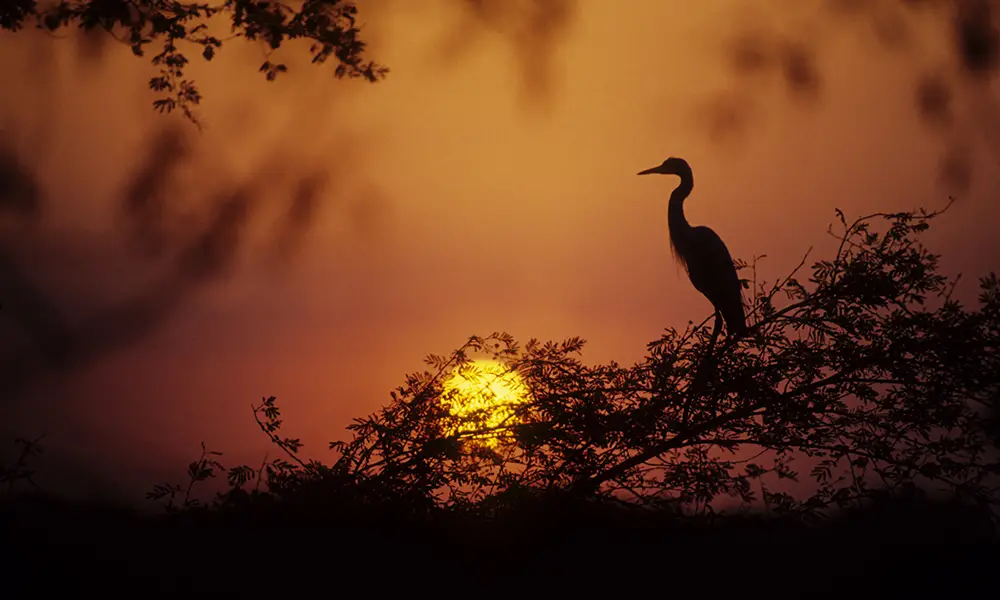
Birdwatching Spots India: Season Guide and Tips

Priya Mehta
February 18, 2026
Plan birdwatching spots in India with migration-aware timing, ethical field practices, and practical route planning for better sightings.
Birdwatching Spots in India: A Practical Guide for Better Sightings
India is one of the richest birding countries in the world, with habitats that shift from high Himalayan valleys to mangrove coasts, dry scrub forests, wetlands, grasslands, and rainforest corridors. This diversity is why birdwatchers can plan multiple trips in the same year and still keep seeing new species. But successful birding is not about random travel to famous names. It depends on season timing, habitat fit, and patient field behavior.
If you are building your first serious birding route, start with three questions: which species group you want to prioritize, what weather window you can travel in, and how much local ground movement you can handle in a day. This helps you avoid rushed itineraries and improves actual sightings. You can cross-plan this guide with bird sanctuaries in delhi, nalsarovar bird sanctuary ahmedabad, and best bird sanctuaries in the world for a broader perspective.
Top Birdwatching Regions and What They Offer
For practical planning, divide India into birding regions rather than state boundaries. North India is excellent for winter migrants and high-altitude species transitions. West India offers saline wetlands and grassland specialists. Central India gives mixed forest and river-edge opportunities. South India is strong for endemics and evergreen habitat diversity. Northeast India is unmatched for high-species density but demands stronger logistics and weather flexibility.
A common mistake is trying to cover too many regions in one trip. Instead, do one focused circuit. For example, a winter wetland route can include Delhi NCR wetlands plus Gujarat systems. A Western Ghats route can include lowland and mid-elevation forests for endemics. Focused planning gives better mornings in the field and less fatigue from transfers.
Best Time for Birdwatching in India
Bird activity changes sharply by season. Broadly, October to March is the strongest period for migratory diversity in many plains and wetland zones. Resident species can be watched year-round, but visibility and vocal activity often improve in cooler windows and breeding periods.
| Season Window | Typical Birding Strength | Best Use |
|---|---|---|
| October - March | High migratory activity | Wetlands and open-country routes |
| April - June | Breeding behavior in many residents | Forest birding and calls-based sightings |
| July - September | Rain-dependent variability | Short local sessions where access is stable |
Daily timing also matters. The first two to three hours after sunrise are usually the most productive in most habitats. Late-afternoon sessions can also be rewarding, especially near water edges and grasslands. Midday is often better used for transfer, species note cleanup, and gear reset.

High-Value Birdwatching Spots to Prioritize
Keoladeo National Park (Rajasthan): one of the most reliable wetland birding sites in India, especially in winter. Easy movement, high density, and strong guide ecosystem make it beginner-friendly and rewarding for advanced photographers too.
Okhla and NCR wetland belt: useful for urban birders and short windows. You can log resident plus migratory waterbirds without long-distance travel. Good for test runs before larger trips.
Nalsarovar (Gujarat): highly valuable for winter waterfowl and open wetland species. Early arrival is critical for light and activity.
Thattekad and Western Ghats circuits: ideal for endemic-focused birding with mixed canopy and understory opportunities. Requires slower movement and ear-based detection skills.
Northeast hill-forest routes: exceptional diversity but requires strong logistics and local guide support due to terrain and weather unpredictability.
These are not the only good sites, but they offer high return for planning effort and suit a range of experience levels.
Essential Gear That Actually Improves Your Birding
Many beginners overbuy equipment and underprepare basics. You can bird effectively with a balanced, field-practical setup:
- 8x42 or 10x42 binoculars with comfortable neck support.
- Neutral-color clothing that blends into habitat.
- Lightweight field notebook or quick digital note template.
- Water, salt/electrolyte support, and simple trail snacks.
- Cap, sunscreen, and rain shell depending on region.
- Basic first-aid and blister-prevention supplies.
If you carry a camera, ensure it does not slow observation. Birding quality drops when all attention goes to chasing one frame. Prioritize detection first, documentation second.
Birding Ethics and Field Conduct
Ethical behavior is non-negotiable in wildlife spaces. Do not crowd perches, do not use loud playback repeatedly, and do not pressure guides to push into sensitive nesting zones. Keep a respectful distance, especially around shorebirds, raptors, and breeding pairs. Habitat stress often comes from repeated close approach, not only from obvious disturbance.
Wherever possible, hire local guides and pay fair rates. Local knowledge dramatically improves detection and also supports conservation-linked livelihoods. Follow park rules strictly on movement and timing. If photography hides are available, use them instead of improvised close approaches.

How to Build a Realistic 3-5 Day Birding Itinerary
For short trips, avoid multi-city overreach. A good structure is one base, one major habitat type, and repeated field sessions at the same location in different light windows. Repetition increases sightings because species movement changes by hour and weather.
Example format:
- Day 1: arrival, sunset familiarization session, route mapping.
- Day 2: sunrise field session, mid-day rest and species log, late session.
- Day 3: secondary zone visit, guided micro-habitat focus.
- Day 4: target species attempt + fallback zone.
- Day 5: short morning session and departure.
This format outperforms rushed “cover everything” plans and keeps your energy stable.
A practical improvement for this itinerary is to leave one flexible buffer slot for weather and access surprises. If fog, rain, or local restrictions affect your target zone, use that buffer to repeat your strongest previous site instead of forcing a weak transfer. Repeated high-quality sessions at one habitat almost always produce better checklists than chasing distance. This approach also reduces fatigue, helping you stay alert during the best first-light window on the next day.
Common Mistakes to Avoid
- Starting too late in the morning and expecting high activity.
- Ignoring weather shifts and losing key session windows.
- Switching locations too frequently in one day.
- Depending only on eBird hotlists without local context.
- Wearing bright colors and moving noisily through habitat edges.
- Skipping hydration and field recovery between sessions.
Small operational mistakes often matter more than destination choice. Better process gives better birds.

Final Takeaway
India offers extraordinary birdwatching potential, but the best outcomes come from disciplined planning and patient fieldwork. Choose one region per trip, match your route to season, start early, and keep ethics central to every session. When done right, even a short 3-day circuit can produce more meaningful sightings than a rushed cross-country plan.
Use this guide as a planning framework, then refine by habitat, species goals, and local weather updates. That approach will consistently improve your birding quality trip after trip.
Location
Frequently Asked Questions
Q1.How to choose birdwatching spots in India?
Q2.Why is migration timing important?
Q3.Should I use local guides?
Q4.What field gear is essential?
Q5.Can beginners do birding trips?
Q6.How to maintain ethical birding?
Q7.Is one region per trip better?
Q8.What improves birdwatching success most?
Recommended For You

National Parks in Kashmir: Wildlife, Trek Routes & Seasonal Access
Complete guide to national parks in Kashmir including Dachigam, Gulmarg Wildlife Sanctuary, wildlife viewing tips, Hangul deer, snow leopard, entry fees, and best visiting times.
Wildlife of Ladakh: Rare Animals, Birds & Best Sighting Season
Discover Ladakh's incredible wildlife - from elusive snow leopards to Himalayan brown bears, golden eagles, and black-necked cranes. Complete guide to wildlife species, best sanctuaries, and when to visit.
Wildlife Safaris in Malaysia: Top 5 Sanctuaries & Travel Tips
Discover the best wildlife safaris in Malaysia featuring orangutans, pygmy elephants, and pristine rainforests in Borneo and Peninsula Malaysia. Complete guide to top sanctuaries, best time to visit, and essential tips.
Never Miss an Adventure
Get the latest trekking guides, travel tips, and exclusive offers delivered straight to your inbox.
