
National Parks in Kashmir: Wildlife, Trek Routes & Seasonal Access

Priya Mehta
January 31, 2026
Complete guide to national parks in Kashmir including Dachigam, Gulmarg Wildlife Sanctuary, wildlife viewing tips, Hangul deer, snow leopard, entry fees, and best visiting times.
Introduction: Kashmir's Wildlife Heritage
Kashmir Valley is not only celebrated for its stunning landscapes and Mughal gardens but also for its rich biodiversity protected within national parks and wildlife sanctuaries. These protected areas serve as critical habitats for some of the world's most endangered and fascinating species, including the iconic Hangul deer, snow leopard, and Himalayan brown bear. The national parks in Kashmir offer travelers a unique opportunity to witness Himalayan wildlife in their natural habitat while experiencing the region's pristine forests and alpine meadows.
For wildlife enthusiasts, nature photographers, and adventure travelers, exploring Kashmir's national parks provides a different perspective of the valley—one that goes beyond houseboats and shikara rides. From the dense deodar forests of Dachigam to the alpine meadows of Gulmarg Wildlife Sanctuary, each protected area has its own distinct ecosystem and wildlife viewing opportunities. Combine your wildlife safari with best places to visit in Kashmir, Gulmarg attractions, and best time to visit Kashmir for a comprehensive travel experience.
Top National Parks in Kashmir
Kashmir is home to several protected areas, with Dachigam National Park being the most prominent. Each park offers unique wildlife viewing opportunities and different landscapes, from low-altitude forests to high-alpine meadows.
| National Park | Location | Key Wildlife | Best Time |
|---|---|---|---|
| Dachigam National Park | Srinagar District | Hangul, Black Bear, Musk Deer | April-November |
| Gulmarg Wildlife Sanctuary | Baramulla District | Snow Leopard, Red Fox, Brown Bear | May-October |
| Overa-Aru Wildlife Sanctuary | Anantnag District | Leopard, Himalayan Black Bear | April-November |
| Hirpora Wildlife Sanctuary | Shopian District | Markhor, Musk Deer, Brown Bear | May-October |
Dachigam National Park: The Crown Jewel
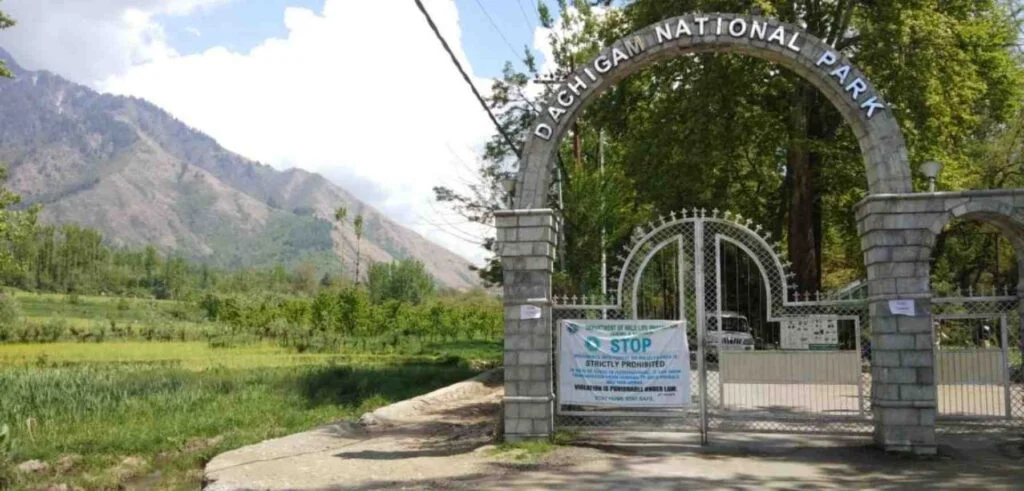
Dachigam National Park is undoubtedly the most famous and accessible national park in Kashmir. Located just 22 kilometers from Srinagar, this protected area spans 141 square kilometers and encompasses both upper and lower Dachigam, each offering distinct terrain and wildlife experiences. The park is particularly renowned as the last remaining habitat of the Hangul deer (Kashmir stag), one of the most endangered subspecies of red deer in the world.
The lower Dachigam region features dense deciduous forests with trees like oak, willow, and walnut, while upper Dachigam transforms into alpine meadows and coniferous forests. This diverse terrain supports over 150 species of birds, including the koklass pheasant and Himalayan monal, making it a paradise for birdwatchers. The park also houses predators like the Himalayan black bear and leopard, along with the rare musk deer.
Gulmarg Wildlife Sanctuary
Gulmarg Wildlife Sanctuary covers approximately 180 square kilometers and surrounds the famous Gulmarg ski resort. While most visitors come to Gulmarg for skiing and trekking, the sanctuary offers incredible wildlife viewing opportunities. The terrain varies from dense forests to alpine meadows, creating habitats for species like the snow leopard (rare but present), Himalayan brown bear, red fox, and various bird species.
The sanctuary's higher altitudes provide excellent habitat for the elusive snow leopard, though sightings are extremely rare and typically require multi-day treks with experienced trackers. More commonly, visitors may spot the Himalayan marmot, golden eagle, and other high-altitude wildlife. Check our Gulmarg Gondola and Apharwat Peak guides for combining wildlife viewing with Gulmarg's other attractions.
Overa-Aru Wildlife Sanctuary
Located in Pahalgam, the Overa-Aru Wildlife Sanctuary spans over 400 square kilometers and represents one of Kashmir's most pristine protected areas. The sanctuary is named after two villages—Overa and Aru—and features diverse landscapes ranging from pine forests to alpine pastures. This sanctuary is particularly known for its healthy population of leopards and Himalayan black bears, along with the musk deer and various pheasant species.
Compared to Dachigam, Overa-Aru receives fewer visitors, offering a more secluded wildlife experience. The sanctuary also serves as an important corridor for wildlife movement between different ranges. Visitors can combine wildlife viewing with Kashmir sightseeing in May when spring brings new vegetation and increased animal activity.
Best Time to Visit
The timing of your visit significantly affects wildlife viewing opportunities and overall experience in Kashmir's national parks. Different species are more visible during different seasons, and weather conditions vary dramatically between lower and upper regions.
| Season | Conditions | Best For |
|---|---|---|
| Spring (April-May) | Pleasant weather, blooming flora | Hangul spotting, birdwatching |
| Summer (June-August) | Accessible upper regions | Upper Dachigam, alpine wildlife |
| Autumn (September-October) | Cool temperatures, clear skies | Leopard sightings, photography | Winter (November-March) | Snow, limited access | Lower Dachigam only, limited viewing |
Spring and Summer: Prime Wildlife Viewing
April through June represents the optimal window for wildlife viewing in Kashmir's national parks. During spring, animals emerge from winter quarters and become more active as they forage for fresh vegetation. This is particularly true for the Hangul deer, which descends to lower elevations in spring, making them more visible to visitors. Birdwatching is exceptional during these months as migratory species return and resident birds begin breeding activities.
Summer months open access to upper regions of the parks, including alpine meadows where Himalayan species like the brown bear and marmots are more active. The weather is generally pleasant, though temperatures can vary significantly between morning and afternoon. This is also the best time for combining wildlife viewing with Kashmir in September and other high-altitude treks.
Autumn: Photography and Predator Sightings
September and October bring cooler temperatures and clearer skies, creating excellent conditions for wildlife photography. As temperatures drop, animals become more active during daylight hours, increasing sighting opportunities. This is often considered the best season for spotting leopards, which become more visible as they prepare for winter. The fall colors also provide stunning backdrops for photography.
However, snow begins accumulating in upper regions by late October, which can limit access to higher elevations. Lower regions remain accessible, and wildlife is still active, though the pace increases as animals prepare for the harsh winter ahead.
How to Reach
Reaching Kashmir's national parks typically involves traveling to Srinagar first and then using local transport to reach individual parks. Most parks are accessible by road, though some remote areas require trekking.
Reaching Dachigam National Park
Dachigam National Park is the most accessible, located approximately 22 kilometers from Srinagar city center. Travel time by road is typically 45-60 minutes. The park entrance is near Harwan, which is well-connected by taxi services from Srinagar. The route passes through scenic areas including the Harwan Garden, making the journey enjoyable even before reaching the park.
For budget travelers, local buses and shared taxis operate between Srinagar and Harwan, though timing can be less convenient. Hiring a private taxi is recommended for wildlife viewing as it provides flexibility for early morning and late afternoon excursions when animals are most active.
Reaching Gulmarg Wildlife Sanctuary
Gulmarg Wildlife Sanctuary surrounds the town of Gulmarg, which is approximately 52 kilometers from Srinagar. The drive takes about 2-3 hours depending on road conditions and traffic. The route to Gulmarg is scenic, winding through forests and offering panoramic views of the valley.
Once in Gulmarg, the sanctuary can be explored on foot or with the help of local guides who know specific wildlife areas. For high-altitude wildlife viewing beyond Gulmarg town, treks to Apharwat Peak and surrounding meadows may be required. Check our how to reach Gulmarg from Srinagar guide for detailed transportation options.
Reaching Overa-Aru Wildlife Sanctuary
Overa-Aru Wildlife Sanctuary is located in Pahalgam, approximately 96 kilometers from Srinagar. The journey takes about 3-4 hours by road. Pahalgam itself is a popular tourist destination with good accommodation options, making it a convenient base for exploring the sanctuary. From Pahalgam, the sanctuary entrance is accessible by road, though interior areas require trekking.
The sanctuary encompasses Aru Valley, which is accessible by vehicle and serves as a trekking base. Wildlife viewing here typically involves day hikes or multi-day treks into the interior. Combining wildlife viewing with Chandanwari and other Pahalgam attractions creates a balanced itinerary.
Wildlife & Animals
Kashmir's national parks support an impressive diversity of wildlife, some of which are endemic to the region and found nowhere else on Earth. The mix of altitudinal zones—from subtropical valleys to alpine meadows—creates multiple habitat types that support varied species.
The Majestic Hangul Deer
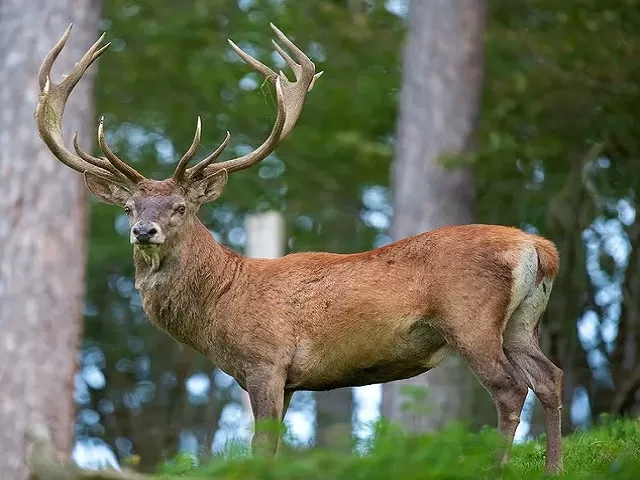
The Hangul deer (Kashmir stag) is undoubtedly Kashmir's most iconic wildlife species. This beautiful subspecies of red deer is characterized by its impressive antlers and reddish-brown coat that turns darker in winter. The Hangul is critically endangered, with estimates suggesting fewer than 400 individuals remain in the wild, all within Dachigam National Park and its surrounding areas.
Spotting a Hangul is considered a rare privilege even among seasoned wildlife enthusiasts. They are most visible during the rutting season (September-October) when males engage in mating displays and become more vocal. Early morning visits during spring and autumn offer the best viewing opportunities as deer descend to lower valleys to feed.
Apex Predators: Leopards and Snow Leopards
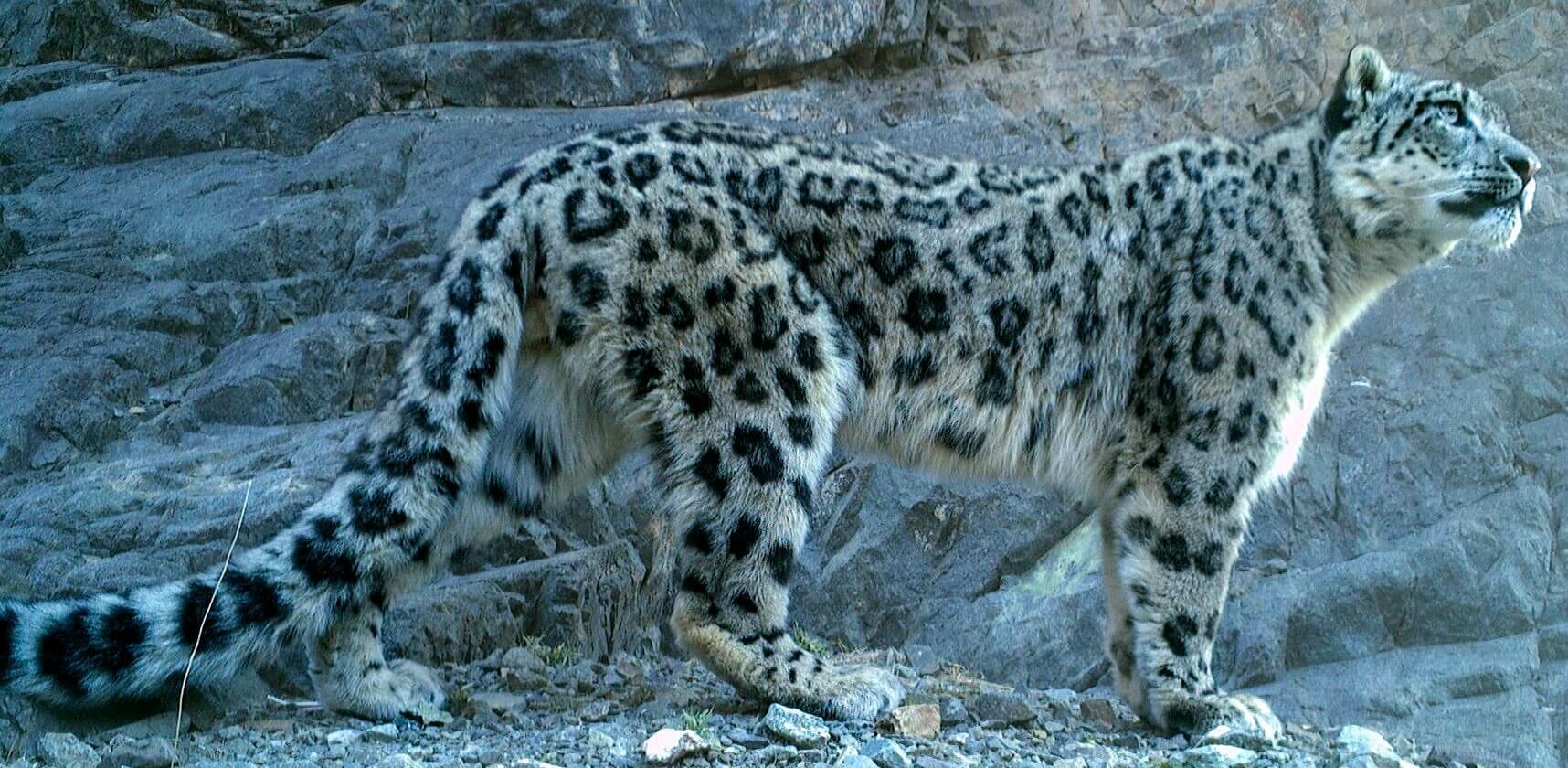
The Himalayan region supports two major cat species: the common leopard and the elusive snow leopard. While leopards are found in lower and mid-altitude forests, snow leopards inhabit high-altitude zones above 3,000 meters. Snow leopards are among the world's most elusive large cats, and sightings in Kashmir are extremely rare, typically requiring extended expeditions with experienced trackers.
Common leopards are more frequently seen, particularly during autumn and early winter when they become active during daylight hours. They play a crucial role in maintaining the ecosystem's balance by controlling herbivore populations. The Kashmir leopard is a distinct subspecies adapted to the region's rugged terrain and harsh winters.
Bear Species
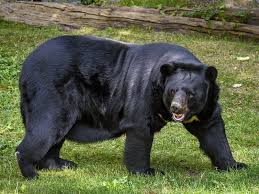
Kashmir's national parks are home to both the Himalayan black bear and the Himalayan brown bear. The black bear is more common in forested areas and is known for its distinctive white chest patch. These bears are excellent climbers and can often be spotted in trees or foraging for fruits, insects, and small mammals.
The brown bear, larger and more formidable, inhabits higher alpine zones and is less frequently encountered. These bears are primarily vegetarian, feeding on roots, berries, and grasses, though they will occasionally consume small animals. Both species hibernate during winter, reducing sighting opportunities between November and March.
Birdlife of Kashmir
Over 150 bird species have been recorded in Kashmir's national parks, making the region a paradise for birdwatchers. The Himalayan monal, with its iridescent plumage, is the state bird and one of the most sought-after sightings. The koklass pheasant, Himalayan snowcock, and western tragopan are other prized pheasant species.
Raptors are well-represented, with the golden eagle, bearded vulture, and Himalayan griffon patrolling the skies. Waterfowl can be found in lower-altitude lakes and wetlands. Spring and summer are ideal for birdwatching as migratory species arrive and resident birds engage in breeding displays.
Other Notable Wildlife
Several other species contribute to Kashmir's rich wildlife tapestry. The musk deer, though small and shy, is an important species known for the valuable musk pod found in males. The Himalayan marmot, a social rodent found in alpine meadows, is often seen sunning itself on rocks and creates entertaining viewing opportunities.
The red fox is widespread and frequently encountered, particularly near human settlements where they scavenge. Other mammals include the Himalayan serow (a goat-antelope), langur monkeys, and various squirrel and rodent species. Reptiles and amphibians, though less visible, include the Himalayan pit viper and several frog species adapted to the region's cold climate.
Safari & Trekking
Wildlife viewing in Kashmir's national parks differs from African-style safaris. Instead of open-vehicle game drives, experiences typically involve guided walks, treks, and strategic observation from designated points. This more intimate approach allows for deeper connection with the environment while minimizing disturbance to wildlife.
Jeep Safari Options
While traditional jeep safaris are limited, some areas do allow vehicle access for wildlife viewing. Lower Dachigam can be explored by vehicle along designated roads, though most viewing requires walking. Gulmarg Wildlife Sanctuary around the town offers limited vehicle access, with most wildlife encounters occurring during hikes beyond vehicle reach.
For those preferring vehicle-based viewing, combining national park visits with Apharwat Peak via the Gulmarg Gondola provides opportunities to spot high-altitude species like marmots and golden eagles without extensive trekking.
Guided Wildlife Walks
Guided walks are the primary method for wildlife viewing in most parks. Naturalist guides from the Forest Department or local communities lead small groups through trails known for wildlife activity. These walks vary in duration from short 2-3 hour excursions to full-day treks, depending on the target species and fitness levels.
Walking allows for closer observation of smaller creatures, birds, and evidence of larger animals like tracks and scat that might be missed from a vehicle. Guides share insights about animal behavior, plant life, and ecosystem dynamics that enrich the experience beyond simple wildlife spotting.
Multi-Day Trekking Expeditions
For serious wildlife enthusiasts, multi-day treks into remote park areas offer the best chance of spotting elusive species like snow leopards and brown bears. These expeditions require careful planning, appropriate equipment, and experienced guides familiar with animal movement patterns.
Popular trekking routes include the trails around Gulmarg's upper meadows, the Aru Valley to Overa-Aru interior treks, and the upper Dachigam to Dresheri Ridge route. These treks typically involve camping in designated sites and early morning/evening wildlife watches from advantageous positions.
| Trek Type | Duration | Best For | Difficulty |
|---|---|---|---|
| Nature Walk | 2-3 hours | Birdwatching, easy wildlife | Easy |
| Day Hike | 6-8 hours | Moderate wildlife, scenic views | Moderate |
| Multi-Day Trek | 2-4 days | Elusive species, deep wilderness | Challenging |
Tickets & Permissions
Visiting national parks in Kashmir requires appropriate permits and entry fees. Regulations are designed to protect wildlife and minimize human impact while ensuring sustainable tourism.
Dachigam National Park Entry
Dachigam National Park requires an entry permit obtained from the Wildlife Warden's office in Srinagar. Entry fees are nominal, typically around INR 50-100 for Indian citizens and higher for foreign nationals. Vehicles entering the park pay additional parking fees. Photography permits may be required for professional equipment.
Access to upper Dachigam requires special permission from the Chief Wildlife Warden, as this area is more strictly protected due to critical Hangul habitat. Permission is typically granted for research purposes and organized tours accompanied by Forest Department guides.
Gulmarg Wildlife Sanctuary Access
Gulmarg Wildlife Sanctuary generally does not require separate entry fees beyond the Gulmarg entry fee paid when arriving in town. However, specific treks into protected areas may require permits from the local Forest Department office. Trekking beyond Apharwat Peak into the sanctuary interior typically requires permission and, in some cases, a registered guide.
For snow leopard tracking expeditions in Gulmarg's higher reaches, special permits are required and must be arranged well in advance through authorized wildlife tourism operators.
Overa-Aru Wildlife Sanctuary Entry
Entry to Overa-Aru Wildlife Sanctuary requires permits from the Pahalgam Wildlife Warden's office. Entry fees are similar to Dachigam, with additional charges for cameras and vehicles. Camping within the sanctuary requires special permission and is restricted to designated sites.
Trekking routes through the sanctuary may need route-specific permits, particularly for multi-day expeditions. Local guides are mandatory for most treks beyond the immediate Aru Valley area, and their fees are separate from entry permits.
Documentation Requirements
Indian citizens typically need to provide identification (Aadhar card, voter ID, or passport) when obtaining permits. Foreign nationals need passport details and may undergo additional security checks due to the region's protected status. It's advisable to carry multiple copies of permit documents and identity proof for forest department checks.
Travel Tips
Proper planning and preparation significantly enhance wildlife viewing experiences in Kashmir's national parks. Here are essential tips for safe and rewarding visits.
Essential Packing List
- Neutral-colored clothing (avoid bright colors that disturb wildlife)
- Layered garments for variable weather conditions
- Comfortable, waterproof hiking boots with good grip
- Binoculars (minimum 8x42 or 10x42 recommended)
- Camera with telephoto lens (200mm+ recommended for wildlife)
- Daypack with rain cover
- Sun protection: hat, sunglasses, sunscreen
- Reusable water bottle and snacks
- First-aid kit with basic medications
- Flashlight or headlamp for evening returns
- Walking stick for stability on trails
Timing Your Wildlife Viewing
Wildlife is most active during early morning and late afternoon hours. Plan your park entry for these periods to maximize sighting opportunities. Midday visits are generally less productive as animals seek shade and rest during peak heat. Arriving at park entrances at dawn (6:00-7:00 AM depending on season) gives you the best chance of encountering active animals before human activity increases.
Safety Guidelines
While wildlife encounters in Kashmir's parks are generally safe when conducted properly, certain precautions are essential:
- Always maintain safe distance from animals—never approach or attempt to feed wildlife
- Follow guide instructions strictly, especially regarding bear encounters
- Store food securely and avoid carrying strong-smelling items
- Make noise while walking to avoid startling animals
- Carry bear spray when venturing into bear habitat (available locally)
- Never attempt to follow tracks alone without a guide
- Stay on designated trails to avoid disturbing wildlife and sensitive habitat
- Respect weather conditions and turn back if conditions deteriorate
Photography Ethics
Responsible photography practices help minimize disturbance to wildlife:
- Use telephoto lenses to maintain distance
- Never use flash photography on animals
- Avoid nesting sites, dens, and areas with young animals
- Respect other visitors' viewing opportunities
- Never bait animals or use calls to attract them
- Follow Forest Department guidelines for drone usage (generally prohibited)
Local Guides and Naturalists
Hiring local guides is not just recommended—it's often mandatory for certain areas. Guides have intimate knowledge of wildlife patterns, recent sightings, and safe practices. Their experience significantly increases your chances of meaningful wildlife encounters while ensuring safety and compliance with regulations.
Authorized guides are registered with the Forest Department and carry identification cards. Always verify credentials before engaging a guide. Tip generously for good service—guide fees are often their primary income, and knowledgeable guides deserve fair compensation for their expertise.
Responsible Wildlife Tourism
Practice Leave No Trace principles to protect fragile ecosystems:
- Carry out all waste and dispose of it properly
- Minimize noise pollution to avoid disturbing wildlife
- Respect wildlife viewing limits and time restrictions
- Avoid off-trail travel that damages vegetation
- Don't remove natural objects or plant material
- Report any illegal activities or wildlife disturbances to authorities
Combining Wildlife with Cultural Experiences
Kashmir's wildlife viewing can be enhanced by combining it with cultural experiences. Spend evenings in Srinagar enjoying shikara rides or visiting Mughal gardens. Explore local markets in Kashmir for handicrafts and learn about the region's weaving traditions. This holistic approach provides deeper understanding of how human culture and wildlife coexist in the valley.
Conclusion
National parks in Kashmir offer an extraordinary opportunity to experience Himalayan biodiversity in some of the world's most beautiful landscapes. From the critically endangered Hangul deer to the elusive snow leopard, these protected areas harbor species found nowhere else on Earth. While wildlife viewing in Kashmir requires patience, preparation, and respect for regulations, the rewards are unmatched—moments of connection with wild creatures in their natural habitat that create lasting memories.
Whether you're an avid wildlife enthusiast, a nature photographer, or simply a traveler seeking experiences beyond tourist circuits, Kashmir's national parks have something unique to offer. With thoughtful planning, respect for wildlife, and an appreciation for conservation efforts, your visit to these protected areas becomes not just a safari but a meaningful contribution to preserving Kashmir's natural heritage for future generations.
Location
Frequently Asked Questions
Q1.How many national parks are in Kashmir?
Q2.Which is the best national park in Kashmir?
Q3.What is the best time to visit Dachigam?
Q4.What animals can I see in Kashmir national parks?
Q5.Can we spot snow leopards in Kashmir?
Q6.Is safari available in Dachigam National Park?
Q7.What is the entry fee for Dachigam National Park?
Q8.Do I need permits to visit these parks?
Q9.How to reach Gulmarg Wildlife Sanctuary?
Q10.Are guides available for wildlife tours?
Recommended For You
Gulmarg Gondola: Phases, Ticket Booking & Ride Details
Ride Asia's highest cable car in Gulmarg, Kashmir. Complete guide covering ticket prices, two phases, timings, best time to visit, booking & safety tips.
How to Reach Kashmir from Delhi: Complete Travel Guide 2026
Complete guide on how to reach Kashmir from Delhi - flights, trains, road trip options, routes, costs, and travel tips for a smooth journey.
Shikara Ride Kashmir: Best Time, Rates, and Safety Tips
Plan your shikara ride in Kashmir with practical timing, fare clarity, and route-safety guidance.
Never Miss an Adventure
Get the latest trekking guides, travel tips, and exclusive offers delivered straight to your inbox.
