
Lal Bagh Palace Indore: Timings, Ticket Info & Interior Highlights

Ananya Sharma
December 13, 2025
Lal Bagh Palace Indore guide covering history, architecture, timings, route planning, and practical tips for a well-paced heritage visit.
Introduction: Lal Bagh Palace, the Regal Landmark of Indore
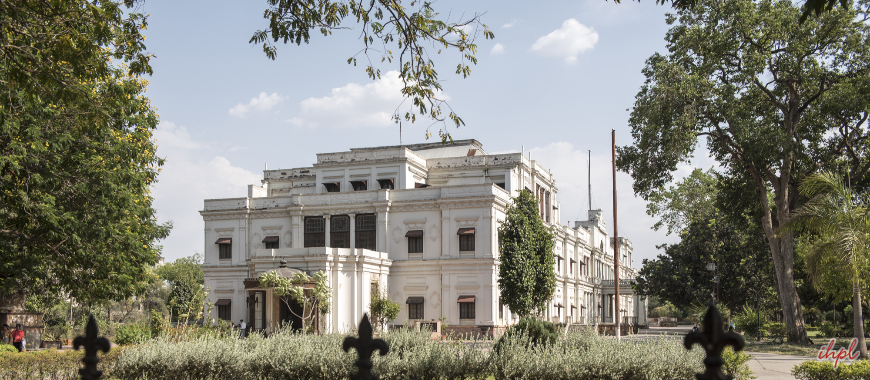
Lal Bagh Palace in Indore is one of the most significant heritage structures in central India and a key symbol of Holkar-era grandeur. Travelers often arrive expecting only a historic building, but the palace offers much more: layered royal history, European-influenced design language, ceremonial spaces, and a clear window into how architecture reflected status and cultural exchange in princely India.
Located within Indore city limits, Lal Bagh Palace is practical to include in both short city circuits and deeper heritage-focused itineraries. The site is especially useful for travelers who want to understand Indore beyond food streets and shopping corridors.
For route continuity, pair this visit with Krishnapura Chhatris in Indore, places to visit in Indore, and local food planning through places to eat in Indore.
History of Lal Bagh Palace and the Holkar Connection
Lal Bagh Palace is closely associated with the Holkar dynasty, which played a major role in shaping Indore's political and cultural identity. Construction and enhancement unfolded over phases during the late 19th and early 20th centuries, reflecting a period when princely states often blended local traditions with European forms to project prestige and modernity.
The palace functioned as a royal residence and ceremonial venue, and its planning reveals priorities typical of elite estates of the time: grand reception zones, formal halls, ornamental surfaces, and curated landscaping. Such buildings were not designed only for living; they were designed to communicate influence.
Post-independence, Lal Bagh Palace transitioned from dynastic residence to public heritage significance. Today, it stands as an architectural and historical memory point that helps visitors understand how Indore developed from princely capital to modern urban center.
| Historical Layer | Why It Matters |
|---|---|
| Holkar-era development | Connects palace identity to Indore's royal legacy |
| Multi-phase construction | Explains design variety and imported influences |
| Ceremonial usage | Shows role of architecture in state display |
| Public heritage transition | Preserves site for cultural education today |
Architectural Character: Why Lal Bagh Palace Feels Different
Lal Bagh Palace is often described as a fusion of Indian royal patronage and European stylistic influence. Visitors notice this through scale, symmetry, decorative detailing, grand halls, and material choices that emphasize visual authority.
Rather than a single-style monument, the palace presents a composite aesthetic. Formal entry, column treatment, elaborate interiors, and curated spatial progression create a stately experience that differs from temple-town heritage or fort architecture common in other regions.
Notable architectural impressions
- Large ceremonial interiors designed for reception and protocol.
- European-inspired detailing combined with local adaptation.
- Decorative treatment in halls, passages, and key rooms.
- A sense of hierarchy in how spaces unfold during movement.
For first-time visitors, it helps to walk slowly and observe transitions between zones rather than rushing to only the largest hall. The palace experience is about sequence as much as individual rooms.
Inside the Palace: Halls, Rooms, and Visitor Experience
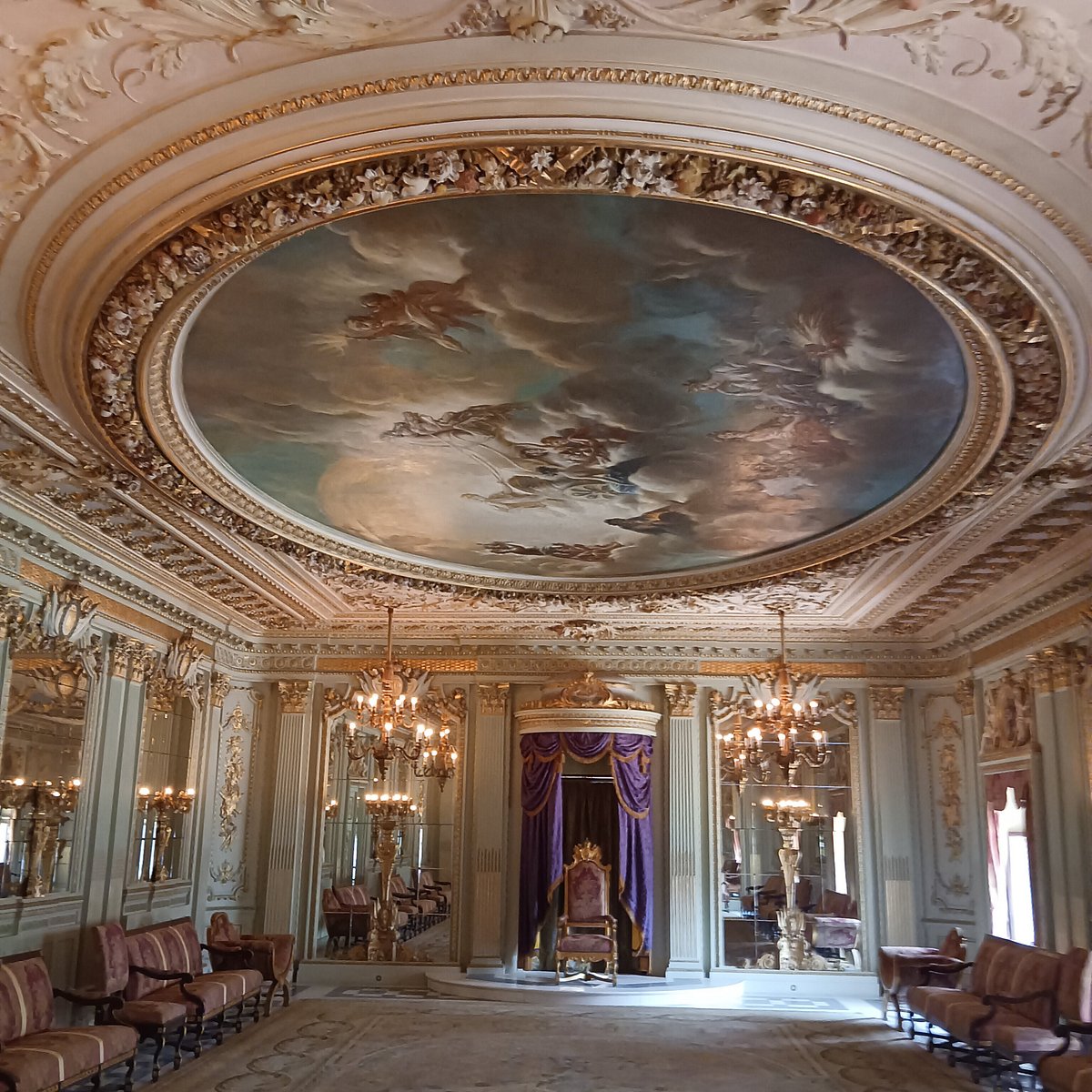
Exploring Lal Bagh Palace is less about quantity of rooms and more about understanding function. Public-facing spaces were built for ceremony, while private and support sections reflected residence needs and administrative rhythm.
What visitors usually notice
- Main reception zones: Designed to impress invited guests and officials.
- Formal hall spaces: Structured for gatherings and royal protocol.
- Decorative surfaces: Reveal patronage preference and imported craft influence.
- Circulation design: Corridors and stairways reinforce spatial hierarchy.
Depending on current conservation access, some sections may have controlled entry. Always follow site instructions and avoid touching surfaces or barriers. Heritage sites remain fragile under high-footfall patterns.
Lal Bagh Palace Timings, Entry, and Visit Planning
Travelers commonly search for exact timings and entry-fee details before arrival. As these can change with administrative updates, restoration work, and local holidays, verify current information from reliable local sources near your travel date.
| Planning Item | Practical Guidance |
|---|---|
| Best arrival window | Morning or late afternoon for calmer exploration |
| Ideal visit duration | 60 to 120 minutes depending on interest level |
| Crowd pattern | Weekdays are usually easier than peak weekend slots |
| Photography policy | Follow current on-site rules and restricted-area markers |
| Entry/ticket details | Reconfirm on the day to avoid outdated assumptions |
If you are combining multiple heritage points in Indore, keep Lal Bagh Palace in the first half of the day and reserve evening for market or food circuits.
Best Time to Visit Lal Bagh Palace
Indore is visitable year-round, but comfort and pacing differ by season.
| Season | Experience | Recommendation |
|---|---|---|
| October to March | Pleasant weather for city exploration | Best overall season |
| April to June | Hot afternoons, faster fatigue | Visit in early morning slots |
| Monsoon | Greener city mood, variable showers | Carry rain layer and flexible plan |
Winter and shoulder months usually provide the smoothest heritage-day experience, especially if you are walking multiple sites in one itinerary.
How to Reach Lal Bagh Palace in Indore
Lal Bagh Palace is well connected to major city points, making it accessible via cab, auto-rickshaw, and app-based transport. Travelers arriving by train or flight can include it without major logistical complexity.
| Starting Point | Approx Access Pattern | Tip |
|---|---|---|
| Indore Railway Station | Short city transfer by cab/auto | Combine with nearby heritage stops |
| Indore Airport | Direct cab access into city circuit | Avoid peak-hour traffic blocks |
| Central hotels | Quick local transfer | Keep return slot open for food trail |
Self-drive visitors should account for city traffic variation. If time is tight, use point-to-point cab planning instead of parking-heavy multi-stop loops.
Nearby Attractions to Combine with Lal Bagh Palace
Lal Bagh Palace gains value when positioned in a coherent Indore heritage route rather than treated as a standalone check-in. Good pairings include royal, spiritual, and culinary anchors.
- Rajwada Palace Indore for comparative Holkar-era perspective.
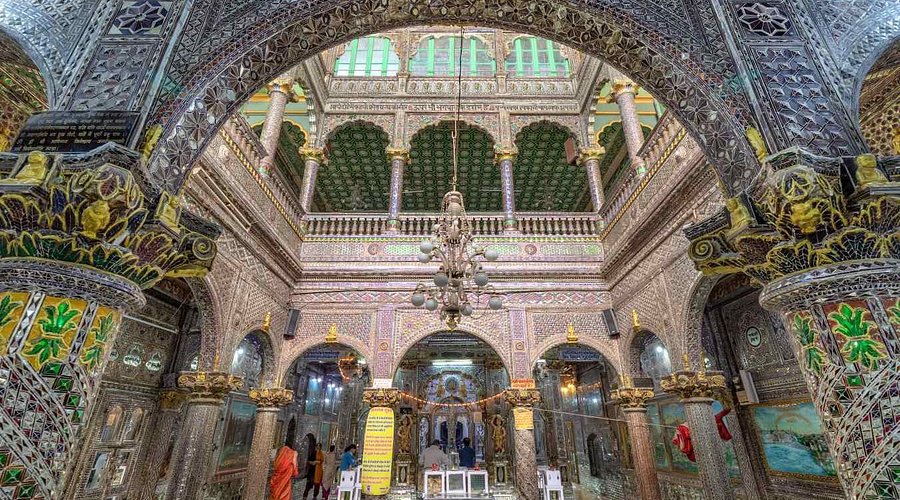
- Kanch Mandir Indore for unique devotional architecture.
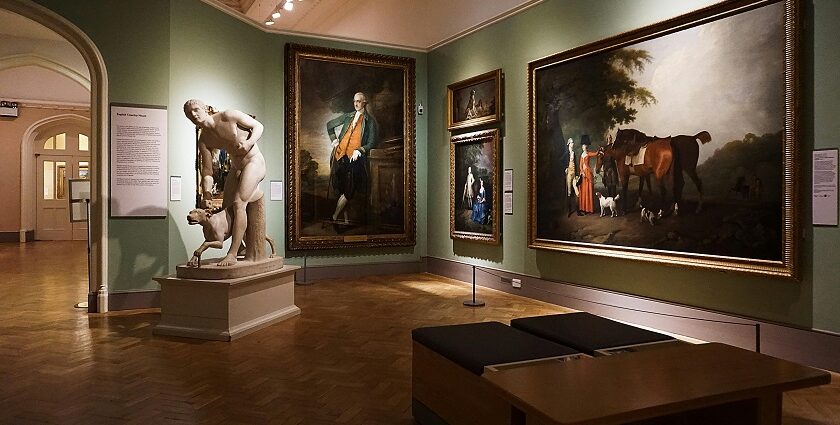
- Central Museum Indore for artifacts and context.
- Sarafa Bazaar Indore for evening culinary experience.
This mix allows historical depth during day hours and local culture through food and street life in the evening.
Suggested Half-Day Itinerary
| Time Block | Plan | Outcome |
|---|---|---|
| 09:00 - 10:30 | Lal Bagh Palace exploration | Core heritage immersion |
| 10:45 - 11:45 | Rajwada/nearby heritage transfer | Holkar context expansion |
| 12:00 - 13:00 | Museum or temple stop | Broader cultural perspective |
| Evening | Food/street market circuit | Balanced city experience |
This pattern works for first-time visitors and avoids rush-heavy city zig-zag routing.
Photography and Etiquette Tips
- Use available natural light in halls where flash is discouraged.
- Avoid leaning on decorative surfaces and restricted barriers.
- Respect local instructions on no-photo sections.
- Keep voice levels low in enclosed heritage rooms.
- Do not treat protected spaces as prop sets for disruptive shoots.
Heritage-sensitive behavior ensures the site remains accessible and intact for future visitors.
Budget and Practical Planning Notes
Lal Bagh Palace itself is usually a manageable-cost stop, but overall city-day budget depends on transport style and number of combined attractions. Cab-based movement is easiest for families and first-time visitors, while auto/public mixes can reduce cost for flexible travelers.
A simple budgeting model: split spending into transfers, entry fees, and food. Add a small contingency for traffic delays or extra stopovers. This avoids rushed decisions and makes the day more enjoyable.
Visitor Profiles and What to Prioritize
Different travelers can experience Lal Bagh Palace differently with minor planning adjustments. Architecture enthusiasts should prioritize slow hall-to-hall movement and detail observation. Family groups with mixed ages should keep shorter walk loops, hydration breaks, and one nearby attraction instead of many transfers. First-time visitors to Indore can treat Lal Bagh Palace as a heritage anchor and then move to food and market zones in the evening for a balanced city narrative.
If your travel style is photography-first, arrive early and reserve time for both facade and interior-light shots. If your travel style is history-first, add a museum stop after the palace to connect dynastic narratives with artifact context. This profile-based approach increases trip quality without adding complexity.
Conservation and Responsible Heritage Conduct
Palaces age through material fatigue, weather exposure, and heavy footfall, so visitor behavior directly affects long-term preservation. Stay within designated walking routes, avoid touching carved surfaces, and follow instructions around cordoned sections. Even small actions—like not leaning on decorative railings and avoiding loud group movement in enclosed halls—reduce wear and improve the shared experience for everyone.
Responsible heritage travel is not restrictive; it is what allows these sites to remain open and meaningful. When visitors combine curiosity with care, Lal Bagh Palace continues to function as both an educational space and a cultural memory landmark for future generations.
Common Mistakes to Avoid
- Arriving without checking current opening schedule.
- Stacking too many heritage sites in too little time.
- Ignoring afternoon heat in warmer months.
- Skipping contextual reading and treating the palace as only a photo stop.
- Using rushed transport plans with no traffic buffer.
Most weak experiences are planning errors, not destination limitations.
Conclusion
Lal Bagh Palace remains one of Indore's strongest heritage anchors, offering a rich combination of royal history, architectural distinction, and urban accessibility. It is ideal for travelers who want more than surface-level sightseeing and prefer context-driven exploration.
Plan around season, verify same-day timings, and combine nearby heritage and food stops for a fuller city experience. With a balanced route, Lal Bagh Palace becomes not just a monument visit but a meaningful introduction to Indore's historical character.
Location
Frequently Asked Questions
Q1.Where is Lal Bagh Palace located in Indore?
Q2.What is the history of Lal Bagh Palace?
Q3.Who built Lal Bagh Palace in Indore?
Q4.What are Lal Bagh Palace timings?
Q5.Is there an entry fee for Lal Bagh Palace?
Q6.How much time is needed to explore the palace?
Q7.What can we see inside Lal Bagh Palace?
Q8.Is photography allowed at Lal Bagh Palace?
Recommended For You
Places to Eat in Indore: Poha, Street Food & Best Restaurants
Explore the best places to eat in Indore with poha-jalebi breakfasts, Sarafa night food, Chhappan Dukan, local restaurants, dessert picks, and practical budget tips.
Central Museum Indore: Heritage Collections, Timings & Entry Info
Explore Central Museum Indore with key galleries, sculpture highlights, timings guidance, ticket planning, and a practical heritage route for city travelers.
Kanch Mandir Indore: Timings, Mirror Architecture & Visitor Details
Visit Kanch Mandir in Indore! Discover timings, history, glass temple architecture, how to reach, and complete travel guide for this unique Jain temple.
Never Miss an Adventure
Get the latest trekking guides, travel tips, and exclusive offers delivered straight to your inbox.
